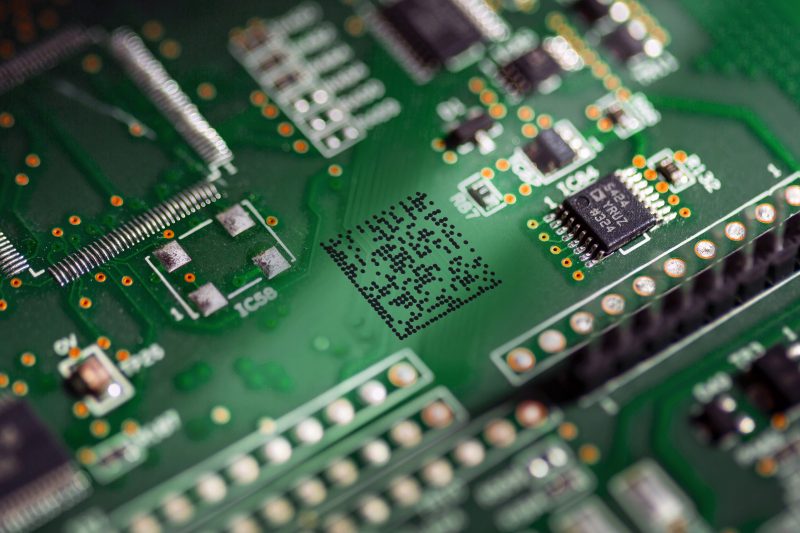

GS1 2D Code Printing


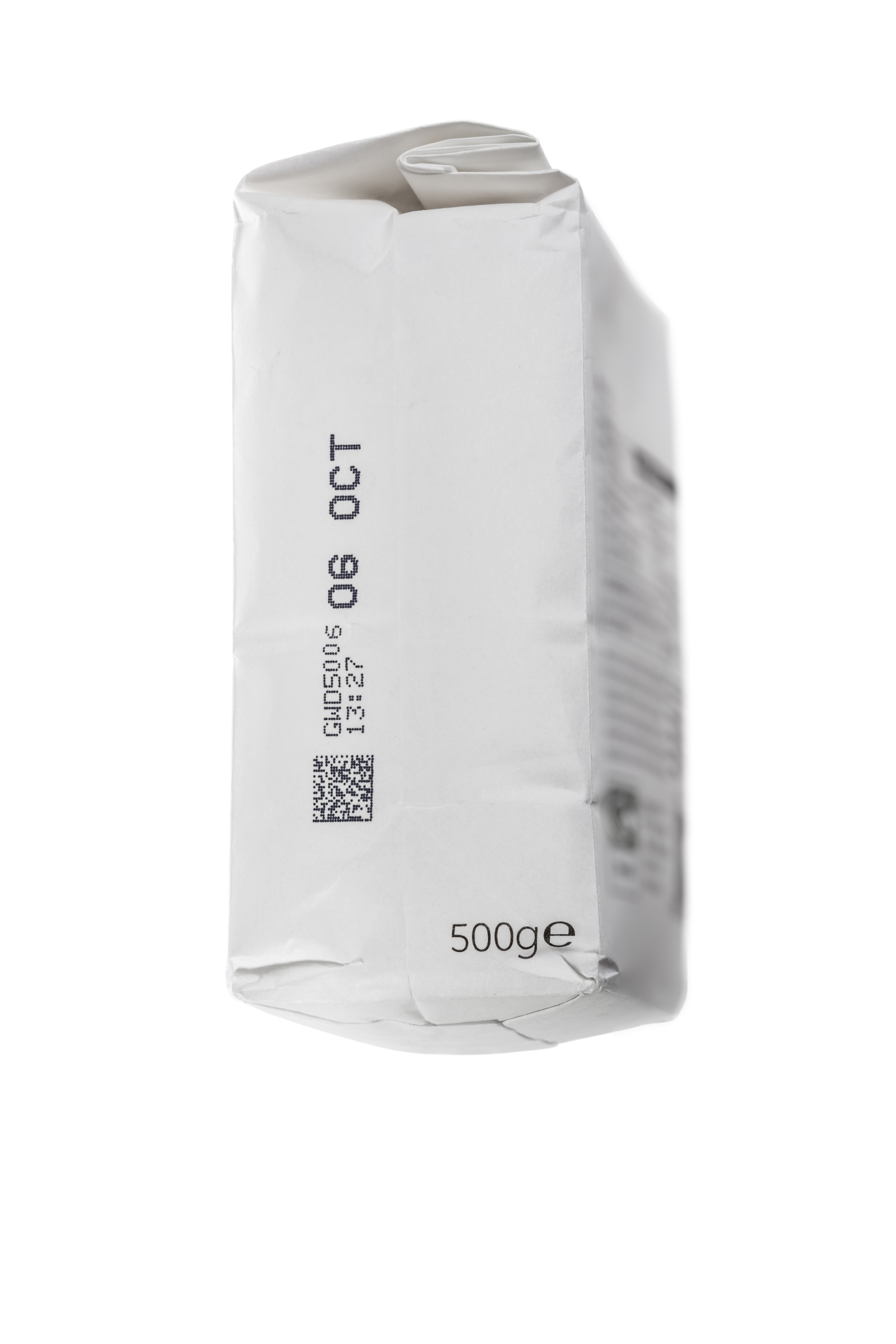
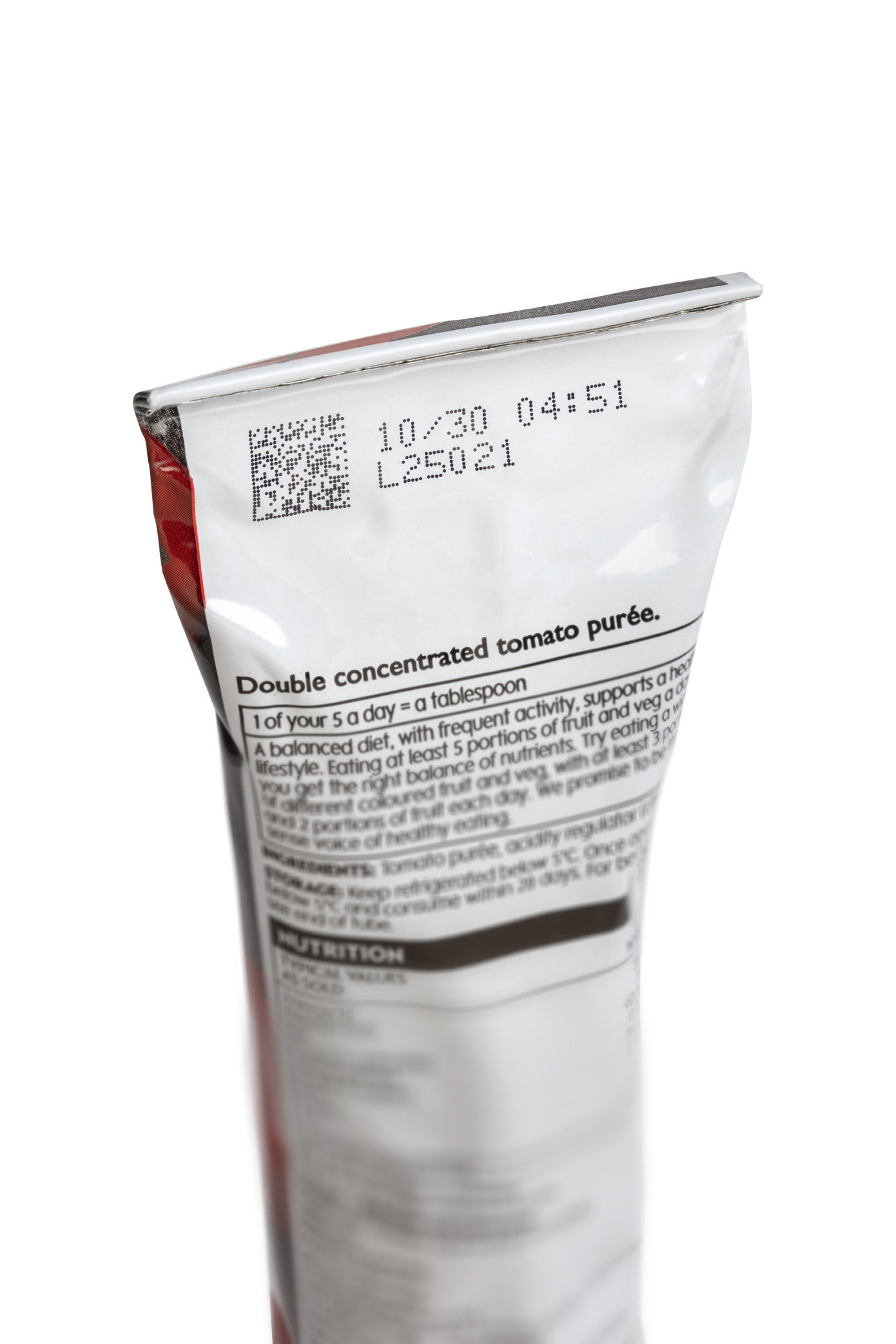
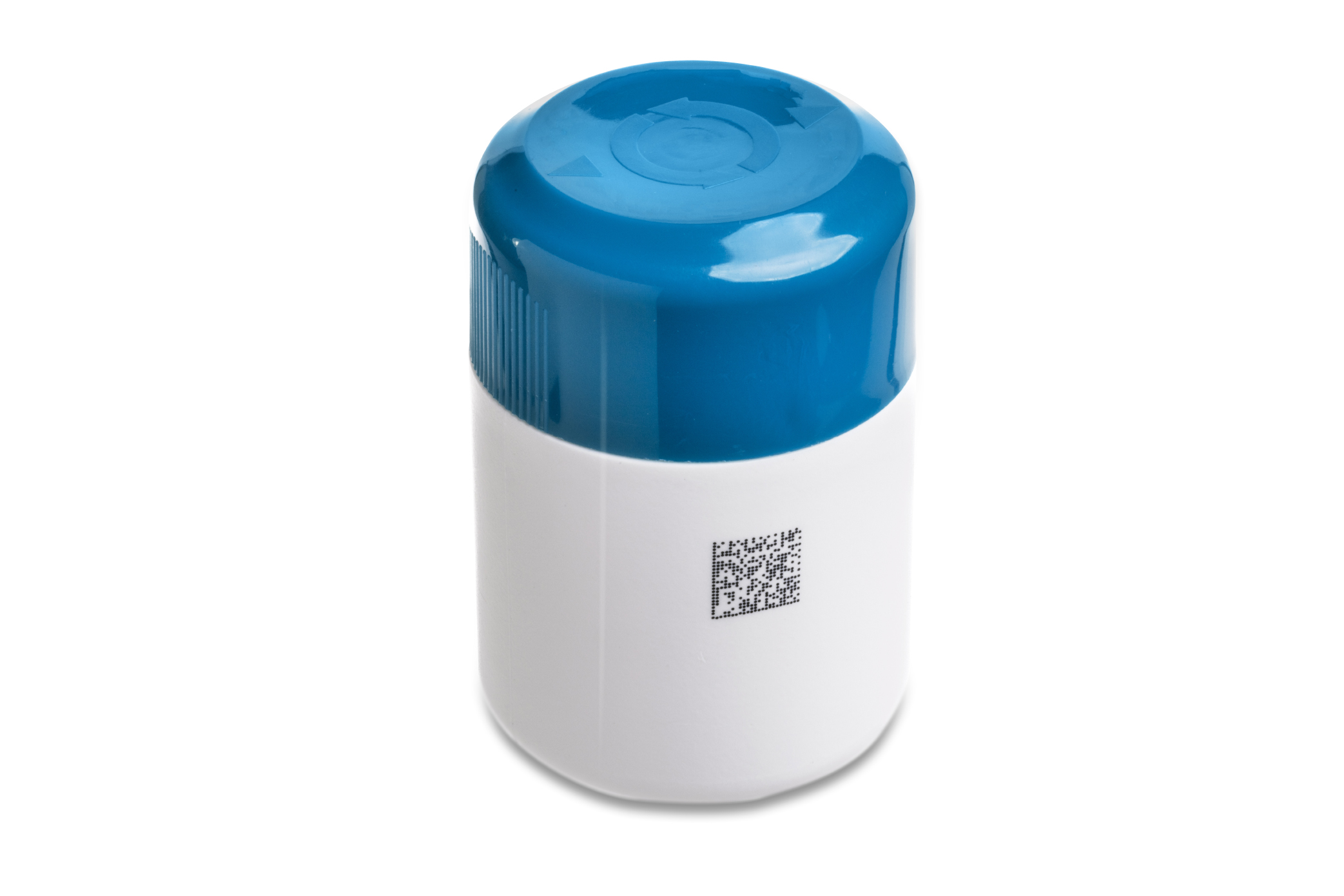
GS1 codes, including GS1 Data Matrix, are becoming the standard for product identification. In fact, the GS1 Sunrise 2027 initiative sets a global target. It requires all retail point-of-sale systems to accept 2D barcodes by the end of 2027.
Today, manufacturers need reliable and detailed product data. As a result, demand for advanced printing solutions continues to grow worldwide.
What is a GS1 code?
A GS1 code is a two-dimensional barcode. It encodes large amounts of data in a small space using defined GS1 standards.
As a result, scanners and mobile devices can read the data quickly. Therefore, these codes support product tracking, inventory management, and regulatory compliance.
In addition, GS1 2D barcodes store structured data clearly. For example, they include batch numbers, expiry dates, and serial numbers in a compact format.
A GS1 2D code uses GS1 Application Identifiers (AIs) to encode data. Depending on the application, you can use different AIs. For instance, common identifiers include:
- 01 – 14-digit Global Trade Item Number (GTIN)
- 10 – Batch or Lot Number
- 11 – Production Date (YYMMDD)
- 15 – Best Before Date (YYMMDD)
- 17 – Expiration Date (YYMMDD)
- 21 – Serial Number
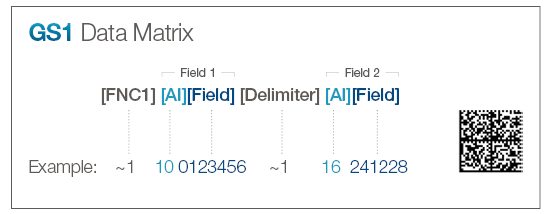
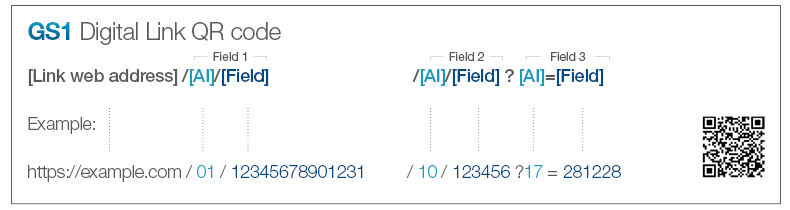
Understanding GS1 2D Codes vs GS1 Digital Link
GS1 2D codes, such as the GS1 Data Matrix, are compact barcodes that encode structured product data—like GTINs, batch numbers, and expiry dates—using GS1 Application Identifiers. Therefore, they support fast and accurate scanning across supply chains.
In contrast, GS1 Digital Link converts these identifiers into web-enabled links. It embeds them in a URL, usually within a QR code. As a result, a single scan connects users to real-time content. For instance, this may include product details, traceability data, or promotional pages to enhance consumer engagement and transparency.
While both formats support GS1 standards, Digital Link adds a powerful layer of connectivity to traditional data capture.
The Growing Importance of GS1
The adoption of GS1 Data Matrix barcodes is on the rise globally, driven by several factors:
- Regulatory Compliance: Many industries, including pharmaceuticals, medical devices, and food and beverage, are increasingly required to comply with regulations that mandate the use of GS1 Data Matrix barcodes for product identification and traceability.
- Supply Chain Efficiency: GS1 Data Matrix barcodes enhance supply chain visibility and efficiency by enabling accurate and rapid data capture. This leads to improved inventory management, reduced errors, and streamlined logistics.
- Consumer Safety: By providing detailed product information, GS1 Data Matrix barcodes help deliver consumer safety. They enable quick and accurate recalls when required and can reduce the risk of counterfeit products entering the market.
- Global Standardization: As a globally recognised standard, GS1 Data Matrix barcodes facilitate international trade by ensuring consistency and interoperability across different regions and industries.
Why Linx’s GS1 UK Partnership Matters
Linx partners with GS1 UK to deliver standards-compliant coding solutions. As an approved provider, we validate our systems for accuracy and reliability.
For example, the Linx 9000 Series prints GS1-compliant Data Matrix codes consistently. As a result, customers improve traceability and simplify compliance.
In addition, customers access GS1’s support network and resources. Furthermore, Linx features in GS1 UK partner listings. Therefore, customers gain added confidence in our solutions. Across industries, Linx provides future-ready coding technology backed by global standards.

Printing 2D Codes
A 2D can code be printed with a laser coder, continuous inkjet printer or thermal transfer printer. The product, its use, environment and lifecycle will determine which printing technology is most suitable.
When implementing 2D codes, especially in manufacturing or packaging environments, several factors must be considered:
- Print Quality, the information the 2D code carries will not be available if the quality of the print is not good. Poorly printed codes can be unreadable
- Substrate material, what is the substrate made of? This will affect the print methods available, is the surface smooth or rough? A curved surface will distort the code and may make it unreadable..
- Environmental conditions, the temperature, humidity, dust or presence of water on the substrate will affect the code print
Linx solutions for 2D Codes
Linx 9000 Series
Industrial Inkjet Printers
Making printing
one less thing to worry about
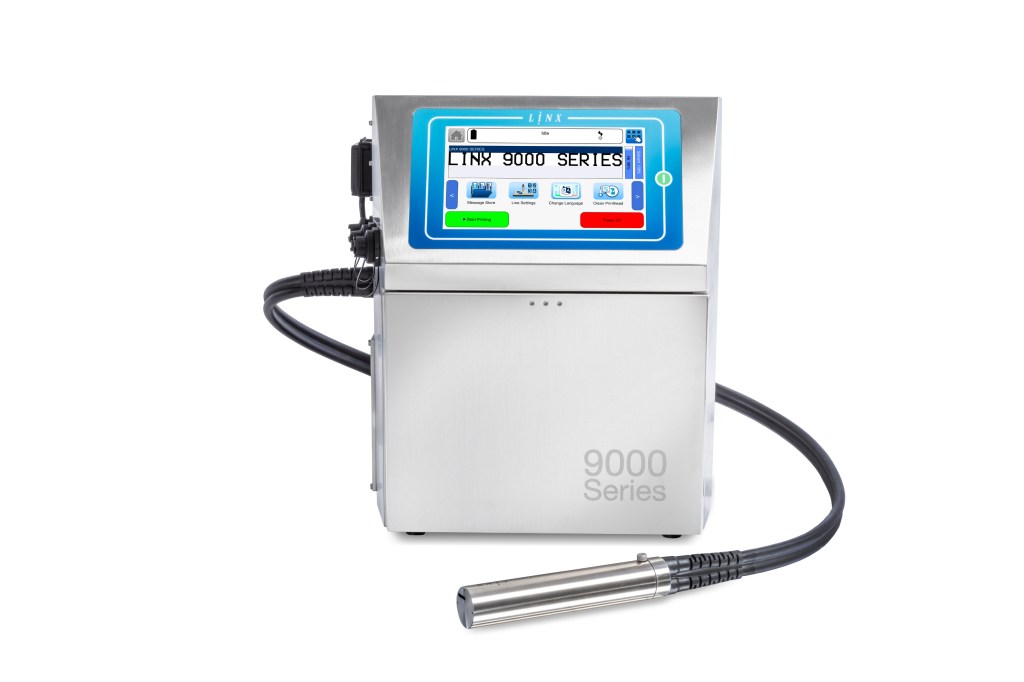
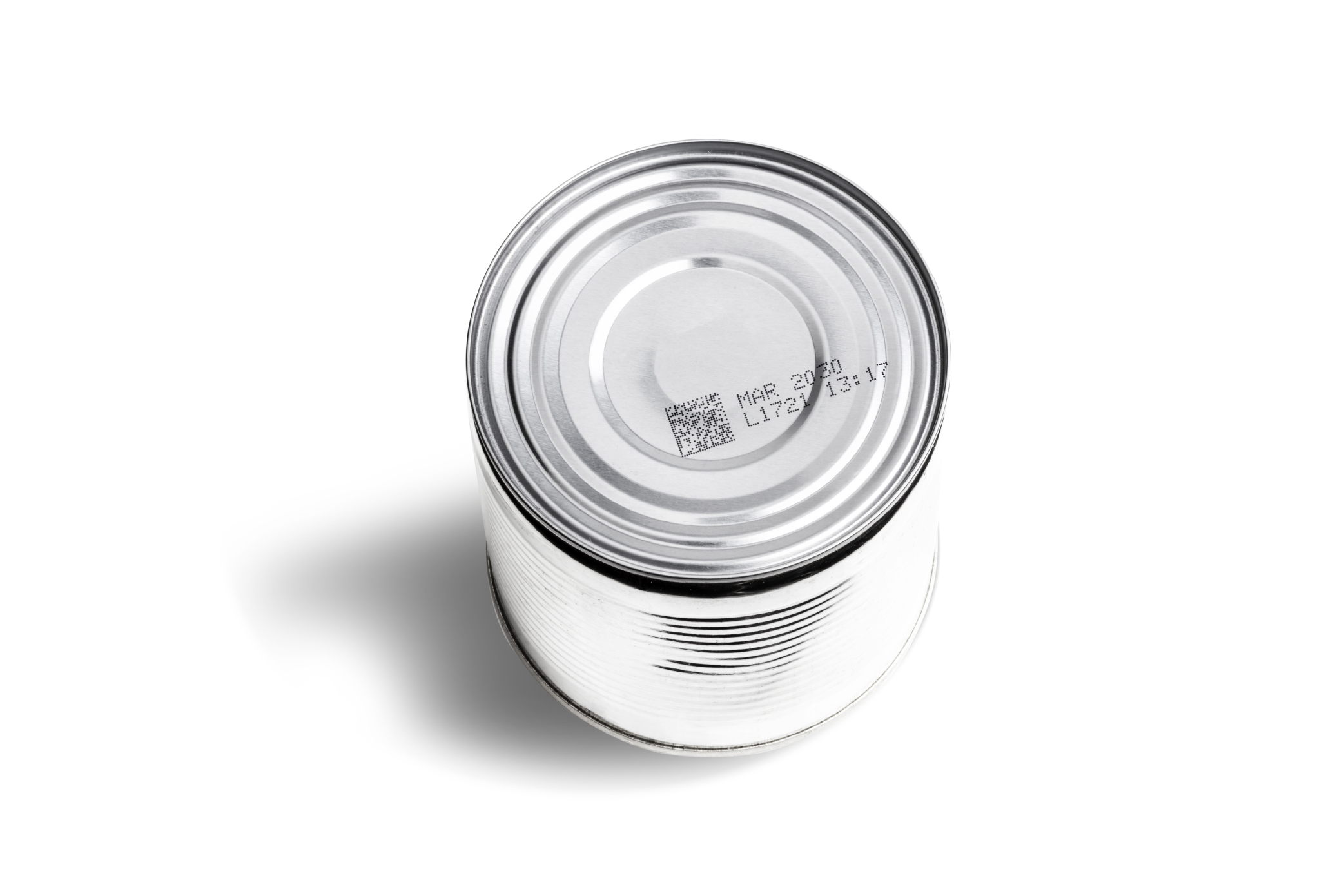
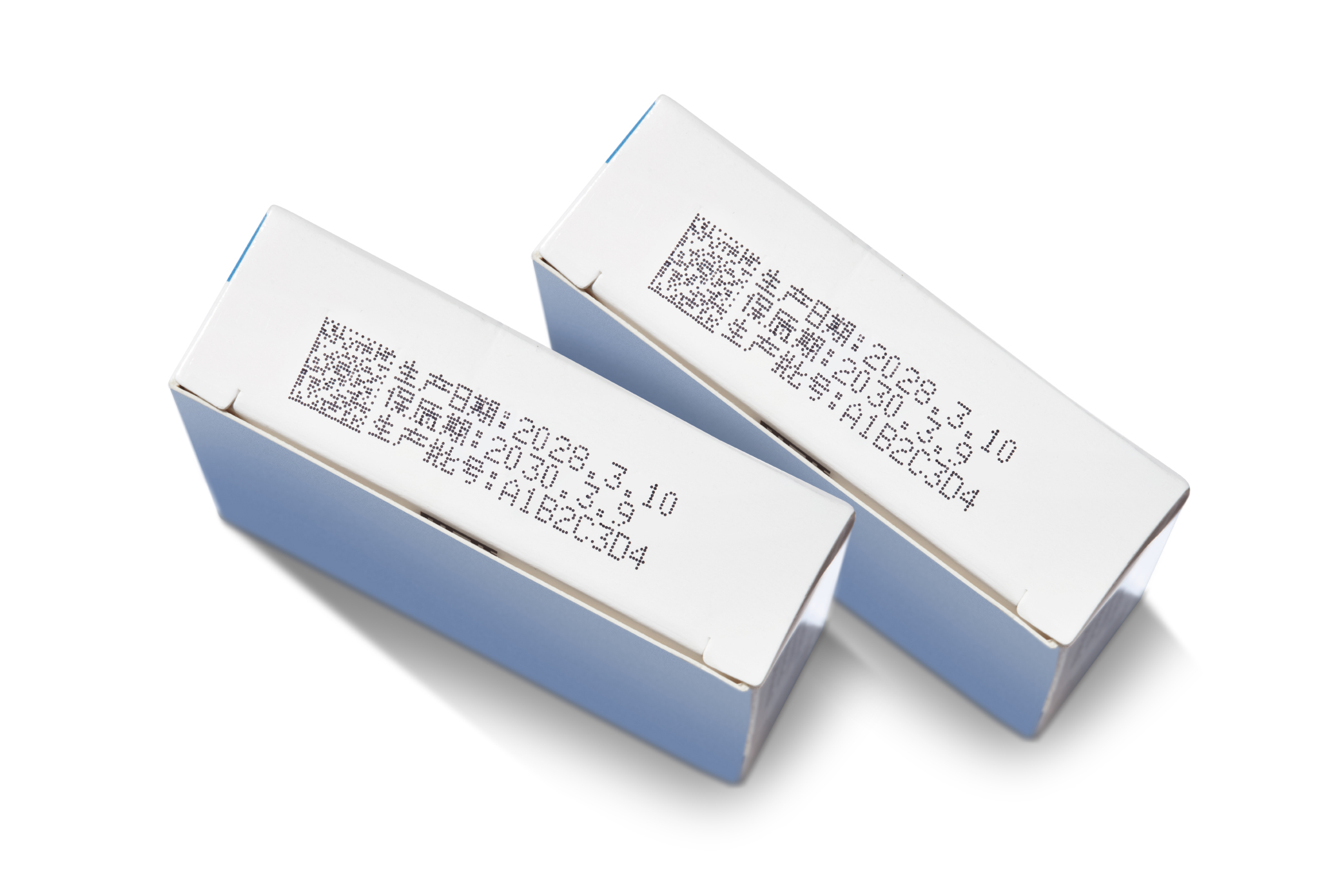
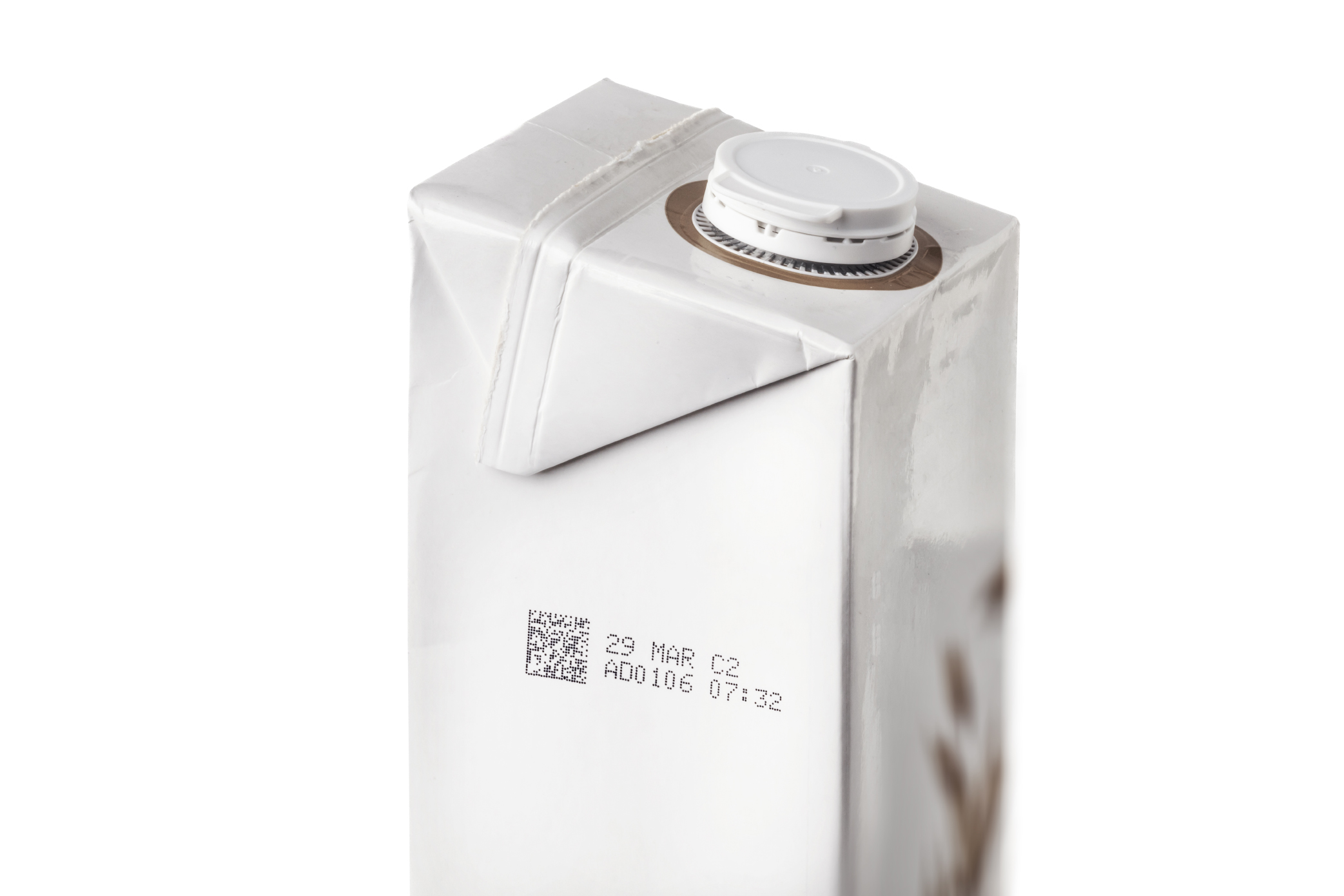
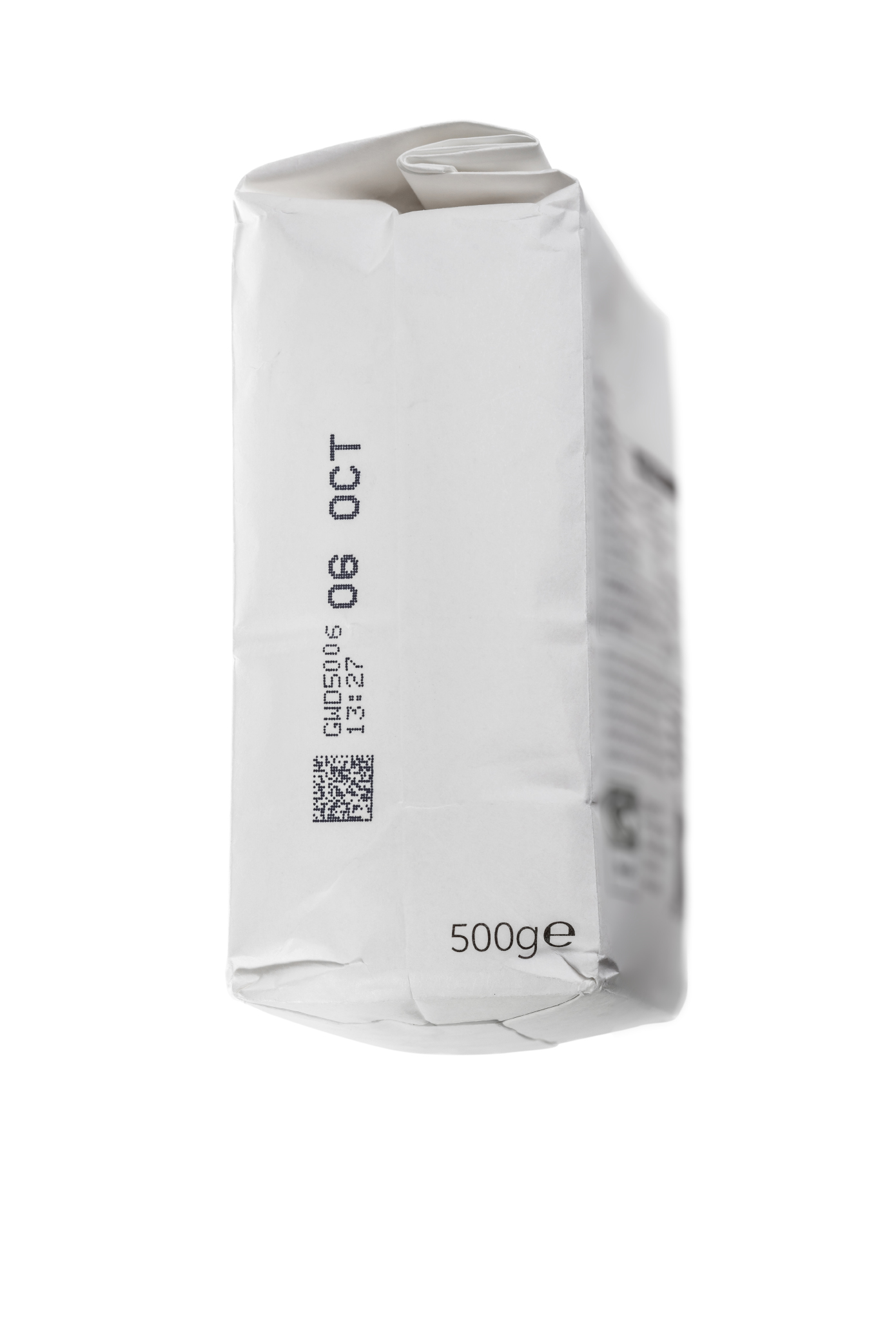
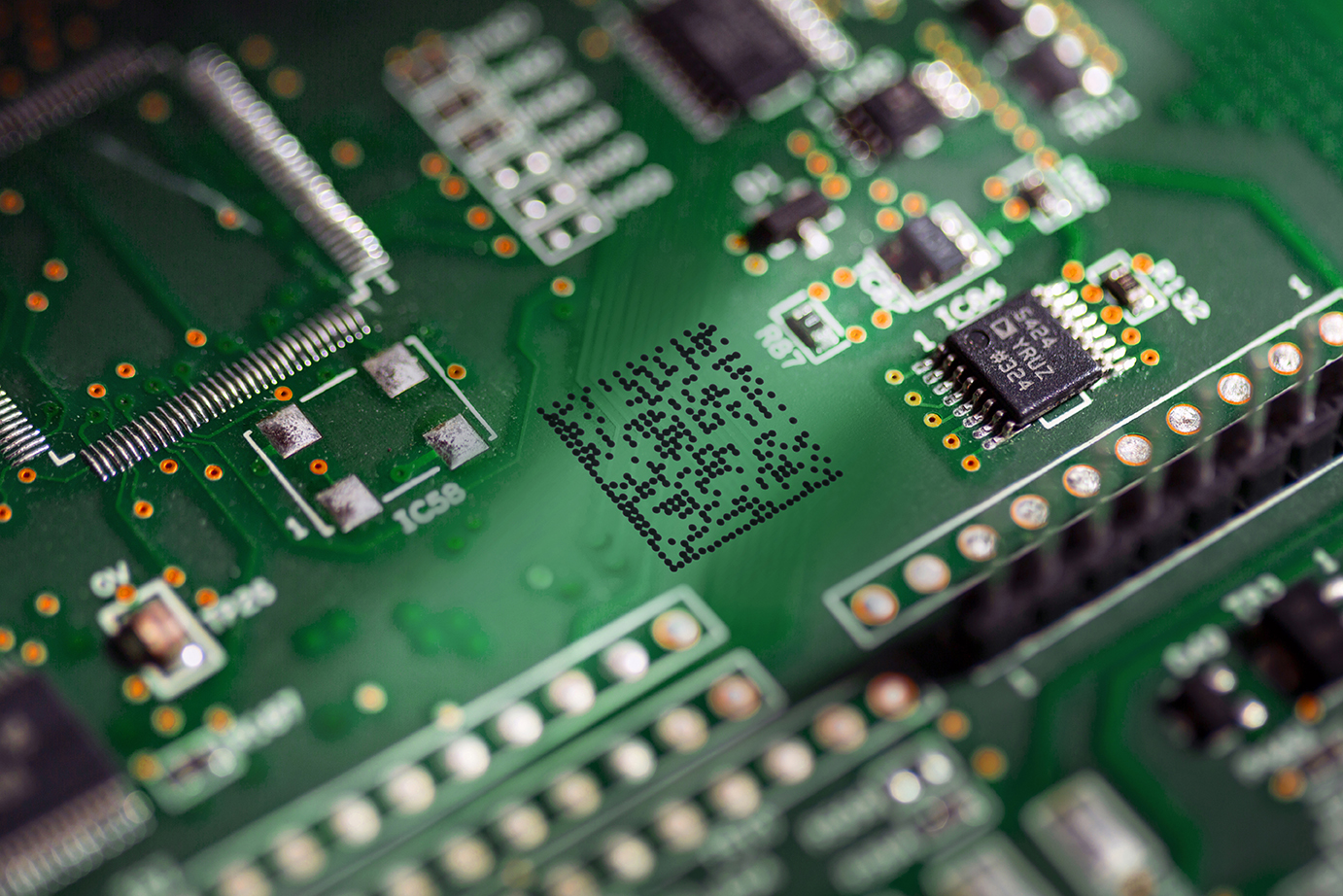
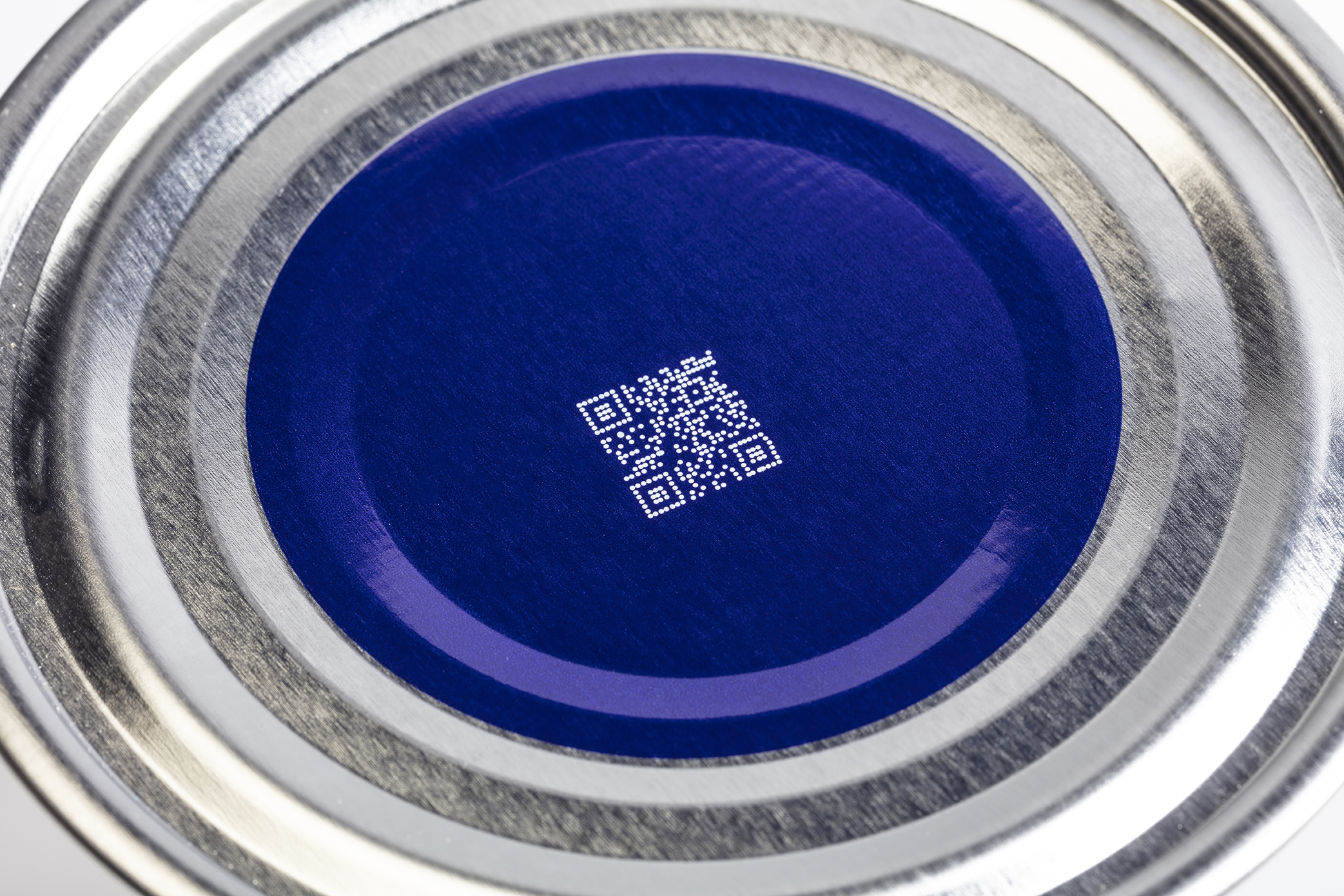

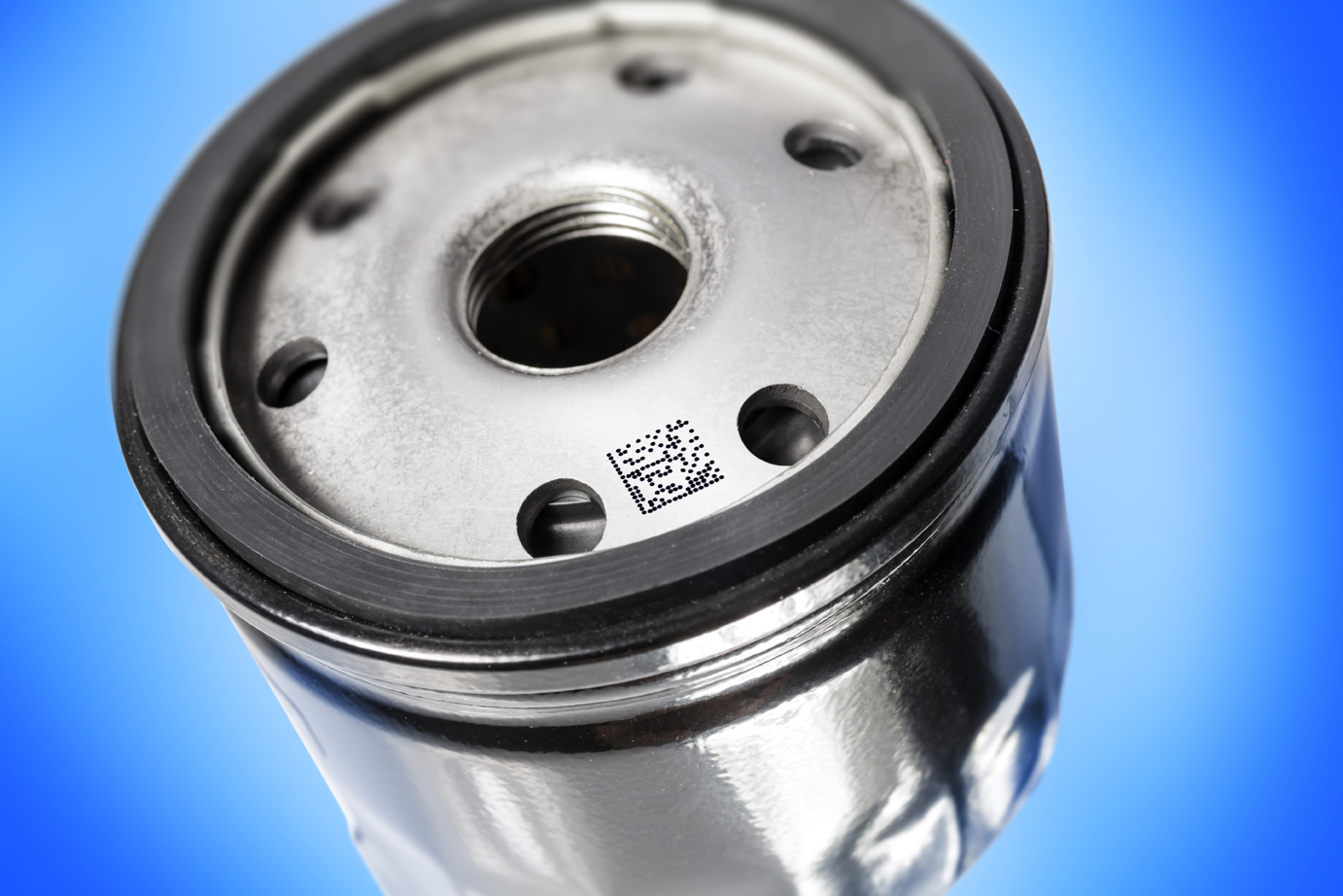

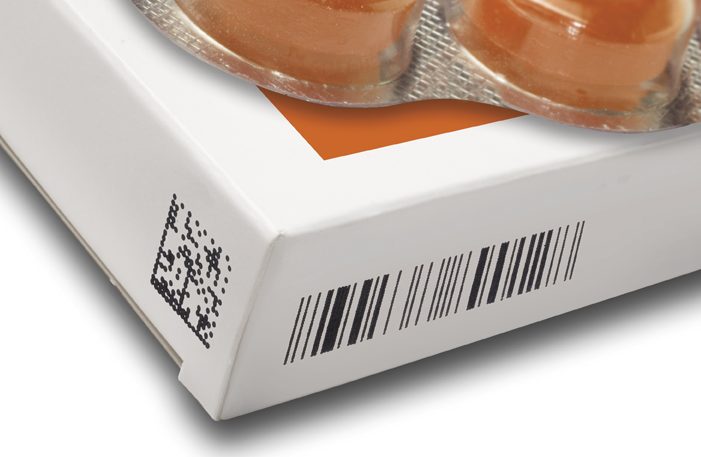
Data Matrix and QR codes |GS1 codes | GS1 code builder | High-speed production | Print up to 6 lines | Primary and secondary coding | Black and coloured inks
Linx Laser
CO2, Fibre and UV lasers for coding and marking
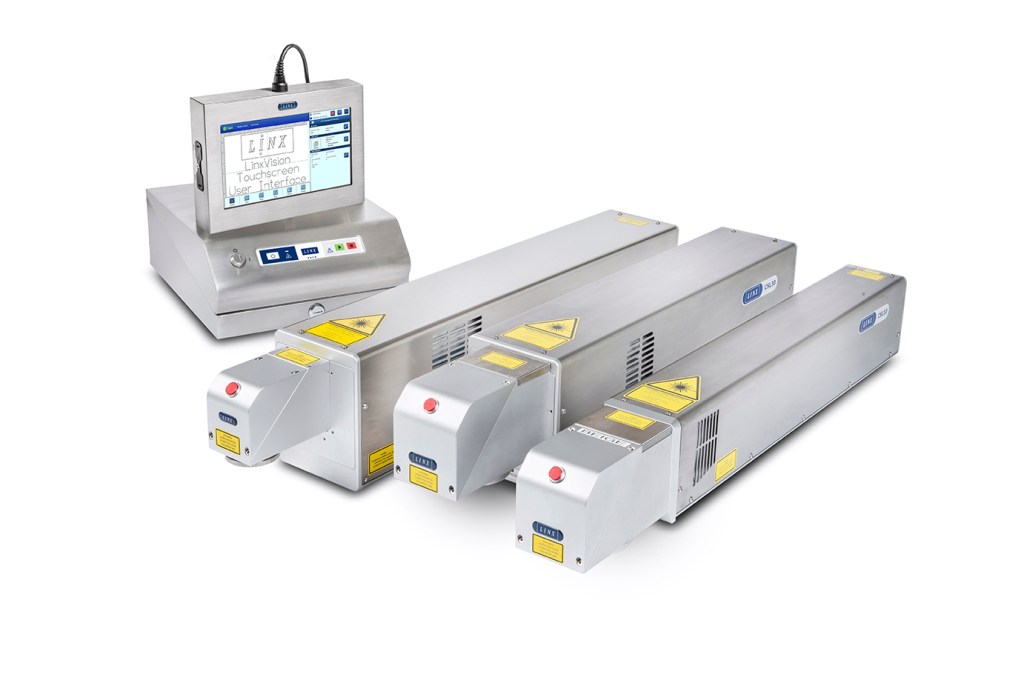
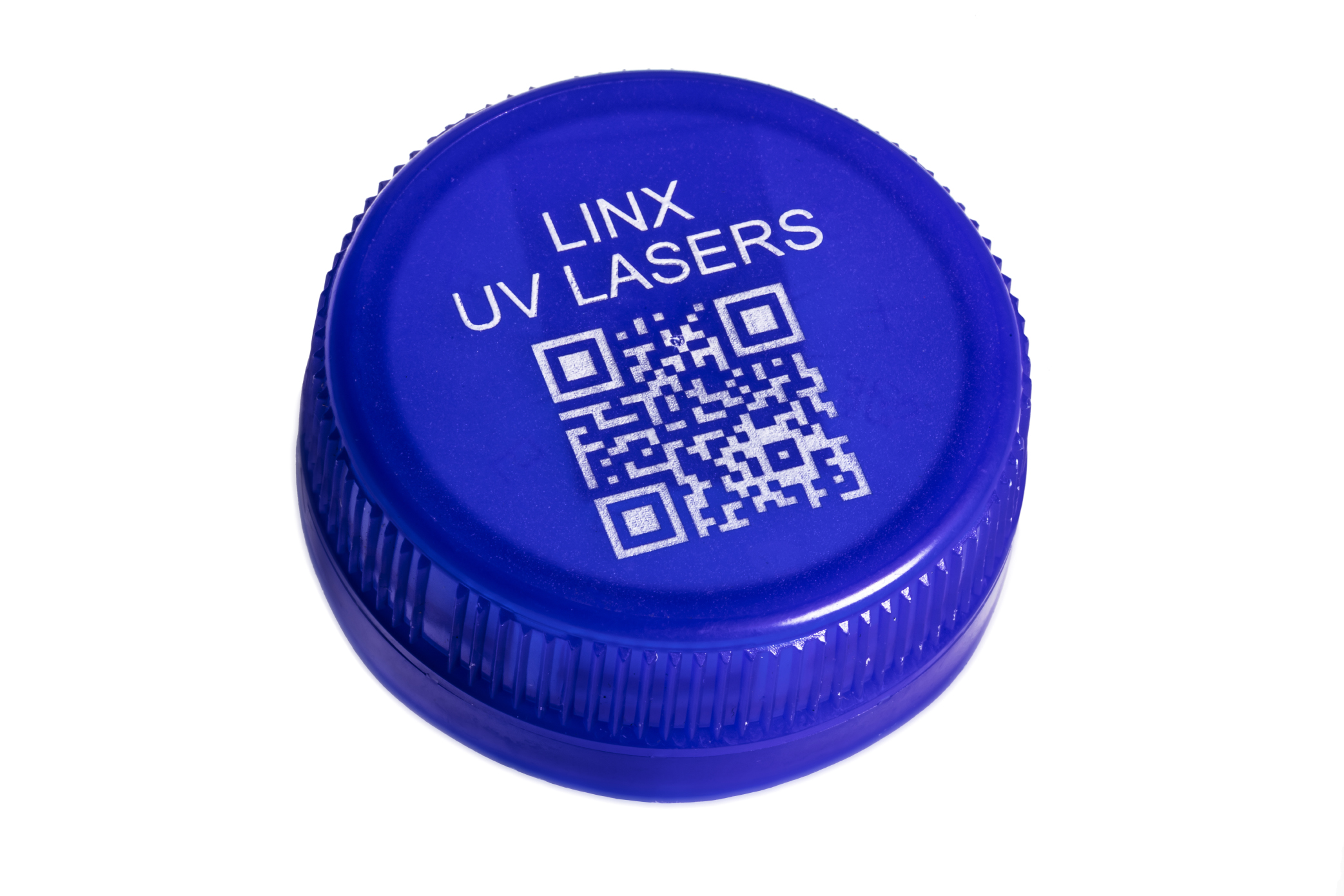
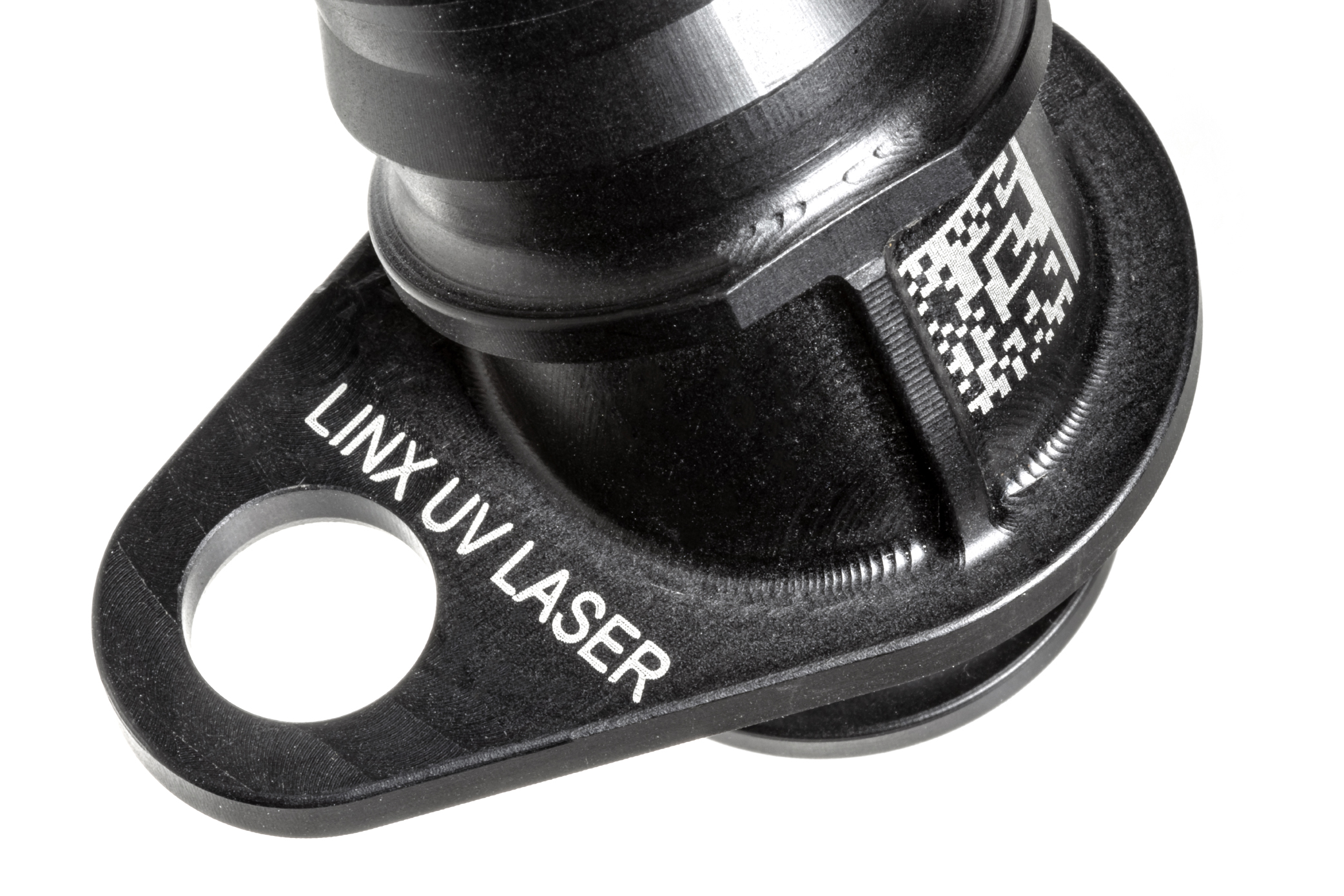
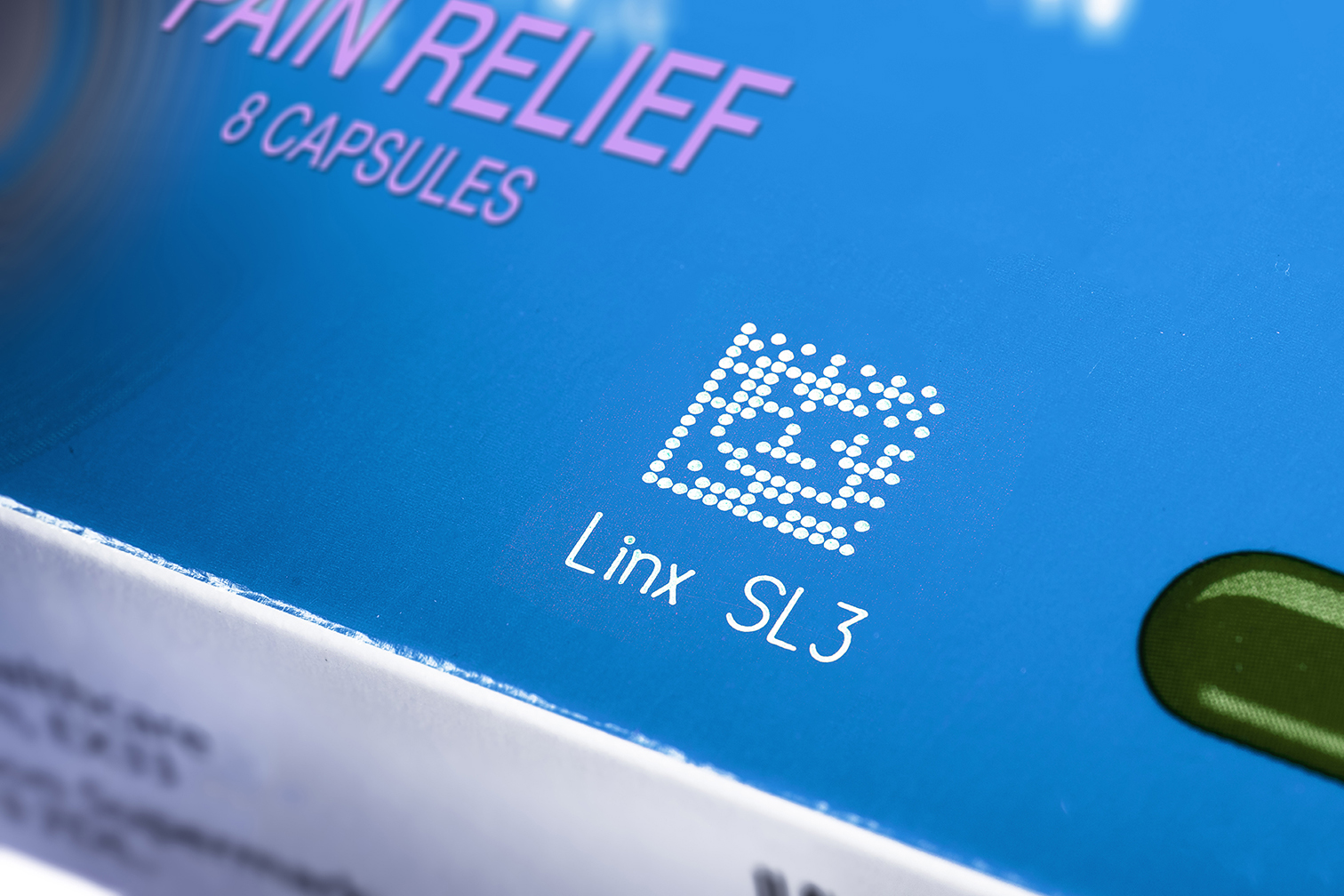
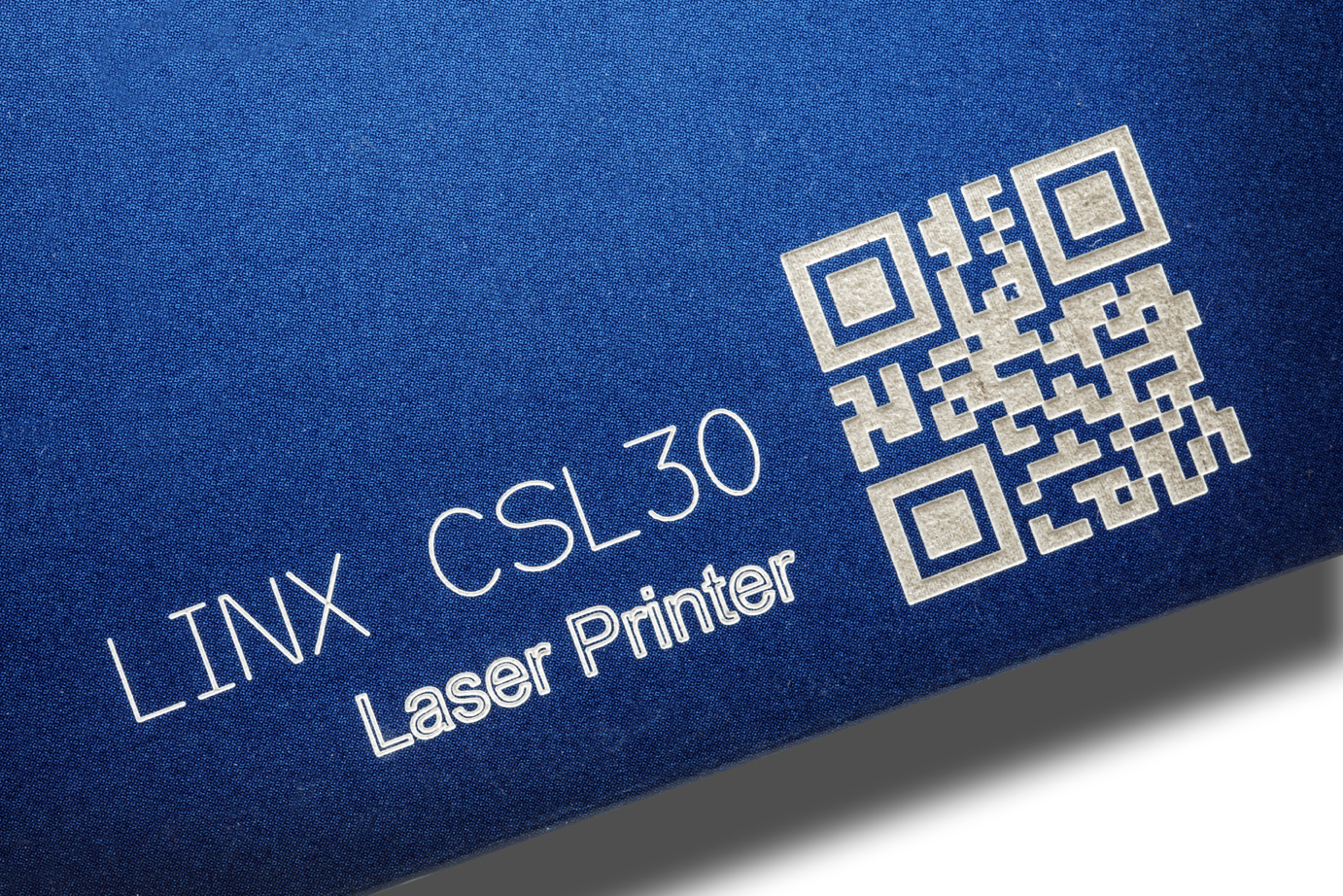
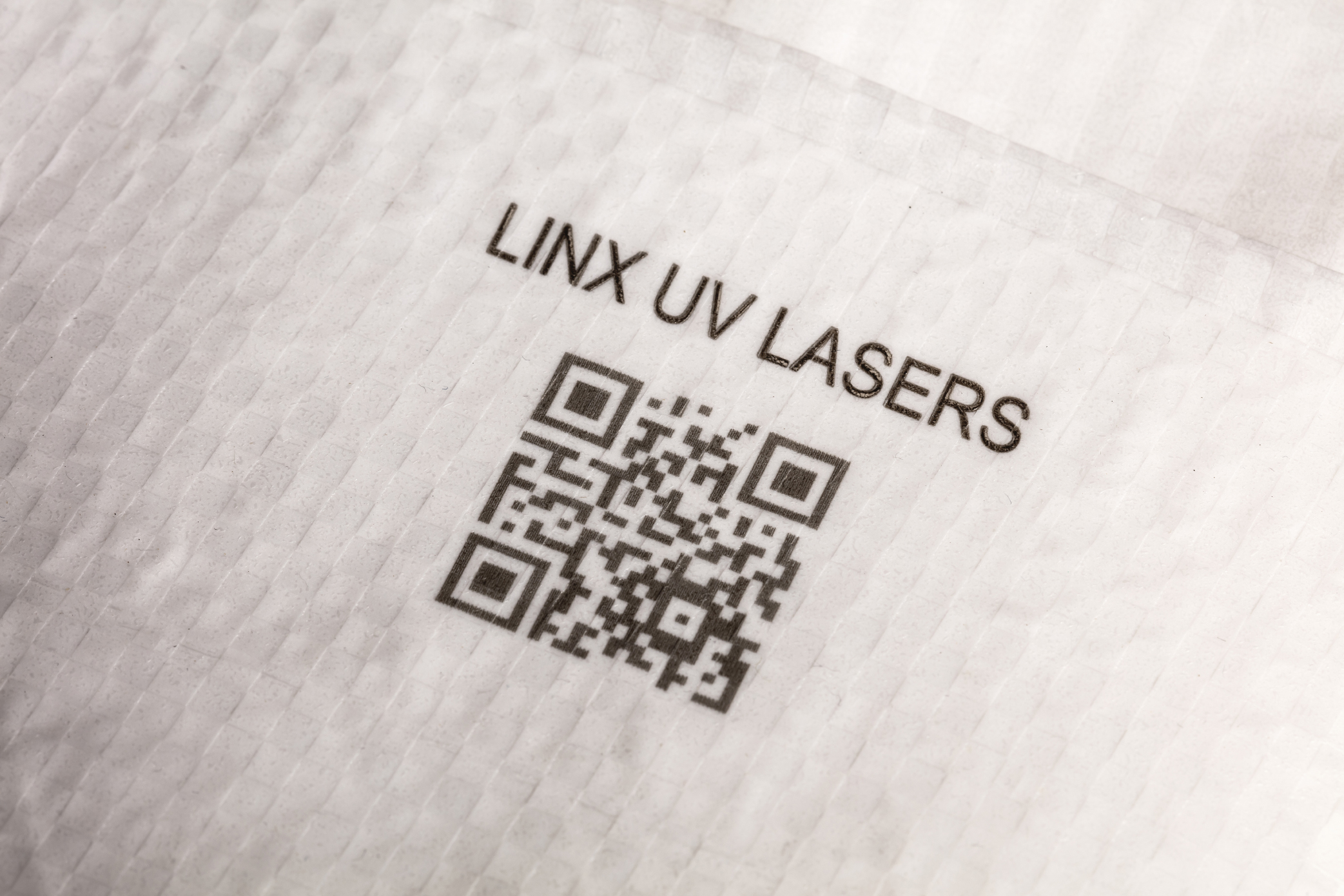
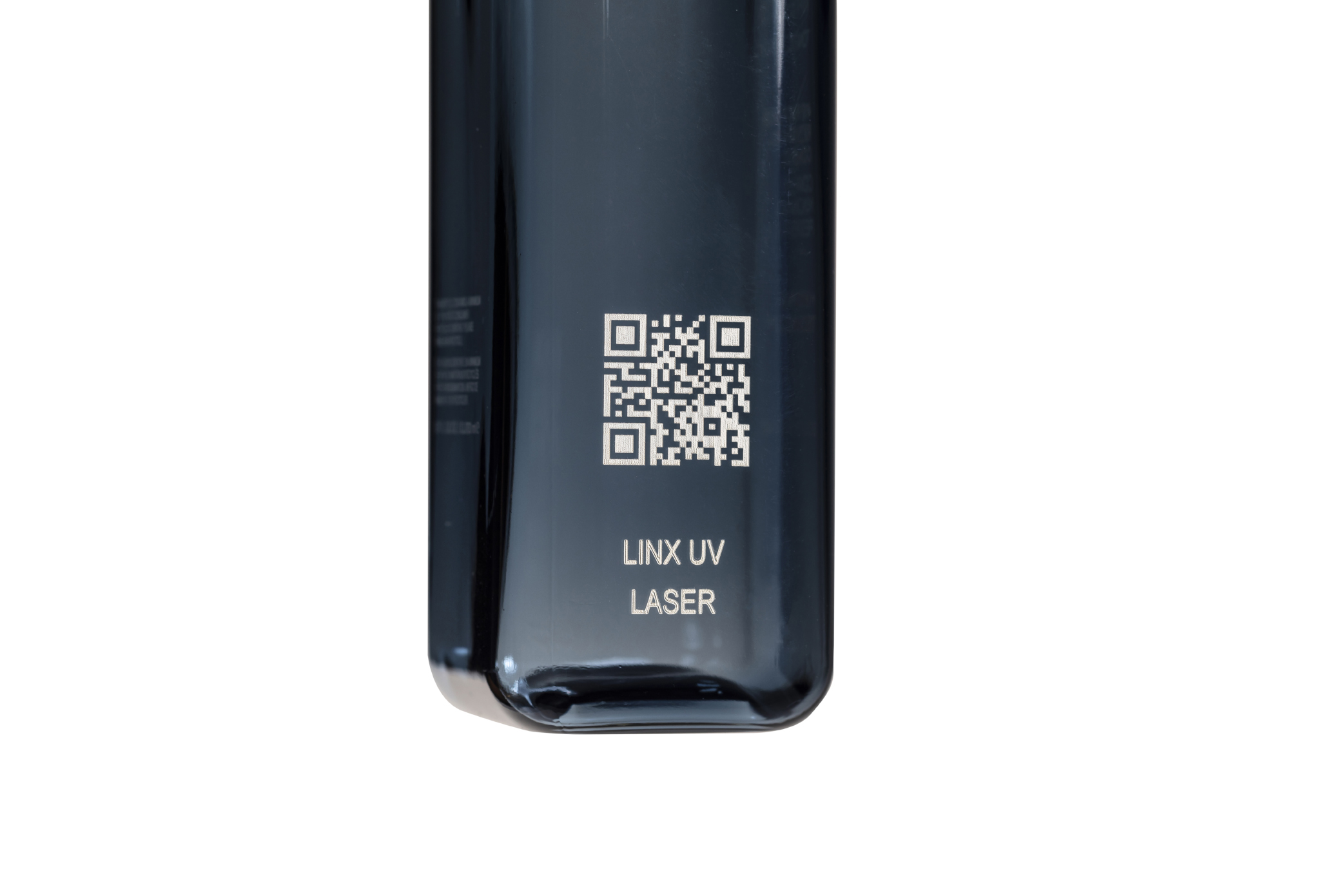
Data Matrix and QR codes |GS1 codes | Permanent codes | High-speed production | Low maintenance | Zero consumables | Large marking field
Linx TTO
Thermal Transfer Overprinters
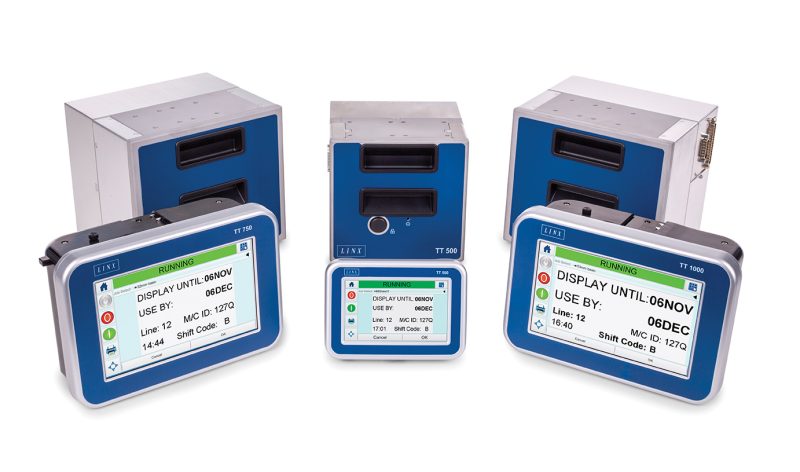
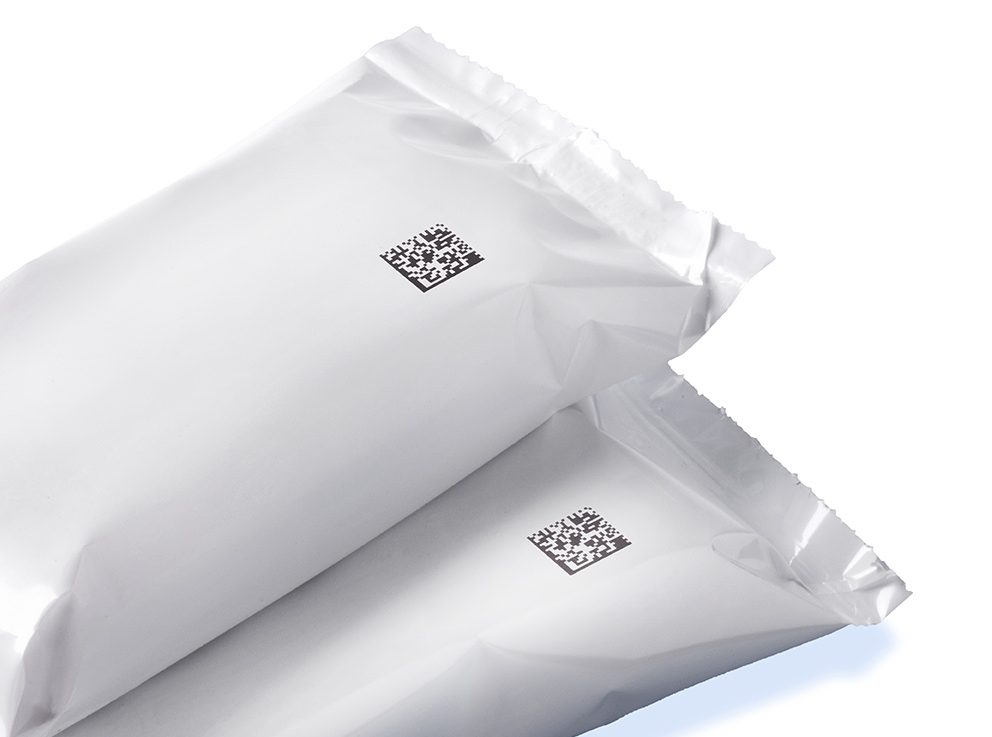
Data Matrix and QR codes |GS1 codes | Idea for flexible materials | High-speed production | Up to 107mm wide message | Easy integration | Black and colour ribbons
Whatever the application or product, Linx has a coding solution suitable to your needs.
FAQ
Commonly used GS1 Application Identifiers include GTIN (01), batch or lot number (10), production date (11), best before date (15), expiry date (17), and serial number (21).
Standard GS1 2D codes focus on encoding structured product data for supply‑chain scanning, while GS1 Digital Link codes use a web‑enabled format that connects the same GS1‑identified product data to online content, such as consumer information, regulatory data, or traceability details.
Sunrise 2027 sets a global target for retailers to accept 2D codes at point of sale by the end of 2027. While immediate compliance may not be mandatory for all manufacturers, many are starting to prepare now to ensure a smooth transition and avoid future disruption.
Related products
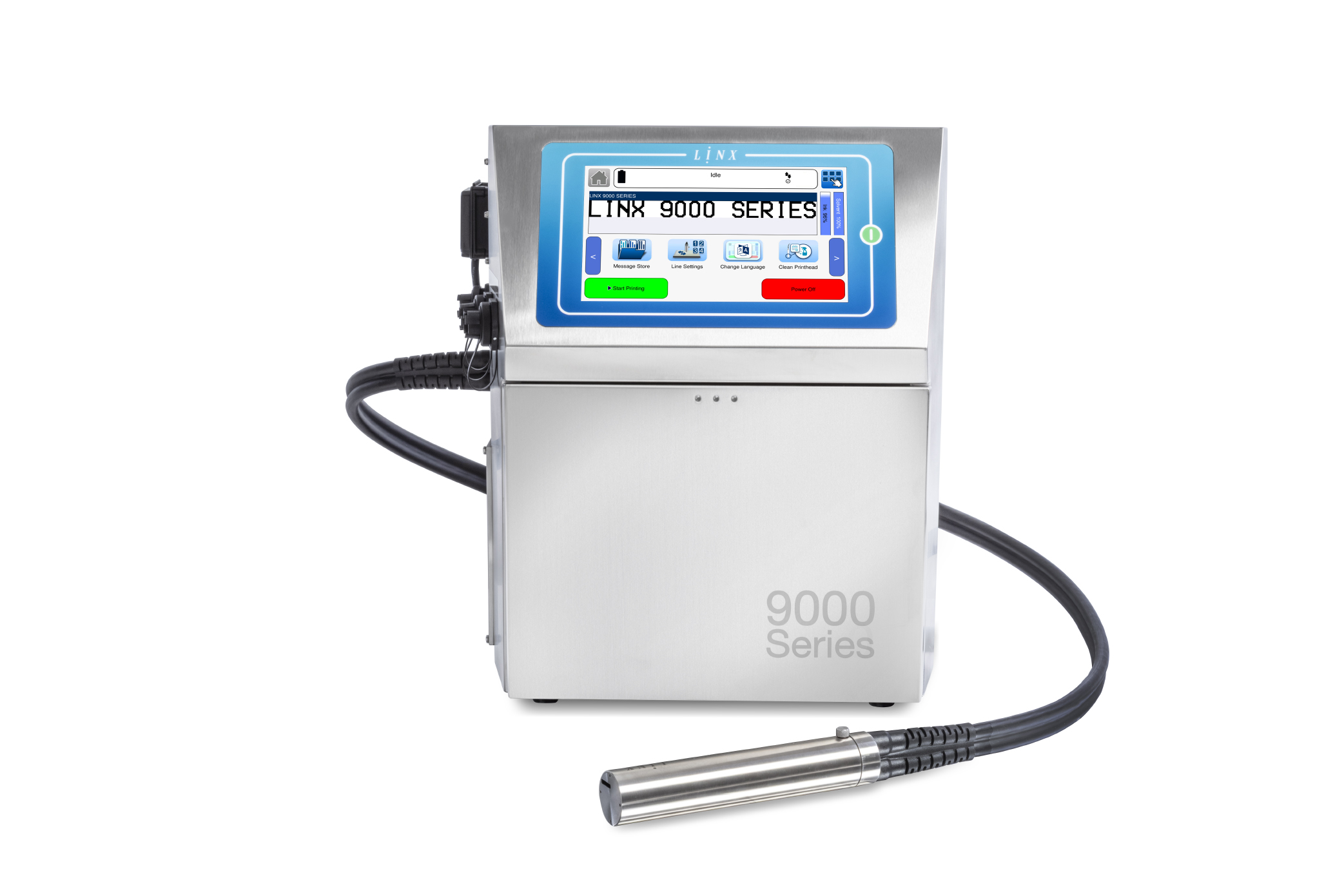
Linx 9000 Series
The CIJ printer making printing one less thing to worry about
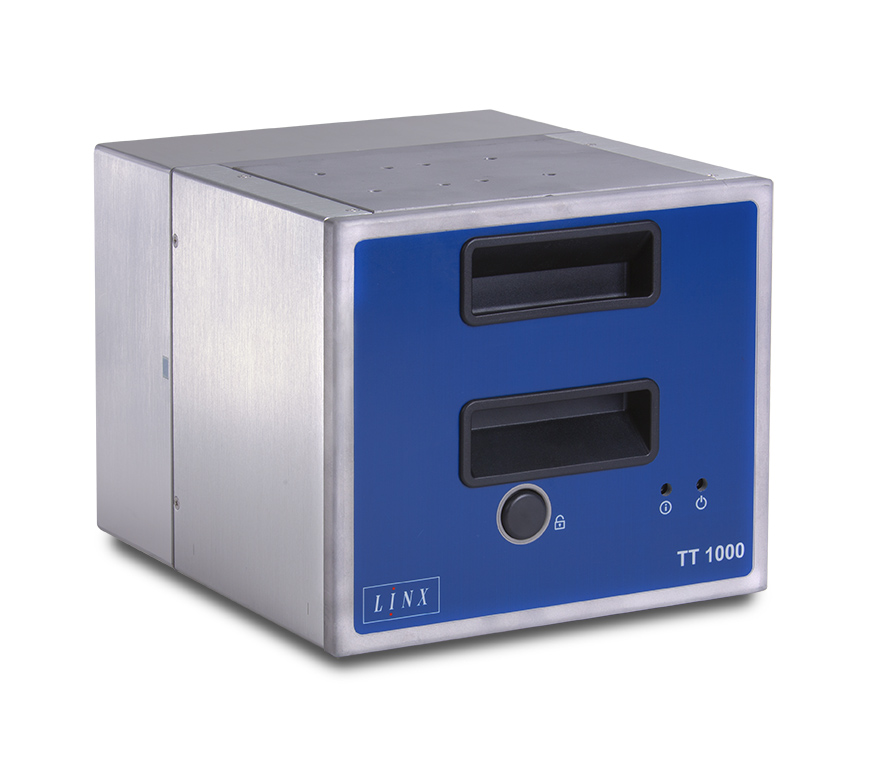
Linx TTO Series
Fast coding onto flexible materials without compressed air
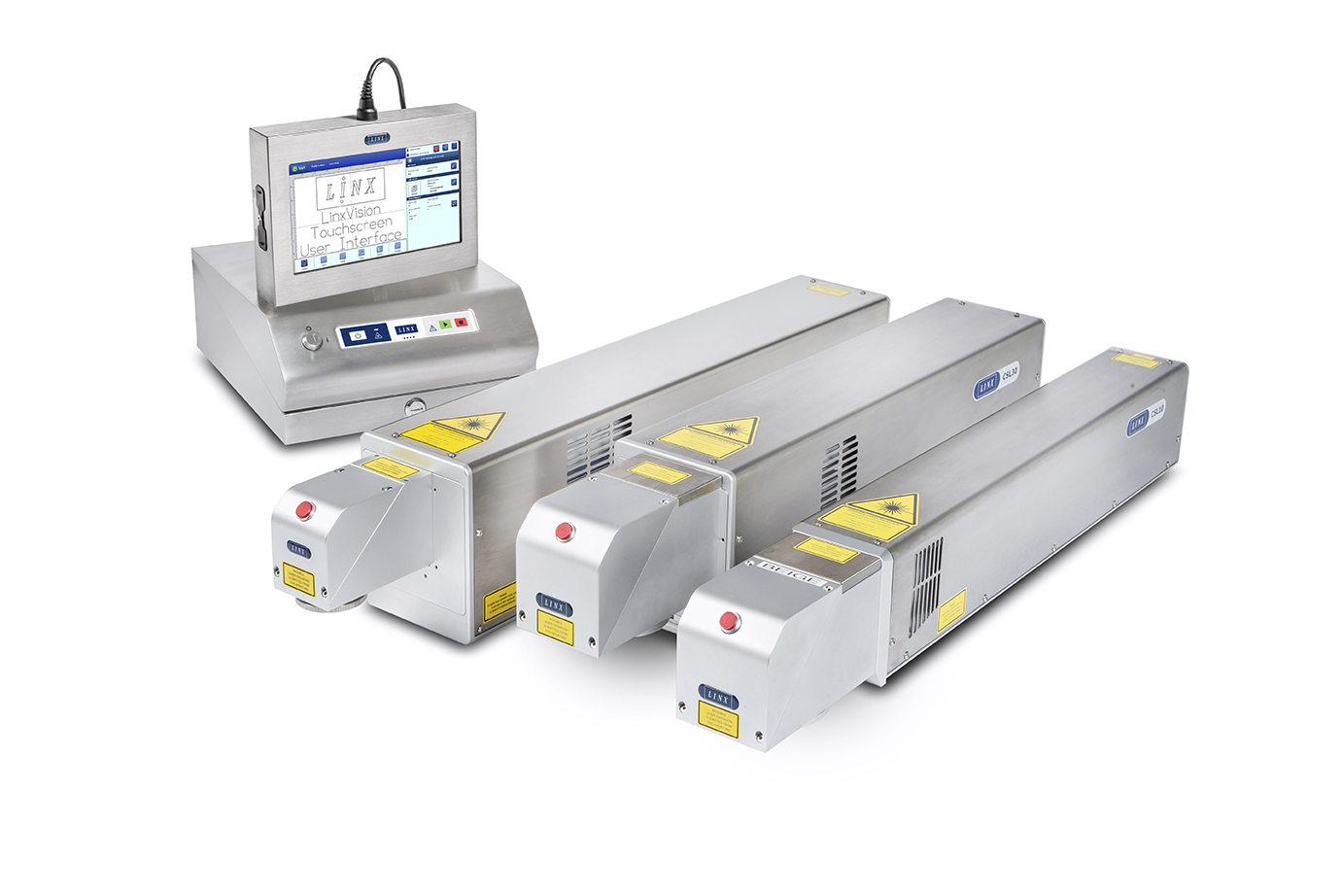
Linx CSL Laser Series
Fast, permanent coding with no consumables