
Product Coding Technology Guides
What is industrial printing?
Industrial printing involves adding information directly to products and packaging during manufacturing. It includes a wide range of applications, from high-quality full-colour printing to label printing, outer case coding, and direct product marking. Unlike office or home printing, industrial printing takes place on the production line. As a result, manufacturers can reduce their reliance on pre-printed packaging, labels, and materials. This helps support lean production and improves operational efficiency. Read below to discover common industrial printing applications and explore Linx product coding technology guides.
Why do you need an industrial printer?
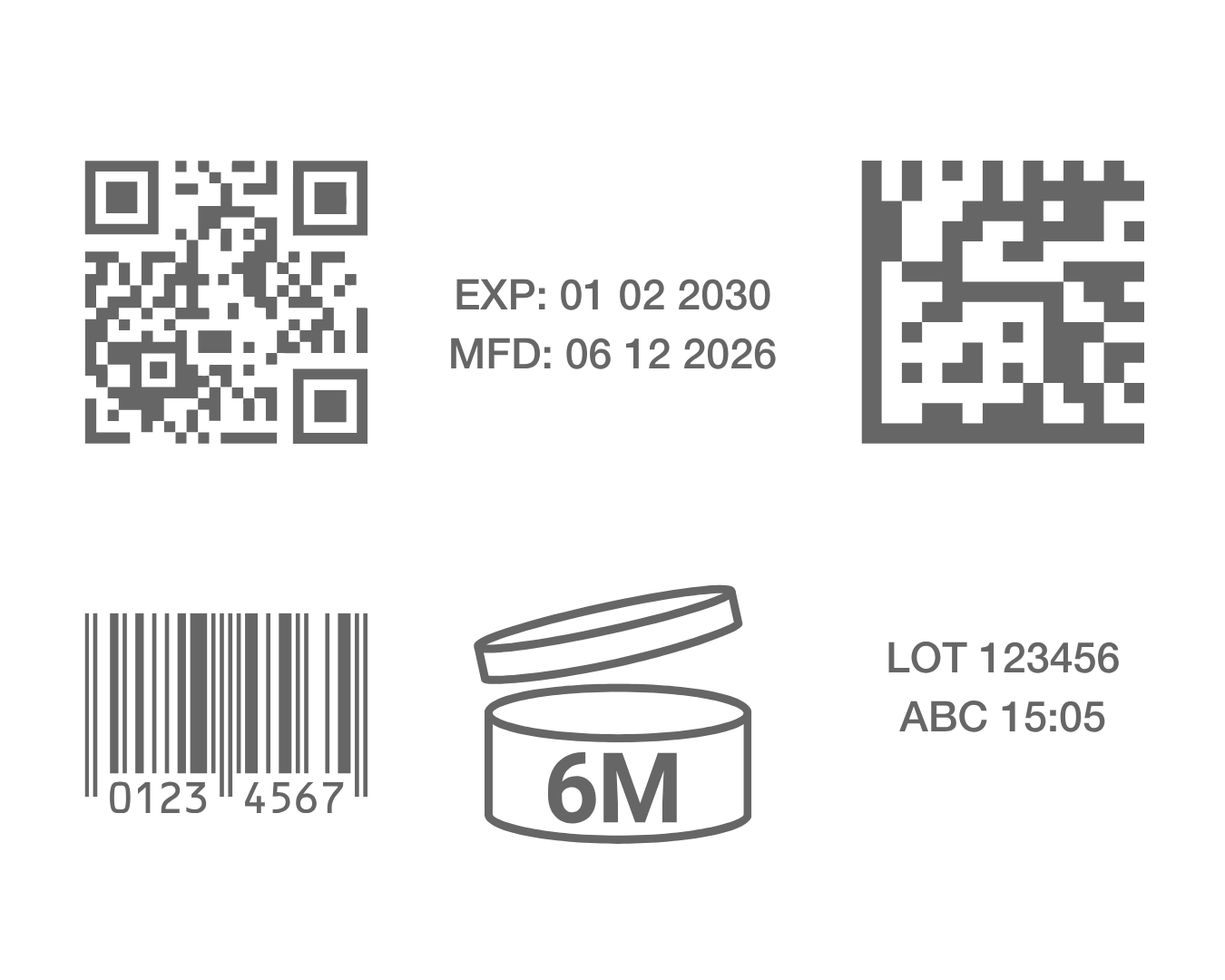
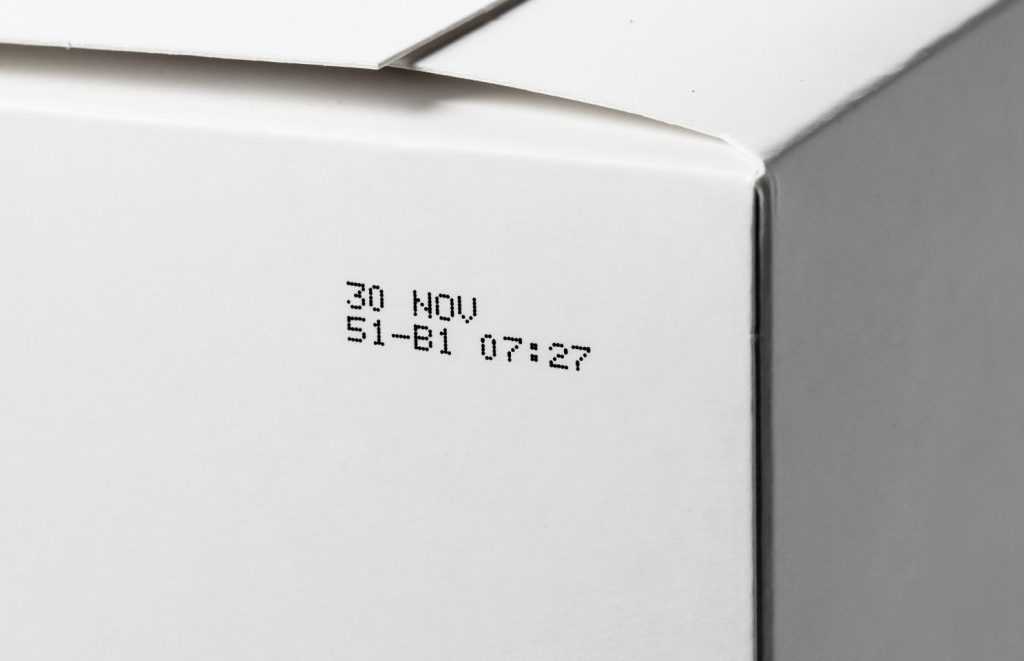
Industrial coders do not create the visual appeal of a product. However, they play a vital role in the manufacturing process. Manufacturers use them to print best before dates, batch codes, barcodes, QR codes, and other variable data.
To meet traceability requirements and industry regulations, every code must remain clear, accurate, and consistent. Consequently, reliable coding equipment is essential for maintaining compliance and protecting brand reputation.
Linx Industrial Printers
Since 1987, Linx has been a trusted manufacturer of industrial printers. We supply a comprehensive range of coding solutions that help manufacturers add traceability information and best before end (BBE) dates to products and packaging. As a result, businesses can meet legal requirements and help keep consumers safe.
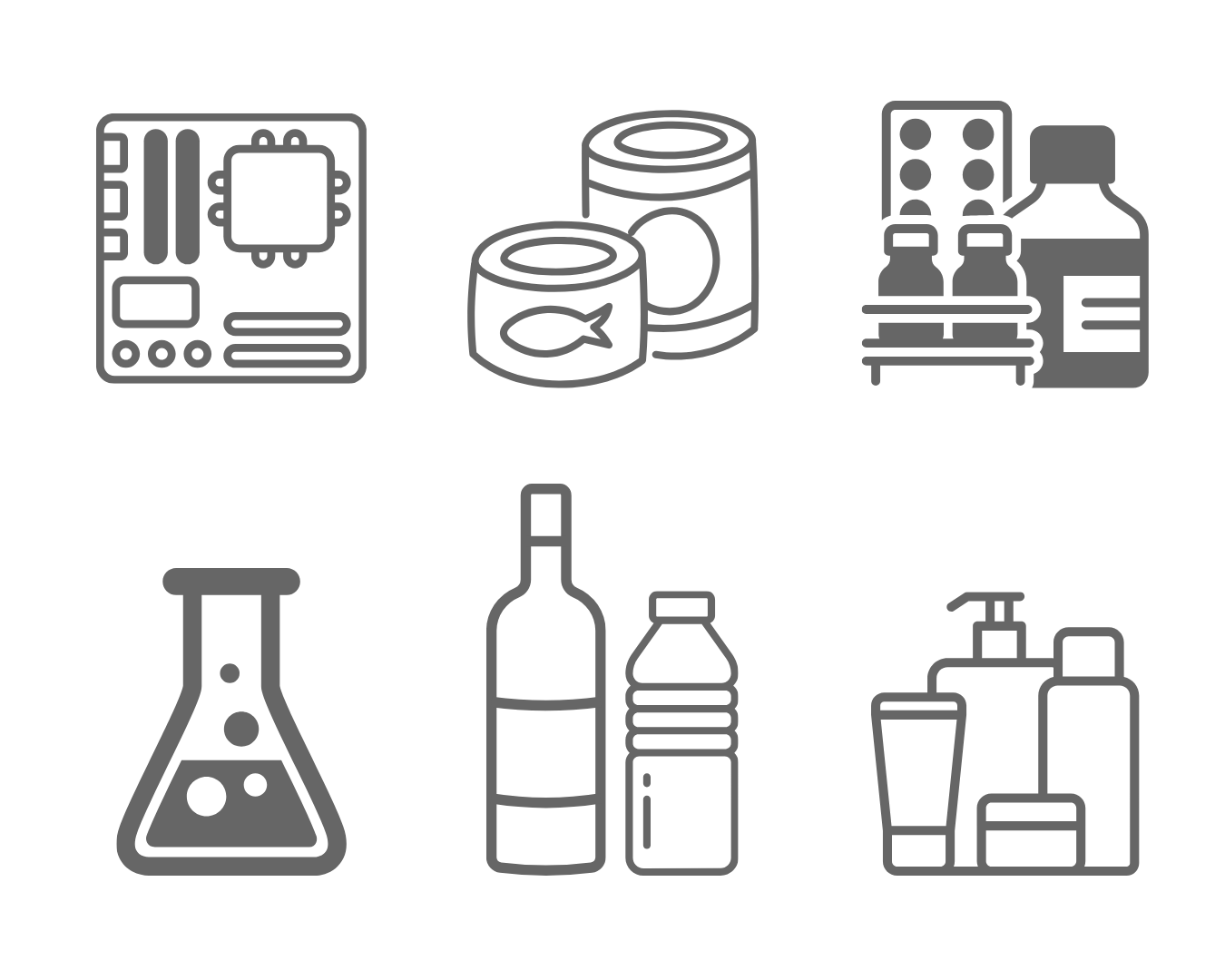
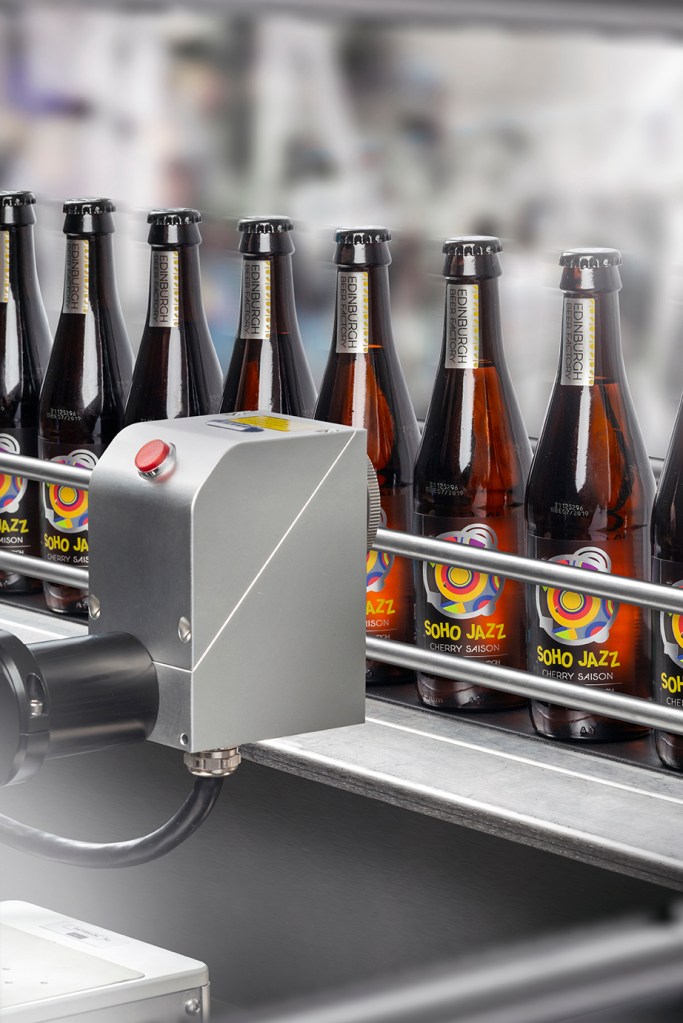
Linx printers support coding and marking applications across a wide range of industries. For example, they operate in food, beverage, pharmaceutical, automotive, and horticultural production environments. Furthermore, they integrate easily with existing production lines. This helps minimise downtime and improve overall equipment effectiveness.
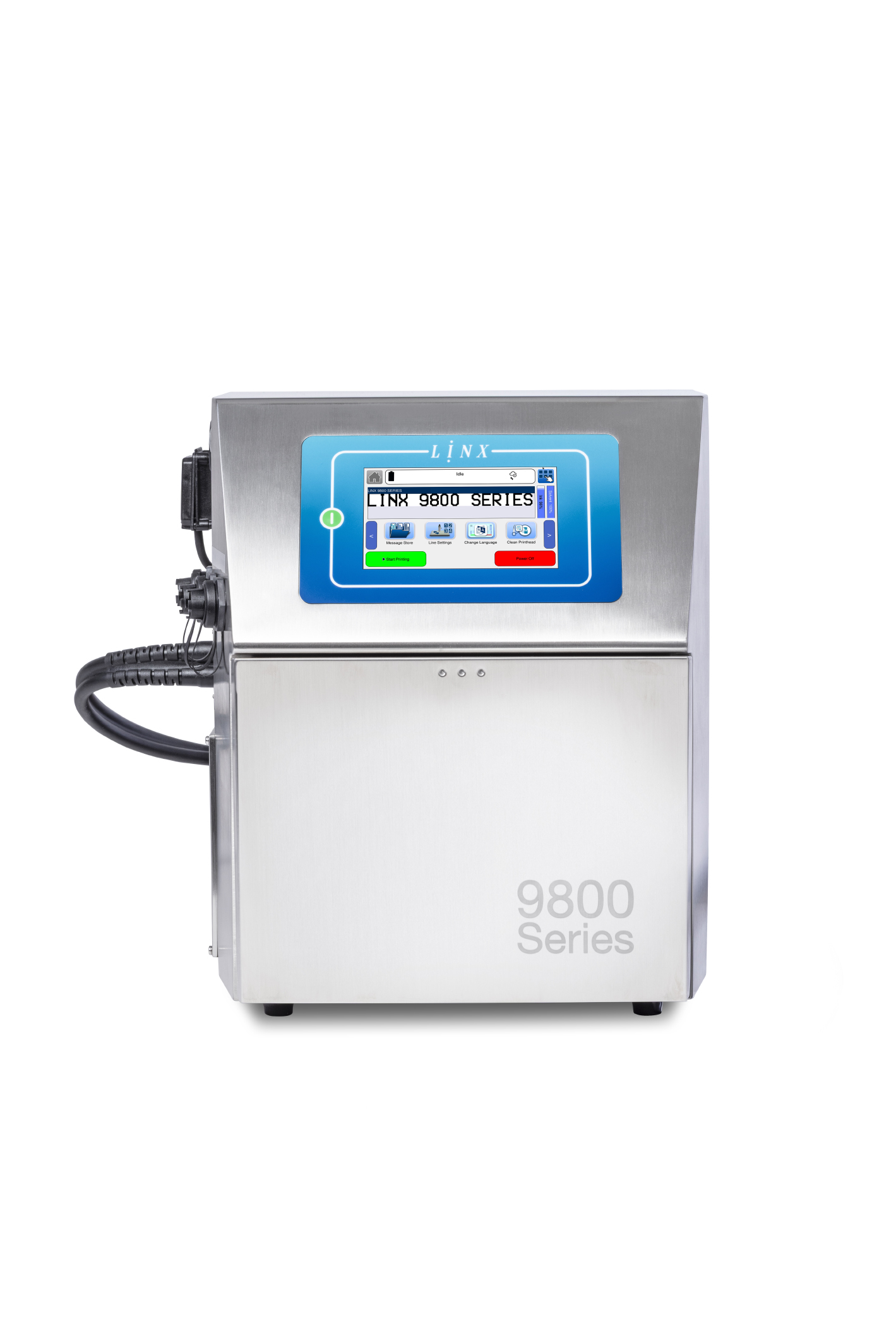
In addition, Linx printers are known for their ease of use. Intuitive interfaces and large colour touchscreens help operators work faster and more accurately, even when codes change frequently. As a result, users gain confidence in the equipment and reduce the risk of coding errors.
Maintenance requirements are also kept to a minimum. Therefore, production managers can plan servicing around production schedules and avoid unnecessary disruption.
Whether you need a highly capable industrial printer or a cost-effective coding solution, Linx offers options to suit your requirements and budget. Moreover, every system is supported by Linx expertise and customer service. This gives you confidence that you can meet production targets while avoiding costly rework, product rejects, and compliance-related fines.
What’s available?
The Linx industrial coding range makes use of various technologies:
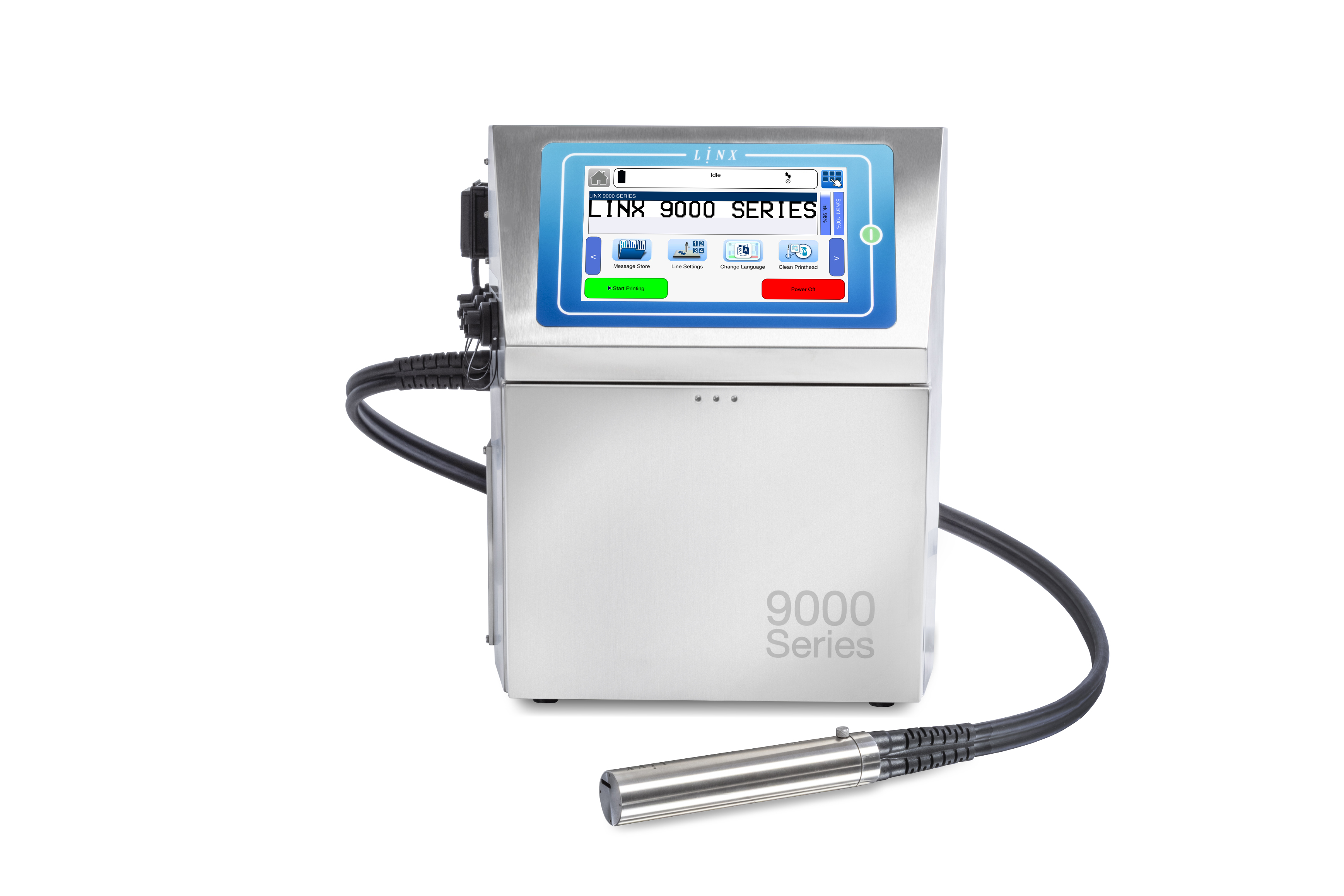
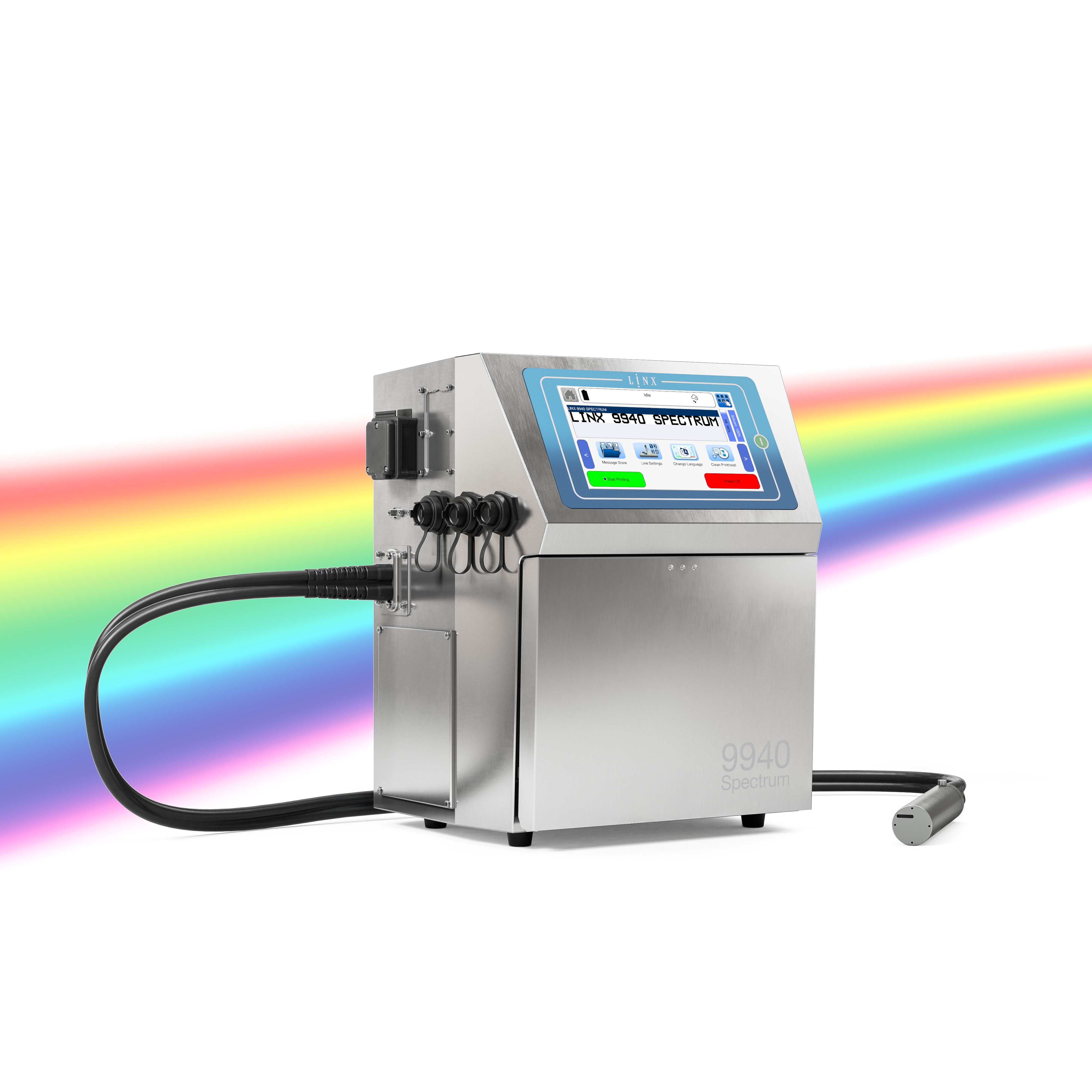
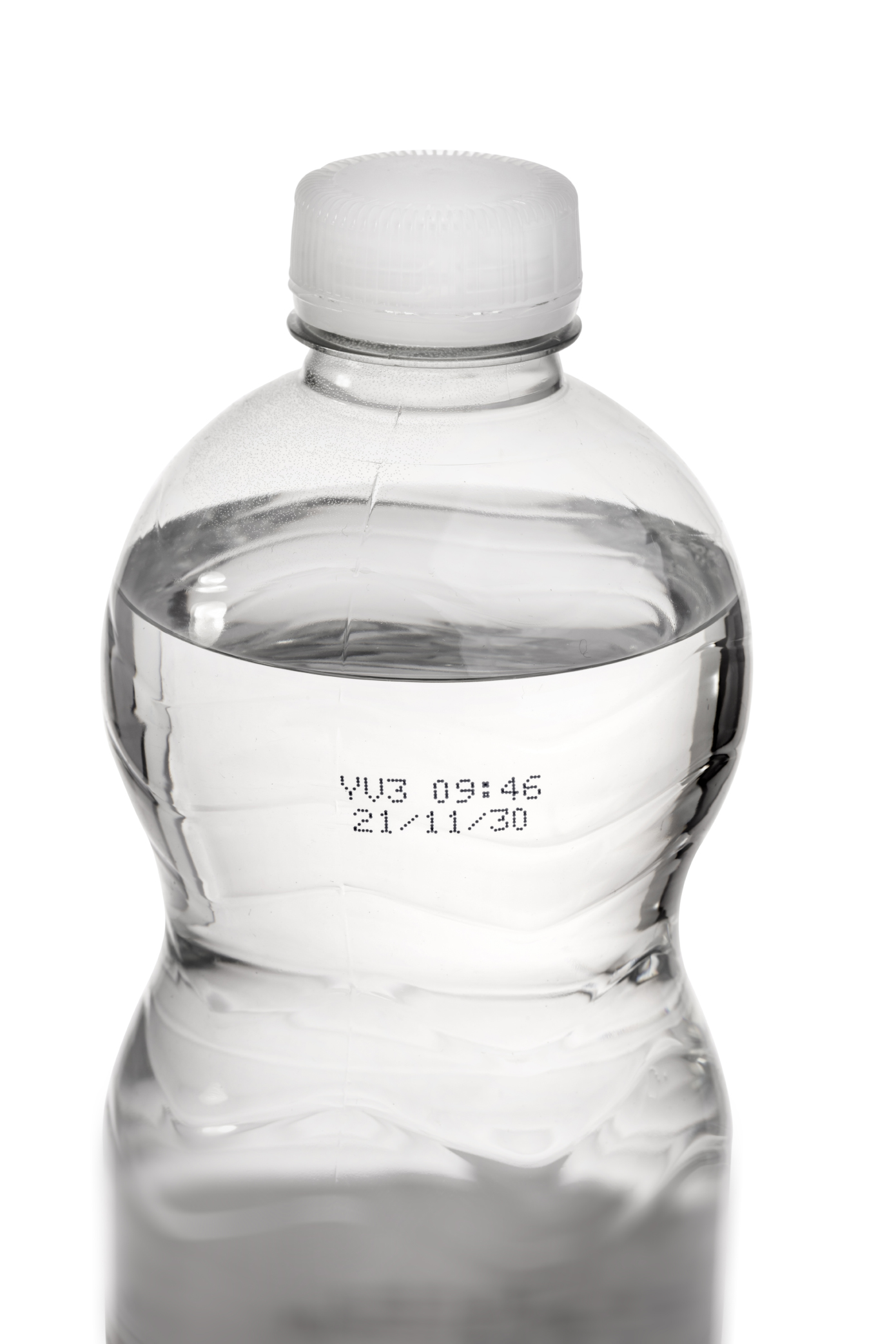
Continuous ink jets are ideal for printing variable information such as best before dates, batch codes, and serial numbers.
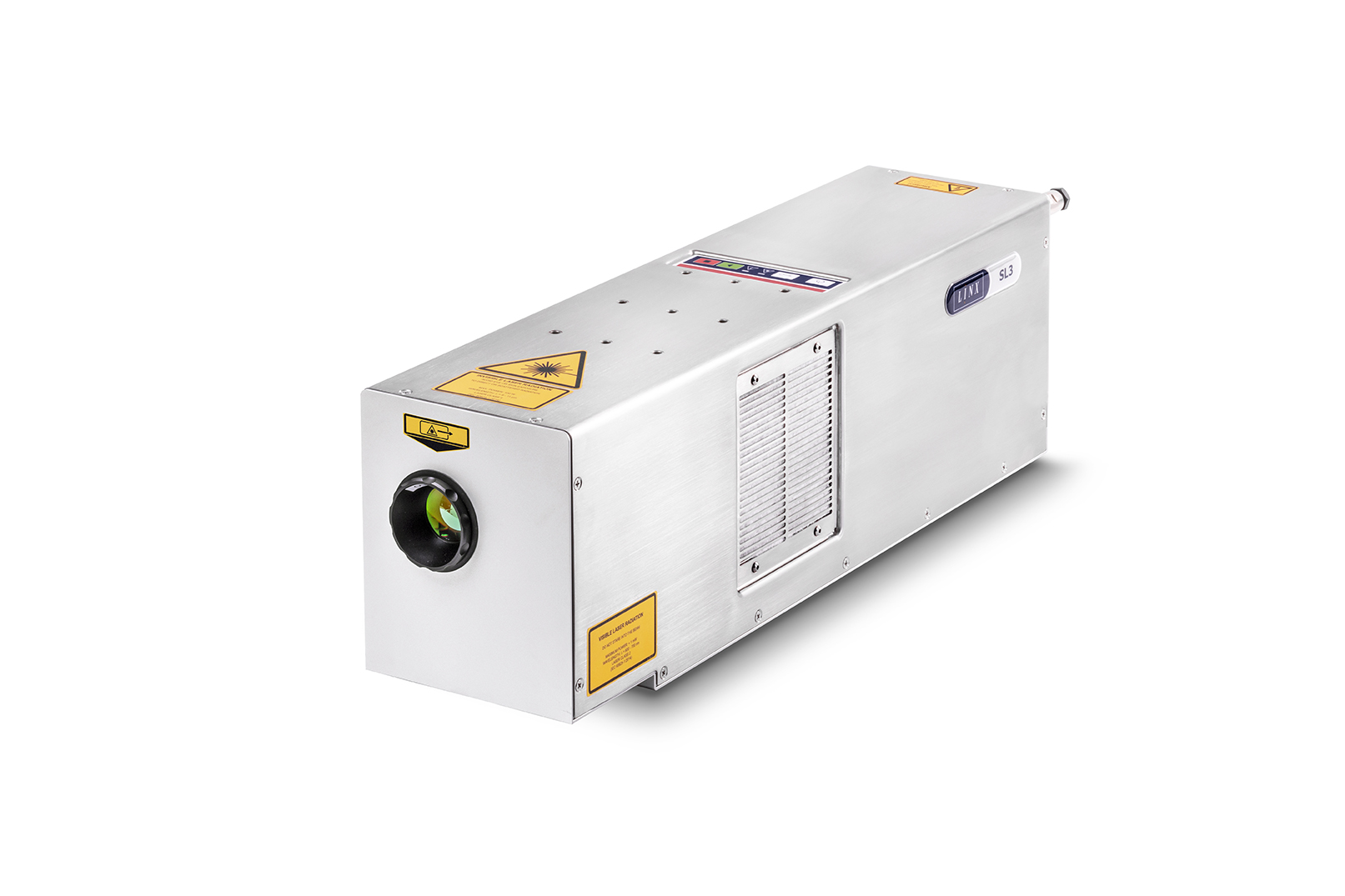
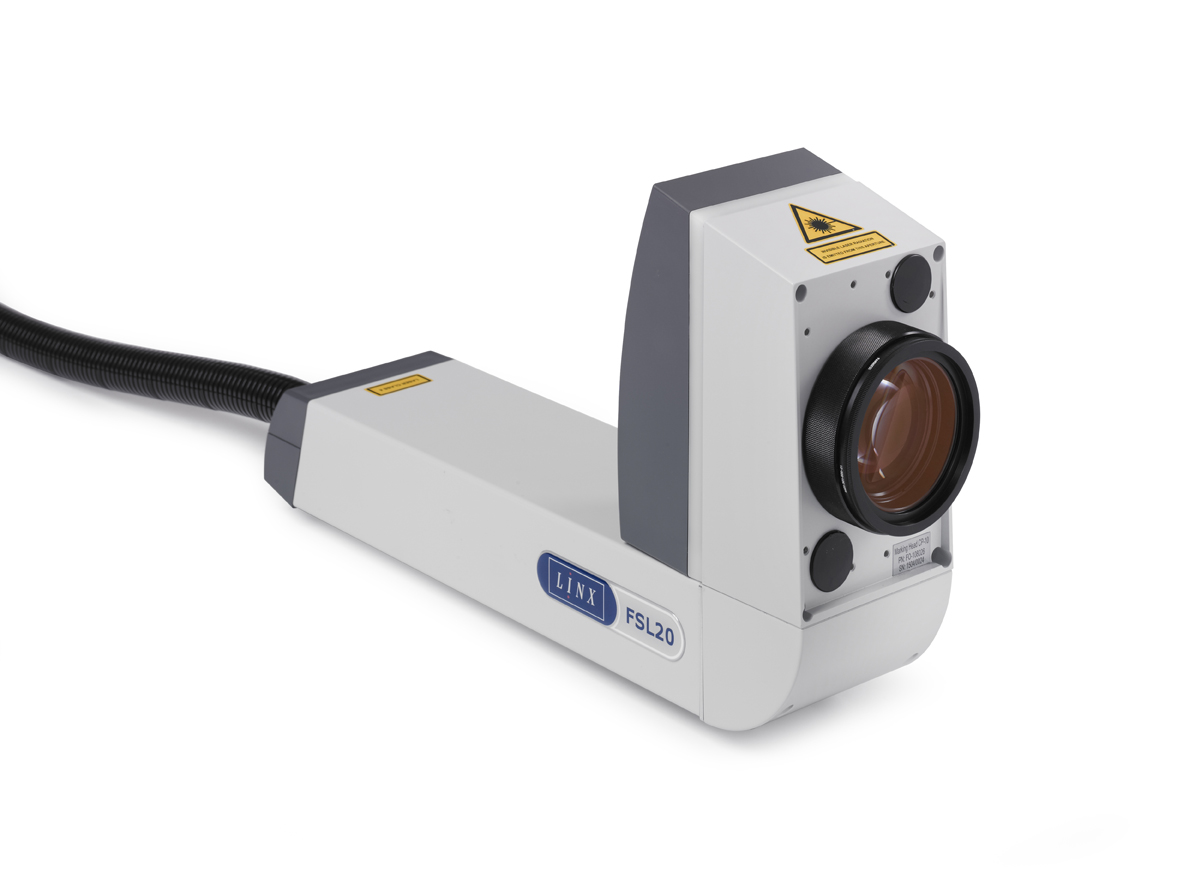
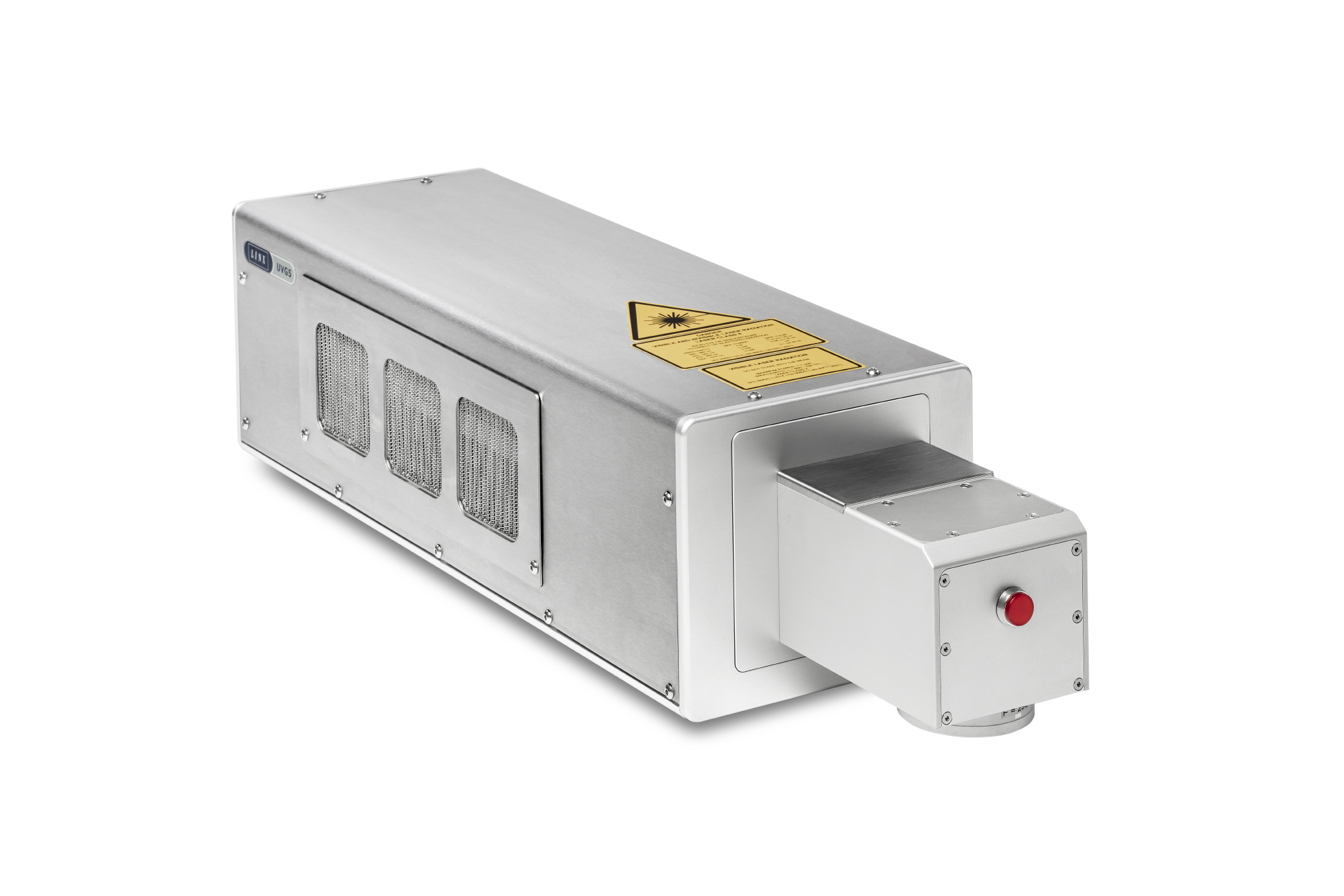
Laser coders create permanent marks directly on products and packaging. Therefore, they are particularly well suited to food, beverage, and pharmaceutical applications.
Large character printers print directly onto porous materials such as cardboard and wood. As a result, they provide a cost-effective alternative to labels and pre-printed cases.
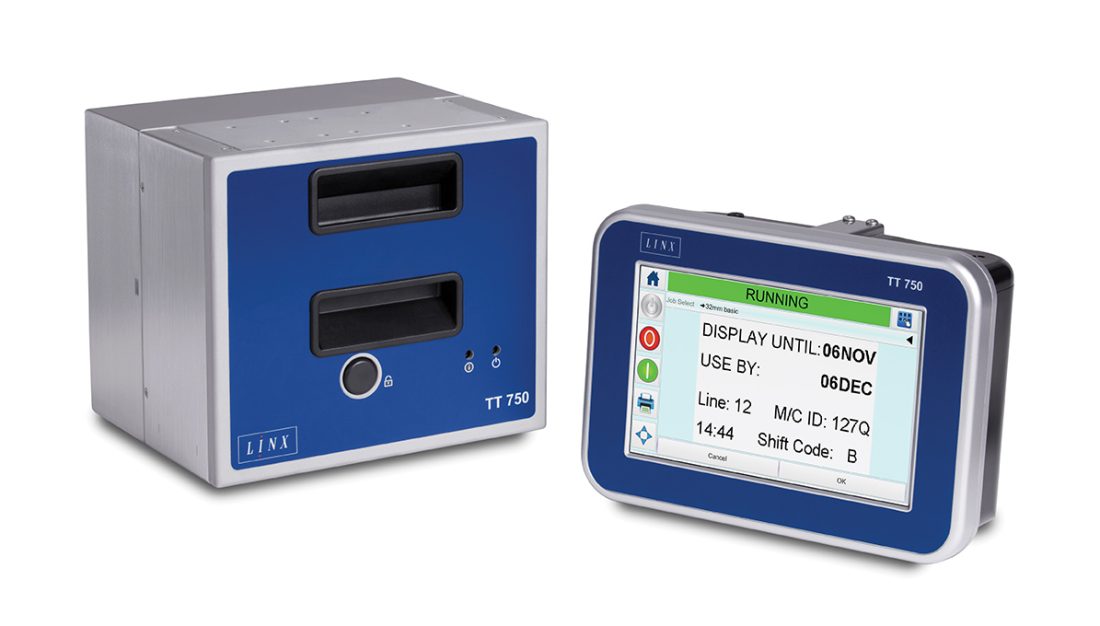
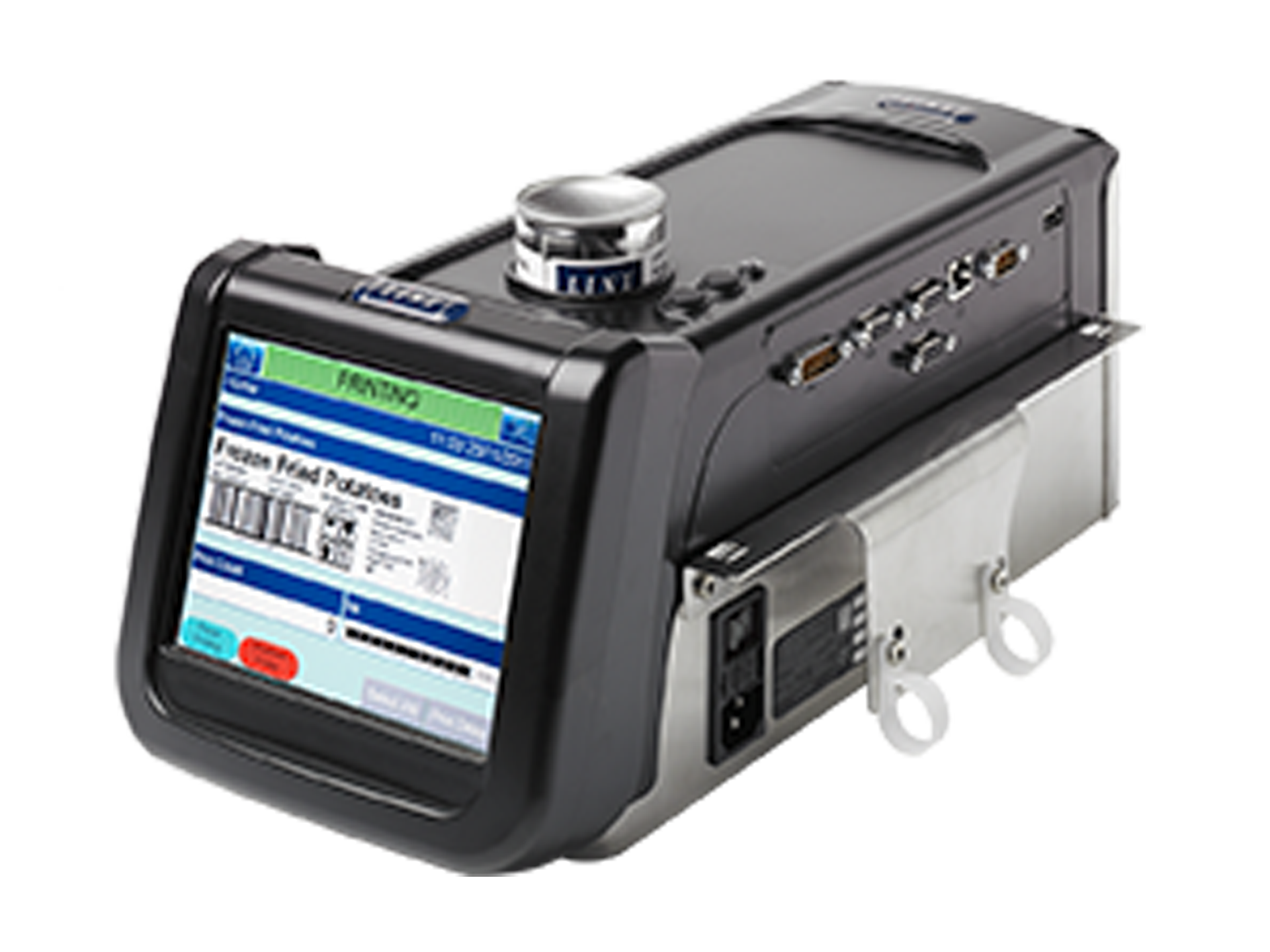
Thermal transfer overprinters print high-resolution codes onto flexible packaging materials. These include films, labels, and plastic packaging commonly used in food and consumer goods production.
Technology Guides
Continuous Ink Jet (CIJ)
Print onto almost any material, at most speeds, and in any orientation, on flat or uneven surfaces.
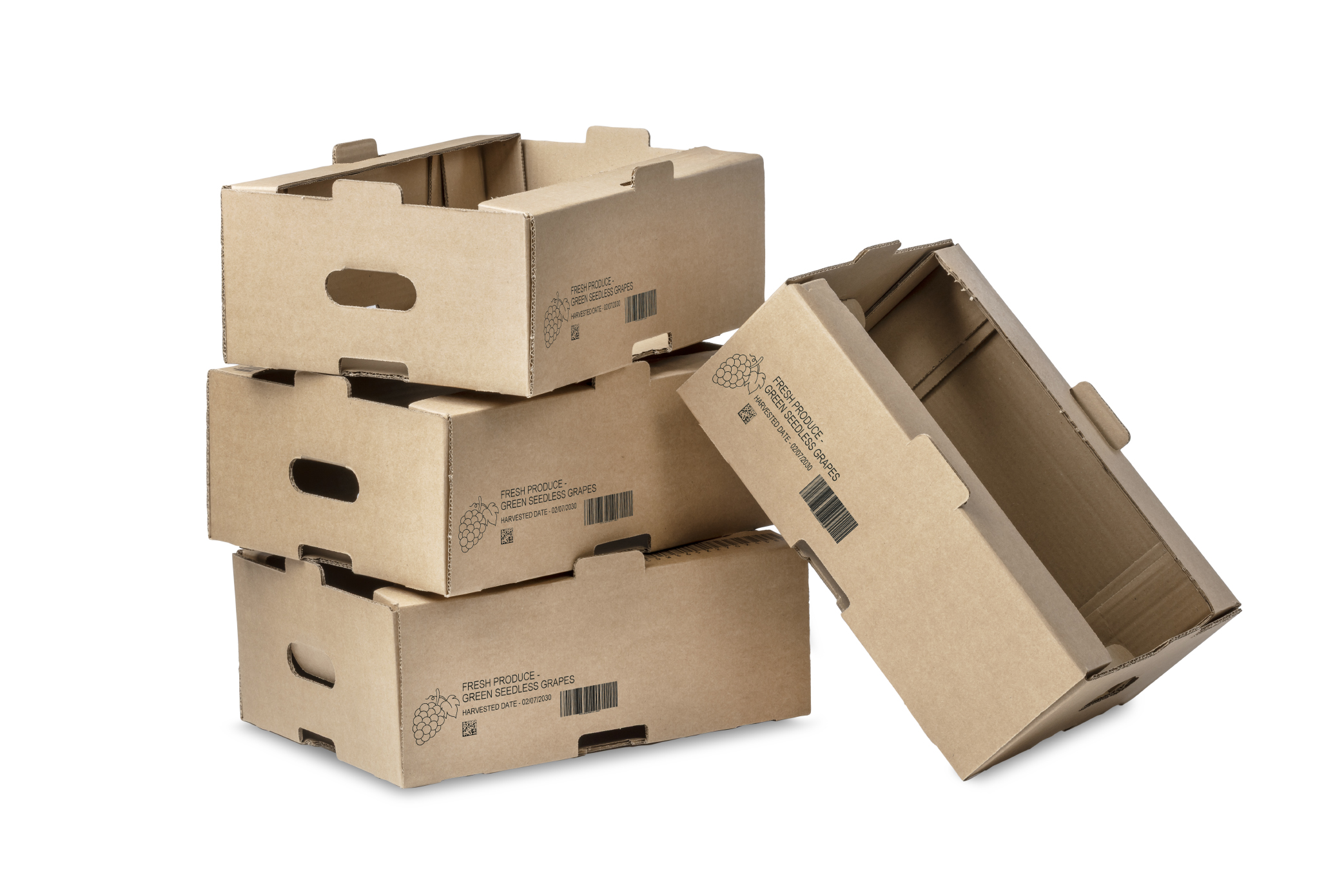
Piezo Ink jet
Reduce production costs by replacing labels and pre-printed packaging by printing direct to outer packaging materials.
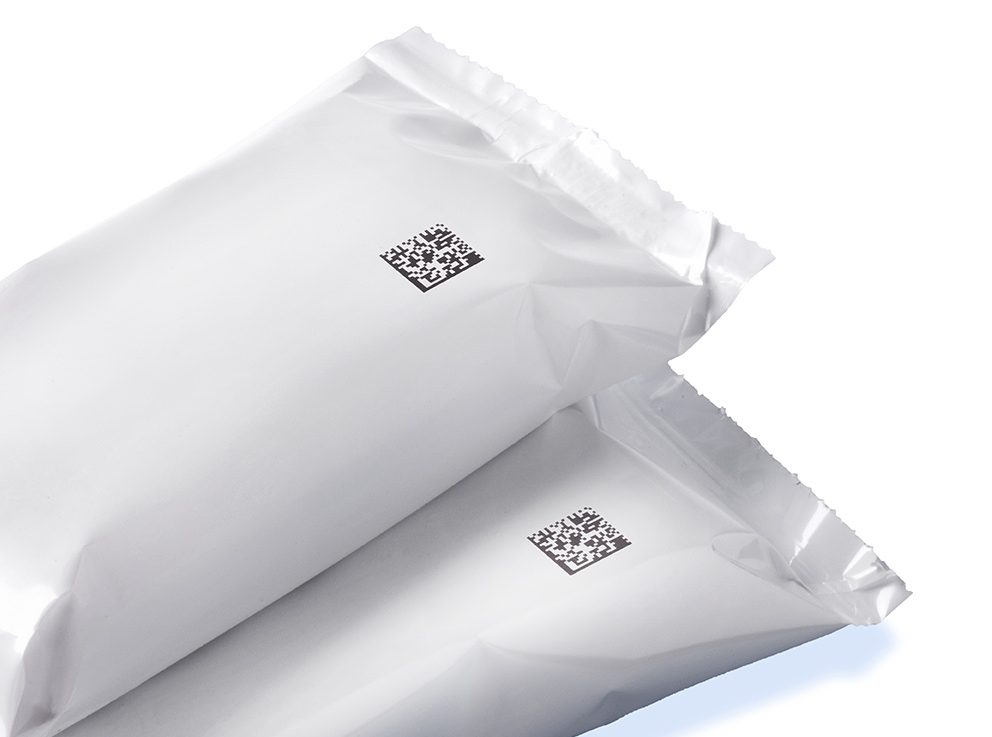
Thermal Transfer Overprinting
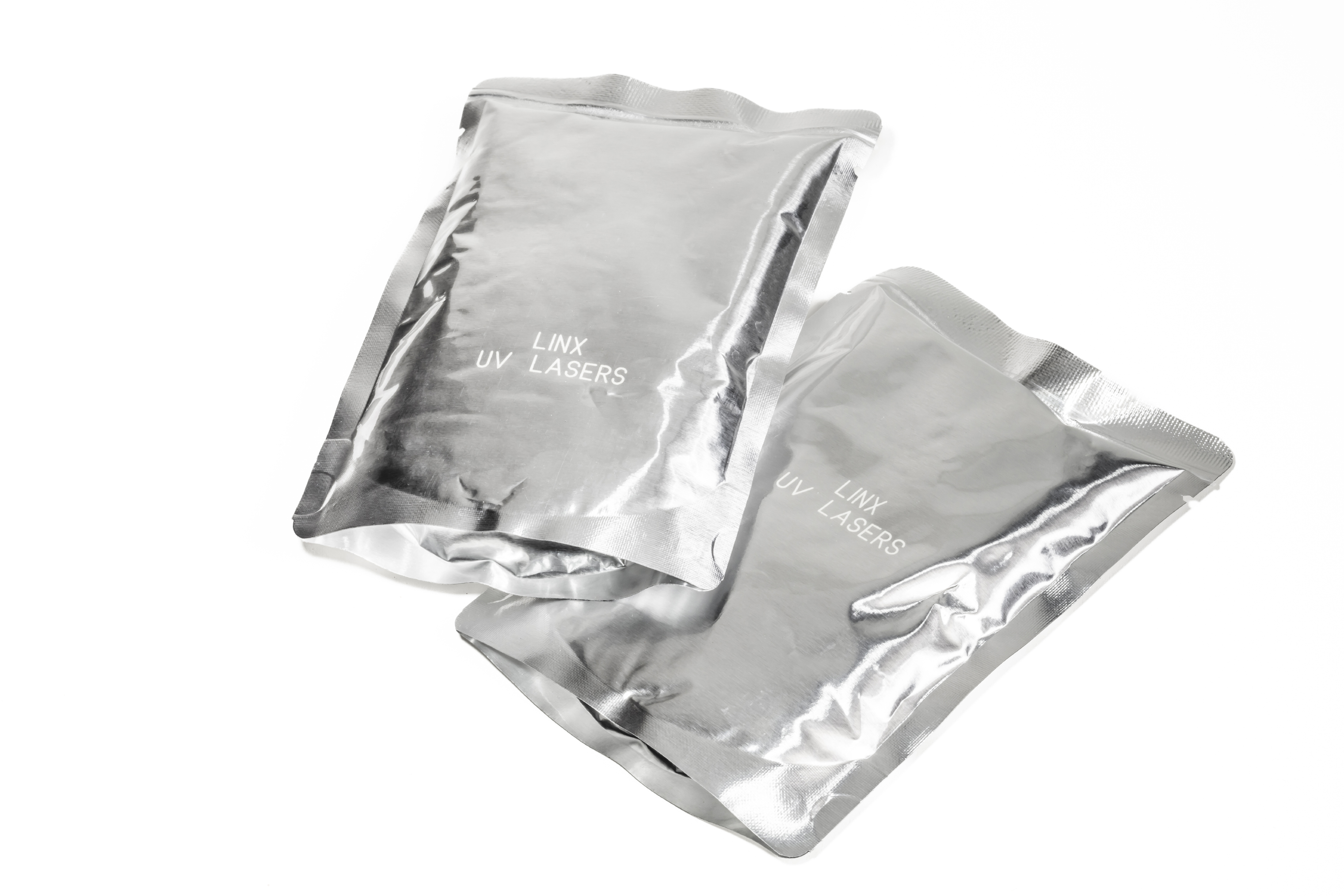
Solvent-free printing on a range of substrates including plastic films, flat packaging, label stock, plastic and foil.