
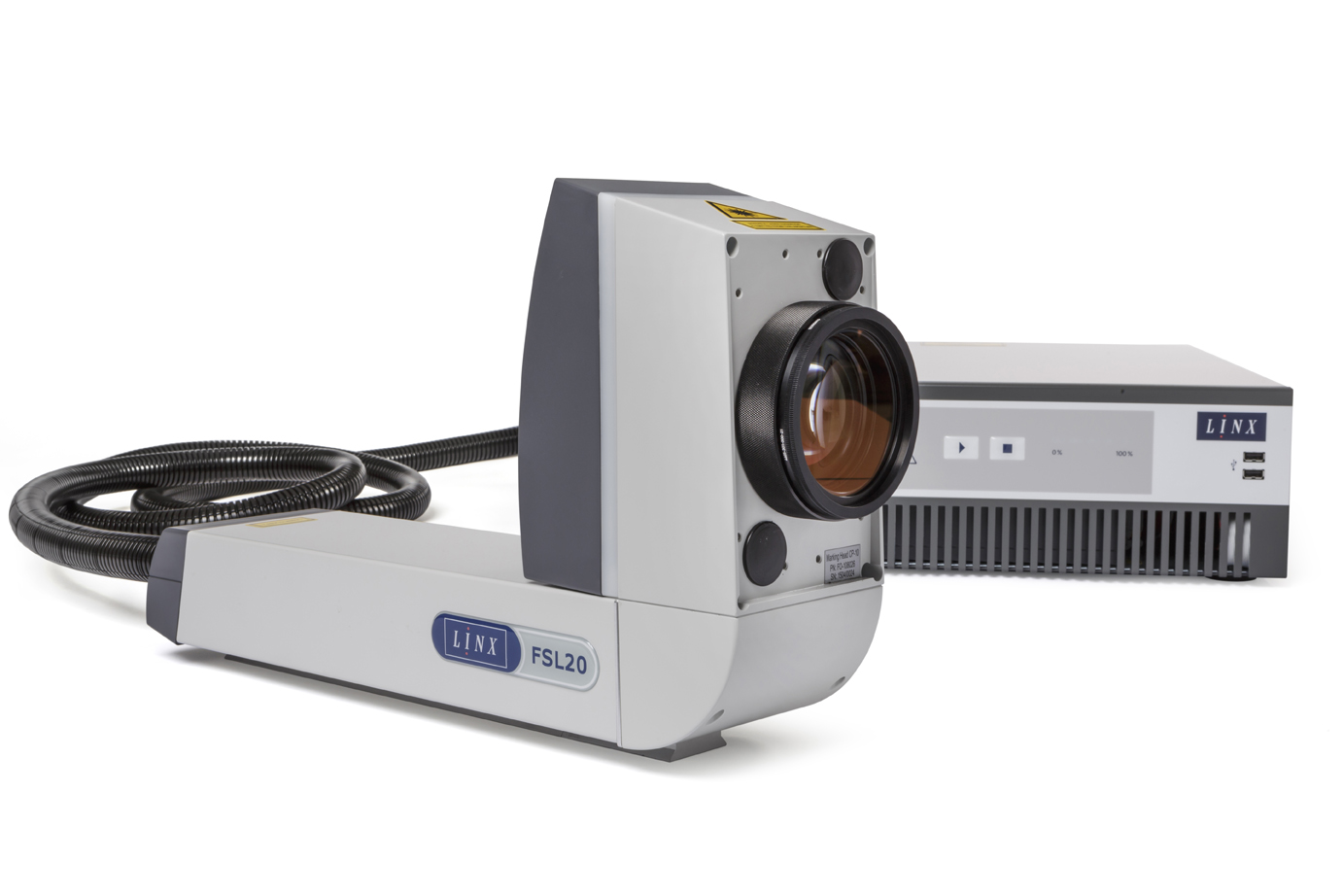
Linx FSL20 & FSL50
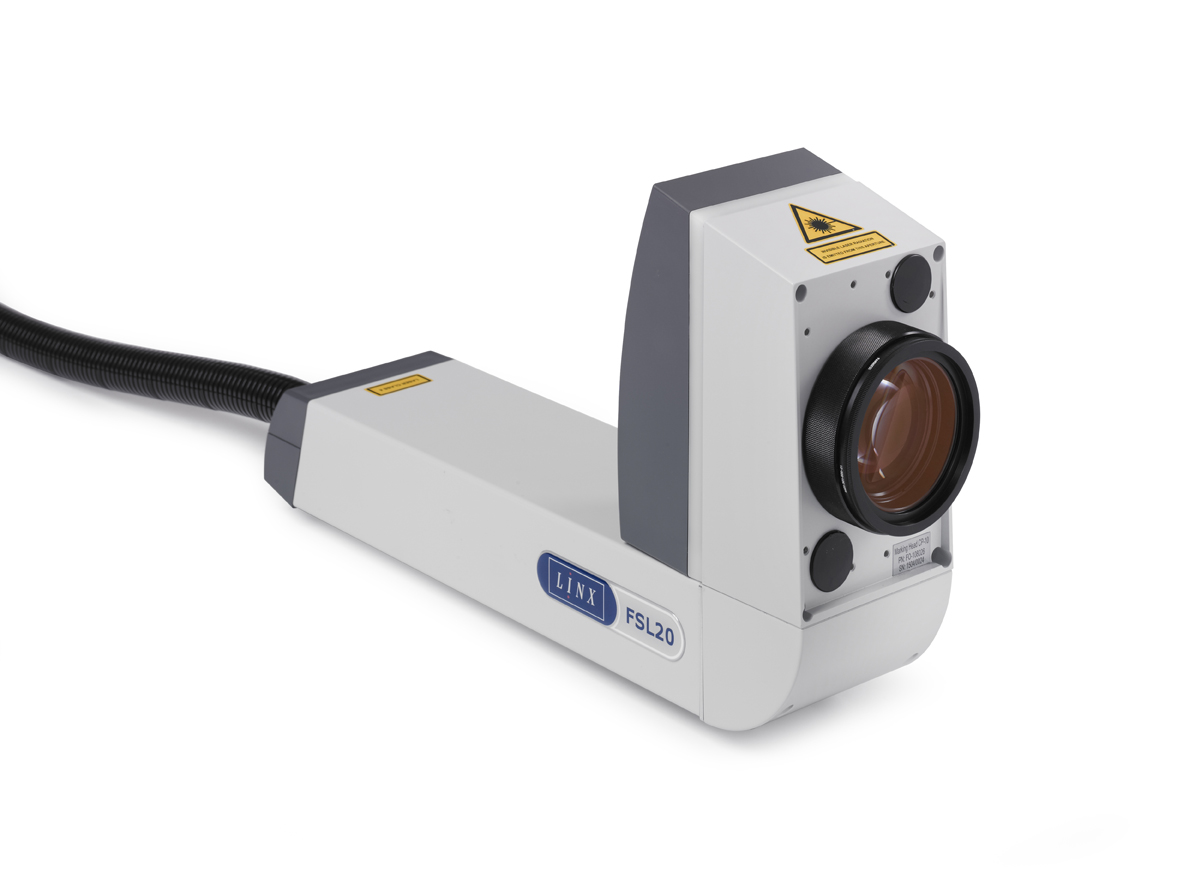
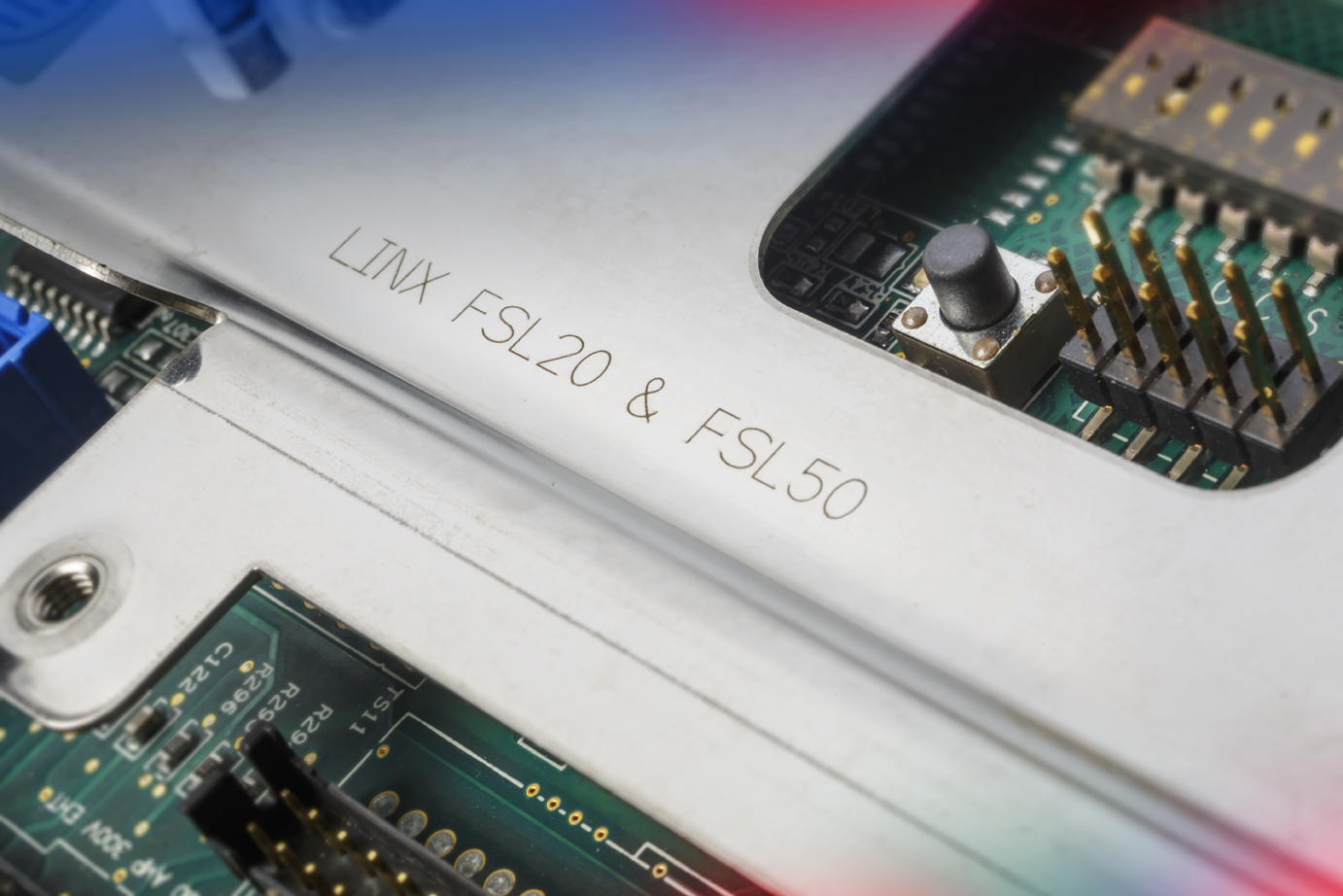
Precision marking on many materials
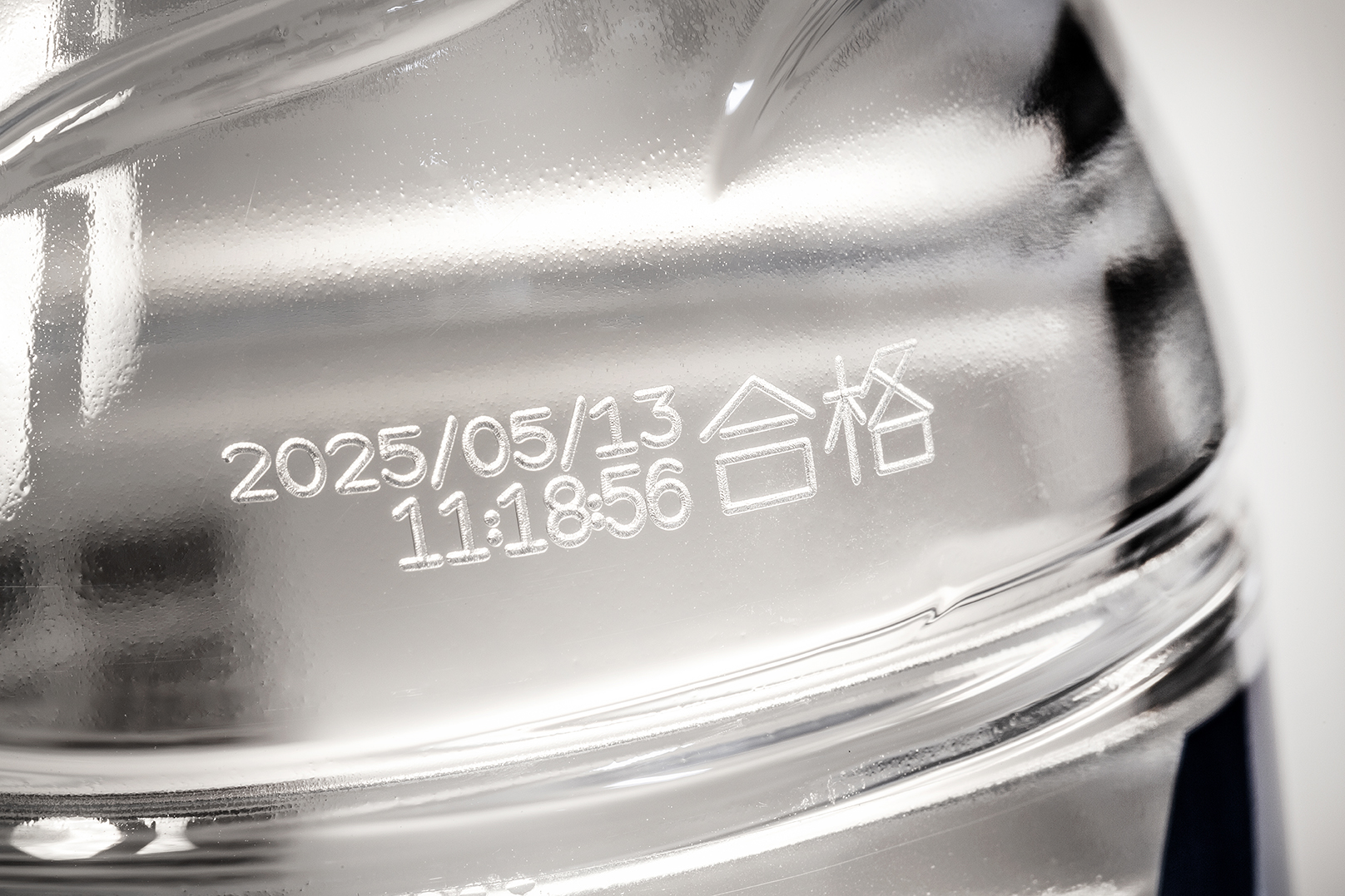
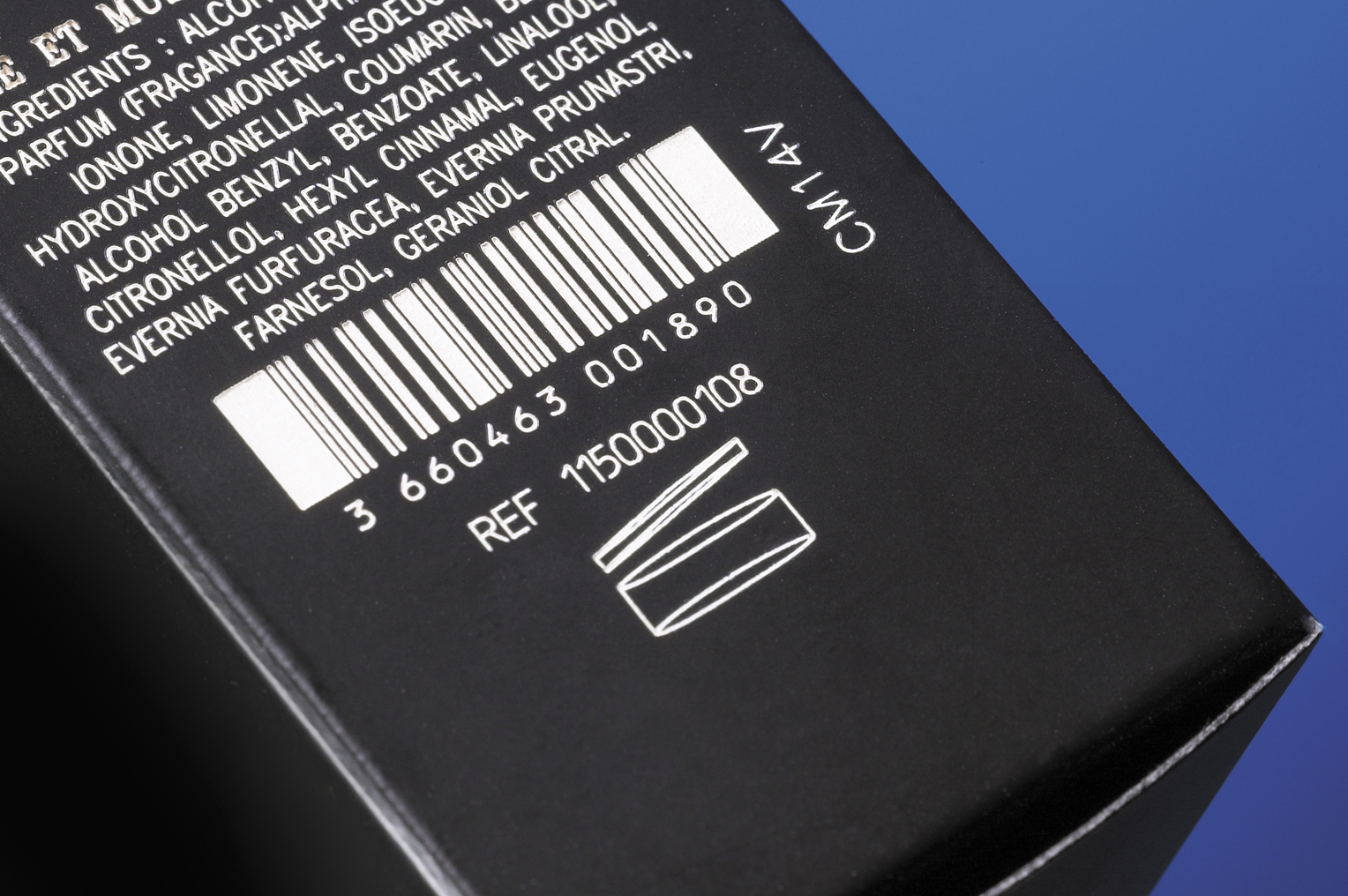
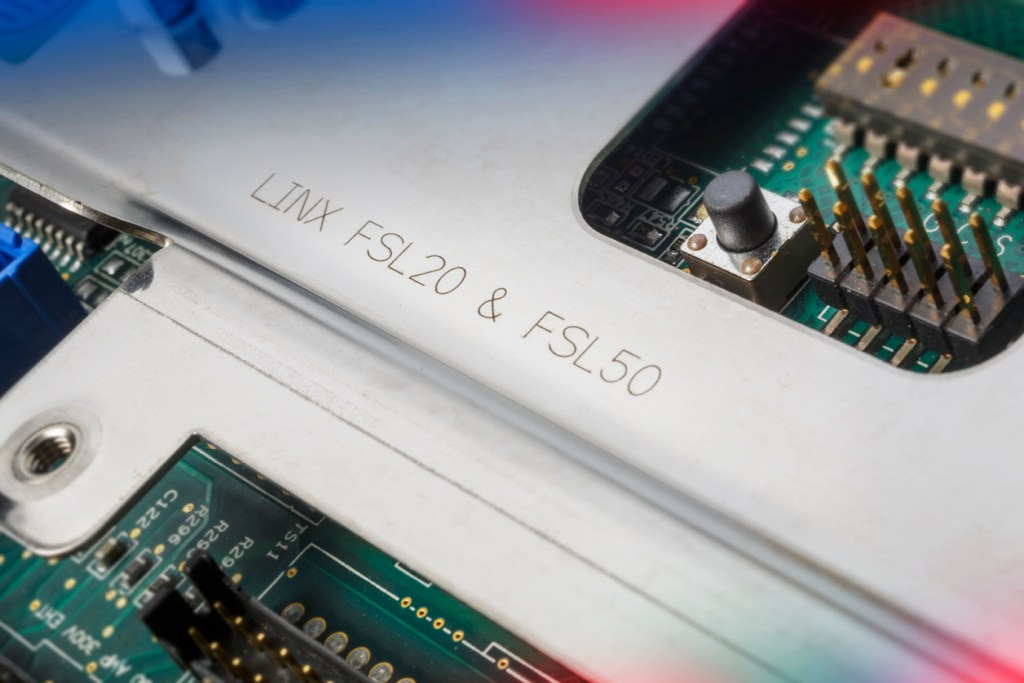
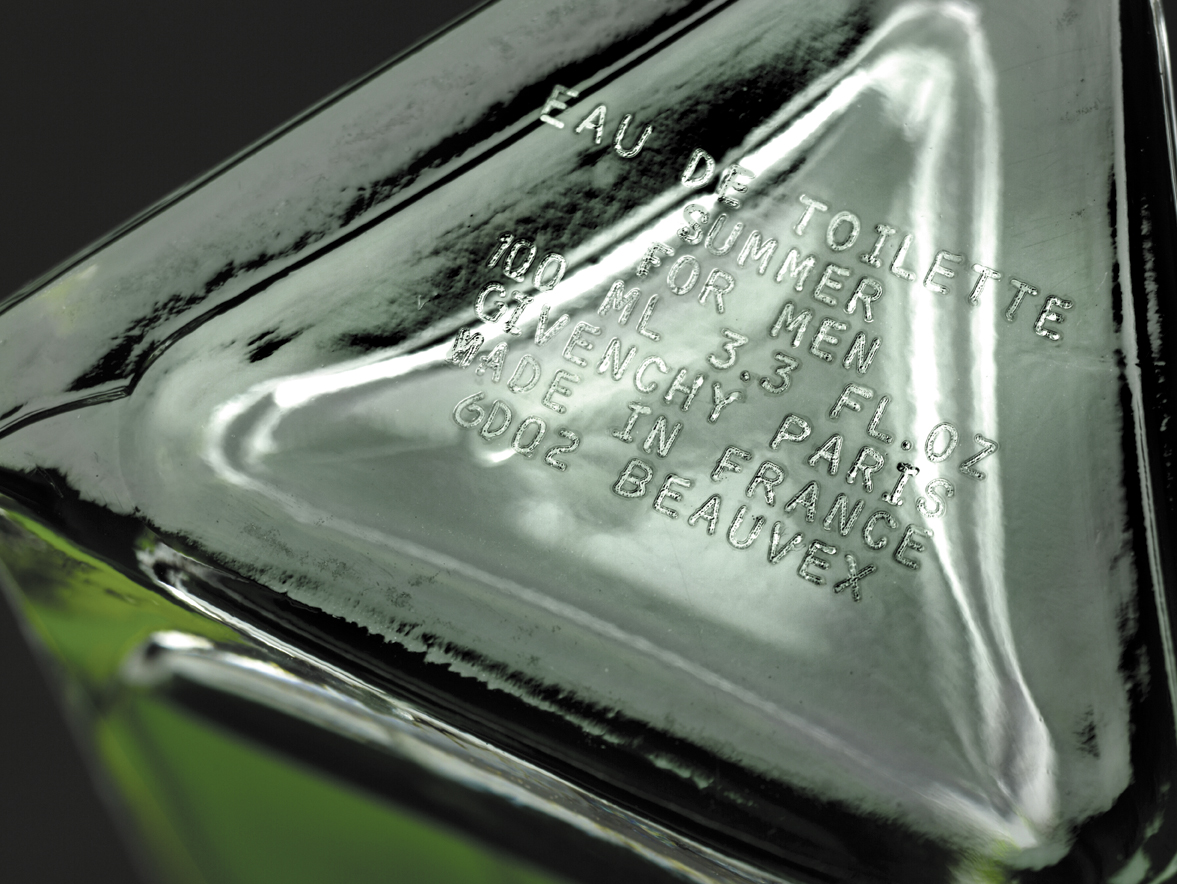
Permanently mark on a wide range of materials, including metal, rubber, plastic, and packaging foils with the Linx FSL20 & FSL50. Very fine spot size creates excellent quality codes and makes Linx Fibre lasers ideal for marking very small components, or large amounts of information onto small areas. Text, machine readable codes, graphics and logos are all marked with extreme clarity for traceability; ideal for pharmaceutical, medical devices, automotive and electronics industries, as well as FMCG packaging.
About Fibre Laser Marking
Fibre laser marking uses a highly focused beam of light to permanently change the surface of a material, creating clear and precise marks without contact. The laser beam is controlled digitally to produce text, barcodes and detailed 2D codes at high speed.
Fibre lasers are especially effective for marking metals and hard plastics, delivering very fine, high‑contrast results that remain readable over time, while operating without consumables to help reduce running costs and maintenance.
““With our fibre lasers we have developed a coder that meets our customers’ most important criteria – easy integration, reliable operation and the flexibility to deliver high quality codes of any description across the widest range of substrates”
Mark Cooper, Senior Director Product and Marketing, Linx Printing Technologies
Key benefits
- Laser tube life of over 100,000 hours – less downtime
- Fine spot size for high quality codes
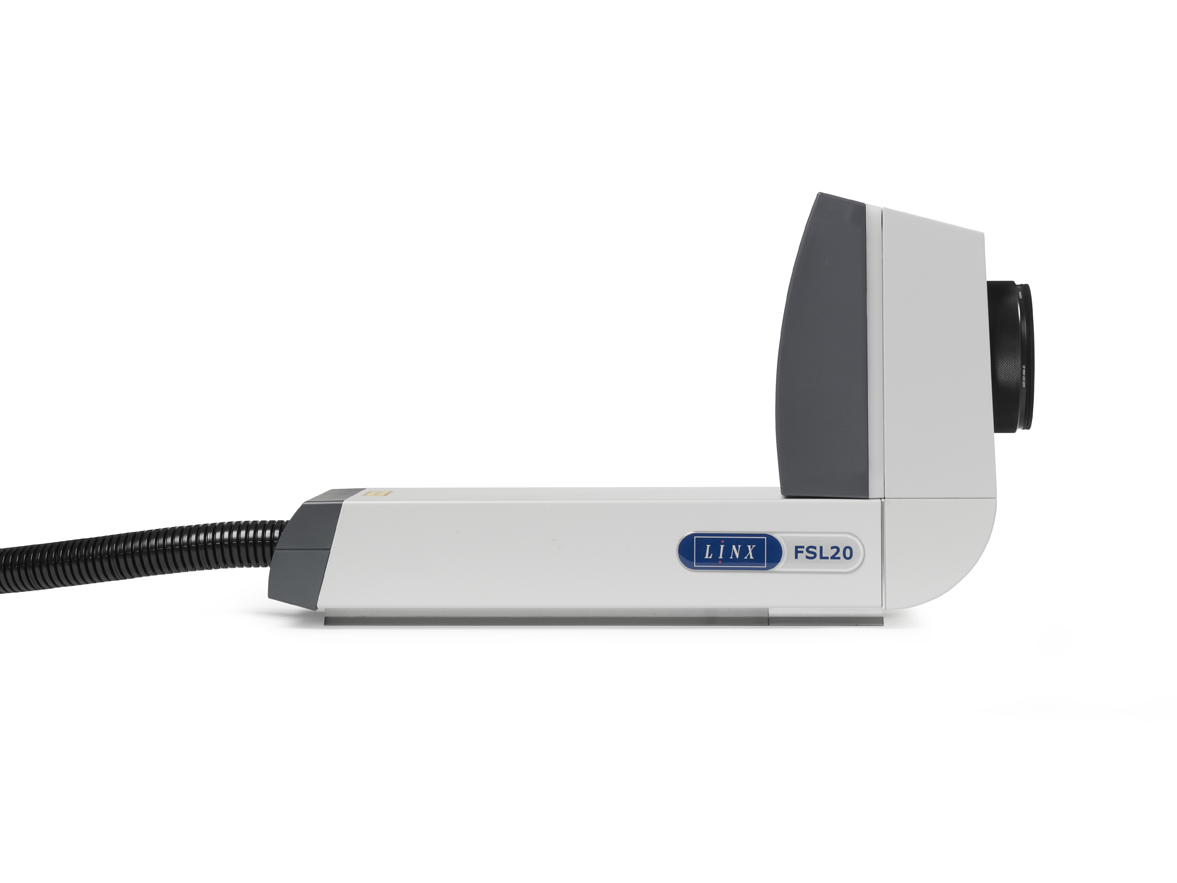
- Two beam orientation options allows coding in any direction
- Choice of 4 lenses for codes tailored to your requirements
- Compact marking head for easy integration into moving and static lines
- Internal air cooling system for increased efficiency and less maintenance
- Quick message creation reduces time spent on setup and changeovers
- Extremely efficient use of the laser with no compromise on code quality or speed
Could the Linx FSL Series be the right fit for you? – Book a demo
Applications for FSL Lasers
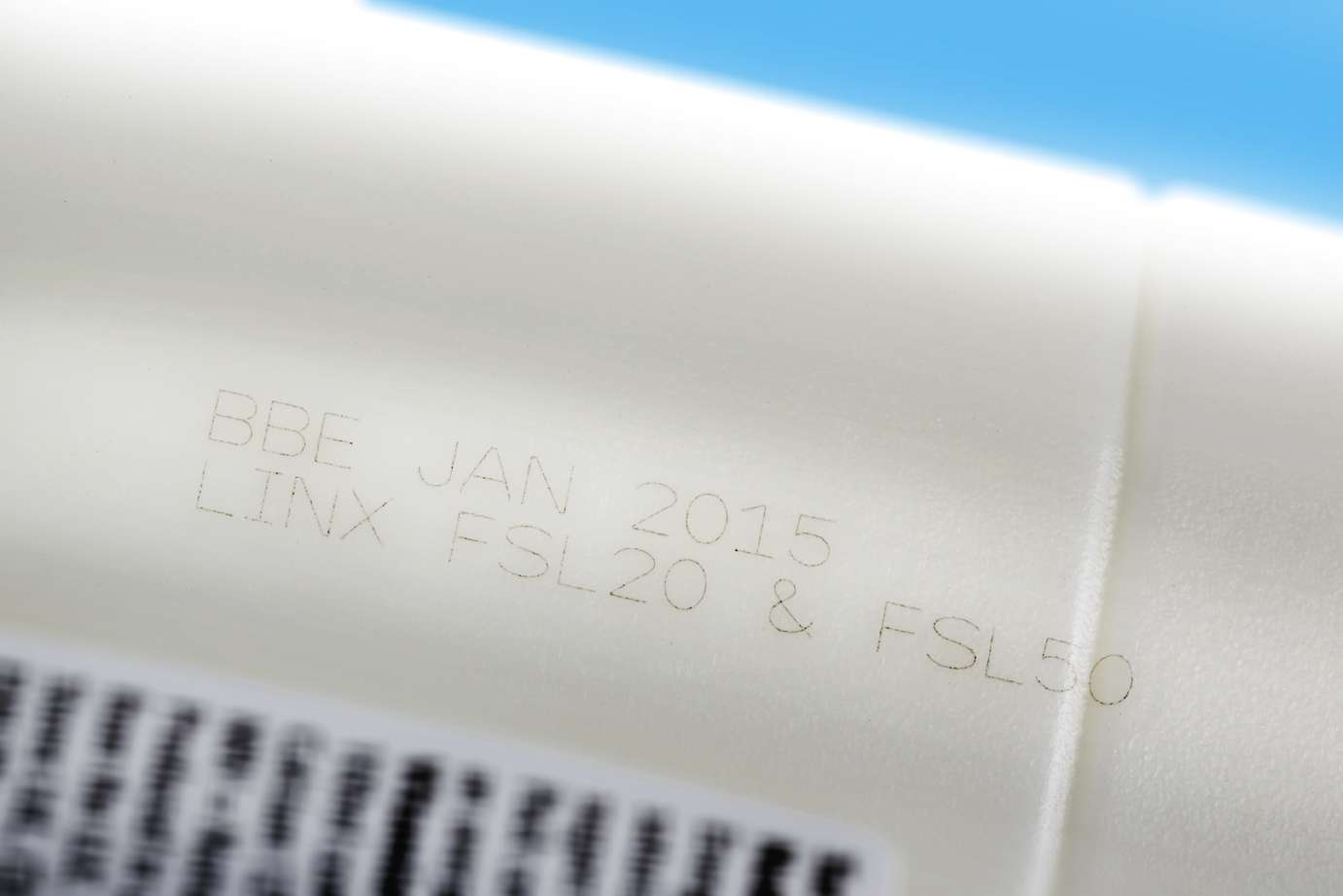
The Linx FSL20 & FSL50
Check if the Linx FSL Series is available in your region by contacting your local distributor.
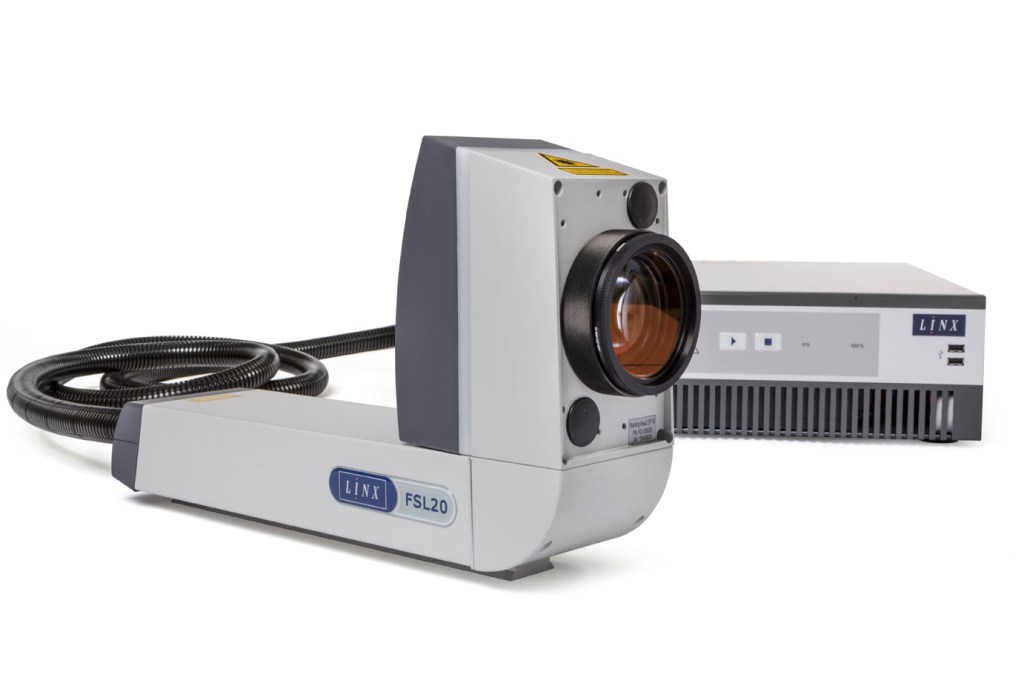
Coding GS1 with Linx FSL20 & FSL50
Coding GS1 codes with the Linx FSL laser coders provides a reliable way to create high‑quality, permanent marks that remain clear and scannable throughout the product’s lifecycle. With laser technology, there are no inks or consumables required, helping reduce running costs while maintaining consistent code quality. This supports accurate data capture for traceability and compliance with global GS1 standards, even in fast‑moving production environments.
Linx’s official partnership with GS1 UK reinforces our commitment to delivering trusted, standards-compliant coding solutions. As a GS1 UK-approved provider, our products, including the FSL Series lasers, are validated to print GS1-compliant 2D codes with precision and reliability.

Technical Specifications
| Line speed: | 1 to 6,000 mm/s |
| Number of lines of text: | Only limited by character size and marking field |
| Character height: | up to marking field size |
| Print rotation: | 0-360° |
| Head mounting options: | 90-degree (standard) and straight-out (option) |
| Cooling: | Air cooled |
| Enclosure material: | Painted sheet metal |
| Weight: | 8kg (marking unit), 19kg (supply unit) |
| Code options: | Date, time, 1D/2D barcodes, graphics and logos, sequence and serial numbers |
| IP rating: | IP54 |
For full technical specifications, please download the product brochure
Download the Linx FSL20 & FSL50 brochure for full specification
Explore Linx FSL20 & FSL50
FSL Series datasheet
FAQ
The Linx FSL Series fibre laser coders are used for permanent marking directly onto products and components, creating high‑quality codes such as text, serial numbers, barcodes and 2D codes for traceability and identification.
FSL Series fibre lasers are ideal for marking metals, plastics and other hard materials, making them well suited to demanding industrial applications such as automotive, electronics and medical devices.
The FSL20 and FSL50 offer different power levels, allowing you to select the right option for your application, whether you need fine detail marking or faster throughput on high‑speed production lines.
The FSL Series can produce a wide range of high‑quality marks, including text, logos, barcodes and 2D codes such as Data Matrix and QR codes, supporting traceability and compliance requirements.
Fibre laser coding delivers permanent, high-contrast marks without the need for inks or consumables, helping to reduce running costs while ensuring codes remain readable throughout the product lifecycle.
Yes, fibre laser technology produces a very fine spot size, enabling clear and precise marking of small components or high‑density codes where space is limited.
Yes, the FSL Series creates durable, high‑quality codes that support product traceability and help meet industry and regulatory requirements across sectors.
The FSL Series is designed for straightforward integration into production lines, with flexible configurations to suit different applications and environments.
Fibre laser coding is ideal when you need high‑precision, permanent marks on hard materials such as metals and engineered plastics. It produces very fine, high‑contrast codes, making it perfect for small components or high‑density data like Data Matrix codes. Compared to CO₂ or UV lasers, fibre lasers are especially suited to demanding industrial environments where durability and detail are critical.
Related Products
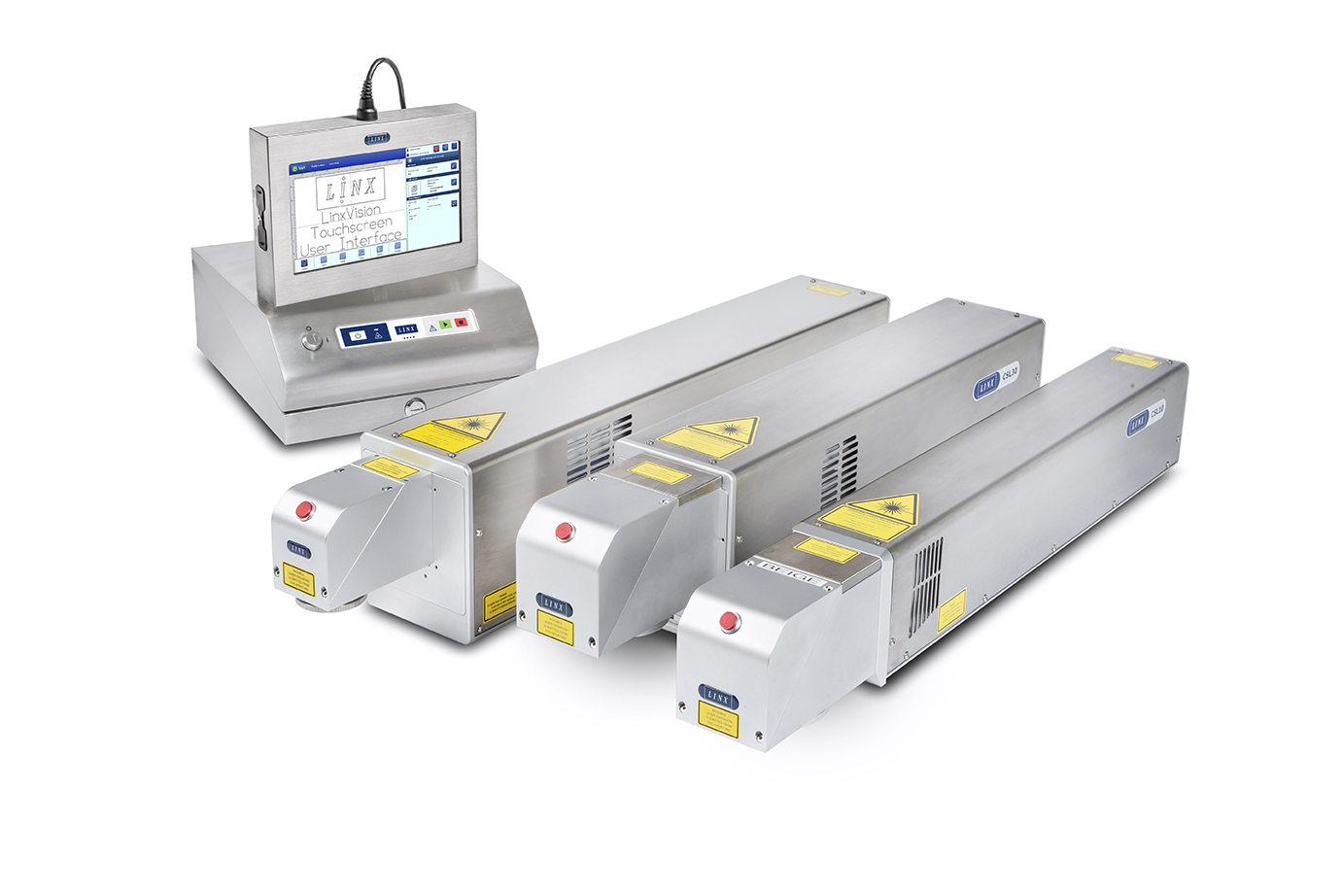
Linx CSL Series
Versatile solution for permanent marking

Linx UVG5 Laser
Fast coding on delicate substrates
Linx SL3 Laser
30W compact and robust laser coder