

What is Continuous InkJet printing?
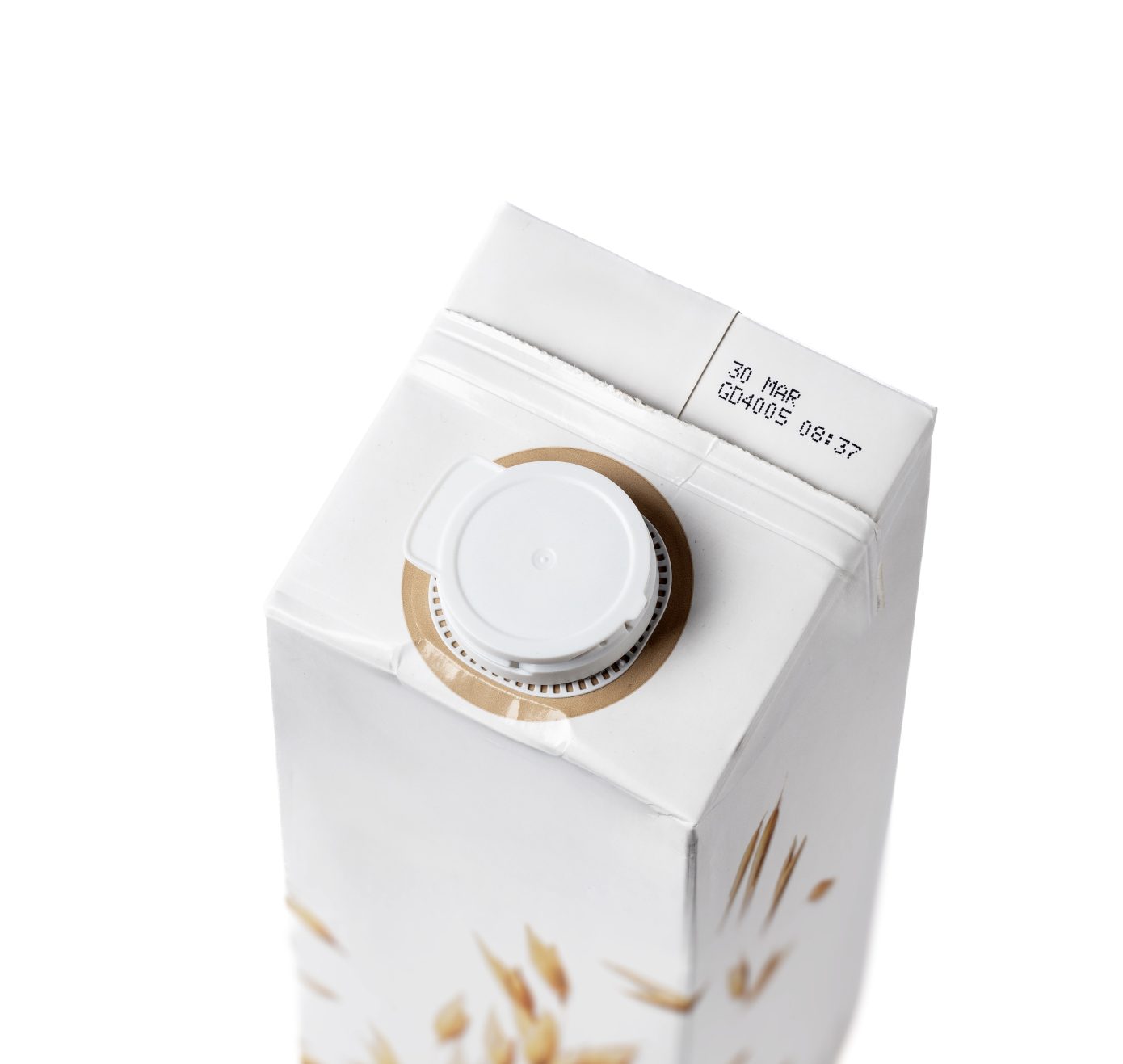
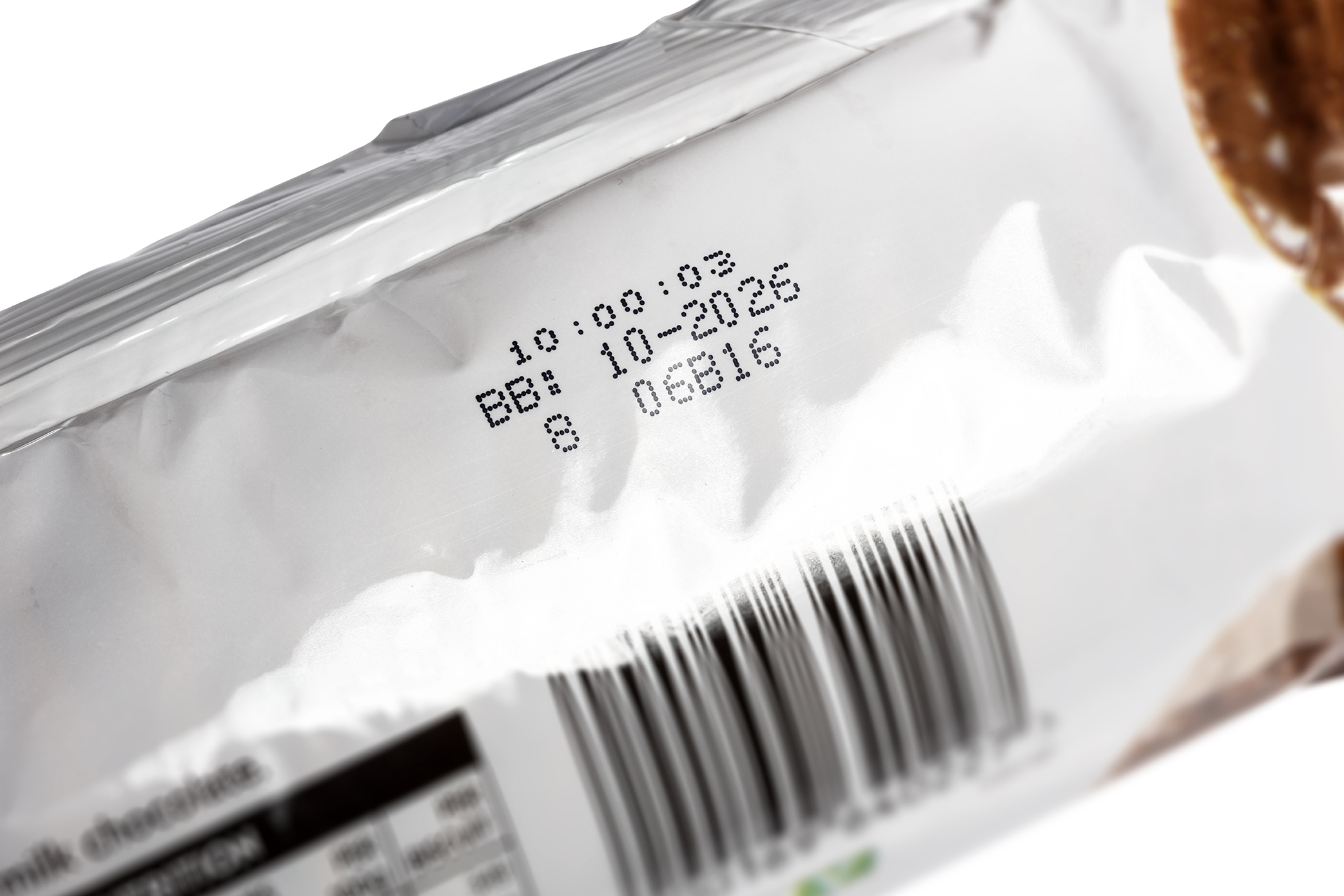
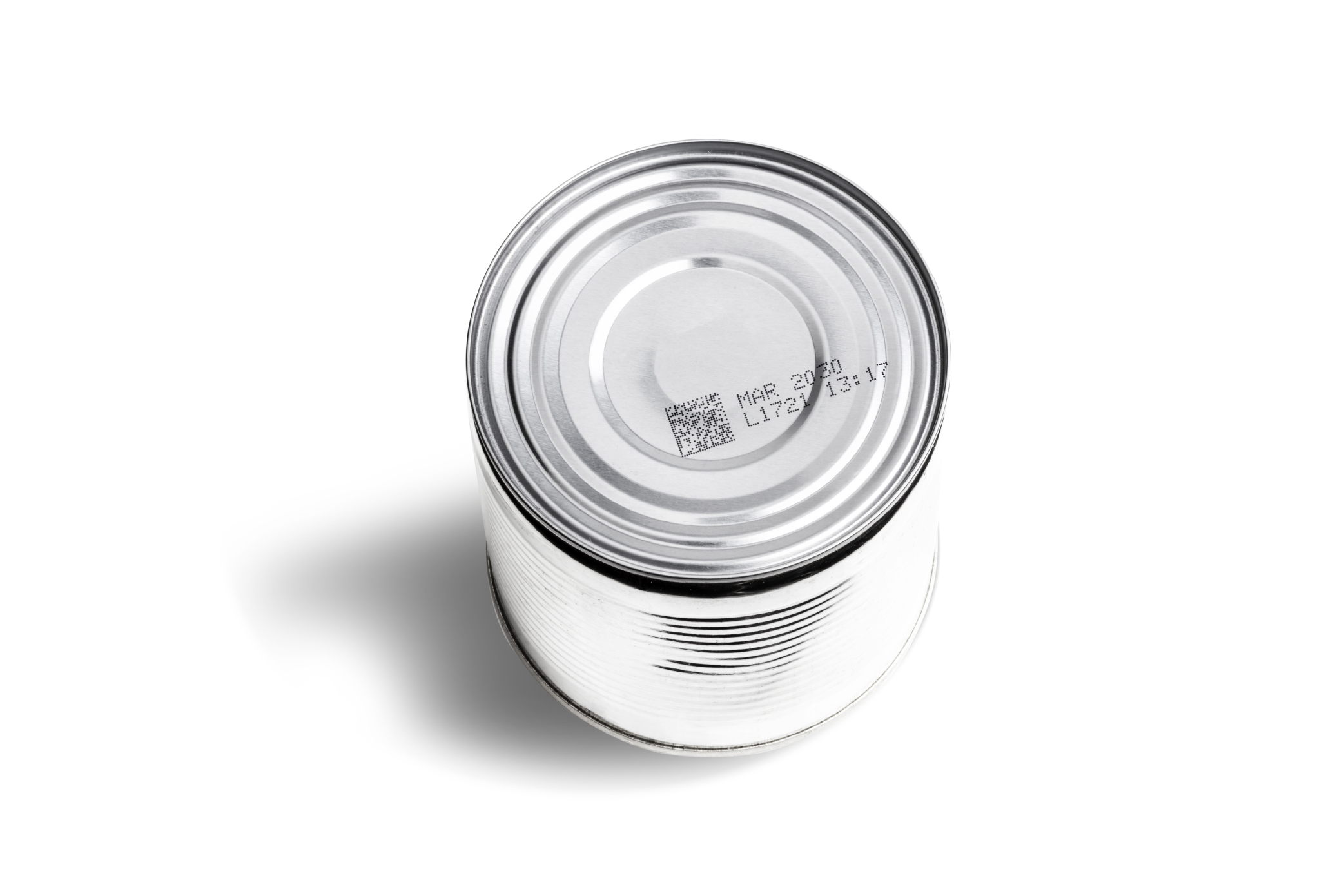
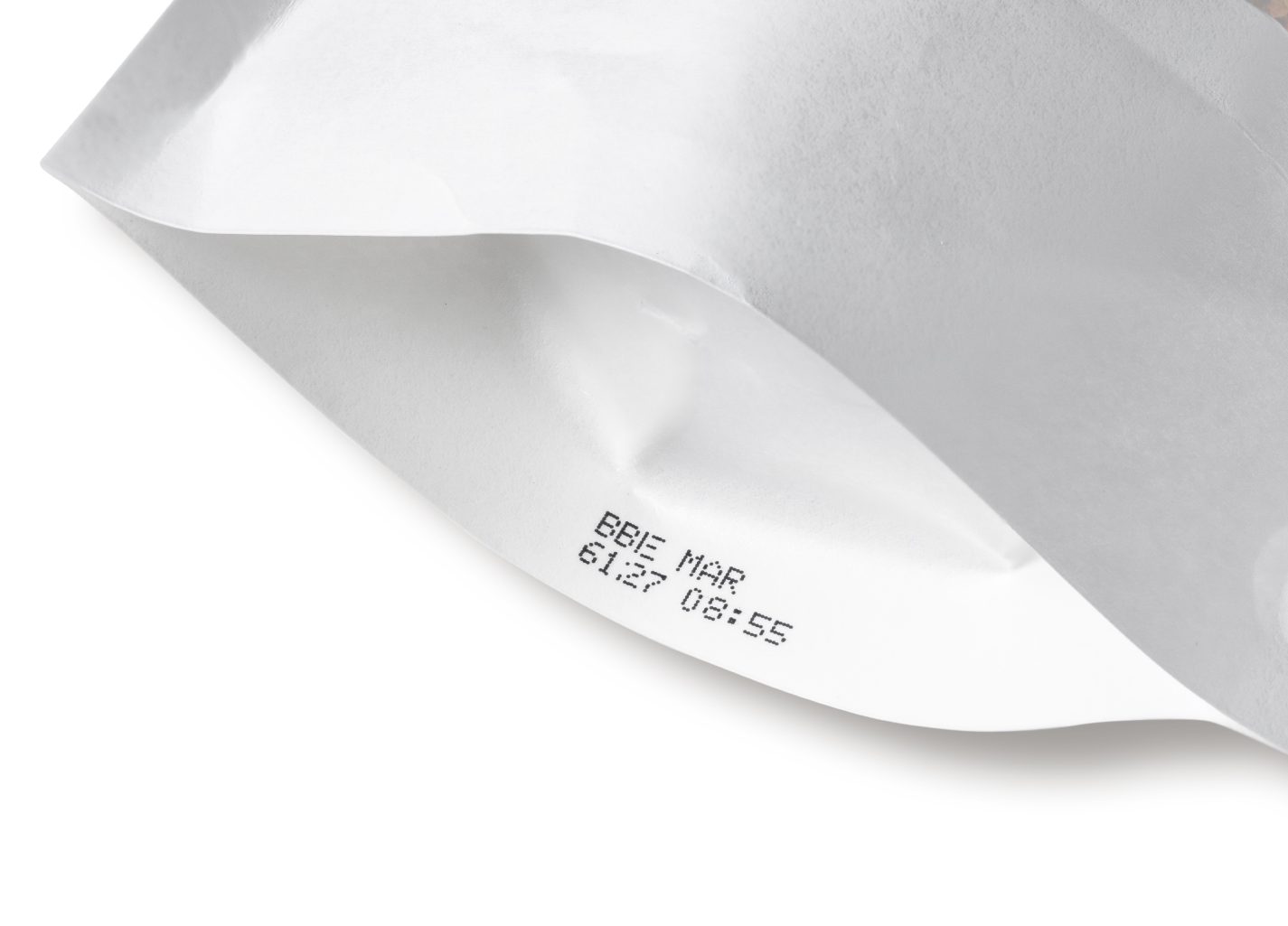
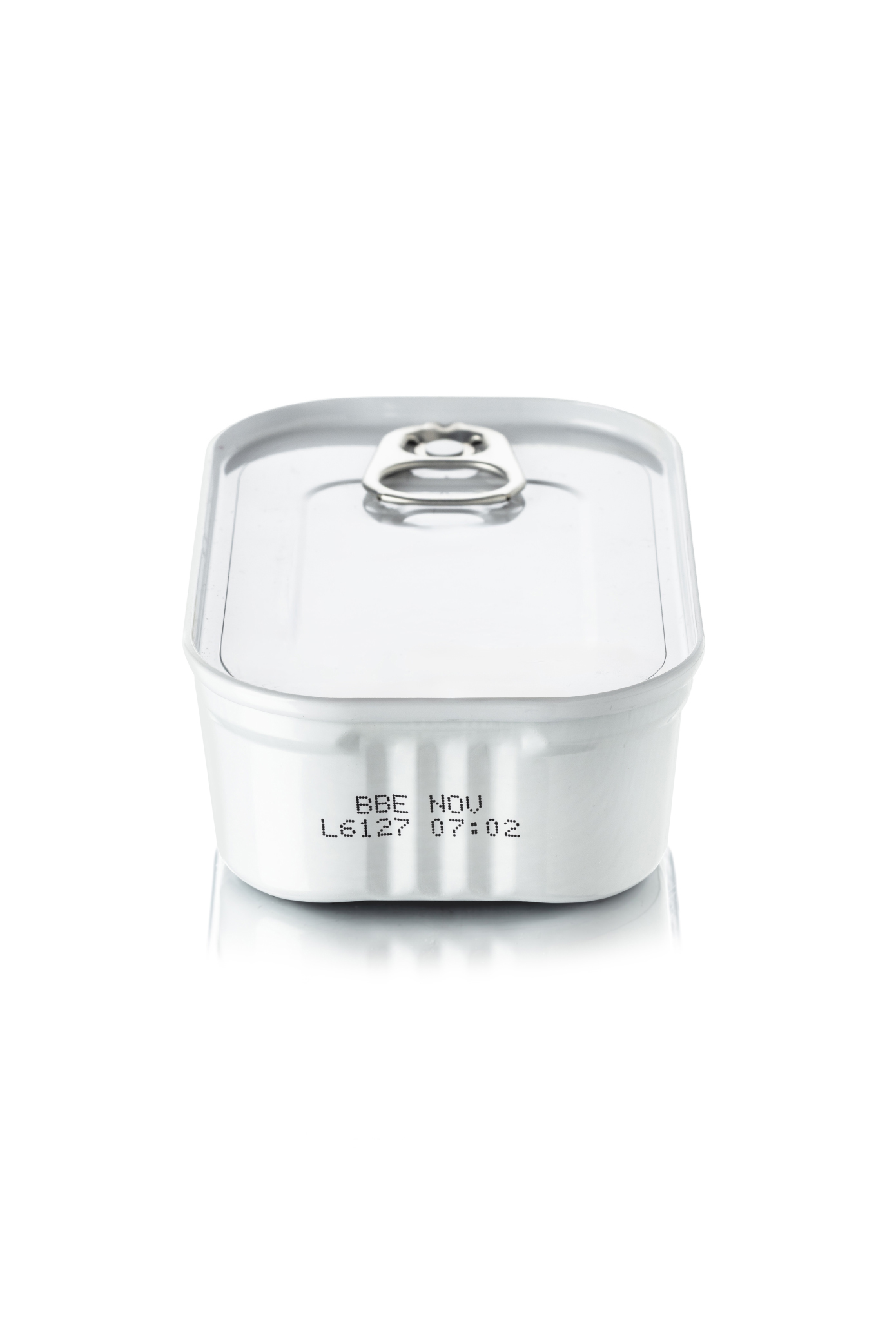
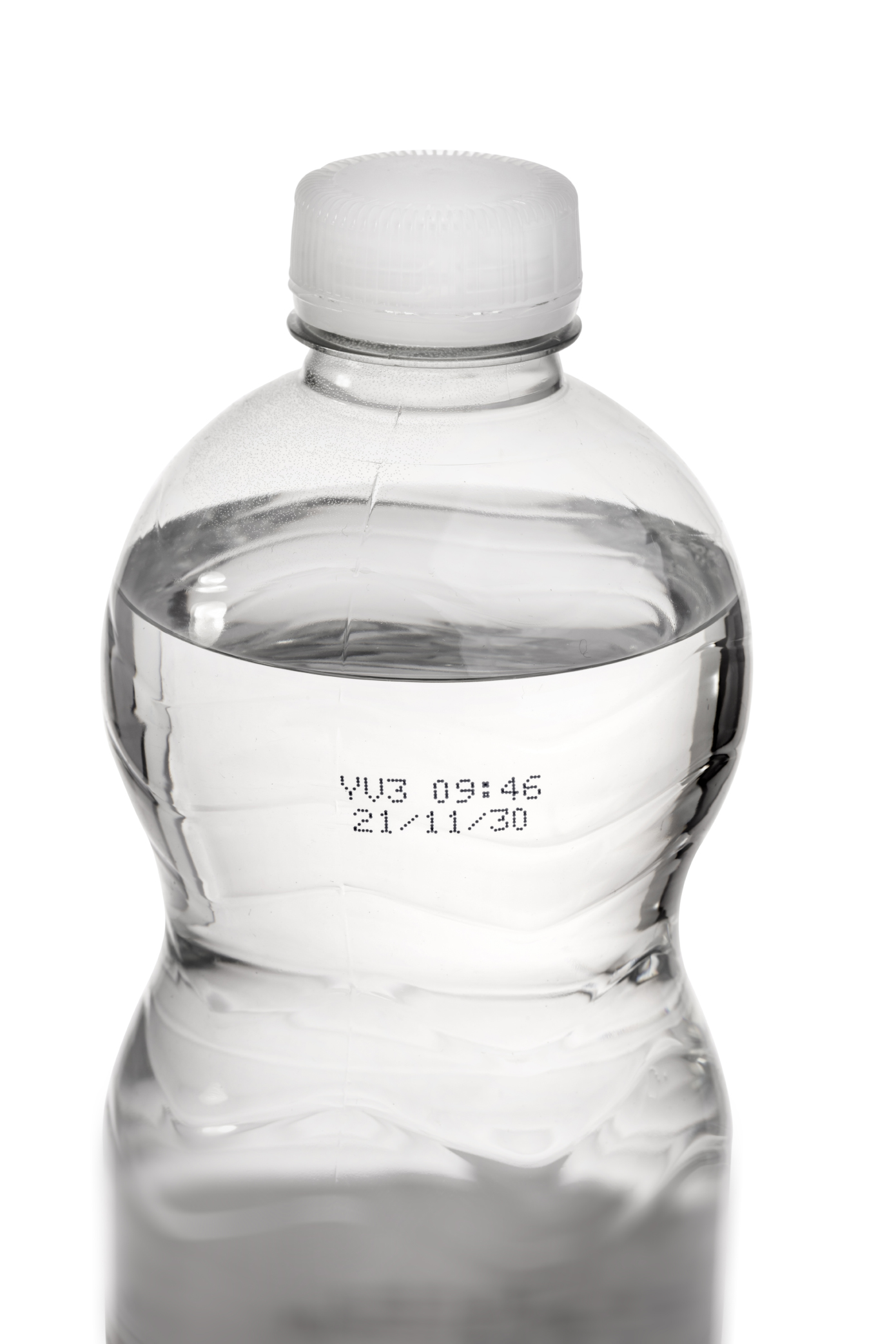
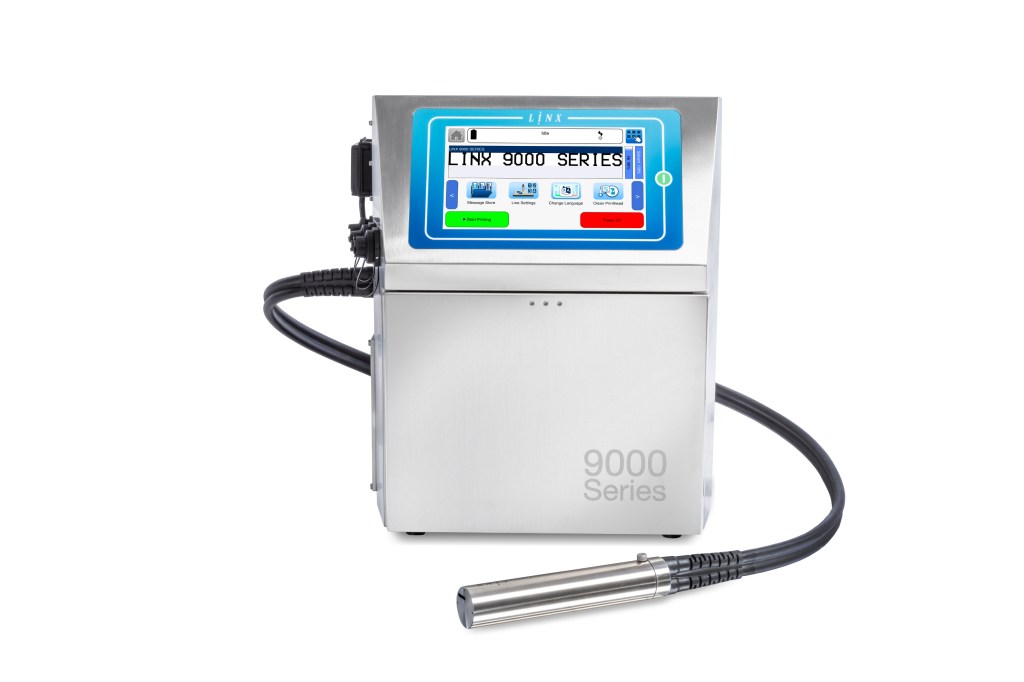
Continuous inkjet printing is a non-contact coding technology. It uses a continuous stream of ink droplets to print variable information, including dates, batch codes and barcodes, onto a wide range of substrates at high speeds.. The Linx 9000 Series is our latest CIJ printer range. It delivers consistent, high-quality codes while helping to minimise downtime.
What is Continuous Inkjet (CIJ) printing?
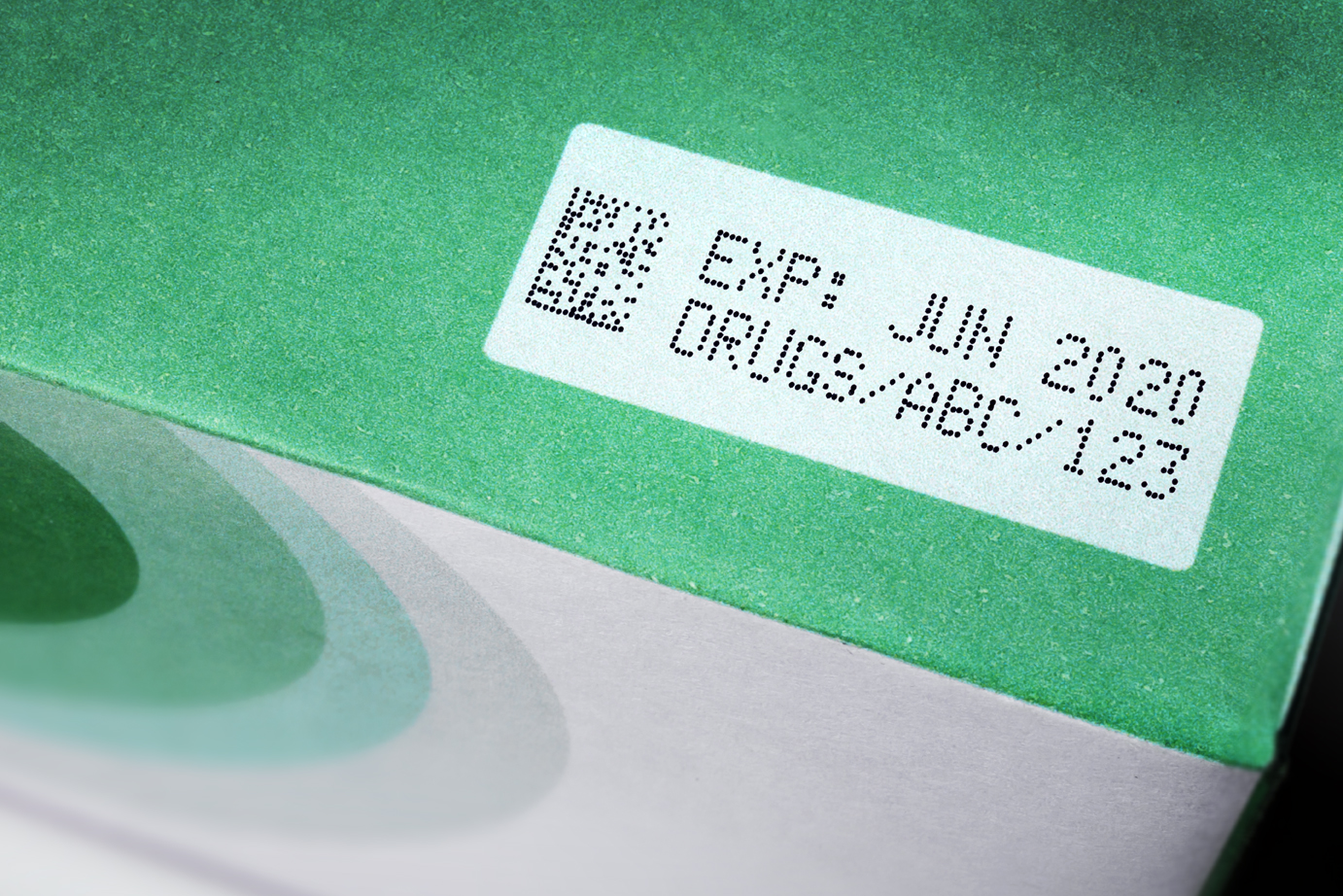
Continuous Inkjet (CIJ) printing is a high-speed, non-contact coding and marking technology used to apply variable information such as dates, batch codes, serial numbers, barcodes and 2D codes directly onto products or packaging as they move along a production line.
CIJ is widely used in manufacturing environments because it prints reliably at very high line speeds. In addition, it works on a wide range of materials and shapes. It also performs well in challenging conditions, including dusty, wet and temperature-variable environments. As a result, production managers often choose CIJ when uptime, flexibility and consistent code quality are critical.
How does Continuous Inkjet Printing work?
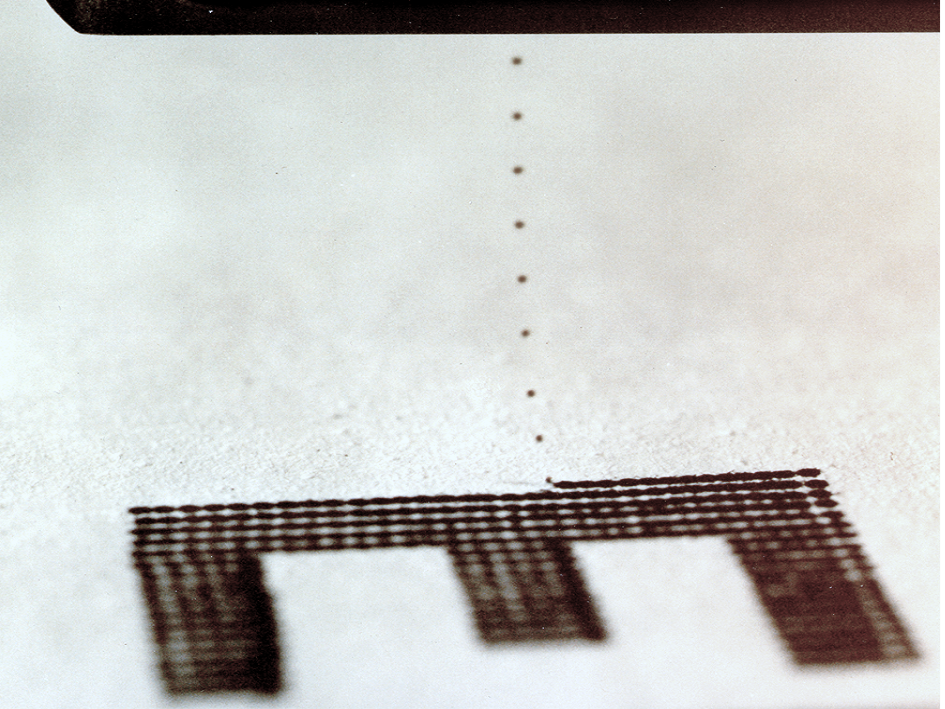
CIJ printing creates characters and graphics from a continuous stream of microscopic ink droplets.
- Ink jet formation: A pressurised stream of ink is forced through a small hole in the printhead, called the nozzle. A piezoelectric crystal then breaks the continuous ink stream into individual droplets at a precise frequency. Up to 120,000 of these tiny droplets are expelled every second, each just half the diameter of a human hair. Different nozzle sizes produce different size drops of ink on the final print.
- Drop charging and deflection: The printer selectively applies an electrical charge to specific droplets. Electrostatic plates then deflect the charged droplets. As a result, the printer places each droplet in a precise position to create characters and graphics.
- Ink recirculation: The system leaves unused droplets uncharged and collects them in a gutter. The printer returns these droplets to the ink system and reuses them. Therefore, the process is known as continuous inkjet printing.
- Character build-up: Characters are built up from vertical lines of droplets, known as rasters, as the product moves past the printhead.
The combination of nozzle/drop size, selected raster and product speed determines the final print size and quality.
What can a CIJ printer mark?
CIJ printers are typically used to print data directly onto products or packaging, including:
- Use-by and best-before dates
- Batch and lot codes
- Serial numbers
- Variable information such as times or sequential numbers
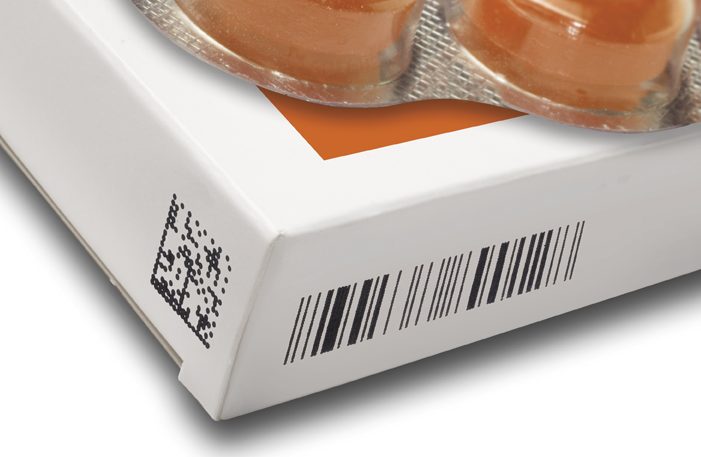
- Barcodes (e.g. Code 39, Code 128, EAN, UPC)
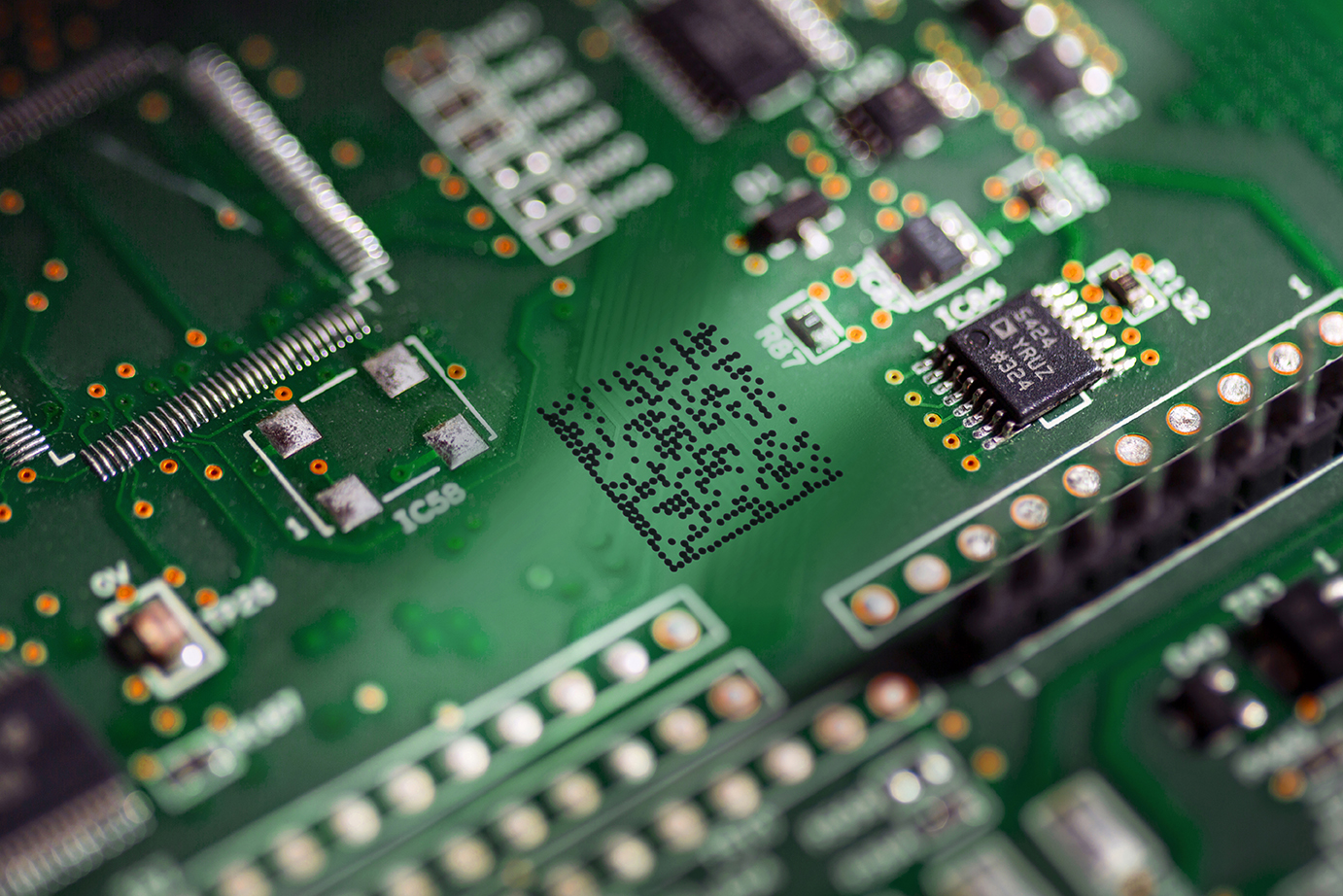
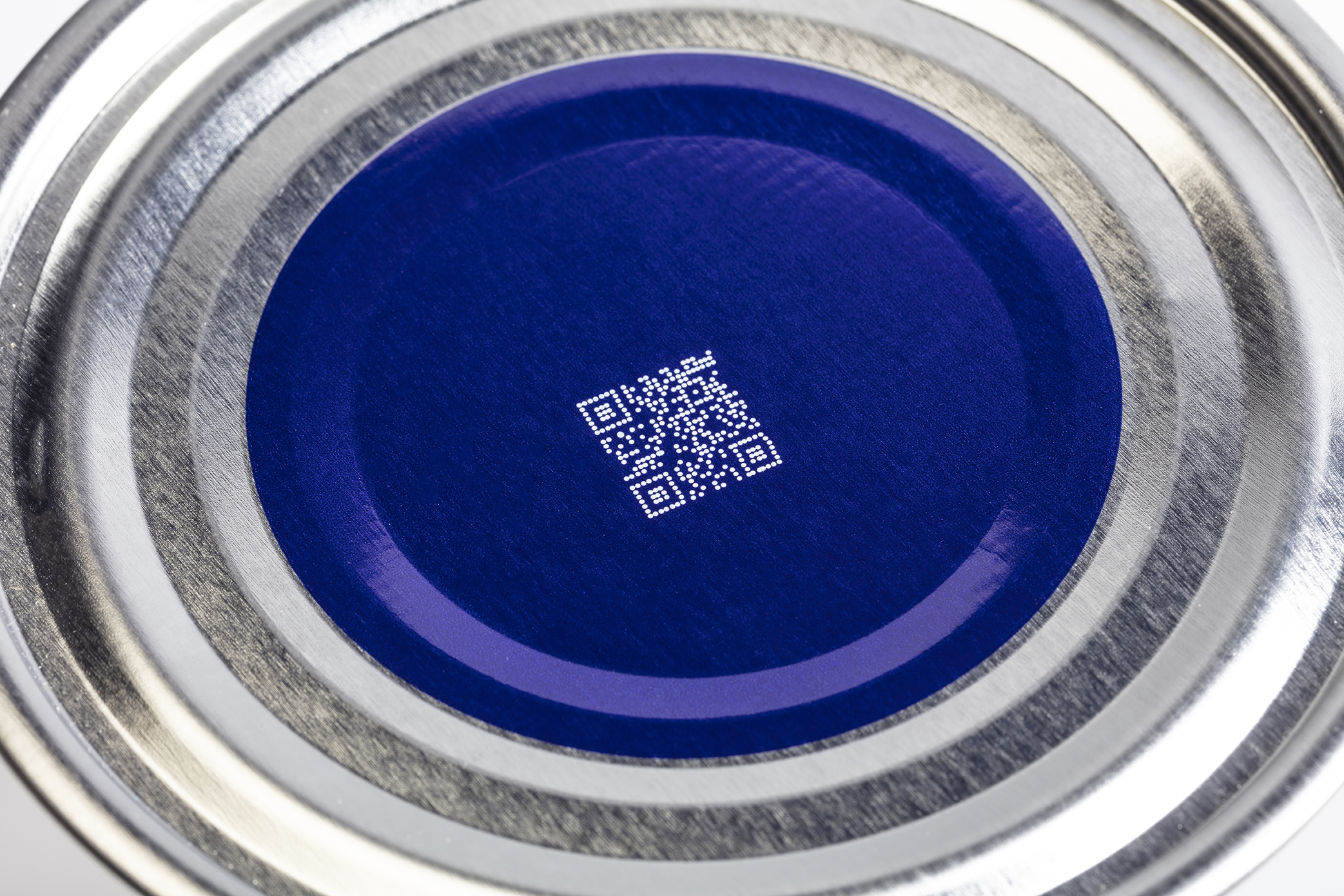
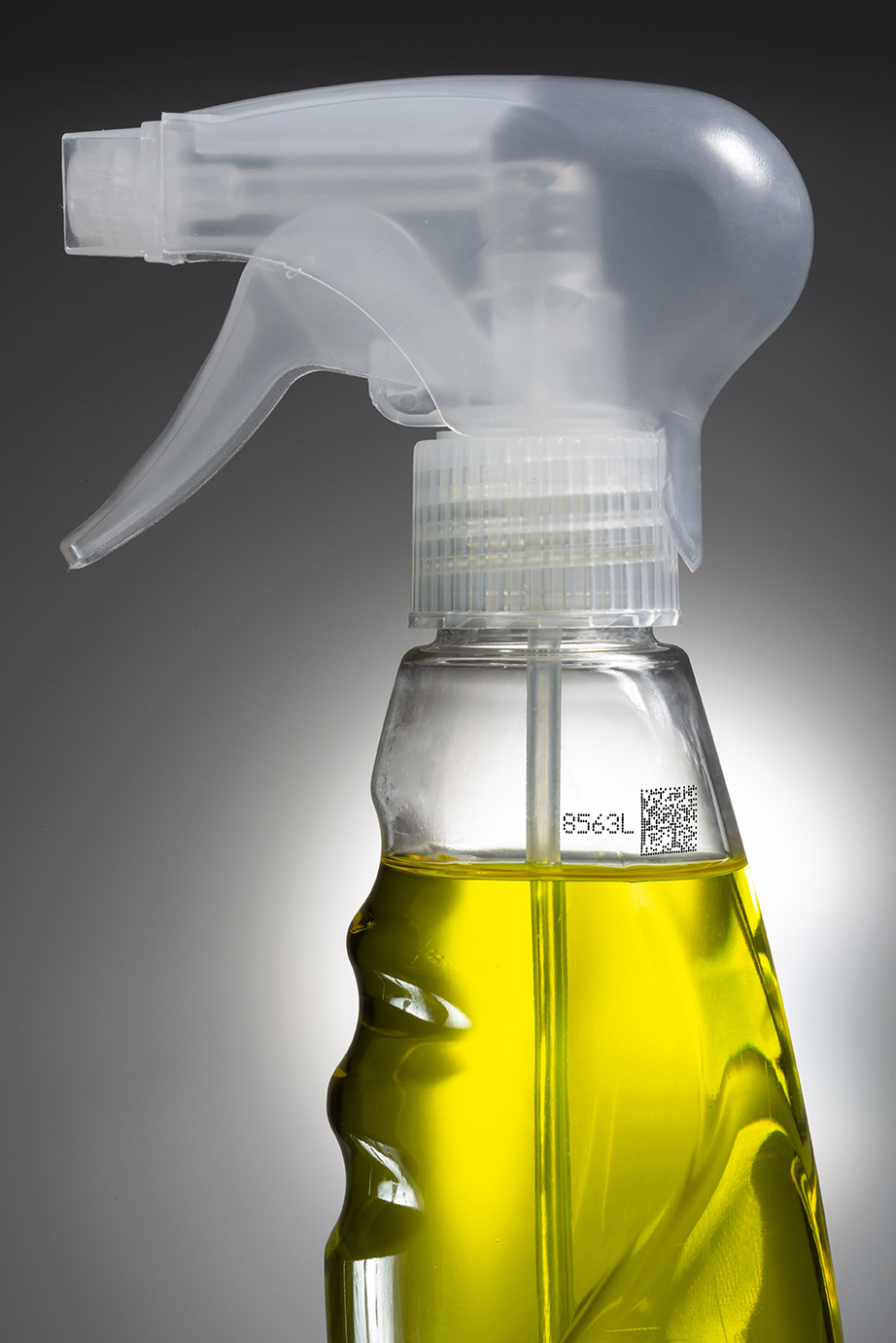
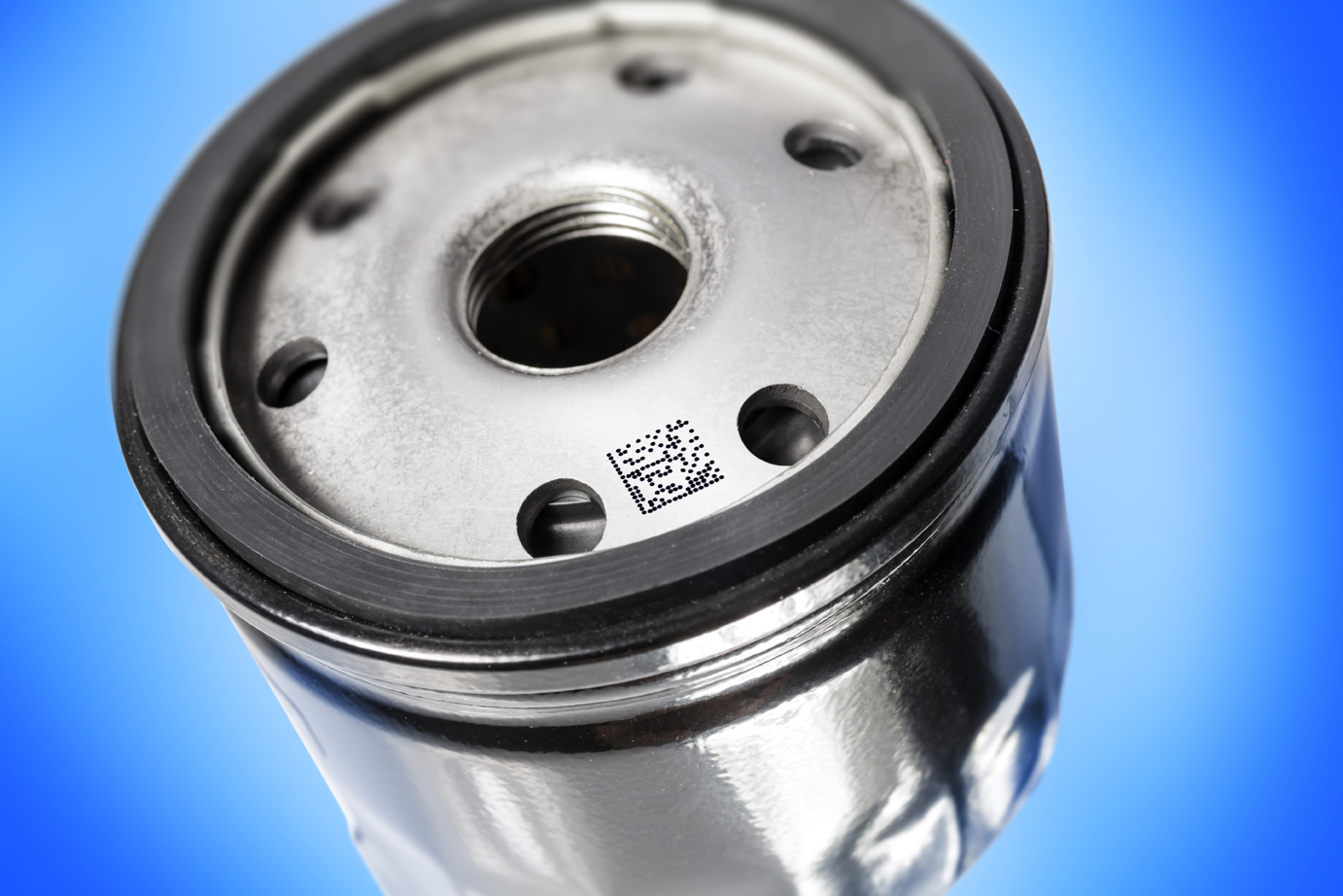
- 2D codes, including QR or GS1 Data Matrix
- Logos and simple graphics
- Regulatory and traceability information
Messages can be printed in single or multiple lines. In addition, operators can combine different text sizes, barcodes and graphics. They can also rotate, invert or reverse messages to suit different line layouts.
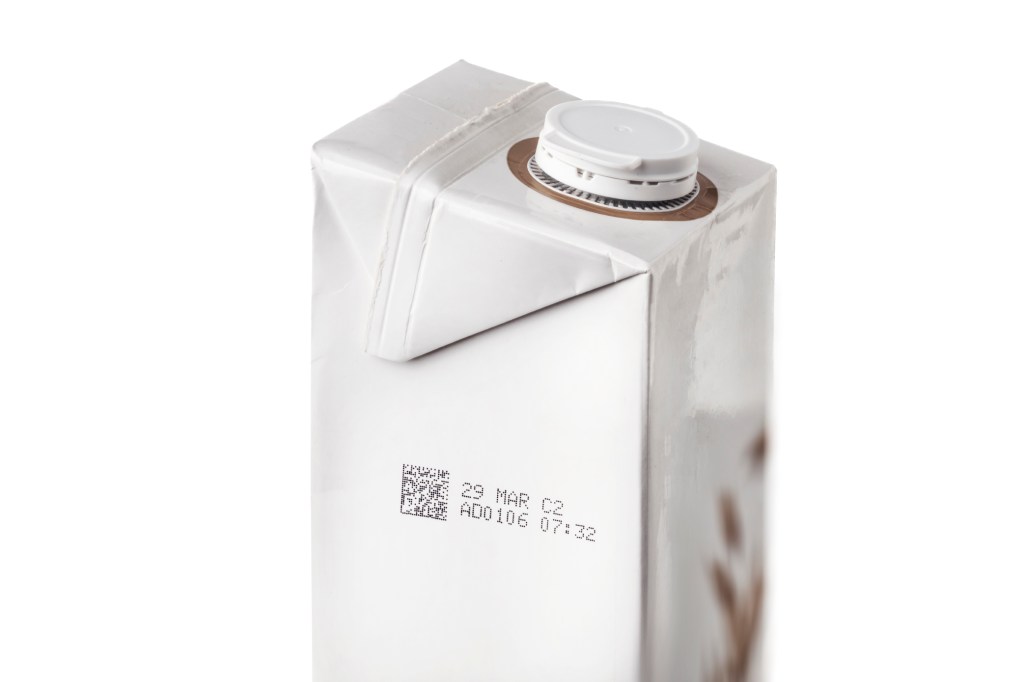
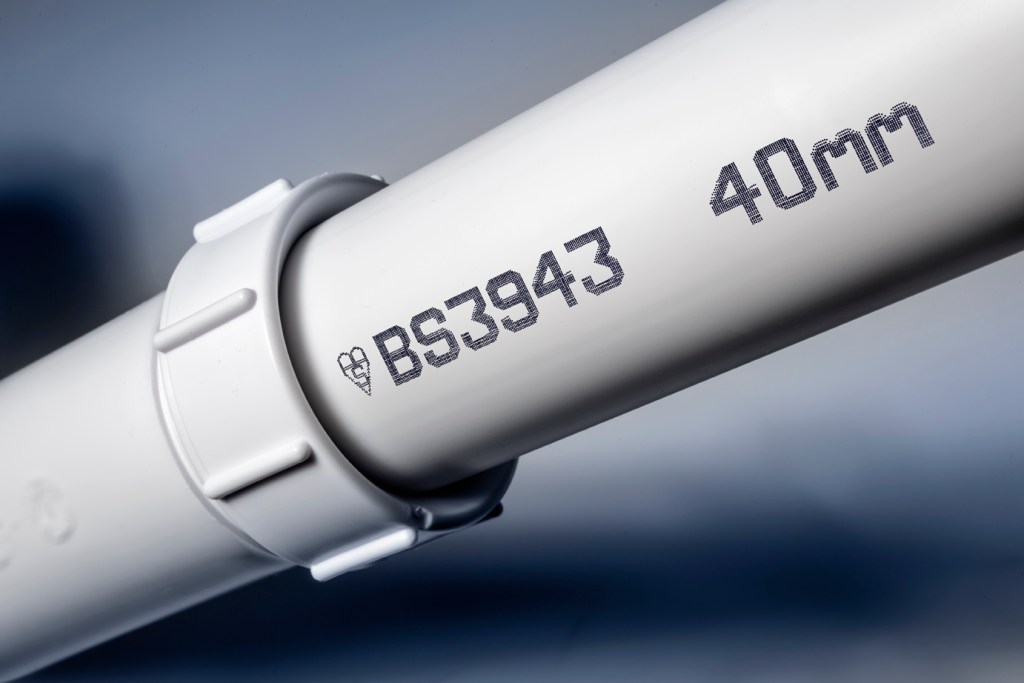
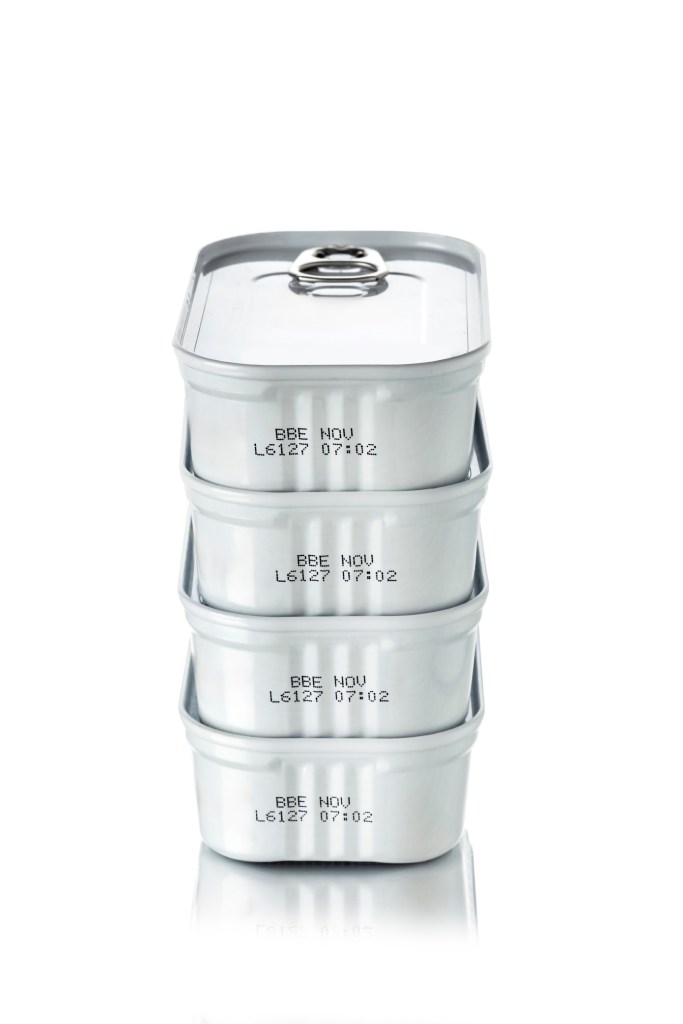
Print size, speed and quality
One of the key advantages of CIJ printing is the ability to balance print size, quality and line speed.
The number of vertically aligned ink droplets determines character height, from 5 drops to 34 drops high which create characters typically ranging from 1.2mm up to approximately 25 mm high.
Smaller messages support faster line speeds. At the same time, they maintain print quality because the printer can complete each raster more quickly. However, larger messages require more droplets. As a result, print speeds decrease.
Linx 9000 Series printers can print up to 6 lines of characters. For example, a 34-drop message height can print one line of 34-drop-high characters, two lines of 16-drop-high characters or five lines of 5-drop-high characters. In fact, any combination of characters may be chosen provided that the number of drops in the characters, including gaps between the lines, is no more than the selected message height.
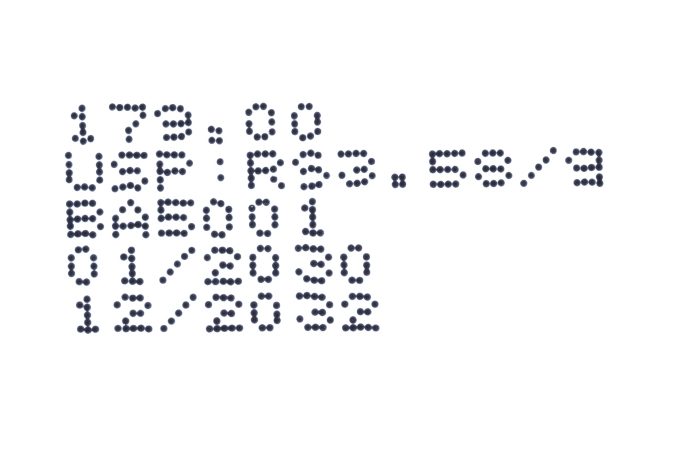
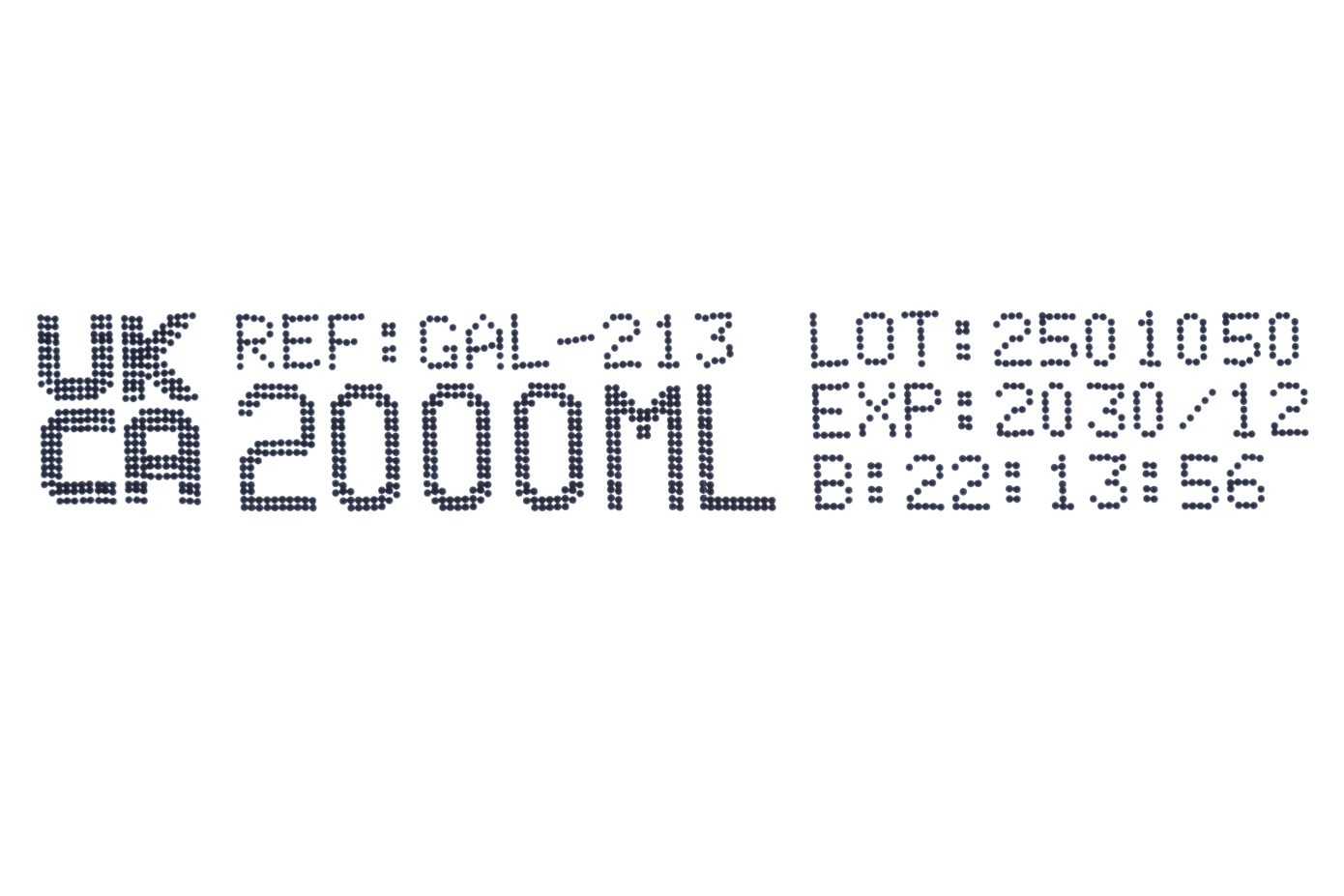
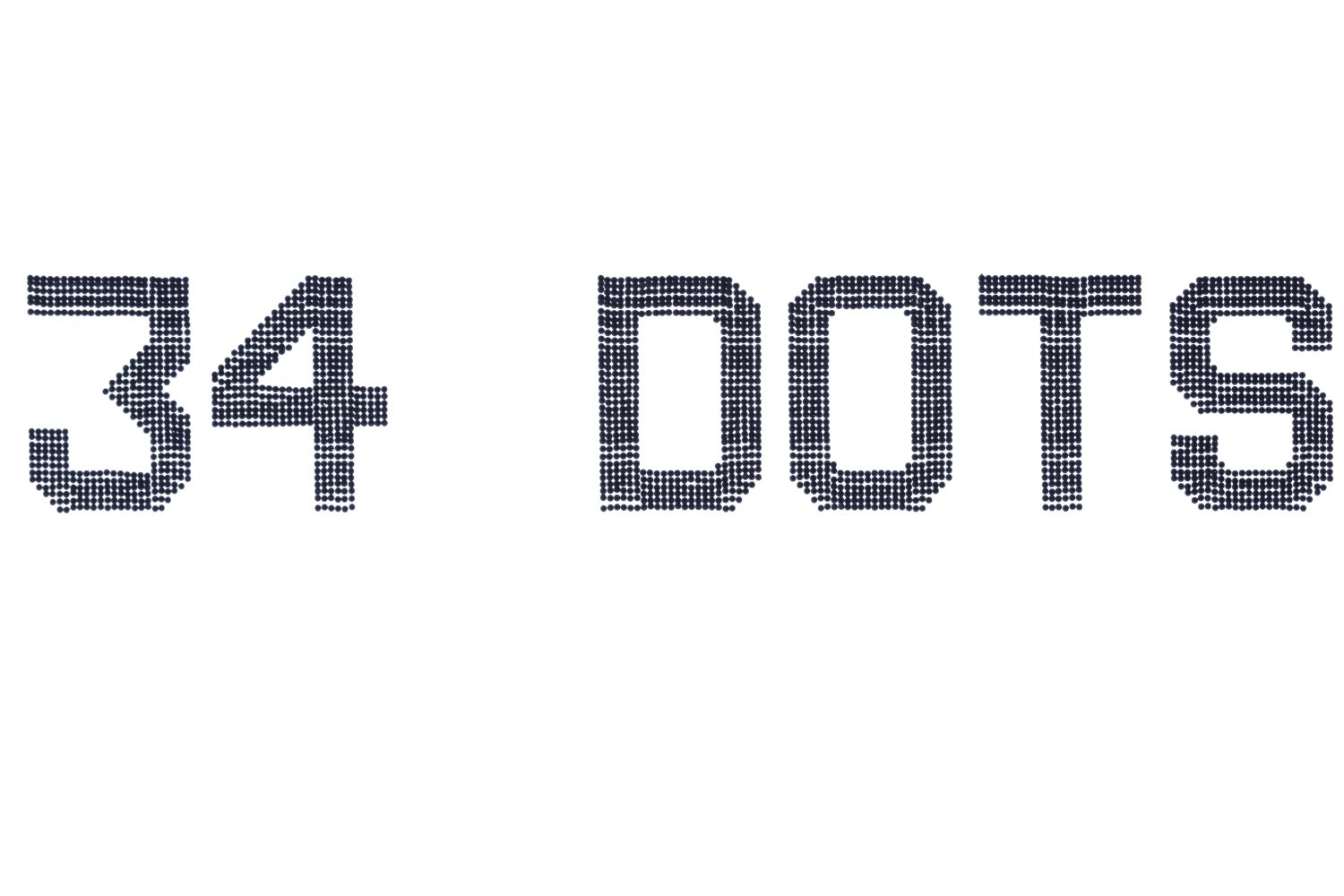
No more worries about code adherence or visibility
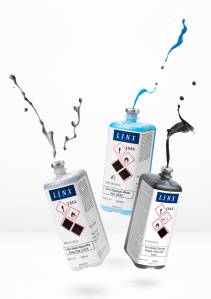
Inks for any application and material
- General purpose inks
- Fast-drying inks for non-porous surfaces
- Pigmented inks for dark substrates
- High-adhesion inks for difficult materials
- UV-readable inks for security and anti-counterfeiting
- Colour-change inks for thermal process verification
- MEK-free, Halogen free and non-CMR inks for health concious sites and regulatated industries
Ink selection is a key factor in achieving reliable adhesion and long-term code durability. Therefore, choosing the correct ink helps maintain code quality throughout the product lifecycle.
Read more about Linx ink range
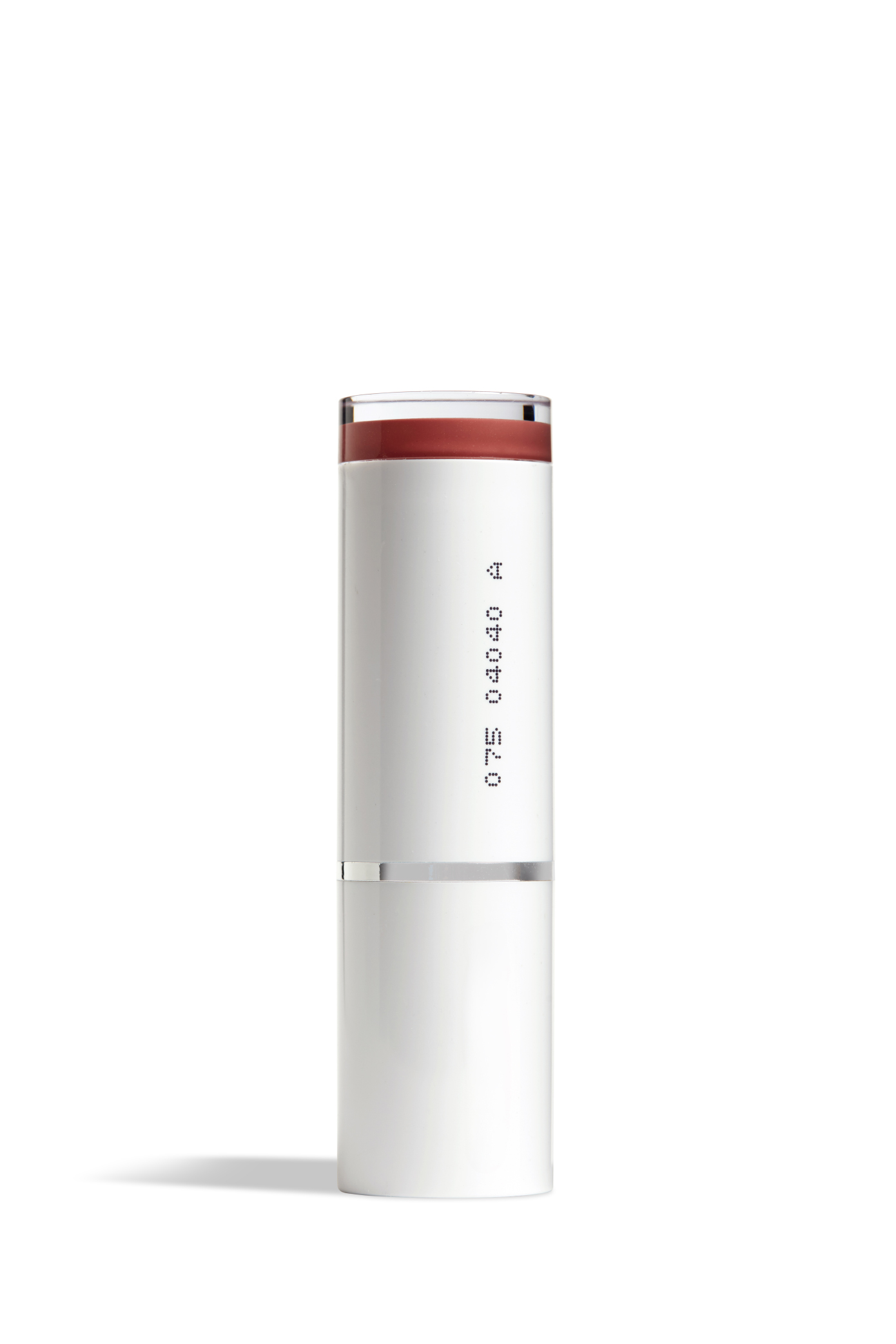
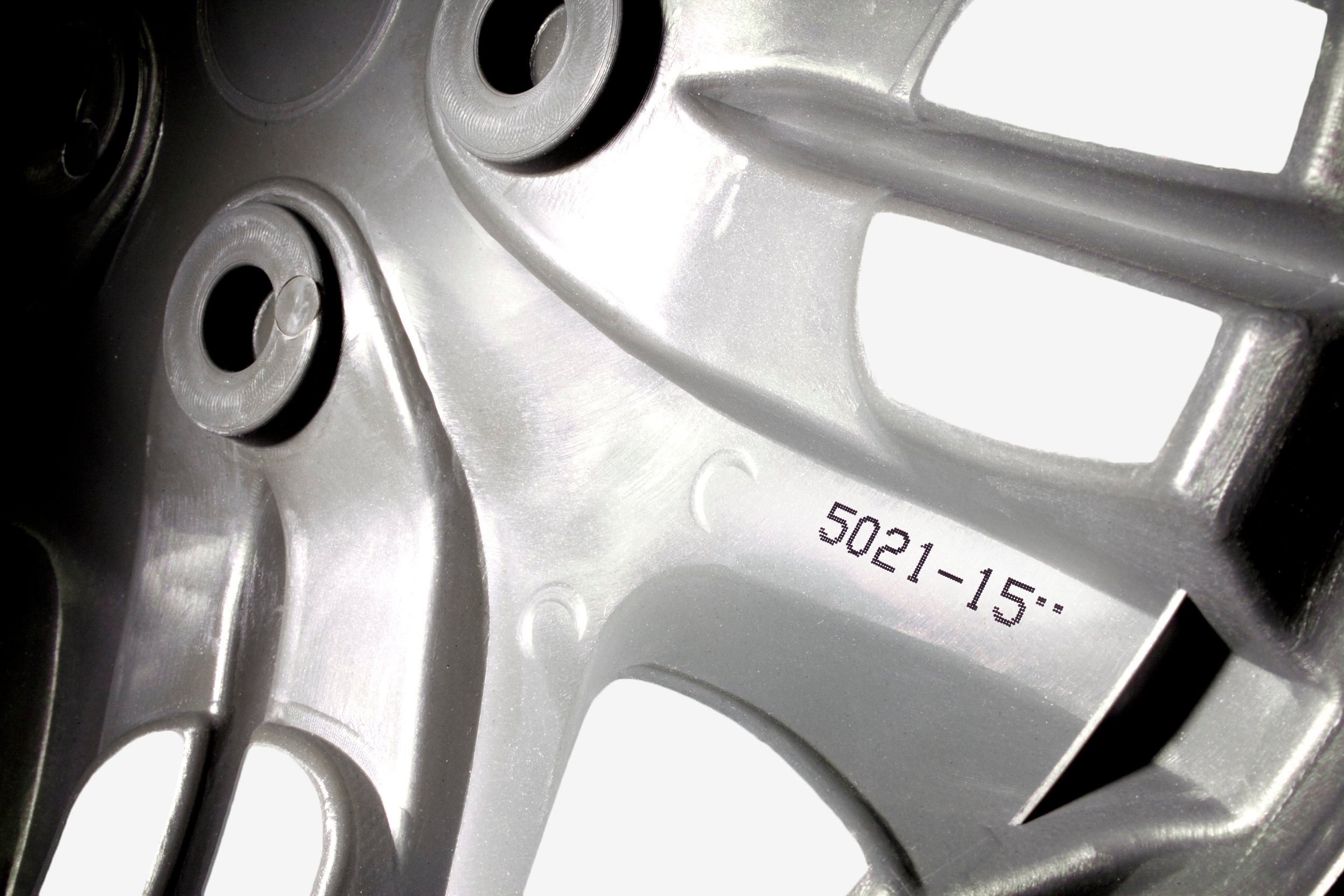
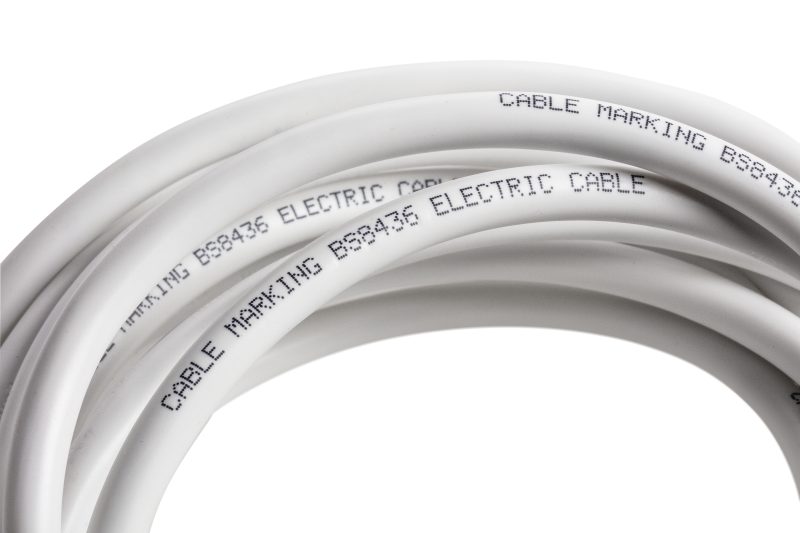
Typical CIJ Applications
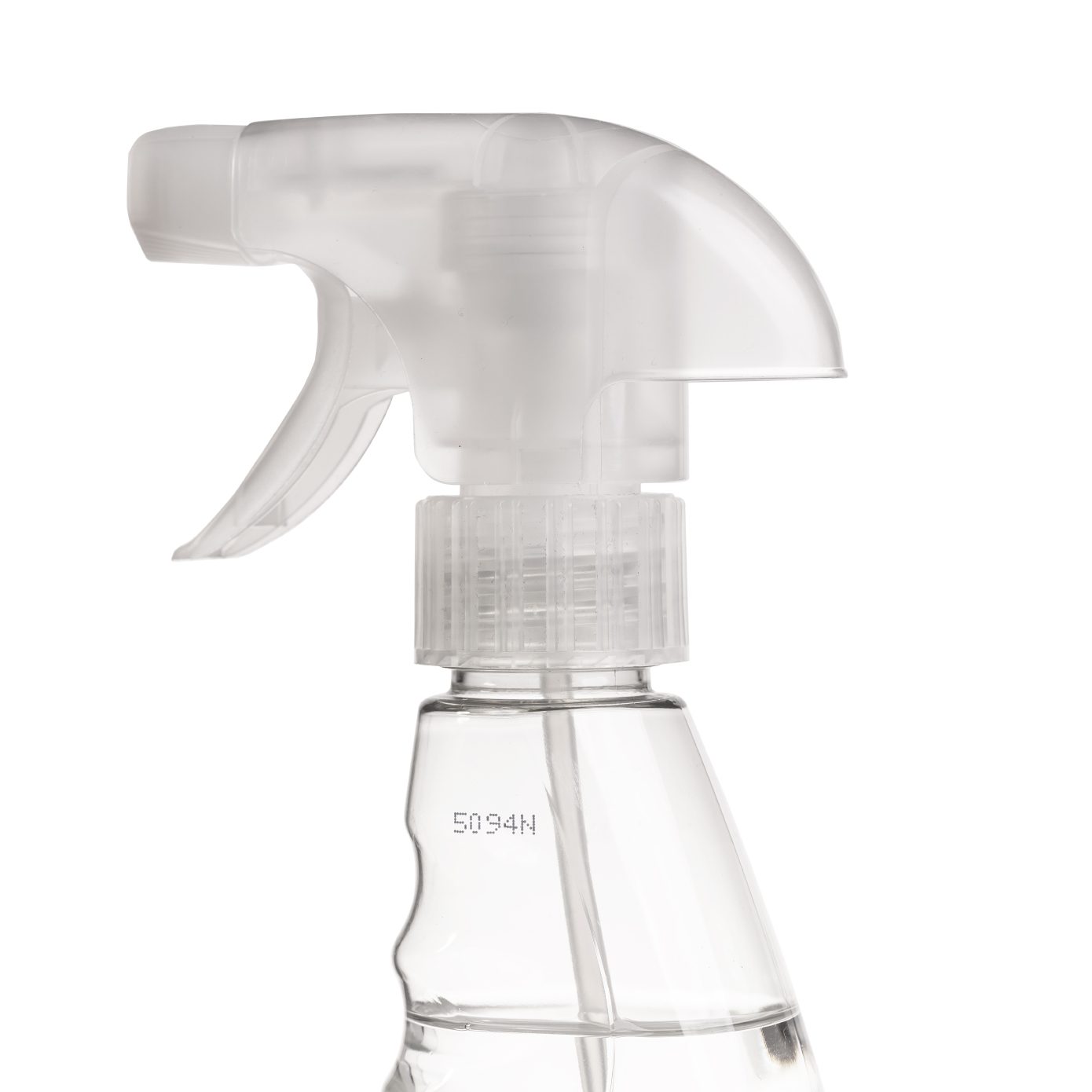
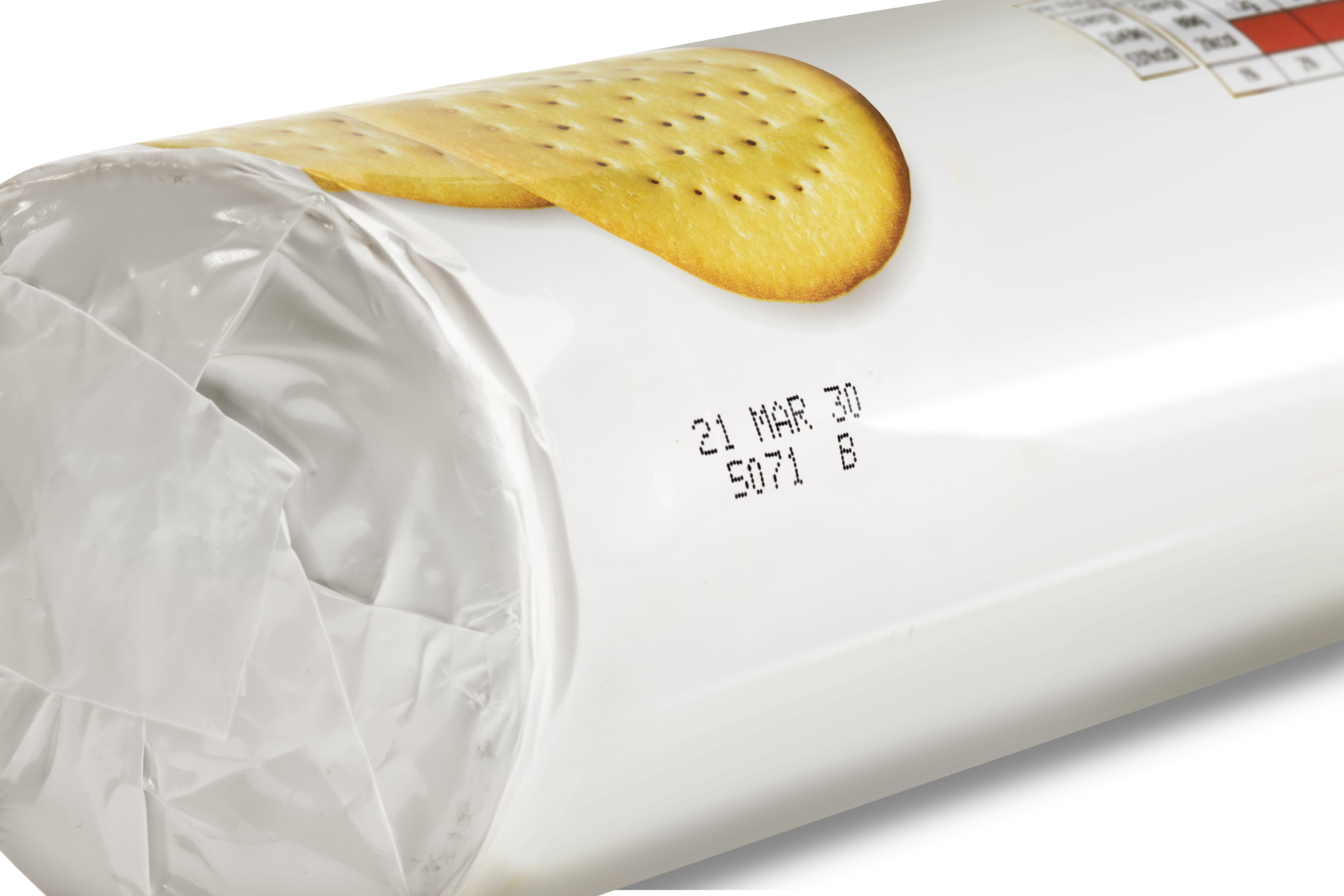
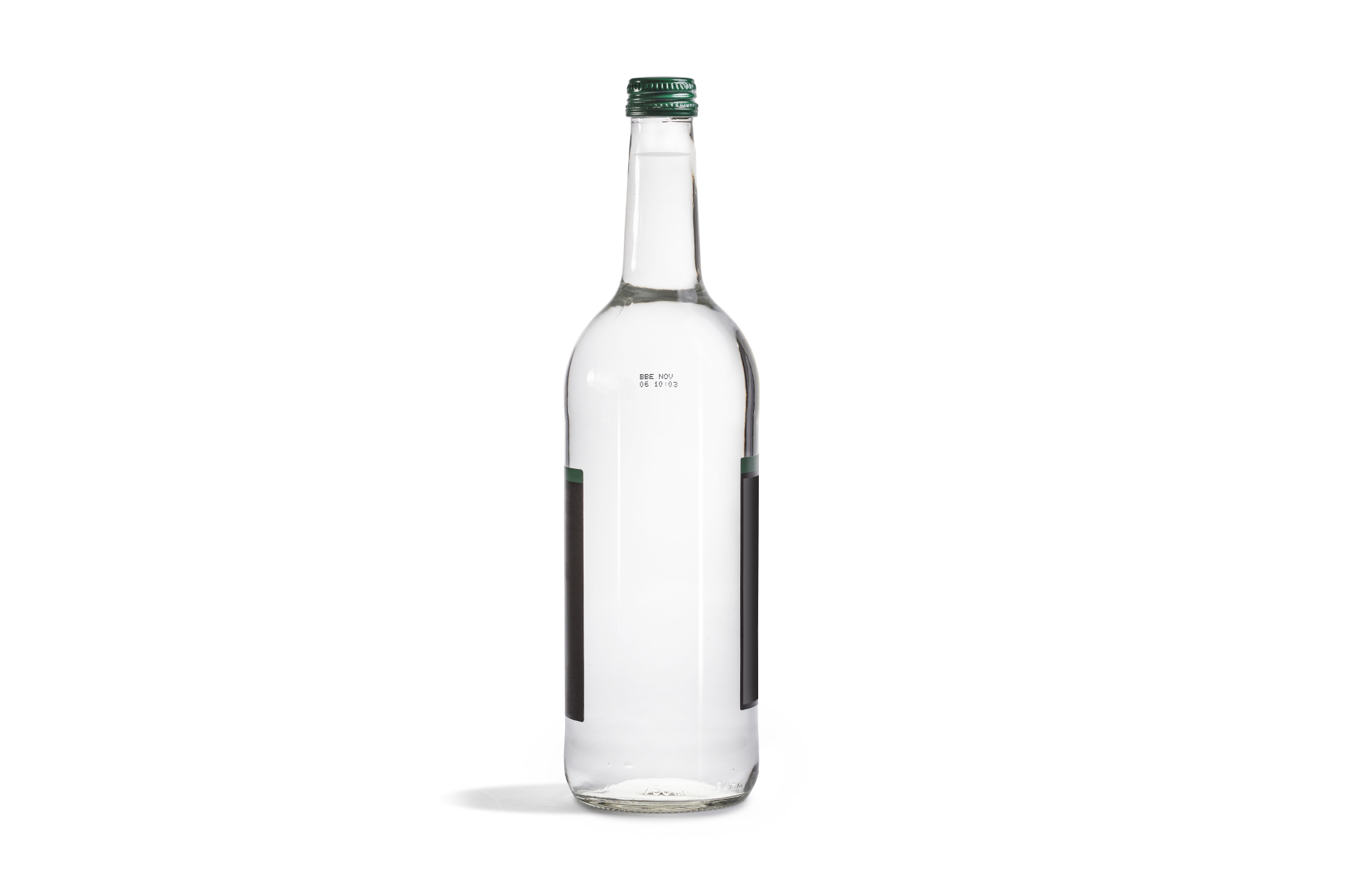
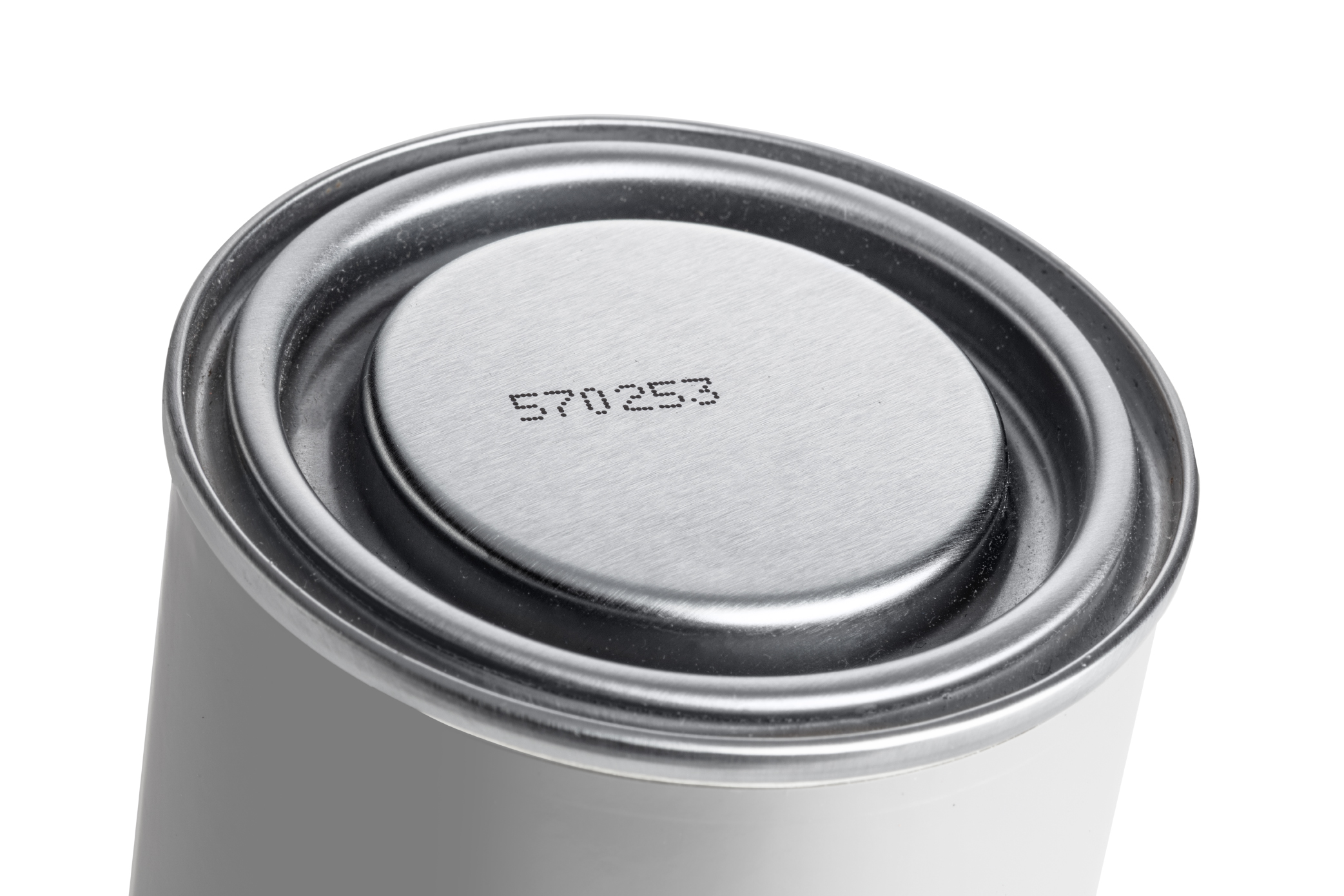
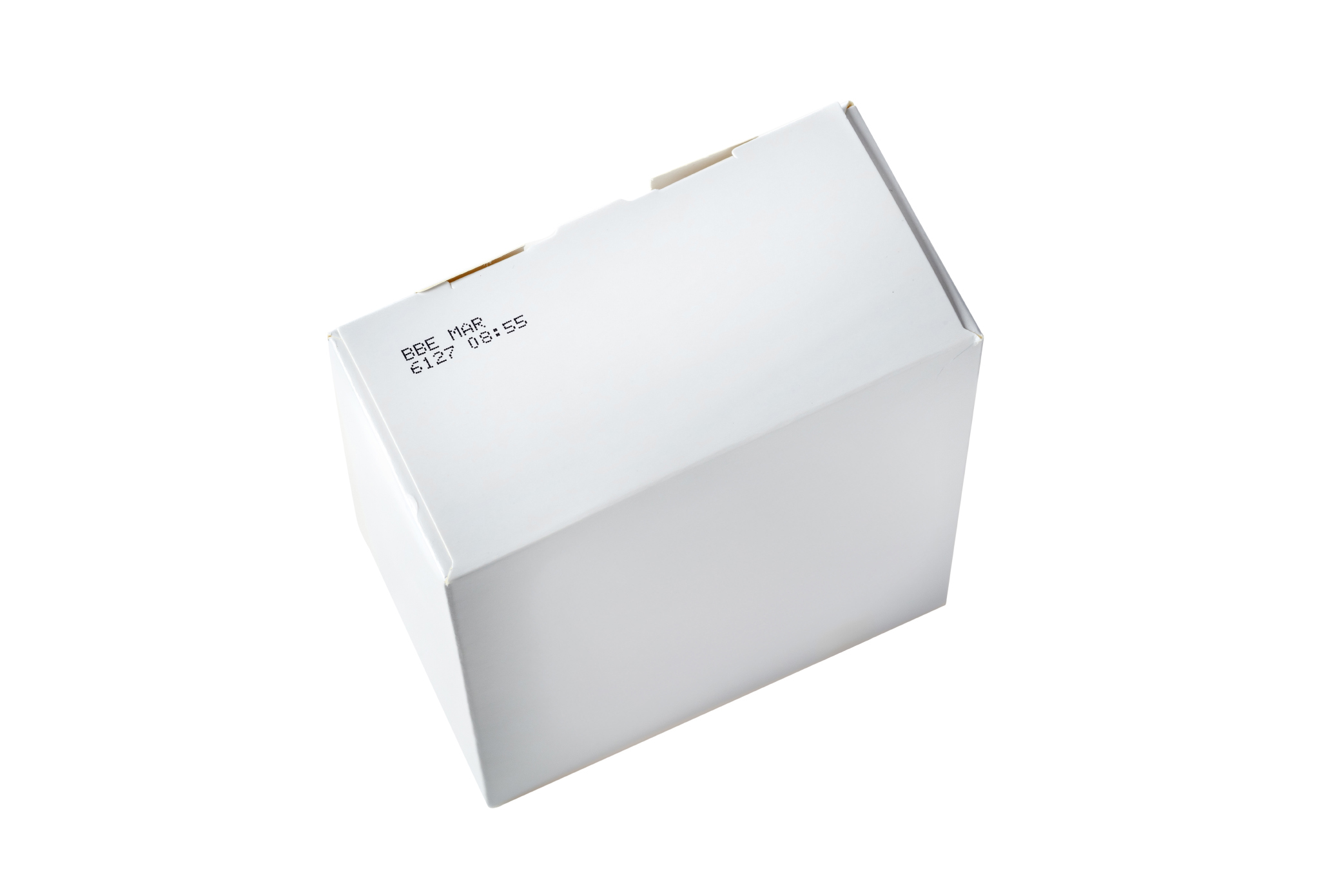

Typical CIJ Industries
Why choose CIJ printing?
Many manufacturers choose CIJ because it offers:
- High-speed printing without compromising code quality
- Reliable operation in demanding production environments
- Flexible message creation and quick changeovers
- The ability to print on almost any material
- Proven technology for continuous, 24/7 operation
If you are new to CIJ, it provides a robust and adaptable solution for variable coding. Moreover, it supports a wide range of production environments and applications.
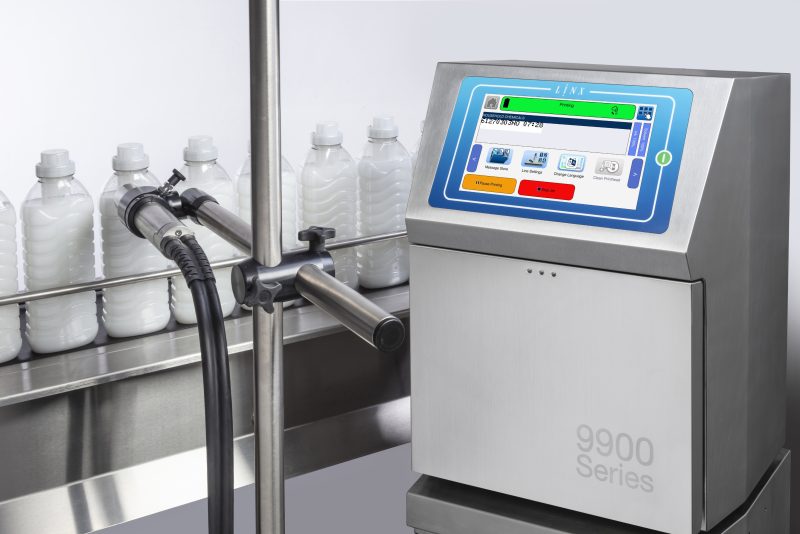
Linx Continuous Inkjet Printing Technology
Linx 9000 Series
Industrial Inkjet Printers
Making printing
one less thing to worry about
Linx CIJ printers are designed to deliver reliable, high-quality coding with minimal operator intervention. Each 9000 series printer has an internal battery backup as standard, and can be used with an automatic wash station to help eliminate downtime. With a wide choice of printheads, inks and software features, Linx solutions can be configured to meet the specific needs of your production environment.
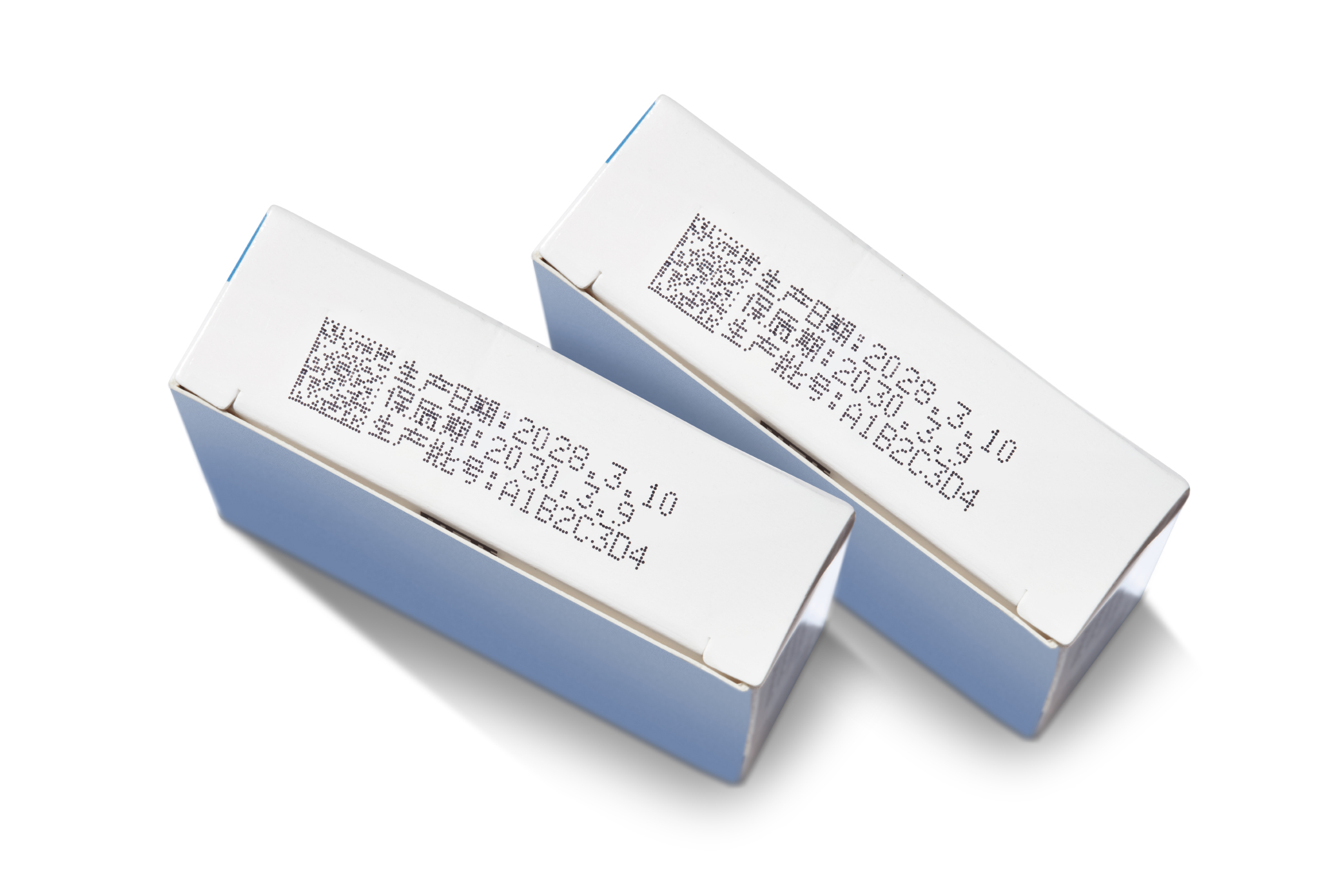
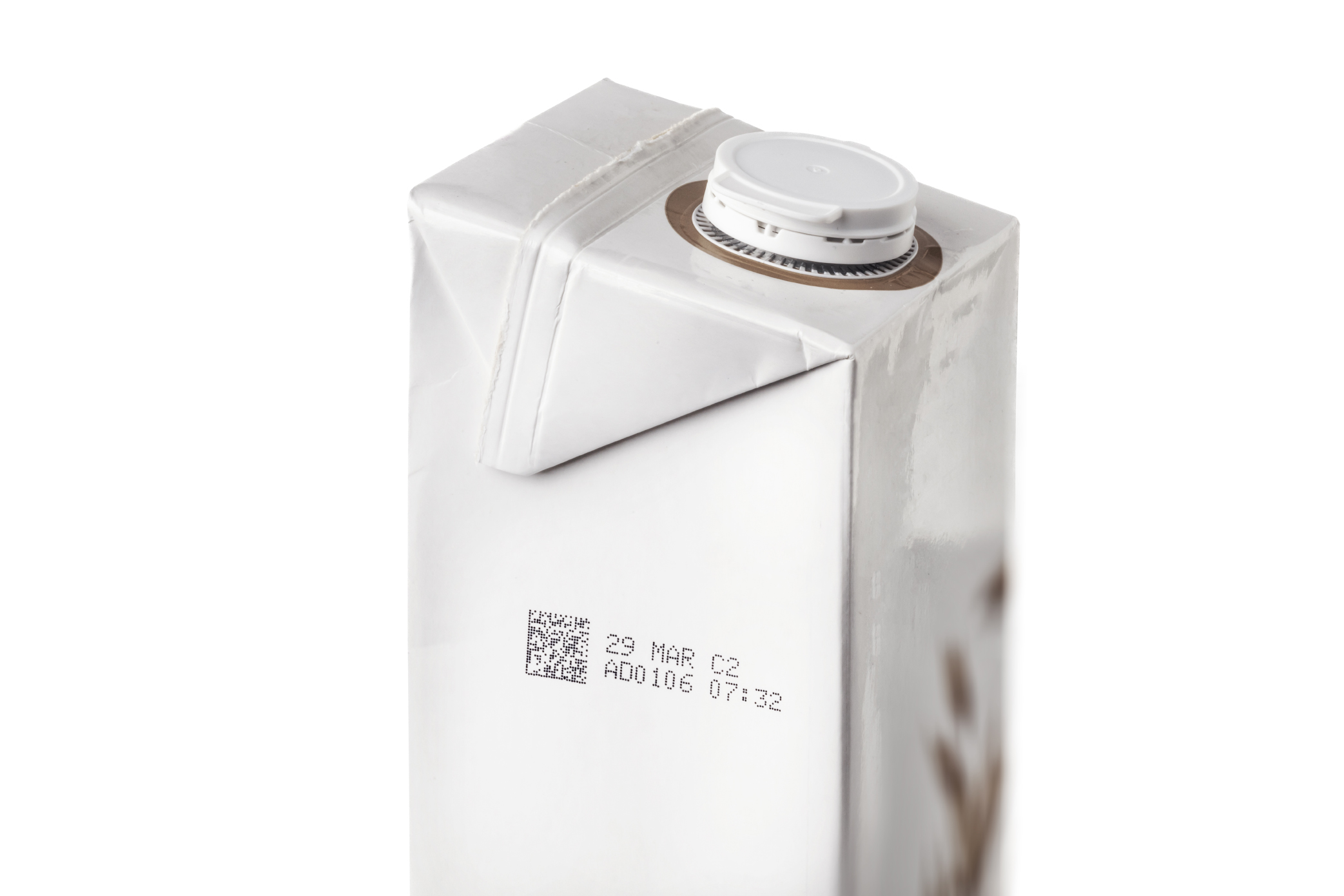
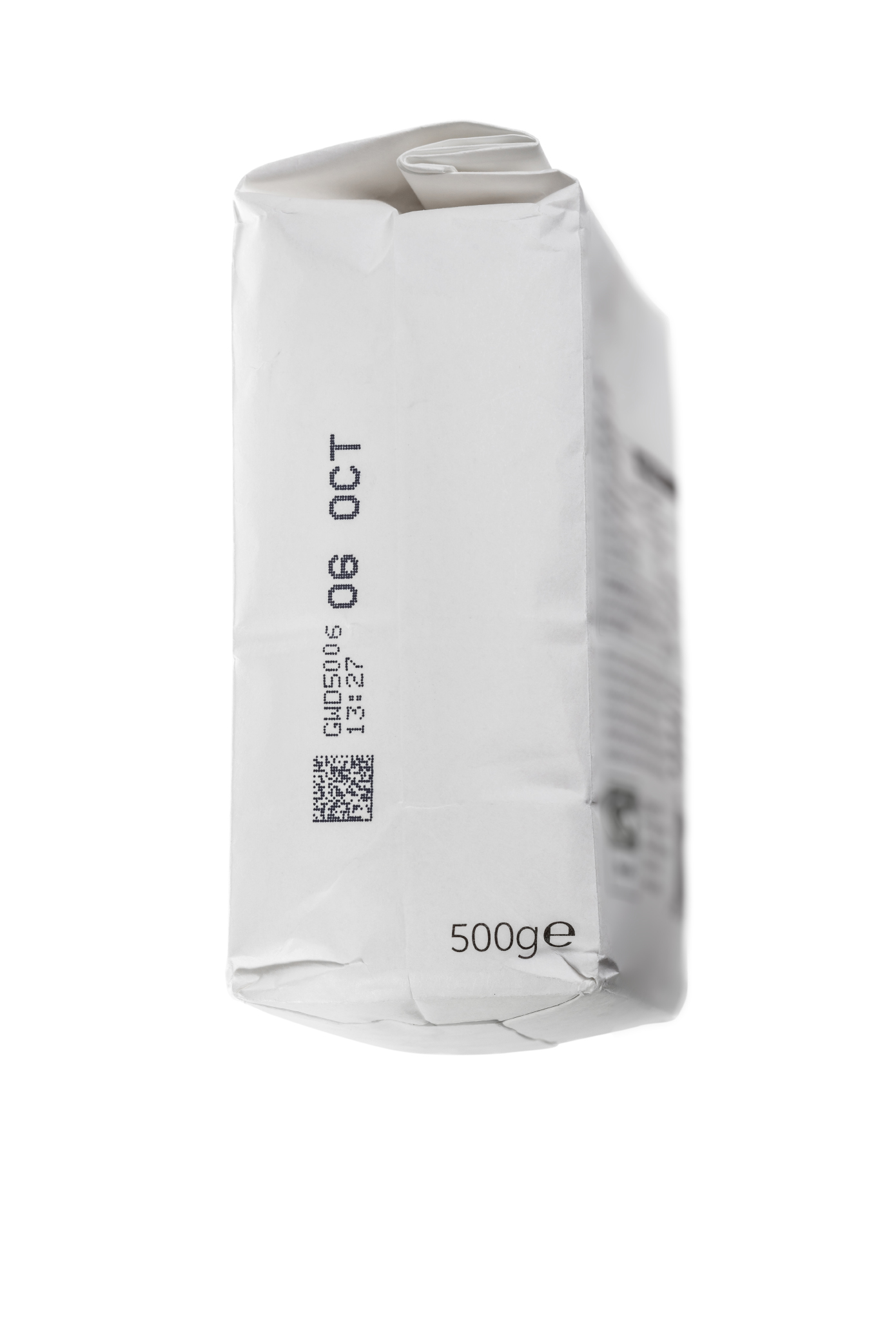
Data Matrix and QR codes |GS1 codes | GS1 code builder | High-speed production | Print up to 6 lines | Primary and secondary coding | Black and coloured inks
Continuous Inkjet Printing terms explained
CIJ stands for Continuous Inkjet. The term describes the continuous stream of ink droplets used during printing. The printer recirculates unused ink back into the system, which helps reduce waste.
The printhead generates and controls the ink stream. It houses the nozzle, charging system and deflection plates. Together, these components place ink droplets accurately onto the product. Read more about Linx printhead
The nozzle is a precision-engineered opening within the printhead. It directs pressurised ink to create a continuous ink stream. Different nozzle sizes create different droplet sizes and print characteristics.
An ink drop is a microscopic droplet formed from the continuous ink stream. The printer charges and positions individual droplets to create characters, numbers, barcodes and graphics.
A raster is a vertical line of ink droplets printed at right angles to the direction of product travel. The printer combines multiple rasters to create characters as the product moves past the printhead.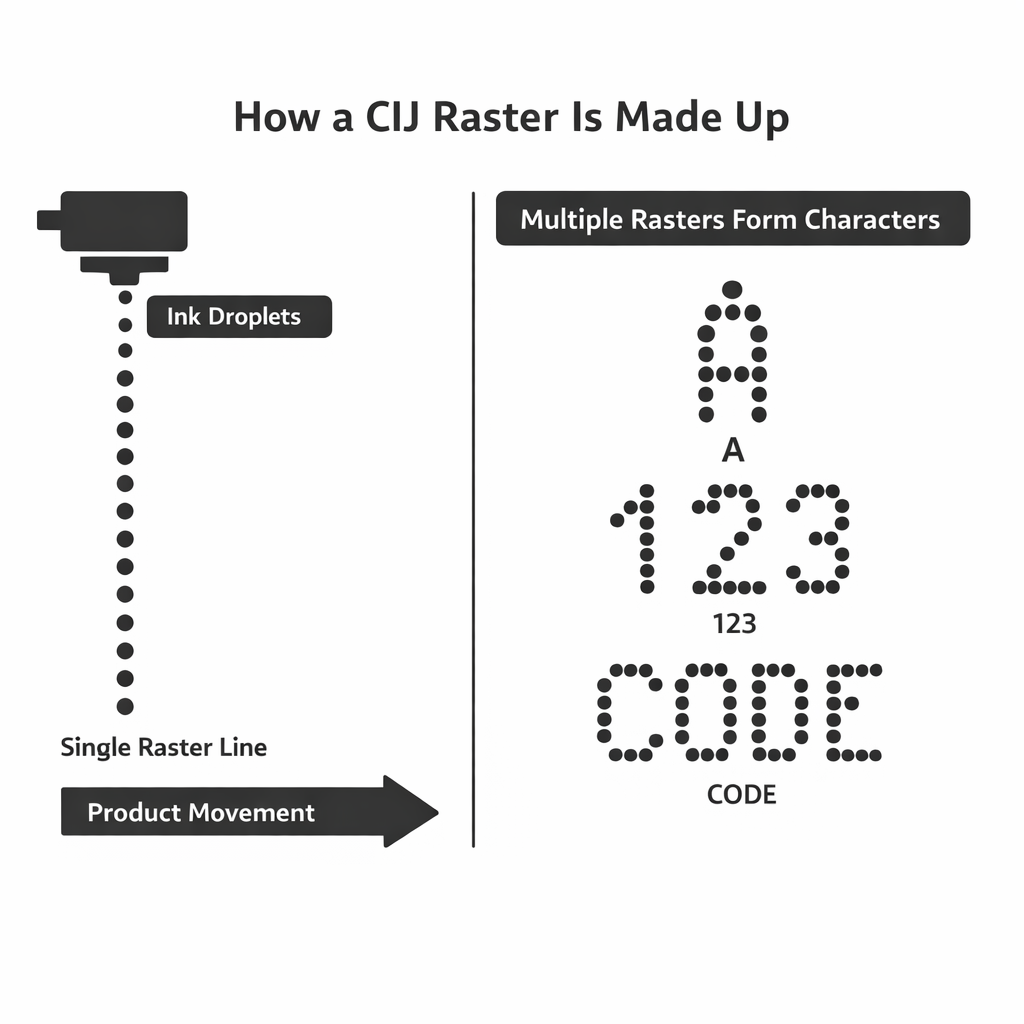
Drop pitch refers to the distance between the centres of adjacent ink droplets. It can measure spacing within a raster or between neighbouring rasters. As a result, pitch settings directly influence print clarity and maximum line speed.
The bold factor setting repeats each raster multiple times. Consequently, the printer deposits more ink onto the substrate. This feature improves code visibility and supports printing on absorbent or uneven surfaces.
Throw distance is the gap between the printhead and the product surface. Operators should maintain the recommended throw distance because it helps achieve consistent print quality and reliable code placement.