
Finally, an automated vision system designed for real-world production lines
Most production managers already know the value of automated code inspection. Many have even tried to implement it. But the reality is, adoption hasn’t always met requirements.
Too often vision systems:
- are complex to set up and difficult to use
- require additional equipment
- don’t integrate properly with CIJ printers
So, they get turned off and production teams go back to manual inspection.
However, the same worries remain:
- products leaving the factory without a code
- codes that are poorly printed
- codes that have critical information missing
This can lead to large fines, increased costs due to rework, and damage to the brand and reputation.
Manual inspection can’t reliably eliminate these risks. But until now, many automated vision systems haven’t lived up to expectations.
Why traditional vision systems fall short
Most systems operate independently of the printer, relying on:
- Image matching
- Generic OCR/OCV models
- External configuration and management
That creates a disconnect.
The system doesn’t truly “know” what the printer was supposed to produce – it just compares what it sees to a reference image or pattern. This can lead to:
- False fails (perfectly acceptable codes rejected)
- Missed errors
- Time-consuming setup and retraining
- Operator frustration
The Linx Iris® vision system offers a new, better approach
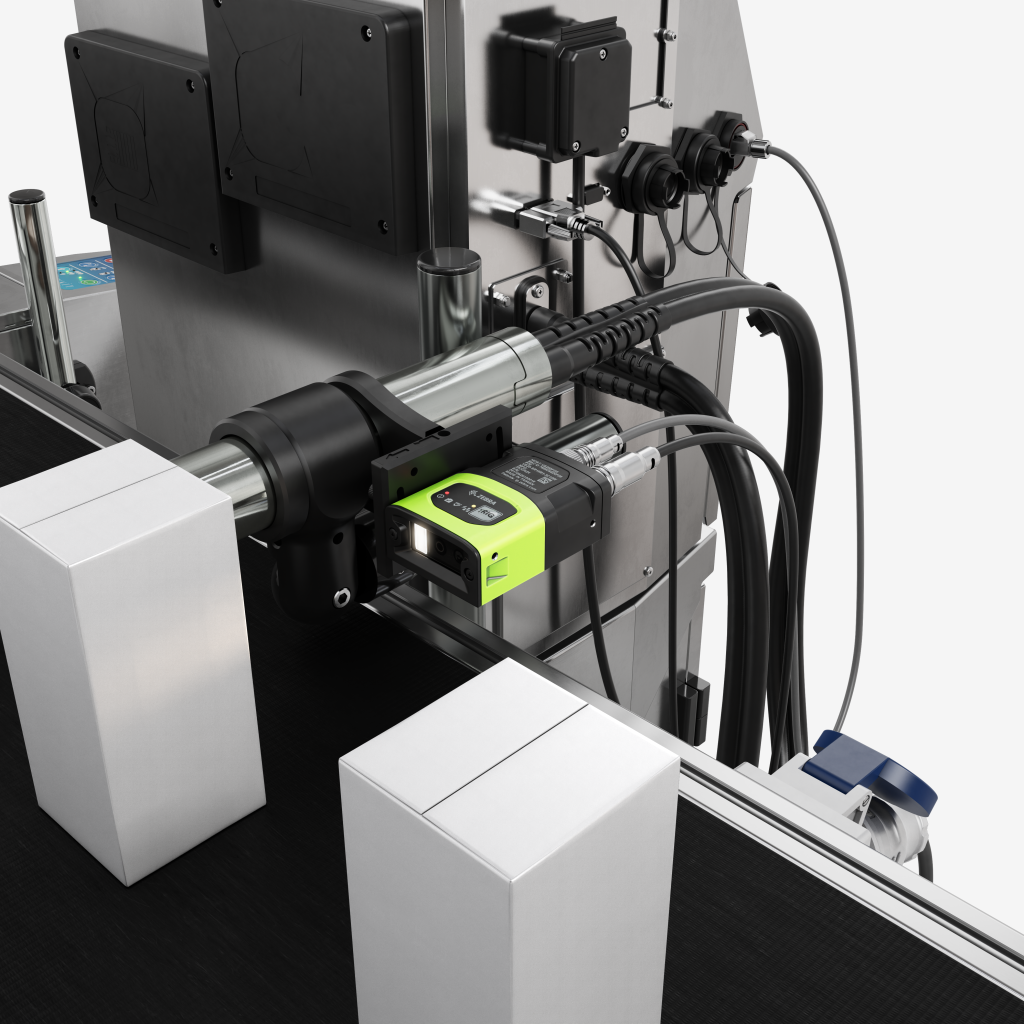
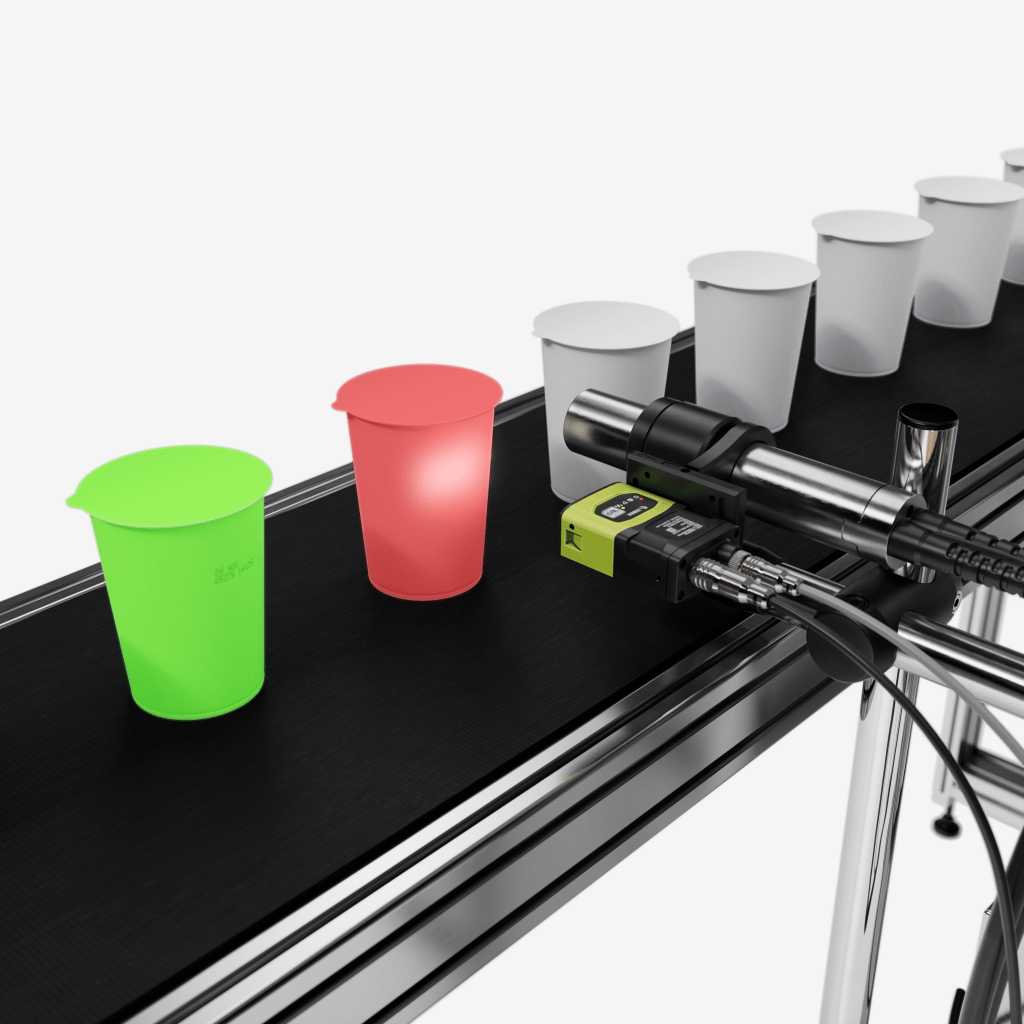
Linx Iris is a fully integrated vision system that works flawlessly with the Linx 9000 Series CIJ printers.
There are no additional equipment, laptops, screens or power supplies, no complex installation and no disconnected systems to manage.
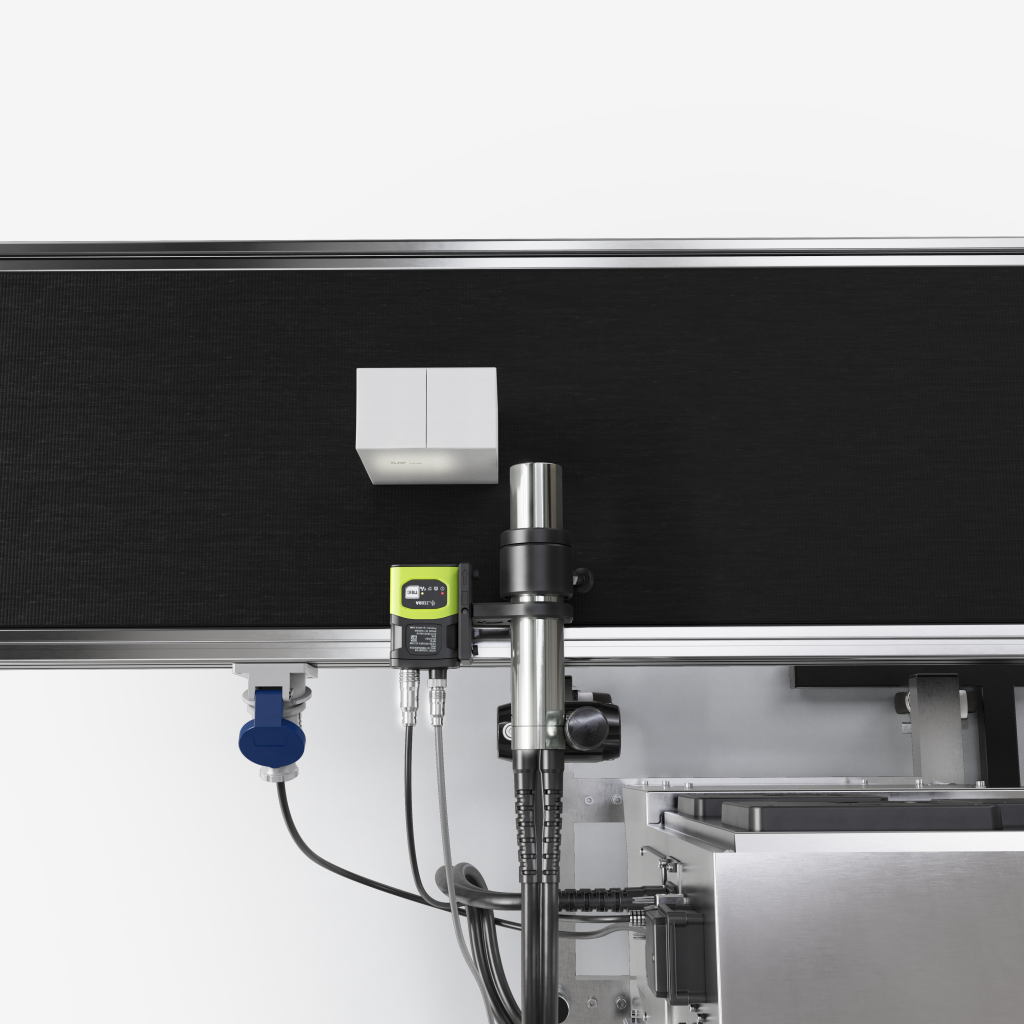
The camera connects directly to the printer and mounts quickly onto the printhead, making setup really straight forward.
Simple to set up. Simple to use
With guided workflows, training the Linx Iris vision system is easy:
- Place a coded product under the camera
- The system automatically optimises focus and exposure
- The Linx Iris confirms the image and training can start
- Once training is complete, settings ae stored with the message, so there’s no need to retrain unless the production line has changed significantly or the printer has been moved
A vision system that understands what was printed
Where the Linx Iris really differs is in how it verifies codes.
Instead of relying on image matching alone, it works directly with the printer:
- The Linx Iris receives message data, including format and field types directly from the printer
- It checks the printed output against what’s been entered into the printer
- So, it knows exactly what should have been printed
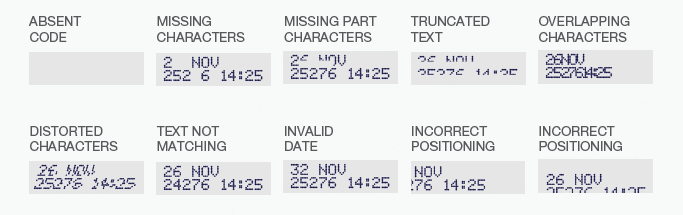
This allows it to detect:
- Missing codes
- Incorrect or invalid data
- Misplaced or incomplete prints
- Readability issues
Practical quality control for real production lines
Another key issue with conventional vision systems is that they’re often trained for perfection and anything less becomes a fail.
But in real production environments, “perfect” isn’t always necessary. What matters is whether the code is human-readable.
That’s why the Linx Iris introduces pass criteria and quality levels.
You can define:
- What counts as acceptable
- How strict the inspection should be
This ensures:
- Printed products aren’t unnecessarily rejected
- Production flow isn’t disrupted
- Quality standards remain under your control
Immediate action when it matters most
With the Linx Iris:
- Every code is checked in real time
- Fail counts can be defined
The Linx Iris will stop print automatically once the fail count previously set has been reached. So, if the fail count is set to 1, the print will stop on the first fail.
This means:
- No run of incorrectly coded products
- No unnoticed failures building up
- No unnecessary rework downstream
And for additional control, alarms or line stops can be triggered to ensure issues are addressed immediately.
Making printing one less thing to worry about
With every code automatically checked – accurately, consistently, and in real time -production teams no longer need to manually inspect the codes.
They can:
- Reduce waste and rework
- Avoid significant fines
- Maintain customer trust
- Keep production moving