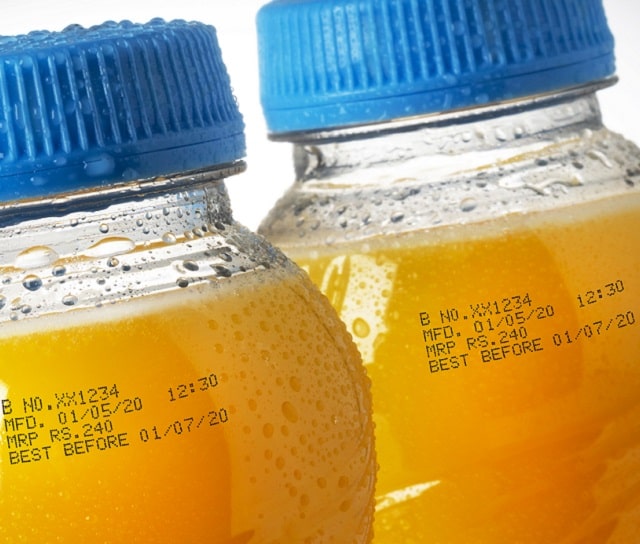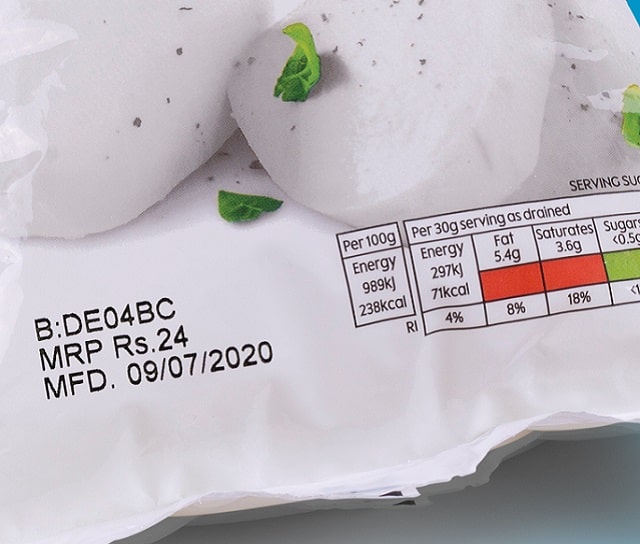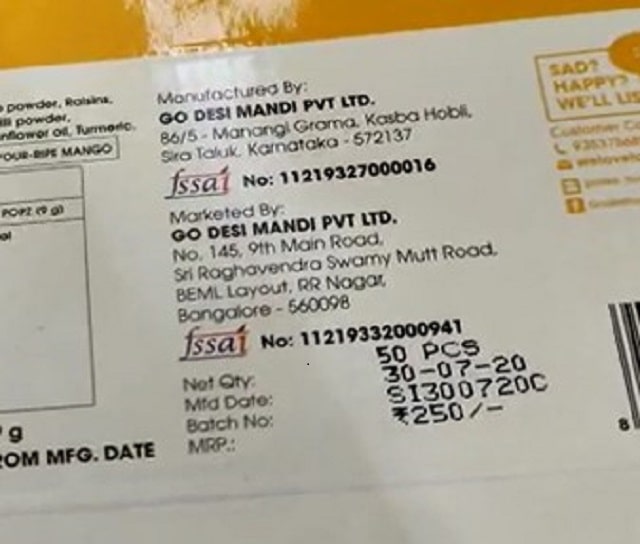

MRP Printing
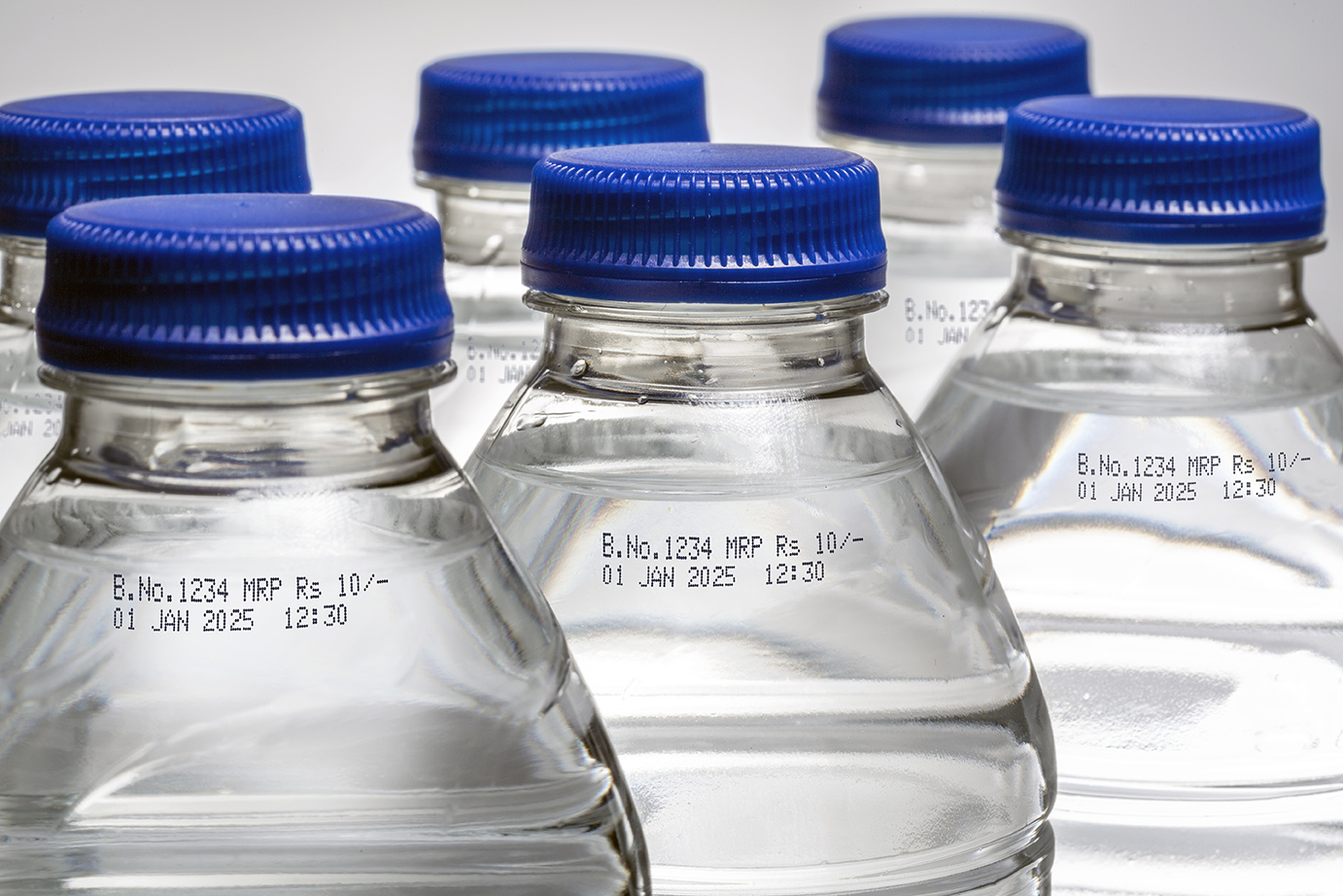
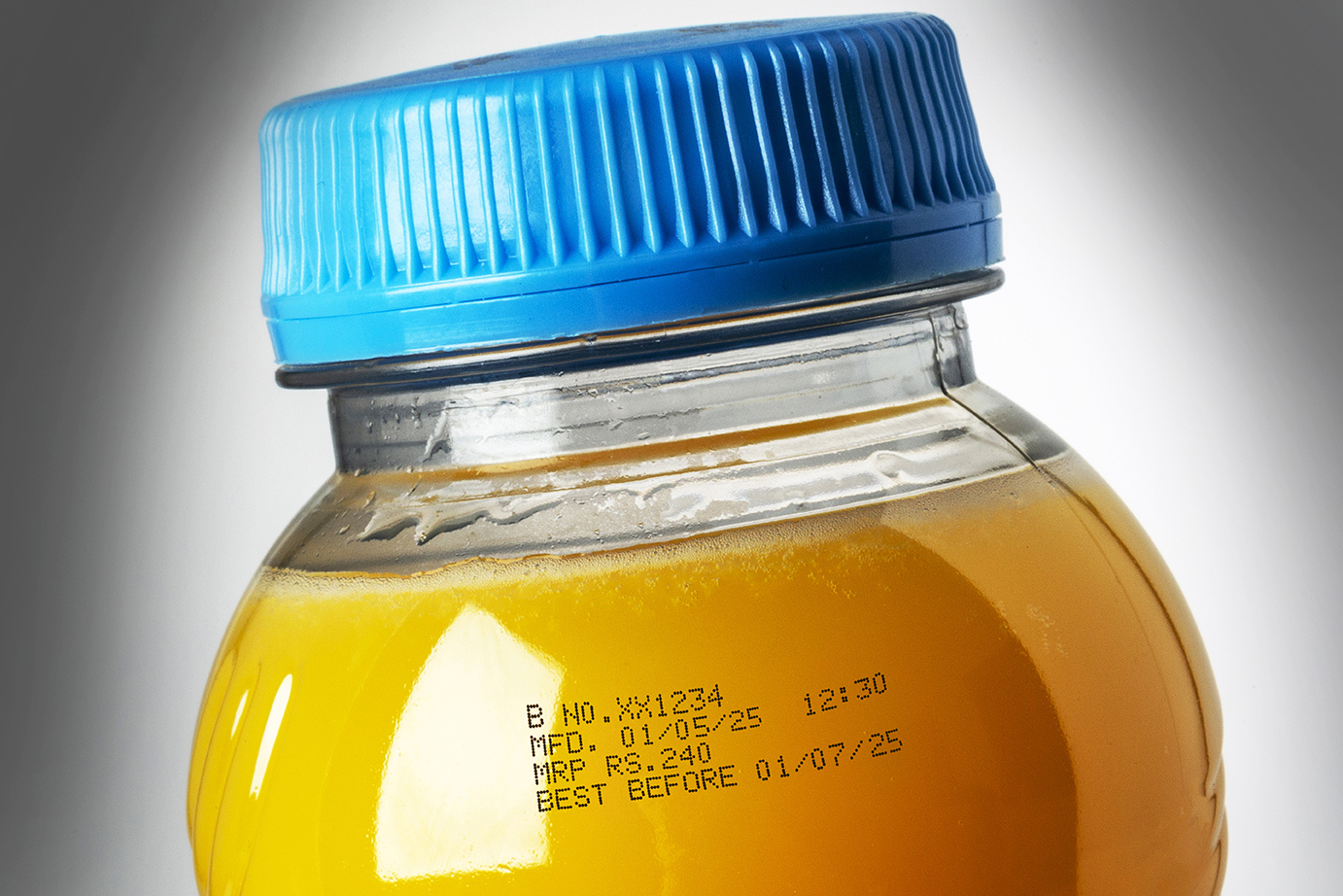
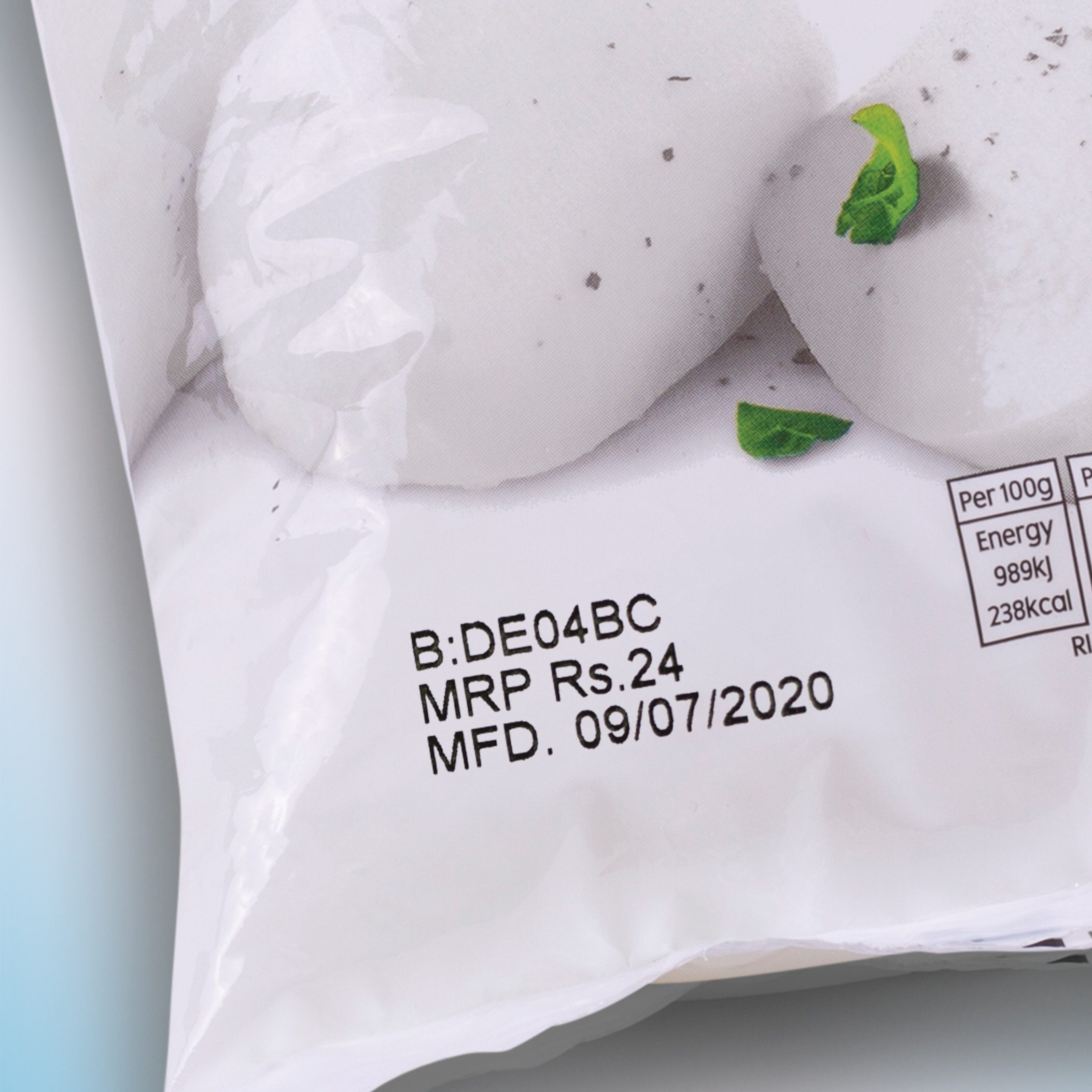
MRP printing is required for many manufacturers in India due to local regulations to support customer transparency.
What is MRP Printing?
According to the Indian Consumer Goods Act, 2006, a maximum retail price refers to the price at which the product shall be sold in the retail market, and this price shall include all taxes levied on the product. The policy makes it mandatory for manufacturers to print the MRP on the packages of consumer goods. A bottle of water, for instance, which has an MRP of ₹10 cannot be sold above that price, legally. Therefore, MRP printing solutions are required for many producers.
Contact us to discuss your MRP printing requirements
Printing MRP Codes
Maximum Retail Price (MRP) printing is an essential part of production processes, particularly in the food and beverage industries, where goods are in packaged form.
A MRP code be printed with a laser coder, continuous inkjet printer large character markers or thermal transfer printer. The product, its use, environment and lifecycle will determine which printing technology is most suitable.
When implementing MRP codes, especially in manufacturing or packaging environments, several factors must be considered:
- Print Quality, the code will not be readable if the quality of the print is not good.
- Substrate material, what is the substrate made of? This will affect the print methods available, is the surface smooth or rough? A curved surface will distort the code and may make it unreadable.
- Environmental conditions, the temperature, humidity, dust or presence of water on the substrate will affect the code print
Linx solutions for MRP Printing
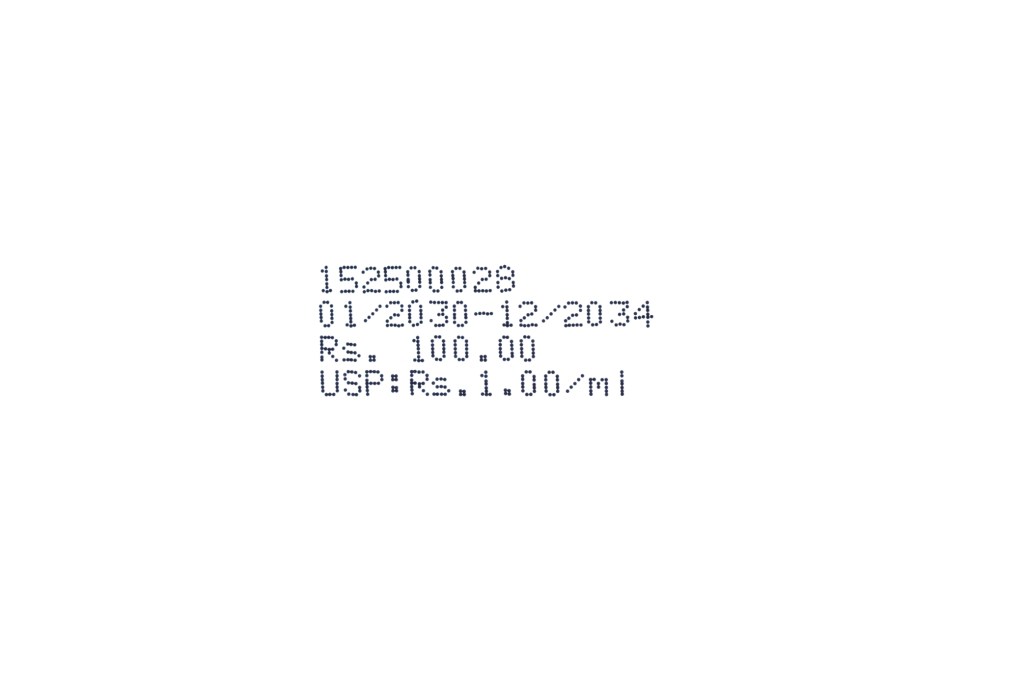
Linx industrial price printing machines can automatically print MRP among other essential codes like batch numbers and expiry dates.
Linx 9000 Series
Industrial Inkjet Printers
Making printing
one less thing to worry about
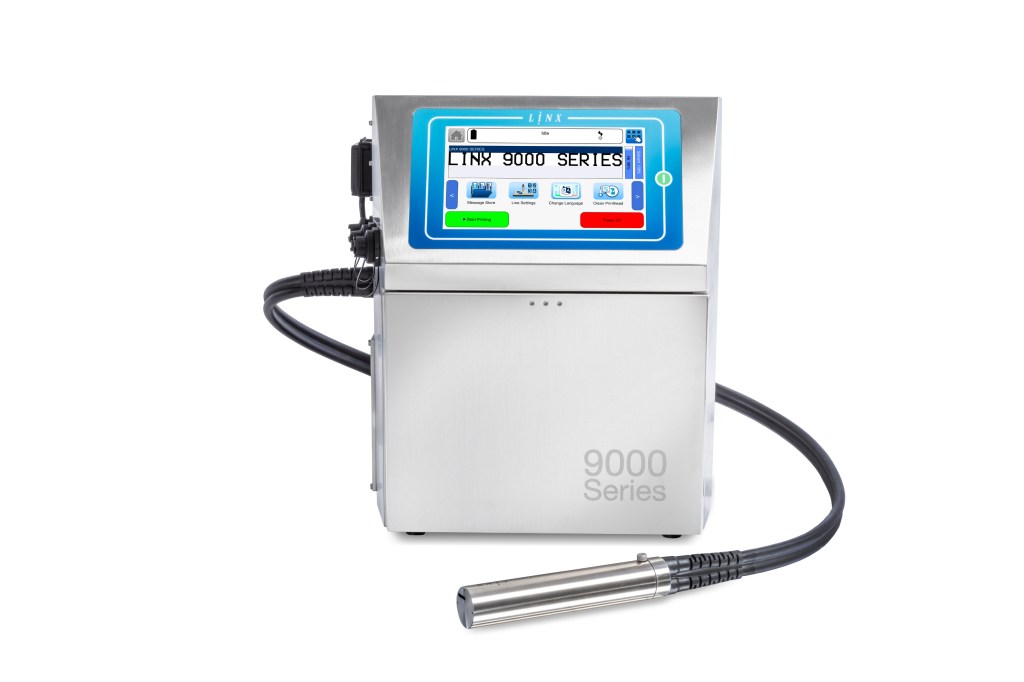
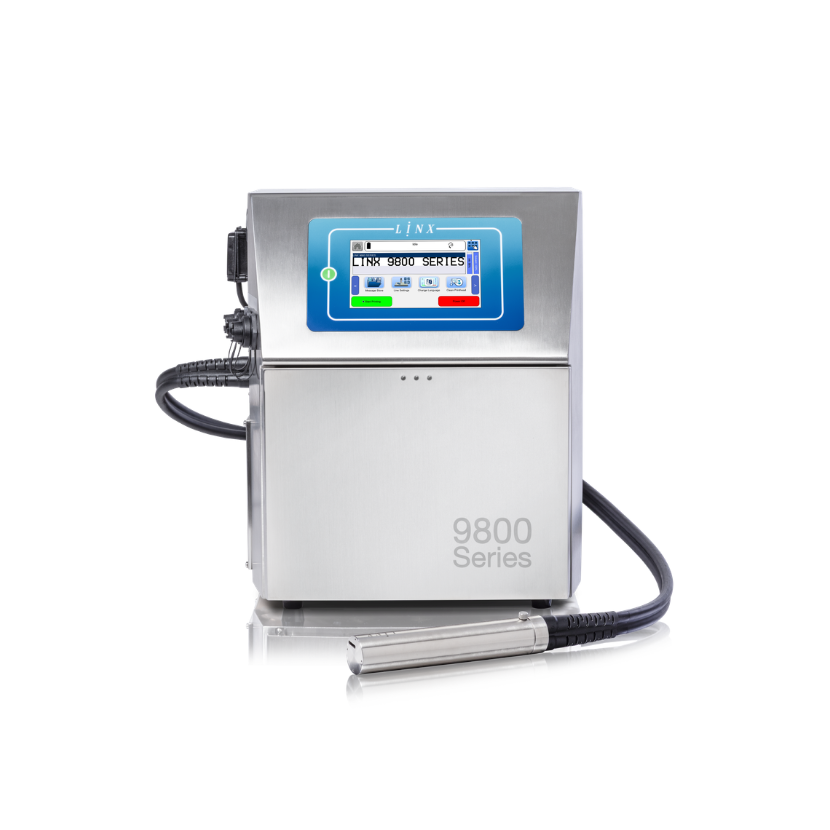
Data Matrix and QR codes |GS1 compliant 2D codes | GS1 code builder | High-speed production | Print up to 6 lines | Primary and secondary coding | Black and coloured inks
Linx Laser
CO2, Fibre and UV lasers for coding and marking
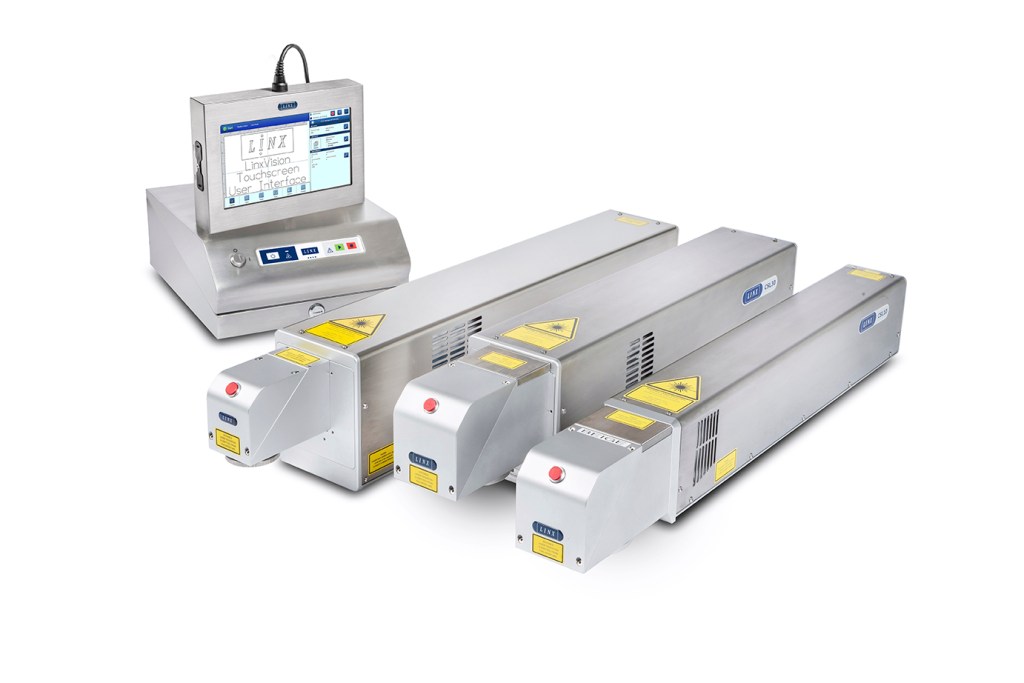
Data Matrix and QR codes |GS1 codes | Permanent codes | High-speed production | Low maintenance | Zero consumables | Large marking field
Linx TTO
Thermal Transfer Overprinters
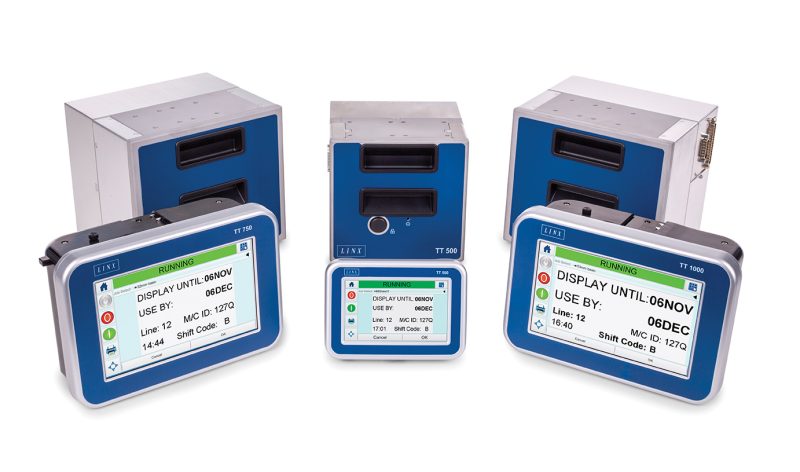
Data Matrix and QR codes |GS1 codes | Idea for flexible materials | High-speed production | Up to 107mm wide message | Easy integration | Black and colour ribbons
Whatever the application or product, Linx has a coding solution suitable to your needs
FAQ
MRP stands for Maximum Retail Price, which is the highest price a product can be sold for in certain markets. It is printed on product packaging to inform consumers and ensure pricing transparency.
In some countries, printing MRP is a legal requirement for pre-packaged goods. It helps protect consumers from overpricing, ensure compliance with regulations, provide clear product information at the point of sale
MRP is often printed together with other key product information, such as Batch or lot number, Manufacturing and expiry dates, Product details or barcodes. This ensures traceability and regulatory compliance.
MRP coding is commonly used in industries that sell packaged goods, including Food and beverage, Cosmetics and personal care, Pharmaceuticals, Consumer goods and electronics
MRP can be applied using different coding and marking technologies, such as:
Continuous inkjet (CIJ) – ideal for high-speed lines and various surfaces
Thermal transfer (TTO) – commonly used for flexible packaging
Laser coding – produces permanent, high-quality marks
These technologies allow accurate and consistent printing during production.
Common challenges include: Maintaining print clarity on different packaging materials, Ensuring durability during transport and handling, Keeping up with high-speed production lines, Managing frequent price or label updates
Yes. Many manufacturers combine MRP with barcodes or QR codes to enable Faster scanning at checkout, Better inventory tracking, Improved product identification across the supply chain