
Beverage Marking
Quality beverage coding to protect your brand
Beverage industry marking and coding presents challenges most general coding machines aren’t built for: curved surfaces, wet or dusty environments, small circumference print areas, post-marking sterilisation processes and strict labelling compliance requirements. Coding onto a wide range of products and materials is also required including plastic & glass bottles, bottle caps, cartons, aluminum cans and labels.


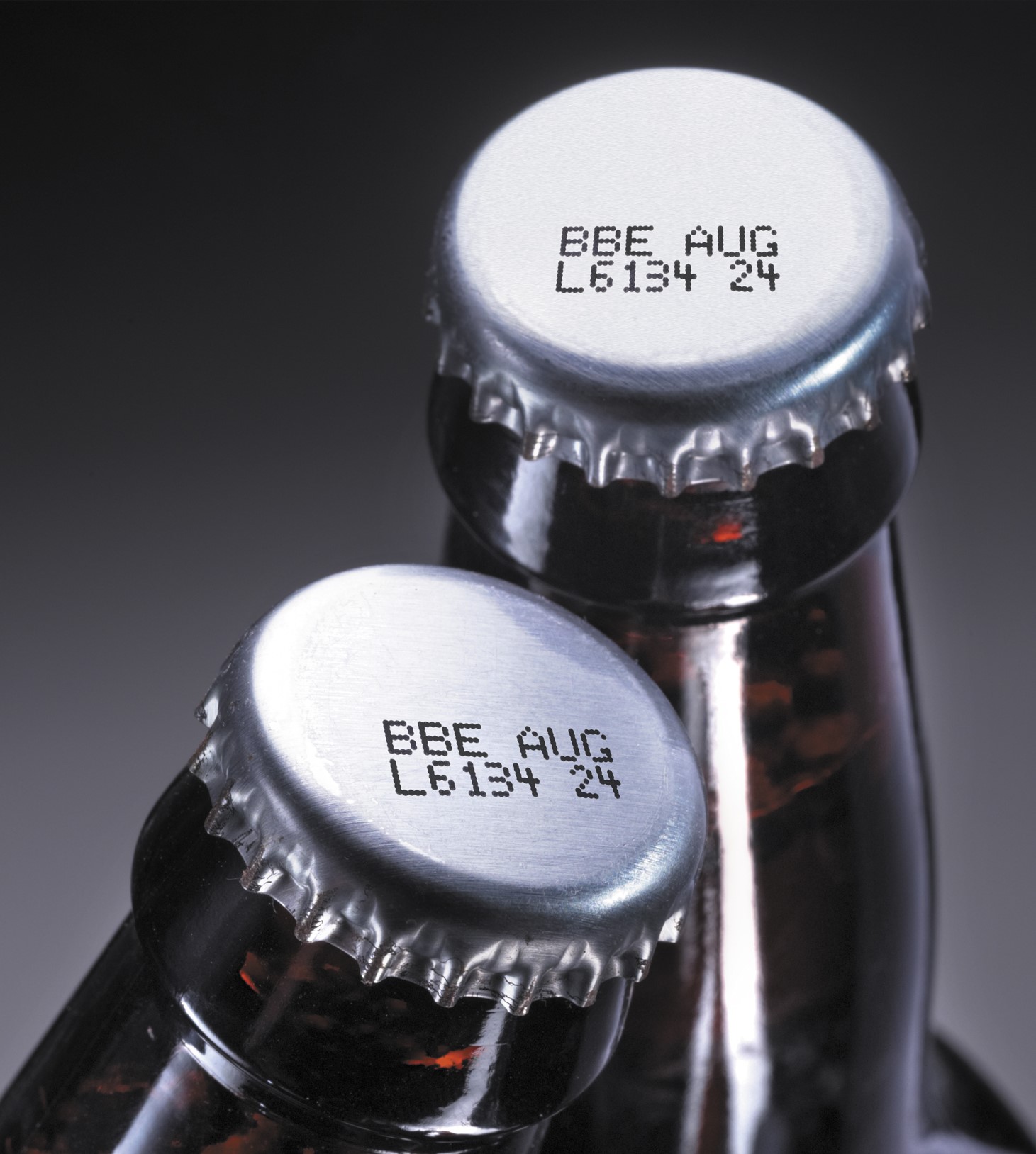
What is an Industrial Beverage Printing Machine?
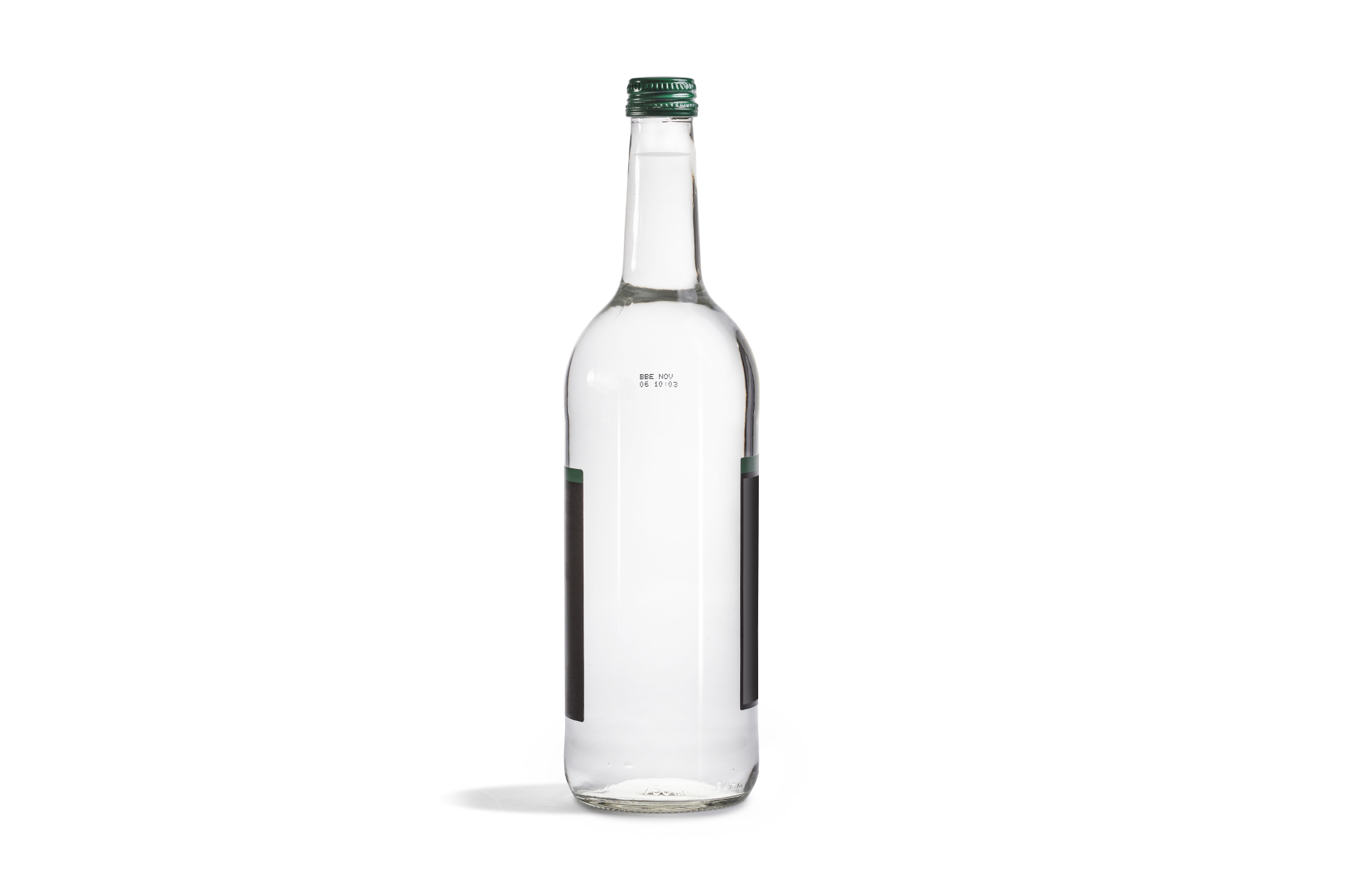
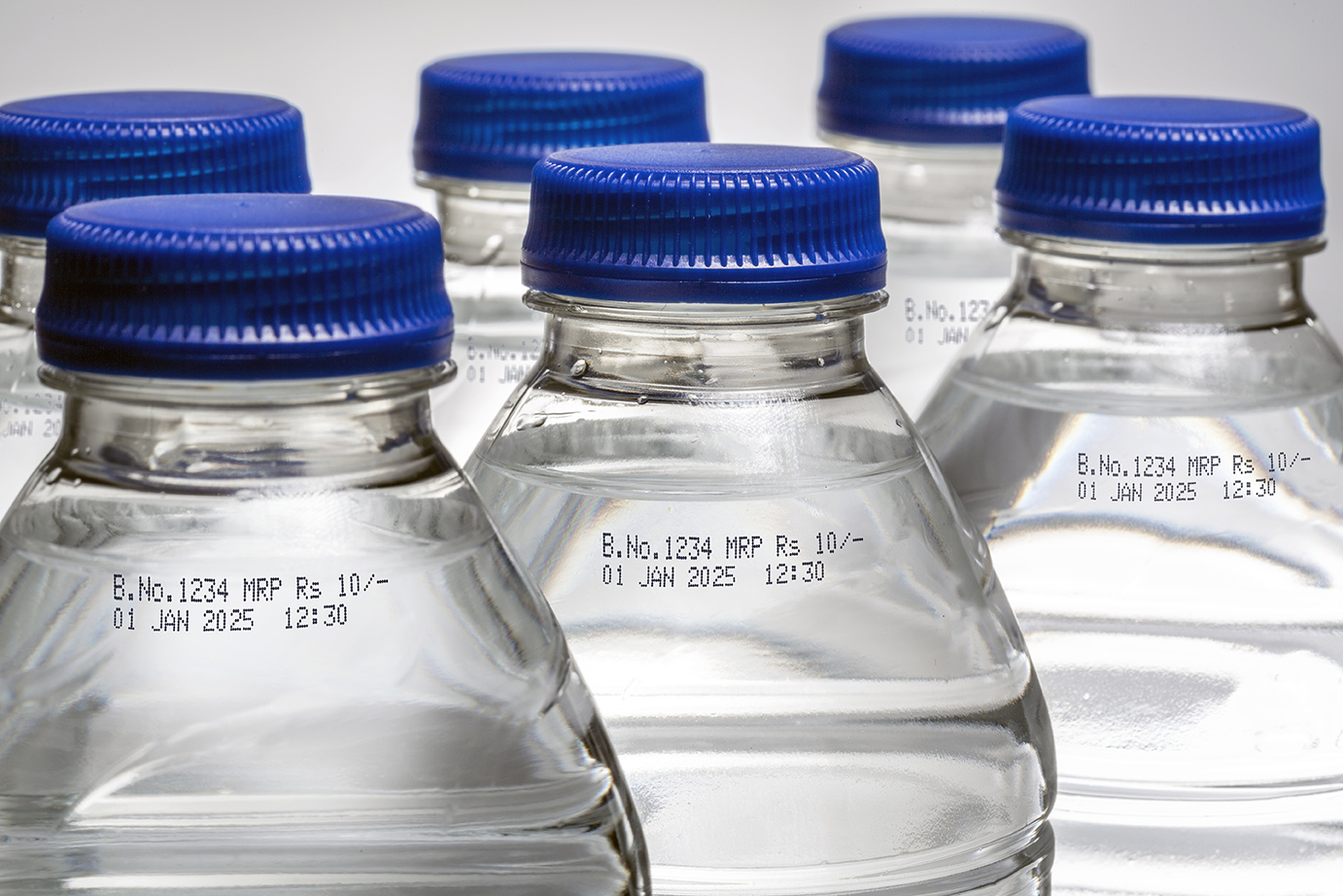
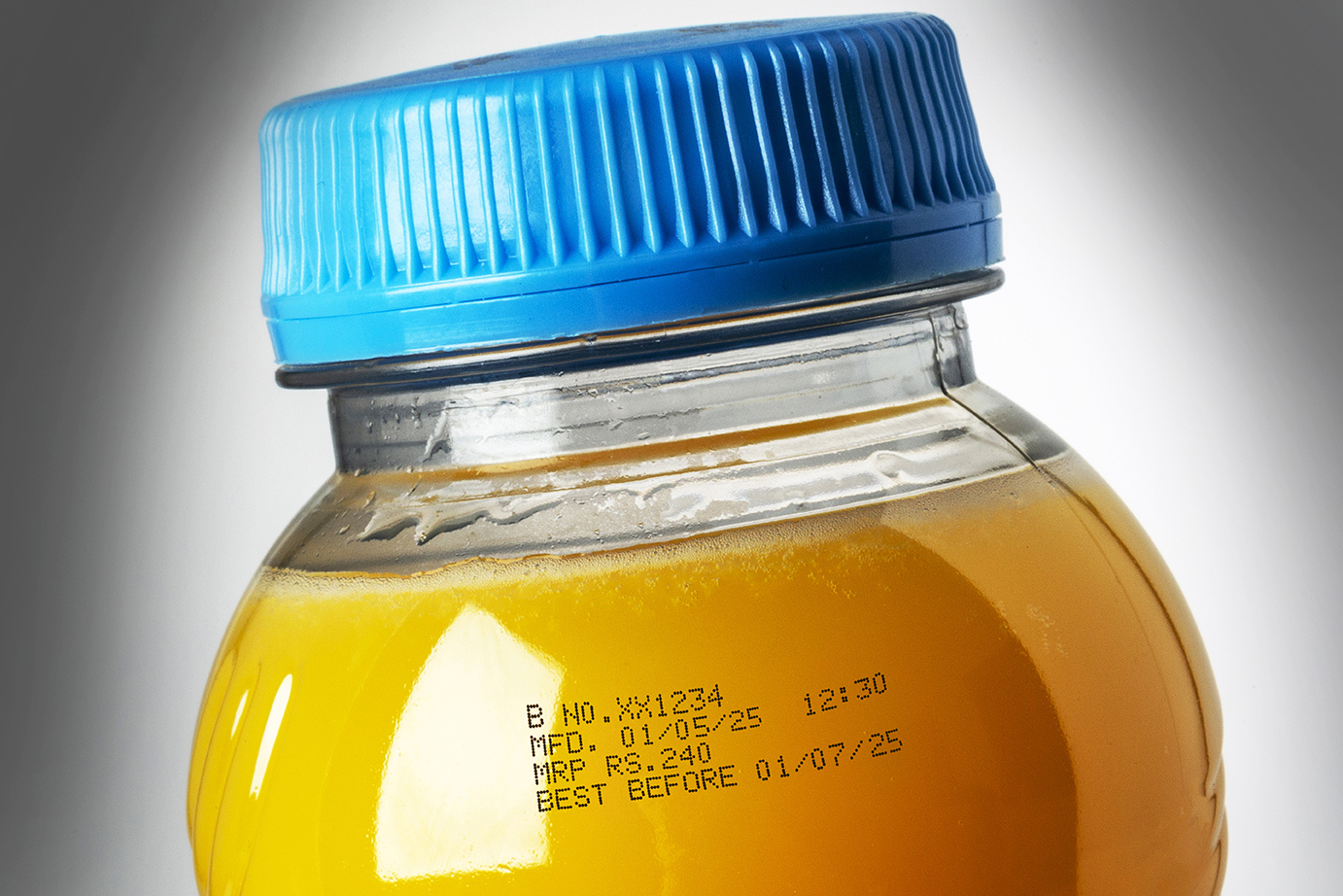
Linx marking and coding solutions printers are ideal for high-volume expiration date coding or batch identification, and are designed to print directly a wide range of materials that may be used in the beverage industry such as glass, plastic, metal and card. With a range of pre-programmed codes, they can mark variable information as well as printing barcodes, Data Matrix and QR codes onto bottles avoiding unnecessary waste and environmental impact of pre-printed labels.
Challenges in Beverage Marking
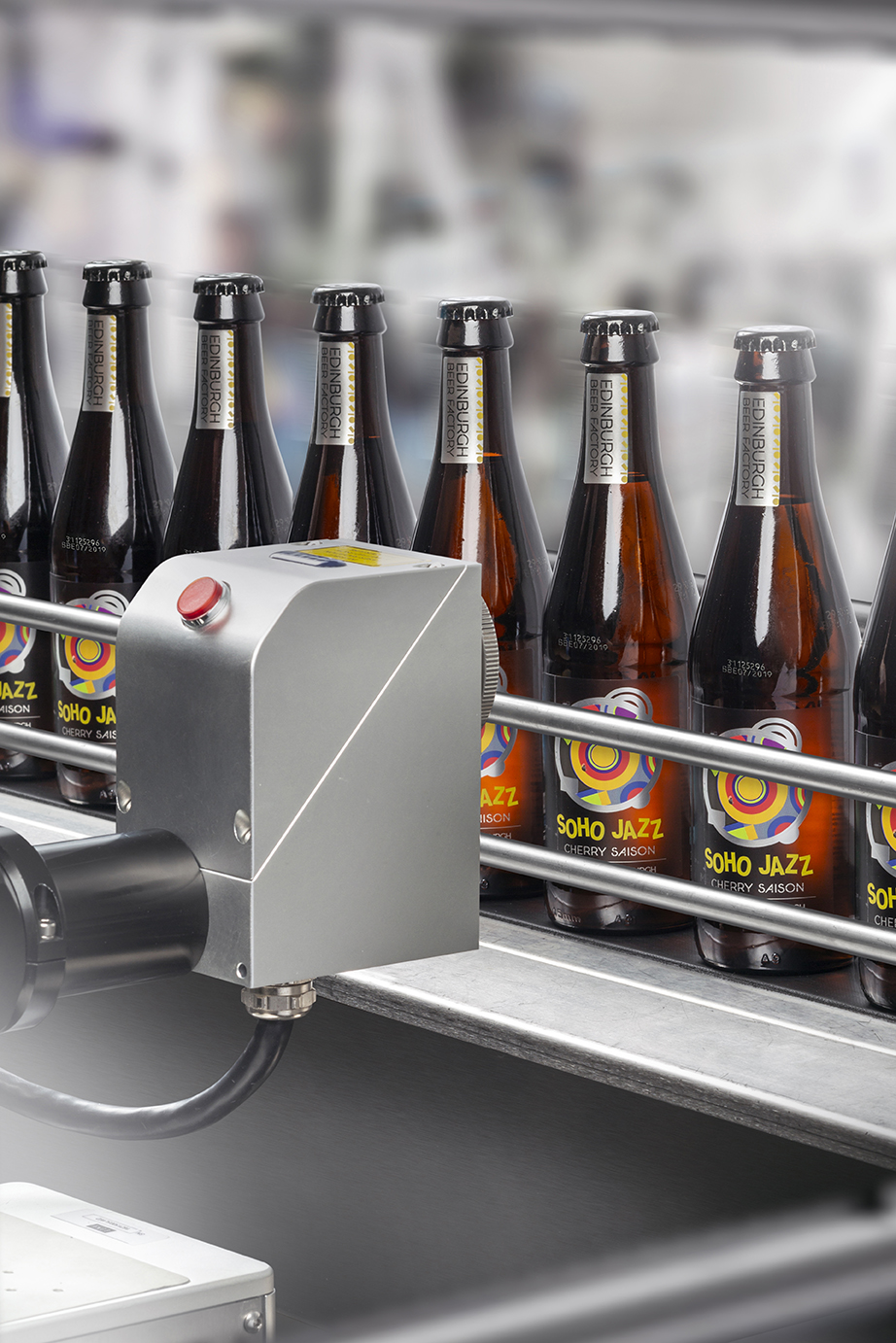
Beverage lines run at very high speeds, often processing thousands of units per hour. Printing systems must apply and dry codes instantly, maintain accuracy at speed, and avoid slowing the line. At high speeds, issues can include missed prints or distorted characters.
Beverage facilities can be wet or humid, causing condensation on the products, require washdowns with water and chemicals and fluctuate in temperature (cold-fill, pasteurisation).
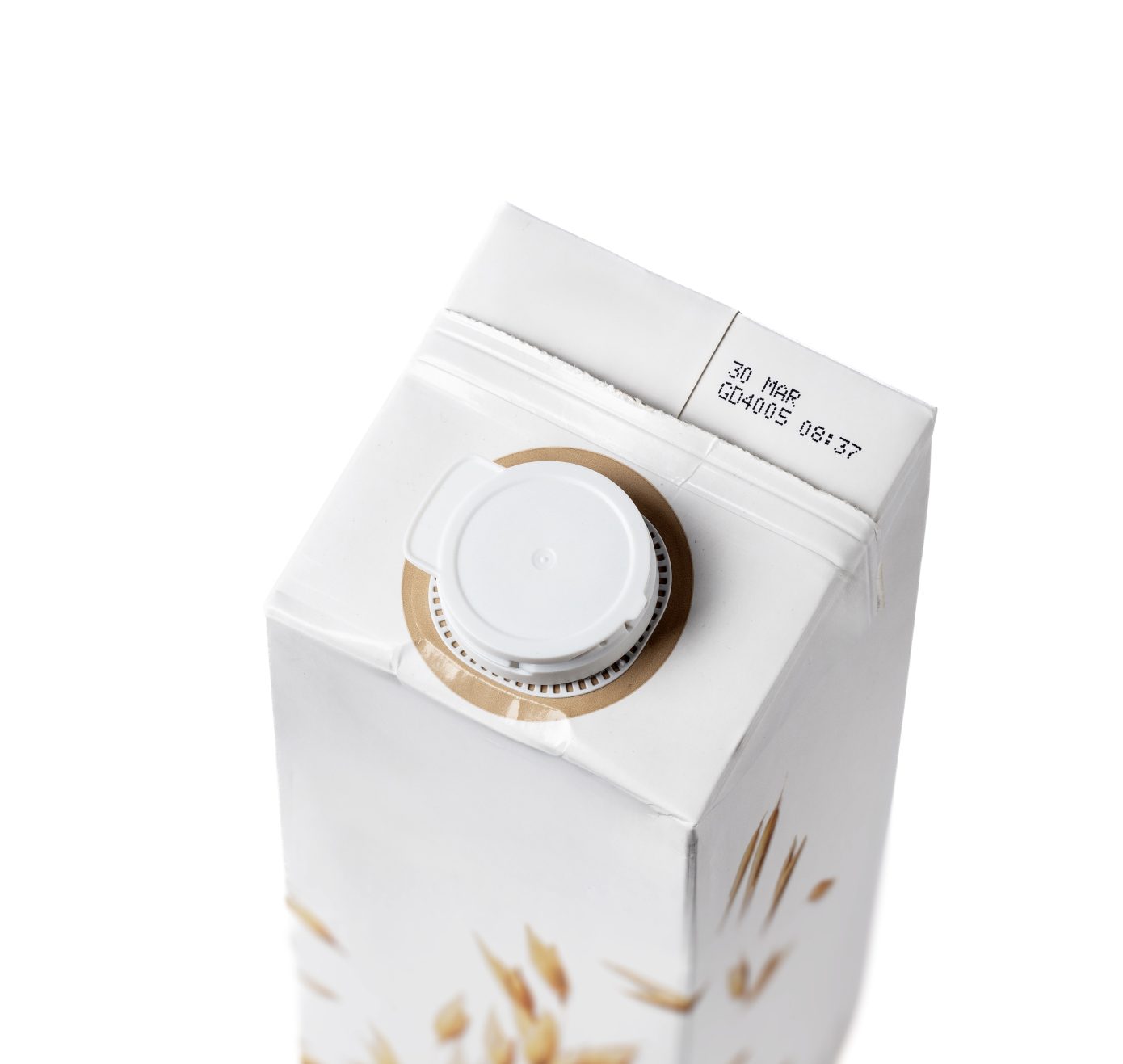
Beverage producers code on many substrates: Glass and plastic bottles, Aluminium cans, Flexible films and shrink sleeves, Labels and lids, Cardboard cartons and outer cases. Each material behaves differently e.g. porous/non-porous, rigid/flexible
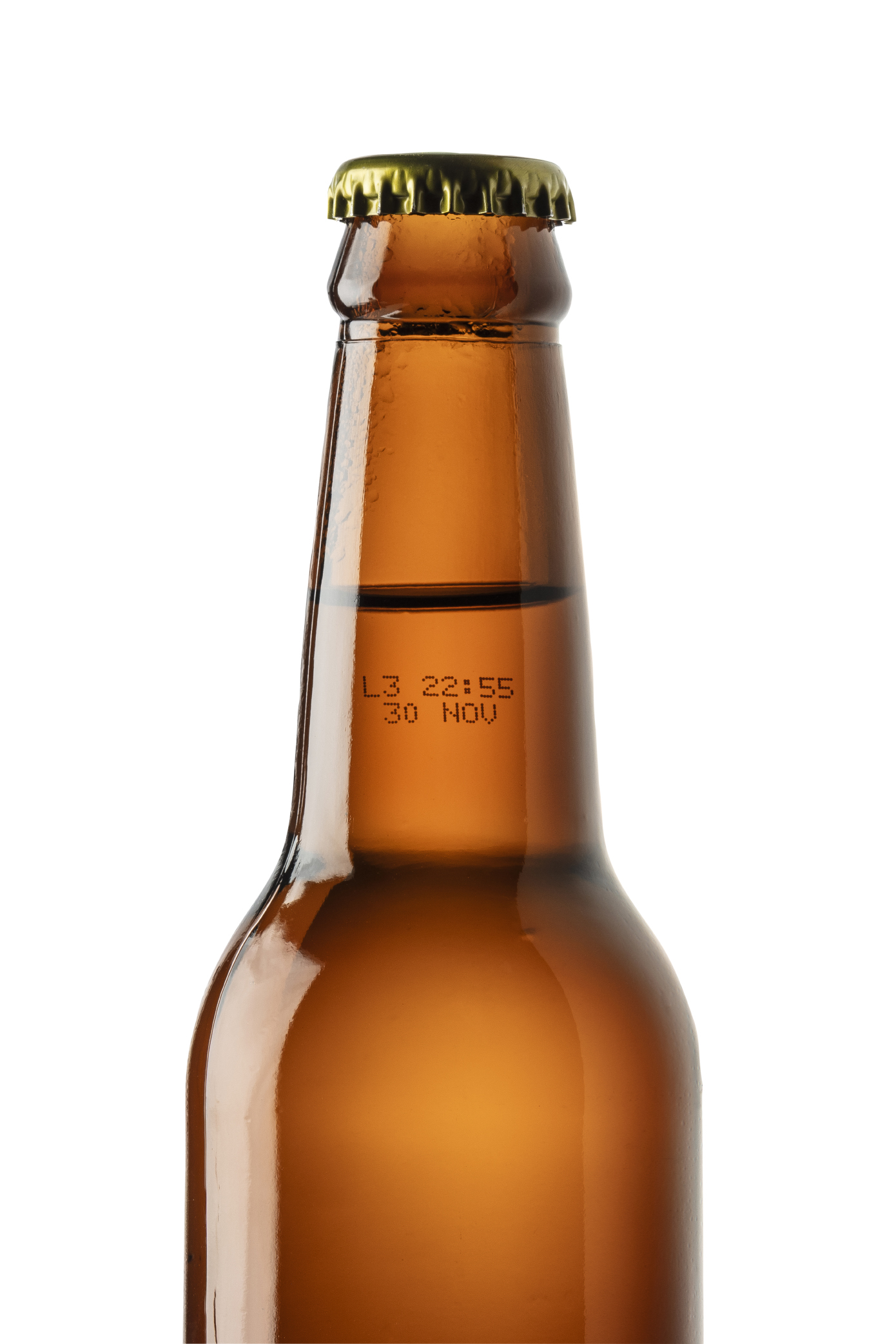
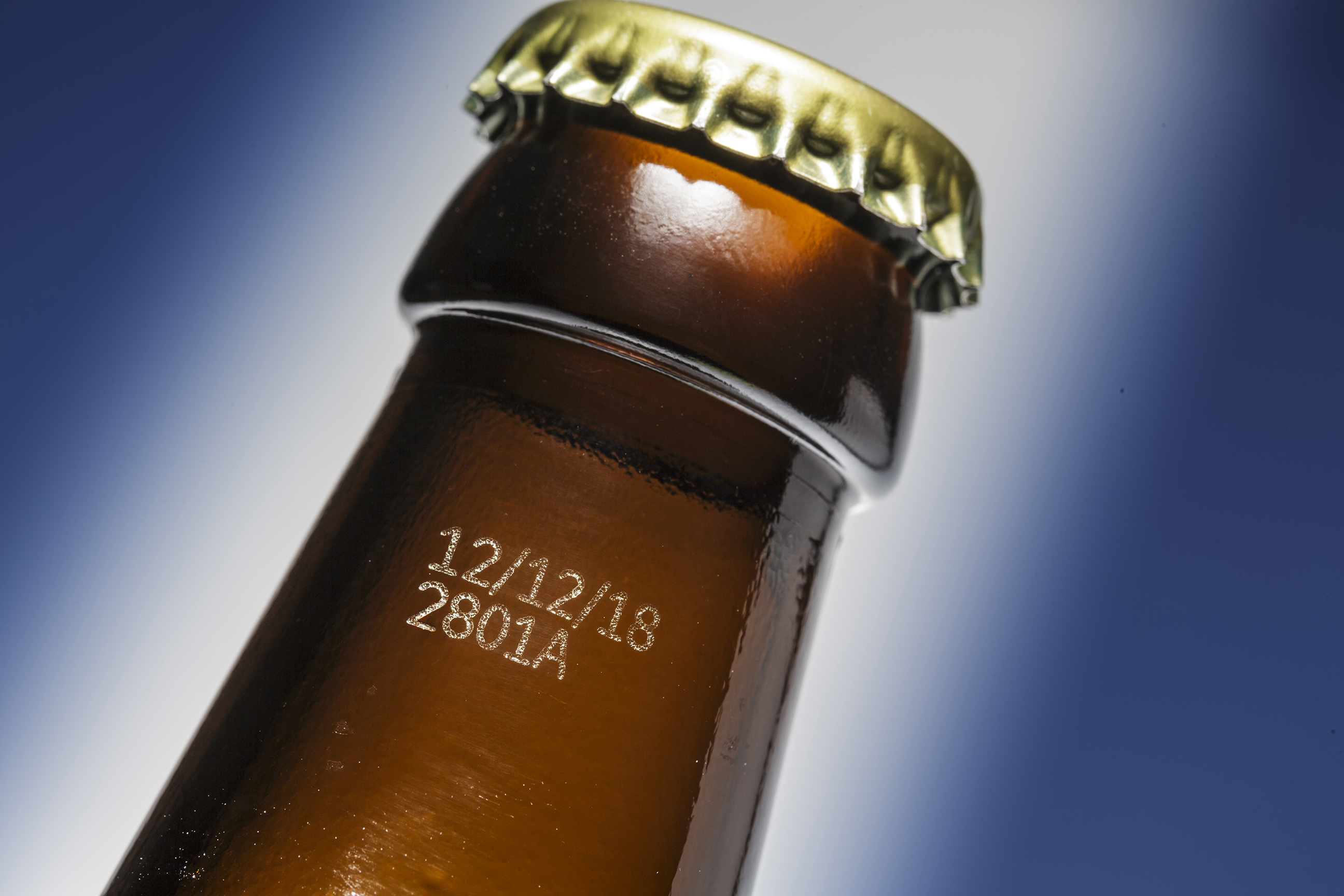
Bottles, cans and lids often have small circumference areas available for coding e.g the necks of glass beer bottles. This is especially challenging for: Multi-line data, 2D codes or barcodes and regulatory information.
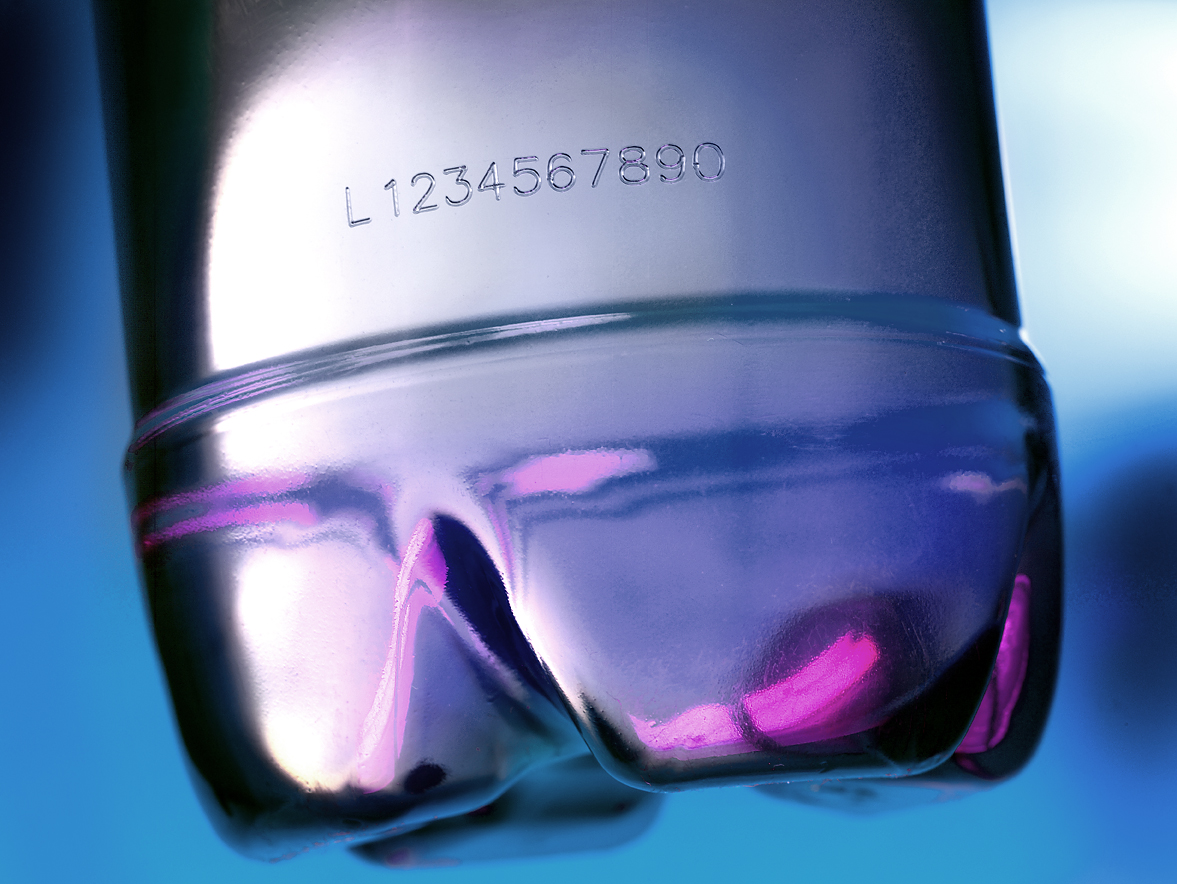
Bottles and cans are cylindrical or irregularly shaped. Curved surfaces can: Distort text or barcodes, affect print placement accuracy and make maintaining consistent print quality harder. This is particularly difficult for printing 2D codes as the curved surface can cause geometirc distortion and prevent scanning reliably.
In wet or cold environments labels may lift, slip, or bubble. Adhesives may not bond correctly and at high speeds misalignment or inconsistent placement can occur.
After printing, codes may need to withstand sterilisation or pasteurisation, refridgeration and friction during transport. Codes must be durable- but sometimes also removable (e.g. reusable bottles).
Common technologies used for beverage marking are continuous ink jet (CIJ) and CO2 laser coders. Each coding technology has its own strengths and the right choice for you application will depend on the product, code and environment required.
Our expertise in product and packaging marking & identification can help you to reduce costs and improve production rates.

Coding in challenging environments
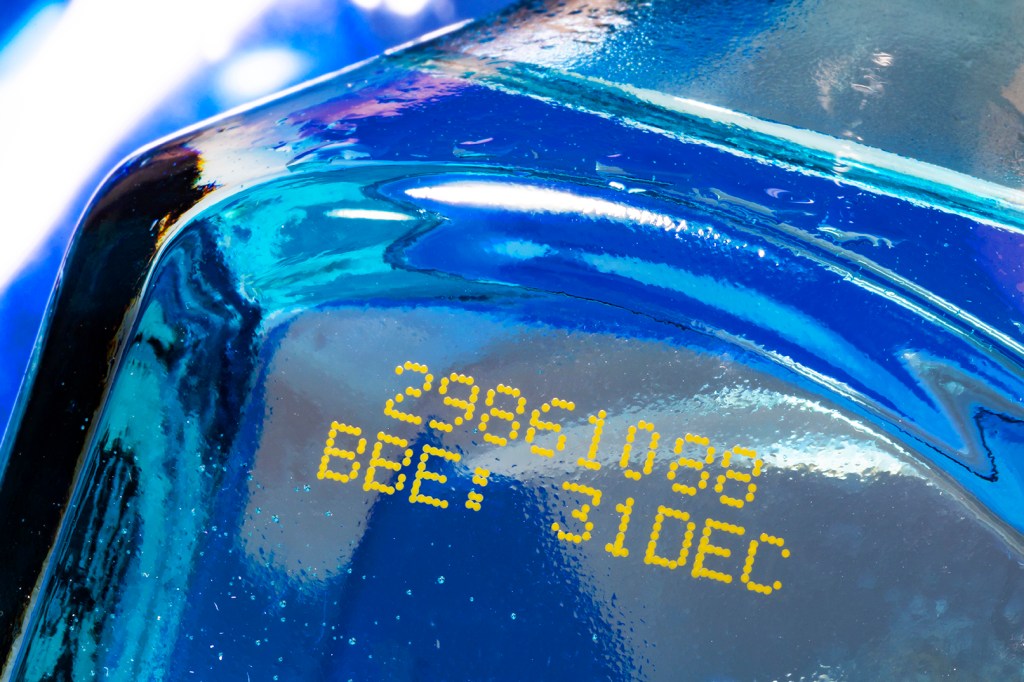
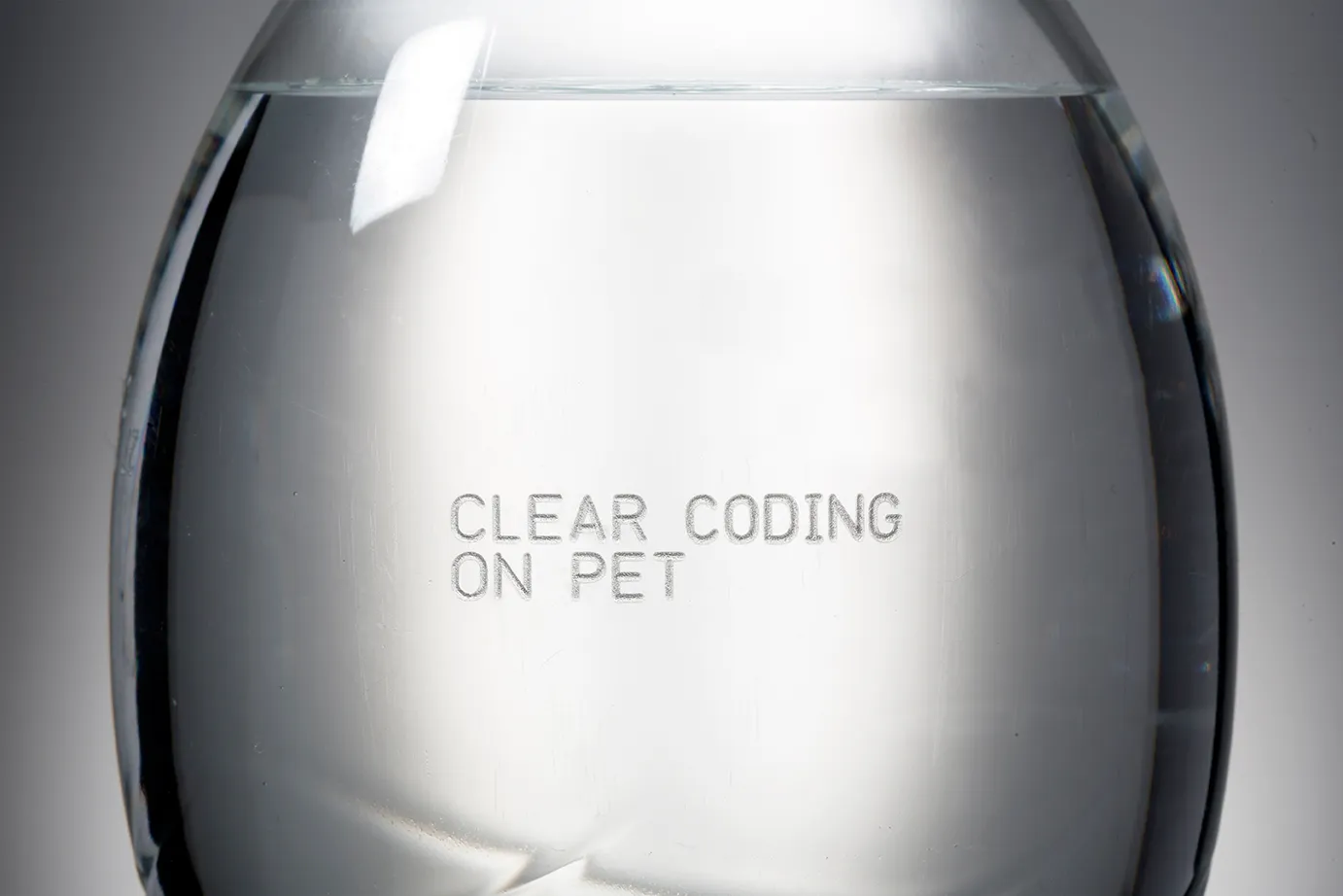
Inks that penetrate condensation to mark both glass and plastic bottles are available with continuous ink jet models. These are particularly well-suited to cold-fill applications and
those where bottles are stored outside before being brought inside to fill, causing condensation.
The performance of your coder can also be affected by the conditions. Protection against water infiltration during production or CiP processes are important, therefore IP65 rating on your CIJ or laser coder is recommended.
Coding for sustainability initiatives
Sustainability is a major concern for consumers, they are worried about the impact that soft drink packaging has on the environment. In addition to improved recycling infrastructure the adoption of reusable glass bottles is growing. This would mean far fewer bottles were manufactured, finding their way into the natural environment and saving significant amounts of energy and resources. And it can be supported by special coding inks that are removable through a washing process.
Coding for high value goods
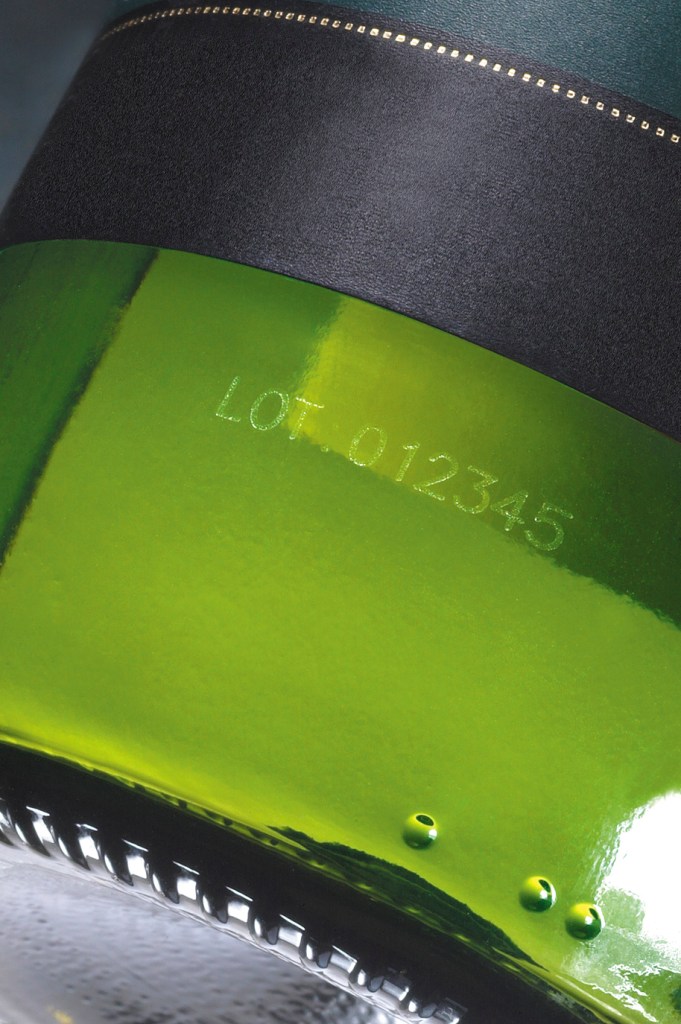
Quality coding provides protection against counterfeiting, especially prevalent in high-end alcohol. The discreet, indelible codes of laser and the special UV fluorescing security inks available for CIJ printers both provide options for manufacturers seeking to protect their margins without damaging the aesthetics of a premium brand.
What’s important in a beverage coder?
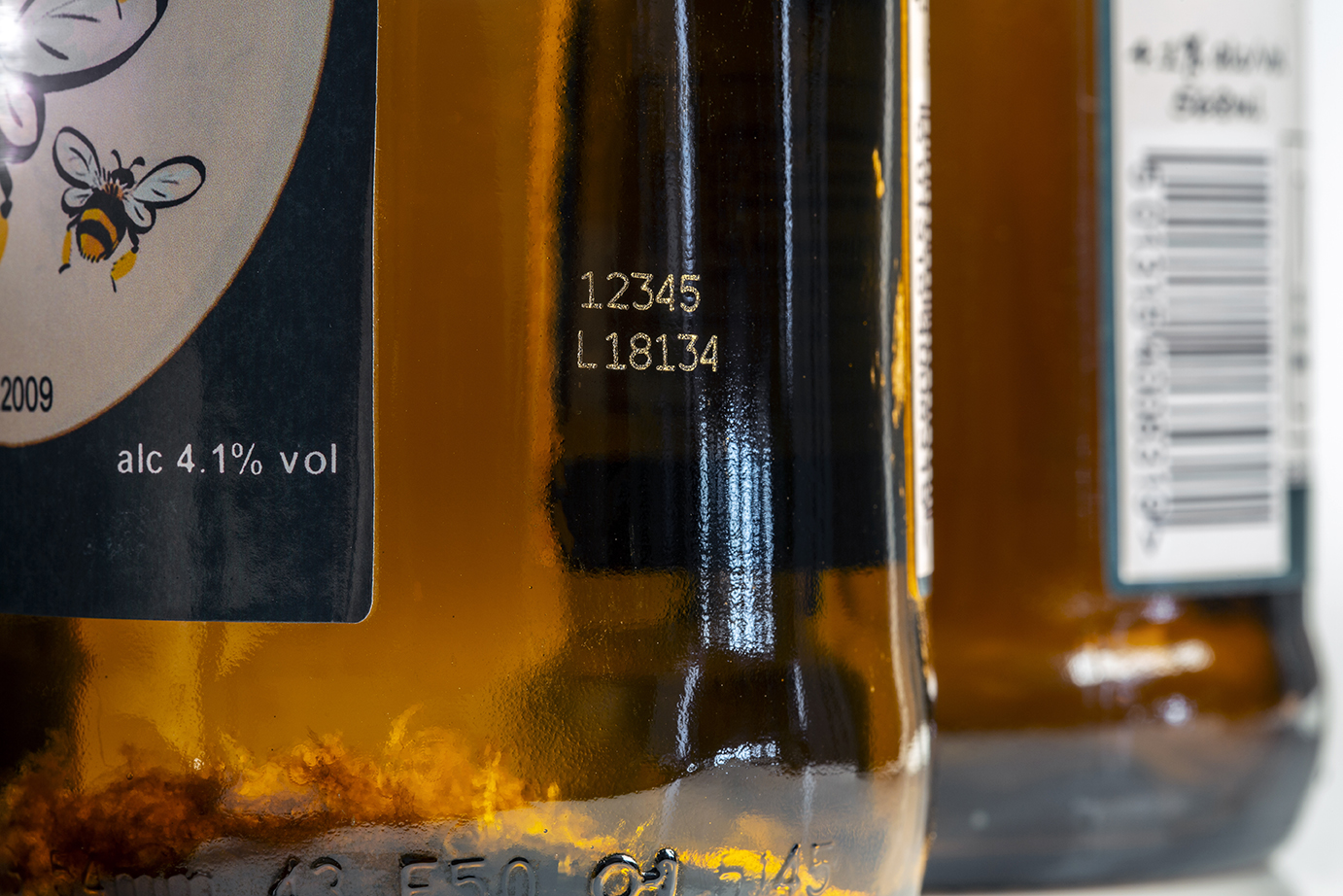
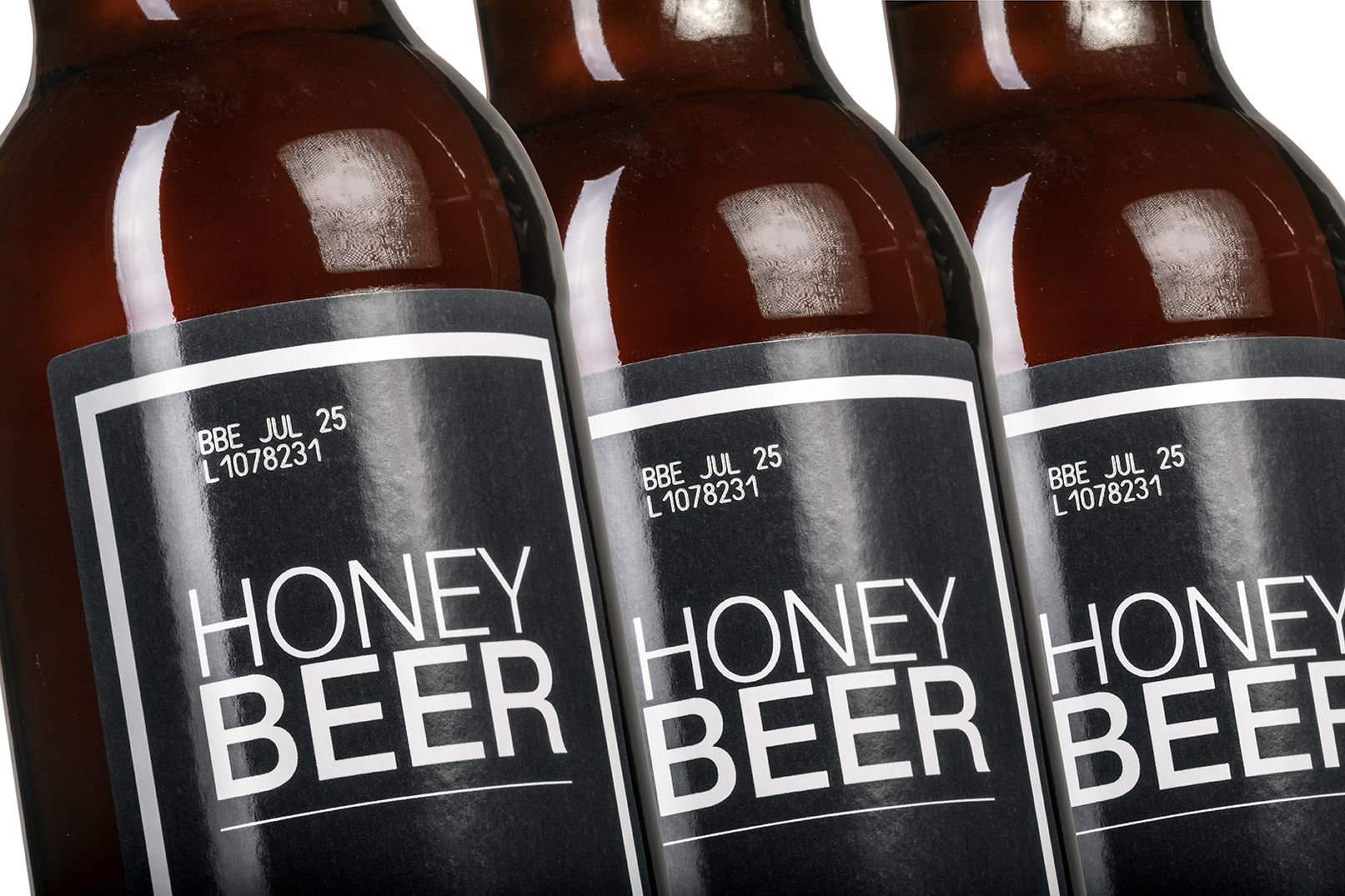
Code Content: The code requirements (batch numbers, dates, 2D codes etc.), the size, colour and the desired marking area will affect the coder most suited to your application. Consider a coder that can mark in any orientation for flexible marking on any part of your product e.g on the base. Also think about how the code requirments may change in the future or on other products you produce.
Substrate: Your product material is an important factor is choosing a printing system; is it rigid or flexible, what is it made of, is it flat or curved, dark or light, clear or opaque?
Speed: Ensure the coder you choose can keep up with your production line speed or volume goals without compromising on code quality. Drying time of ink based solutions can be an important consideration.
Production environment: Wet, hot, humid or non-temperature controlled production environments can affect the performance of your printing solution and the printed codes, the IP rating of your coder may be key. If the production space is limited, investigate coders that are compact or can be mounted in different ways to fit the available space.
Available budget: It is vital to consider not only the initial purchase price but also the total cost of ownership, including consumables and cost and frequency of servicing. Can the product be user maintained and repaired?
Reliability: On a high- volume line, the reliability of your coder is crucial to avoid product rework, scrappage, line downtime and loss of efficiency. Frequent breakdowns can negate any benefits of a lower purchase price.
Linx Beverage Marking Technologies
Whatever your substrate, line speed and operating environment, Linx can provide you with a suitable batch & date coder for bottles and packaging in the beverage industry.
Browse our different technologies from the options below
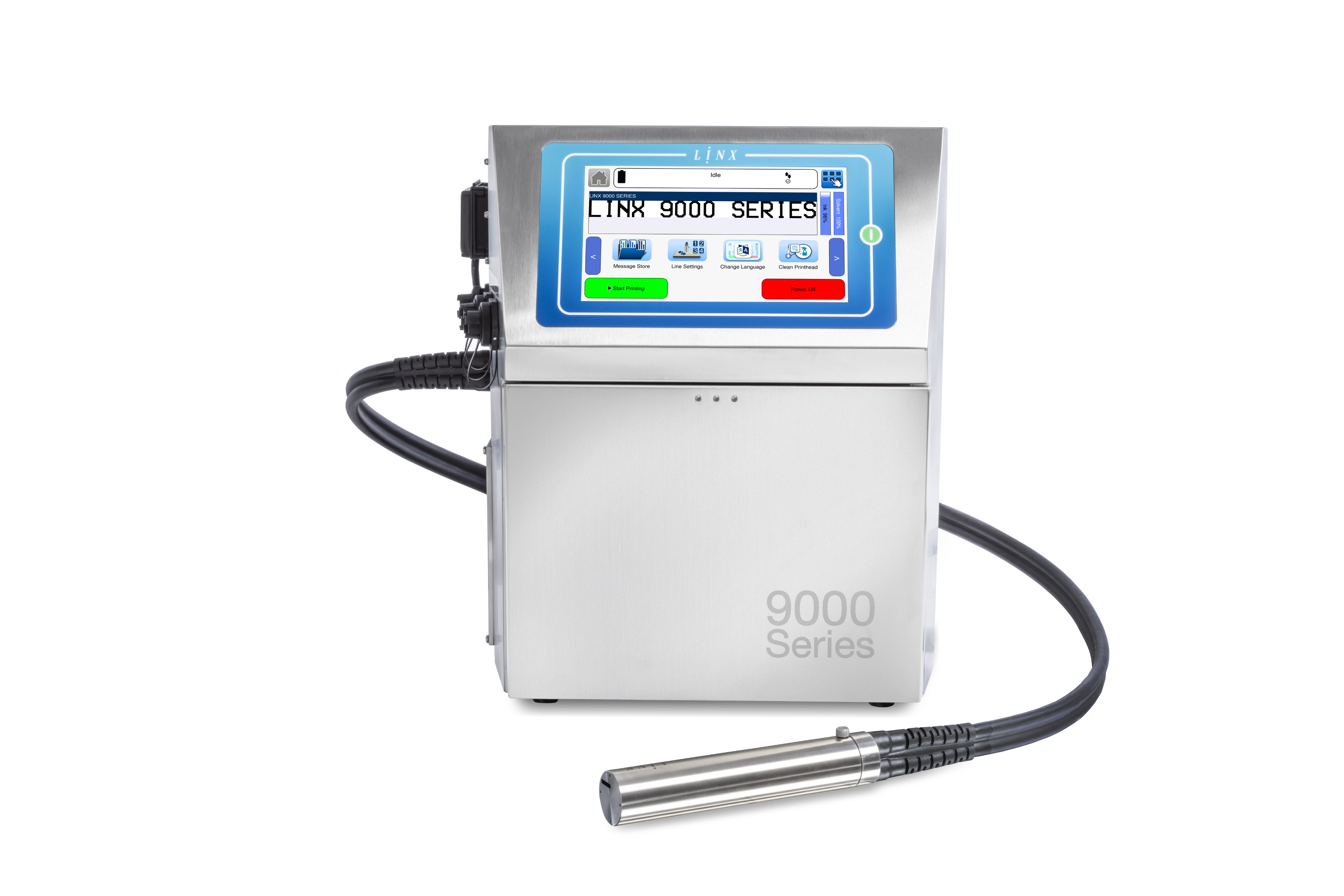
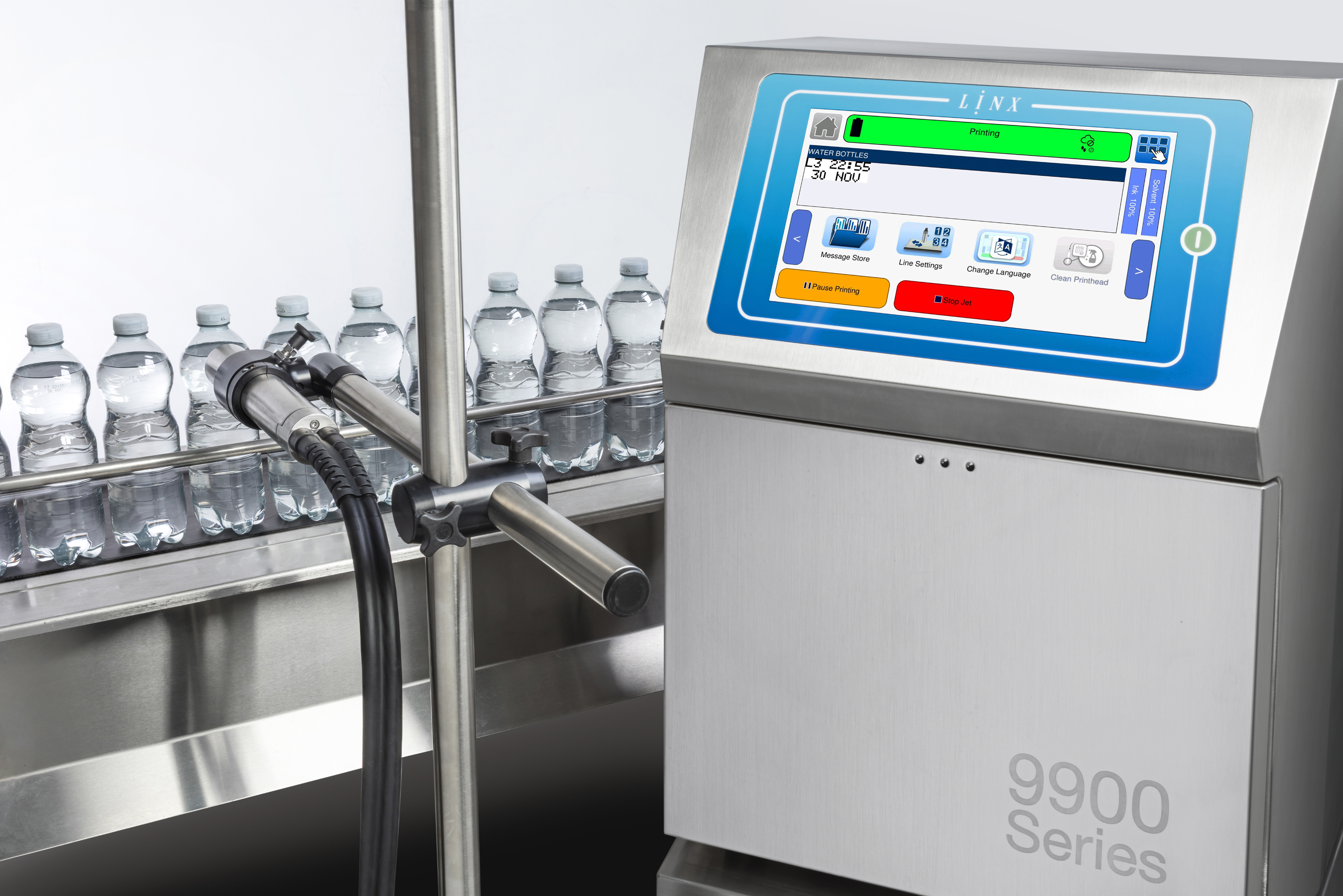
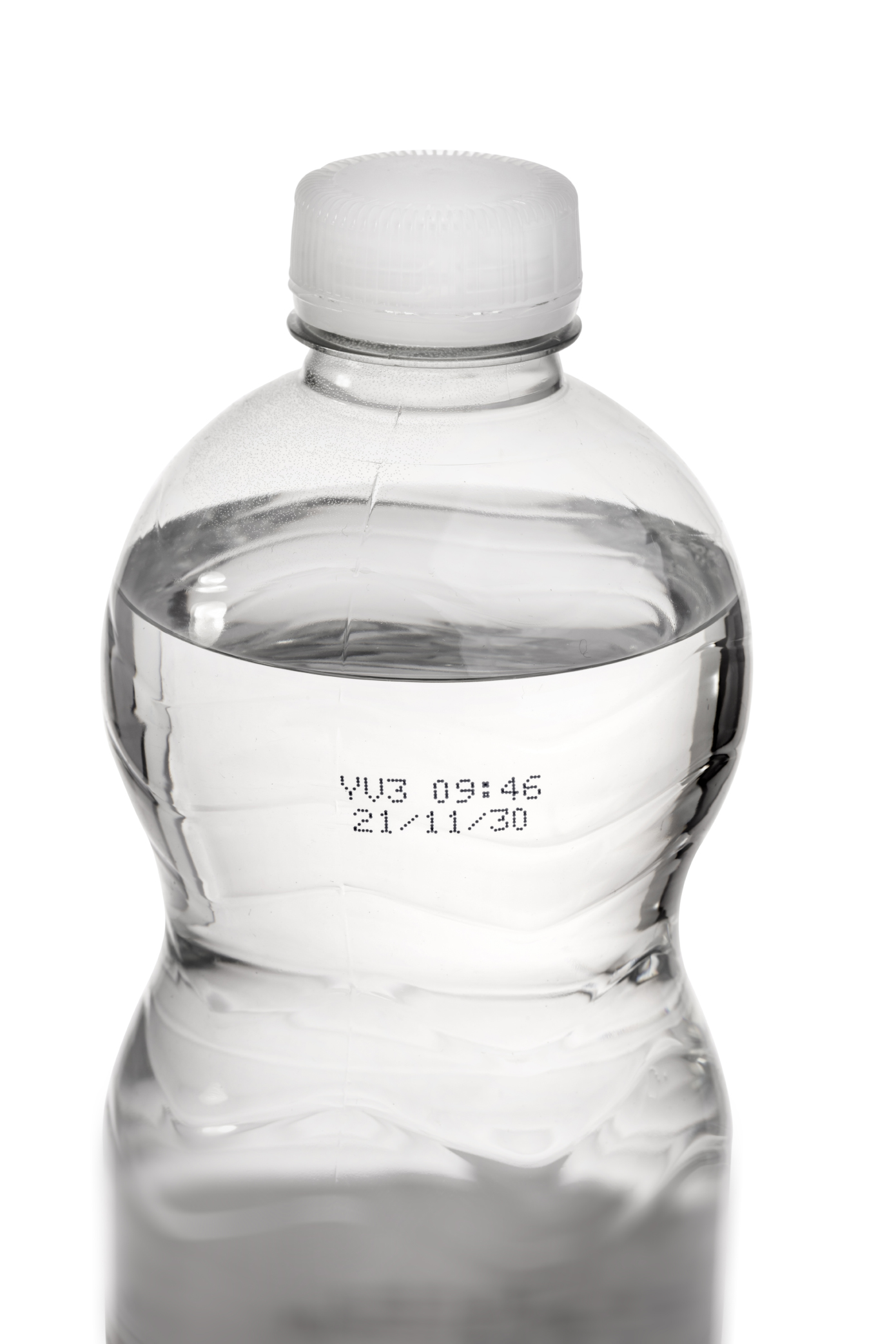

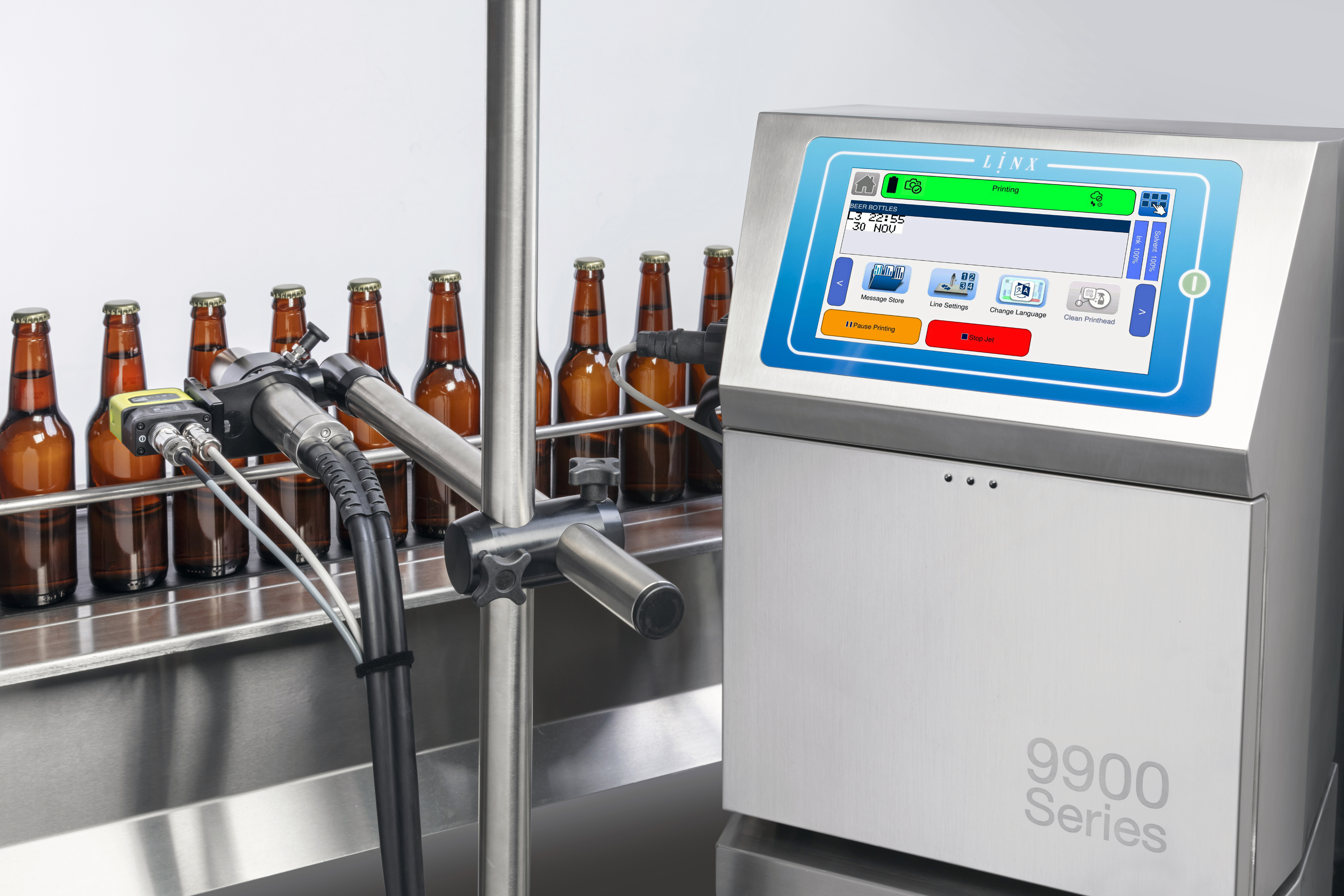
Linx 9000 Series
Flexible options for high-speed marking
Features
Suitable for 24/7 operations | Data Matrix and QR codes |GS1 compliant 2D codes | GS1 code builder | High-speed production | Print up to 6 lines | Black and coloured inks | Service intervals up to 24 months | Primary and secondary coding
Key Benefits:
- Excellent print on curved surfaces and any orientation
- Reliable operation in hot, dusty, wet, or non-temperature controlled environments
- Maiximise changeover efficiency
- Specialist inks for beverage coding including inks for cold-fill glass, water-removable and alkali-removable for returnable bottles and general purpose inks for metal, card and plastics
- IP65 (option) for ingress protection & washdown environments
- Remotely manage your coding through Linx PrinterNet
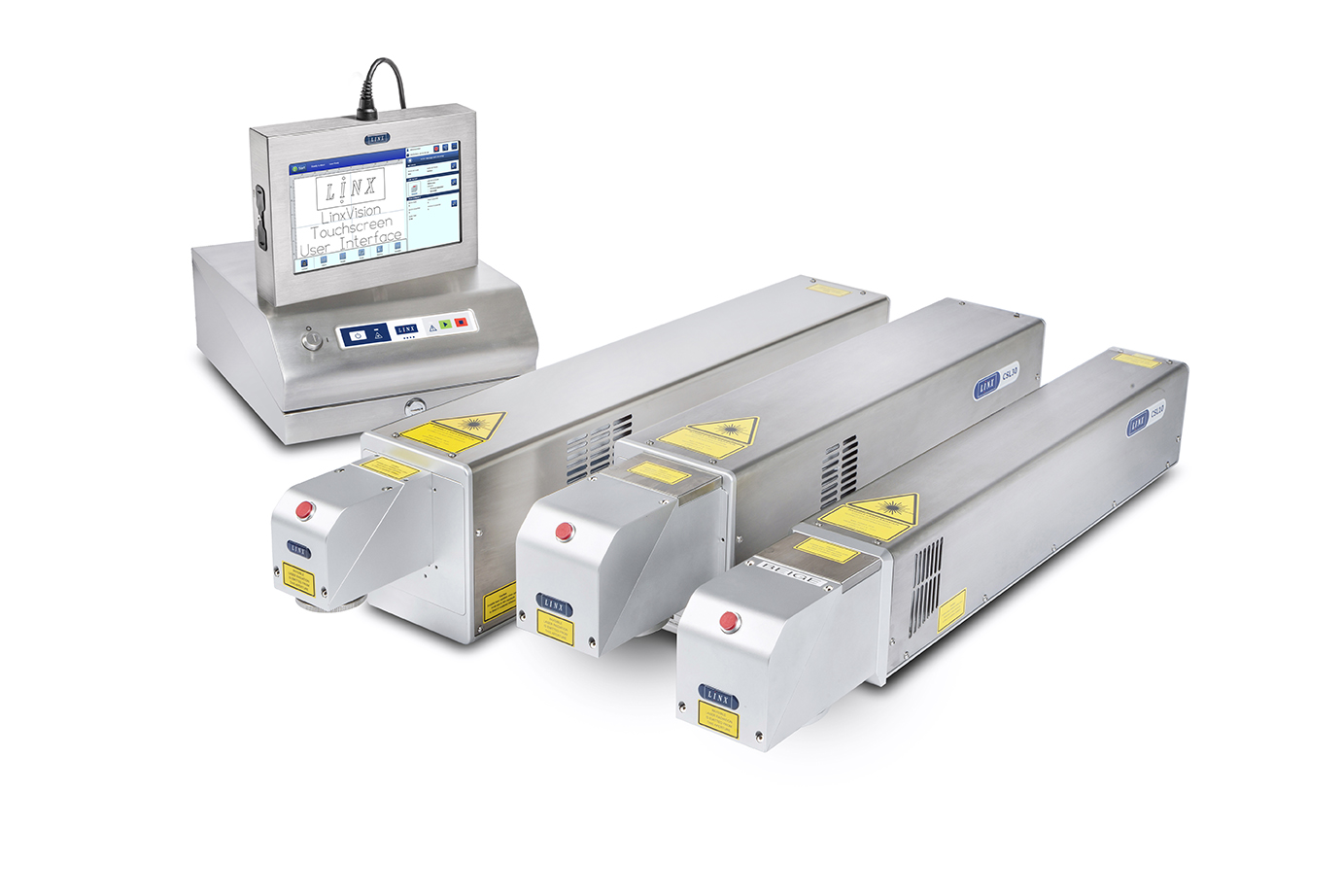

Linx CSL Series
High speed and permanent marking for beverage factories
Features
Suitable for 24/7 operations | Data Matrix and QR codes | Batch and date coding | Print unlimited lines of text | Low maintenance
Key Benefits:
- High-speed coding up to 900m/min
- Permanent, discreet codes for premium products
- Ideal for glass, coated card, labels, and plastics
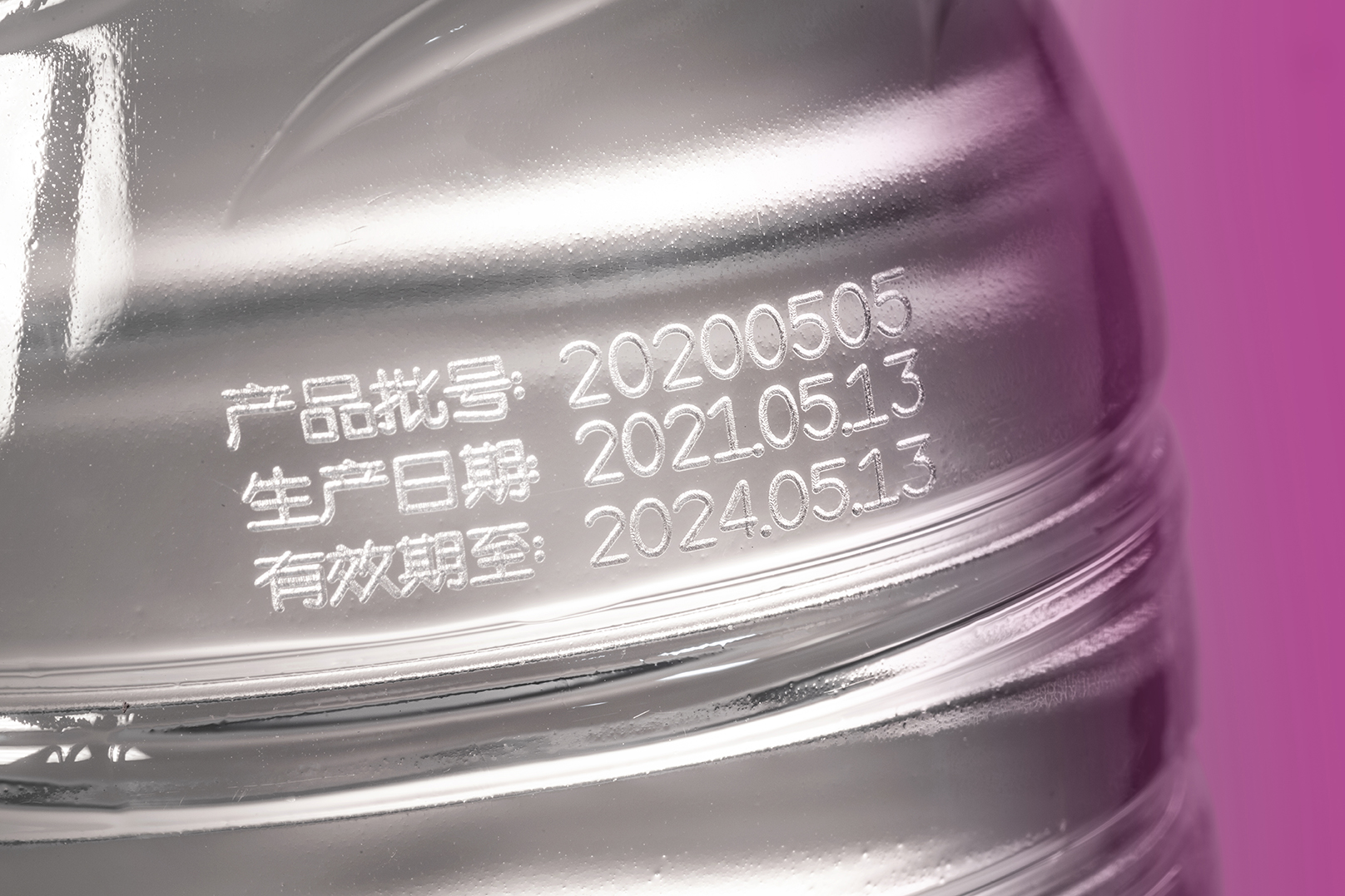
- Zero consumables for low costs and no drying time
- Multiple beams allow for coding at any orientation
- IP65 (option) for wet, humid or washdown environments
Irish Distillers
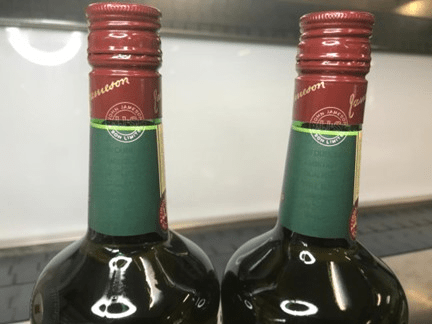
Irish Distillers, Ireland’s leading supplier of spirits and wines and producer of some of the world’s most well-known and successful Irish whiskeys, are using Linx CSL30 and CSL60 lasers to ensure brand identity and anti-counterfeiting of their Jameson whiskey.
To prevent their best-selling product from being falsified, Irish Distillers were looking for a solution to add a distinctive mark onto their bottles that would be very hard to replicate.
Linx have been given the challenge of finding a way to apply a unique stamp of approval directly onto three different substrates at the same time as bottles move through production process and has developed a bespoke solution using their laser machines. The permanent coding was required, the challenge was to do it at their highest production speeds. These demanding production volumes fall under Linx’s capabilities and outside capabilities of others, which makes Linx a market leading application supplier for super-fast production environments.

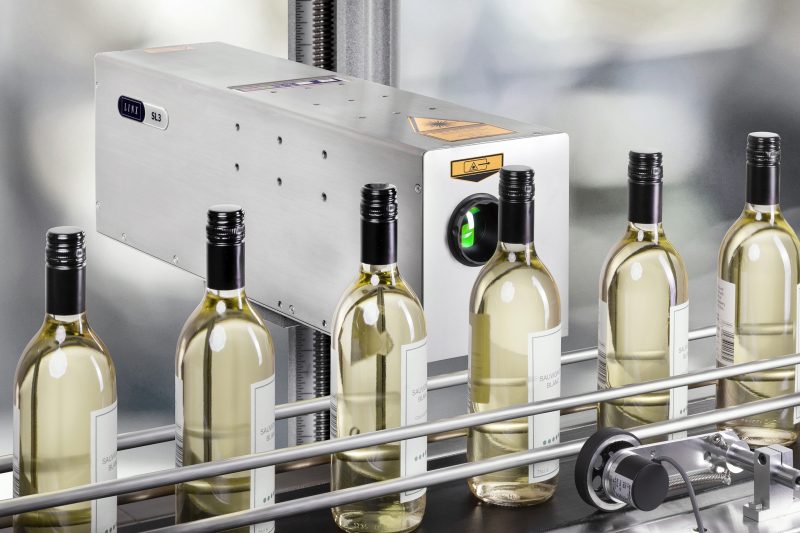
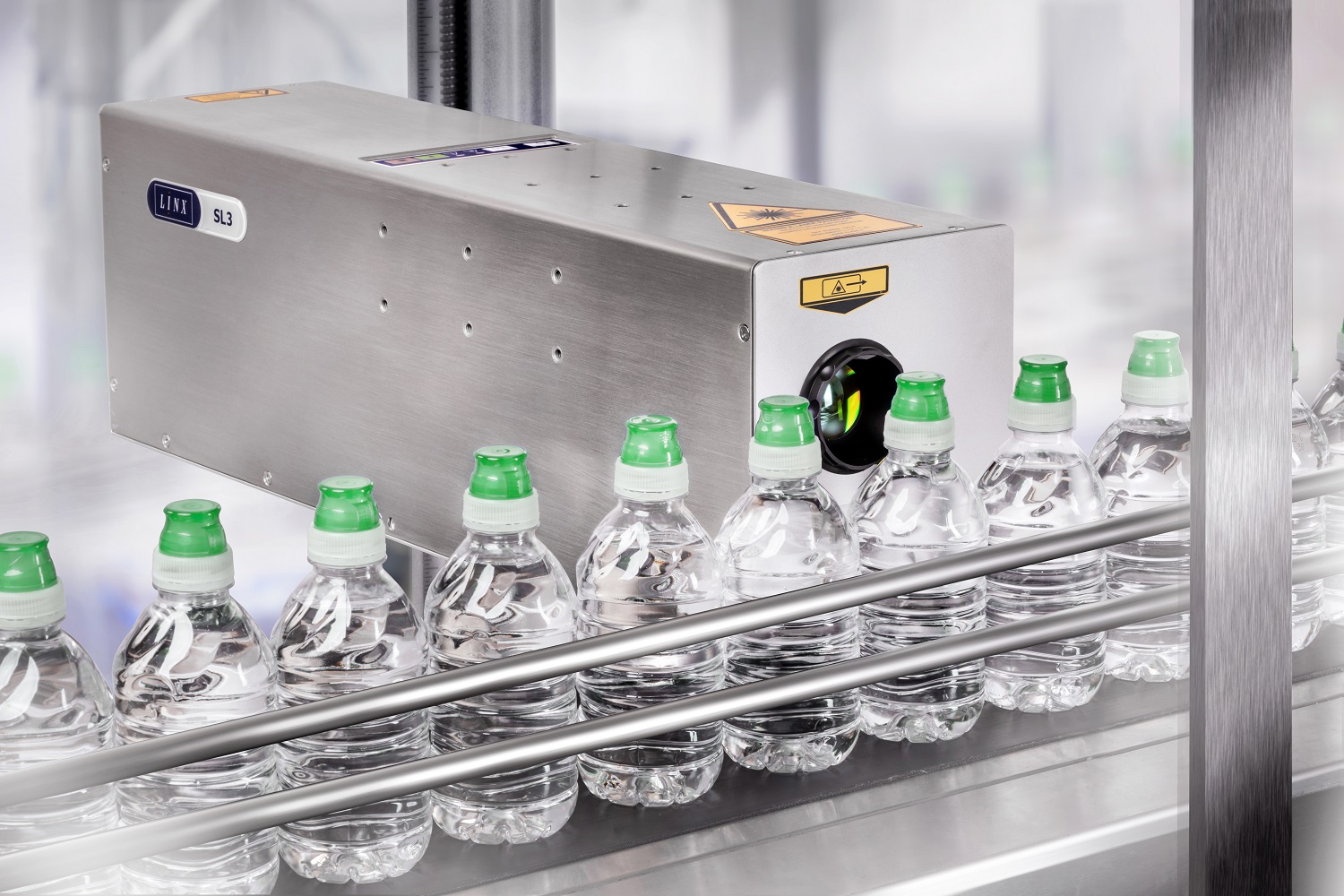
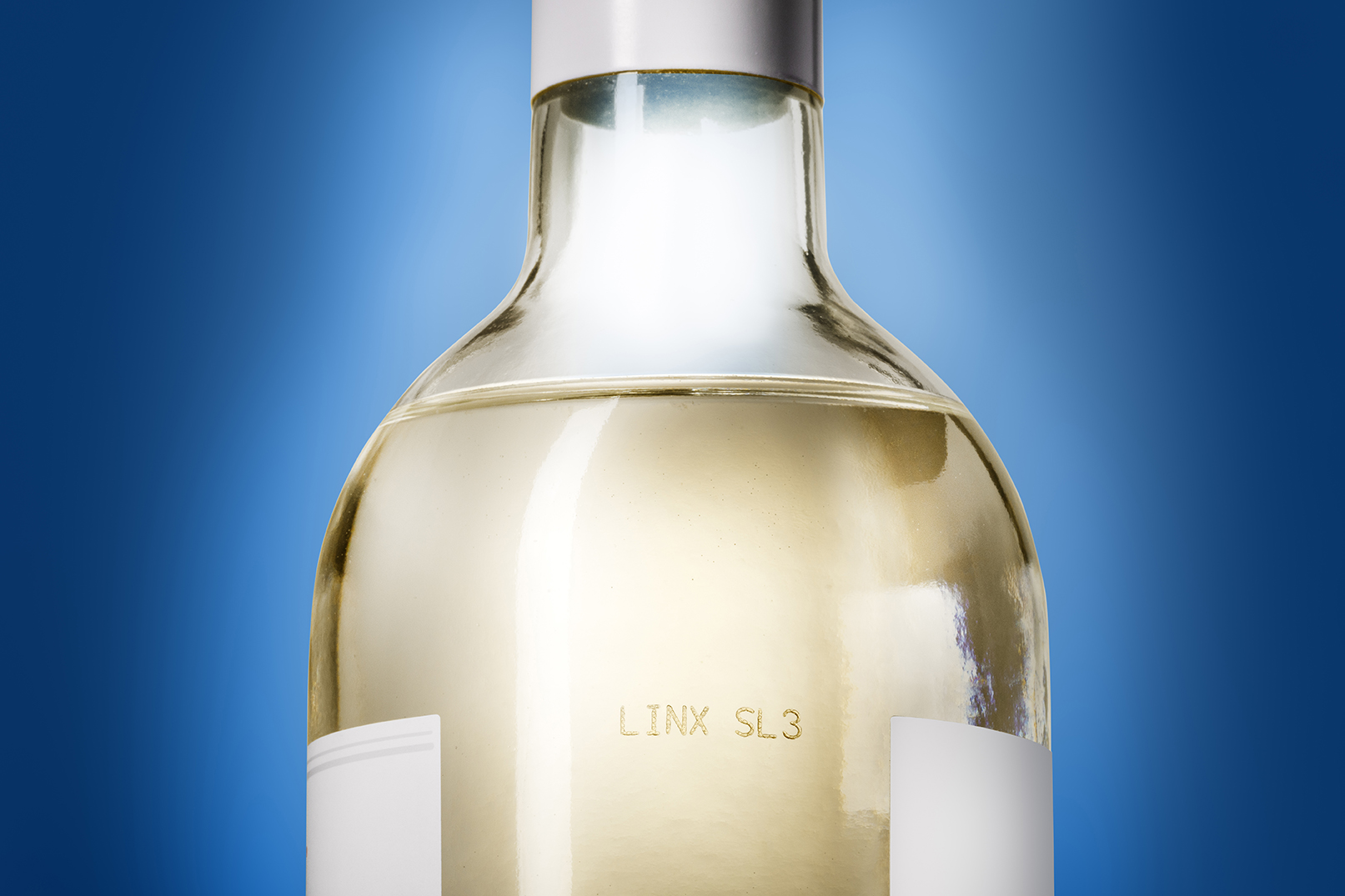
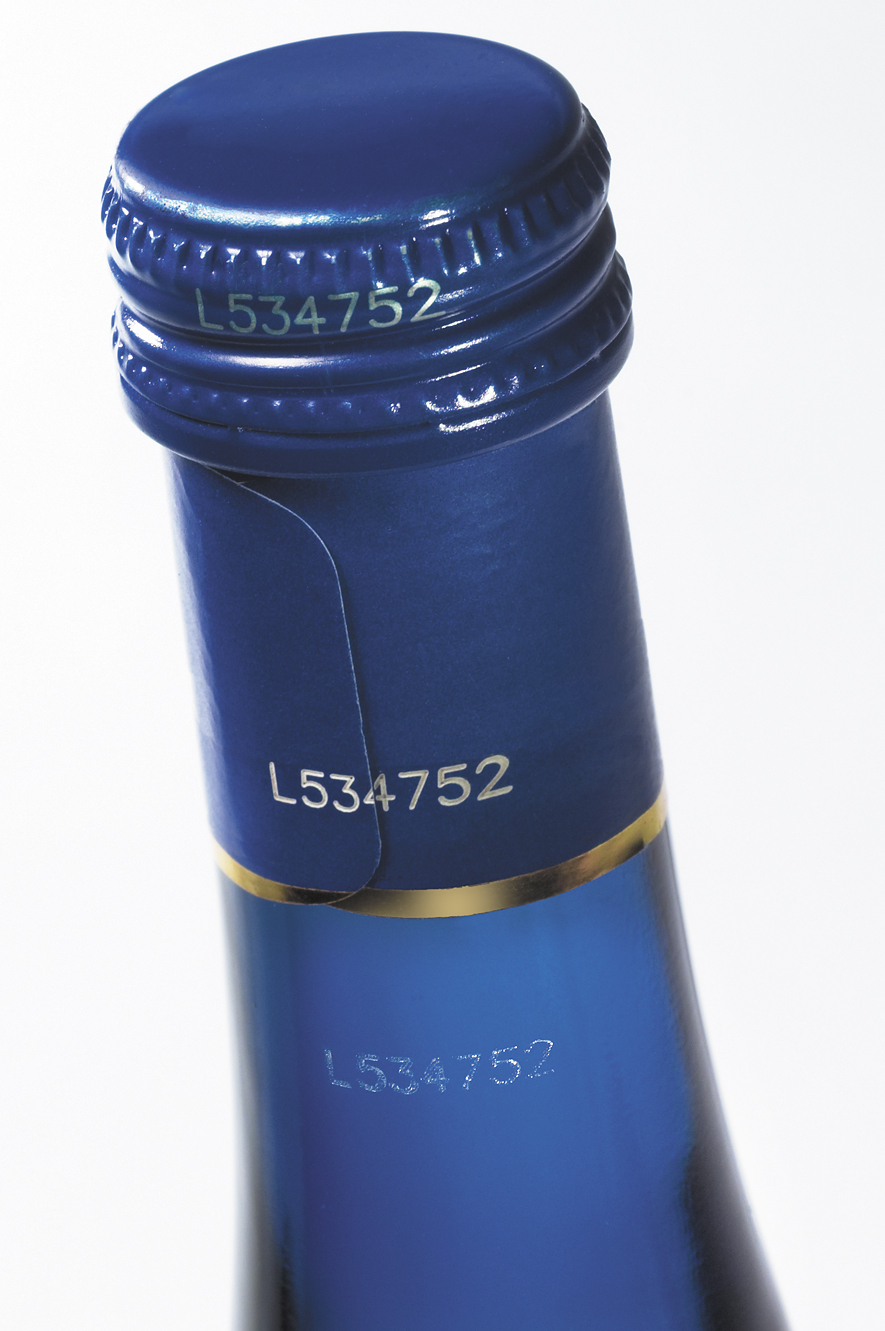
Linx SL3
30W compact and robust laser coder
Features
Suitable for 24/7 operations | Data Matrix and QR codes | Print unlimited lines of text | Batch and date coding | IP54 stainless steel enclosure | Ideal for glass, metal, plastic and card.
Key Benefits:
- Single unit installation with multiple mounting positions
- 2 year laser tube warranty
- Code up to 360m/min
Not sure which solution is right for your beverage facility?
Contact us to find the best solution for your marking and coding needs
Quality beverage coding across a range of packaging materials
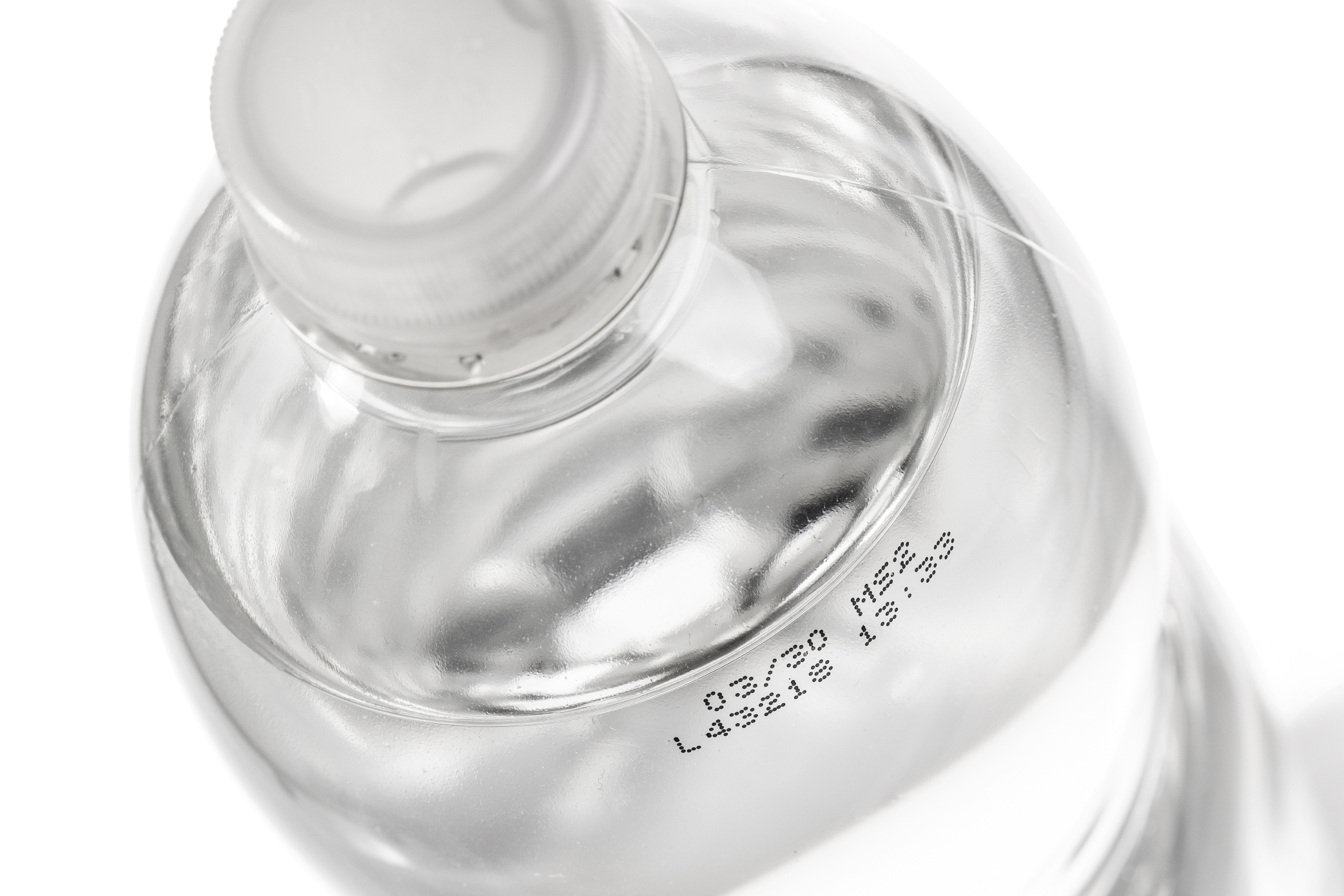
Solutions for plastic marking including inks for enhanced adhesion
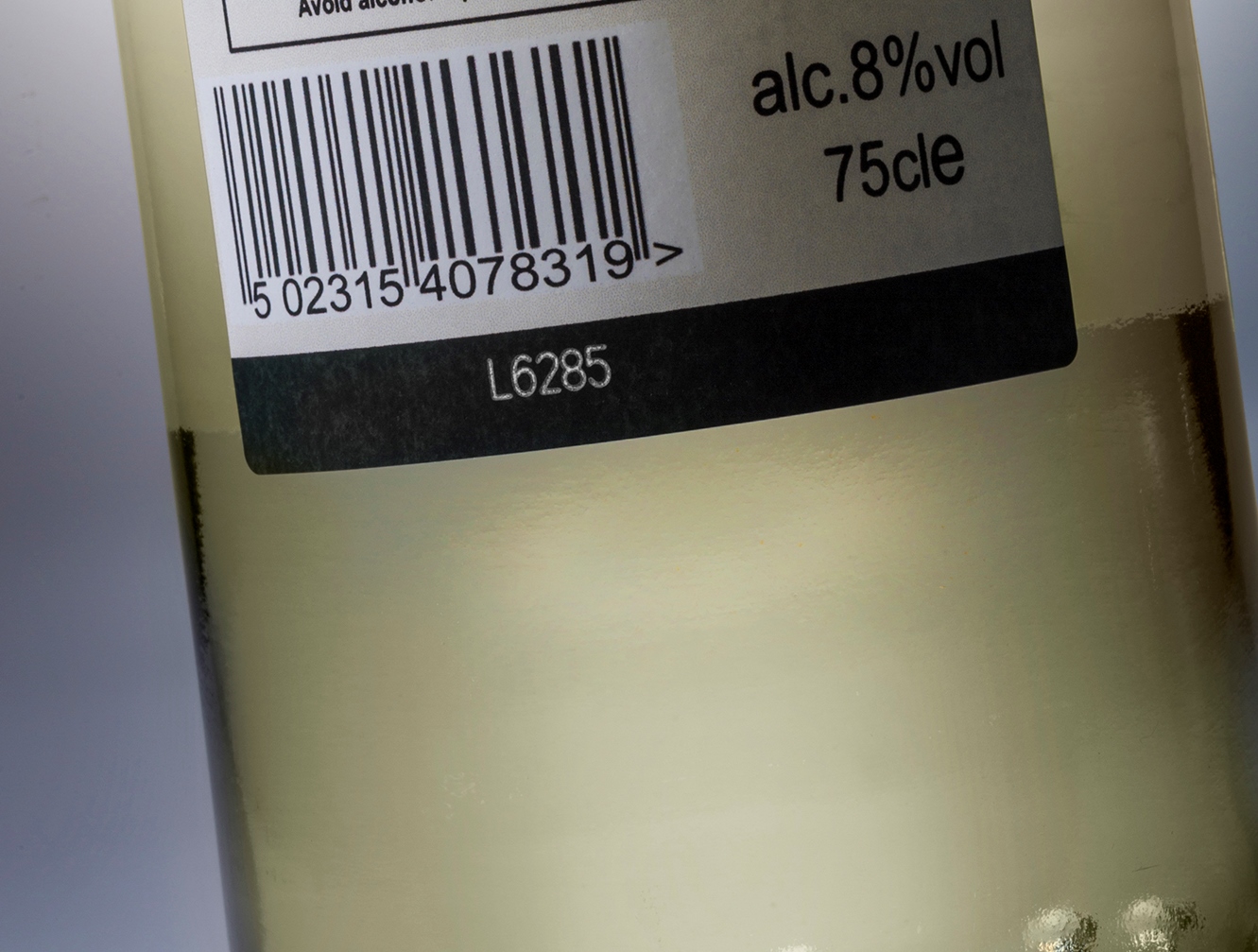
Removable and permanent solutions for coding and marking glass

Reliable solutions for coding flexible pouches, shrink sleeves and labels
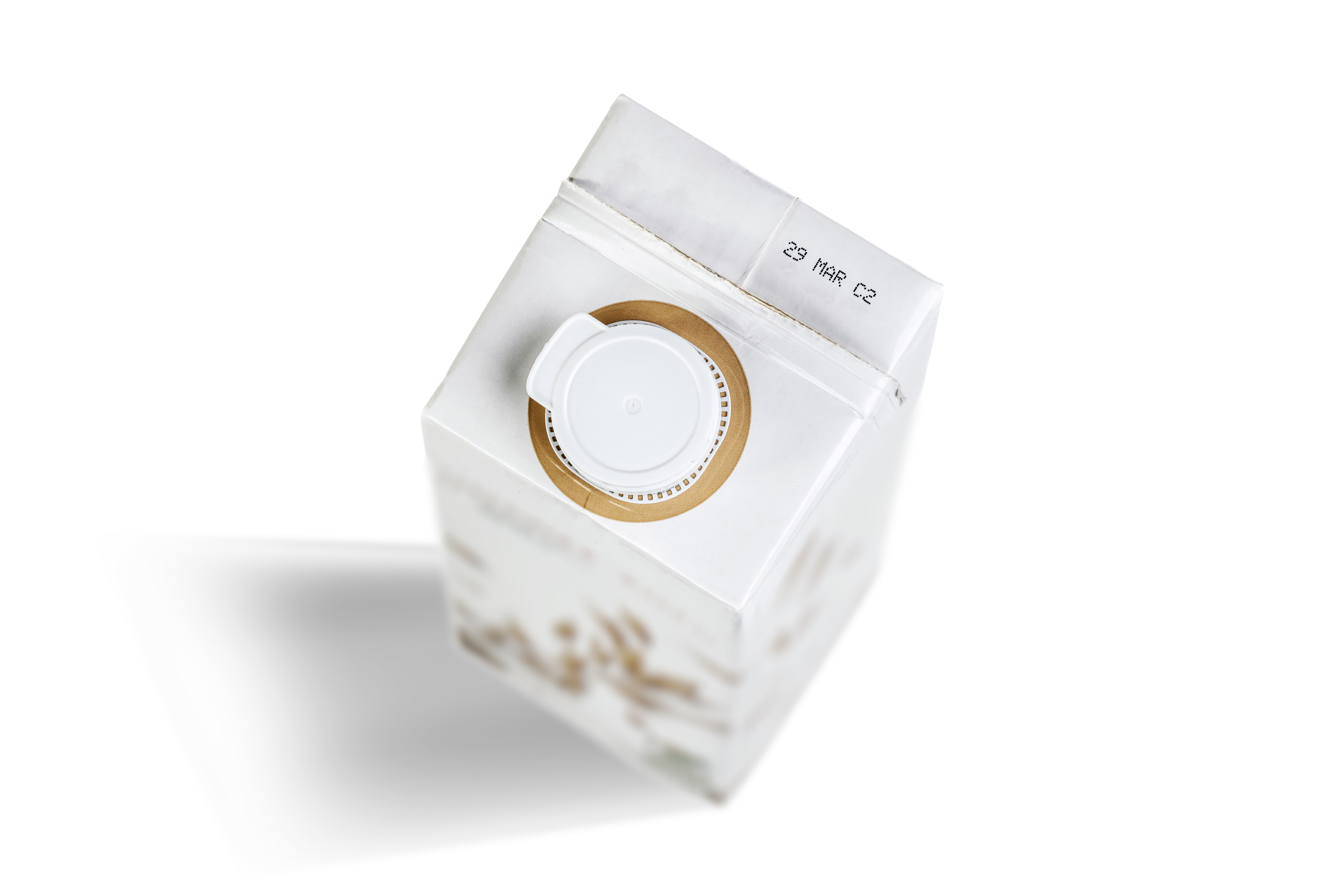
Durable codes for coated card cartons or sleeves
Code variable data directly onto a pre-applied label
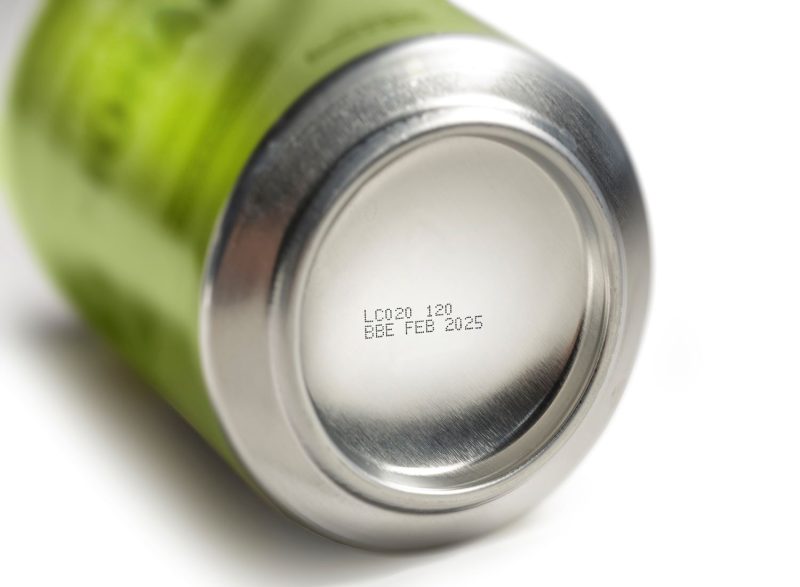
Solutions for marking aluminium drinks cans
Case Coding Solutions for Beverages
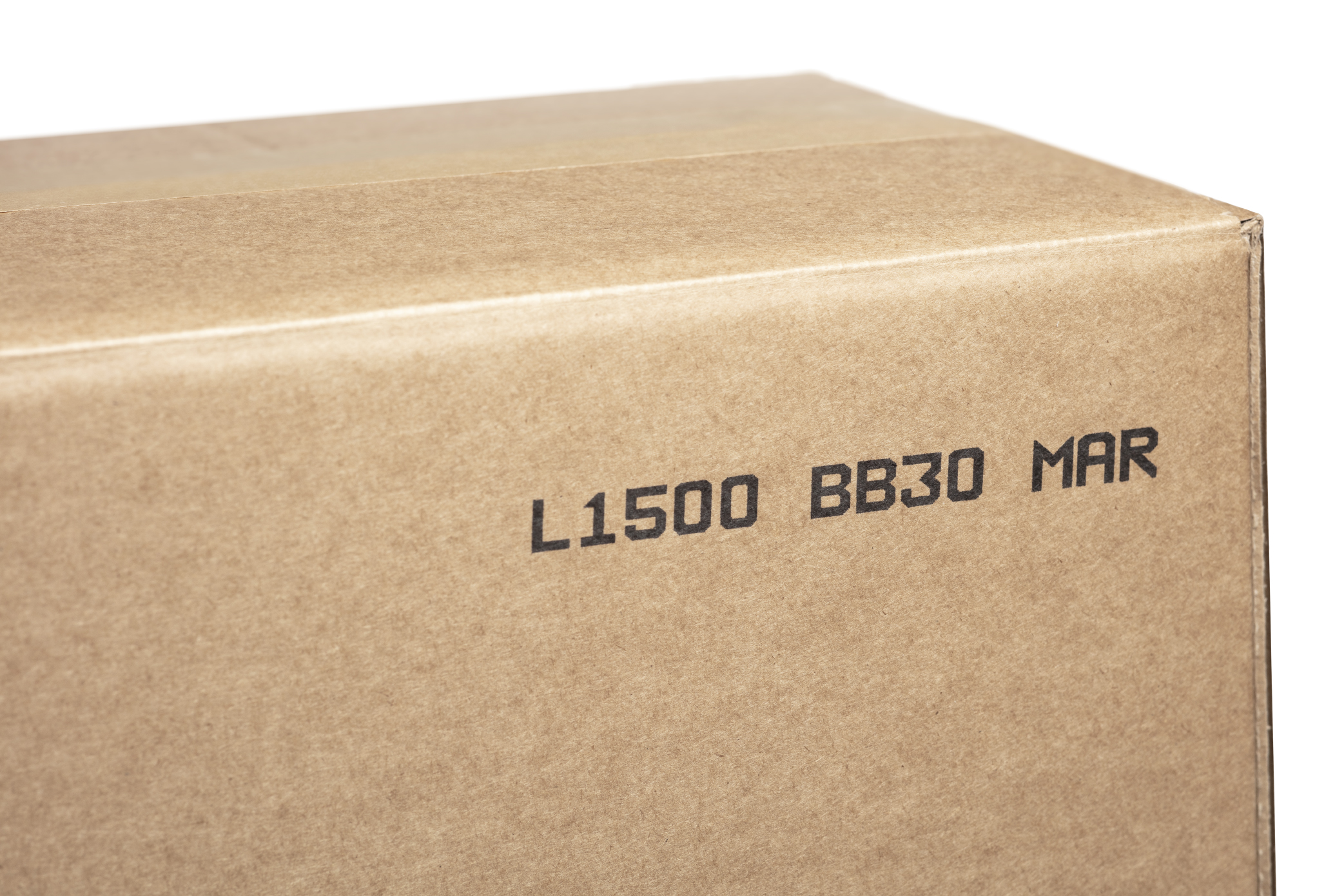
For secondary packaging, companies can save on labels, pre-printed boxes and storage costs by using a printer to apply barcodes, dates, graphics and logos directly onto card boxes. Case coders are particularly well-suited for printing variable information onto secondary packaging, such as cardboard boxes. These outer cases usually require text and graphics that are easy to see. Case coders can print to a high-resolution quality to promote premium or artisanal-style brands, and are versatile enough for use on a variety of porous surfaces and materials.
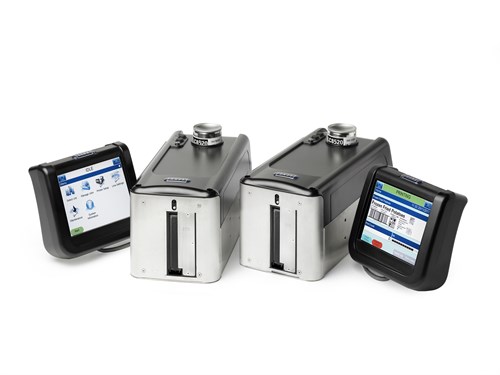
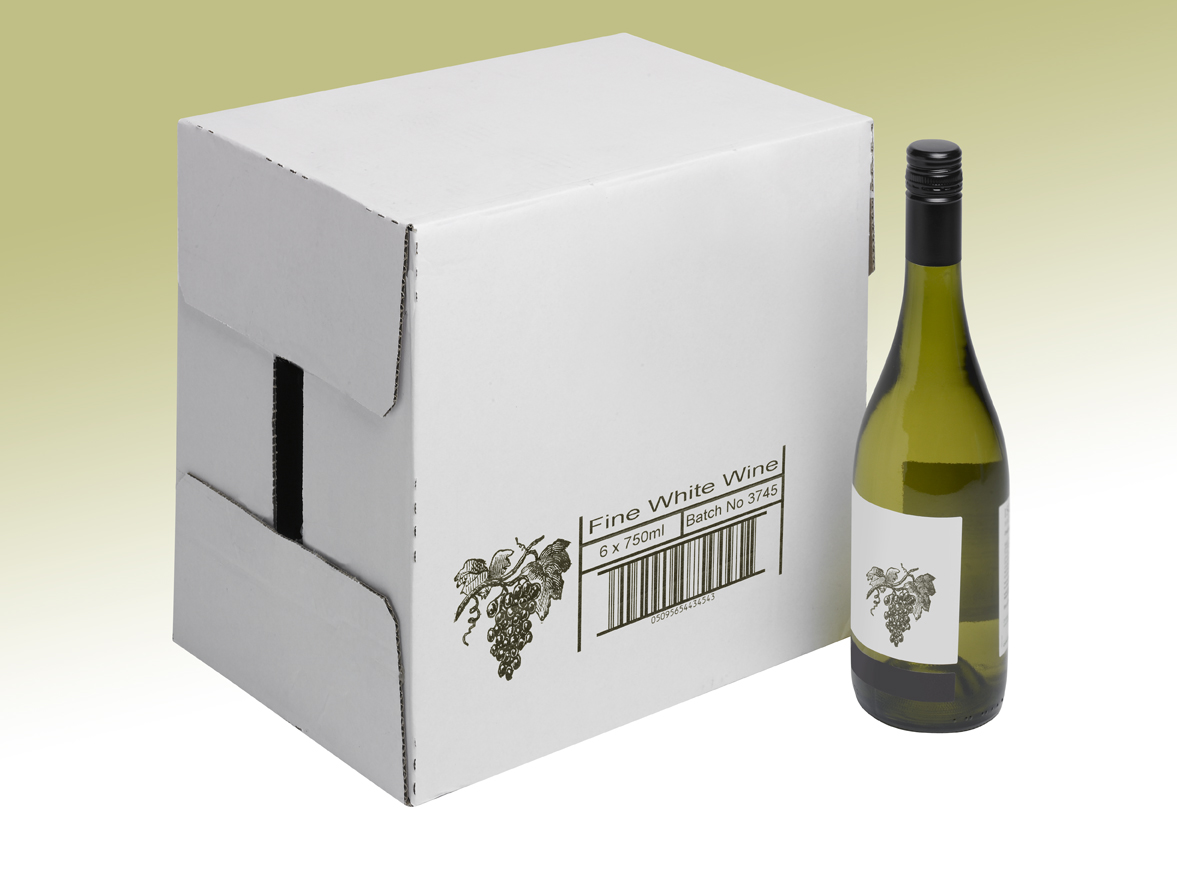
Linx IJ355 & IJ375
Features
Data Matrix and QR codes |GS1 compliant 2D codes | Print area up to 70mm high | Black and red inks
Key Benefits:
- Reduce operating costs – alternative to labels and pre-printed boxes.
- High definition printing of graphics and barcodes
- Ideal for porous substrates such as paper, card, wood
Multi-functional printers, like the Linx 9000 Series, are able to print both primary and simple secondary codes so operators only have to learn one interface and store one ink type. This means production can run more quickly.
FAQ
Beverage products typically require variable information such as best-before dates, batch or lot numbers, barcodes, and sometimes QR or 2D codes. These codes support traceability, compliance with food safety regulations, and consumer information.
Linx coding solutions can mark a wide range of packaging, including: Glass and plastic bottles, Aluminium cans, Labels and shrink sleeves, Flexible films and pouches, Bottle caps and lids, Cardboard cartons, trays, and outer cases, Kegs
Beverage production environments are demanding because products are often: Moving at high speed, Wet or exposed to condensation, Made from different materials (glass, plastic, metal, film, cardboard). These conditions make it harder to achieve clear, consistent, and durable codes.
Specialised inks and non-contact printing technologies can print onto wet or cold surfaces. Fast-drying or condensation-resistant inks help ensure codes remain legible, even on chilled or recently filled containers.
Codes must withstand handling, moisture, and temperature changes. Using high-quality inks or permanent marking technologies helps ensure that codes remain clear from production through to retail.
The best technology depends on the packaging and requirements:
Continuous inkjet (CIJ) – ideal for high-speed lines and multiple materials
Laser coding – provides permanent, high-quality marks with no consumables
Yes. Linx printers are designed to operate at high production speeds, helping manufacturers maintain throughput while printing accurate, consistent codes.
Reliable printers with features such as sealed printheads, easy maintenance, and long service intervals help reduce cleaning and intervention, keeping production running smoothly.
Yes. Beverage manufacturers often code both primary packaging (bottles, cans, labels) and secondary packaging (cartons, trays, outer cases). This ensures full traceability from production to distribution.