Beverage Coding and Marking Printers for Bottles, Cans, Caps and Cartons
Reliable beverage coding helps drinks manufacturers protect traceability, meet labelling requirements and keep production moving at speed. Linx beverage coding and marking printers are designed to print clear, durable codes on PET bottles, glass bottles, aluminium cans, bottle caps, cartons, labels, sleeves and outer cases.
Whether you need to print best-before dates, batch or lot codes, manufacturing dates, QR codes, Data Matrix codes, logos or anti-counterfeit marks, Linx can help you choose the right coding technology for your line, substrate and production environment.
From cold-fill bottles with condensation to high-speed canning lines and premium glass packaging, our CIJ, laser and large-character marking solutions help you achieve consistent, legible codes with minimal disruption.

Send us your substrate, code type and line speed. A Linx specialist will help recommend the right solution.
Wet bottle coding
Inks for condensation-prone beverage lines.
High-speed production
Solutions for fast-moving bottles, cans and cartons.
Flexible technologies
CIJ, laser and case coding printer options.

Expert support
Get samples, advice and UK service support
Beverage coding solutions for demanding drinks production lines
Beverage production environments can be difficult for coding equipment. Products may be cold, wet, curved, dark, fast-moving or exposed to regular washdown. Codes still need to be readable, durable and positioned accurately, even when production speeds increase or SKUs change frequently.
Linx beverage coding printers support a wide range of drinks applications, including:
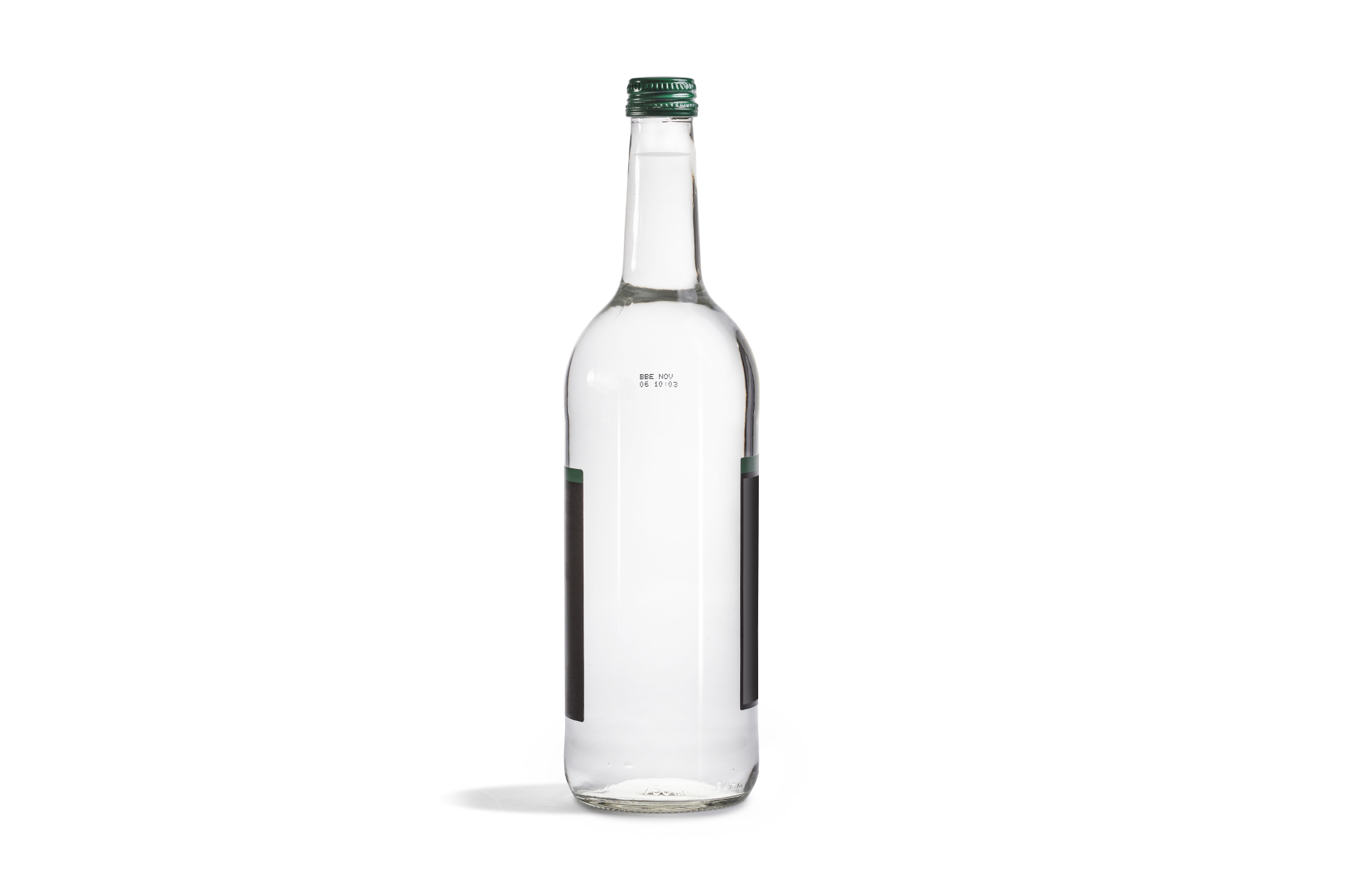
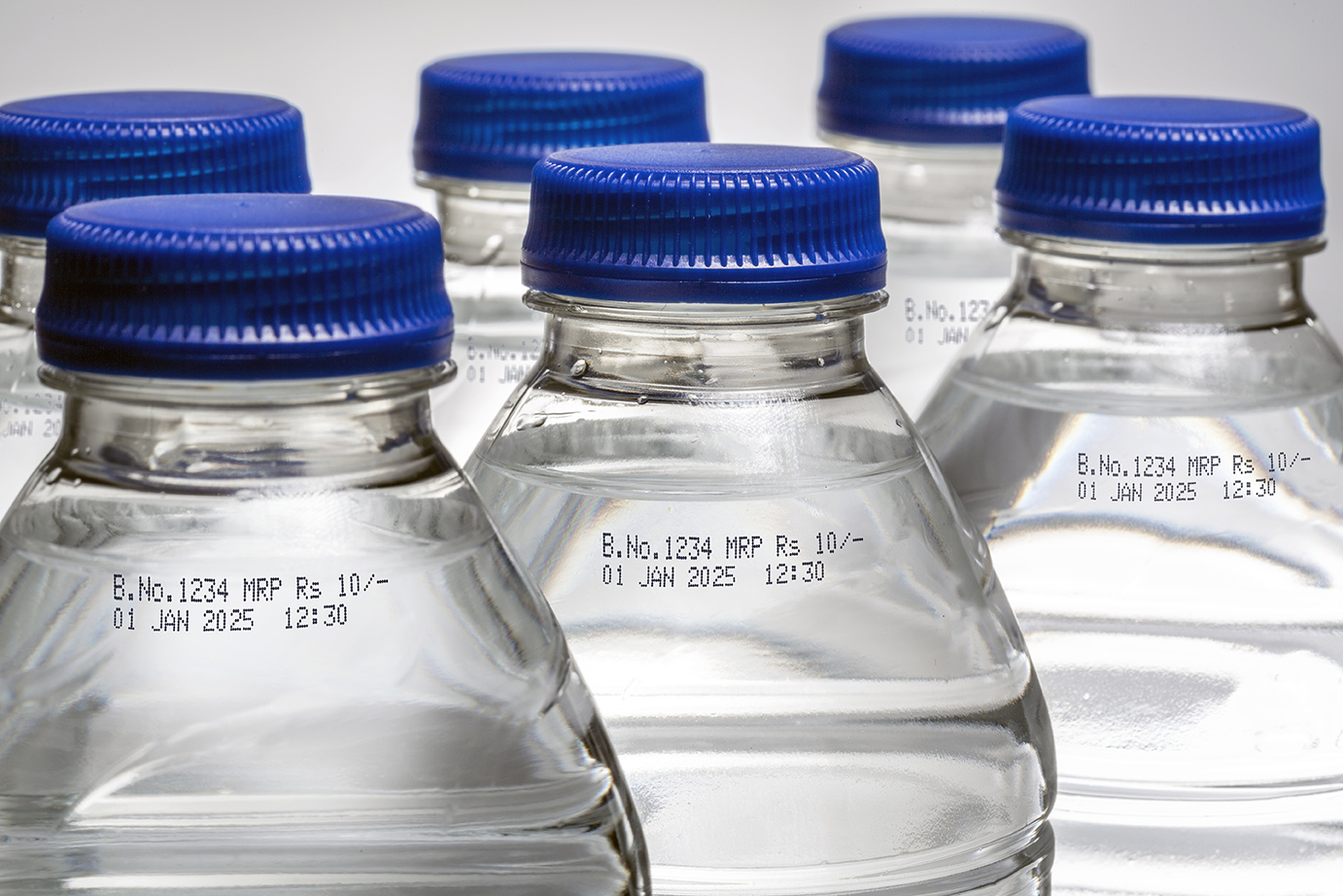
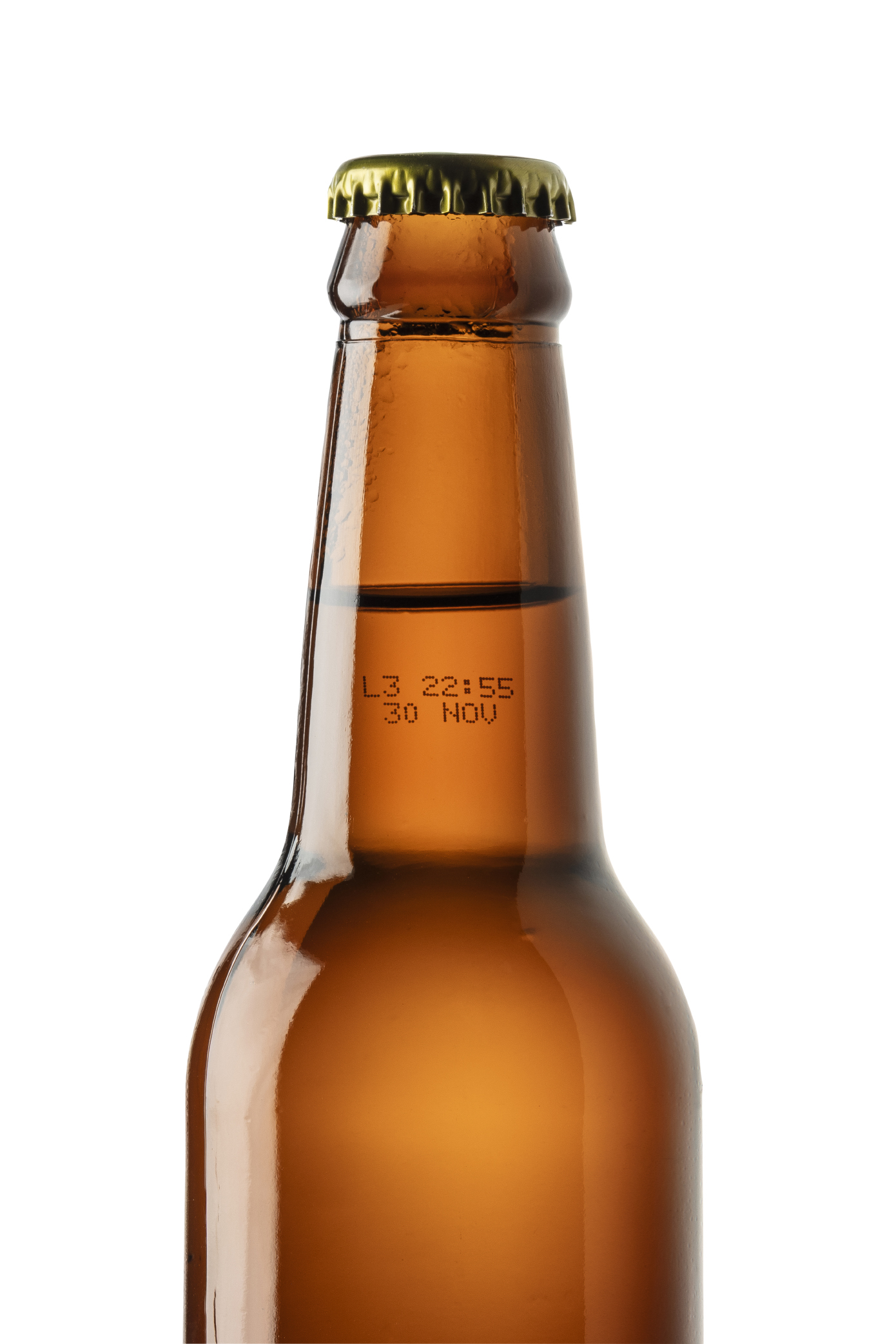
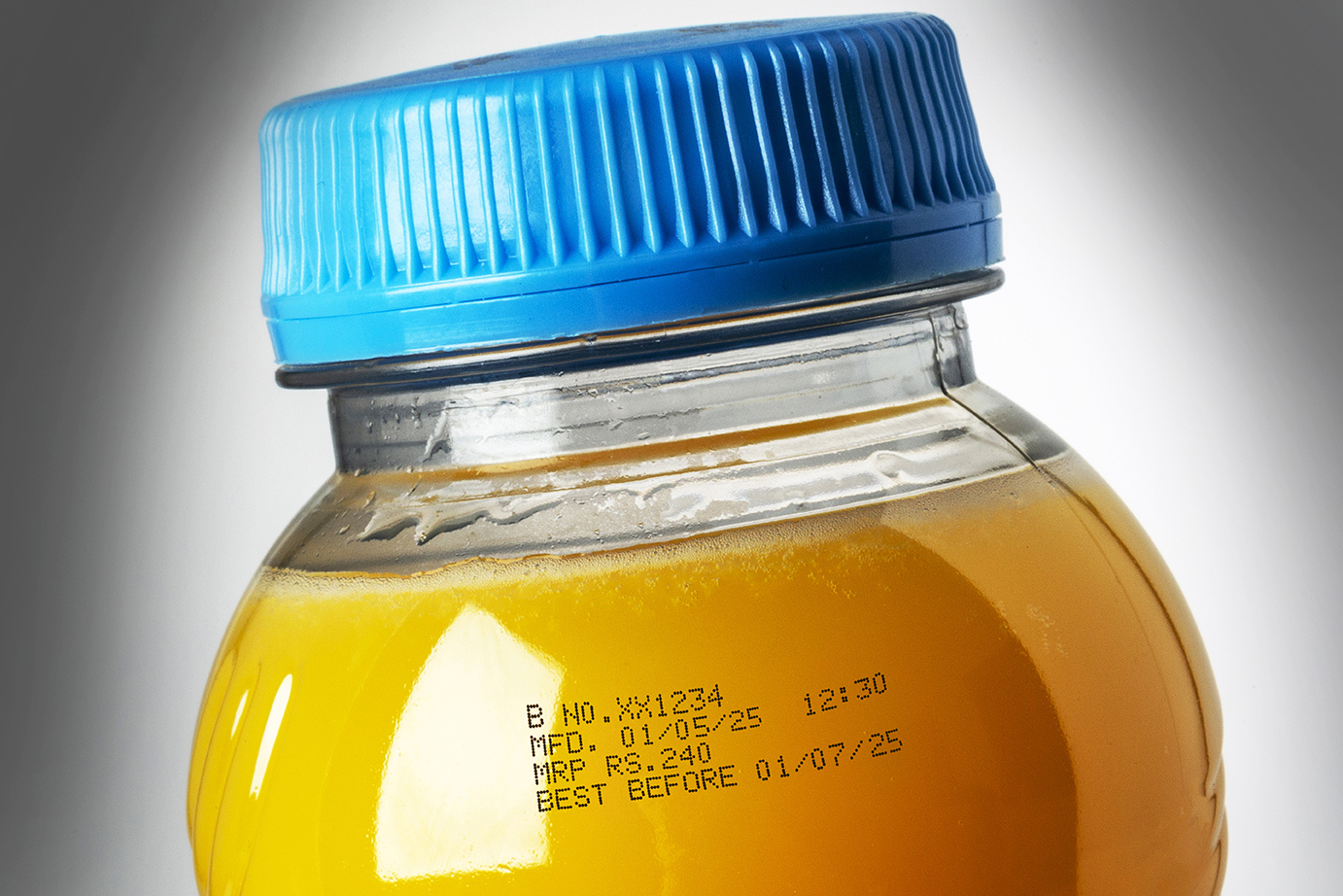
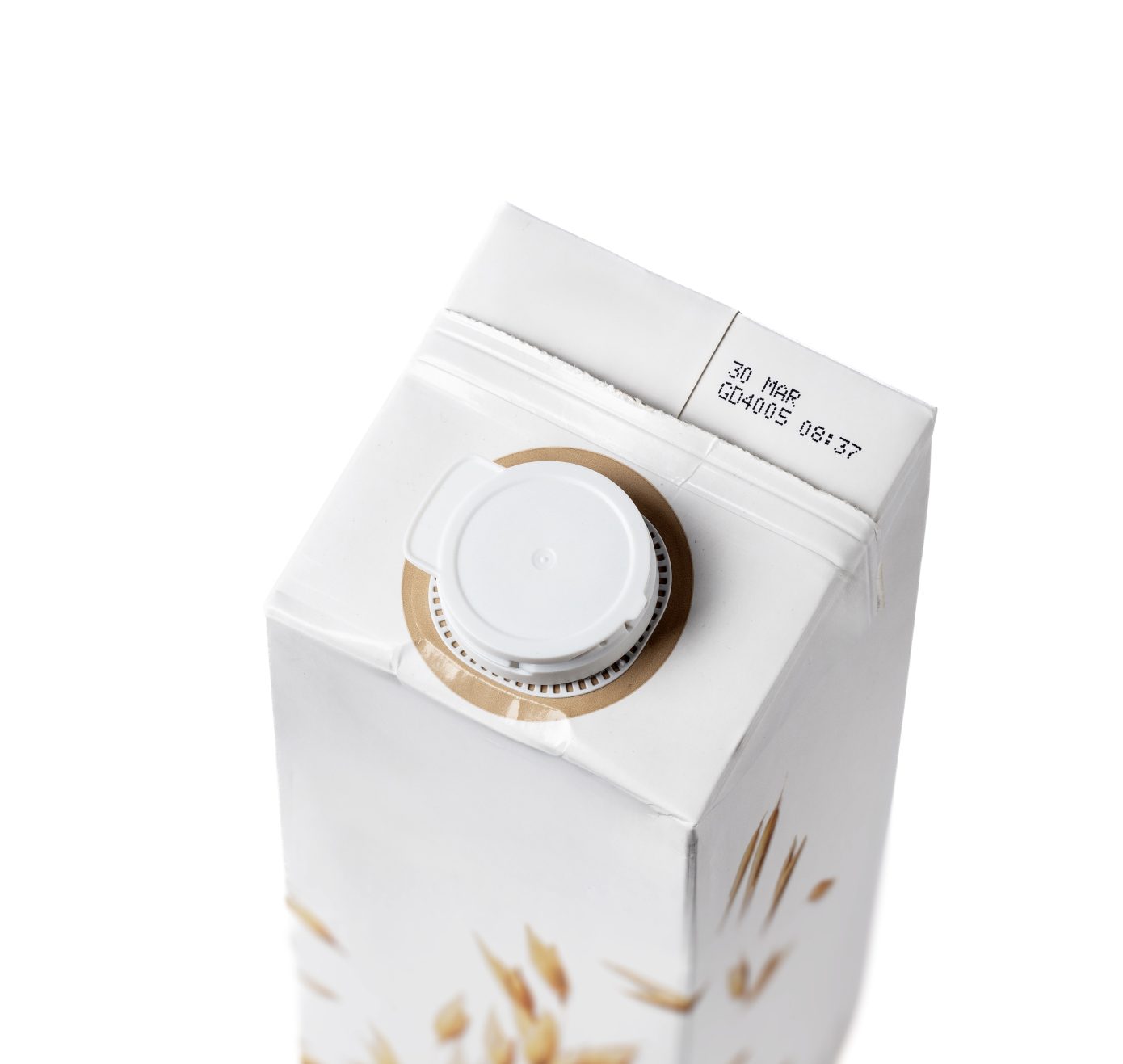


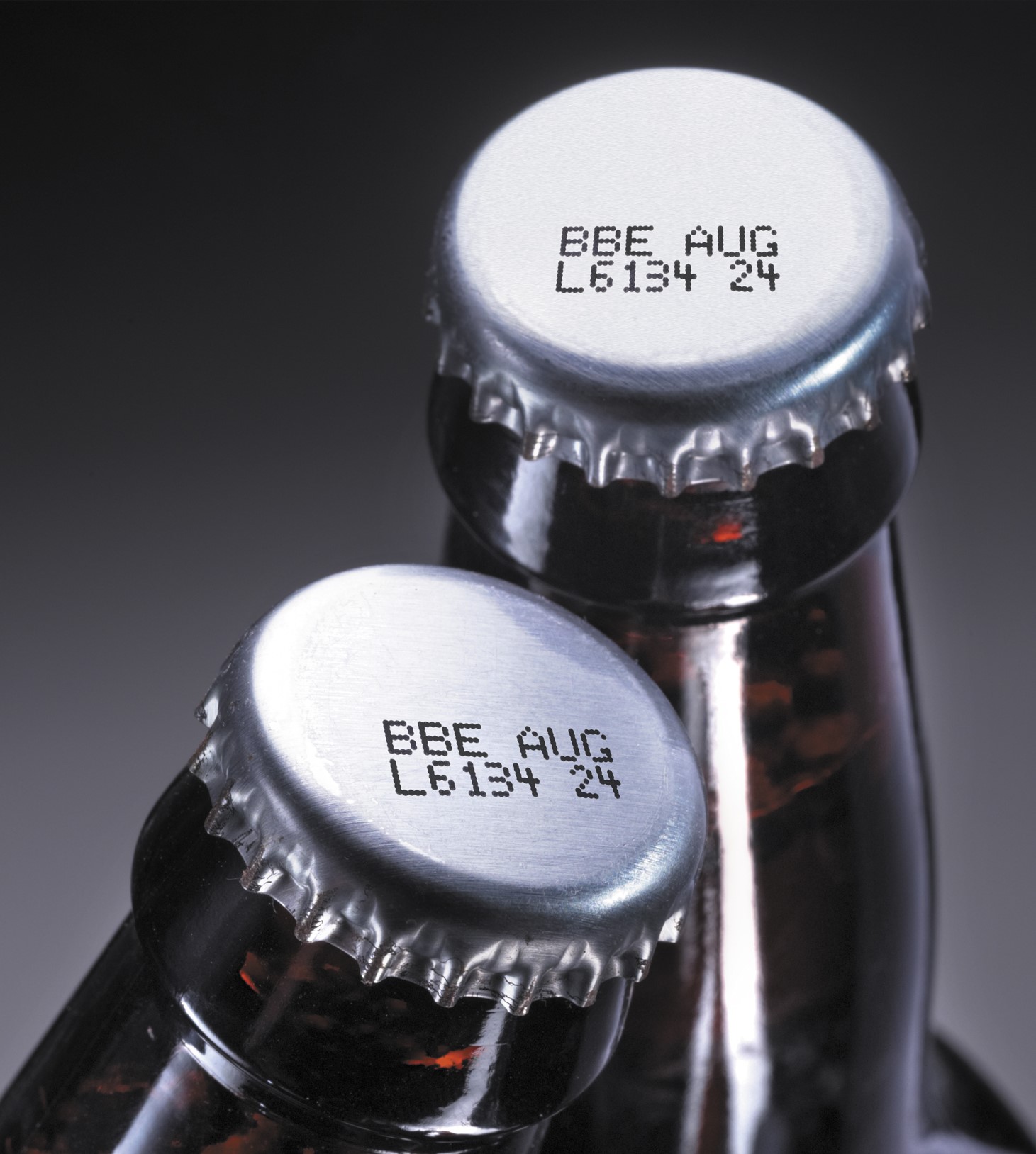
- Glass and plastic bottles
- Aluminium cans
- Bottle caps and closures
- Cartons and multipacks
- Labels and sleeves
- Outer cases and trays
- Alcoholic and non-alcoholic beverages
- Bottled water, soft drinks, juices, beer, wine, spirits and ready-to-drink products
Our coding specialists can help you identify the right printer, ink, laser system or case-coding solution based on your product, code type, line speed and operating environment.
Which beverage coding printer do you need?
Use this guide as a starting point. For the most accurate recommendation, send us your product sample, substrate, code type and line speed.
| Beverage application | Common coding challenge | Recommended Linx solution type | Best suited for |
|---|---|---|---|
| PET bottles | Condensation, curved surfaces and fast lines | CIJ printer with suitable ink | Best-before dates, batch codes and variable data |
| Glass bottles | Premium packaging, dark glass and washable surfaces | CIJ printer or CO₂ laser coder | High-contrast codes, permanent marks and anti-counterfeit coding |
| Aluminium cans | Curved metal surfaces and high-speed production | CIJ printer, fibre laser or CO₂ laser depending on application | Date codes, batch codes and permanent coding |
| Bottle caps and closures | Small print area and curved surface | Small-character CIJ printer | Batch codes, date codes and traceability marks |
| Cartons and multipacks | Larger codes, barcodes and logistics information | Large-character marking printer or TIJ solution | Secondary packaging and outer pack identification |
| Outer cases and trays | Larger print areas and supply-chain traceability | Linx IJ355 or IJ375 large-character marking printer | Case coding, barcodes and warehouse-readable codes |
| QR and Data Matrix codes | Need for scannable 2D codes and traceability | CIJ, laser or case-coding solution depending on substrate | Product traceability, consumer engagement and GS1-readiness |
Print best-before dates, batch codes and traceability marks with confidence
Accurate product identification is essential once drinks leave your production site. A clear code helps support traceability, stock rotation, recall management and brand protection.
Linx beverage coding solutions can be used to print:

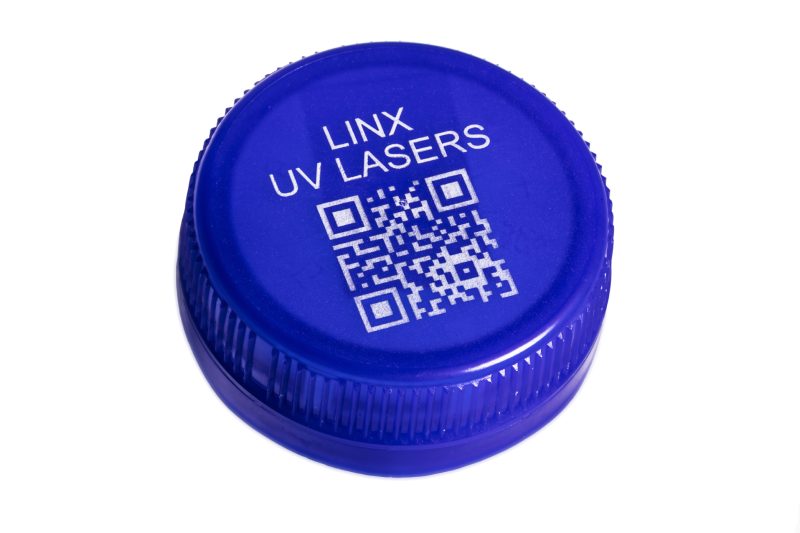
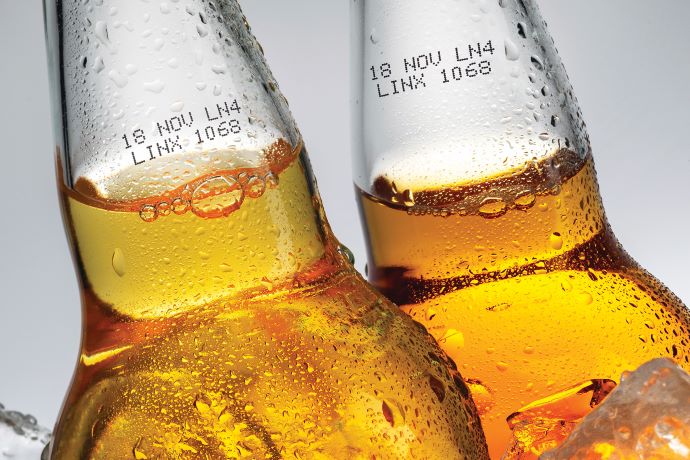
- Best-before dates
- Use-by dates where required
- Batch and lot codes
- Manufacturing dates
- Line identification codes
- Product and SKU codes
- QR codes and Data Matrix codes
- Anti-counterfeit and brand protection marks
- Logos and promotional codes
- Outer case and logistics codes
For beverage manufacturers, code quality matters because packaging is often handled through filling, packing, storage, transport, retail and consumer use. Linx printers are built to deliver consistent codes across a wide range of beverage packaging materials.
Coding onto wet, cold or condensed bottles
Cold-fill and chilled beverage lines can create condensation on bottles, especially when products or empty bottles are moved between different temperatures. This can make coding difficult if the ink is not suitable for the surface condition.
Linx continuous inkjet printers can be used with inks designed for challenging beverage environments, including wet-bottle applications. These inks help codes adhere to glass and plastic bottles where condensation may be present, while still supporting clear, readable date and batch coding.
This makes Linx CIJ technology suitable for beverage manufacturers coding onto:
- Cold-fill PET bottles
- Glass bottles with condensation
- Bottles stored outside before filling
- Water, juice, soft drink and alcoholic beverage lines
- Multiple SKUs requiring frequent code changes
Beverage coding by packaging type
PET and Plastic Bottle

Linx bottle coding printers can print clear date, batch and traceability codes on glass and plastic bottles. They are suitable for bottled water, soft drinks, juices, beer, wine, spirits and other bottled beverages.
Bottle coding challenges often include curved surfaces, condensation, high-speed movement, dark materials and limited print areas. Linx CIJ and laser solutions help you achieve readable, durable codes without slowing down production.
Can coding
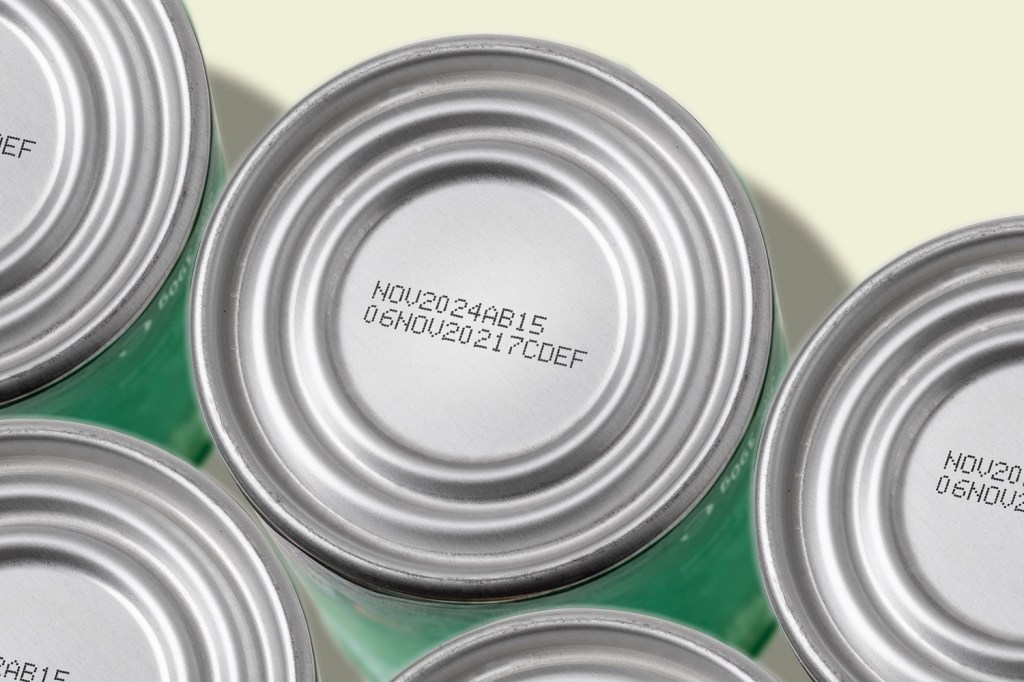
Aluminium cans require accurate coding at high speed, often on curved or reflective surfaces. Linx can coding solutions help beverage manufacturers print best-before dates, batch codes, line codes and traceability marks on canned drinks.
Depending on your production setup, CIJ or laser coding may be suitable for can coding. Our specialists can advise on code location, contrast, permanence and integration with your filling or packing line.
Glass bottle coding
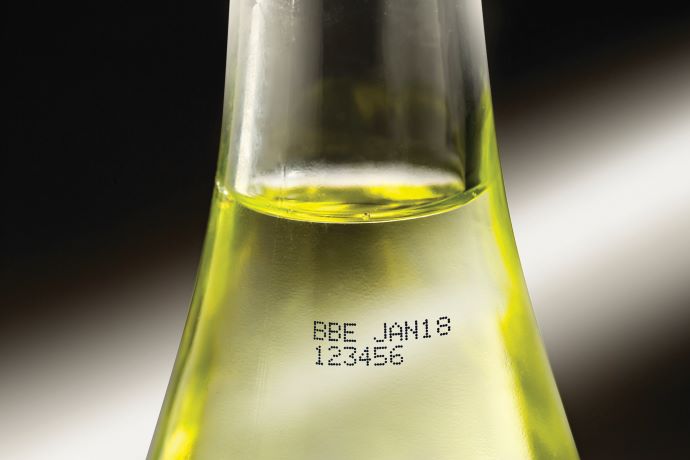
Glass bottles are widely used for premium beverages, beer, wine, spirits, soft drinks and water. Linx coding solutions can support both visible and discreet coding on glass, including high-contrast inks, removable or permanent marks and laser coding where suitable.
For returnable bottles, dark glass or premium packaging, the coding method should be chosen carefully to balance readability, durability and appearance.
Bottle cap and closure coding
Bottle caps and closures often have small, curved or limited print areas. Linx CIJ printers can be used to print small-character codes on caps and closures for traceability, production control or anti-counterfeit purposes.
Carton, multipack and outer case coding
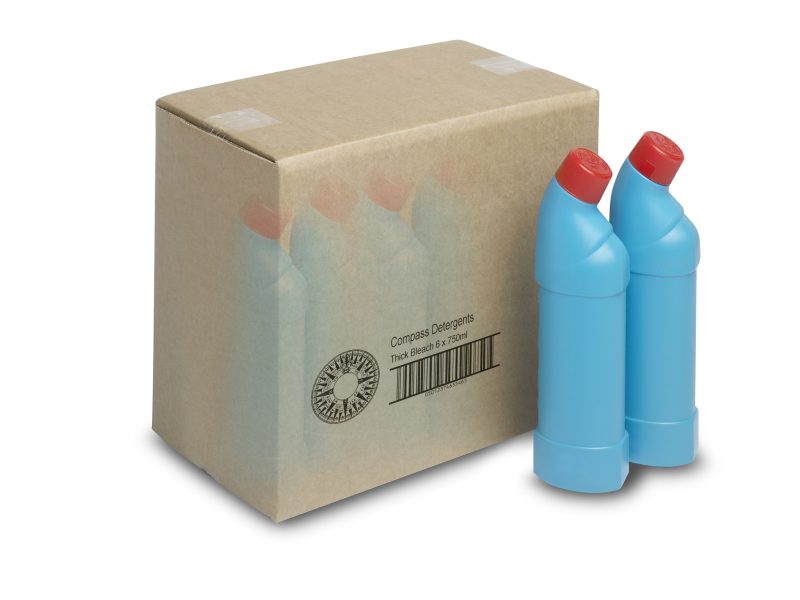
Secondary packaging needs clear, readable codes for logistics, stock management and supply-chain traceability. Linx large-character marking printers can be used to print onto cartons, trays, cases and other outer packaging.
Support for QR codes, Data Matrix codes and GS1-ready beverage packaging
Beverage manufacturers are increasingly exploring 2D codes for traceability, consumer engagement and connected packaging. QR codes and Data Matrix codes can carry or connect to richer product information than traditional printed text alone.
Linx coding solutions can support a range of 2D coding requirements depending on your packaging material, code size, line speed and scanning needs.
2D beverage codes can be used for:
- Batch and lot traceability
- Product authentication
- Promotional campaigns
- Consumer engagement
- Digital product information
- Supply-chain visibility
- GS1 Digital Link and future-ready packaging projects
As retail and supply chains move toward wider use of 2D codes, choosing the right coding technology now can help prepare your beverage packaging for future traceability and data requirements.
Recommended Linx technologies for beverage manufacturers
Choose from continuous inkjet, laser and large-character coding solutions for bottles, cans, caps, labels, cartons and outer cases.
The right technology depends on the packaging material, line speed, code requirements, condensation, available print area and whether you need a removable or permanent code.
A Linx specialist can test your packaging and recommend the most suitable printer, ink and integration approach.
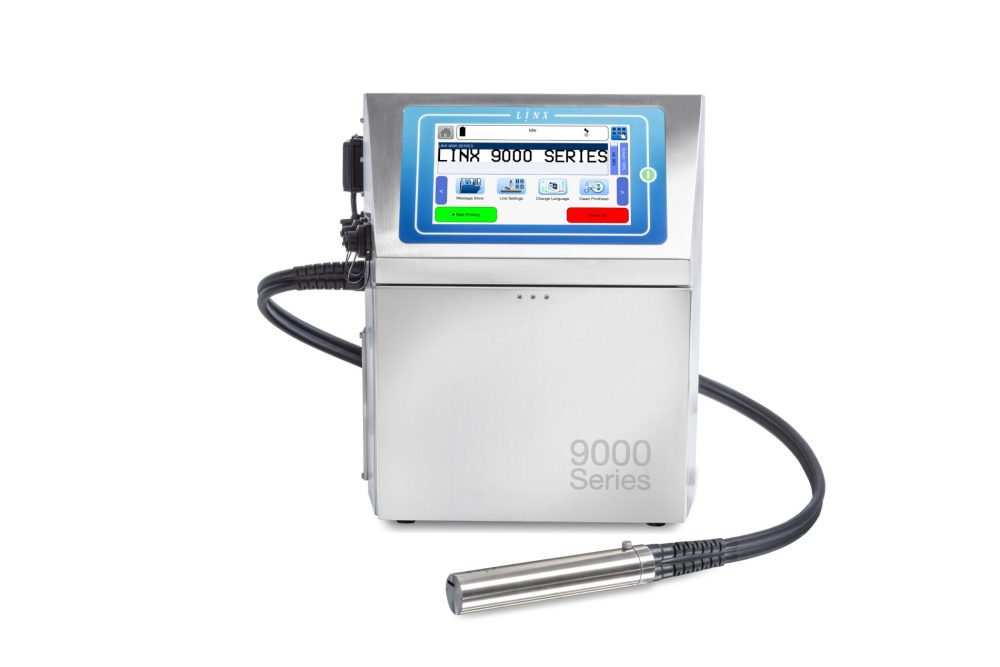
CIJ Printers
A flexible option for printing variable date, batch and traceability codes on bottles, cans, caps, labels and other beverage packaging. CIJ is well suited to high-speed lines, frequent product changeovers and wet-bottle applications when used with suitable inks.
Best for: Flexible coding across multiple beverage packaging types.
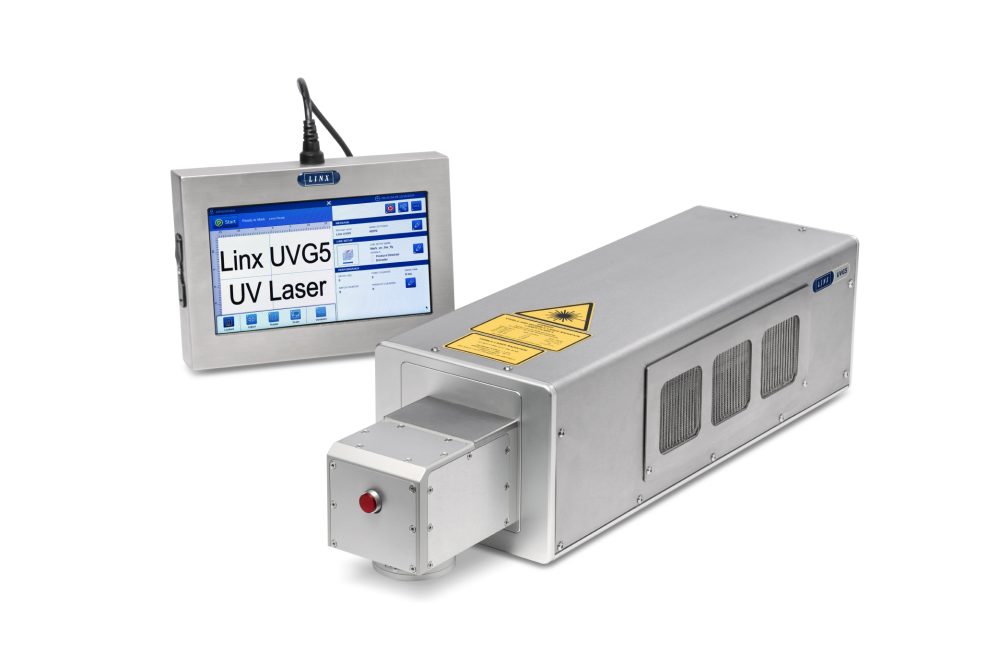
Laser Coders
A permanent coding option for beverage manufacturers that need high-quality marks without ink or solvent consumables. Laser coders are suitable for selected glass, plastic, carton and metal applications depending on the material and code requirement.
Best for: Permanent codes, anti-counterfeit marks, logos and high-speed applications.
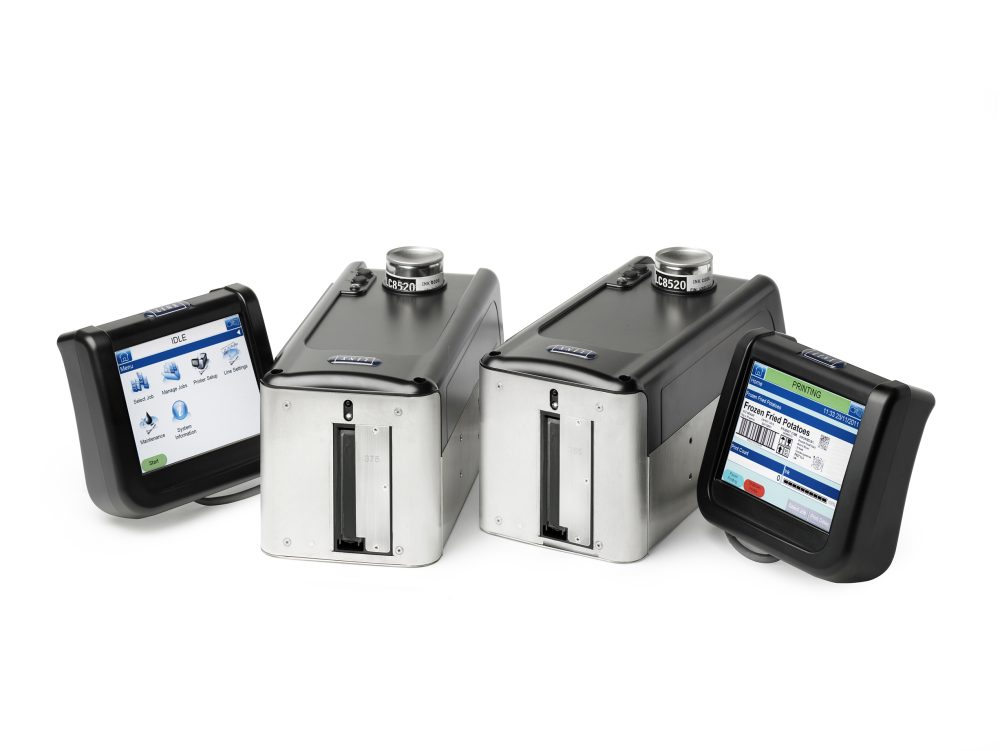
Large-character marking printers
A strong choice for cartons, trays, cases and other secondary packaging. Large-character marking helps improve readability for logistics, warehousing and supply-chain traceability.
Best for: Outer cases, cartons, trays and distribution packaging.
Contact Us
Why not get in touch with one of our sales reps to talk about how Linx can support your coding and marking needs?
Resources – Case Study
Salcombe Brewery: Smarter Can and Outer-Case Coding
Salcombe Brewery uses a Linx CIJ printer to apply reliable date codes to aluminium cans and a Linx Large Character Marking printer to print product information directly onto generic outer boxes. The solution has reduced manual labelling and packaging inventory while delivering a professional finish across its canning and bottling lines.

Salcombe Brewery Case Study
Decantae Mineral Water: Reliable Coding Through Condensation
Two Linx CIJ printers apply batch and best-before codes to glass and PET bottles at up to 11,000 bottles per hour. Specialist bottling ink prints through condensation while helping maintain clear, fast-drying codes.
Decantae Mineral Water Case Study
Bruichladdich Distillery: Permanent Coding for Premium Bottles
Bruichladdich Distillery uses two Linx CSL30 laser coders to apply unique bottle numbers, production dates and times to its glass gin and whisky bottles. The systems deliver clear, permanent codes that complement its premium packaging, while low maintenance helps reduce production downtime.
Bruichladdich Case Study
Resources – Whitepaper, Blogs and More

Coding & Marking Solutions for Alcoholic Beverages
Alcoholic Beverage Coding Mistakes – Blog
Coding in Wet Beverage Environments- Blog
The Benefits of CIJ Printing in the Beverage- Blog
Why Fibre Laser Is Ideal for Beverage Can Coding? – Blog
Top Ten Tips for choosing the right coder
Linx Inks Brochure for beverage coding
Beverage Infographic
FAQ- beverage coding and marking printers
For many beverage production lines, a continuous inkjet printer is the most flexible option for date coding because it can print variable information on bottles, cans, caps, labels and other packaging formats. Laser coding may be better when you need a permanent mark or want to reduce ink and solvent consumables. The best choice depends on your substrate, line speed, code size and production environment.
Yes. Linx CIJ printers can be used with inks designed for wet-bottle and condensation-prone applications. These are suitable for many cold-fill beverage lines and for glass or plastic bottles that may be damp at the point of coding.
Yes. Linx CIJ and laser coding solutions can be used for glass bottle coding. The right option depends on whether you need a visible ink code, a discreet traceability mark, a removable code or a permanent laser mark.
CIJ and laser coding can both be suitable for aluminium cans depending on the application. CIJ is a flexible option for date and batch coding, while laser may be suitable where a permanent, high-quality mark is required. A Linx specialist can advise based on your can material, code location, line speed and contrast requirement.
Yes. QR codes and Data Matrix codes can be printed using suitable coding technology, depending on the packaging surface, code size, scanning requirement and production speed. Linx can help you assess whether CIJ, laser or case coding is the best fit for your 2D code project.
Yes. Linx beverage coding and marking solutions are suitable for a wide range of drinks manufacturers, including breweries, distilleries, bottled water producers, soft drink manufacturers, juice producers and ready-to-drink beverage brands.
Test Your Code on Your Beverage Packaging
See how your date, batch, barcode or 2D code could look and perform on your own bottles, cans, labels or outer packaging. Send us your packaging material, code requirements and line details. A Linx specialist will assess the application and arrange a free, no-obligation print sample.