

Paper and Card
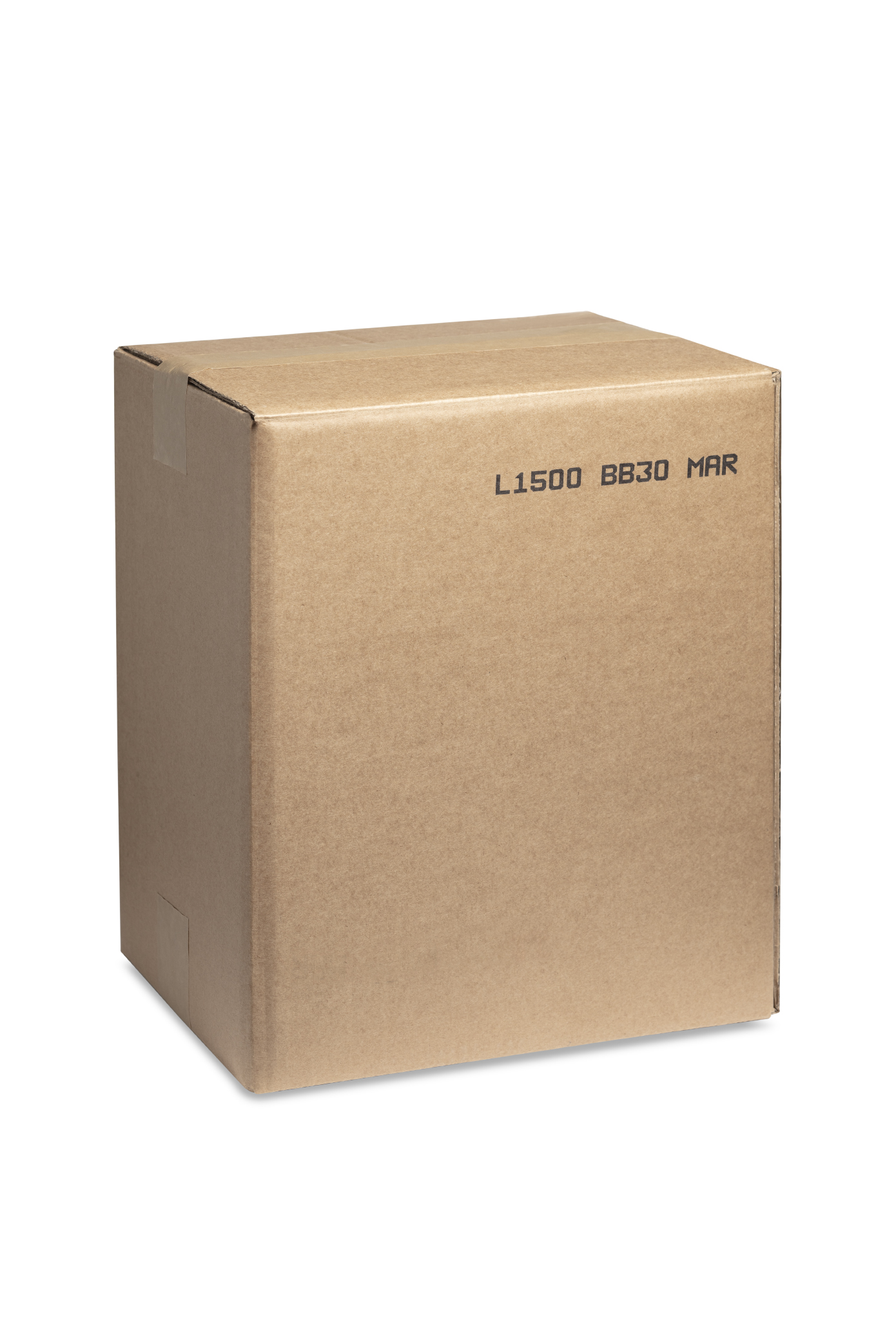
Paper and card products are very commonly used for packaging in many industries, particularly food, personal care and construction. Cardboard boxes are also used as secondary packaging in almost every industry. Paper or paperboard boxes, bags and sleeves present fewer coding and marking challenges than most materials, making printing easier and allowing more freedom for appearance.
However, glossy or coated card has thin layer of mineral pigments held together by binders on top. This creates a smooth, glossy finish which makes the surface non-porous and ink adhesion more complex.
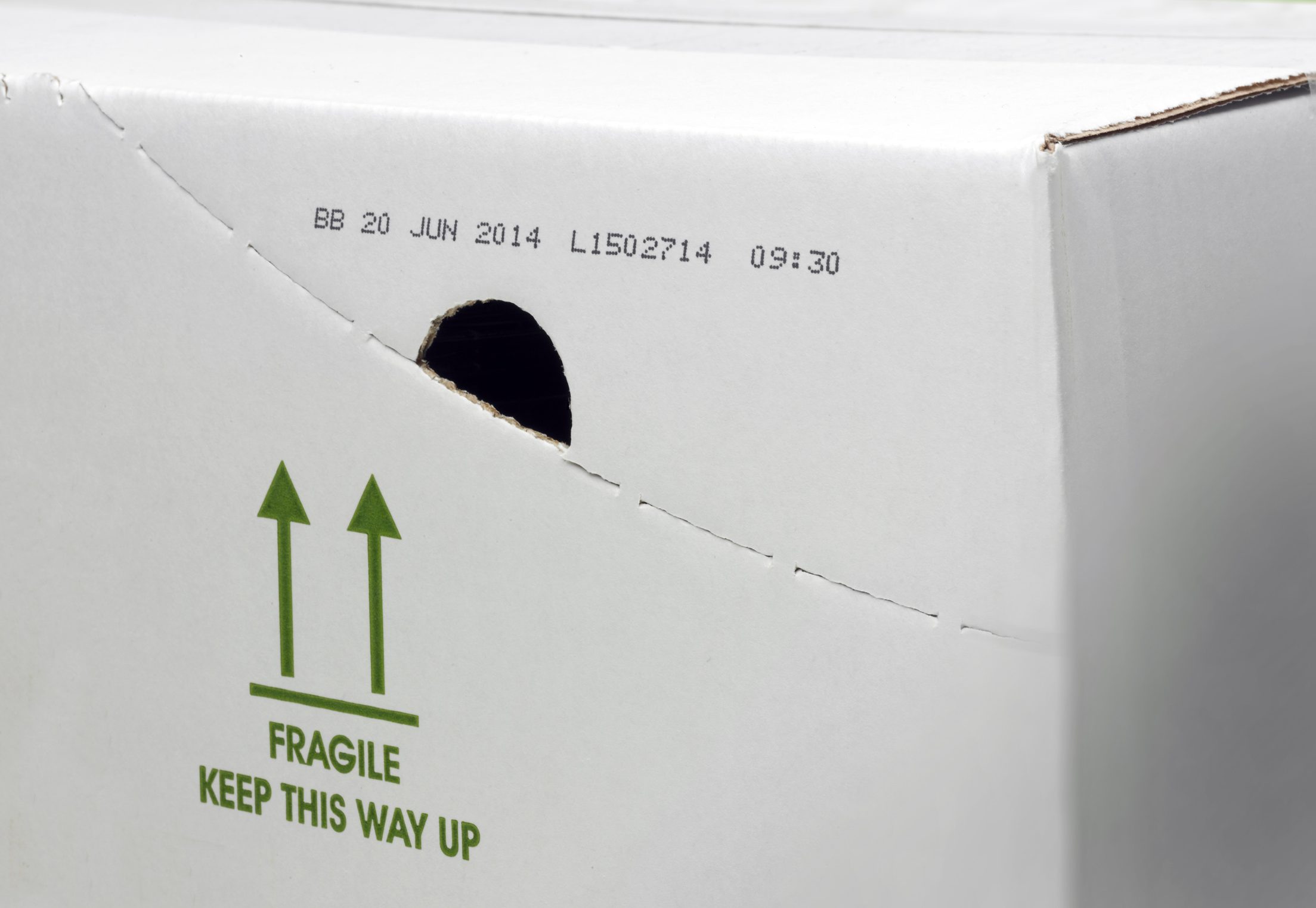
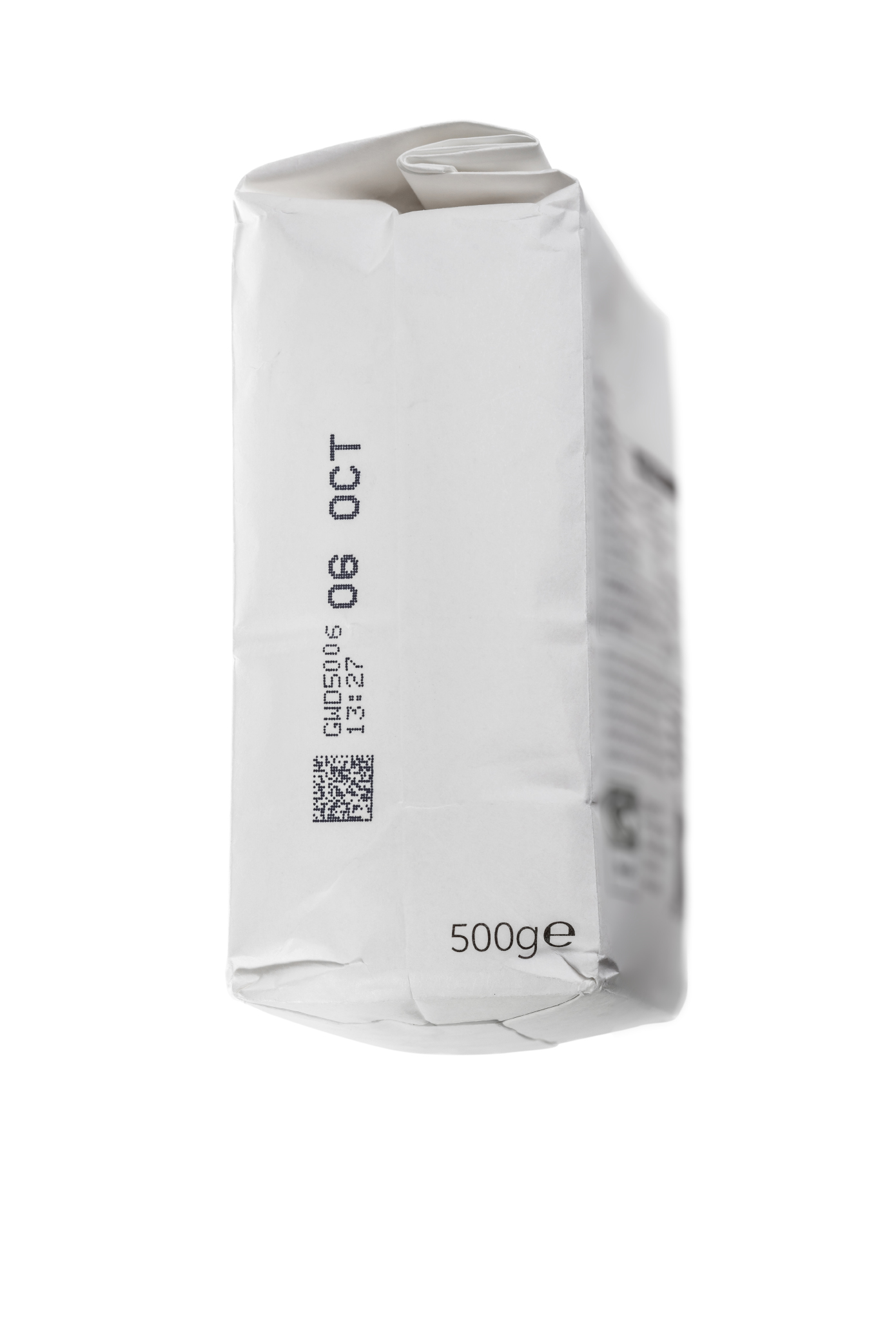
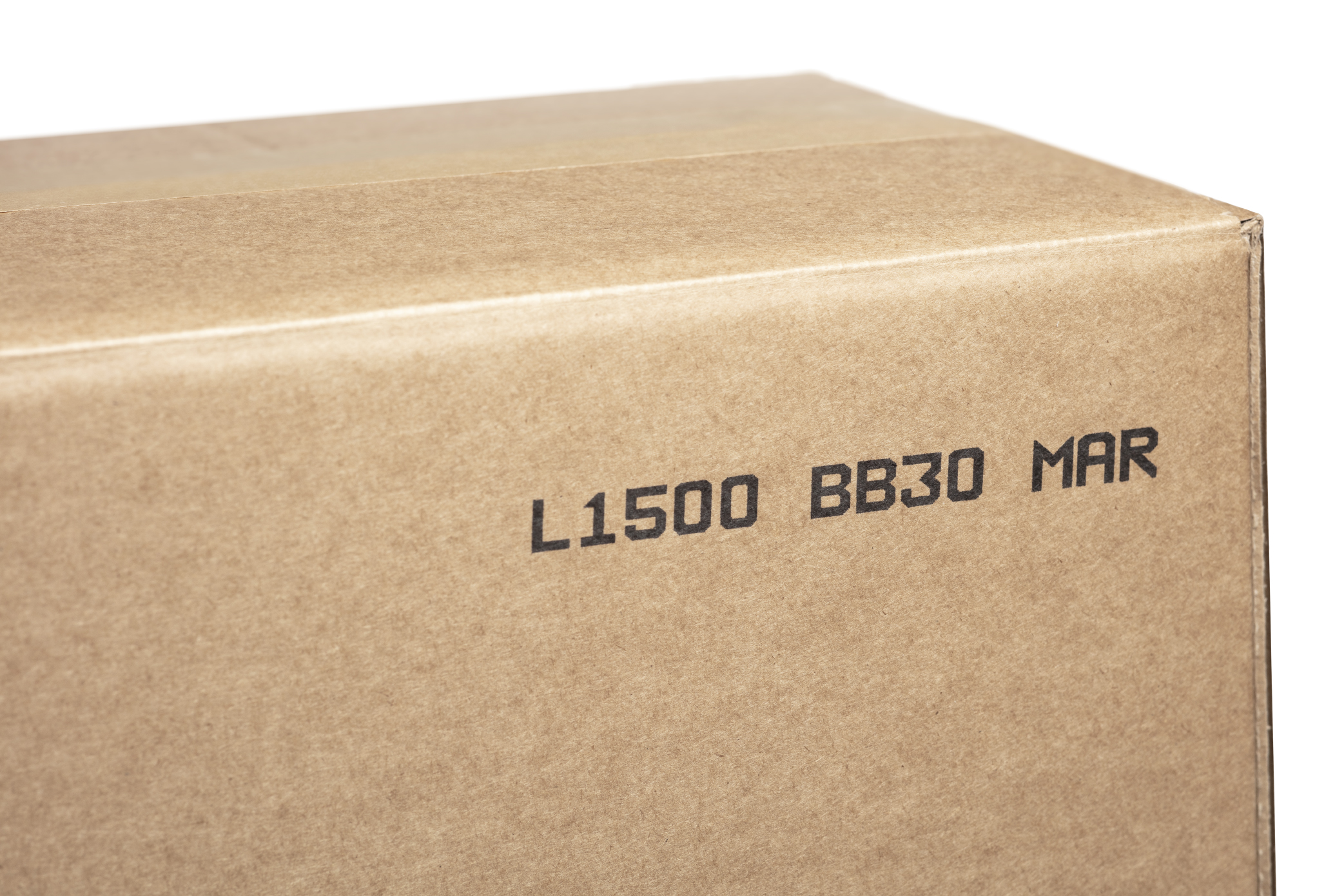
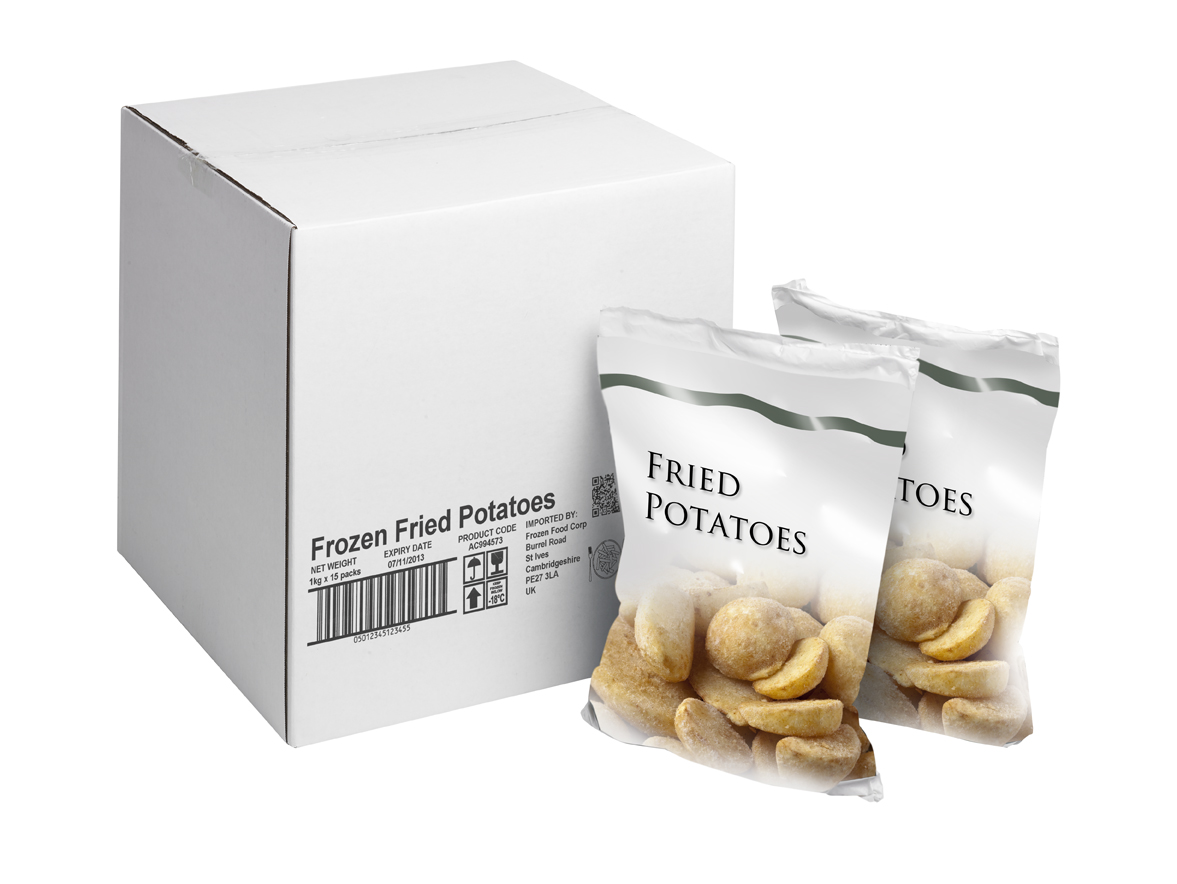
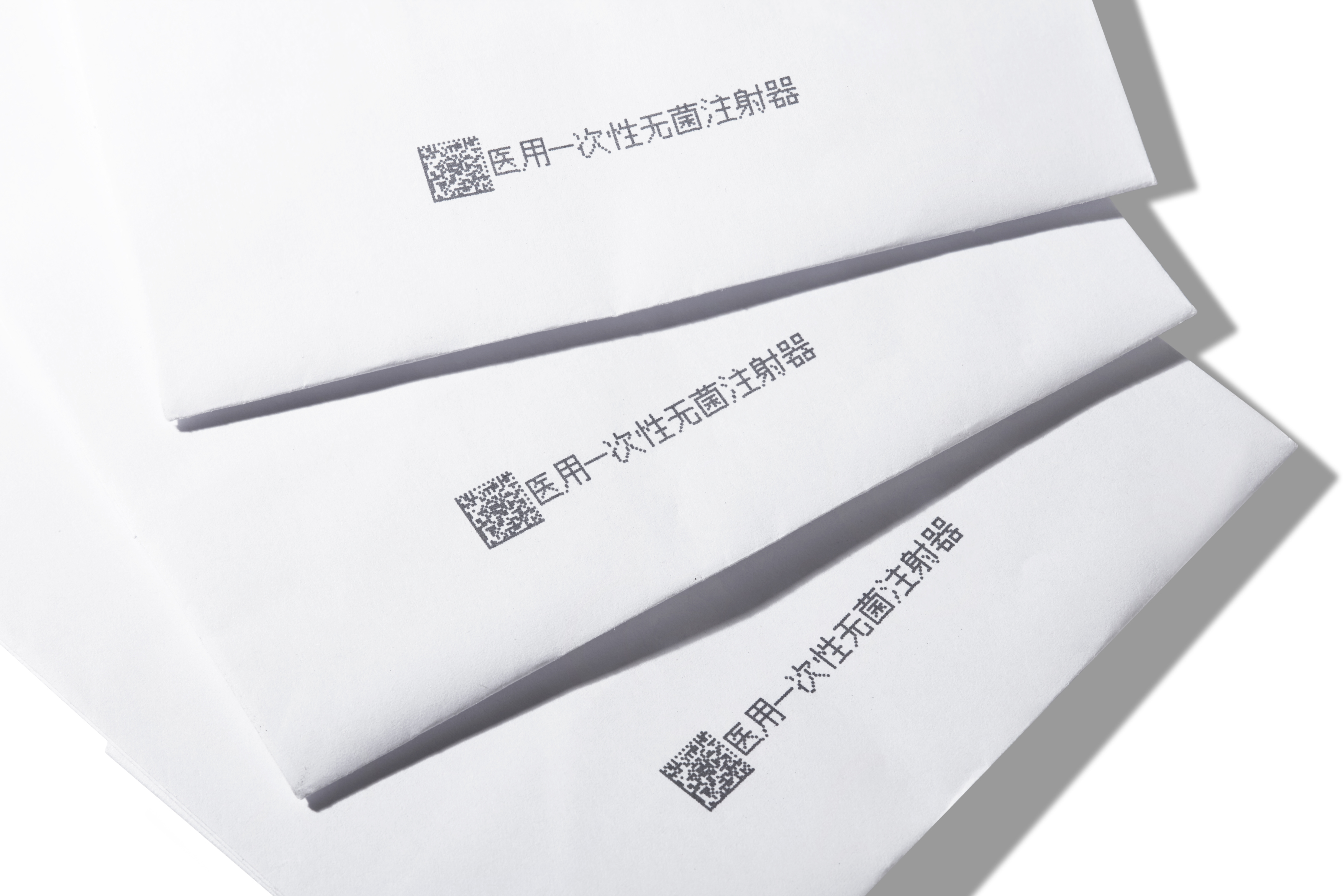
Challenges in Paper Product Marking
Paper and uncoated board are highly porous, so ink is absorbed into the fibres this leads to: Bleeding / feathering of characters, loss of edge definition, lower barcode accuracy
Uncoated card (especially brown corrugated) has: Low reflectivity and natural colour variation. This can lead to “Washed out” or dull codes, reduced contrast between ink and background and barcode scanning issues
Paper-based packaging is rarely uniform there can be variation in fibre mix (virgin vs recycled) causing differences in absorbency across the same surface and use of fillers, sizing, and contaminants and create uneven print quality.
Which Industrial Printers Can Mark Paper?
Paper and paperboard printers must be suitable for high volume product identification coding, and are designed to print directly onto the product in almost any orientation. They can mark variable information as well as printing barcodes, Data Matrix and QR codes onto cans to enable traceability, and convey quality and safety information to the consumer.
The most commonly used technology for coding onto paper products is continuous ink jet (CIJ), however laser coders can also be used in some applications and on product labels.
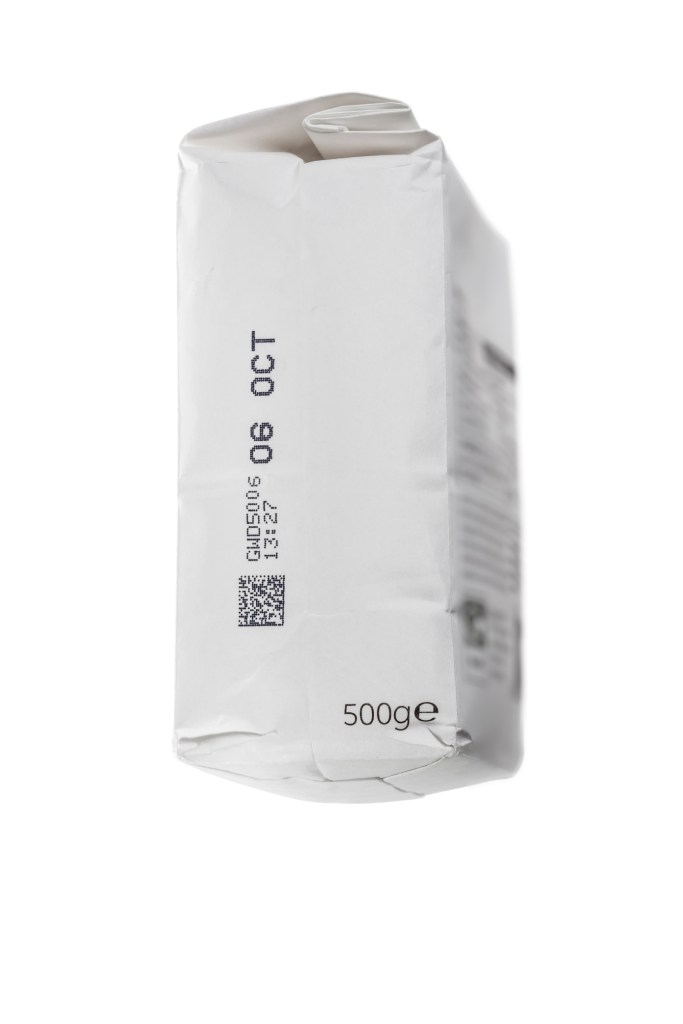

Paper bags & sacks
Many CIJ inks can print on absorbant materials like paper and card at high speed and maintain good code quality. This is used in high-volume production lines such as bags of dry goods, such as flour or sugar and sacks of construction materials including cement or plaster.
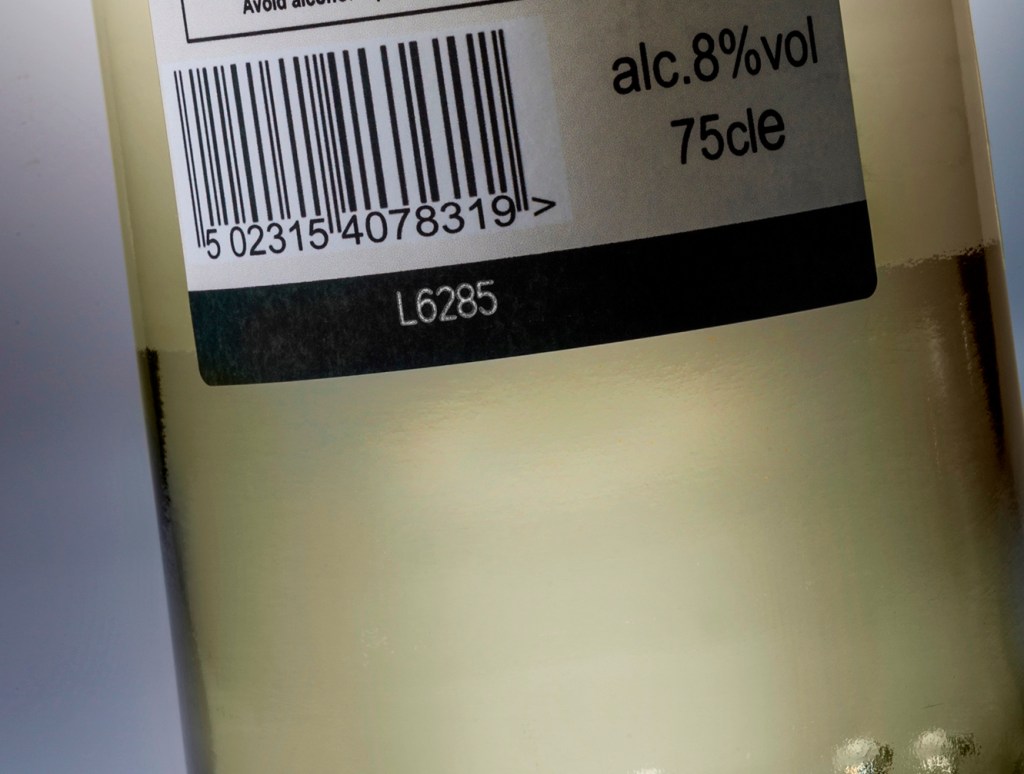
Label Printing
Paper labels that are already applied to a product can be easily coded inline using Continuous Inkjet (CIJ) or laser marking to add variable information such as batch numbers, expiry dates or traceability codes.
Paperboard tubes & cores
CIJ printers are a popular choice for coding paper tubes and cores, commonly used for films, labels, textiles, or tubular packaging for cosmetics or industrial products. It is suitable because of its flexible code capabilities and performance on curved surfaces.
What to look for in a Paper & Card Coding Machine
Code Content: The code requirements (batch numbers, dates, 2D codes etc.), the size, colour and the desired marking area will affect the coder most suited to your application. Consider a coder that can mark in any orientation for flexible marking on any part of your product e.g on the base.
Production environment: Some facilities using paper packaging, such as cement sacks or flour, may be very dusty. Consider the IP rating of your coding solution to ensure suitability for your site.
Speed: Ensure the coder you choose can keep up with your production line speed without compromising on code quality.
Available budget: It is vital to consider not only the initial purchase price but also the total cost of ownership, including consumables and cost and frequency of servicing. Can the product be user maintained and repaired?
Reliability: On a high-volume line, the reliability of your coder is crucial to avoid product rework, scrappage, line downtime and loss of efficiency. Frequent breakdowns can negate any benefits of a lower purchase price coder; look for automatic cleaning or self-service features.
Linx Technologies for Coding on Paper Products
Whatever your product, line speed and operating environment, Linx can provide you with a suitable coding solution for paper and card products. See our recommended products below:
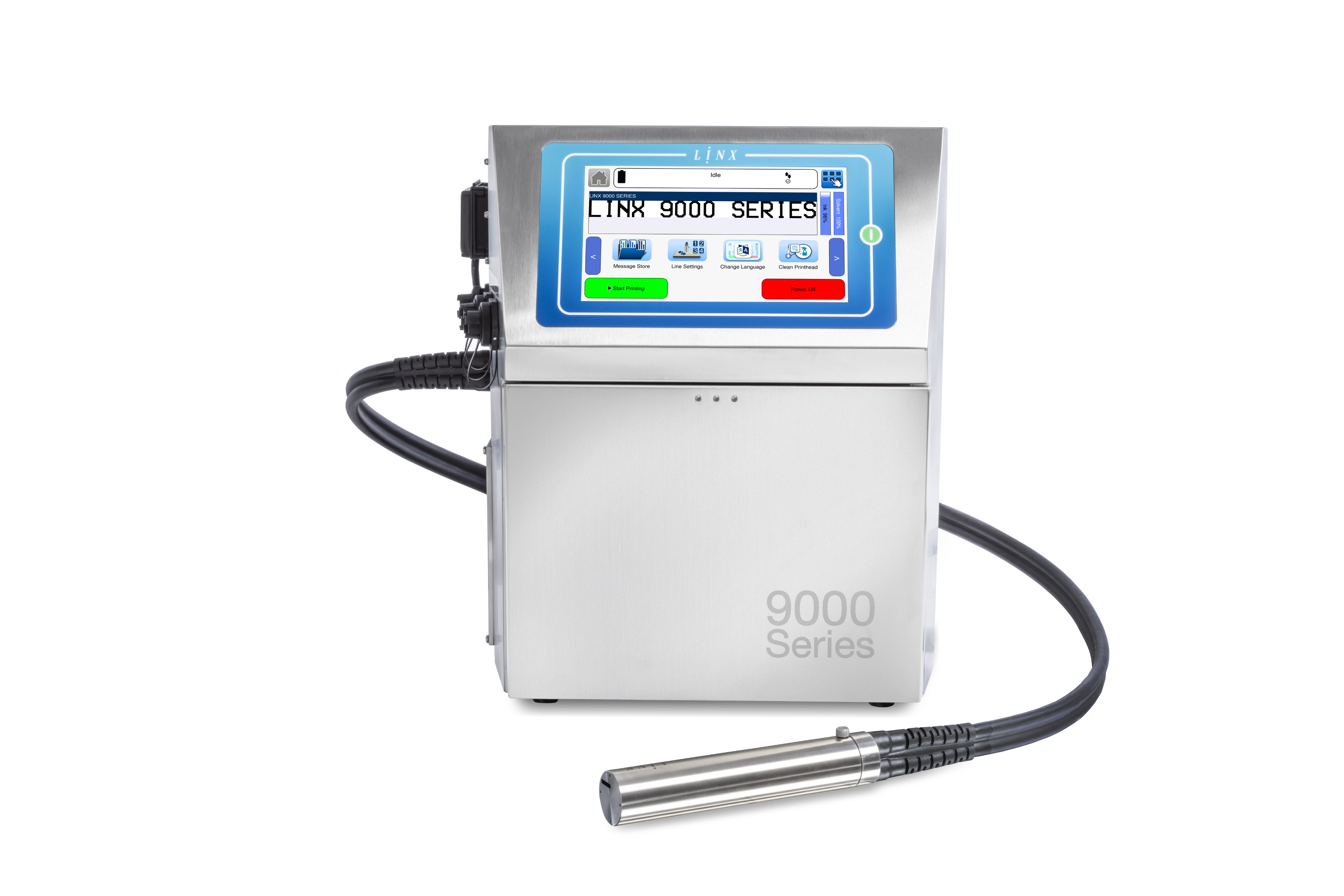
Linx 9000 Series
Reliable and Easy to Use
Features
Suitable for 24/7 operations | Data Matrix and QR codes |GS1 compliant 2D codes | GS1 code builder | High-speed production | Print up to 6 lines | Black and coloured inks
Key Benefits:
- Excellent print on curved surfaces and any orientation
- Range of hgih contrast and durable black and coloured inks for light and dark substrates
- IP65 (option) for ingress protection in dusty ennvironments
- Remotely monitor coding through Linx PrinterNet
Case Coding Solutions
For secondary packaging, companies can save on labels, pre-printed boxes and storage costs by using a printer to apply barcodes, dates, graphics and logos directly onto card boxes. Case coders are particularly well-suited for printing variable information onto secondary packaging, such as bags, cardboard and boxes. These outer cases usually require text and graphics that are easy to see. Case coders can print to a high-resolution quality to promote premium or artisanal-style brands, and are versatile enough for use on a variety of porous surfaces and materials.
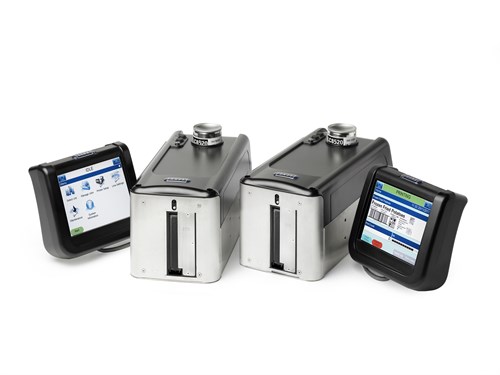
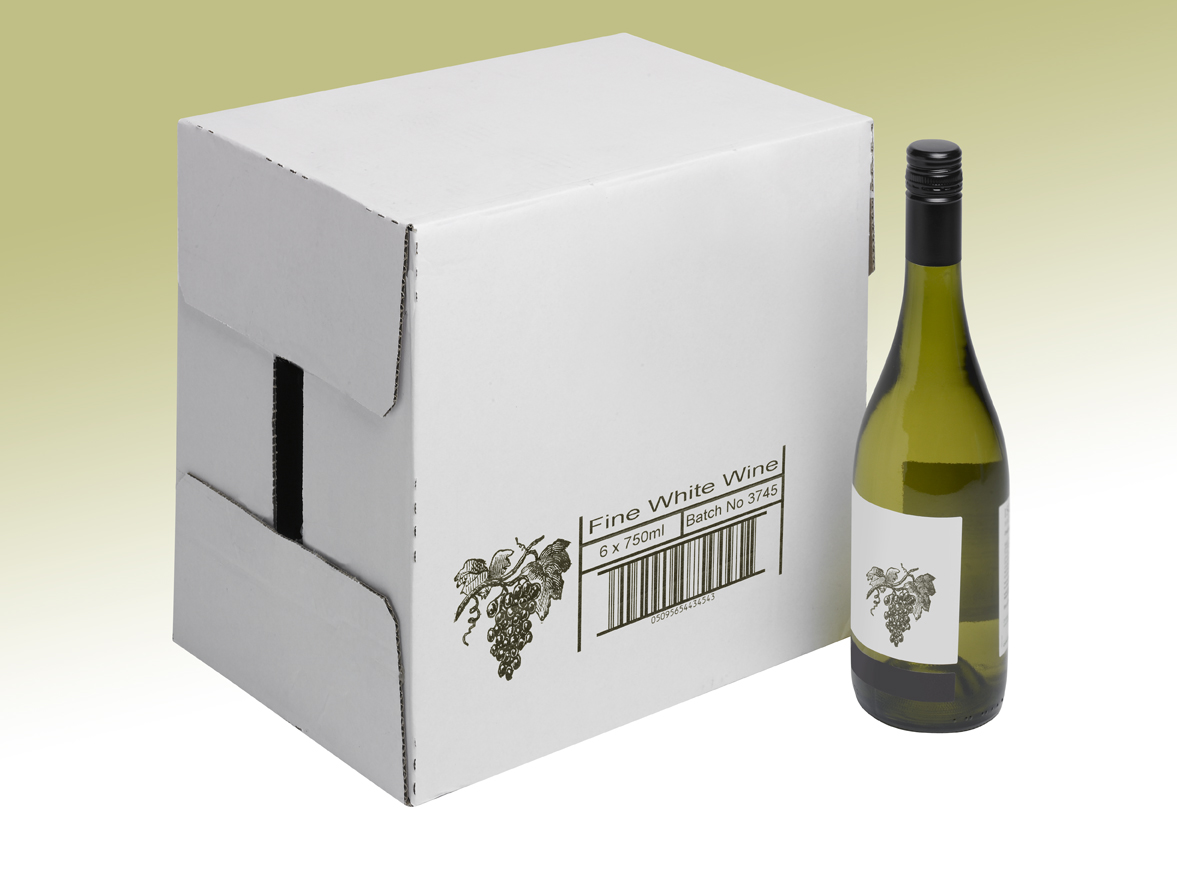
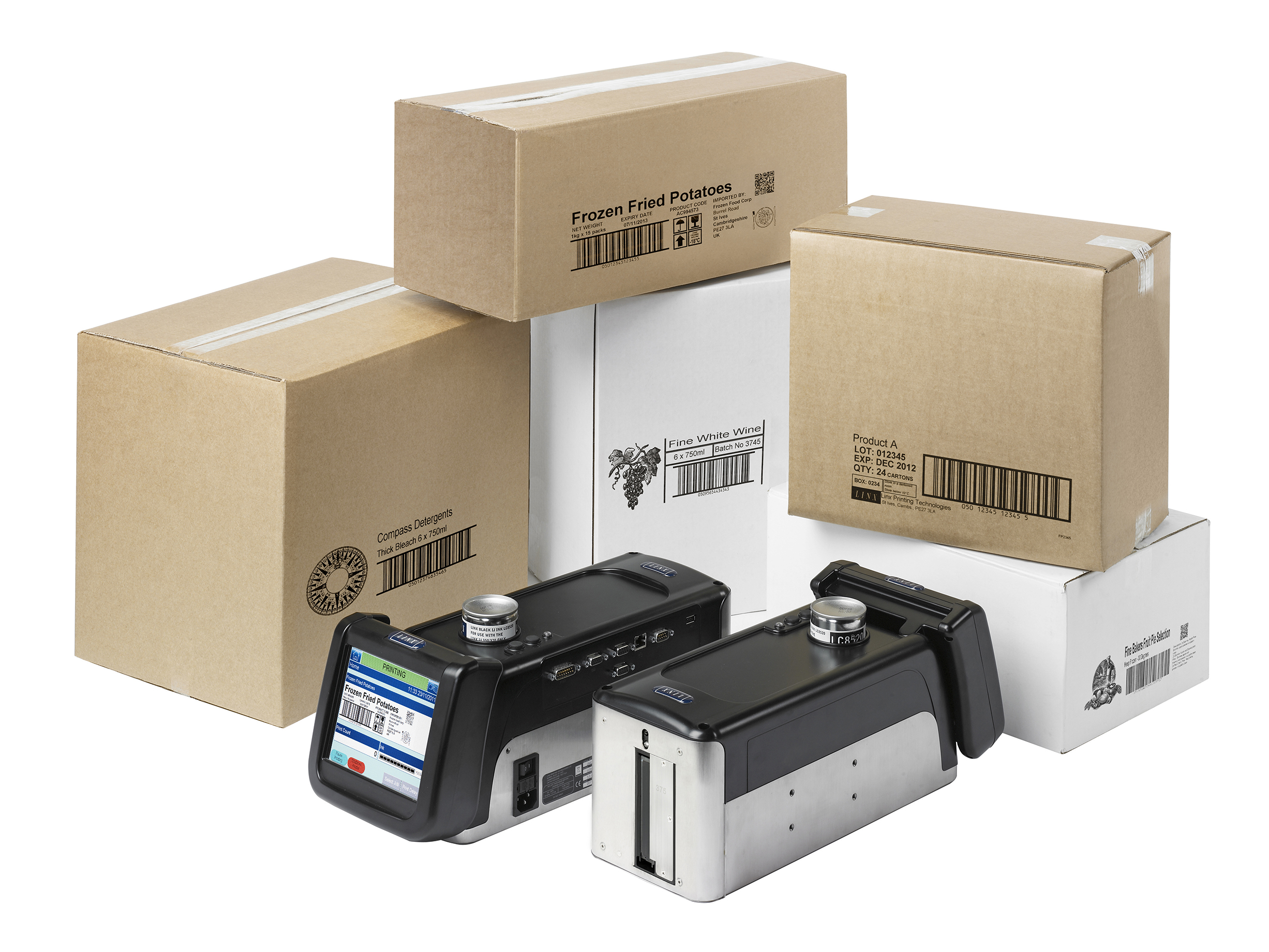
Linx IJ355 & IJ375
Features
Data Matrix and QR codes |GS1 compliant 2D codes | Print area up to 70mm high | Black and red inks
Key Benefits:
- Reduce operating costs – alternative to labels and pre-printed boxes.
- High definition printing of graphics and barcodes
- Ideal for porous substrates such as paper, card, wood
Multi-functional printers, like the Linx 9000 Series, are able to print both primary and simple secondary codes so operators only have to learn one interface and store one ink type. This means production can run more quickly.
Not sure which solution is right for you?
Contact us to find the best solution for your marking and coding needs
Coding and marking solutions for food products

Coding and marking solutions for construction materials
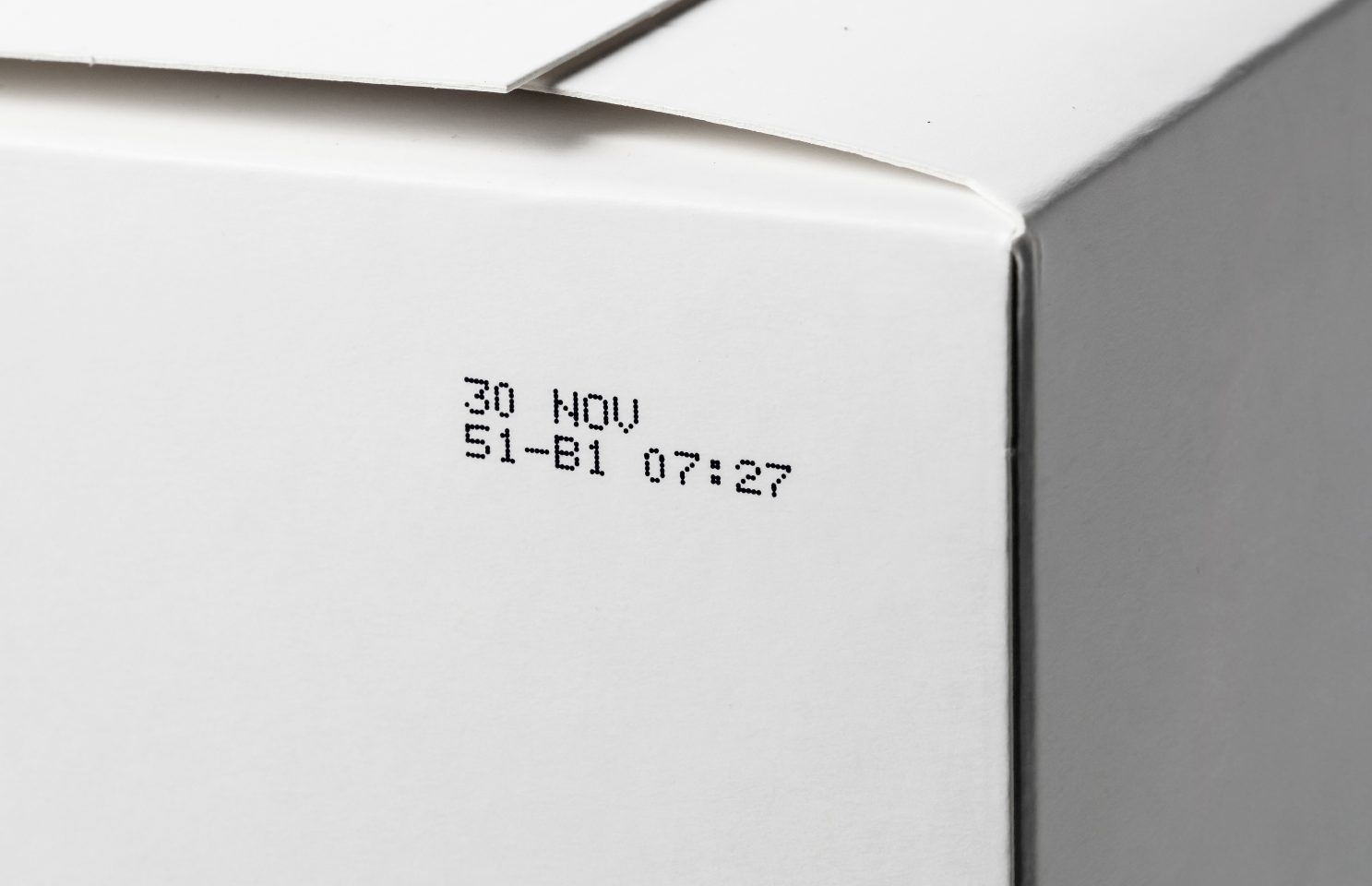
Printing directly onto coated card products
FAQ
Yes, paper and uncoated card are porous surfaces, making them suitable for direct marking with industrial printers such as CIJ, TIJ and large character inkjet systems.
The main challenge is ink absorption, which can cause codes to spread or lose sharpness, affecting readability—particularly for barcodes and small text.
Uncoated card absorbs ink into the fibres, which can reduce contrast and make codes appear lighter or less defined, especially on brown or recycled materials.