
Paper and Card Coding Solutions for Cartons and Cardboard
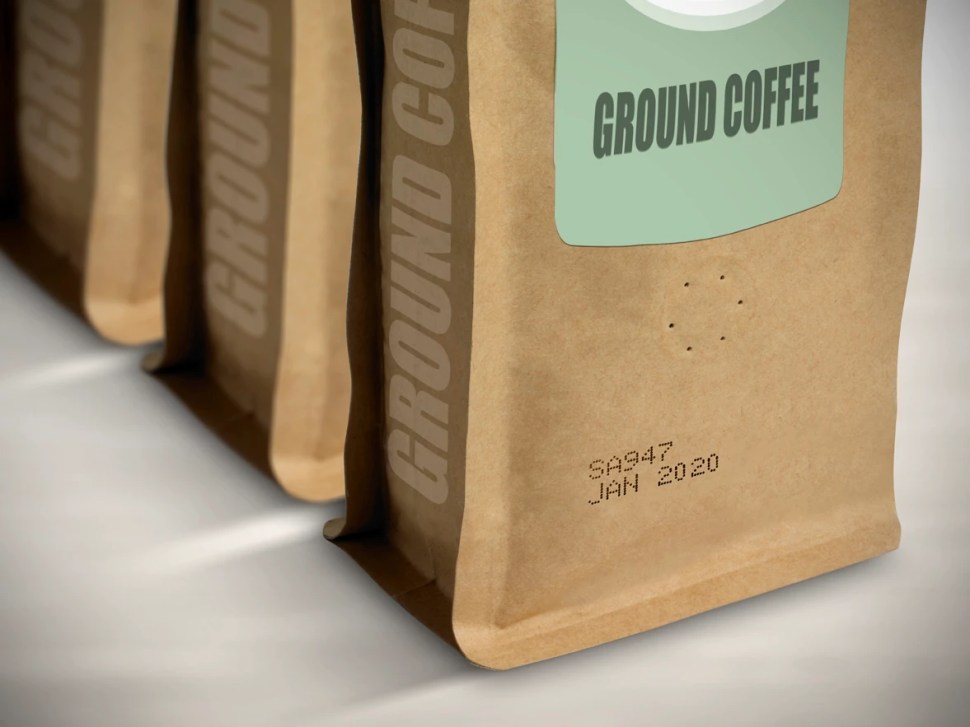
Linx provides industrial coding and marking solutions for printing clear, readable product information directly onto paper, card, cartons and cardboard packaging.
Whether you need to print batch numbers and dates onto cartons, permanent codes onto compatible paperboard packaging, or large barcodes and product information onto corrugated shipping cases, the right printing technology depends on your material, production speed and coding requirements.
Our range of Continuous Inkjet (CIJ) printers, laser coders and Large Character Marking printers helps manufacturers apply variable product information directly onto packaging.
To find out more information and to request your samples with no obligation, click the button below.
Industrial Printing Solutions for Paper Cardboard and Cartons
Paper and card are widely used in food, beverage, pharmaceutical, personal care and industrial packaging.
From lightweight paper sleeves and folding cartons to corrugated shipping cases, manufacturers need reliable coding to identify products, support traceability and provide important information throughout the supply chain.
Linx coding solutions can print information such as:
- Production and batch numbers.
- Manufacturing and expiry dates.
- Best-before dates.
- Product identification information.
- Barcodes and 2D codes, including QR codes and Data Matrix codes, on suitable systems.
- Text, graphics and logos.
Depending on the application, printing directly onto packaging can also reduce the requirement for separate labels and pre-printed boxes.
Coding Challenges on Paper, Card and Cardboard
Different paper-based materials have different surface characteristics. Selecting the right printer and ink or marking technology is essential for achieving clear, readable codes.
Printing on Corrugated Cardboard
Corrugated cardboard is widely used for shipping boxes, outer cases, trays and secondary packaging.
Its porous, uneven surface can affect ink absorption and print definition. Recycled cardboard can also have variations in colour and surface consistency.
Manufacturers need to consider:
- Print height and readability.
- Barcode and 2D code requirements.
- Surface absorbency.
- Production line speed.
- Position and orientation of the print.
Printer recommendation: Large Character Marking printers such as the Linx IJ355 and IJ375 are designed for direct printing on porous outer packaging materials, including cardboard.
Coding on Cartons and Paperboard
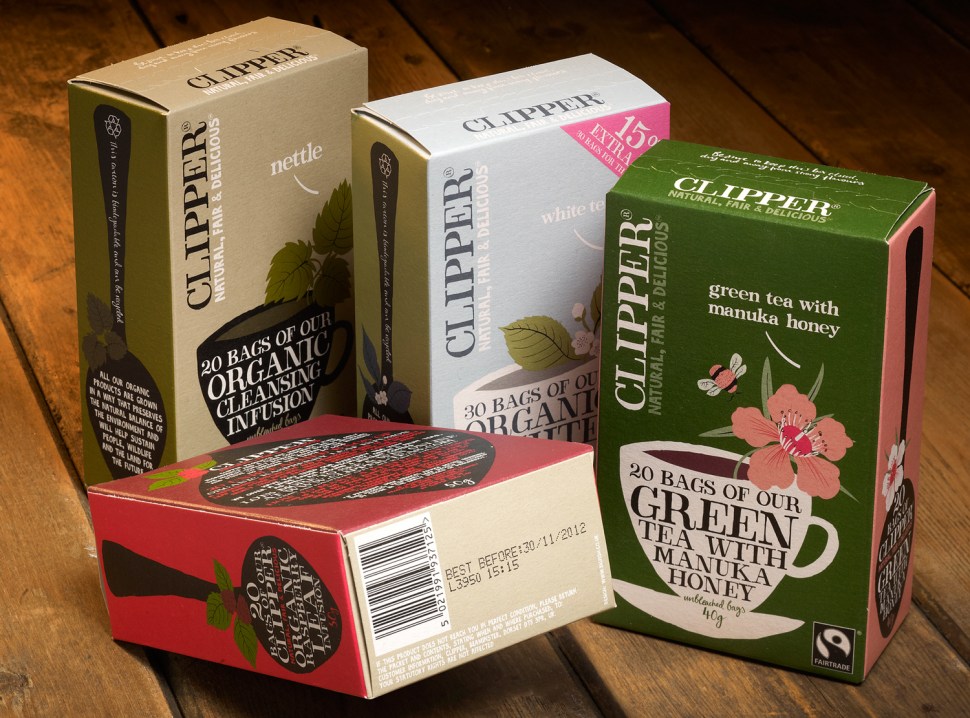
Cartons are commonly used for food, beverage, pharmaceutical and consumer product packaging.
Depending on their construction, cartons may have uncoated, coated or laminated surfaces. These finishes can affect ink adhesion and marking results.
The appropriate solution should be selected according to the carton material, available printing area, required code content and production conditions.
Printer recommendation: Linx CIJ printers and laser coders provide options for compatible carton and paperboard applications.
Printing on Paper Packaging
Paper packaging includes bags, sacks, sleeves and labels.
Manufacturers often need to apply variable product information without interrupting production. CIJ printing offers a non-contact method for applying dates, batch numbers and other product information to compatible moving packaging.
Printer recommendation: For secondary packaging, large-character printers can print larger text, graphics and identification codes directly onto outer cases.
Which Printer is Right for Your Paper or Card Packaging?
The right industrial printer depends on the packaging material, information to be printed, print size and production environment.
Compare the main Linx technologies below.
| Printing Requirement | Continuous Inkjet (CIJ) | Laser Coding | Large Character Marking |
| Variable date and batch coding | Suitable | Suitable, depending on configuration | Suitable |
| Direct printing on paper and card | Suitable for compatible materials | Suitable for compatible materials | Suitable for porous materials |
| Large text and graphics on outer cases | Application dependent | Application dependent | Suitable |
| Permanent marking | Ink dependent | Permanent laser marking | Ink dependent |
| Barcode and 2D code printing | Model dependent | Model dependent | Supported by IJ355/IJ375 |
| Best suited for | Product and packaging identification | Permanent marking on compatible materials | Secondary packaging and outer case coding |
Linx Printers for Paper and Card Packaging
Choosing a printer requires more than identifying the packaging material. You should also consider the code content, available printing area, production speed, line integration and the environment in which the printer will operate.
Our team can help assess your application and identify a suitable coding solution.
Large Character Marking
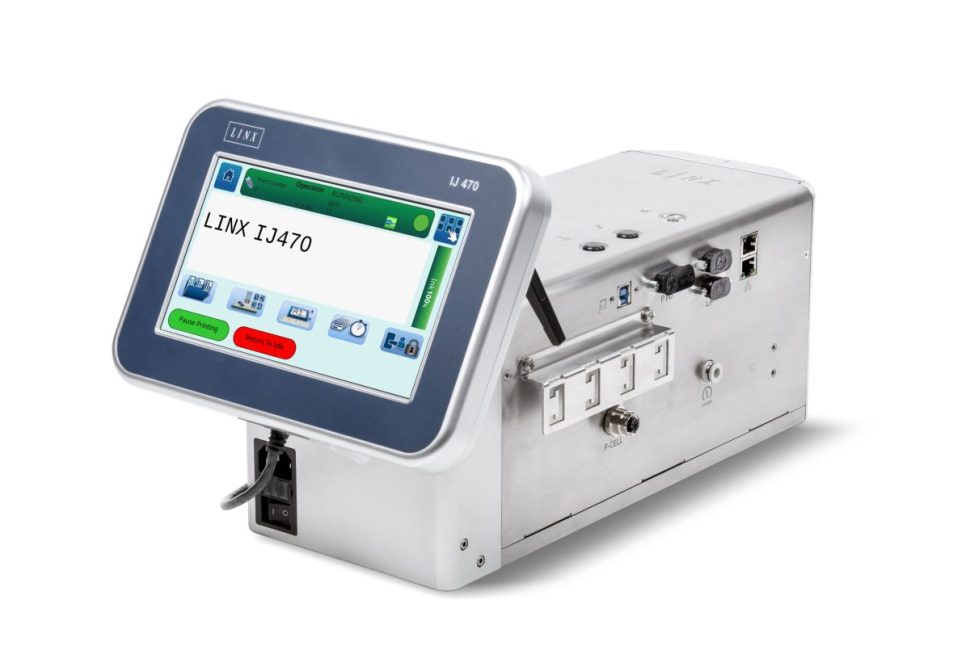
Large Character Inkjet Linx IJ470
For high-resolution printing directly onto corrugated cardboard and outer cases, the Linx IJ470 provides an alternative to applying labels or holding multiple pre-printed box variants.
The IJ470 prints text, numbers, graphics, logos, 1D barcodes and 2D codes directly onto porous and semi-porous packaging.
Best for: outer cases, corrugated cardboard boxes and secondary packaging.
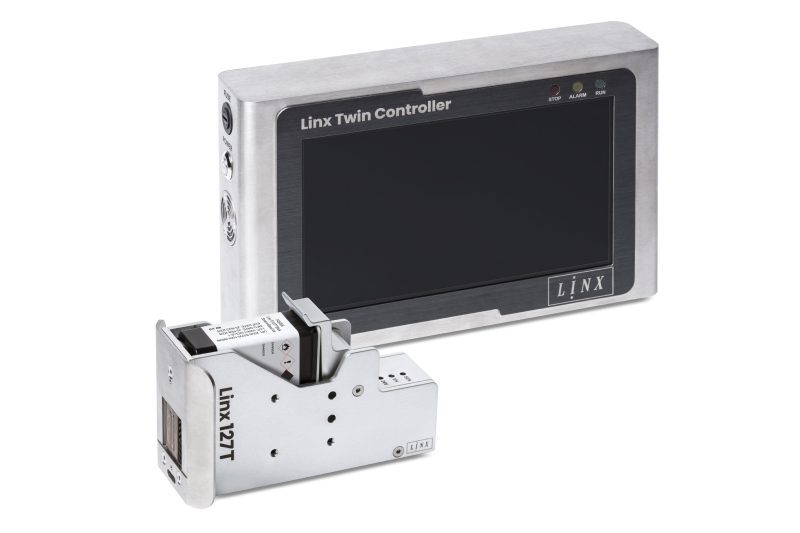
TIJ Printer
Thermal Inkjet Printers
Create clear, permanent marks on painted, lacquered or varnished metal. The laser removes the top layer of the coating to expose a contrasting code, which is why CO2 lasers are widely used on extruded and painted profiles, coated sheet and coated components.
The Linx TJ250 provides a print height of up to 25.4 mm, while the compact TJ127 range is suited to smaller high-resolution coding requirements.
Best for: high-resolution carton coding, detailed variable data and machine-readable codes.
Explore Thermal Inkjet Printers→
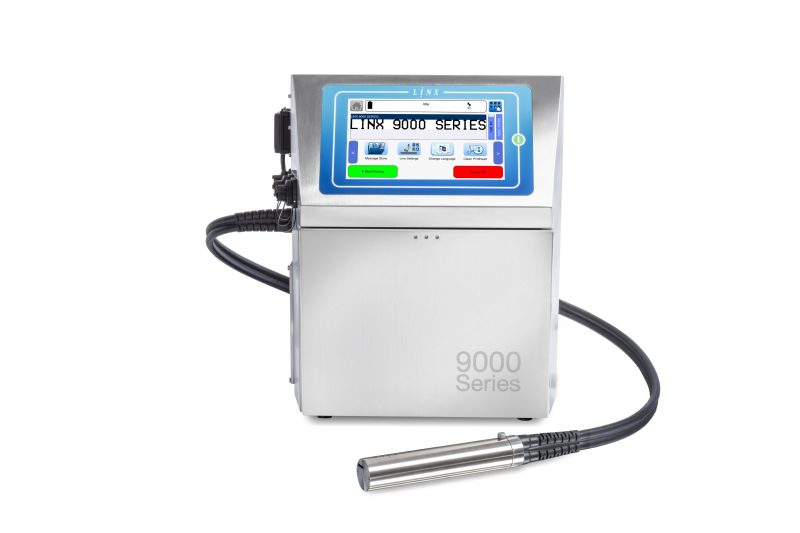
Continuous Inkjet (CIJ)
Continuous Inkjet Printer
Linx CIJ printers can print dates, batch and lot codes, text, barcodes, QR codes and Data Matrix codes without contacting the packaging.
The Linx 9000 Series provides options for different line speeds, production environments and coding requirements, making CIJ particularly useful where the same printer may need to handle multiple products or packaging materials.
Best for: fast production lines, smaller variable codes and applications requiring flexibility across different packaging types.
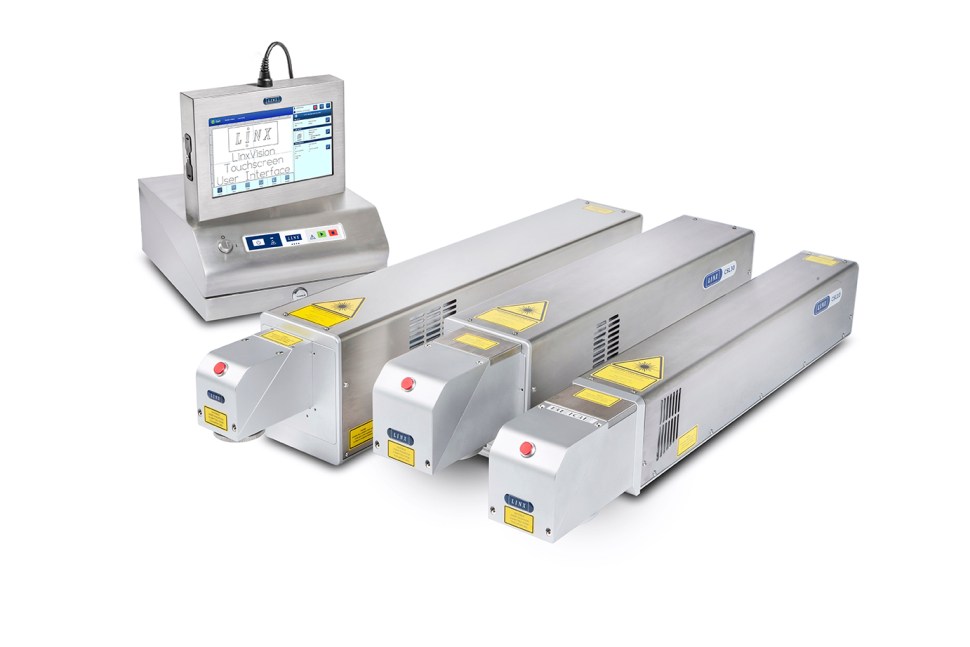
Laser Coders
CO₂ Laser Coders
For compatible cartons and paperboard, CO₂ laser coding provides permanent marking without ink or ribbon consumables.
Linx CO₂ laser systems can produce dates, batch numbers, serial numbers, barcodes, QR codes, 2D codes, graphics and logos.
Best for: permanent coding on compatible paperboard, cartons and paper labels.
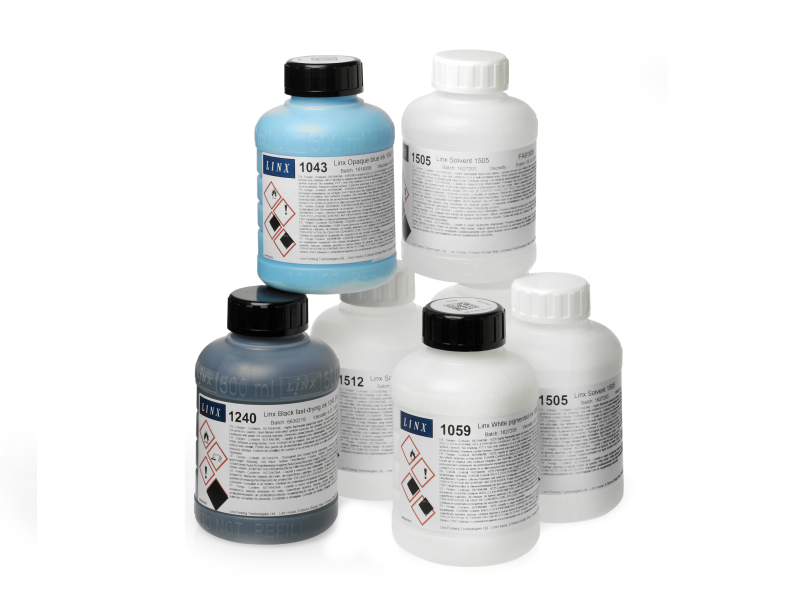
Inks and Fluids
Industrial Inks and Fluids
Choosing the right ink and fluid is essential for achieving clear, consistent codes on paper, cardboard and paperboard packaging. Linx offers a range of compatible industrial inks and fluids designed to support different substrates, drying requirements and production environments.
Print Barcodes, QR Codes and Traceability Information on Cardboard
Modern cartons and cases often need to carry more than a simple date or batch number.
Depending on the selected printer and application, Linx technology can print machine-readable information including 1D barcodes, QR codes, Data Matrix and GS1 code formats alongside human-readable product and traceability information.
For outer-case applications, the Linx IJ470 can print high-resolution barcodes and 2D codes directly onto suitable cardboard packaging. Linx TIJ and CIJ technologies also provide options for machine-readable coding where smaller or more detailed codes are required.
Code quality depends on factors including the packaging material, surface, print resolution, line setup and code size.
Reduce Reliance on Labels and Pre-Printed Boxes
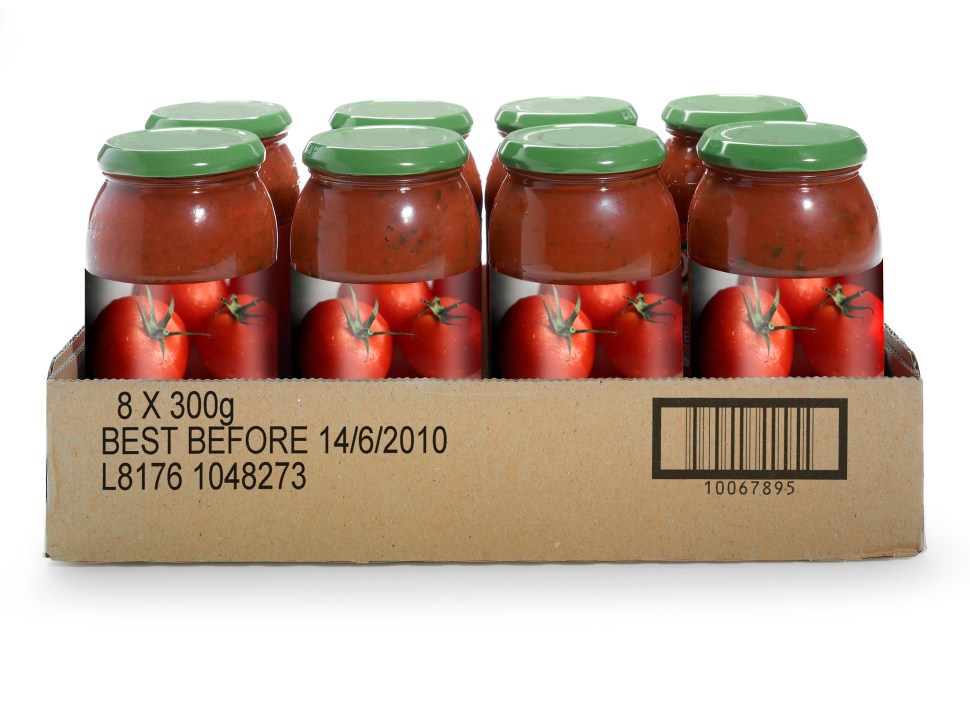
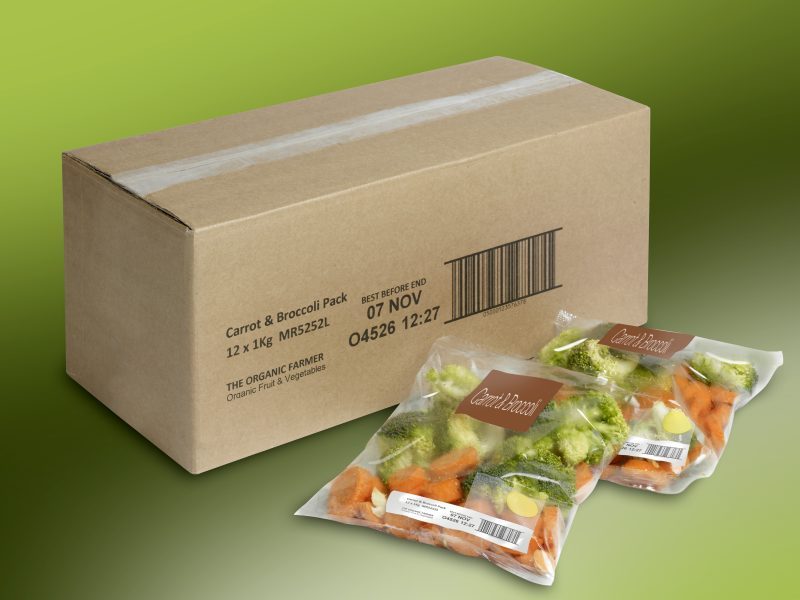
For suitable outer-case applications, printing directly onto cardboard can reduce the need to apply separate labels or hold multiple pre-printed packaging variants.
The Linx IJ470 allows variable information to be added at the point of production, so text, product information, graphics and barcodes can be changed without changing the box itself.
This can be particularly useful for manufacturers managing multiple SKUs or frequently changing product information.
Talk to Linx about your current case-coding process to see whether direct printing could work for your application.
Talk to Linx about your current case-coding process to see whether direct printing could work for your application.
Applications Across Primary and Secondary Packaging
Folding Cartons
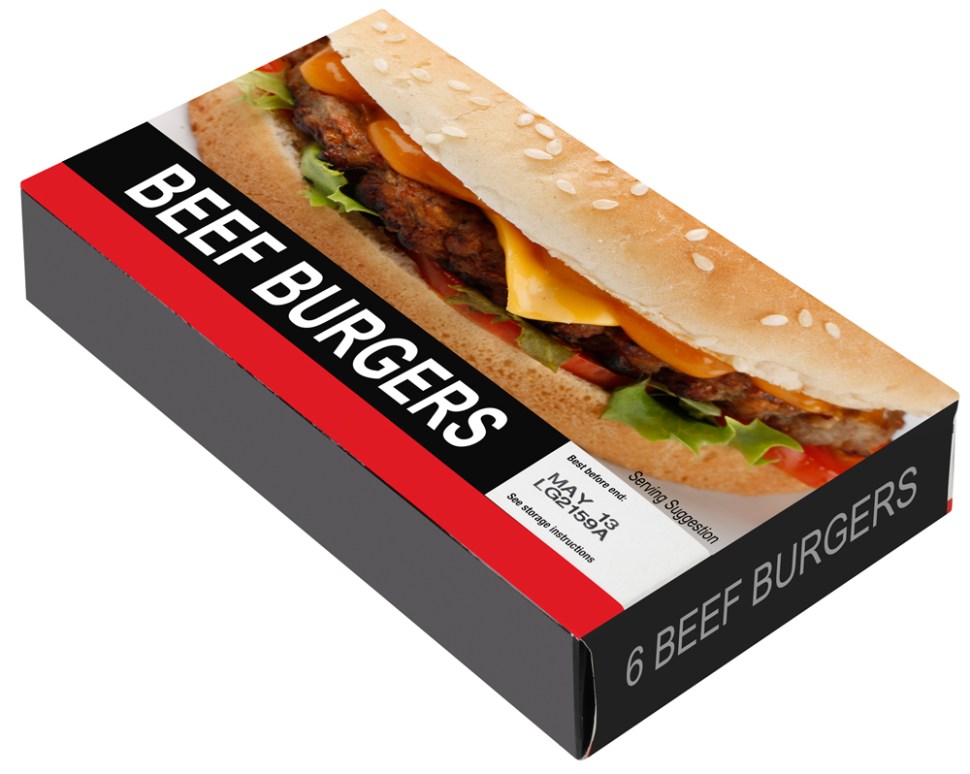
Folding cartons are widely used across food, beverage, pharmaceutical and personal care packaging. Manufacturers need to print variable information such as batch numbers, manufacturing dates, expiry dates and product identification codes.
Linx CIJ and Thermal Inkjet (TIJ) printers provide options for printing variable information and machine-readable codes on compatible carton surfaces. CO₂ laser coders can also be considered for permanent marking on suitable paperboard materials.
Typical coding requirements: Batch numbers, date codes, product identification, barcodes and 2D codes.
Corrugated Boxes
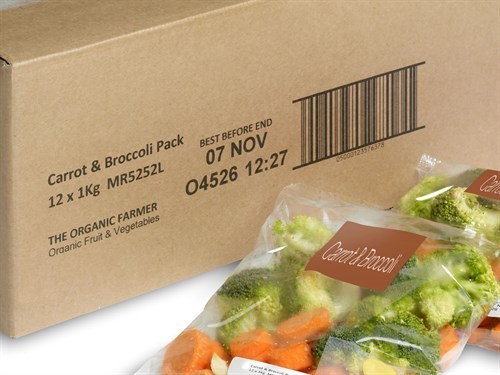
Corrugated cardboard boxes are commonly used for product distribution, storage and transportation. Clear outer case coding helps manufacturers and distributors identify products and manage supply chain traceability.
Linx Large Character Marking printers, such as the IJ470, can print text, graphics, logos and barcodes directly onto suitable porous and semi-porous cardboard surfaces. Direct printing can also reduce reliance on separate labels and pre-printed box variations.
Typical coding requirements: Shipping information, product details, large barcodes, QR codes and Data Matrix codes.
Paper Bags and Sacks
Paper bags and sacks are used in food ingredients, agricultural products, chemicals and industrial materials. Manufacturers often need to apply batch information, product identification and traceability details directly onto the packaging.
Linx CIJ and Large Character Marking technologies offer options for variable coding on compatible paper packaging, depending on the required print size, surface and production speed.
Typical coding requirements: Batch and lot numbers, manufacturing dates, product details and identification codes.
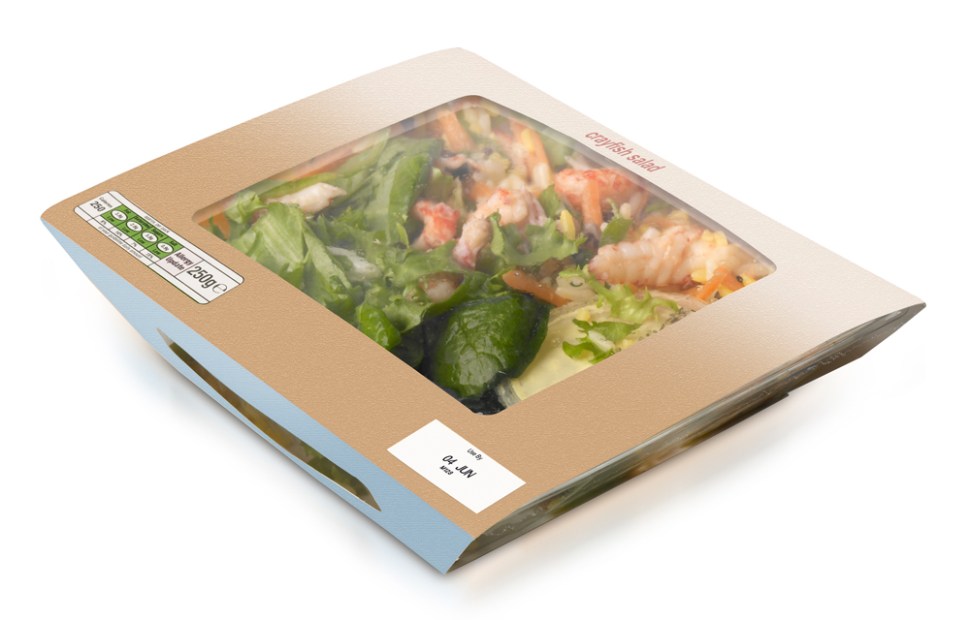
Paper Sleeves and Labels
Paper sleeves and labels provide product identification and important information across retail and industrial packaging. Coding requirements may include variable batch details, dates, serial numbers and machine-readable codes.
Linx CIJ and TIJ printers can provide options for applying variable information to compatible paper surfaces, while laser marking can be considered for suitable label and paperboard materials.
Typical coding requirements: Batch numbers, expiry dates, product identification, barcodes and QR codes.
Resources – Case Studies and Blogs

Mar Ne Vall – Cuts coding costs with large character coding
Quality Foods – Improved Case Coding with Linx IJ355
Salcombe Brewery – Reduces Manual Labelling with Linx CIJ and Large Character Marking

How the Linx IJ470 Can Reduce Packaging Costs with Direct Case Coding – Blog
Frequently Asked Questions– Paper and Card
Large character inkjet printers are designed for direct printing onto secondary packaging such as corrugated cardboard boxes and outer cases. The Linx IJ470 is designed for porous and semi-porous substrates and can print text, graphics, logos, barcodes and 2D codes with a print height of up to 70 mm.
Yes. Suitable industrial inkjet printers can print machine-readable barcodes directly onto cardboard. The correct printer depends on the barcode type, required size, cardboard surface, line speed and application.
Testing the actual packaging is recommended where barcode readability is critical.
Yes. Linx large-character printer is designed to print directly onto porous materials, including cardboard, paper and card. They can print text, graphics and supported barcode formats.
It depends on the application. Thermal inkjet can be well suited to detailed, high-resolution codes; CIJ provides flexible non-contact coding at production-line speeds; CO₂ laser can create permanent marks on compatible paperboard; and large character inkjet is particularly suitable for larger codes on outer cases.
Yes. Several Linx technologies support QR and Data Matrix printing, including thermal inkjet, continuous inkjet and the IJ470 large character printer. The appropriate technology depends on the packaging material, code dimensions, line speed and required print quality.
In suitable applications, yes. Direct-to-box large character inkjet printing can apply product information, graphics and machine-readable codes directly onto cardboard, reducing reliance on separate labels. Whether this is appropriate depends on your packaging, required code content and supply-chain requirements.
Test Your Packaging with a Free Print Sample
Send Linx a sample of your carton, paperboard or cardboard packaging and tell us what you need to print. Our team can help identify a suitable coding technology and show you what the finished code could look like.