

Printing on Rubber
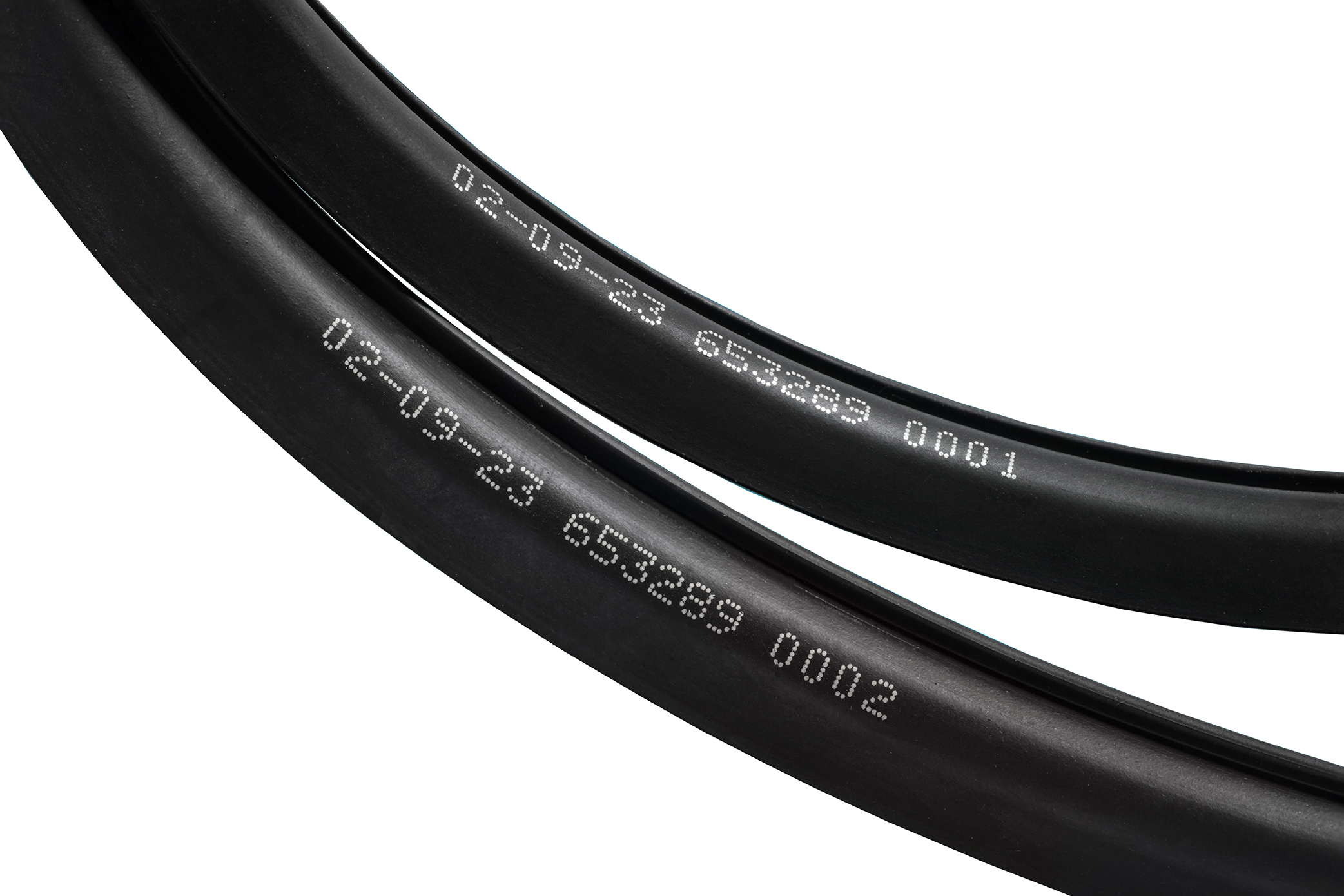
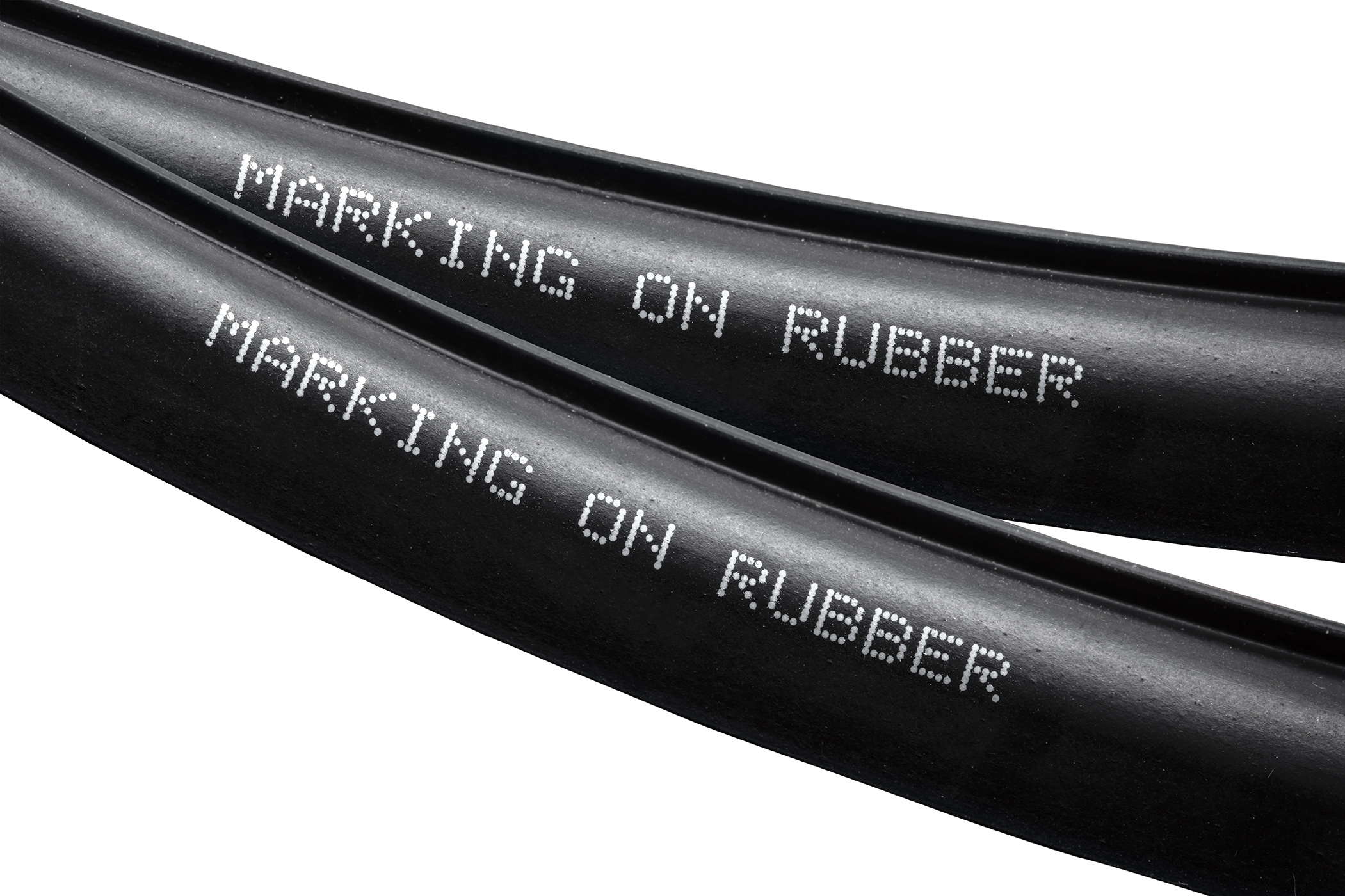
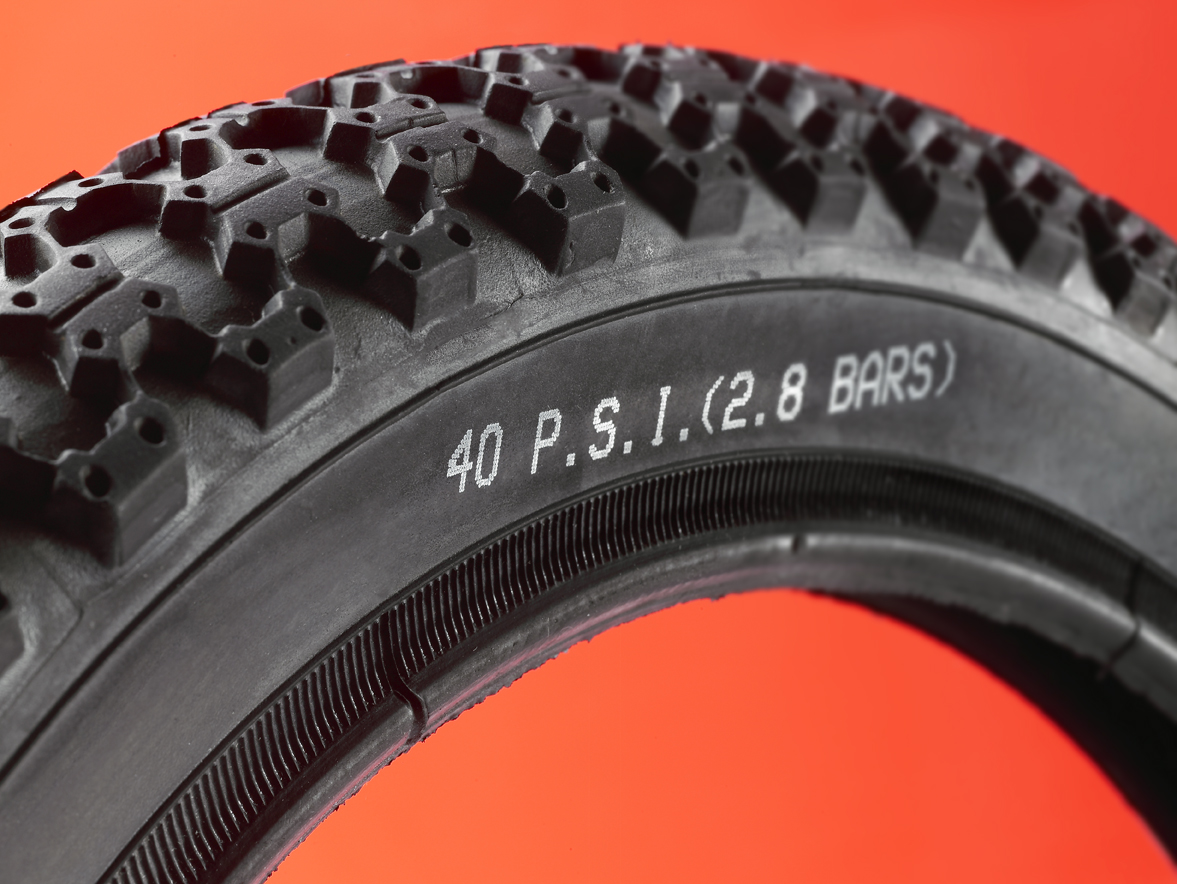
Printing onto rubber products is often required in automotive and contruction applications. Coding cables, wires, tyres, hoses, gaskets, seals, belts and profiles allows manufacturers to print batch codes, product identification and specifications directly onto the product. Rubber substrates present a number of unique challenges: flexible material, thin and uneven surfaces, wet, hot and dusty environments, surface contamination and continuously moving lines.

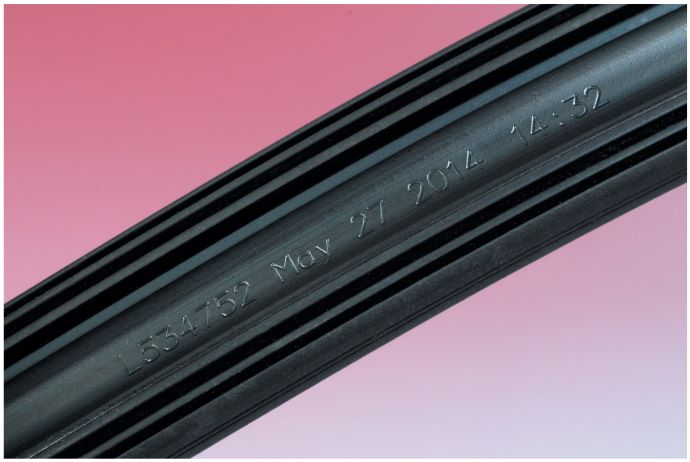
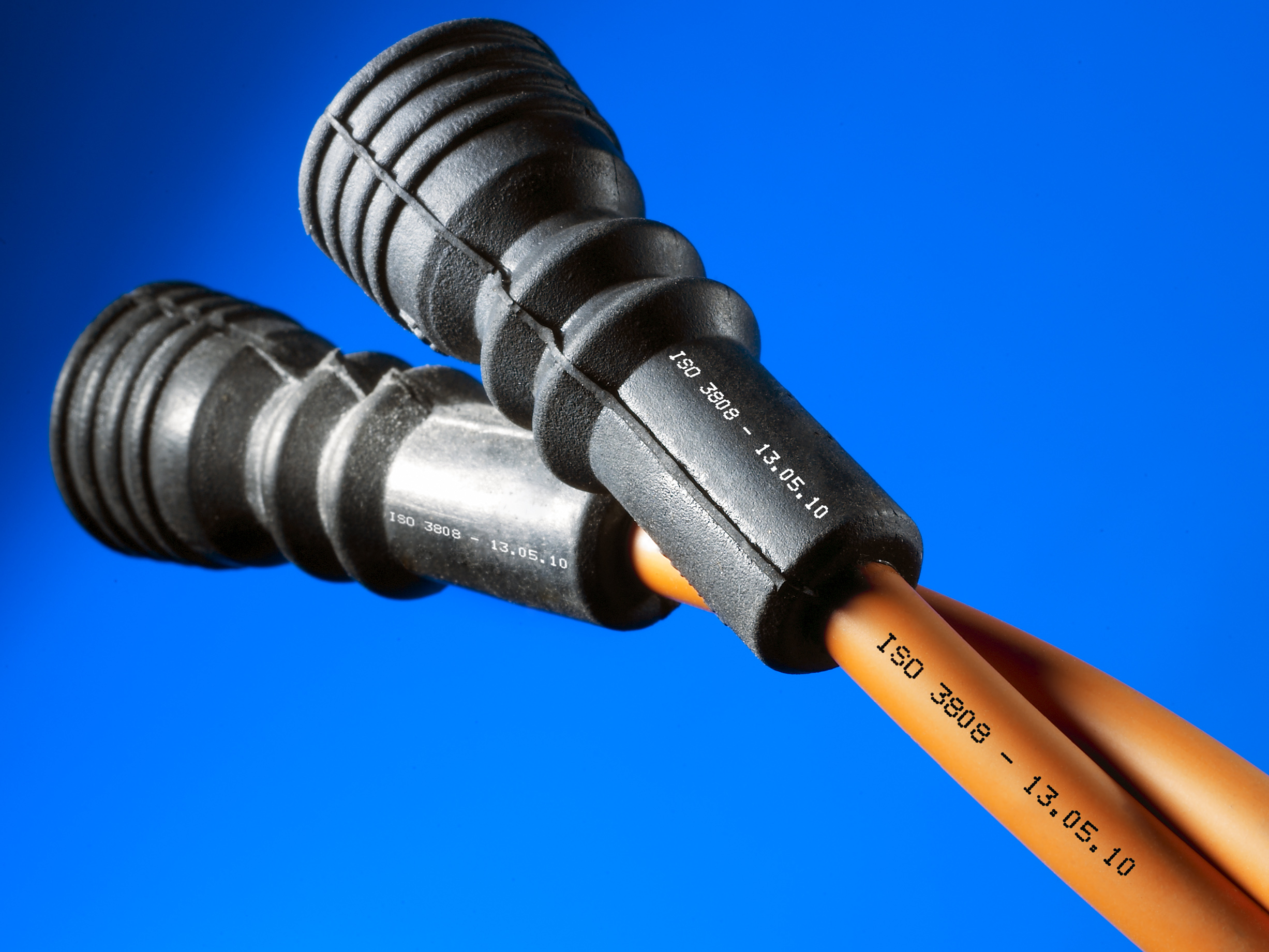
Challenges in Rubber Marking
This is a critical operational challenge. Rubber extrusion and processing lines are typically continuous extrusion processes and so are difficult or inefficient to stop once running. In many cases, stopping the line is not practical without causing significant waste, downtime, and cost therefore if the coder fails material may continue running without codes. This can result in scrappage of product or rework.
Rubber surfaces can be difficult to mark because they are flexible and elastic, low surface energy and often contain oils, additives or release agents. This can lead to ink not bonding properly, codes smudging or rubbing off and inconsistent print quality.
Rubber is often marked when it is still warm after extrusion or undergoing curing/vulcanisation. This creates challenges such as ink deformation as the product moves or shrinks, changes in surface properties during curing and risk of codes becoming distorted or unreadable.
Rubber processing environments often involve heat, dust, vibration and chemical exposure. These conditions can affect printer reliability, cause clogging or maintenance issues and reduce print consistency.
Rubber products may vary due to different formulations (natural vs synthetic), additives and fillers, and surface finishes (smooth, textured, dusty). This can lead to inconsistent ink performance and a need for application-specific testing
Rubber products are often curved (hoses, cables, tyres), moving continuously and soft or flexible during production. This makes accurate code placement more difficult and print distortion more likely.
What does an Industrial Rubber Coder do?
Rubber coding printers must be suitable for continuous coding and be very reliable to prevent failure during production. They can mark variable information as well as printing barcodes, Data Matrix and QR codes onto cans to enable traceability, and convey quality and technical information to the user.
The most commonly used technology for coding onto rubber is continuous ink jet (CIJ), however CO2 laser coders are also used. Due to the variability in composition (includes an assortment of substrates including polyurethanes, polypropylene, slick plasticisers, and other challenging components), colour, and elasticity, a sample test on your product would be recommended to confirm the best solution for your specific application.
Our expertise in product and packaging marking & identification can help you to reduce costs and improve production rates.
High Contrast, High Adhesion Inks
Linx offers a variety of high-opacity inks designed for reliable coding on rubber surfaces. Yellow inks are available with the 9000 Series using soft-pigmented formulations, delivering strong contrast with stable performance, while white and blue inks on the Spectrum models use hard-pigmented technology to provide highly opaque, high-contrast codes on darker substrates. Linx inks are engineered to deliver excellent adhesion and durability on rubber to ensure they remain legible throughout the product lifecycle.
Available on Linx 9000 Series and 9940 Spectrum and 9840 Spectrum CIJ printers
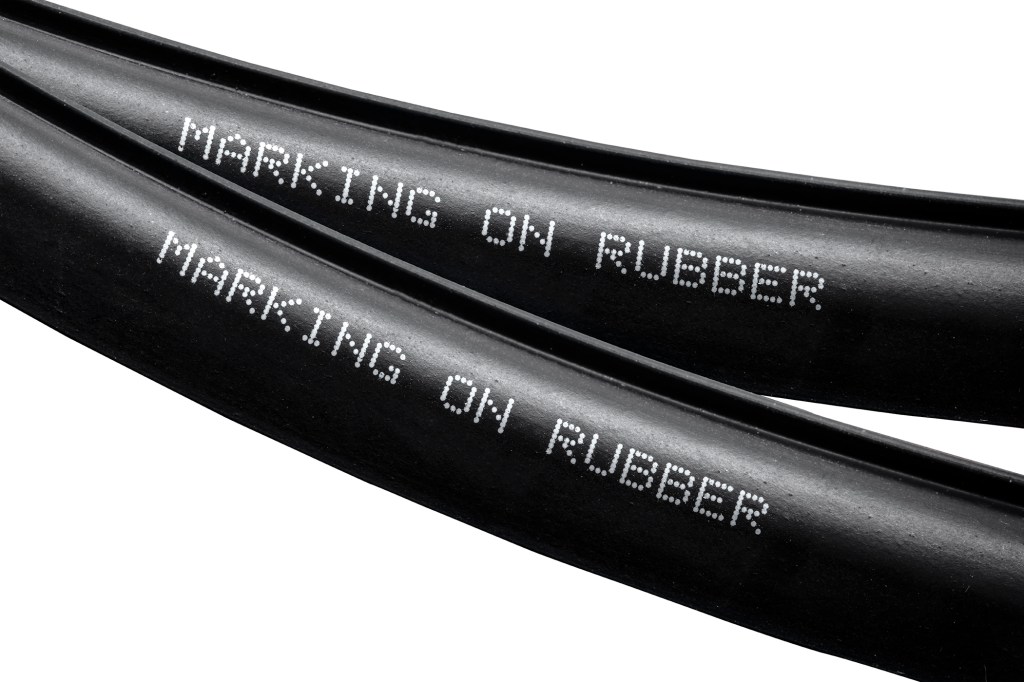
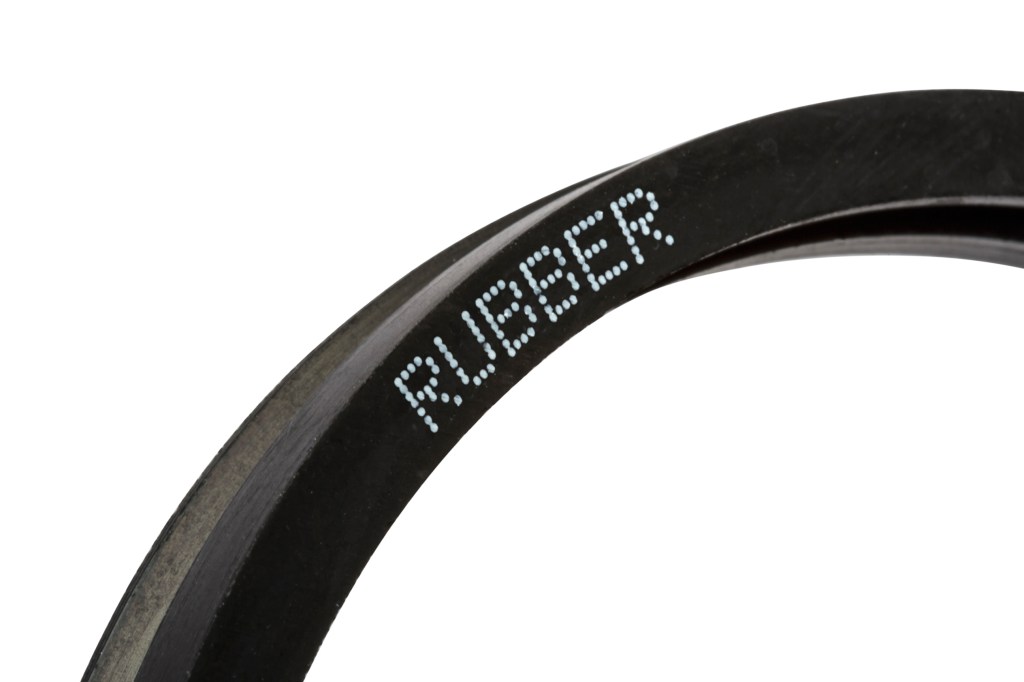
Coding and Marking on Cured and Uncured Rubber
Cured rubber is formed from straight chains with very high molecular weights. Curing will take place using organic peroxide curing agents or platinum catalysts. Cured rubber offers great temperature and ageing resistance. The property of this material is perfect for many industrial applications such as hoses, building construction joints, electrical protection, and even pharmaceutical and biomedical applications such as tubes.
The uncured rubber material can be moulded and deformed easily when it is warm, then becomes brittle when cold. This becomes a valuable material for many finished products when it has been left in its natural state, being a firm material to work with. Uncured rubber is used for insulating, adhesives, tapes, footwear and many other applications.
Linx machines can mark on either form.
What to look for in a Rubber Coding Machine
Code Content: The code requirements (batch numbers, dates, logos, metre marking etc.), the size and colour will affect the coder most suited to your application. Consider a coder that can mark in any orientation for flexible marking on any part of your product as it passes through your production line. Also think about how the code requirments may change in the future or on other products you produce.
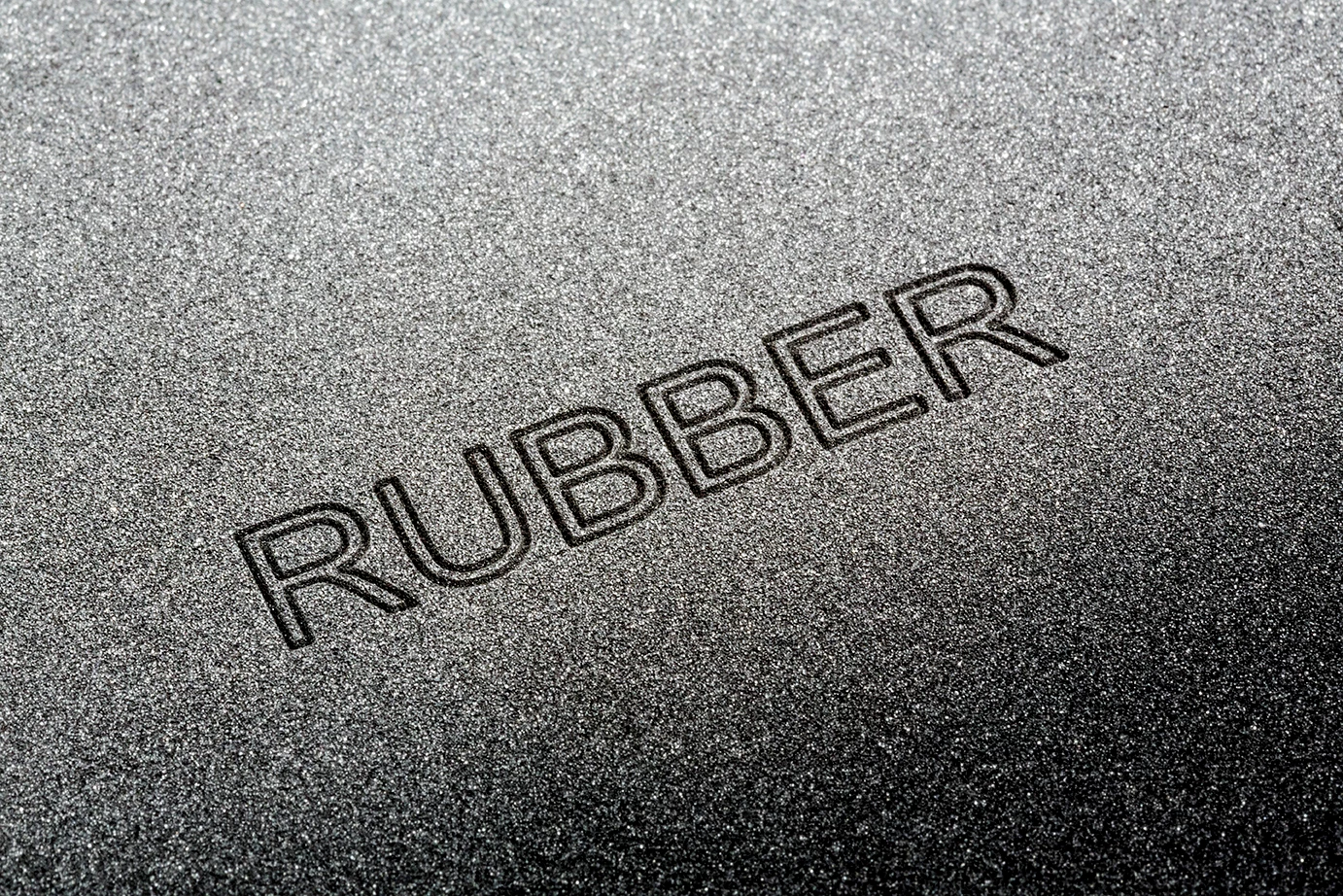
Production processes: For durable codes the printing solution you choose must be able to adhere reliably and still be legible through your production and supply chain. Laser codes are permanent while for ink based printers you will need to consider water, surface contaminants and the resistance to chemicals or light during the products life.
Production environment: Wet, hot, humid and dusty production environments can affect the performance of your printing solution and the printed codes, pay attention to the IP rating of your possible solutions for ingress protection.
Available budget: It is vital to consider not only the initial purchase price but also the total cost of ownership, including consumables and cost and frequency of servicing. Can the product be user maintained and repaired?
Reliability: On a continuous extrusion line, the reliability of your coder is crucial to avoid product rework, scrappage, line downtime and loss of efficiency. Frequent breakdowns can negate any benefits of a lower purchase price coder; make sure your chosen solution is reliable has features to eliminate downtime.
Linx Technologies for Coding on Rubber
Whatever your substrate, product application and operating environment, Linx can provide you with a suitable coding solution for coding on rubber. Browse our recommended technologies from the options below:
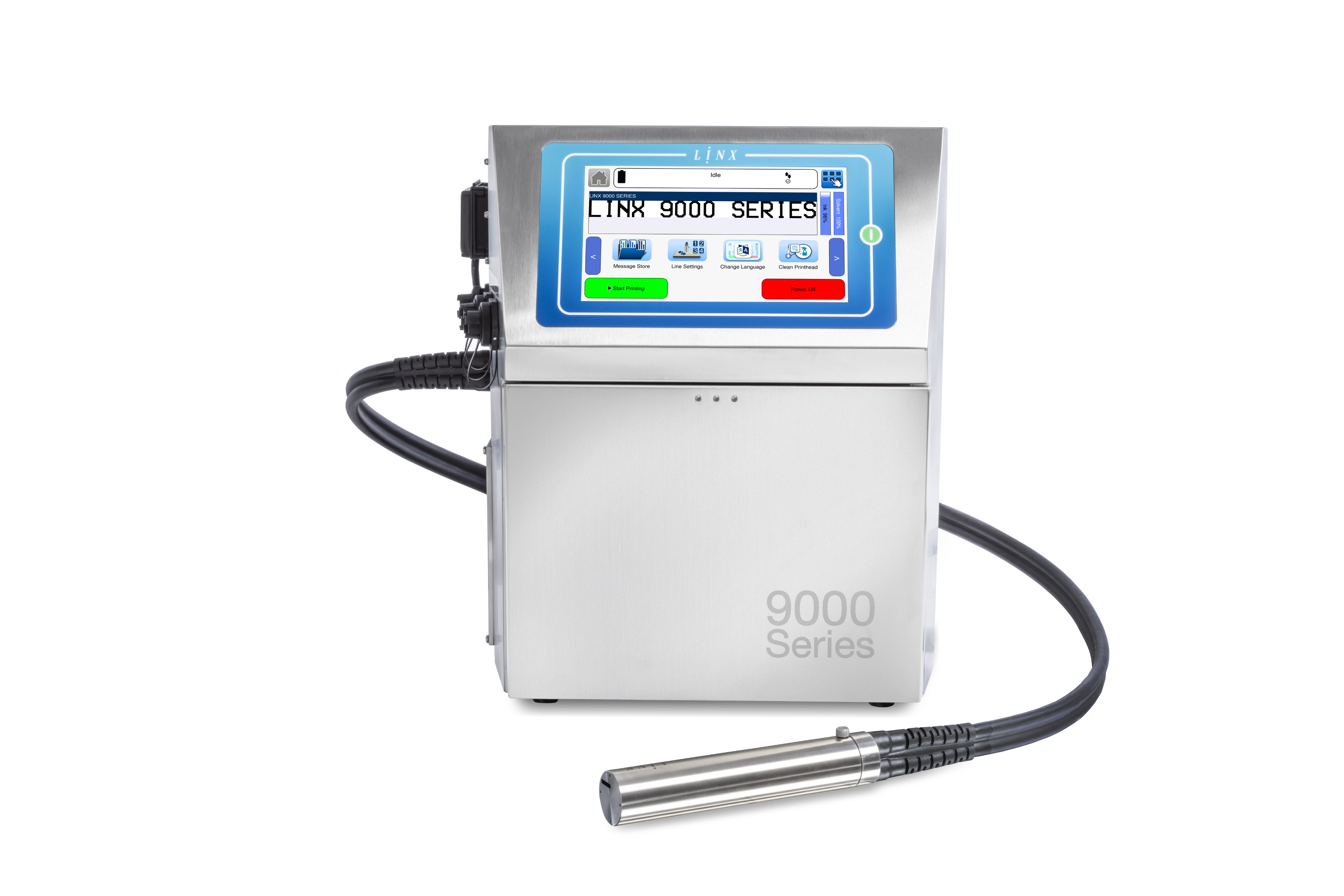
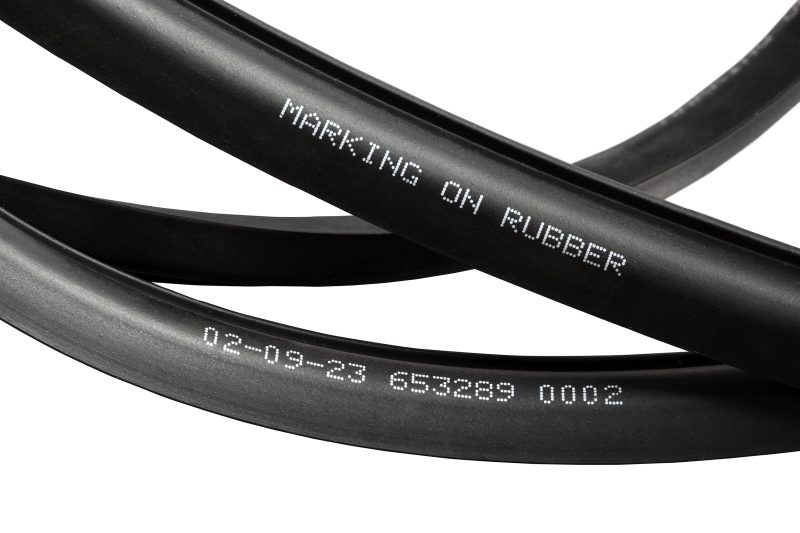
Linx 9000 Series
Reliable, High-contrast coding
Features
Suitable for 24/7 operations | Data Matrix and QR codes |GS1 compliant 2D codes | GS1 code builder | High-speed production | Print up to 6 lines | Black and coloured inks
Key Benefits:
- Excellent print on curved surfaces and any orientation
- Reliable operation in hot, dusty, wet, or non-temperature controlled environments
- Built-in features to prevent unplanned downtime and user errors
- High adhesion pigmented inks for great adhesion and visibility on dark substrates.
- IP65 (option) for ingress protection from water and dust
- Remotely monitor coding through Linx PrinterNet to prevent unexpected line stoppages
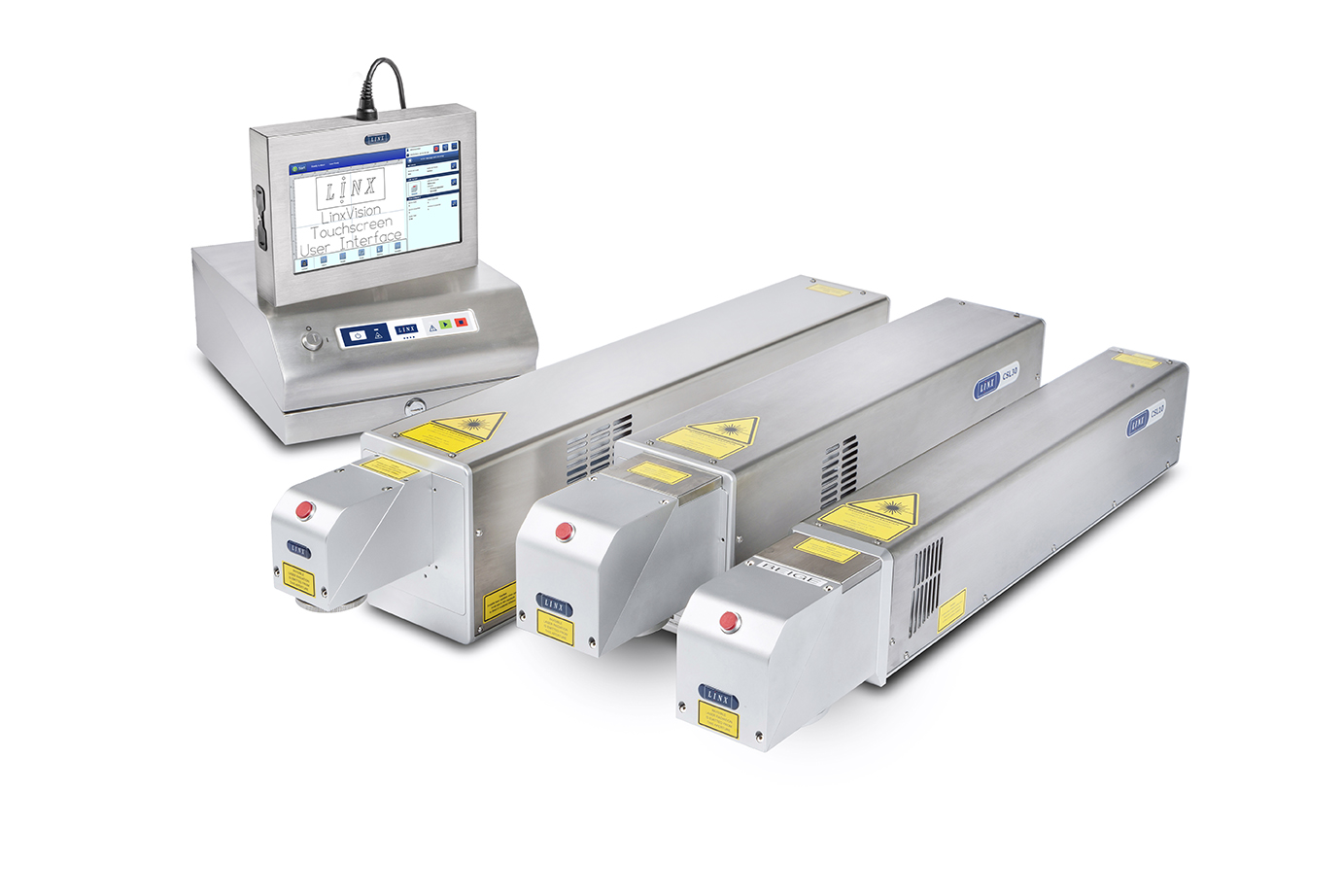
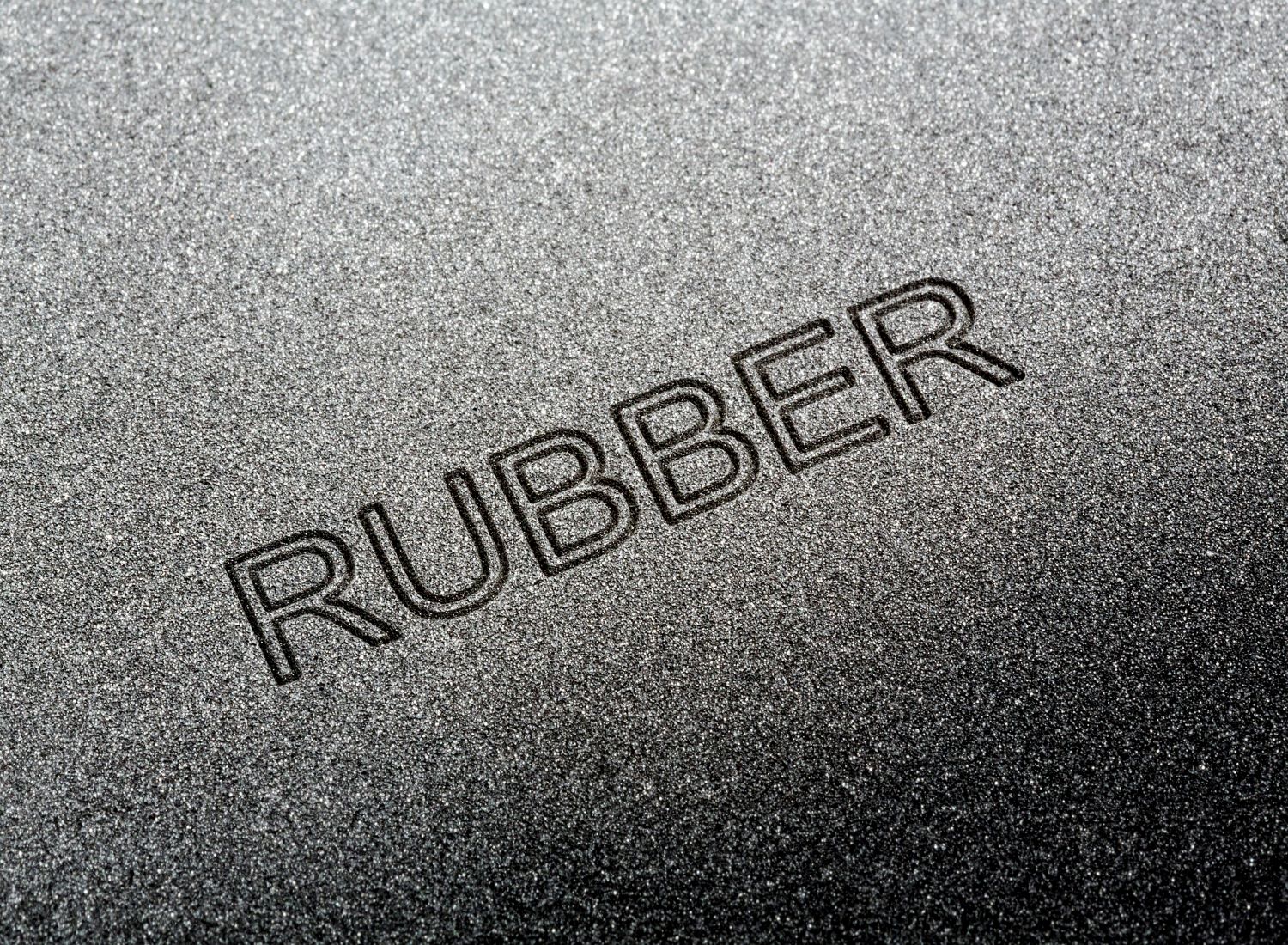
Linx CSL Series
Permanent Coding
Features
Suitable for 24/7 operations | Data Matrix and QR codes | Batch and date coding | Print unlimited lines of text
Key Benefits:
- High-speed coding up to 900m/min
- Over 20,000 configurations to meet complex code requirements
- Zero consumables
- Multiple beams allow for coding at any orientation
Not sure which solution is right for your rubber extrusion production?
Contact us to find the best solution for your marking and coding needs
Durable codes for automotive extrusions and parts
Reliable coding solutions for continuous and moulded extrusion plants
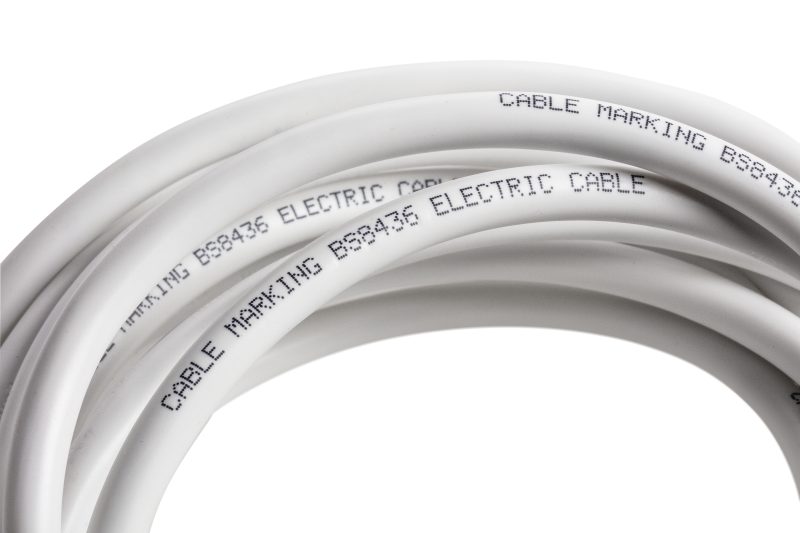
Accurate metre marking and small code coding for wire and cable
FAQ
Yes, rubber products can be directly marked using CIJ or laser, although specialised inks or technologies are required to ensure good adhesion and durability.
Common markings include batch and lot codes, production dates, part numbers, specifications, and traceability or regulatory information.
Products such as hoses, cables, tyres, seals, gaskets, belts and extruded profiles are frequently marked directly during or after production.
Continuous Inkjet (CIJ) is ideal for high-speed, continuous production, while laser marking provides permanent, high-contrast codes for long-lasting traceability.
Rubber surfaces can be flexible, low energy and sometimes oily, making ink adhesion and consistent print quality more difficult.
High-opacity pigmented inks, such as white, blue or yellow, are used to create clear, readable codes on dark rubber materials.
Yes, when the correct ink or laser technology is used, codes can resist abrasion, heat, chemicals and outdoor exposure.
Yes, coding is often applied in-line during extrusion, allowing variable data to be printed continuously without stopping production.