
UFI Codes for Hazardous Products
For manufacturers of hazardous products, correct labelling is critical. It ensures compliance with national and international regulations. Recently, EU legislation introduced additional requirements. Specifically, manufacturers must add a Unique Formula Identifier (UFI) to product labels. This identifier is a unique 16-character code, known as UFI codes.
What are UFI Codes?
A UFI code will link, confidentially, to a central database, used by regional Poison Centres to quickly identify any chemicals involved in reported health & safety incidents. As a result, they can provide accurate and timely medical advice. Therefore, UFI codes play a key role in protecting users and consumers.
Since January 1st 2024, every unique formula used in a hazardous product, used by consumers, professionals or on an industrial scale, must be labelled to remain compliant.
Do UFI requirements apply to your organisation?
The regulation applies to importers and downstream users. In particular, it covers anyone placing hazardous mixtures on the market.
In addition, companies must notify relevant bodies, such as Poison Centres. This includes UFI codes and supporting product data. For example, this may include composition, packaging, colour, and toxicology.
UFI Code Compliance
- UFI codes must be printed on or otherwise affixed/applied to a product’s existing label.
- The UFI is an alphanumeric code of 16 letters or digits, divided into four sections with hyphens and prefixed with ‘UFI’ in all capitals.
- UFI codes must be easy to locate and clearly marked, both visible and legible as part of the product’s standard labelling.
- Importantly, only products which have the exact same chemical composition can share a UFI code on their label.
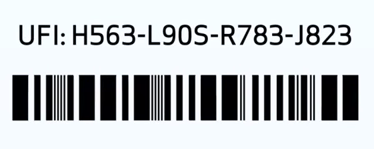
To create your own UFI codes, you can use the UFI Generator Tool created by the European Chemical Agency (ECHA). You will need your company VAT number (also known as a ‘company key’) in addition to a formulation number specific to the mixture. If you don’t have a company key, use the ECHA site to request one.
Note: you can also integrate UFI Generator functionality into your existing IT system and production line. This is a worthwhile consideration if your manufacturing environment demands many UFI codes are applied to a wide range of hazardous mixtures.
Learn more about UFI compliance using official ECHA resources.
Linx Coding & Marking Solutions for UFI Codes
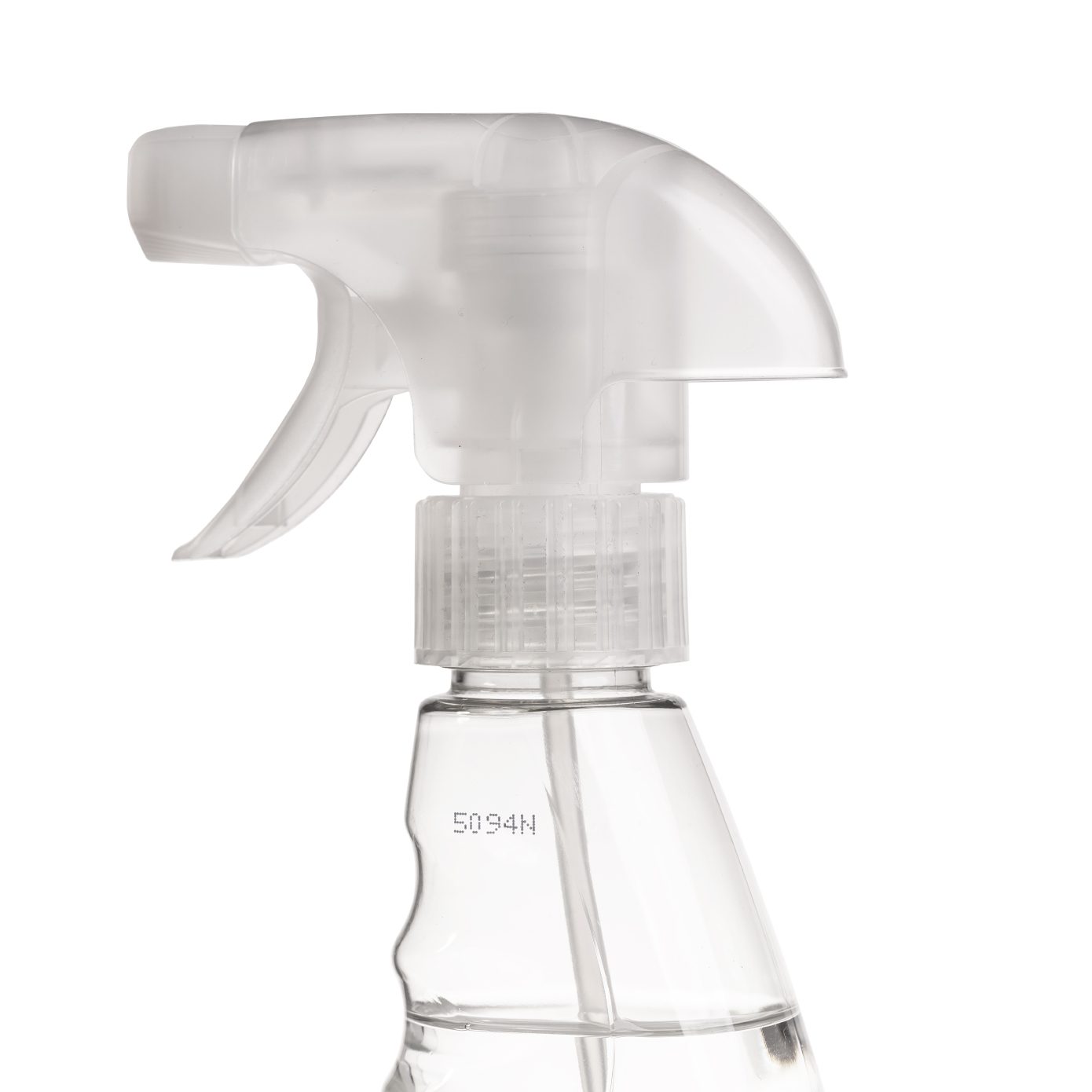
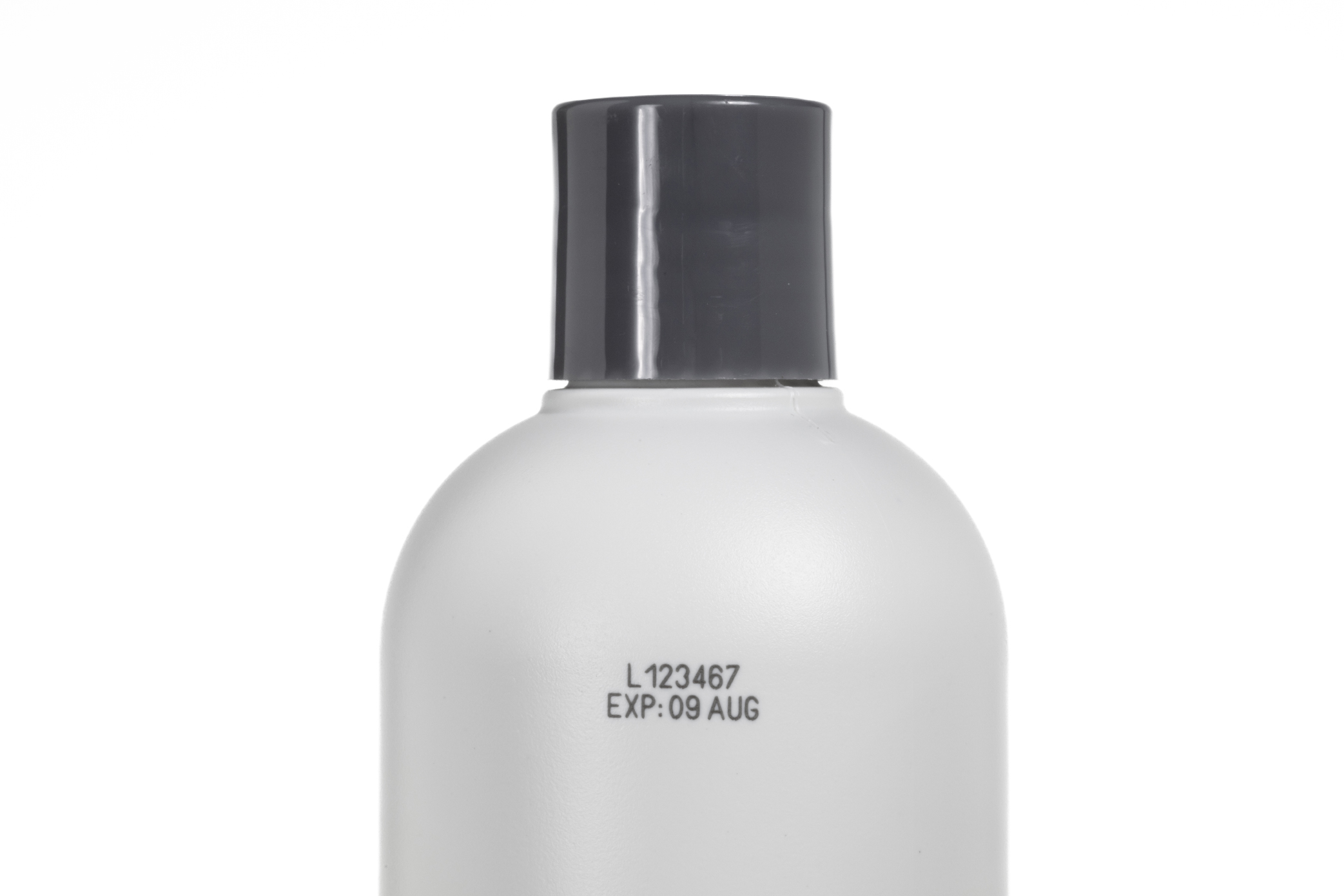
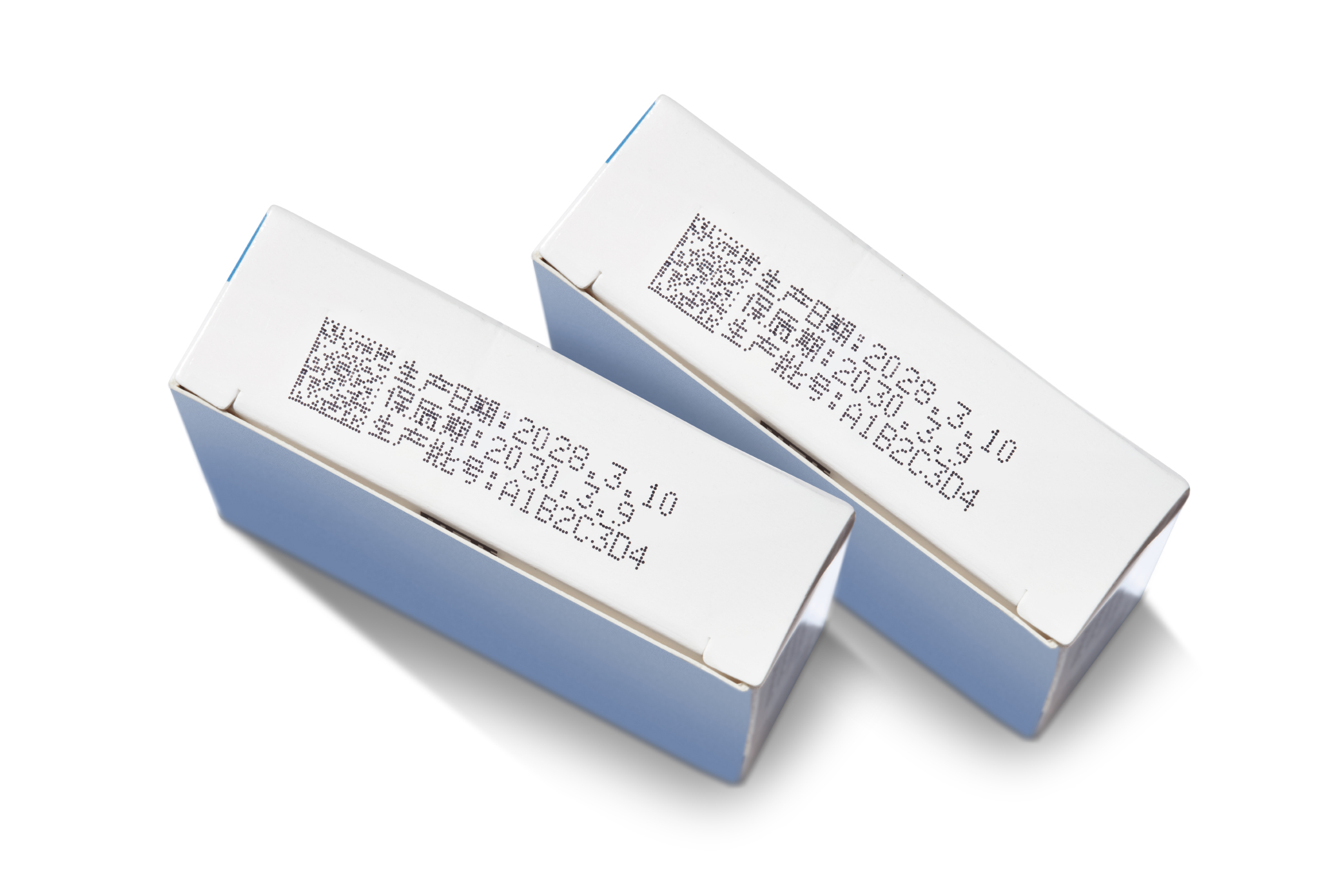
How you decide to add UFI codes to your products will depend on the specifics of your production environment, as well as the substrates and products you work with. The Linx range of coding & marking printers is perfectly suited to production lines featuring a wide variety of packaging and materials. These include flexible or rigid packaging, plastic, PET, films, rubber, glass, metals and more.
Linx Solutions for UFI Codes

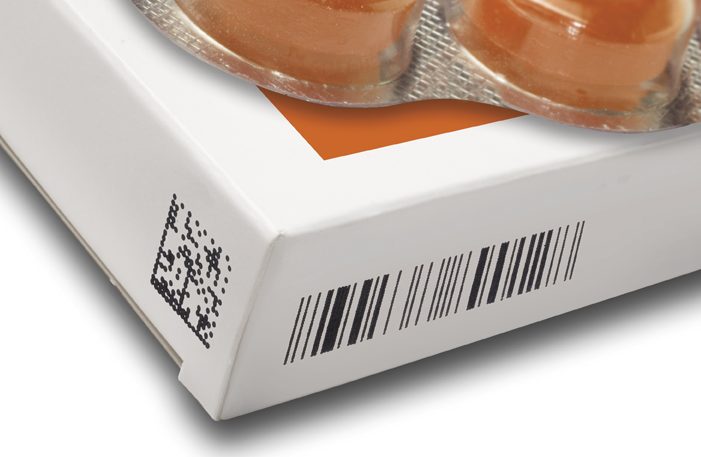
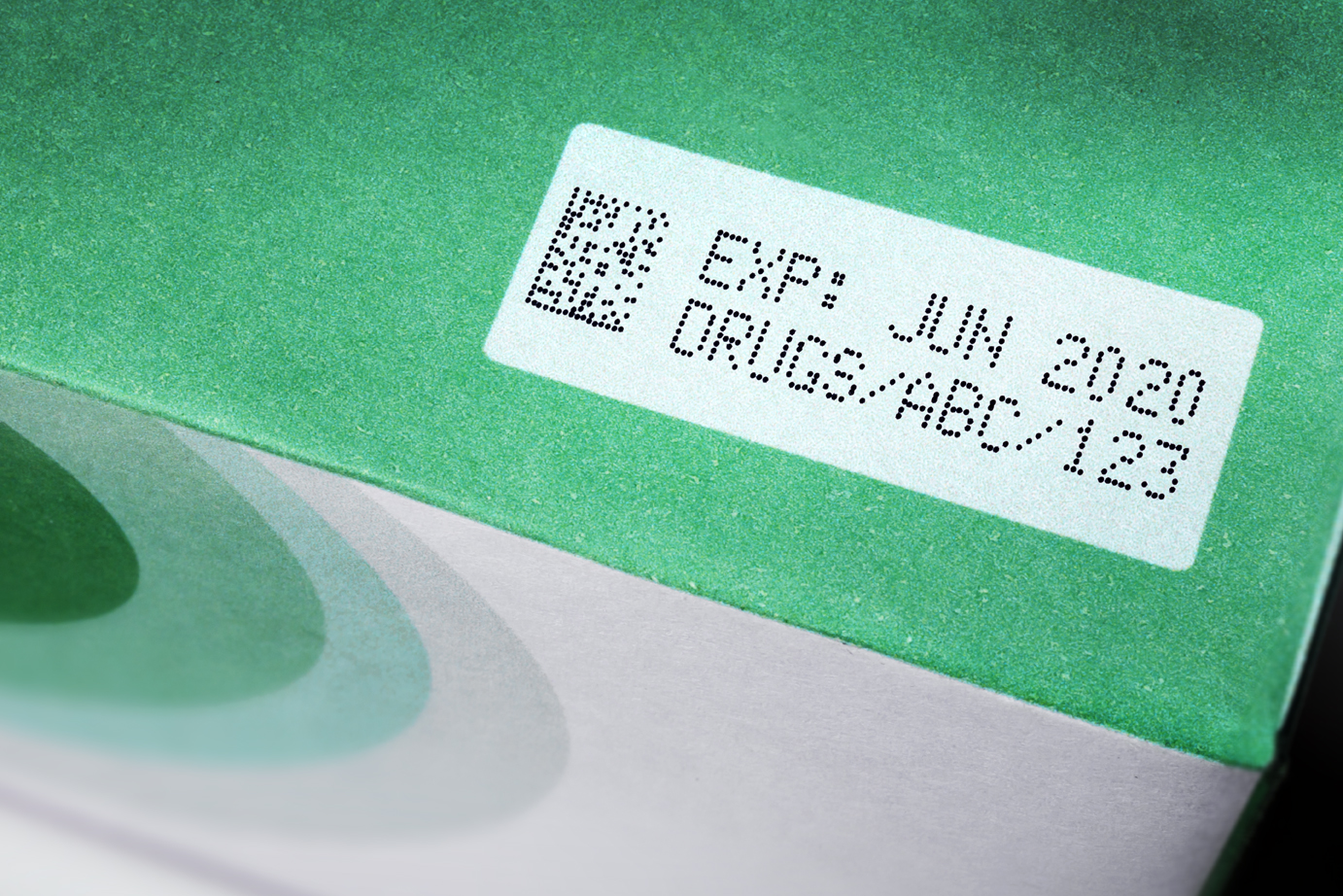
Inkjet Barcode Printing
Linx 9000 Series CIJ printers
Features
Suitable for 24/7 operations | Data Matrix and QR codes | GS1 code builder | High-speed production | Print up to 6 lines | Black and coloured inks | Non-contact coding
Key Benefits for batch coding:
- Range of inks to ensure durable codes on different materials and resistant to chemical and water washoff
- Create codes on the printer screen, no laptop or additional software needed
- IP65 option for washdown or dusty environments
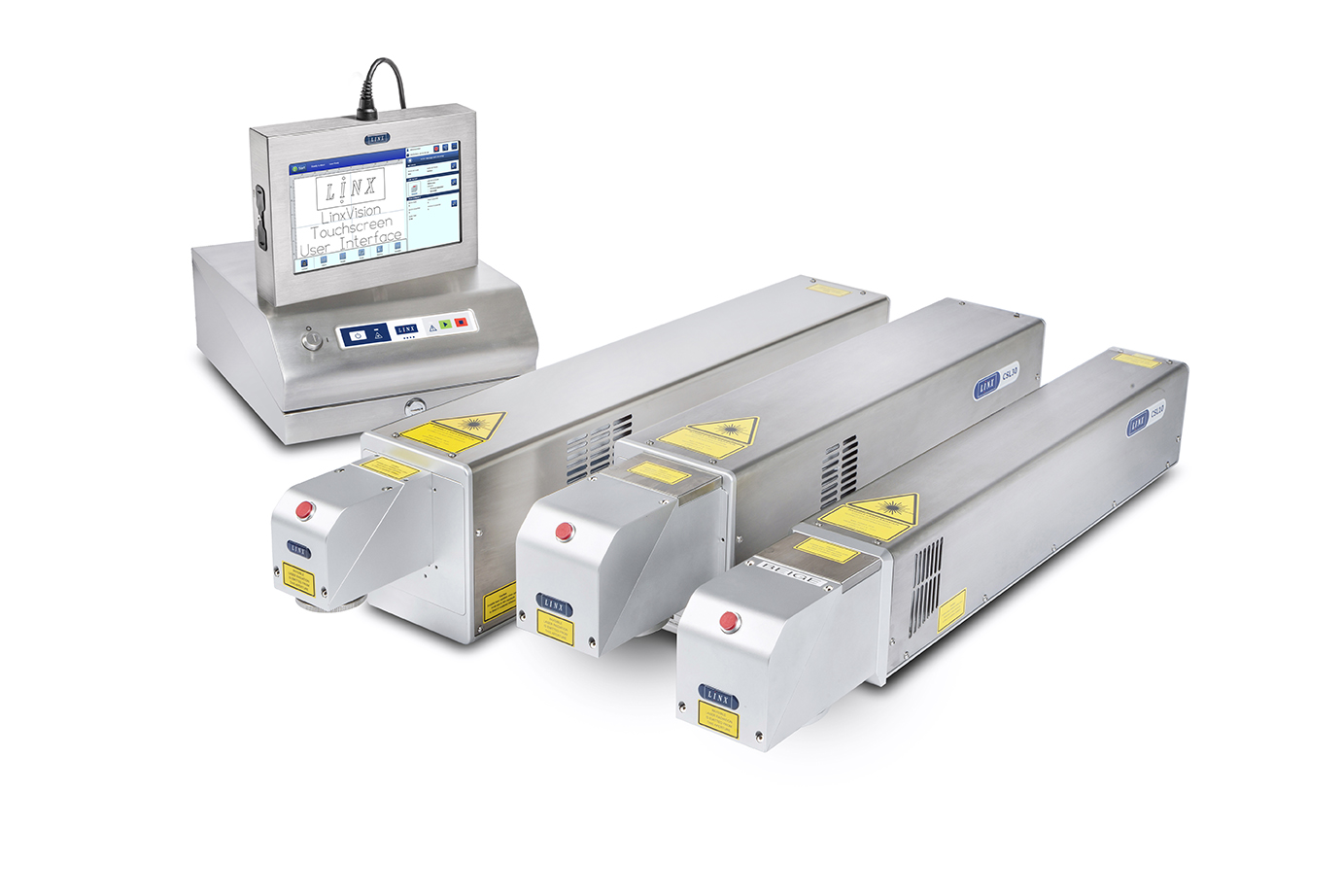
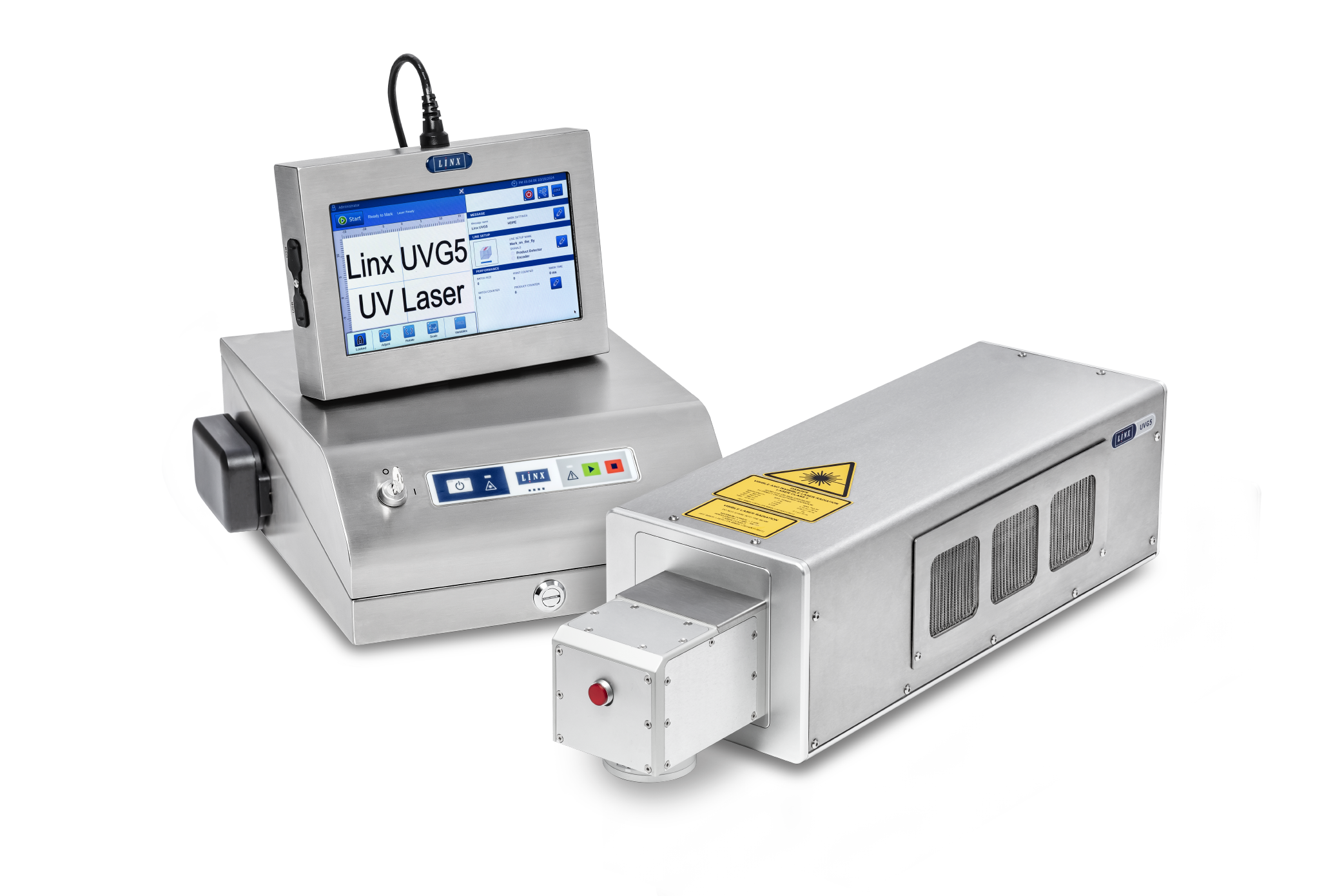
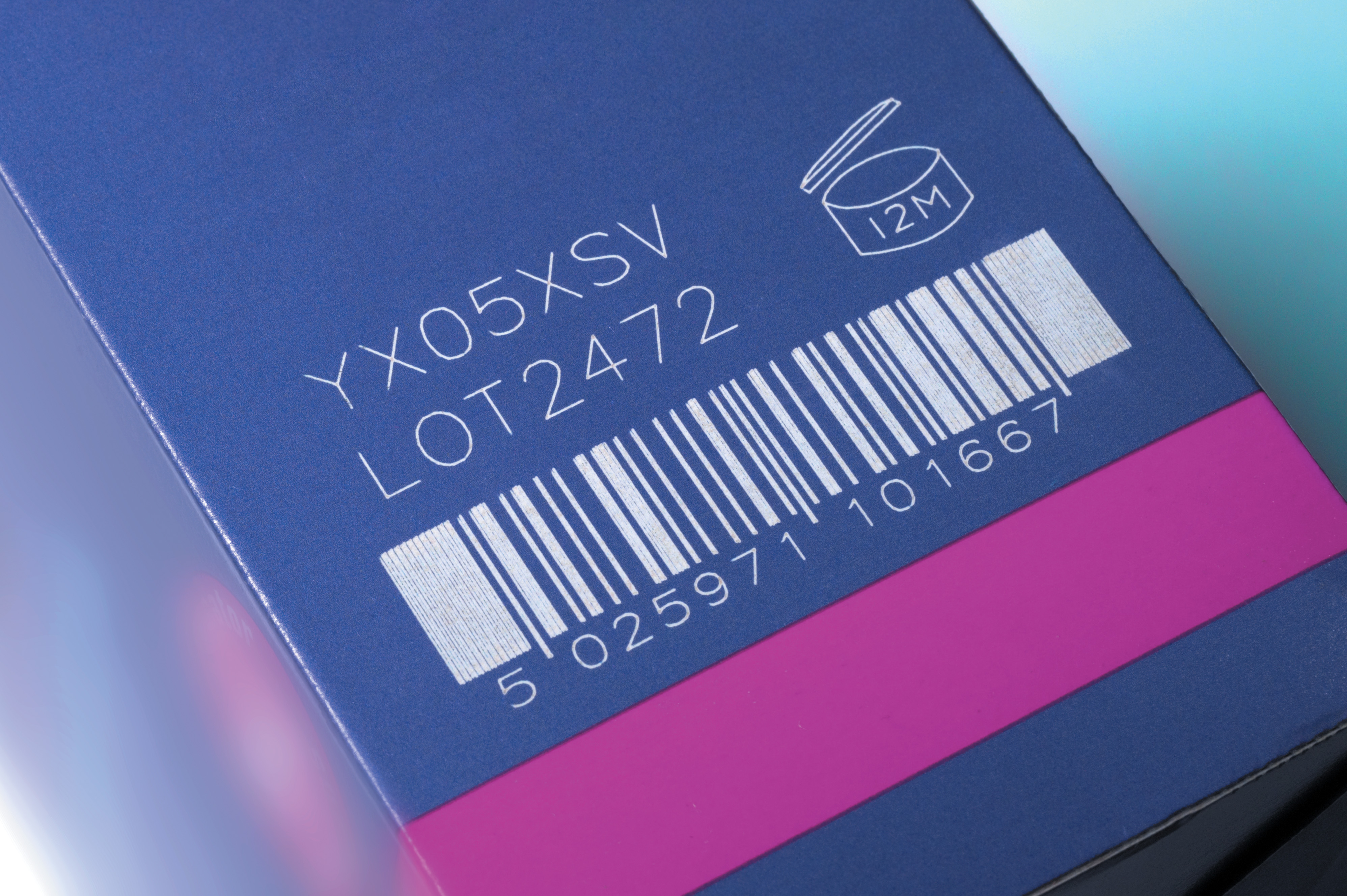
Laser Barcode Coding
Features
Suitable for 24/7 operations | Data Matrix and QR codes | Large marking area | No consumables | Low maintenance | Versatile mounting | Non-contact coding | IP65 options
Key Benefits for batch coding:
- Permanent coding to ensure codes are present and legible for the even the most highly regulated industries.
- High resolution and accurate coding for excellent clarity codes
- Suitable for high-speed production lines