
Marking Cartons
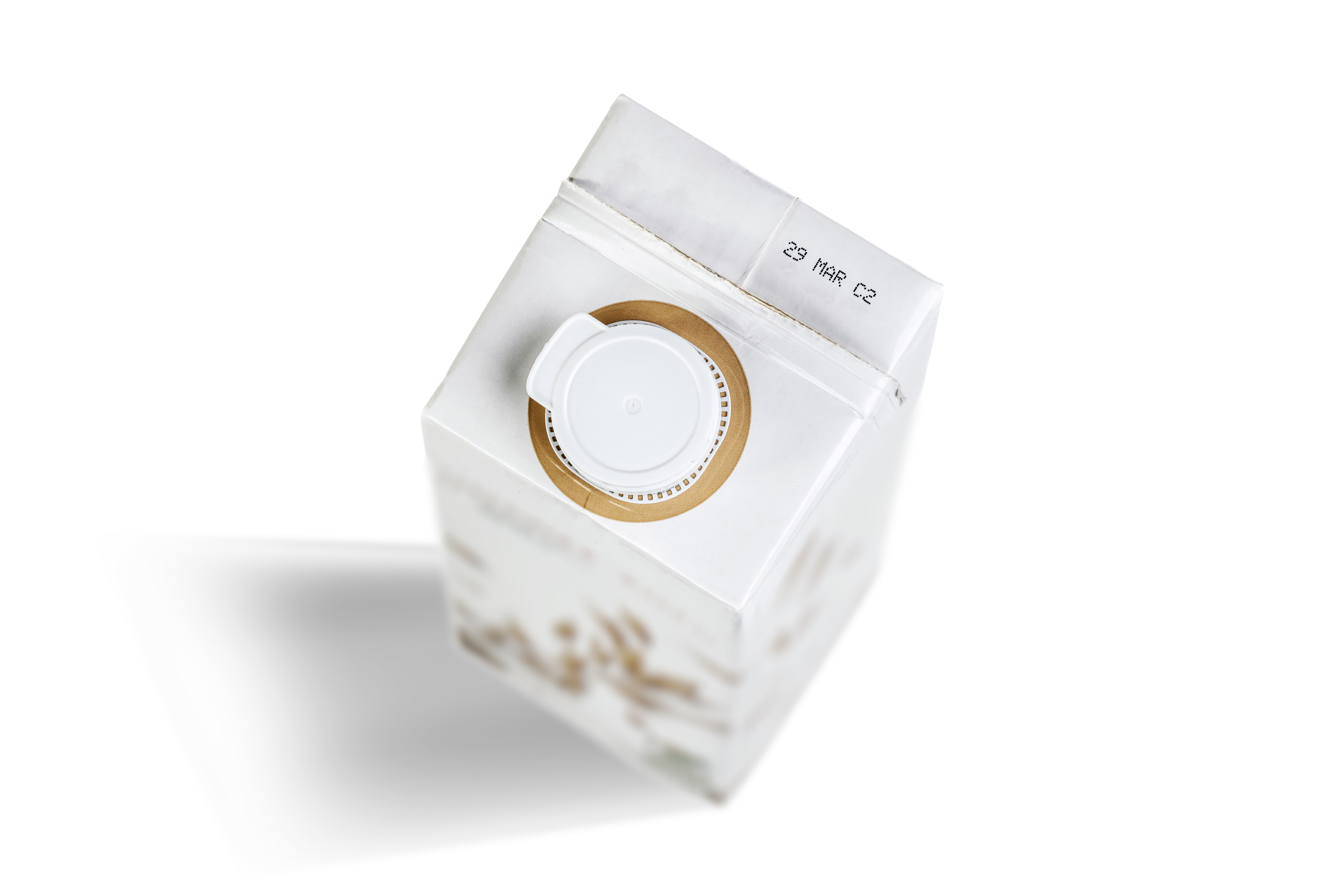
Coated card cartons are widely used for supply of long-life milk, dairy-free milk substitutes e.g soya milk or oat milk, fruit juices and other liquid food products such as soup, egg whites and passata.
Coated liquid cartons are widely used because their rectangular shape and flat-pack supply allow efficient stacking, transport and storage, improving logistics compared to plastic bottles. Their multilayer structure protects contents from light, oxygen and contamination, helping extend shelf life and maintain product quality. In addition, cartons are largely paper-based and use less plastic overall, making them a more sustainable option in many applications.
Challenges in Carton Marking
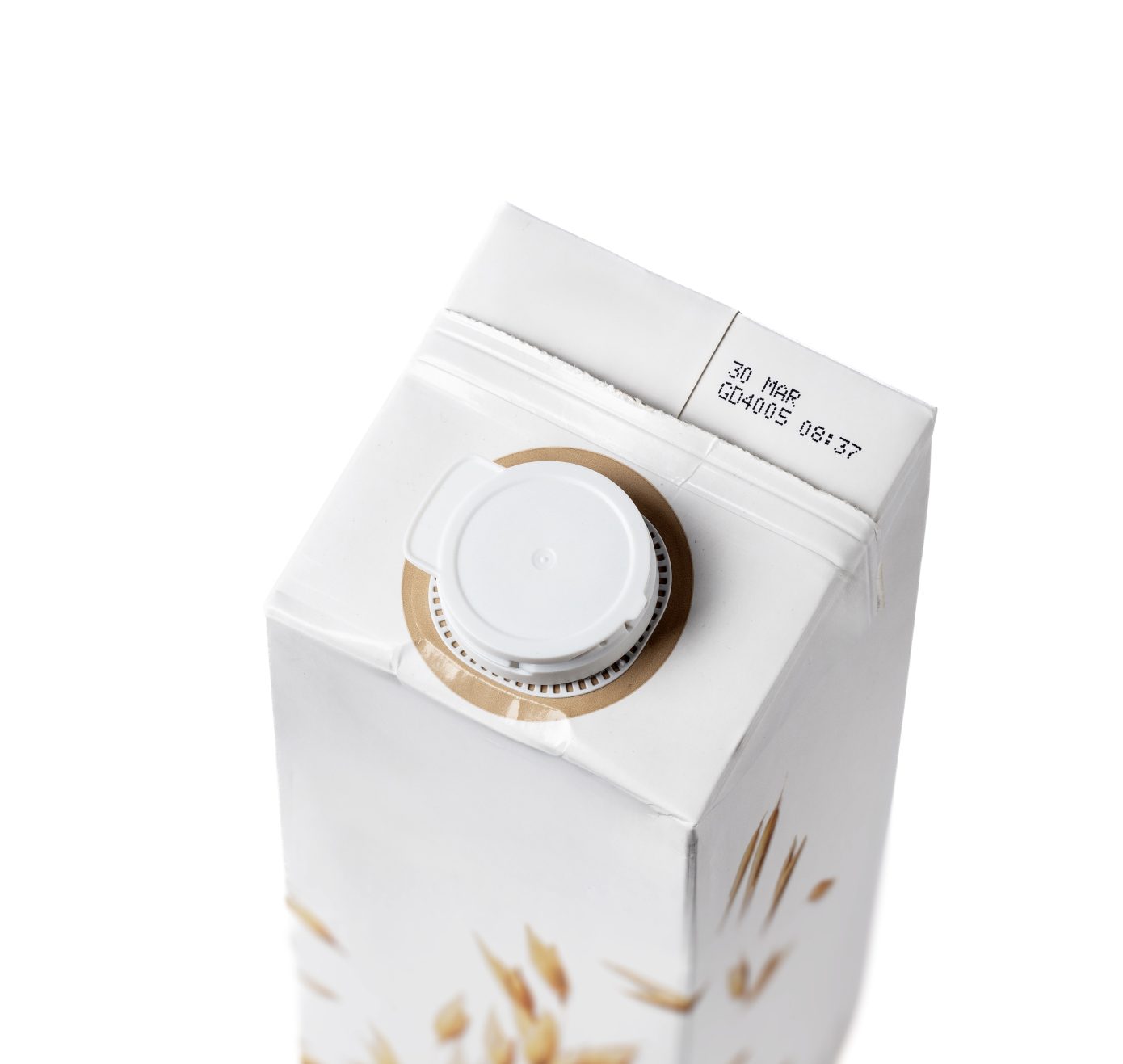
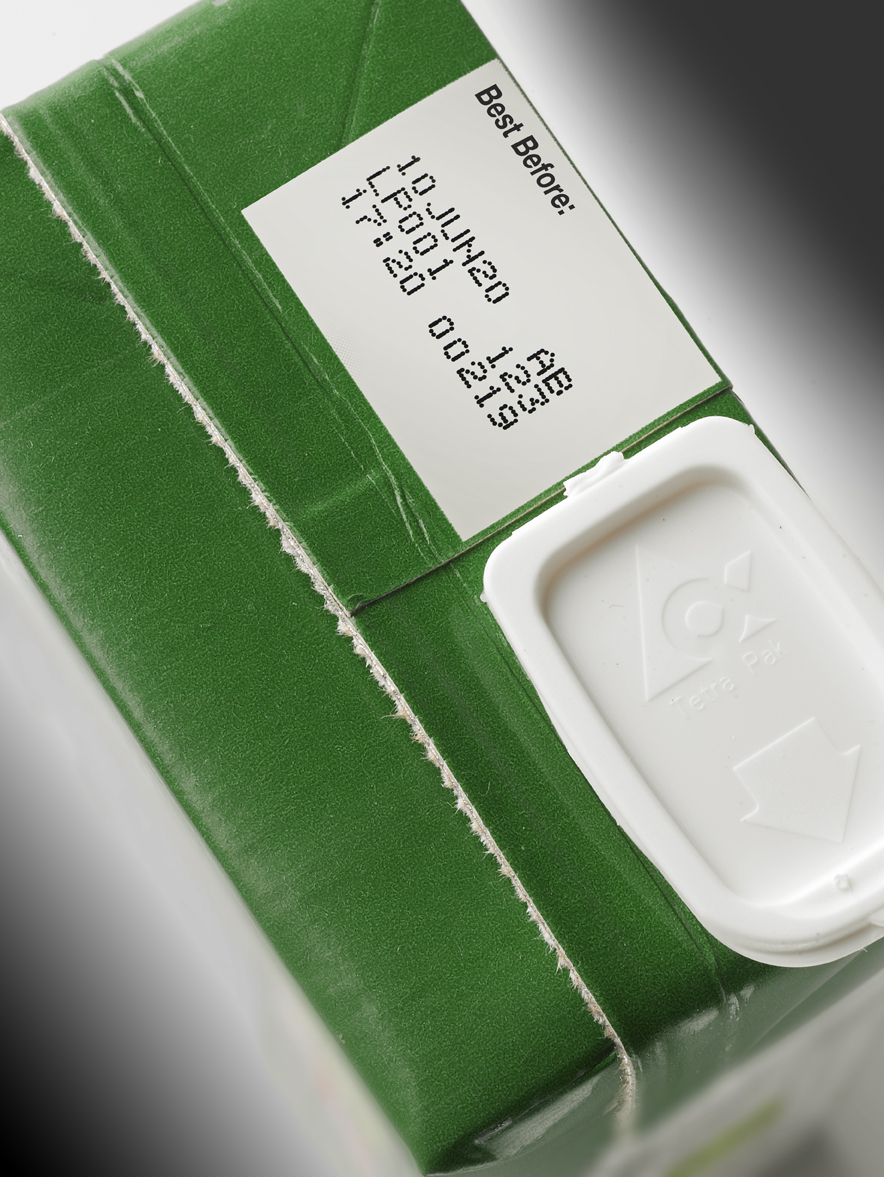
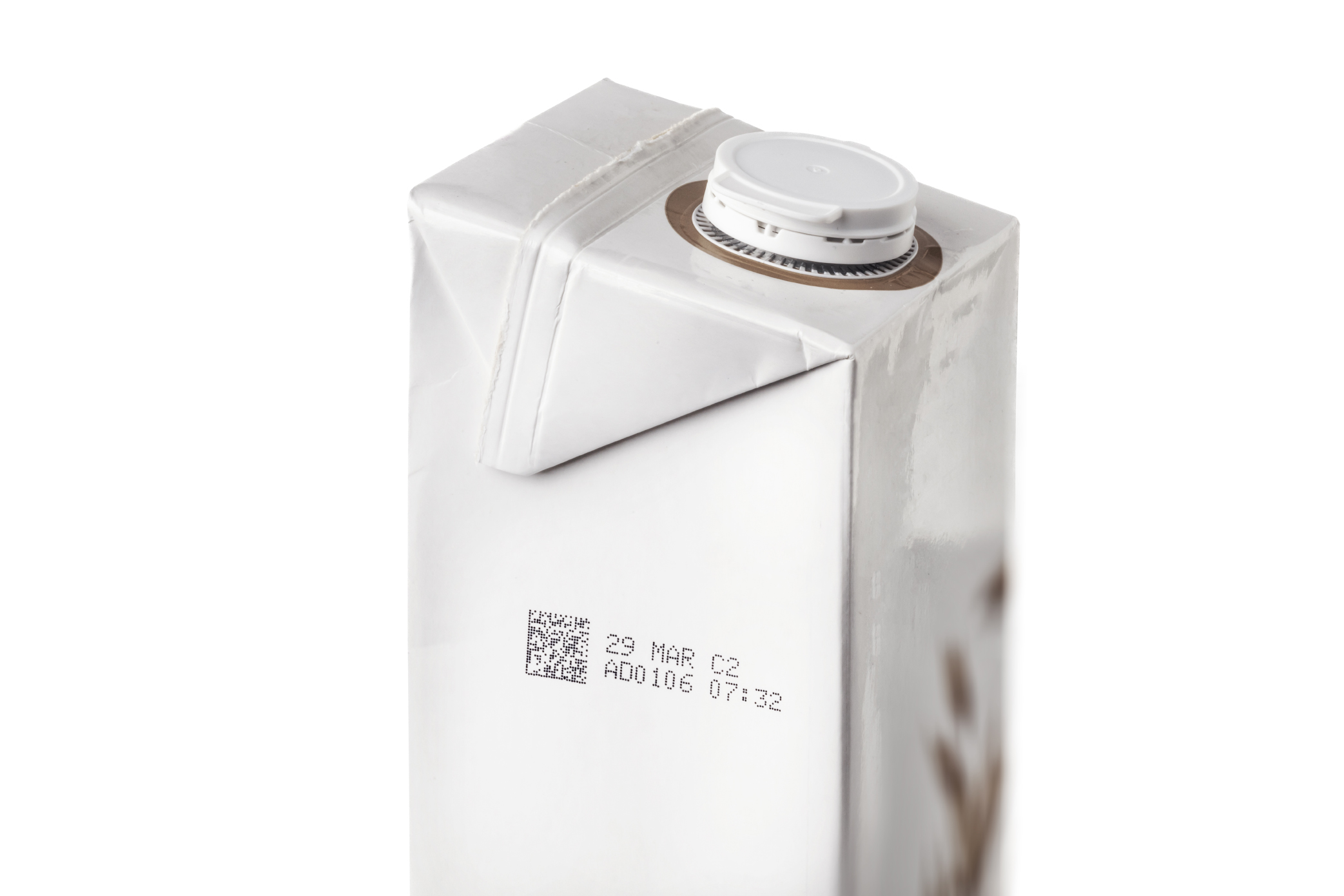
Cartons vary in porosity, coatings and finish, making it difficult to achieve consistent ink adhesion or laser contrast across different substrates. Ink can absorb, smear or fade on coated paperboard, leading to poor readability and barcode scan failures.
Cartons may have seams, folds, irregular or angled shapes, varnishes or textured areas that make accurate, stable code placement more challenging.
Codes must remain legible despite abrasion, rubbing and exposure to moisture during packing, transport and retail handling.
Marking must be applied consistently on fast-moving lines, with limited tolerance for errors or incorrect data input, increasing the risk of rejects or compliance issues.
What is an Industrial Card Printing Machine?
Industrial printers can code directly onto coated card cartons in any orientation, even on sloped or irregular surfaces. Precise code positioning ensures reliable coding in a small print area. They can mark variable information as well as printing barcodes, Data Matrix and QR codes onto boxes, trays and sleeves to enable traceability, and convey quality and safety information to the consumer.
The most commonly used technology for coding onto coated card cartons is continuous ink jet (CIJ) due to its flexibility. reliability and high code quality/
Our expertise in product and packaging marking & identification can help you to reduce costs and improve production rates.
Integration
Coding for liquid, dairy and food products often require enhanced traceability, such as marking the product with the batch code that relates to the specific filler. This can easily be achieved by integrating your coding solution with your other industrial hardware and allowing the coded message to be created and changed by the external system.
Speed
Filling lines often move at high speeds and tracking product throughput is important. Carton coders must keep up with the line speed without compromising on code readability or placement. Many coding solutions allow accurate reporting of products printed directly on the user interface or can communicate remotely with a laptop or phone through a clousd application.
Environment
Many filling lines operate in cooler temperatures to maintain product safety and quality. Linx coders can operate at cooler temperatures, and code accurate on ‘cold fill’ products that may have a film of condensation.
IP65 options are available for ingress protection and washdown environments.
What to look for in a Coated Card Carton Coder
Code Content: The code requirements (batch numbers, dates, 2D codes etc.), the size, colour and the desired marking area will affect the coder most suited to your application.
Durability: For durable codes the printing solution you choose must be able to adhere reliably and still be legible through your production and supply chain.
Speed: Ensure the coder you choose can keep up with your production line speed without compromising on code quality.
Production environment: Consider the IP rating of your coder for wet environments and for washdown sites.
Available budget: It is vital to consider not only the initial purchase price but also the total cost of ownership, including consumables and cost and frequency of servicing. Can the product be user maintained and repaired?
Reliability: The reliability of your coder is crucial to avoid product rework, scrappage, line downtime and loss of efficiency. Frequent breakdowns can negate any benefits of a lower purchase price coder; look for automatic cleaning or self-service features.
Linx Technologies for Cartons
Linx can provide you with a suitable coding solution for coated card cartons.
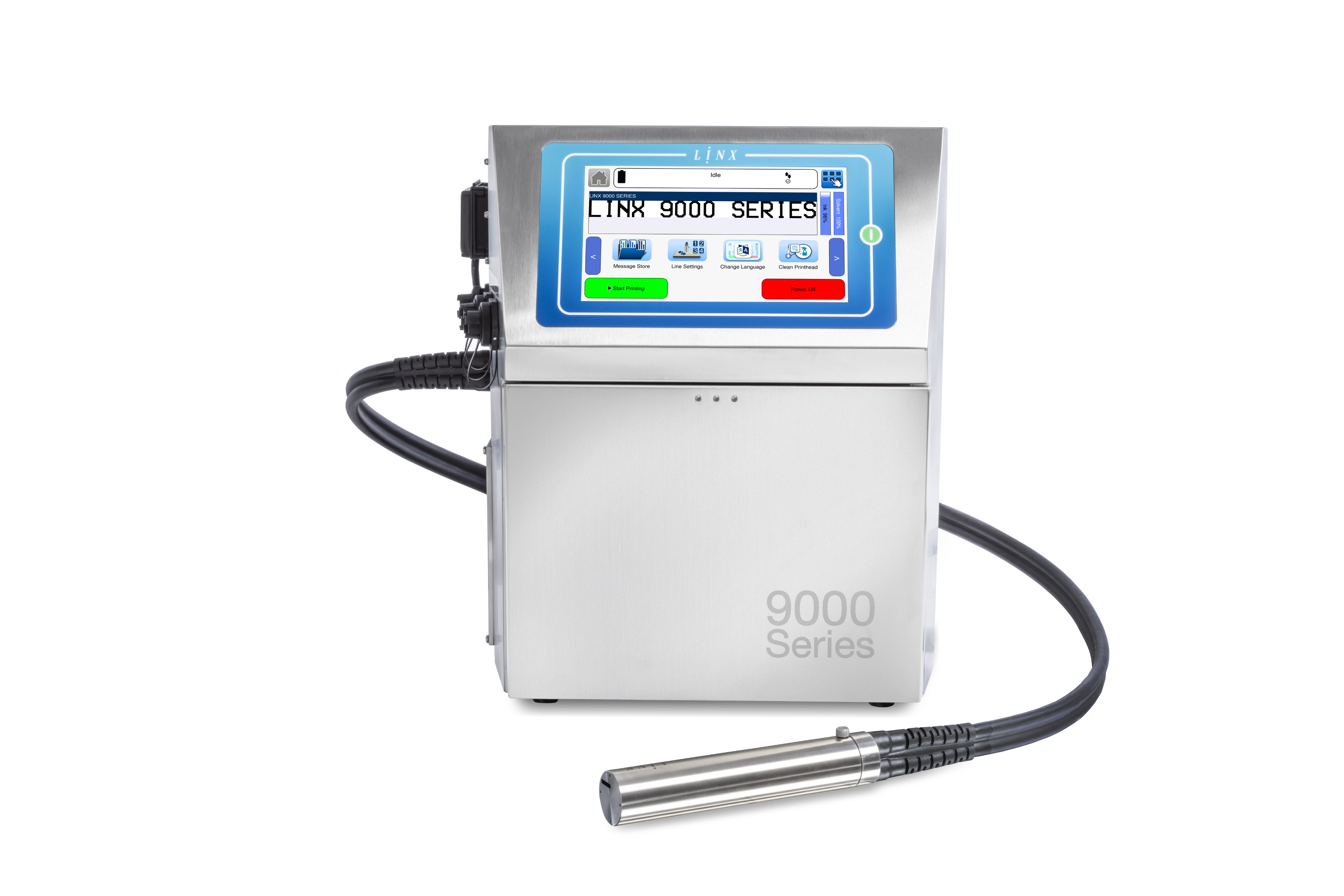
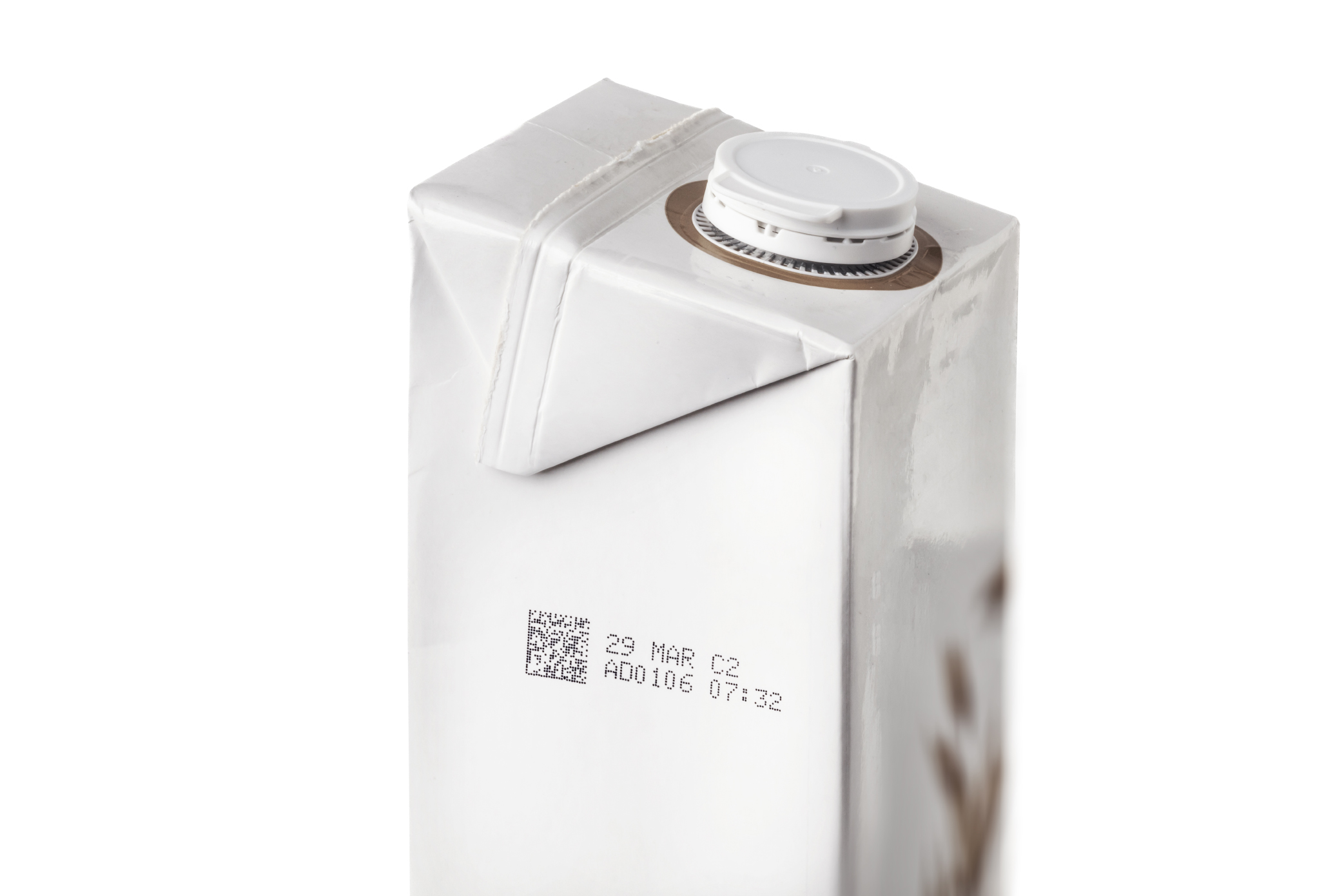
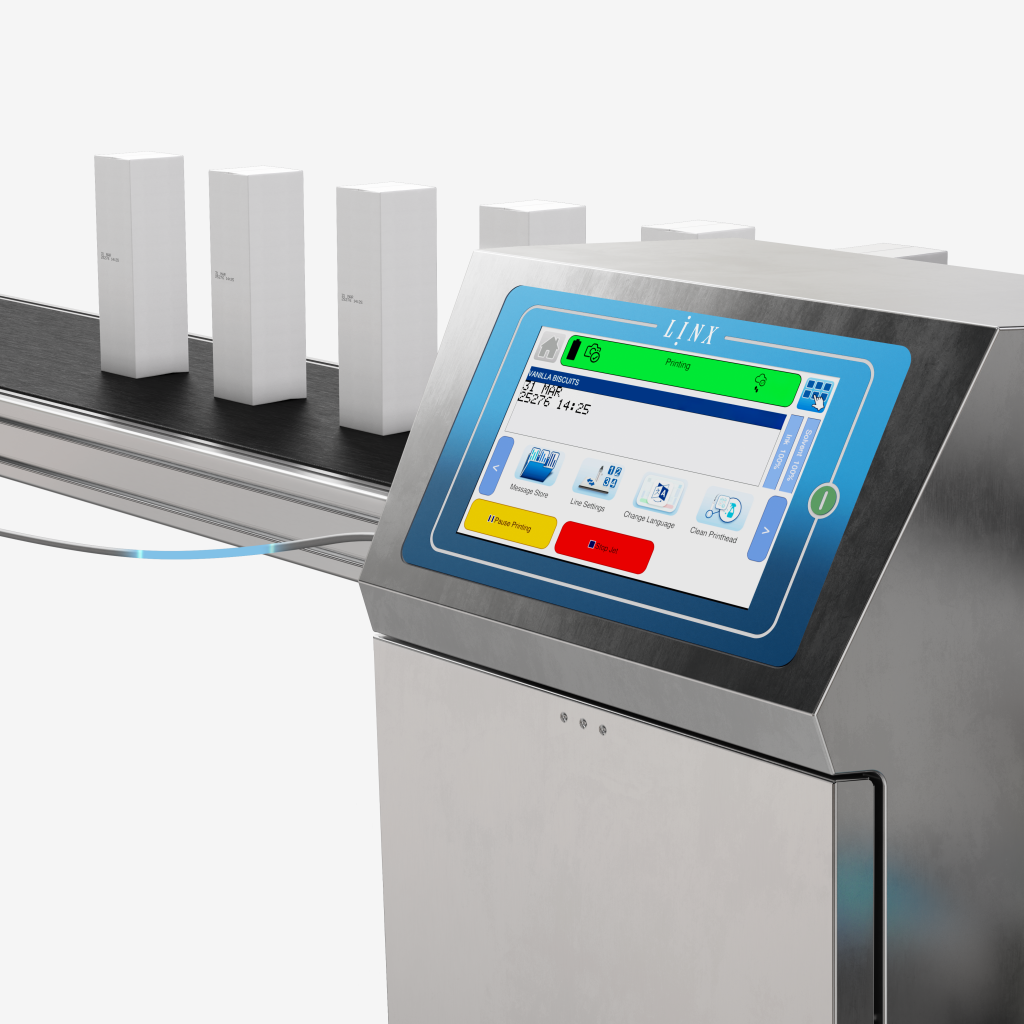
Linx 9000 Series
Flexible solution for product changeovers
Features
Suitable for 24/7 operations | Data Matrix and QR codes |GS1 compliant 2D codes | GS1 code builder | High-speed production | Print up to 6 lines | Black and coloured inks
Key Benefits:
- Built-in battery, stored line settings and message store to make product changeovers simple
- High adhesion inks for coated card, range of colours and MEK-free options available
- IP65 (option) for ingress protection and washdown environments
- Remotely monitor coding through Linx PrinterNet
Integration for Cartons
Using Linx Extended QuickSwitch or the native REST API on a Linx 9000 printer allows print messages to be automatically selected or updated from an external system, such as a carton filling line, removing the need for manual operator input.
The 9000 Series can communicate directly with external devices and enterprise systems, enabling real-time data exchange so the correct batch, date or product information is applied to each carton as production changes. This integration supports enhanced traceability by ensuring accurate, synchronised coding across the line, reducing errors and providing a reliable link between production data and each individual pack.
Available on Linx 9000 Series CIJ printers
Not sure which solution is right for your coated card packaging?
Contact us to find the best solution for your marking and coding needs
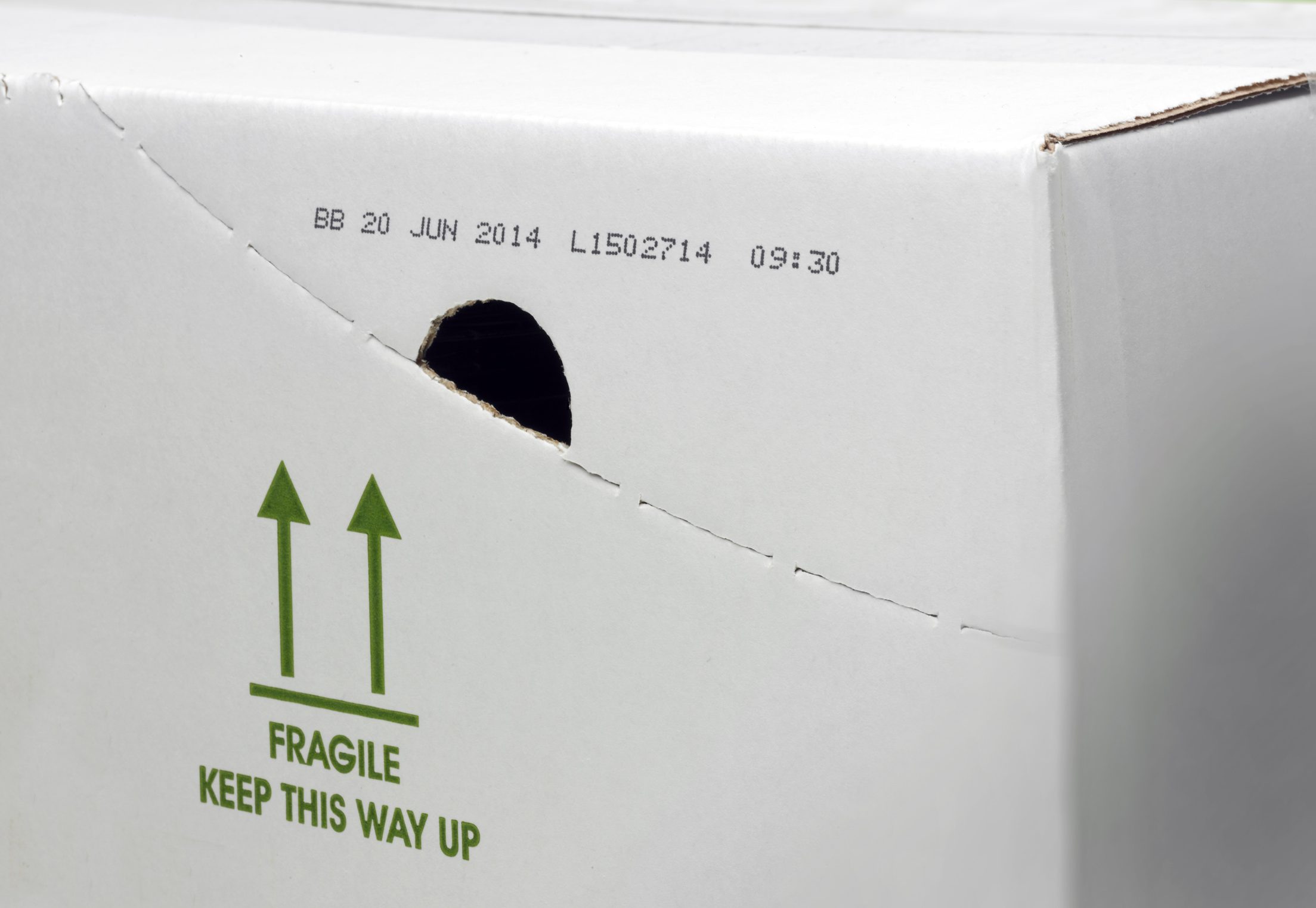
Coding on cardboard outer boxes for secondary packaging
Coding on film lids, tubs, bottles and pots in the dairy industry
Coding on beverage, cartons, cans and bottles
FAQ
Cartons are commonly coded with batch numbers, expiry dates, barcodes and traceability data to meet regulatory and supply chain requirements.
CIJ, laser and thermal inkjet (TIJ) are widely used, with the best choice depending on the carton material, coating and production speed.
Yes, but coated surfaces can affect ink adhesion and contrast, so the correct ink or laser setup is essential for reliable marking.
Surface variation, ink absorption and poor drying can lead to smudging, fading or low contrast, reducing readability and scan performance.
Yes, non-contact technologies such as CIJ and laser are designed to apply accurate, consistent codes on fast-moving cartons.
Integrating coders with external systems enables automatic data input, helping ensure accurate, real-time coding and reducing the risk of human error.