Construction Coding and Marking Solutions
Reliable construction coding and marking solutions for metal, plastic, glass, timber and other building materials. Linx construction coding and marking printers help manufacturers apply clear, durable codes for traceability, identification and quality control, even in harsh production environments.
Coding and Marking on Construction Materials
Construction manufacturing environments can be tough. Dust, debris, moisture, abrasive materials and variable production conditions all place demands on coding and marking equipment. At the same time, construction products often require clear, durable codes that remain legible throughout handling, storage, transport and use.
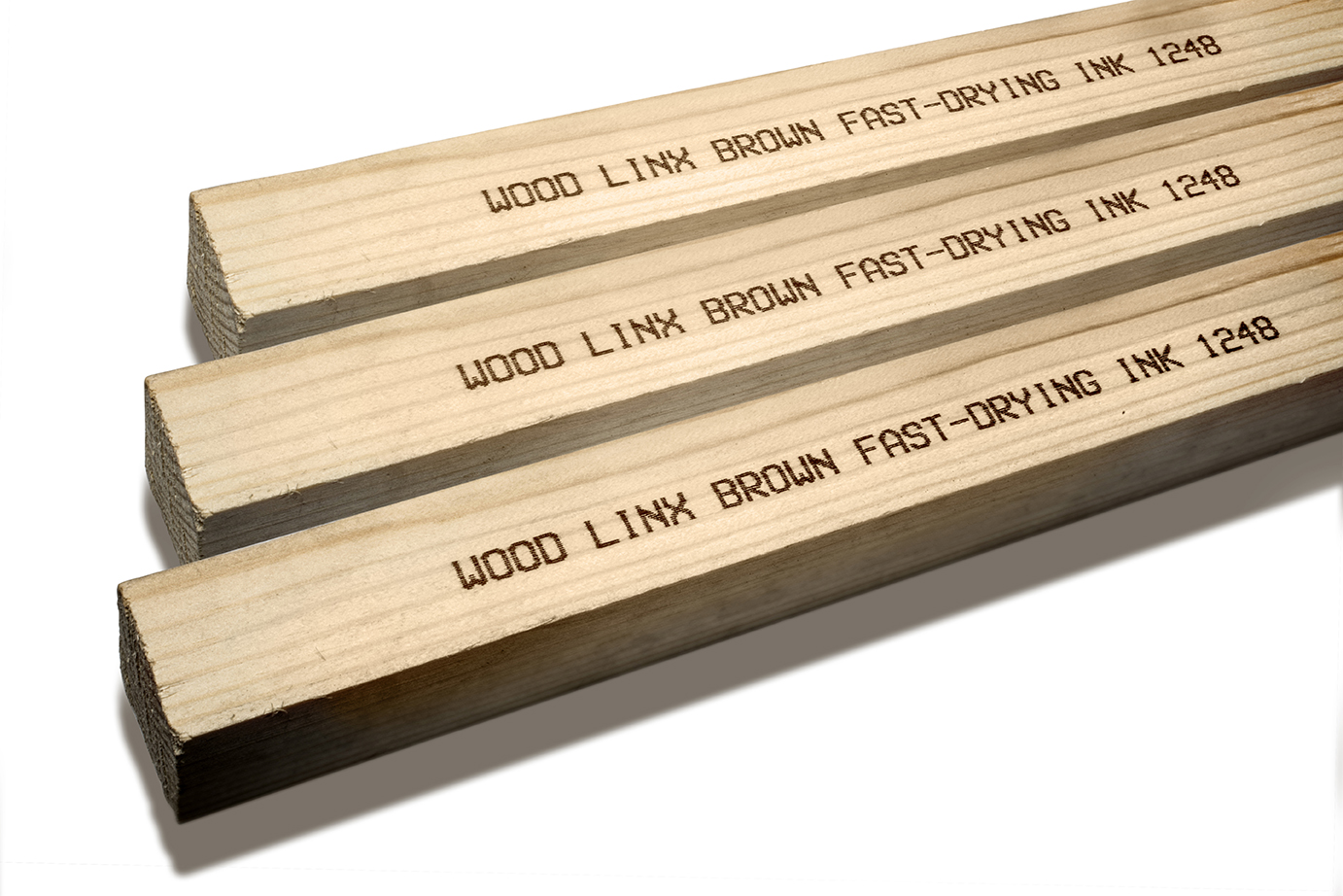
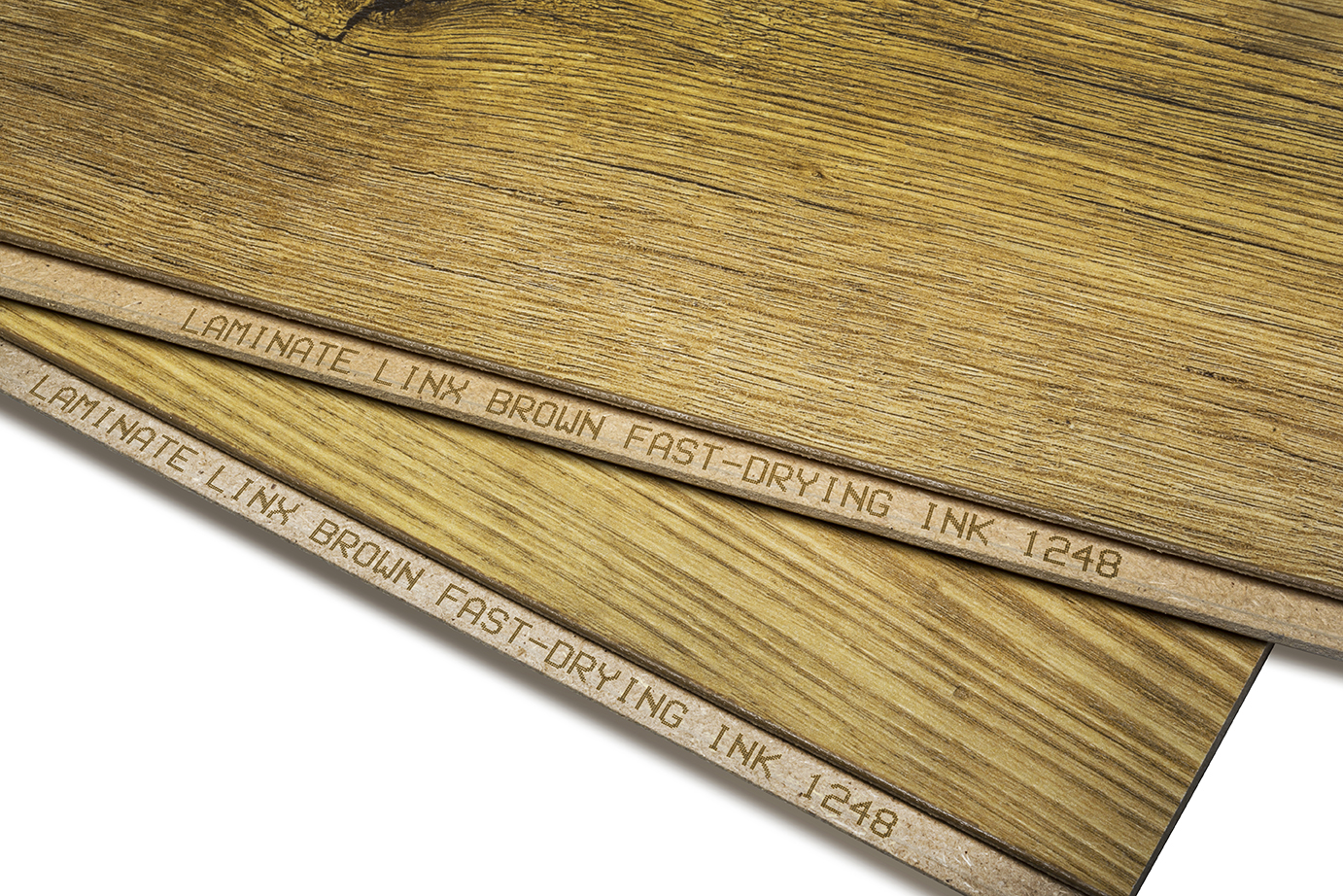
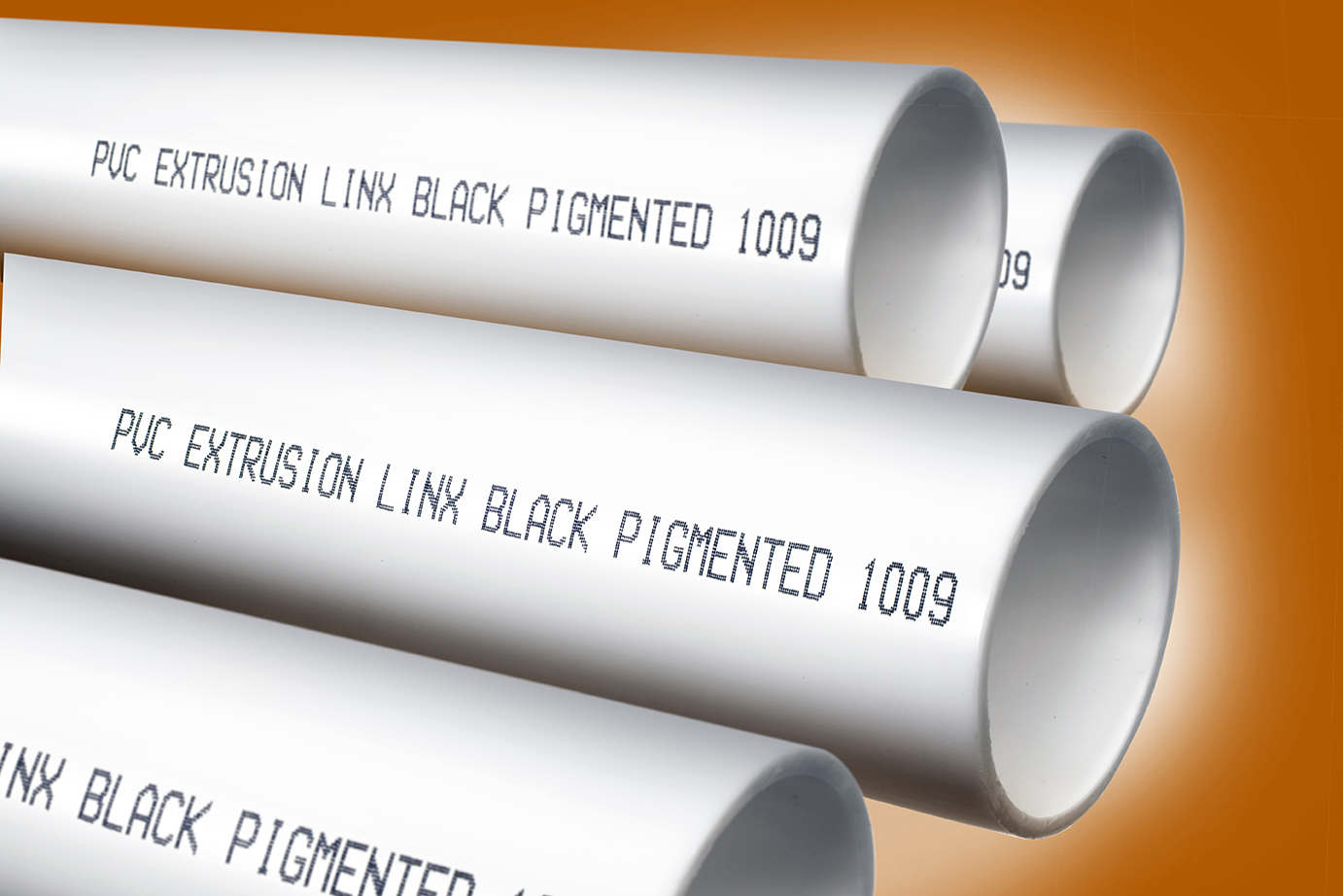
Linx construction coding and marking printers are designed to code reliably onto a wide range of materials, including metal, plastic, glass and timber. Whether you need batch codes, date codes, product identifiers, logos or traceability information, Linx can provide a coding solution suited to your production line.
Both Continuous Inkjet and Laser coding technologies can support construction applications. CIJ printers offer flexible, non-contact coding on varied surfaces, while laser coders provide permanent, high-contrast marks without the need for inks or solvents.
Request a print sample
See what your code will look like.
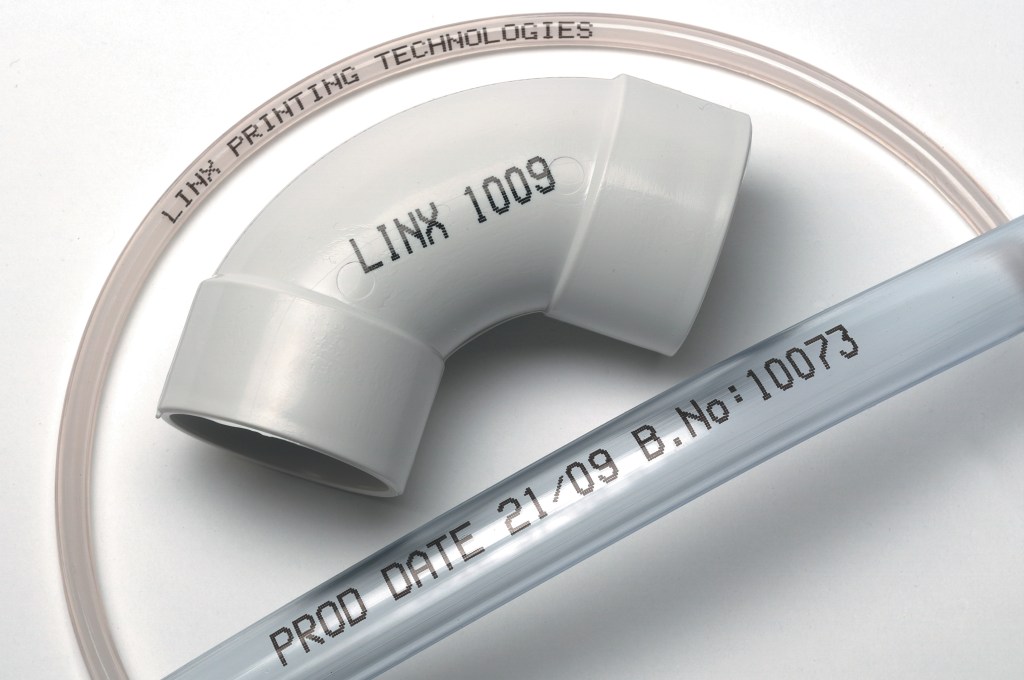
To find out more information and to request your samples with no obligation, click the button below.
Best Technologies for construction coding and marking
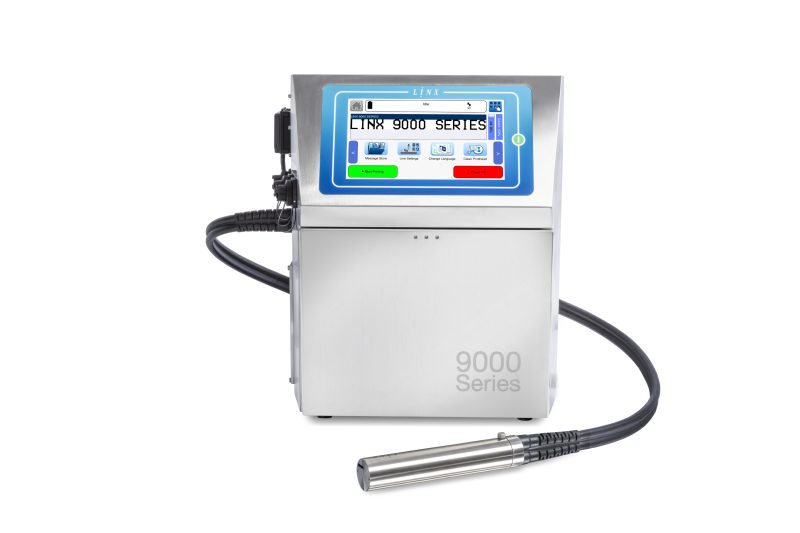
Continuous Inkjet (CIJ)
Ideal for flexible, non-contact coding on varied surfaces
- Suitable for metal, plastic, glass, timber and other substrates
- Handles high-speed lines with ease
- Suitable for batch and date coding
- IP65-rated options help protect against dust and liquid ingress

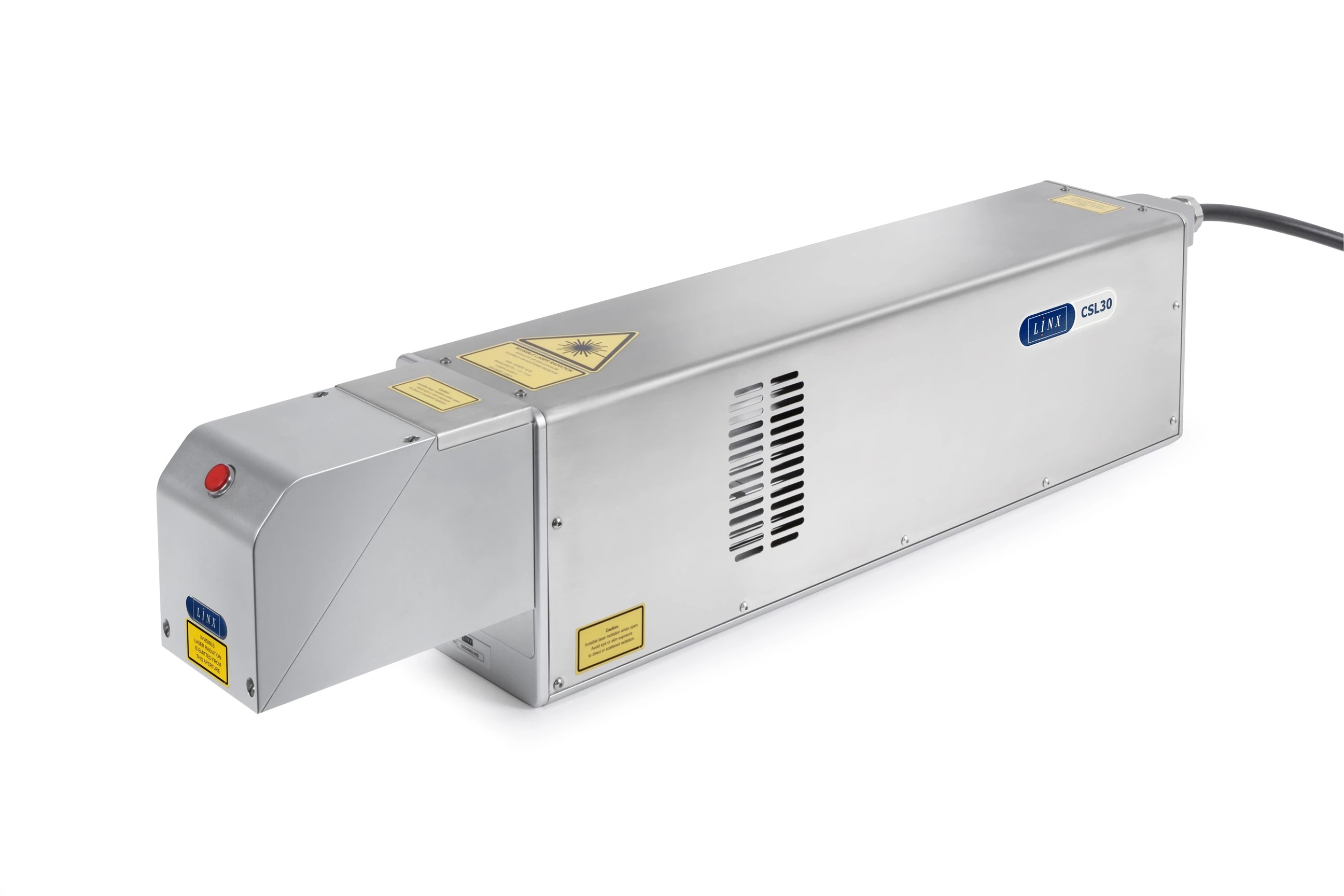
Laser
Lasers provide permanent, high-contrast marks without the need for inks or solvents.
- No consumables required
- Ideal for compliance and track & trace
- Resistant to wear and handling
- Effective for logos, text, batch codes and product information on suitable substrates
Industry Challenges for Construction Materials
Manufacturers in the construction sector need coding and marking systems that can perform consistently in demanding environments. Common challenges include:
- Dusty, dirty or harsh production areas
- Variable substrates including metal, plastic, glass, timber and composite materials
- Abrasive surfaces that can cause wear with contact-based marking methods
- The need for high-contrast, durable and resistant codes
- Products that may be stored outdoors or exposed to handling, moisture and temperature changes
- Production lines requiring reliable operation with minimal downtime
- Codes that support traceability, quality control and compliance requirements
Why Choose Linx for Coding and Marking on Construction Materials
- Clear, high-contrast marks across different substrates – A wide range of specialist inks helps produce legible codes on varied construction materials, including metal, plastics, timber, composites and other challenging surfaces.
- Built for demanding production environments – Linx solutions are designed to support reliable operation in tough industrial settings, including dusty, wet or harsh production areas.
- Durable codes for tough supply chains – Fast-drying and resistant inks help codes remain readable through handling, storage, outdoor exposure and changing environmental conditions.
- Reduced downtime on busy lines – Reliable printer performance, long service intervals and features such as quick job setup help manufacturers keep production moving with minimal disruption.
Resources

Polyfoam Case Study
Contact Us
Why not get in touch with one of our sales reps to talk about how Linx can support your coding and marking needs?
Related

FAQ – Construction Coding and Marking
The best solution depends on the material and production environment. Continuous Inkjet is a flexible option for printing onto varied substrates such as metal, plastic, glass and timber, while laser coding is ideal where a permanent, high-contrast mark is required.
Yes. Linx coding and marking systems can print onto a wide range of construction materials, including metal, plastic, glass and timber. The right technology and ink selection will depend on the surface, required durability and production conditions.
Yes. Linx printers are designed for demanding industrial environments. Options include sealed printheads and up to IP65-rated enclosures to help protect against dust and liquids.
Non-contact coding helps reduce wear and tear because the printer does not need to physically touch the product. This is especially useful when marking abrasive, uneven or moving construction materials.
Yes. Laser coders can create permanent marks on suitable substrates, making them a strong choice for durable traceability, product identification and anti-tamper applications.
Linx printers can apply variable information such as batch codes, date codes, product identifiers, logos, traceability codes, production line details and other manufacturing information.