
Industrial Glass Printing and Coding Machines
Industrial glass printing and coding machines represent a significant technological advancement in the manufacturing sector. Which allows the detailed and precise application of designs on glass surfaces. These technologies utilize specialized inks that adhere firmly to glass surfaces, ensuring durability and longevity even under challenging environmental conditions.
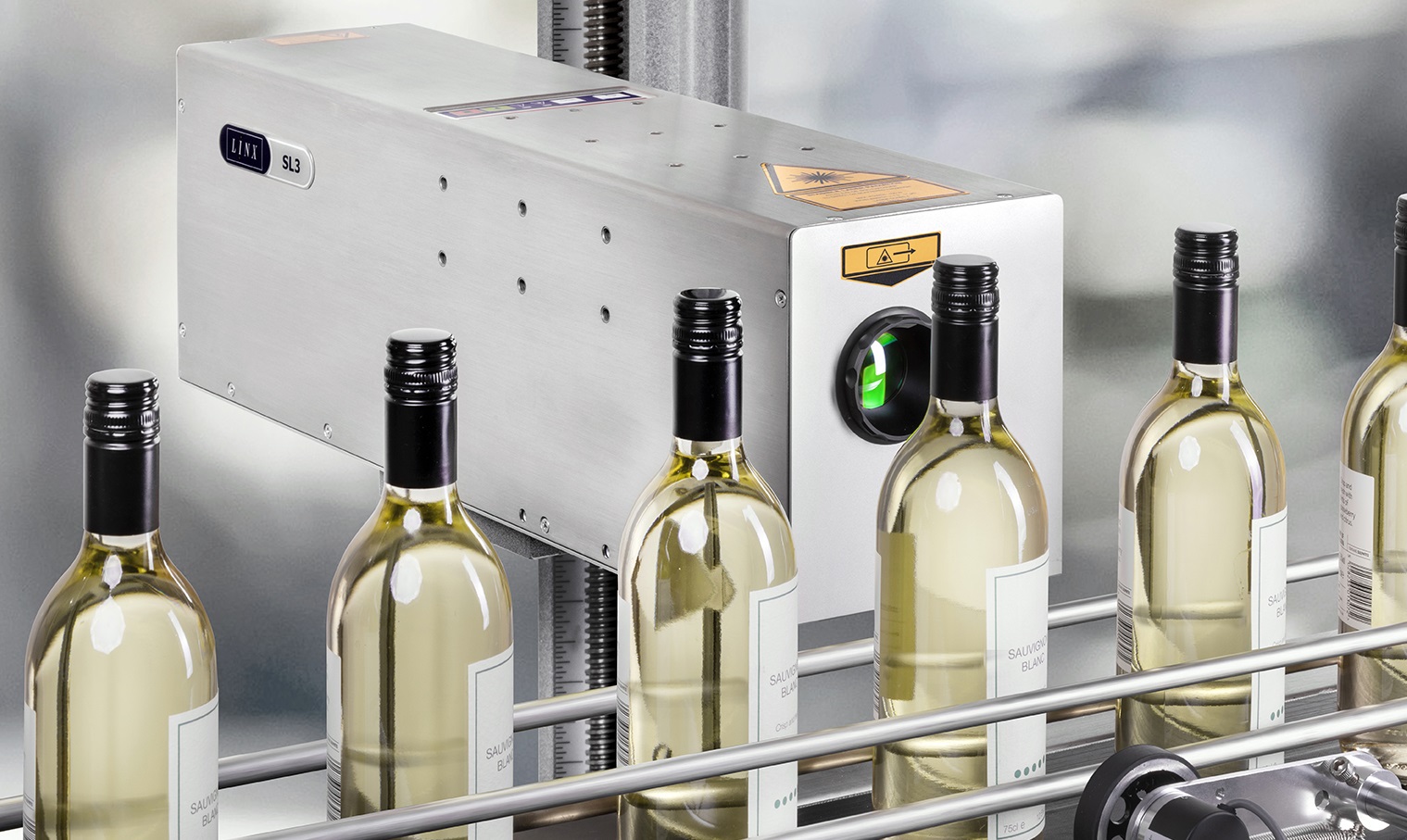
Printing on glass is easier than ever with Linx Glass Printing and Coding Machines. Print directly onto glass bottles and jars, windowpanes, wine glasses and screens, on a single innovative printing machine.
Printing and Coding on Glass
Marking solutions have high importance in a wide range of industries, including those that require coding on glass products. Although each industry and company have their own unique challenges, there are still many qualities that are common.
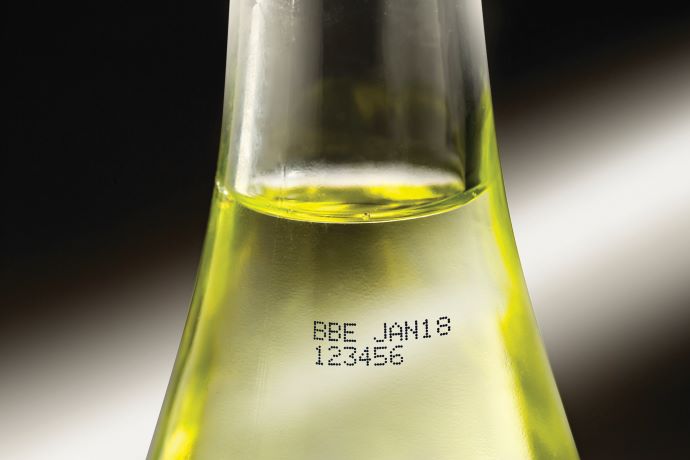
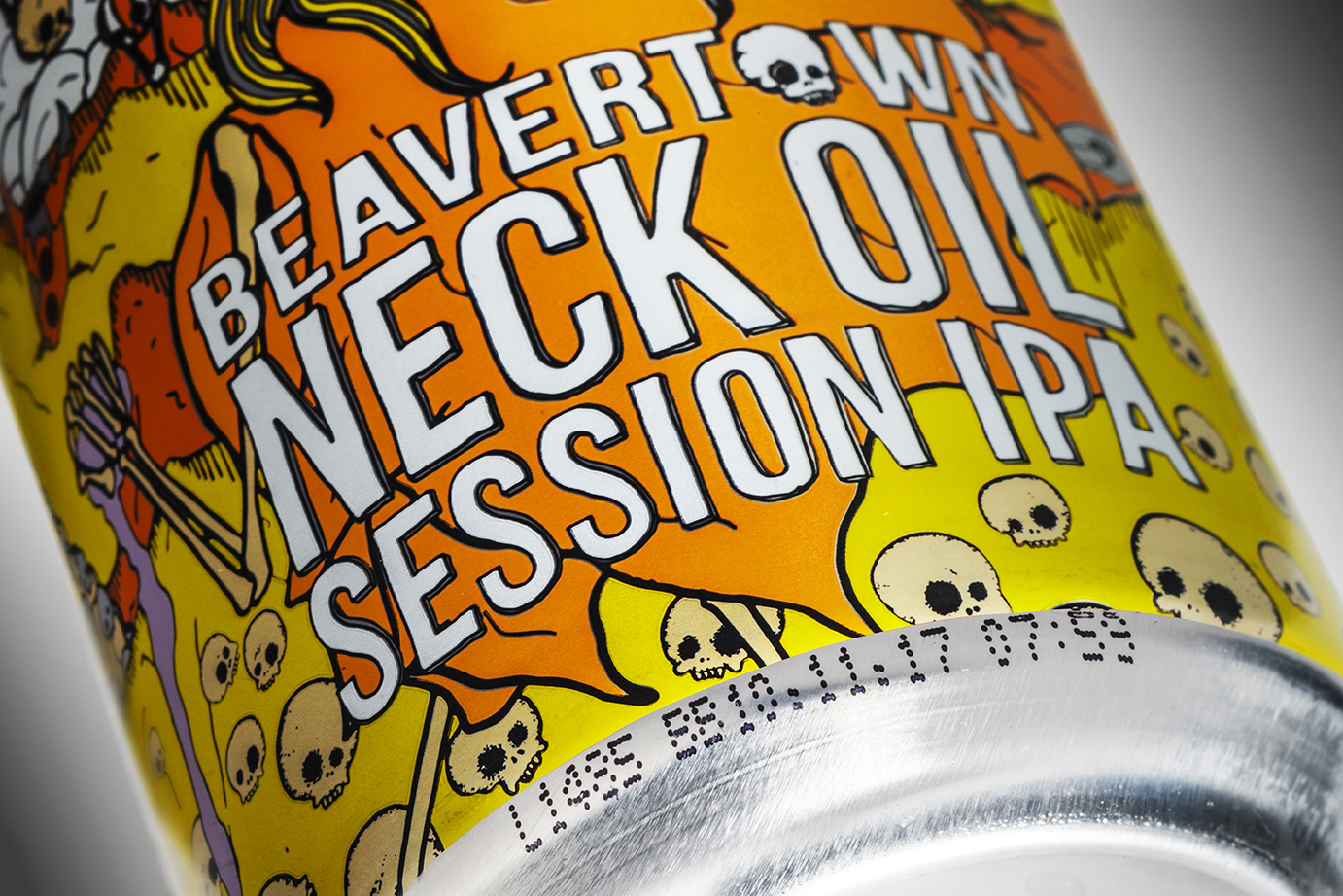
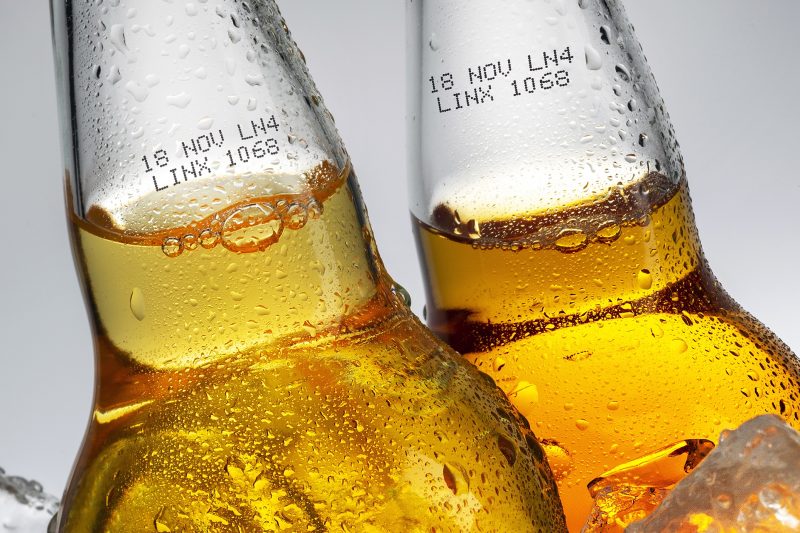
Glass part marking is used for identification and traceability. At Linx, we offer a range of Glass printing machines for coding and marking on both wet and dry glass. Whether you require an indelible identification code or one that can be removed before re-use, Linx has the product identification glass printing solution for you.
To find out more information and to request your samples with no obligation, click the button below.
Benefits of Glass Printing and Coding
Digital printing offers a considerable cost advantage over analogue. Low set-up requirements allow short production runs making a production line economical.
Inks used for glass printing often require flushing and recirculation after use, to prevent sedimentation and print head blocking. Linx has specialised inks for certain applications making them work for different industries and preventing downtime.
Types of Glass Printing and Coding Machines
CIJ Inkjet Printers
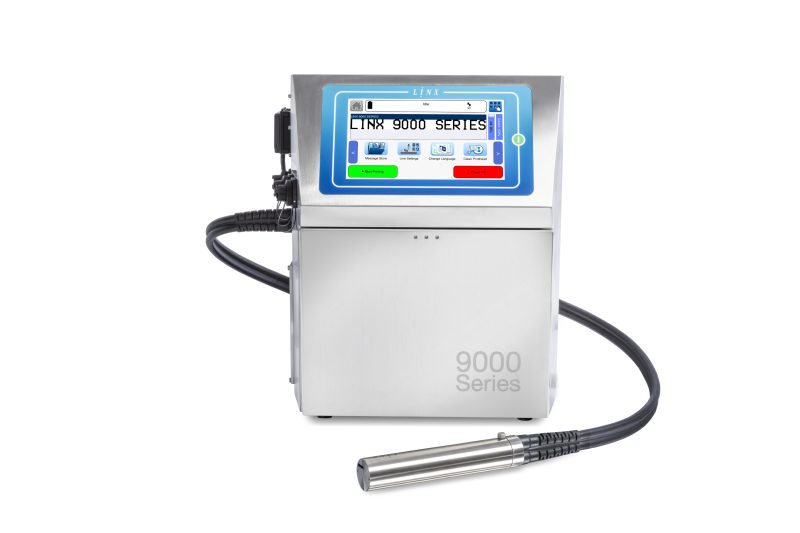
For internal traceability and anti-counterfeiting of high-value goods, our UV readable inks for Continuous Ink Jet (CIJ) printers provide a reliable printing solution for glass marking.
Inkjet printers reduce ongoing costs by efficiently using inks and solvents and are designed to be durable and reliable, meeting the highest standards of coding quality.
- Range of inks for specialist marking, e.g. food grade, invisible/UV coding
- Durable, high-quality multi-line coding
- Wide range of inks to keep your codes in place on nearly any substrate
- Optional IP protection for harsh environments
- Enables recycling of the glass after use
Laser Coders
Our range of laser coders includes models for permanent coding and marking of both hot and cold glass, and includes robust models designed to operate in the extreme conditions of glass manufacturing plants.
Laser printers are ideal for permanent coding and provide a low operating cost product marking solution. Linx laser printers for glass are designed for use in challenging, high-speed production environments while ensuring industry-leading text and code quality.
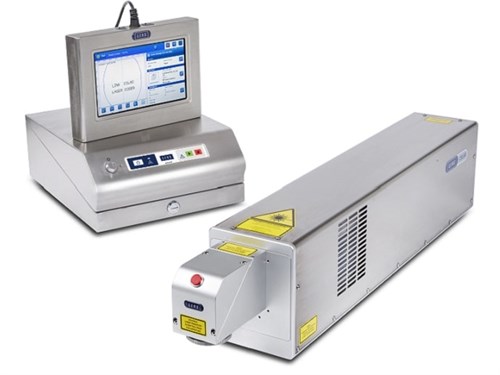
- Permanent marking capability
- Low operating costs – no need for consumables
- High-quality coding even on the fast line speeds
- Ideal for primary packaging coding and marking
- Permanent laser marking suitable for luxury goods and anti-counterfeiting product identification
Ink Types for Coding and Marking on Glass
Crucial to the performance and operation of our technologies, we recommend you only use Linx-approved inks and fluids in your Linx Continuous Inkjet, thermal Inkjet or Large Character coding equipment for printing on glass
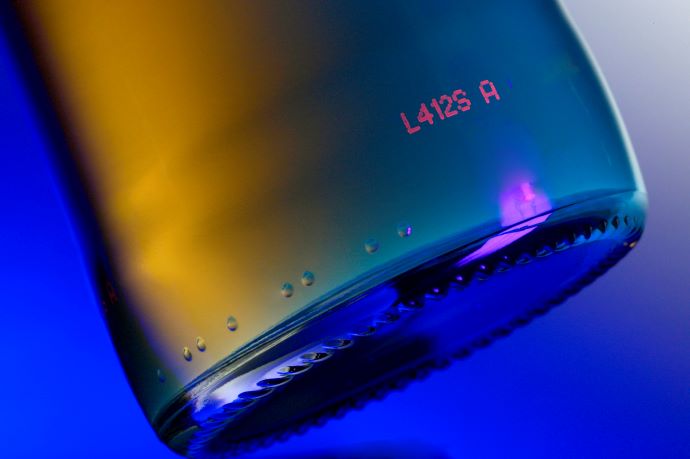
Security (UV Readable) Inks
Inks which are near invisible in normal light but fluoresce violet or red under UV light. Suitable for anti-counterfeiting and other discreet coding applications.
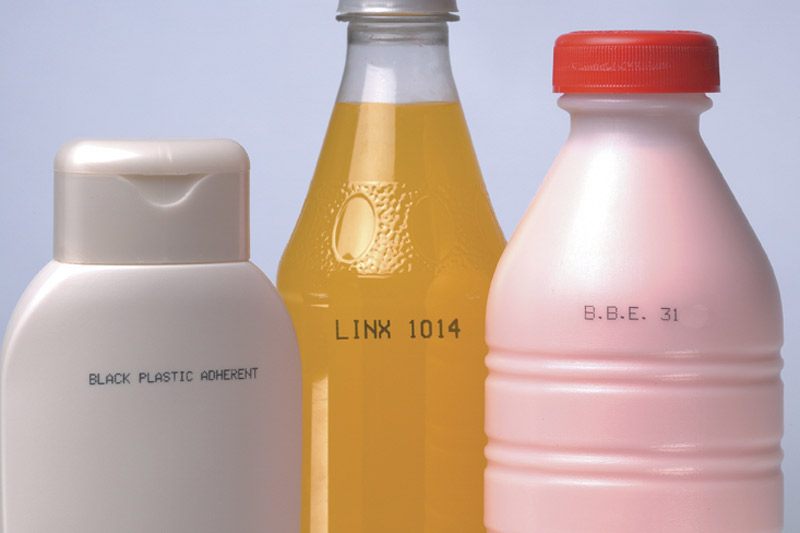
Linx General Purpose Black Inks
Our range of general-purpose black inks gives outstanding performance on most common materials, ideal for most general external packaging applications.

How to Order
Linx inks and fluids are developed and produced to the highest quality standards. For more information and details of how to order consumables:
Why not speak to one of our sales team about your particular needs?
Related Industries
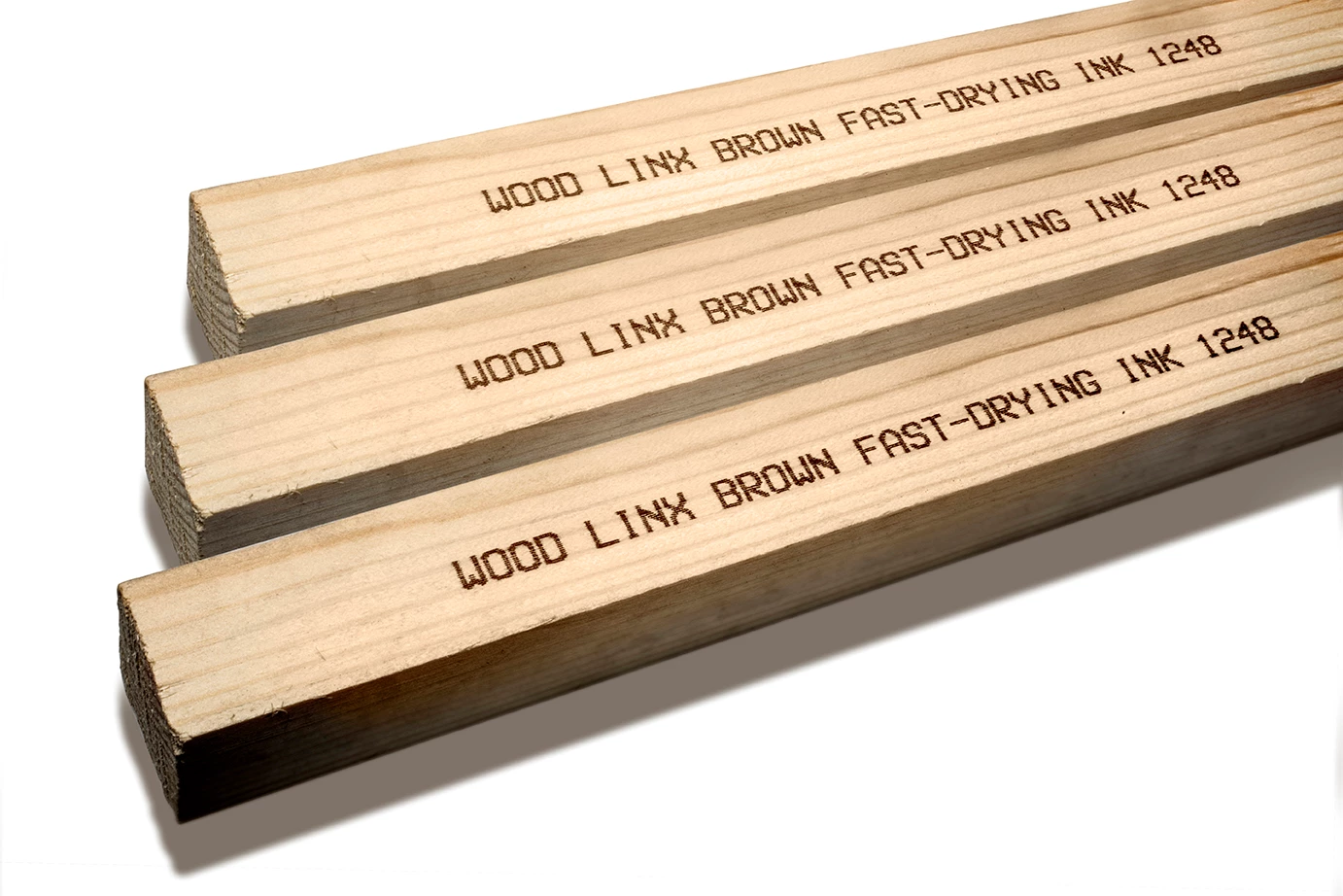
Construction
Coding and marking solutions for the construction industry since 1987.
Bottle Printing
Bottle label printing machines are designed to integrate seamlessly into production lines, handling various line speeds.
Resources

Wolds Manufacturing Case Study
Decantae Mineral Water Case Study

Top Ten Tips for Chosing the Right Coder
FAQ
1. Non-Absorbent Surface: Glass doesn’t absorb ink, leading to longer drying times and potential smudging.
2.Curved and Smooth Surfaces: Can cause print distortion or misalignment.
3.Condensation: Moisture can interfere with ink adhesion, especially in cold-fill environments.
4. Durability Requirements: Marks must withstand handling, washing, and environmental factors.
Linx CIJ printers can address these challenges:
1. CIJ use fast-drying inks suitable for non-absorbent surfaces
2. CIJ can print on curved surfaces due to their non-contact nature.
3. CIJ offer inks with strong adhesion properties, ensuring durability even under challenging conditions.
1. Provides permanent, tamper-resistant codes.
2. Eliminates the need for consumables like ink or solvents.
3. Can mark hot glass immediately after forming, ensuring durability and preventing counterfeiting.
1. Continuous Inkjet (CIJ) Printing: Ideal for high-speed production lines, CIJ printers can print directly on moving products, offering durable prints on curved surfaces.
2. Laser Marking: Provides permanent, high-resolution codes without consumables. Suitable for both hot and cold glass surfaces.
3. Thermal Inkjet (TIJ) Printing: Uses heat to eject ink droplets, producing high-resolution prints suitable for applications requiring fine details.