
Coding & Printing on Ready Meal Packaging
Reliable, accurate coding for every format — from chilled trays to frozen pouches
Ready meal manufacturers across the UK face a uniquely demanding set of coding challenges: Cold, wet washdown environments. Tight line speeds. An ever-expanding range of packaging formats: plastic trays, glossy card sleeves, flow-wrap pouches and outer cartons each requiring a different approach to printing on ready meal packaging.
Linx printers are built for exactly this environment. With IP55-rated enclosures, self-cleaning printheads and specialist food-safe inks, Linx delivers clear, legible coding on ready meal packaging first time, every time without slowing your line.
To find out more information and to request your samples with no obligation, click the button below.
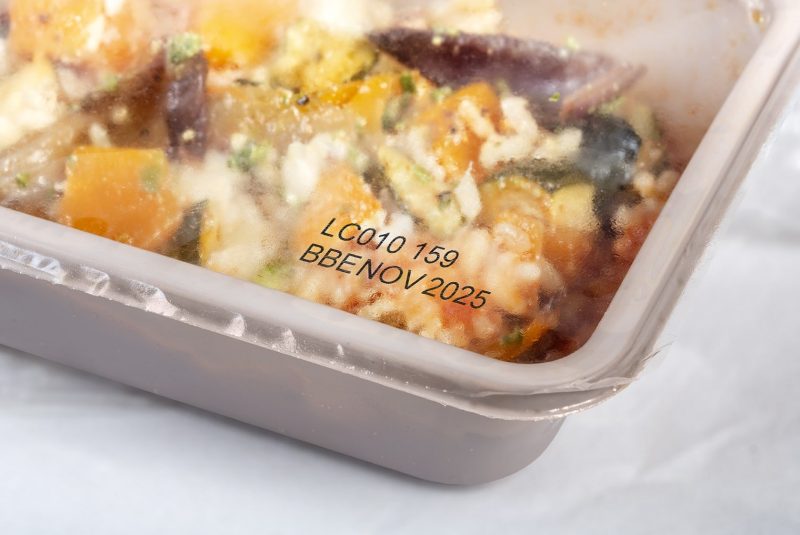
The Challenges of Coding on Ready Meal Packaging — and How Linx Solves them
Washdown and cold environments
Ready meal production lines are wet, cold and regularly cleaned down with high-pressure hoses. Standard coding equipment fails in these conditions water ingress causes downtime, and with margins already tight, every minute of unplanned stoppage costs money.
Linx solution: All Linx printers for the ready meals sector feature IP55-rated stainless steel enclosures, purpose-built to withstand washdown. Self-servicing models require no scheduled engineer visits, and quick, clean cartridge refills keep downtime to a minimum.
Wide variety of packaging formats
Today’s ready meal aisle spans plastic trays with foil lids, glossy card sleeves, microwavable pouches, flow-wrap bags and corrugated outer cartons. Printing on ready meal packaging reliably across all these substrates each with different surface properties demands a versatile solution.
Linx solution: Linx offers CIJ, laser, TIJ and TTO technologies, with specialist inks including grease-penetrating formulations that adhere to difficult food packaging surfaces. Print in any orientation with a choice of conduit lengths and right-angled printheads easy to position on any line layout.
Line speed and OEE
Ready meals packaging printing must keep pace with high-speed production lines without compromising code quality. Slow startups, messy printheads and operator errors all erode your Overall Equipment Effectiveness.
Linx solution: Self-cleaning printheads ensure clean startups first time, every time. Large colour touchscreens with graphical interfaces make code setup quick and error-free, reducing operator errors and the risk of costly product recalls.
Printing on Ready Meal Packaging: Which Linx Technology Suits your Substrate?
Not all ready meal packaging is the same. Here is a guide to the best coding solution for each format used in UK ready meals manufacturing.
| Packaging type | Examples | Best technology | Key benefit |
| Plastic tray | CPET, PET, PP trays with foil lid | CIJ or laser | Adheres to non-porous surfaces |
| Card sleeve | Glossy printed sleeves, board wraps | TIJ or laser | High-resolution, brand-matching print |
| Flow-wrap pouch | Microwavable pouches, bags, sachets | CIJ or TTO | Fast-drying on film at line speed |
| Outer carton | Corrugated cases, shelf-ready packaging | Large character marker | Large, bold codes without labels |
Linx Printers for Ready Meal Packaging Coding
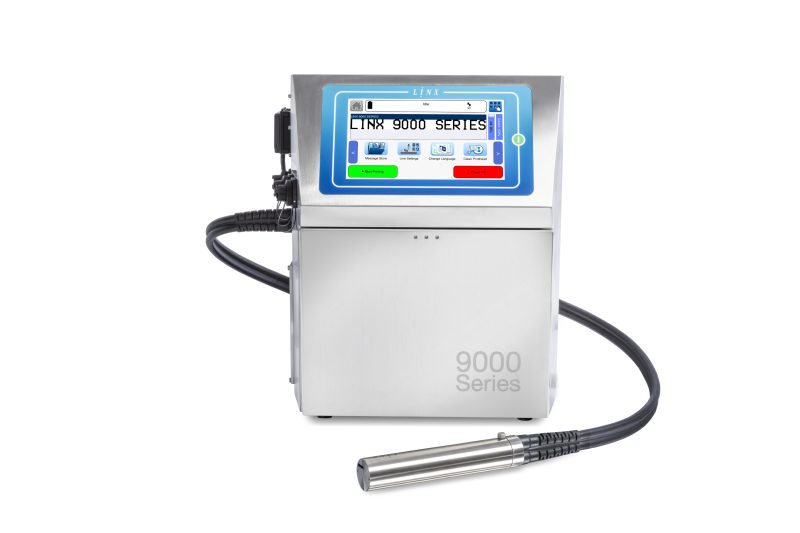
Continuous Inkjet Printers (CIJ)
Best for: Use-by dates, batch codes, logos on plastic films, trays, and cartons
Benefits:
- High-speed, non-contact printing
- Works on curved or uneven surfaces (e.g., tubs, bags)
- Quick-drying inks (including food-safe and grease-resistant)
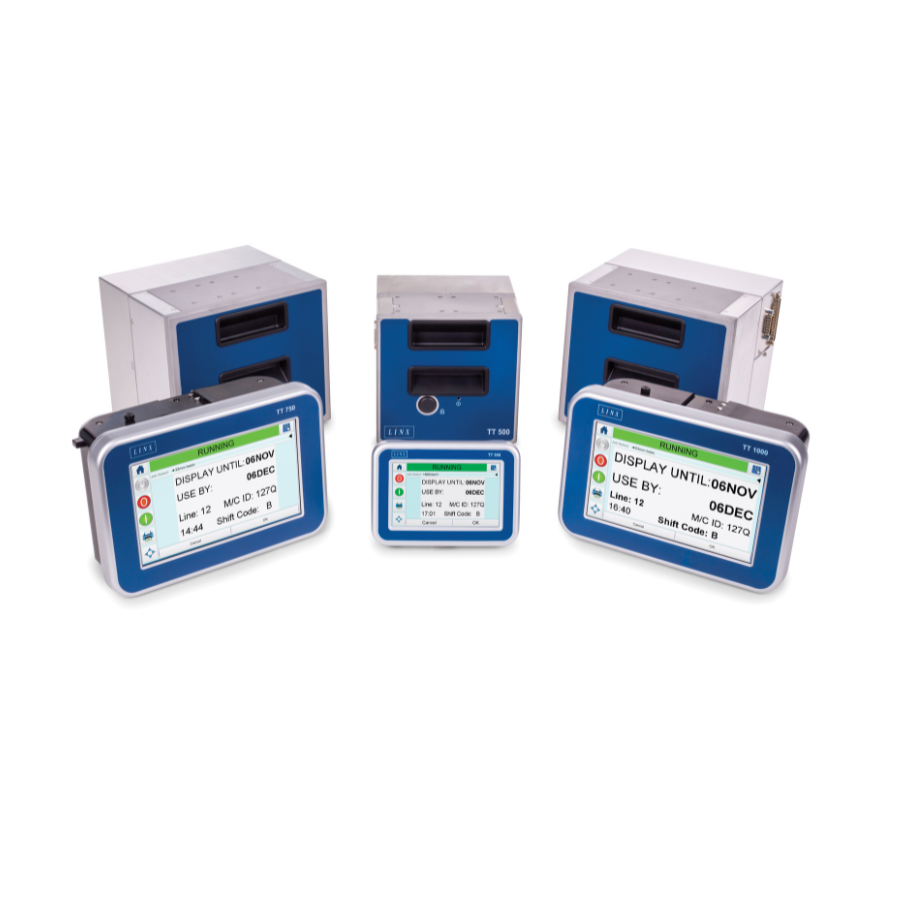
Thermal Transfer Overprinters (TTO)
Best for: Films, foils, plastics and labels.
Benefits:
- Fast ribbon changes with an easy load cassette and automatic tension control
- Smooth integration on VFFS, HFFS, flow wrap and pouch lines
- Ribbon saving modes to help reduce cost per print and waste
- Prints text, date, shift codes, barcodes, simple logos, ingredients and real time coding
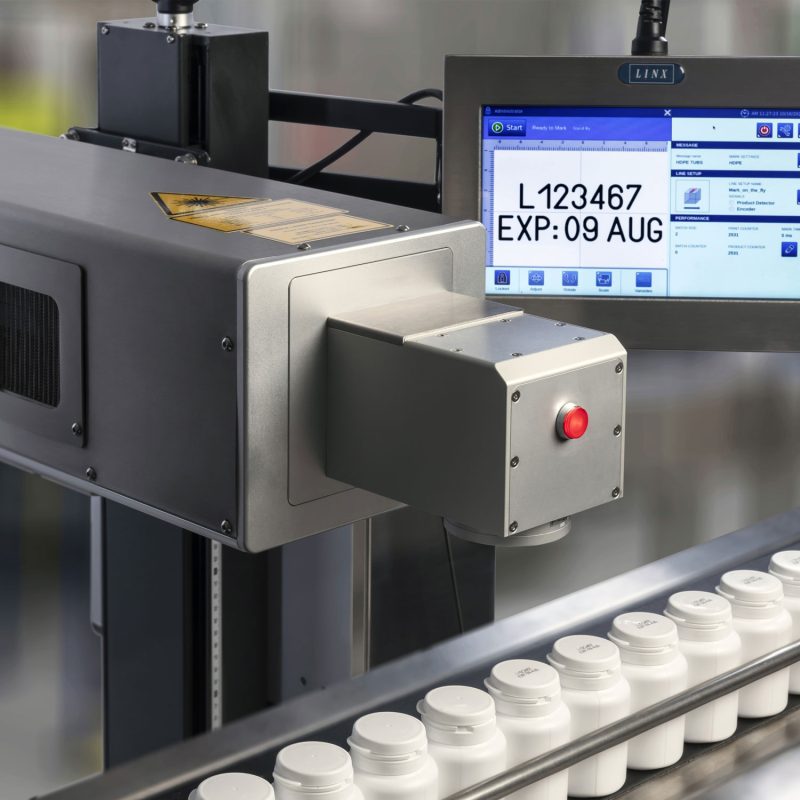
Laser Coders
Best for: Cartons, sleeves, films with laser-reactive layers
Benefits:
- Permanent, tamper-proof marks
- No consumables (ink/ribbon), low running costs
- Great for compliance and long-term traceability
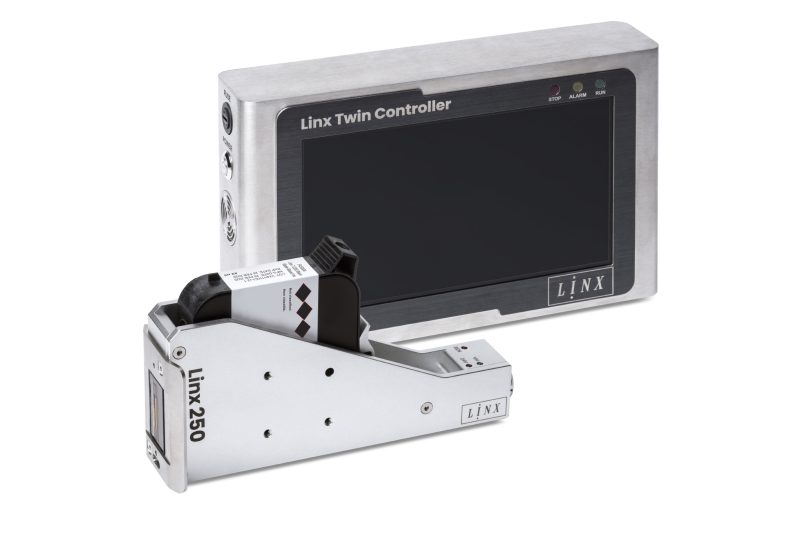
Thermal Inkjet Printers (TIJ)
Best for: Cartons, sleeves, labels
Benefits:
- Very high-resolution printing (ideal for QR codes, 2D codes)
- Compact and easy to integrate
- Best for smaller print areas and lower to medium speeds

Large Character Case Coders (LCM)
Best for: Outer cases, trays, and secondary packaging
Benefits:
- Bold, high-visibility printing
- Can replace labels on shipping cartons
- Cost-efficient for large surface prints
Contact Us
Why not get in touch with one of our sales reps to talk about how Linx can support your coding and marking needs?
Resources

Coding Systems for Lean Production White Paper
Quality Foods Case Study
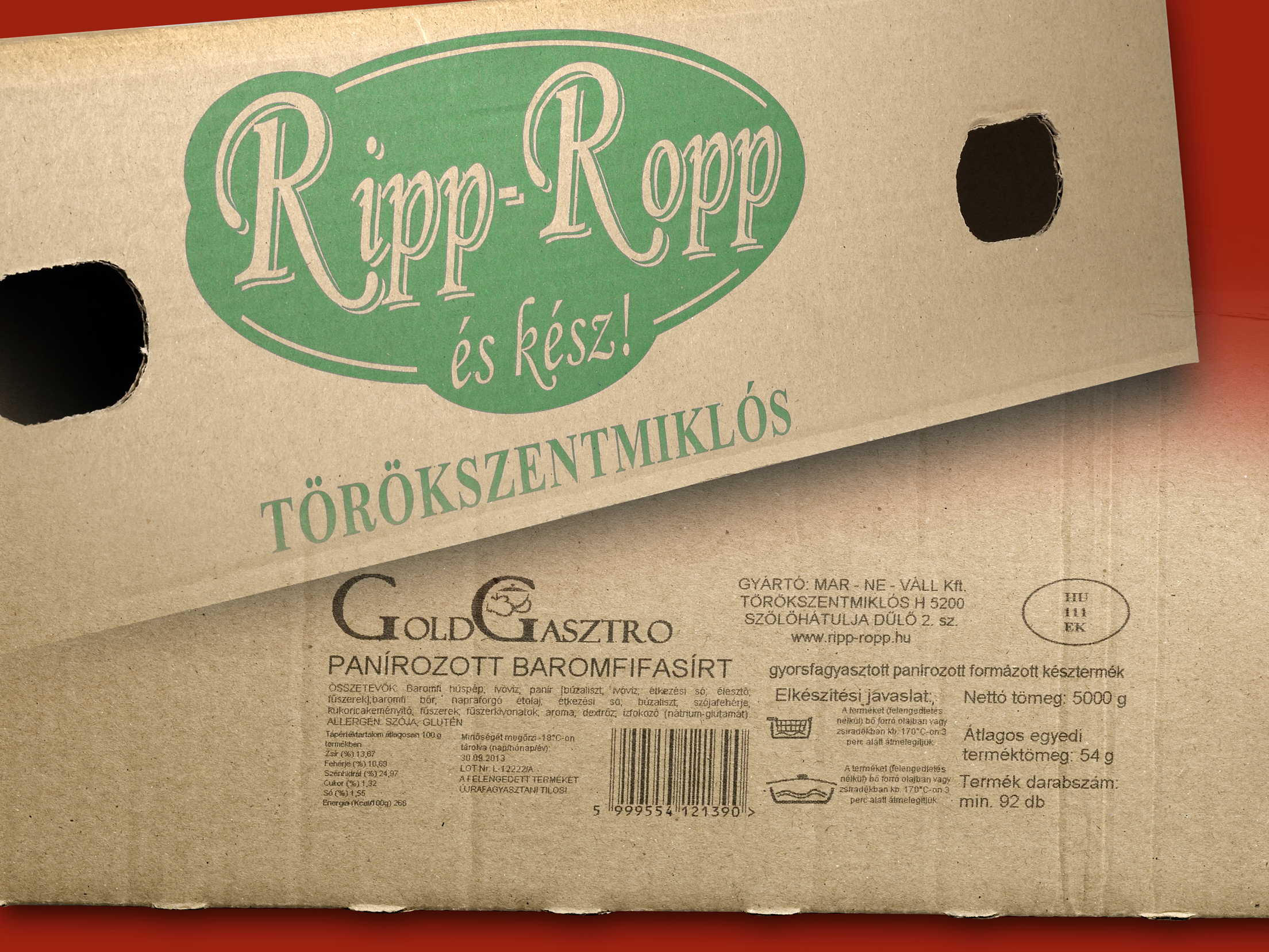
Mar ne Vall Case Study
FAQ- Ready Meal Packaging Coding
For plastic CPET or rPET ready meal trays, continuous inkjet (CIJ) is the most widely used technology. CIJ is a non-contact method that applies ink directly onto the tray surface at line speed, without touching the packaging. Linx CIJ printers use specialist inks — including grease-penetrating formulations — that adhere reliably to non-porous plastic surfaces, even in cold, wet production environments. For card sleeves on premium ready meals, laser coding is the preferred option, delivering high-resolution permanent marks that integrate with pre-printed sleeve designs.
Printing use-by dates on chilled or frozen ready meal packaging requires coding equipment that can operate reliably in cold and washdown environments. Linx CIJ printers with IP55-rated stainless steel enclosures are specifically designed for these conditions. Fast-drying specialist inks ensure codes adhere to cold packaging surfaces without smearing. For film pouches on frozen lines, thermal transfer overprinting (TTO) is also a strong option, providing high-resolution date codes on flexible packaging at high speed.
Yes. Glossy, non-porous card sleeves are one of the most common ready meal packaging challenges. Two technologies work particularly well. Laser coders etch the code permanently into the sleeve surface — no ink, no smearing, no adhesion issues. The result is a clean, permanent mark that cannot be rubbed off and can be designed to complement the sleeve artwork. Alternatively, thermal inkjet (TIJ) with solvent-based inks provides excellent adhesion on glossy card at high resolution, making it suitable for brands that want to print logos, QR codes or promotional codes alongside standard date and batch information.
UK food manufacturers must comply with several regulations when coding ready meal packaging. Since October 2021, Natasha’s Law requires all pre-packaged food for direct sale (PPDS) to carry a full ingredient list with allergens clearly emphasised. Use-by dates are legally required on microbiologically perishable products; best-before dates on longer-shelf-life items. Batch and lot numbers are required for traceability under UK food safety legislation, and major UK retailers require GS1-standard barcodes for supply chain management. Post-Brexit UK labelling rules also require country of origin information on certain categories of food. Linx printers support all of these requirements with flexible code templates and error-prevention features.