
Coding & Marking Coated Metal
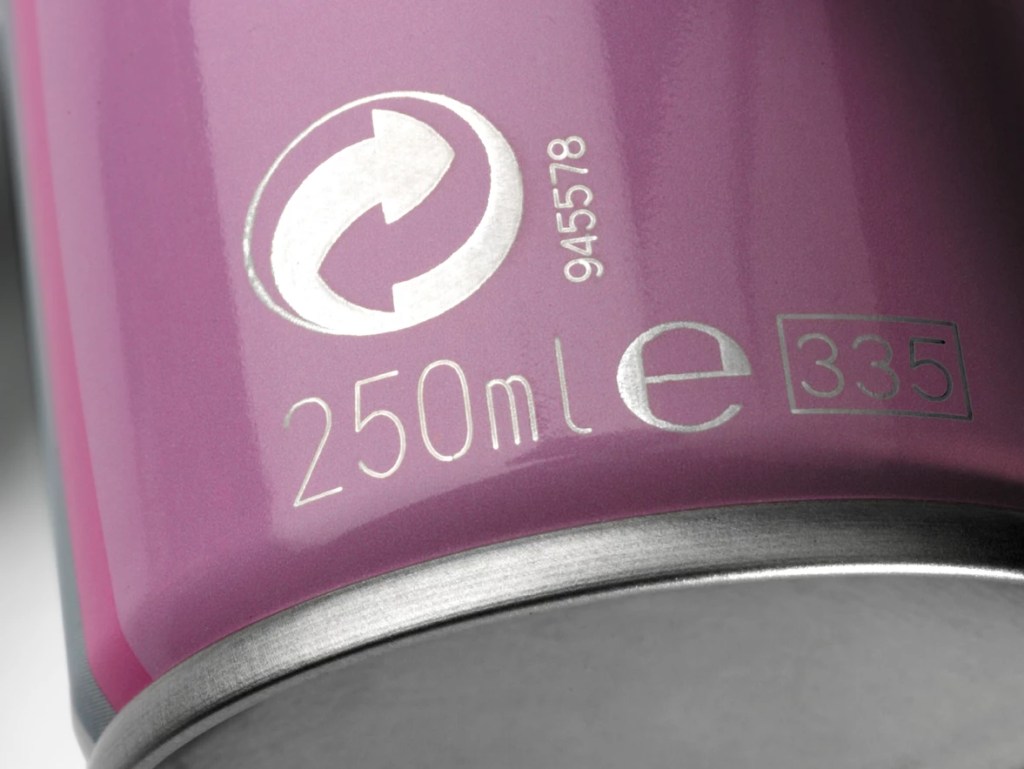
Printing onto steel or aluminium cans presents a number of unique challenges: non-porous surfaces, curved surfaces, wet or dusty environments, limited print areas, post-marking sterilisation processes and strict labelling compliance requirements.
Can coders are used in a wide range of industries including food, beverage and cosmetics, personal care products and chemicals.
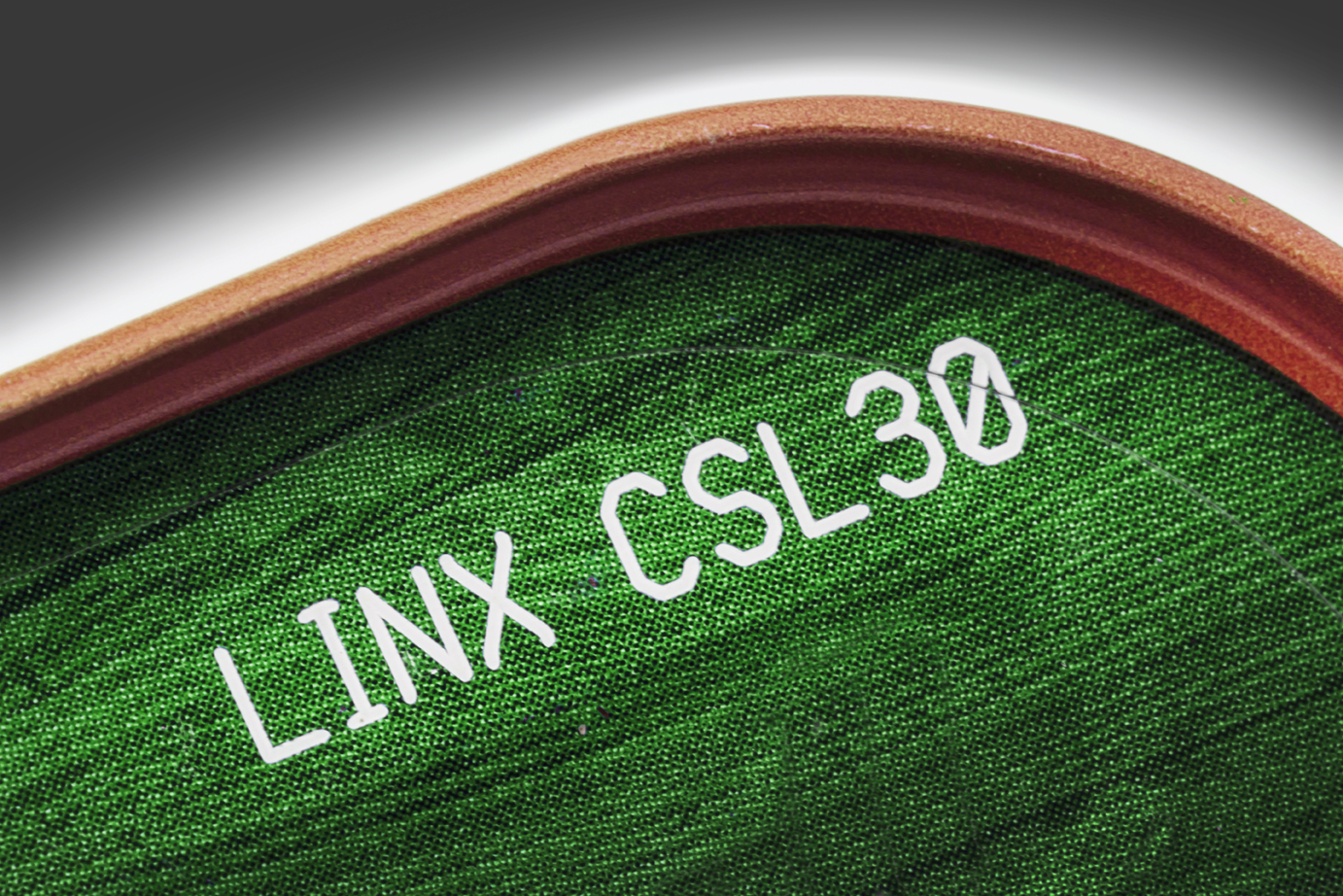
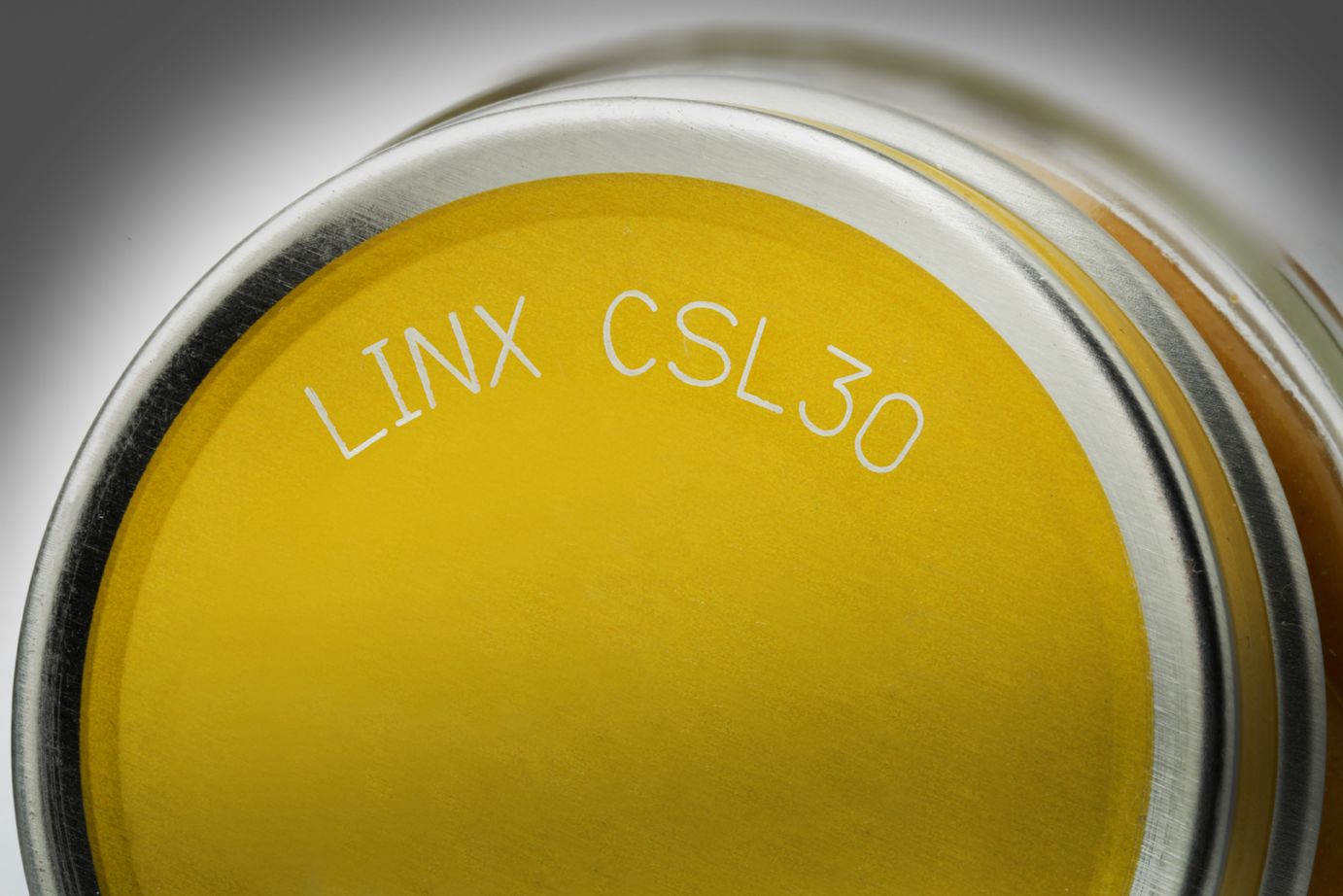
Challenges in Coated Metal Marking
Coated metal surfaces such as painted, varnished or lacquered finishes can make it more difficult for inks to bond effectively. This can result in smudging, transfer, fading or poor long‑term durability if the correct ink formulation is not used. Coated metals are typically smooth, non‑porous and may be slippery or oily, which can further reduce ink adhesion and affect print consistency. Different coatings can also behave differently, making it important to match the coding solution to the specific surface.
Many coated metal products, such as cans, lids and caps, have curved or shaped surfaces and limited marking areas. This can make accurate code placement more challenging and increase the risk of distortion or reduced readability.
Decorative coatings can reduce the visibility of printed codes. Achieving clear, high‑contrast marks may require different coloured inks or alternative technologies to ensure readability.
Coated metal products are often coded in challenging conditions, including moisture, condensation, heat and handling during processing. These factors can affect ink performance and increase the risk of smearing or code degradation.
Coated metal packaging is commonly used for paints, coatings, lubricants, chemicals, cleaning products and adhesives, where they may be exposed to oils, solvents, and cleaning chemicals. Codes need to withstand abrasion, chemical exposure and handling.
Can an Industrial Printer Code Coated Metal?
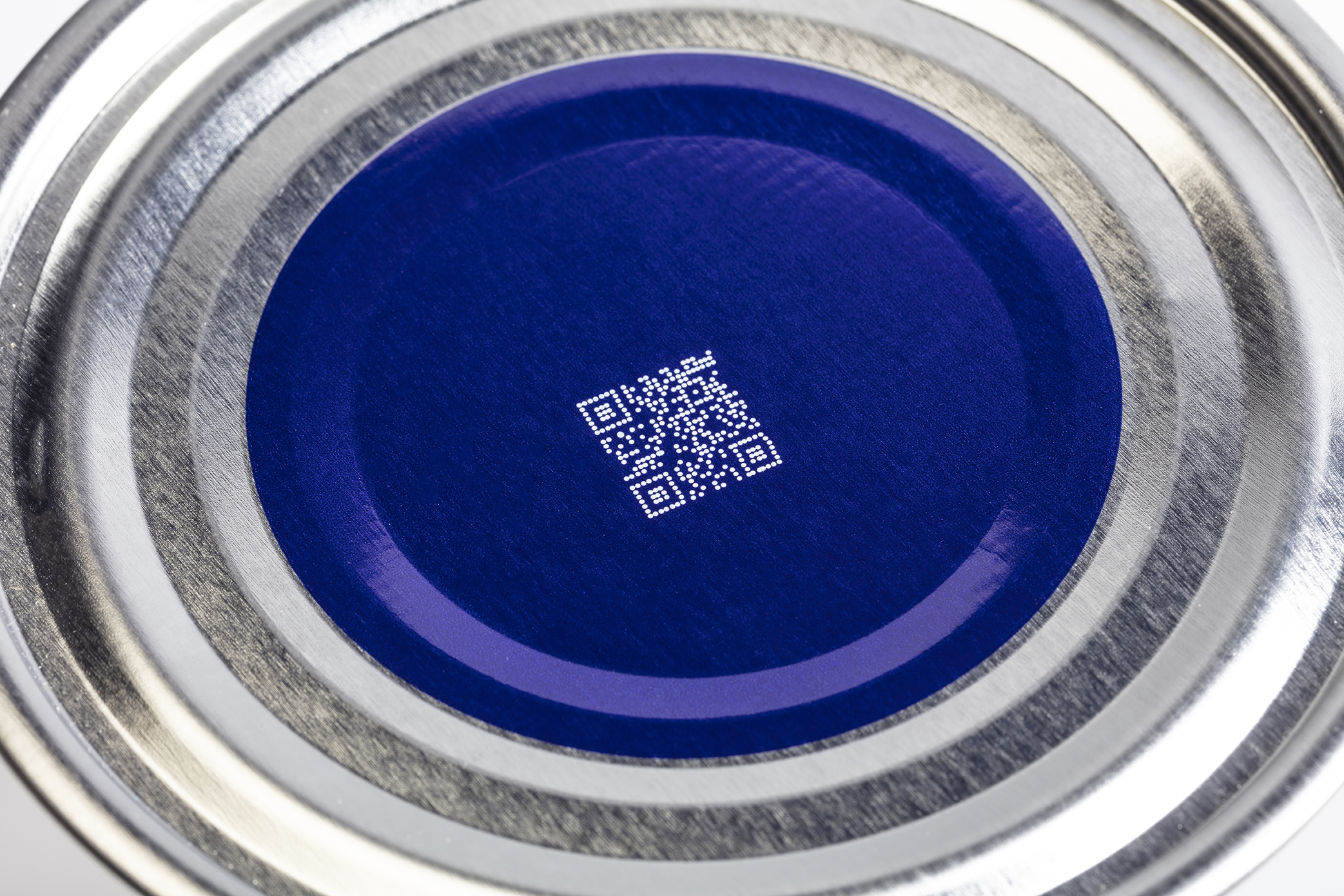
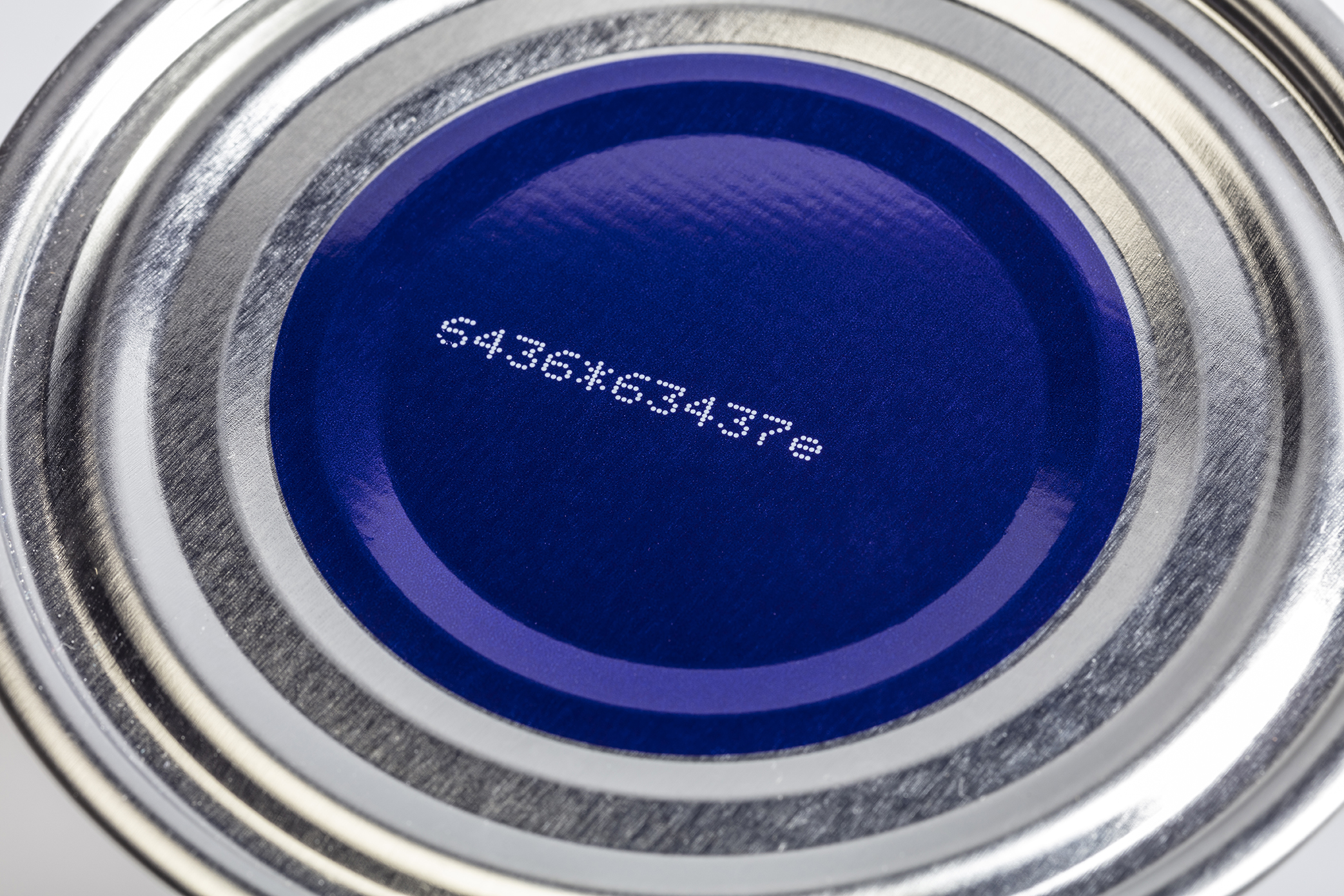
A variety of product identification coding solutions suitable for coding and marking packaging, components and products made from coated metal are available. Industrial printers can code expiration dates or batch identification directly onto coated metal products in almost any orientation. They can mark variable information as well as printing barcodes, Data Matrix and QR codes onto cans to enable traceability, and convey quality and safety information to the consumer.
The most commonly used technologies for coding onto metal cans are continuous ink jet (CIJ) and laser coders. Each has unique benefits and the one that is right for you application will depend on your product material, environment and code requirements.
Linx products deliver reliable coding solutions for coated metals in the most demanding of production environments and help you to reduce costs and improve production rates.
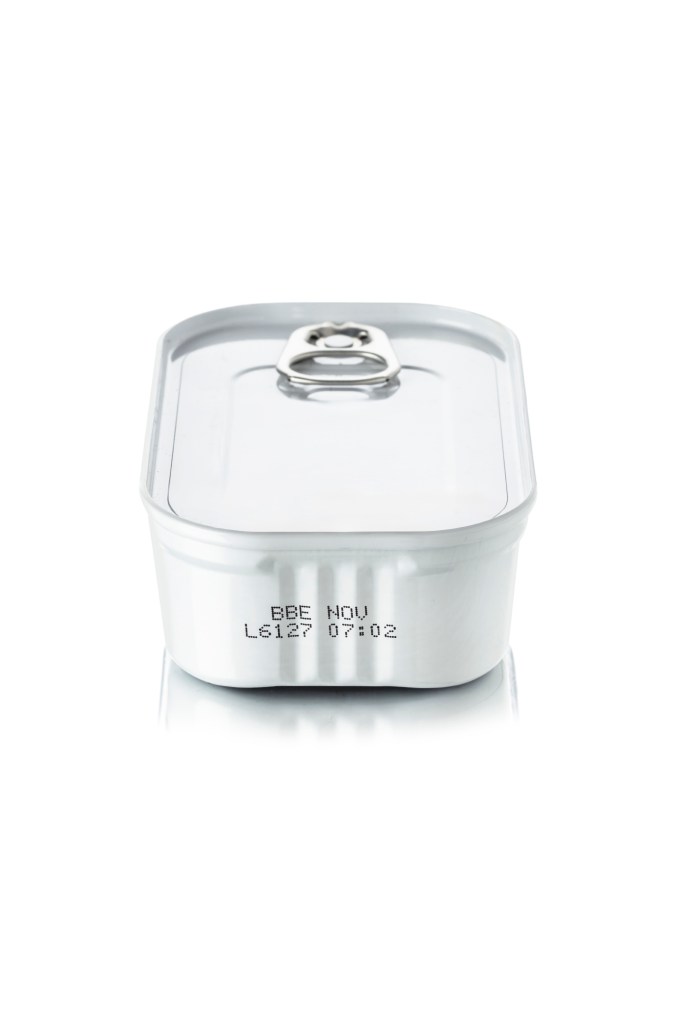
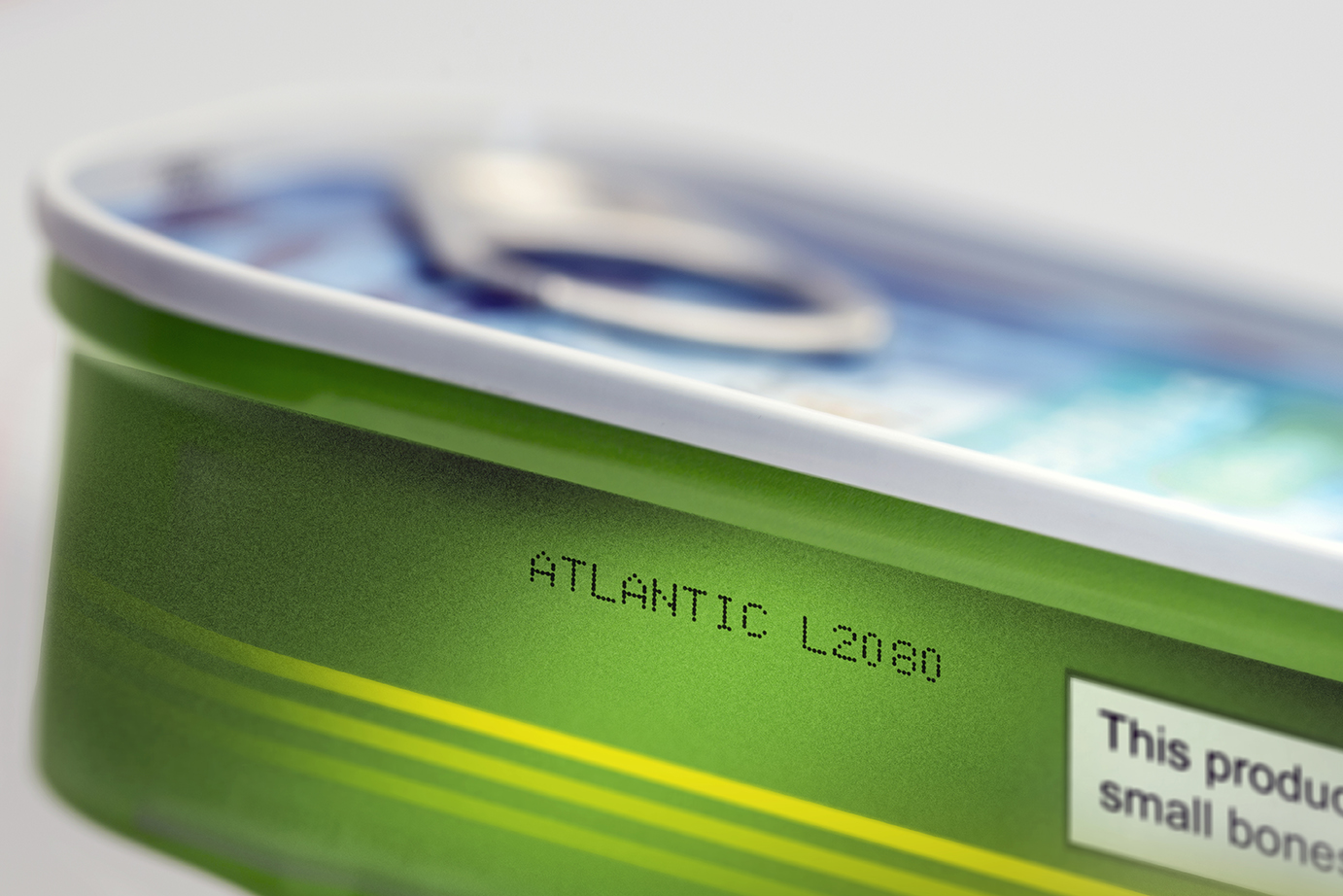
Food Tin Coding
CIJ printers are ideal for coding coated metal food cans, delivering fast-drying, high-adhesion codes that remain clear even on oily or greasy surfaces. Their non-contact technology keeps pace with high-speed lines, while durable inks ensure codes stay legible throughout long storage and distribution.
Laser coders are well suited for coated metal food cans, creating permanent, high-contrast codes even on oily or greasy surfaces. With no inks to smear or fade, the code will remain legible over long shelf lives.
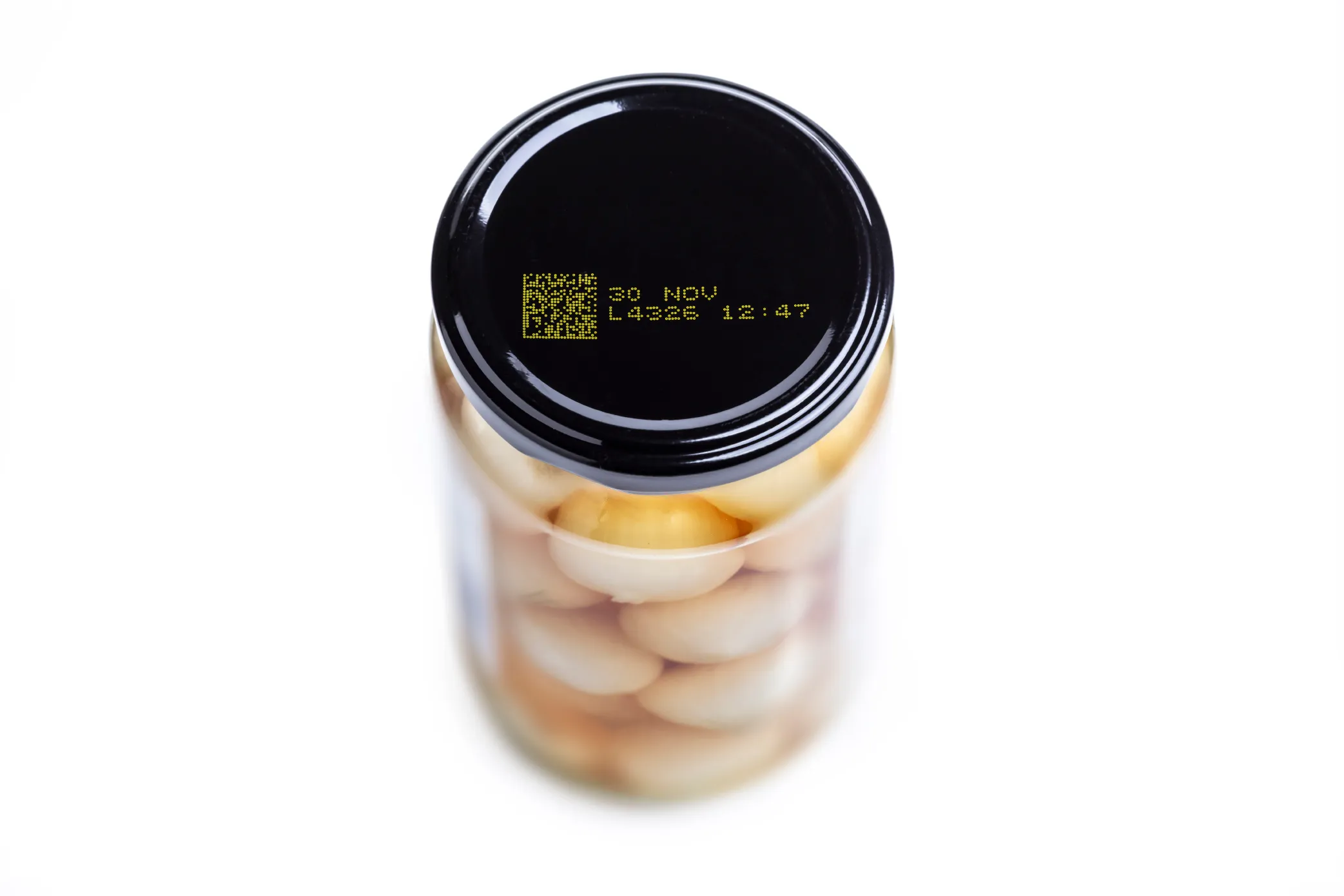
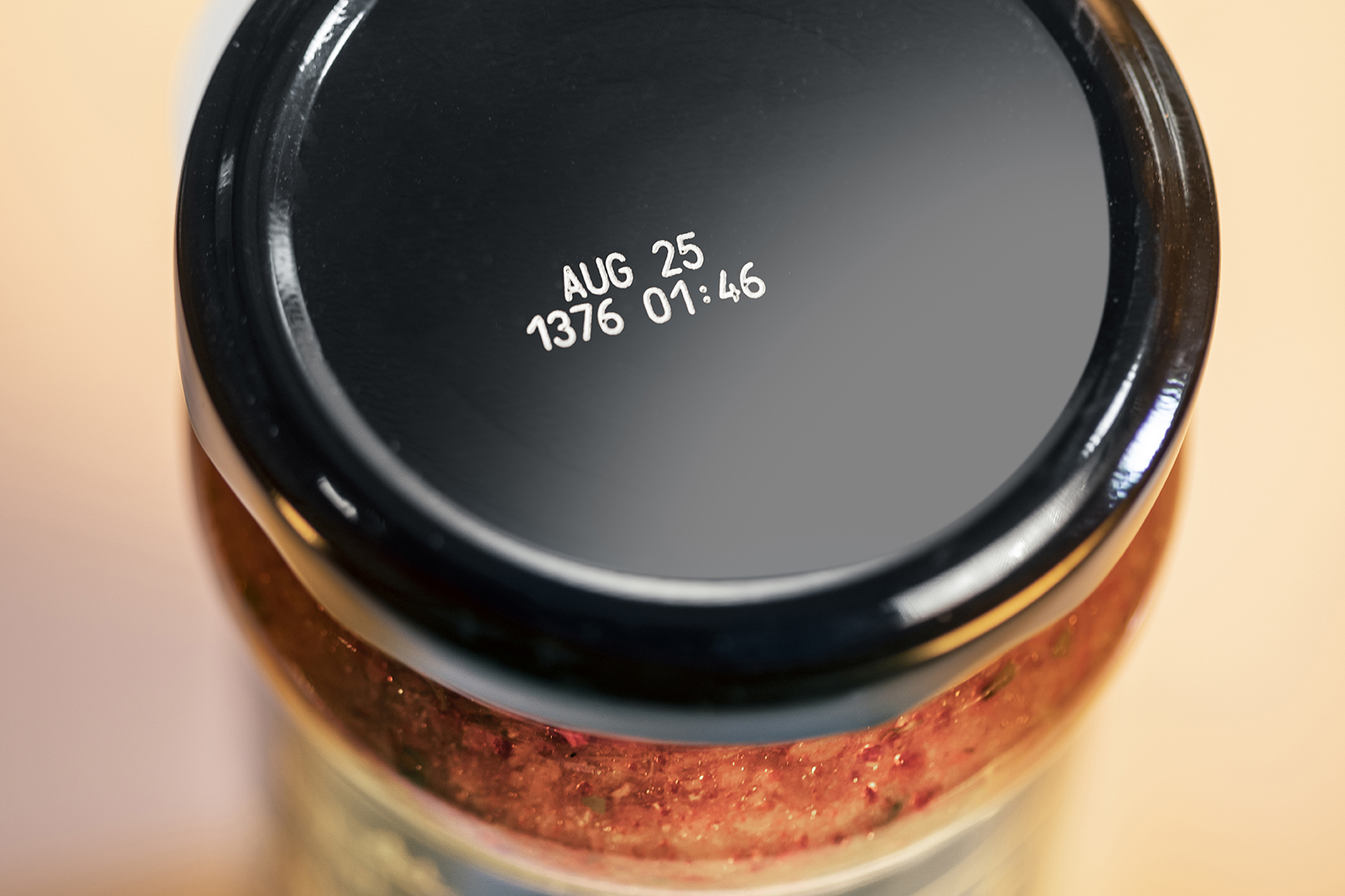
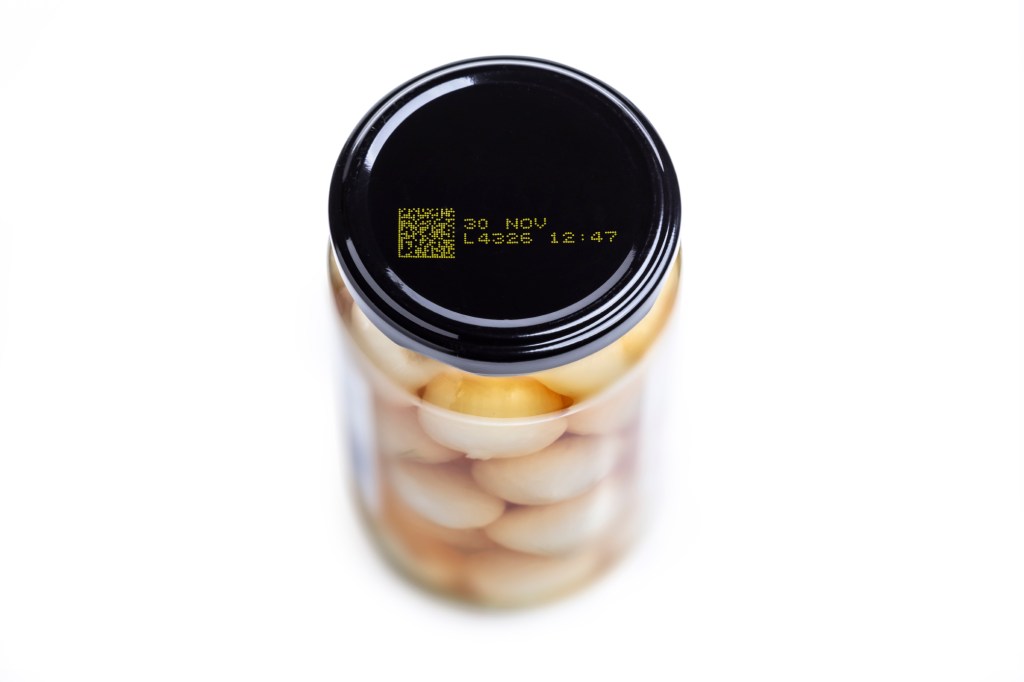
Jar Lid Coding
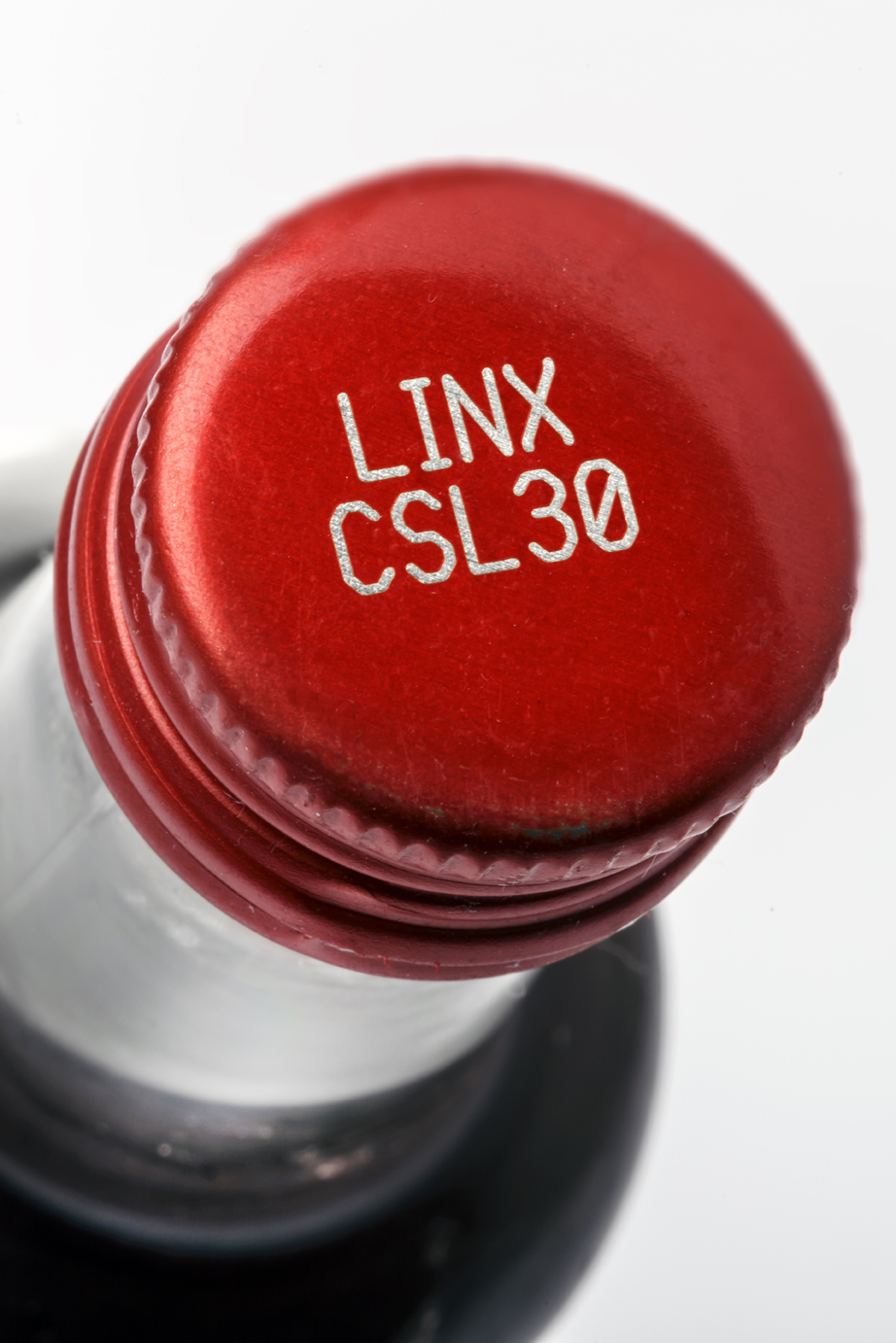
Linx coders provide effective solutions for marking glass jar lids, of varying colours and coatings. CIJ offers flexibility for high-speed production, delivering high-contrast codes on both light and dark coated metal surfaces with high-adhesion inks.
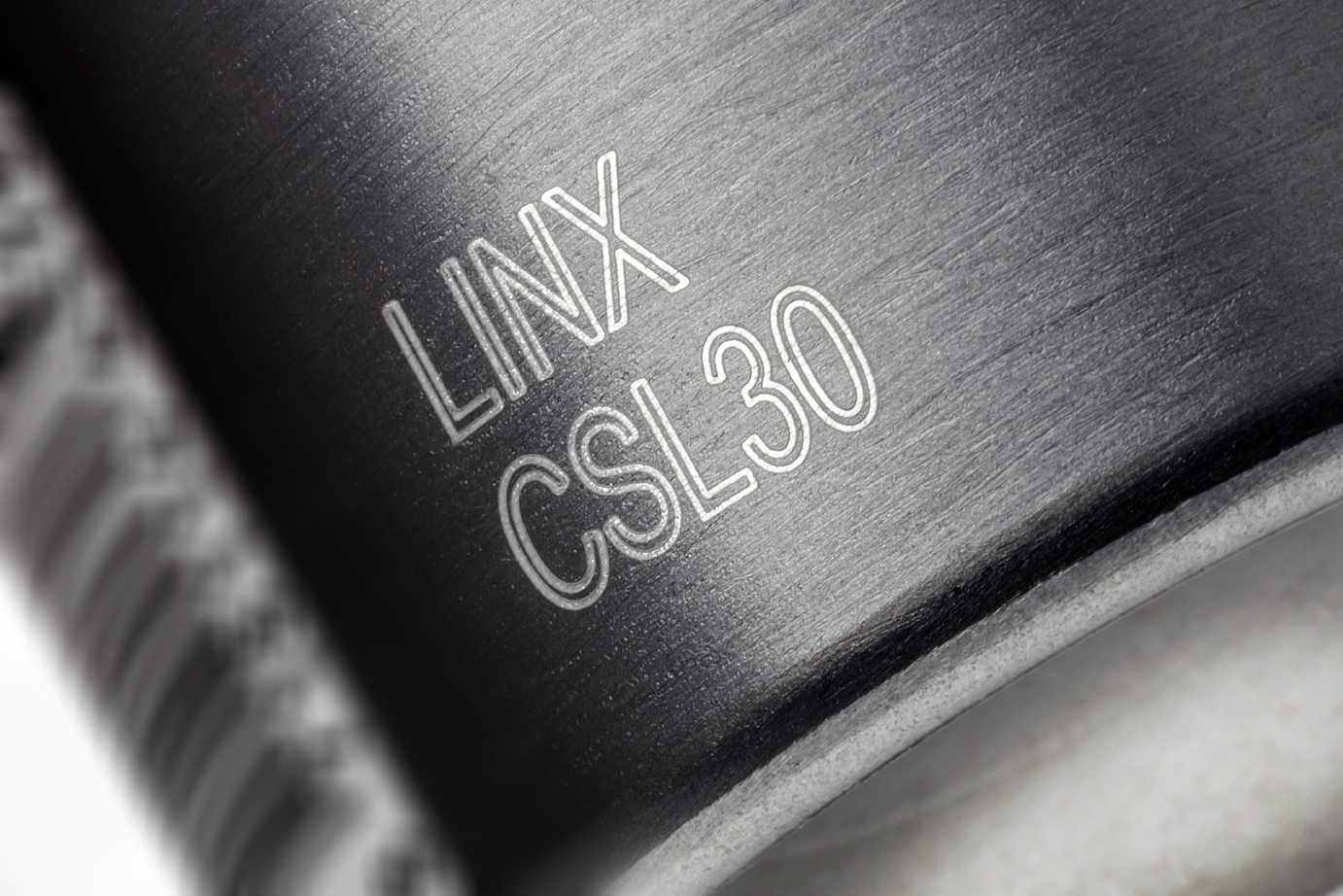
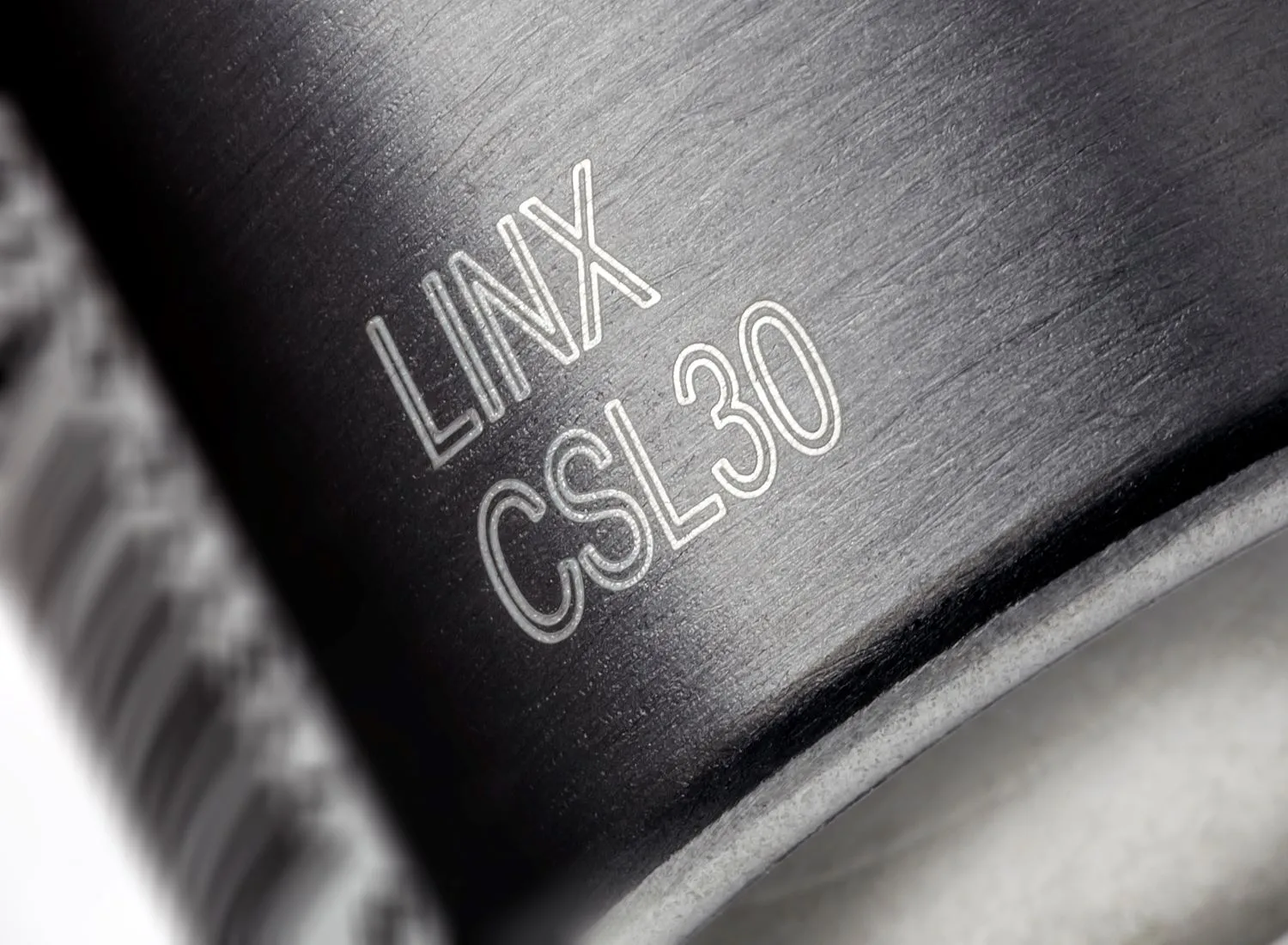
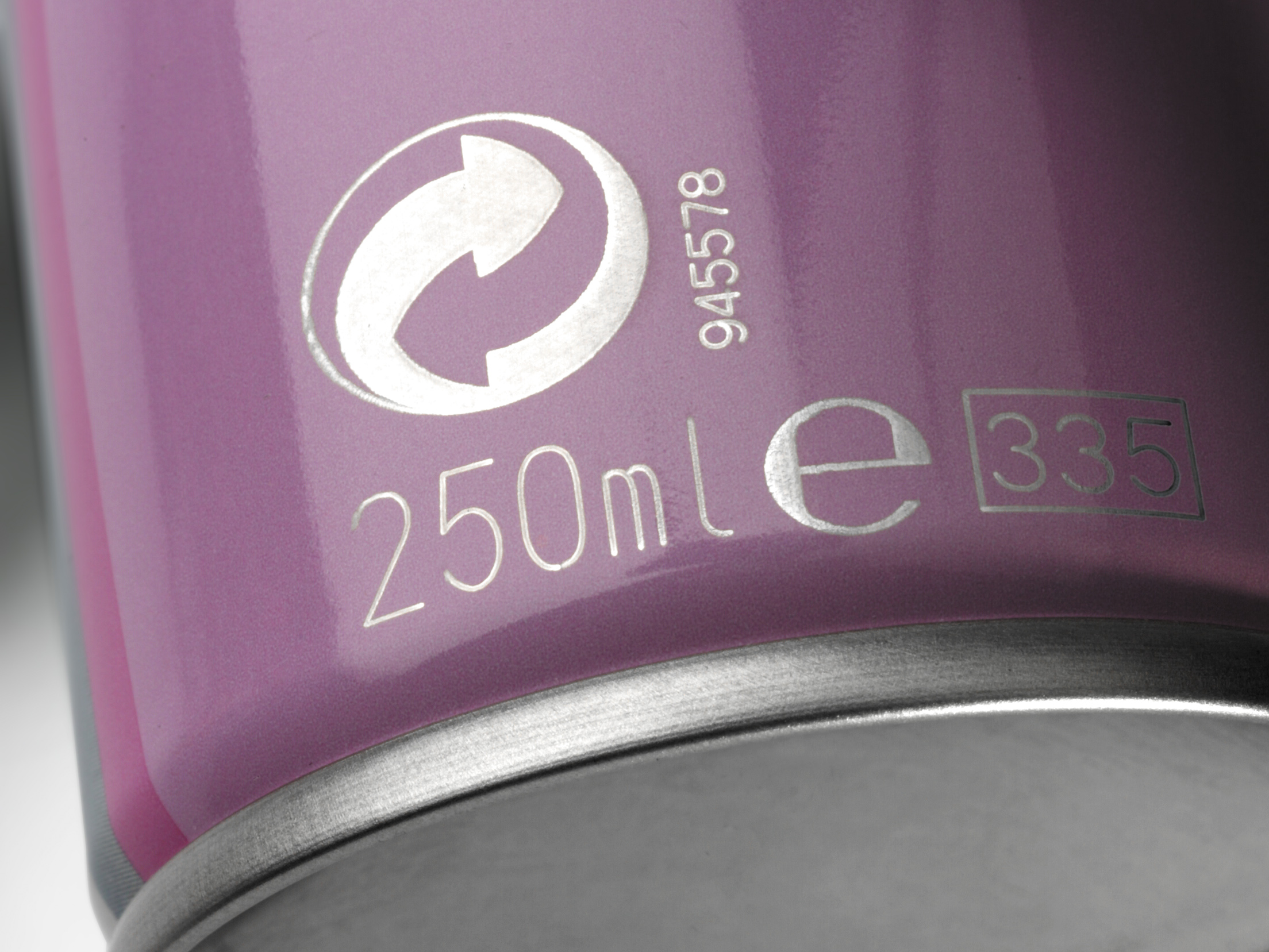
Laser marking can create clean, permanent codes by removing or changing the top coating to reveal a contrasting mark, ideal for consistent readability without consumables.
Personal Care Product Coding
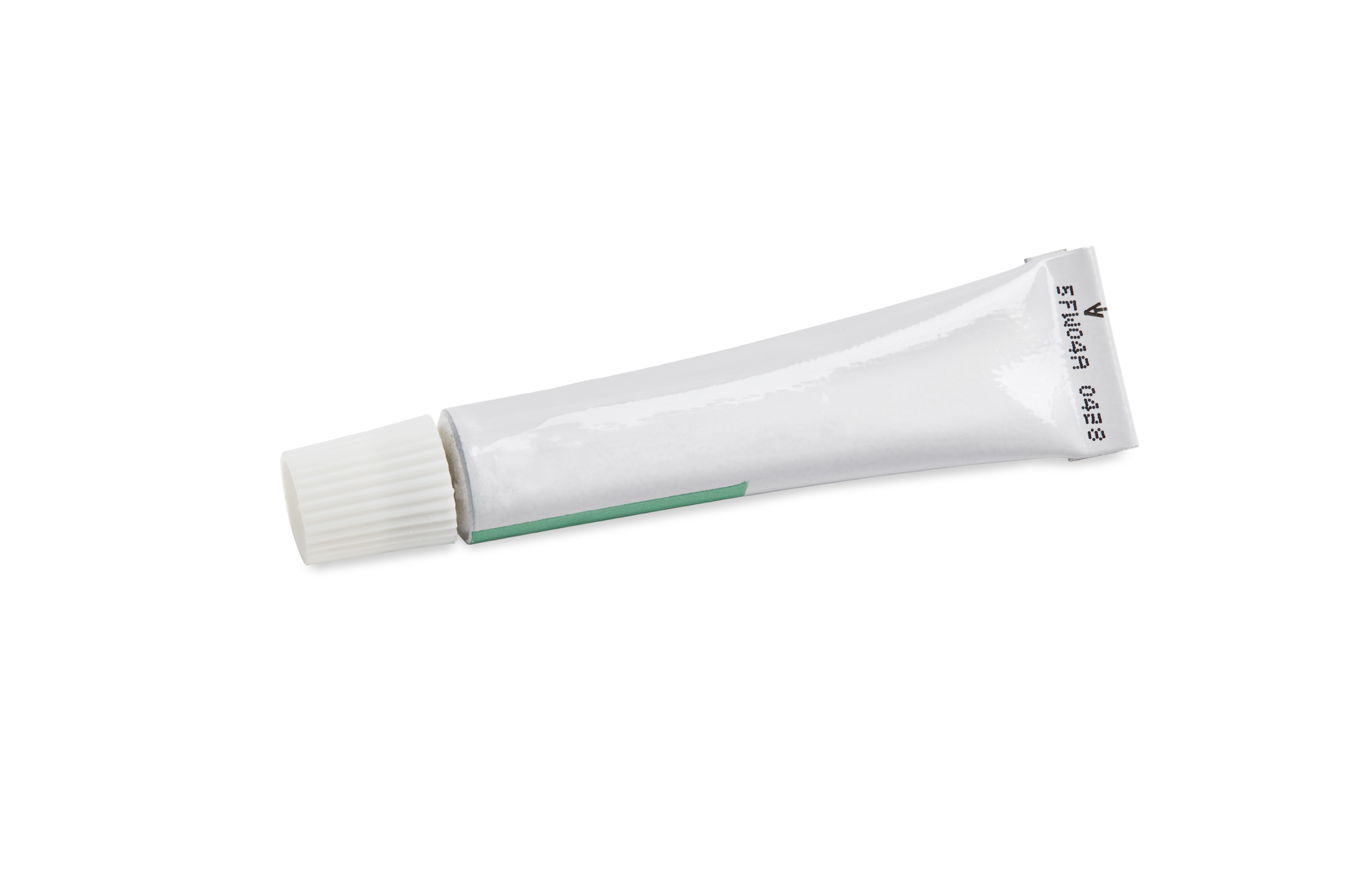
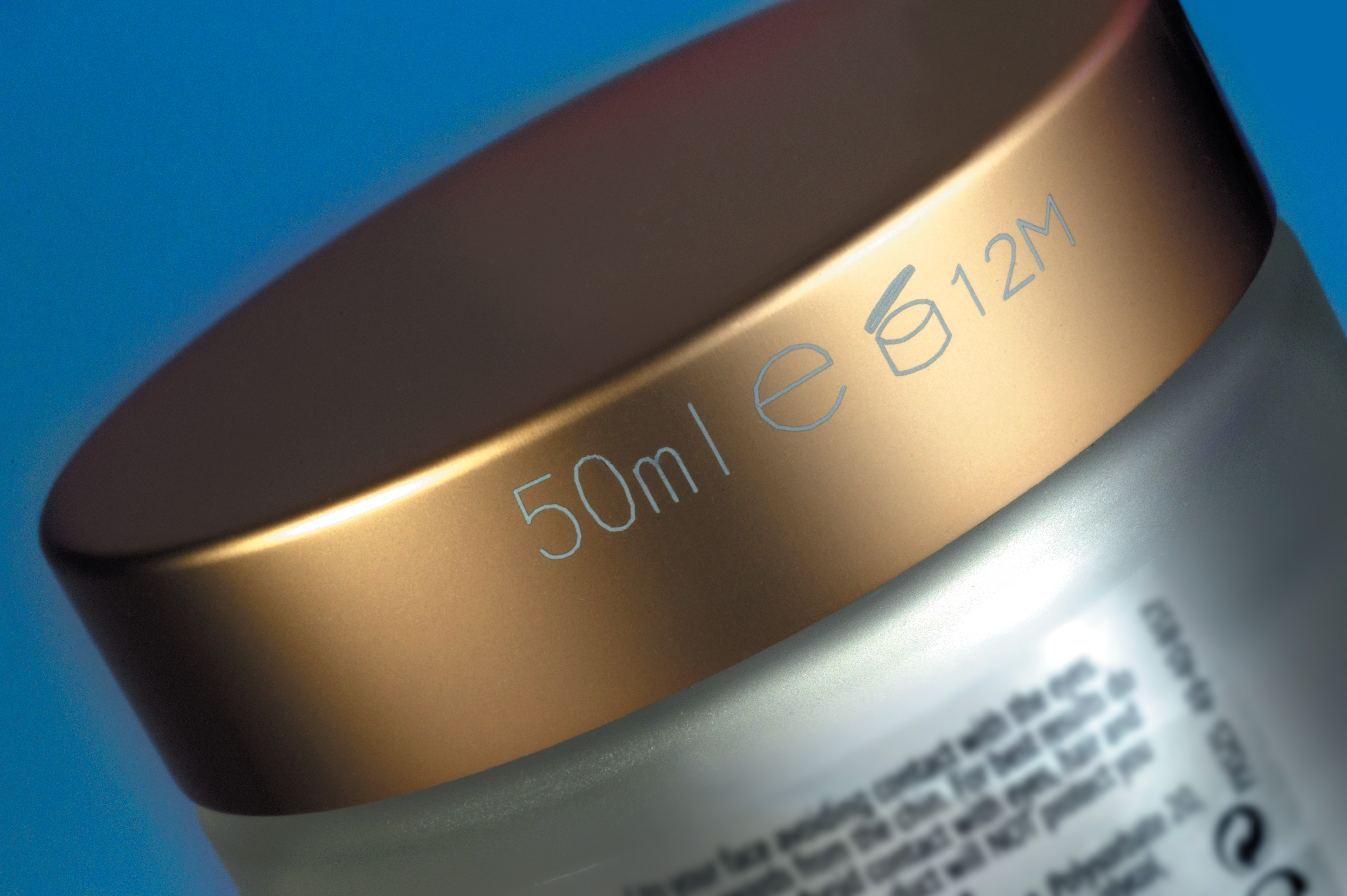
CIJ printers can mark complex codes onto coated metal personal care products such as creams or makeup that may have layers oil on the packaging. They can operate in dustry environments without issue.
Laser coders can alter the coated metal surface to provide permanent codes for increased reassurance, high-speed lines and anti-counterfeiting.
What to look for in a Can Coding Machine
Code Content: The code requirements (batch numbers, dates, 2D codes etc.), the size, colour and the desired marking area will affect the coder most suited to your application. Consider a coder that can mark in any orientation for flexible marking on any part of your product e.g on the base. Also think about how the code requirments may change in the future or on other products you produce.
Production processes: For durable codes the printing solution you choose must be able to adhere reliably and still be legible through your production and supply chain. Laser codes are permanent while for ink based printers you will need to consider retort, condensation, pasteurisation or cooking processes.
Speed: Ensure the coder you choose can keep up with your production line speed or volume goals without compromising on code quality. Drying time of ink based solutions can be an important consideration.
Production environment: Wet, hot, humid or non-temperature controlled production environments can affect the performance of your printing solution and the printed codes. In demanding conditions or washdown environments the IP rating of your coder may be key. If the production space is limited, investigate coders that are compact or can be mounted in different ways to fit the available space.
Available budget: It is vital to consider not only the initial purchase price but also the total cost of ownership, including consumables and cost and frequency of servicing. Can the product be user maintained and repaired?
Reliability: On a high-volume line, the reliability of your coder is crucial to avoid product rework, scrappage, line downtime and loss of efficiency. Frequent breakdowns can negate any benefits of a lower purchase price coder; look for automatic cleaning or self-service features.
Linx Technologies for Coding Coated Metal
Whatever your product, code requirements and operating environment, Linx can provide you with a suitable coding solution for coated metal substrates. Browse our recommended technologies below:
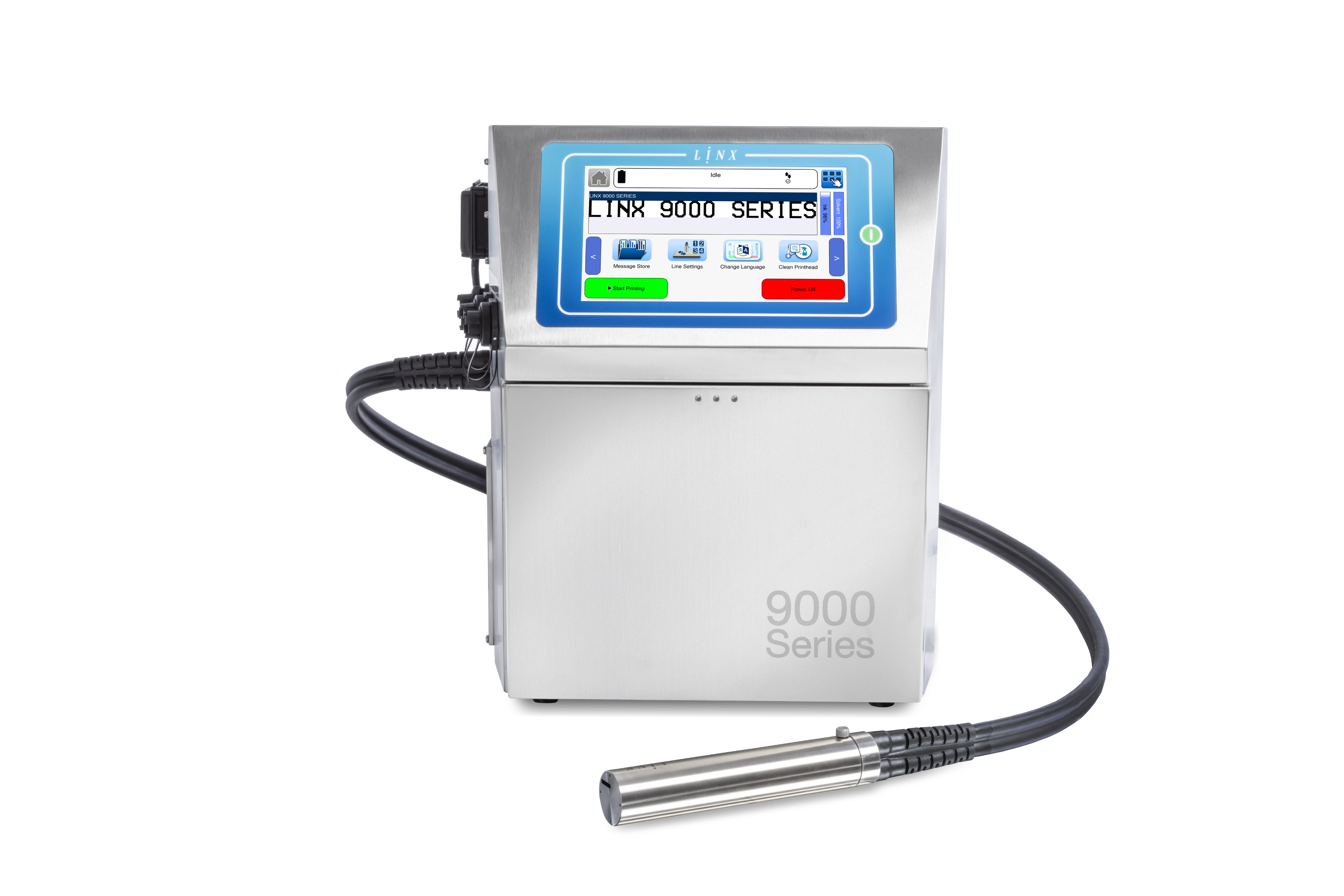
Linx 9000 Series
Range of inks for great contrast
Features
Suitable for 24/7 operations | Data Matrix and QR codes |GS1 compliant 2D codes | GS1 code builder | High-speed production | Print up to 6 lines | Black and coloured inks
Key Benefits:
- Excellent print on curved surfaces and any orientation
- Reliable operation in hot, dusty, wet, or non-temperature controlled environments
- High adhesion inks for metal surfaces and a range of high-opacity colours for dark substrates
- IP65 (option) for ingress protection and washdown environments
- Remotely monitor coding through Linx PrinterNet
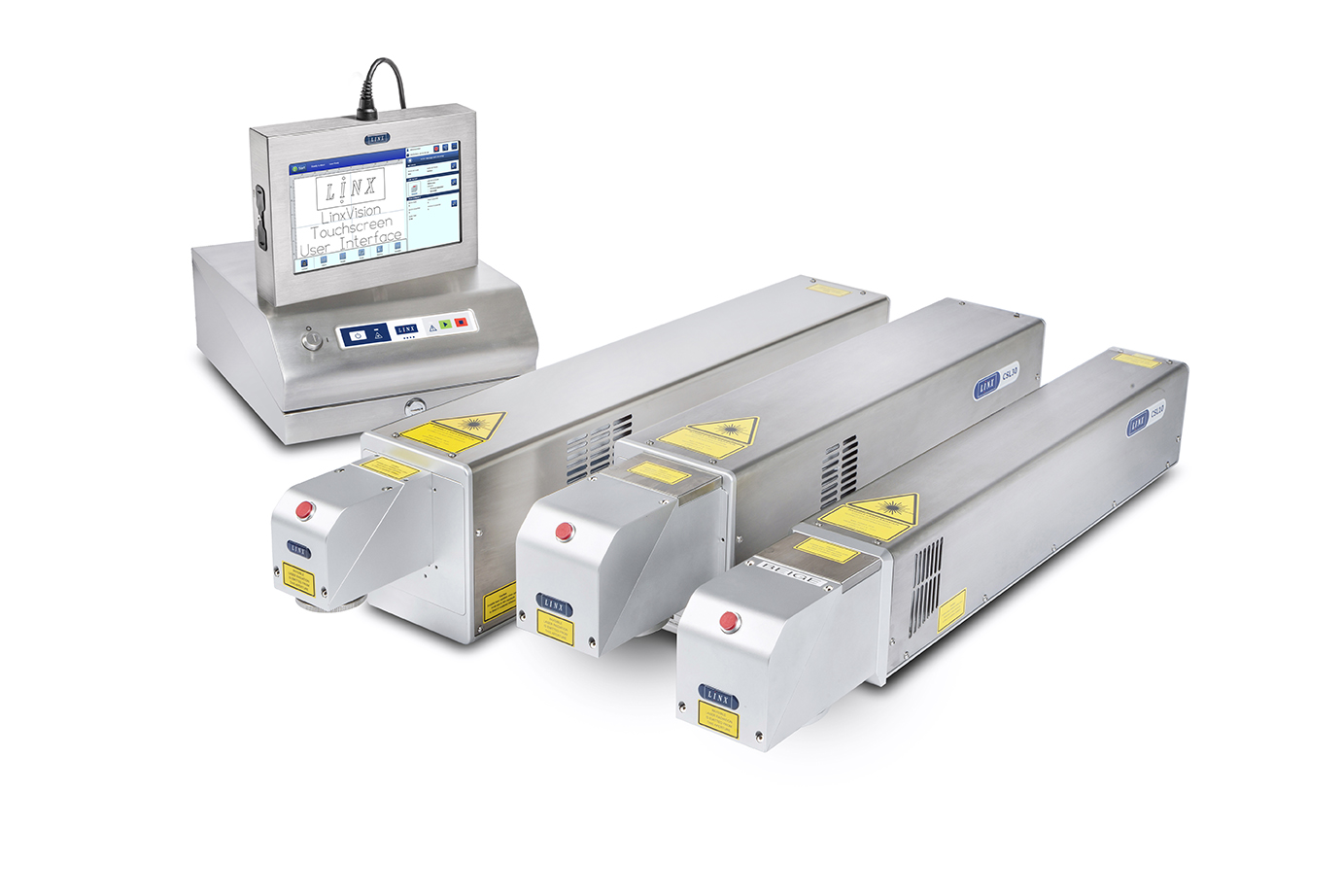

Linx CSL Series
Permanent coding for peace of mind
Features
Suitable for 24/7 operations | Data Matrix and QR codes | Batch and date coding | Print unlimited lines of text | Ideal for glass, and plastics
Key Benefits:
- High-speed coding up to 900m/min
- Over 20,000 configurations to meet complex code requirements
- IP65 (option) for washdown or humidity
- Zero consumables
- Simplified focus technology for simple product changeovers
- Multiple beams allow for coding at any orientation
Not sure which solution is right for your can coding?
Contact us to find the best solution for your marking and coding needs
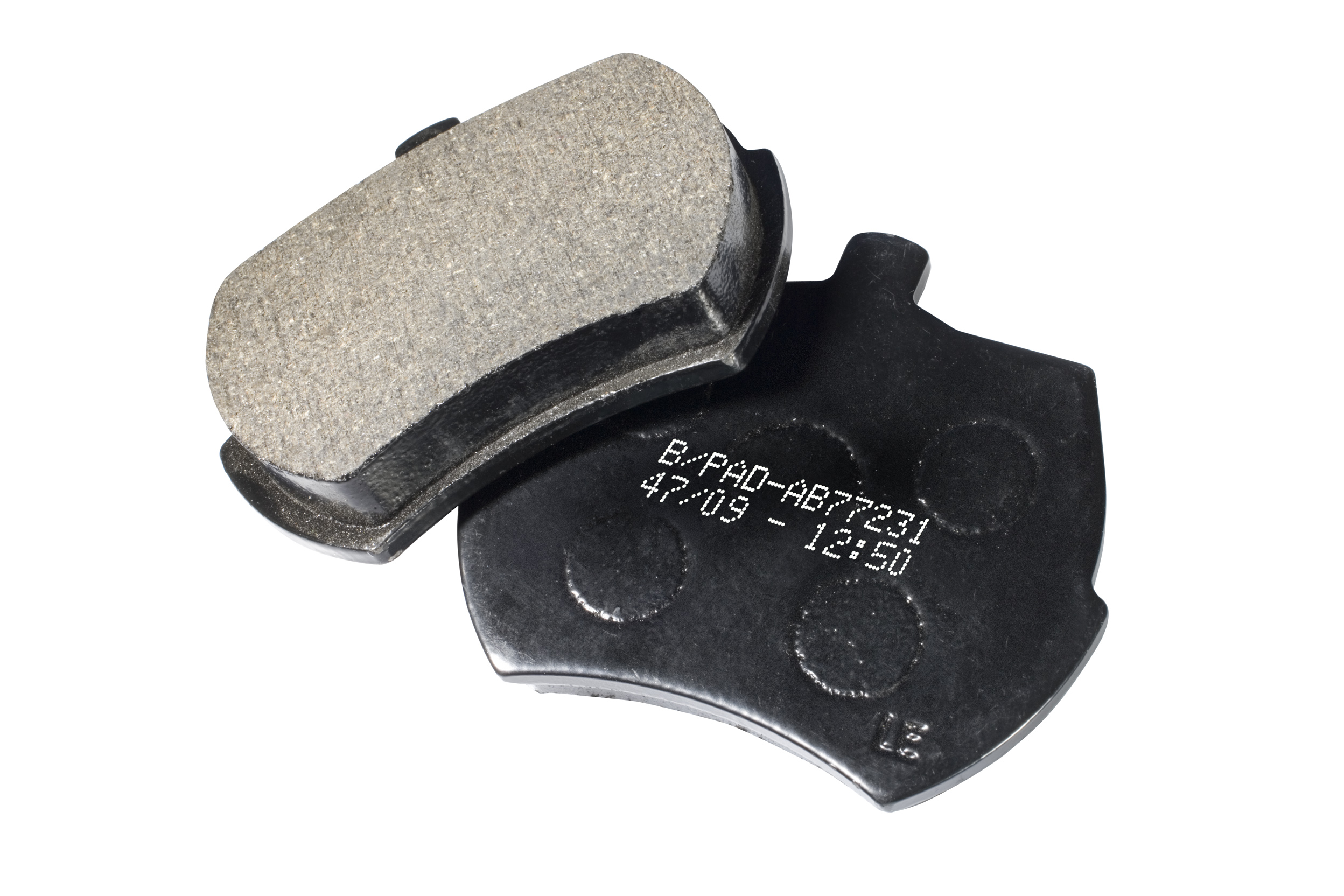
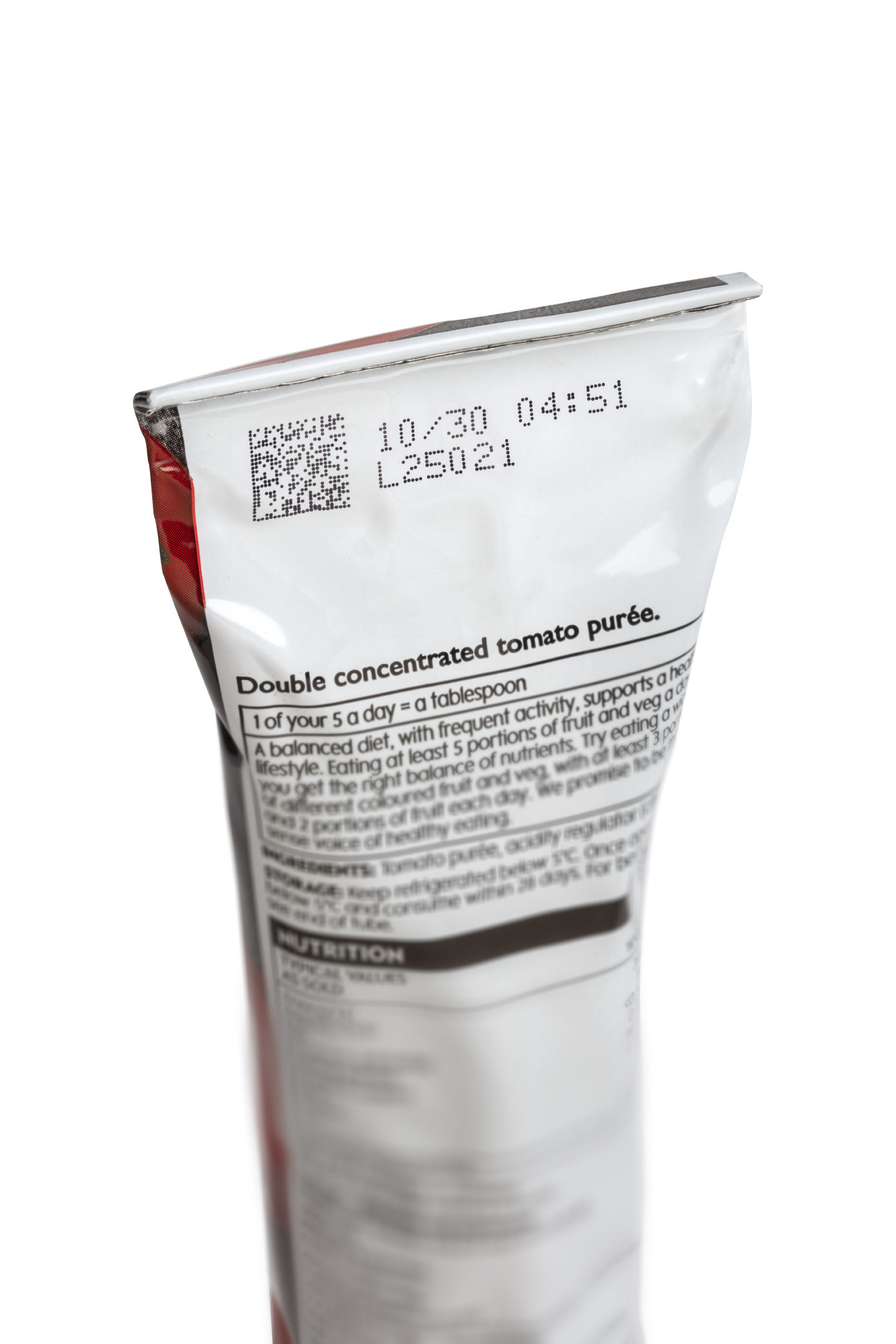
Durabel codes on coated metal automotive parts
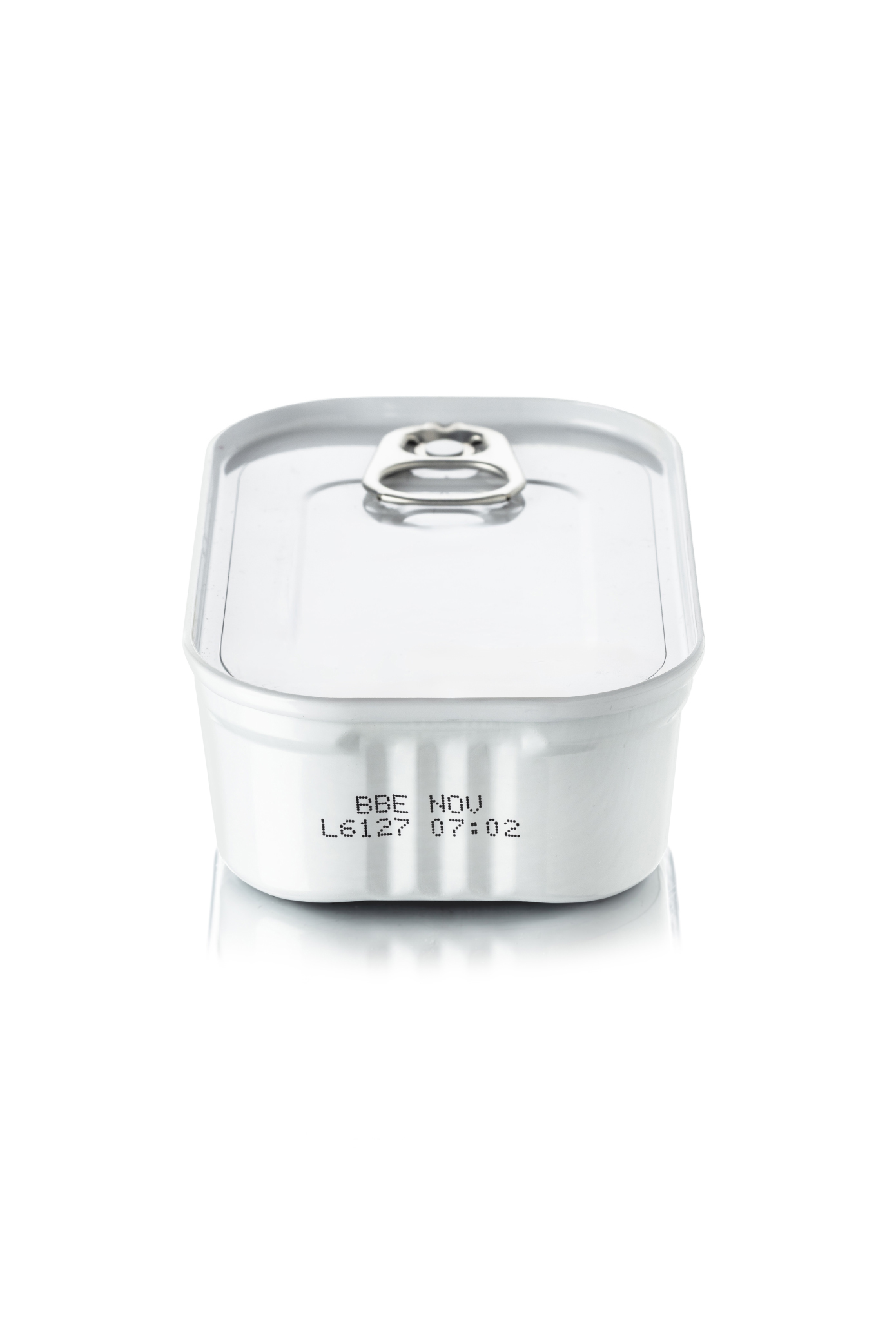
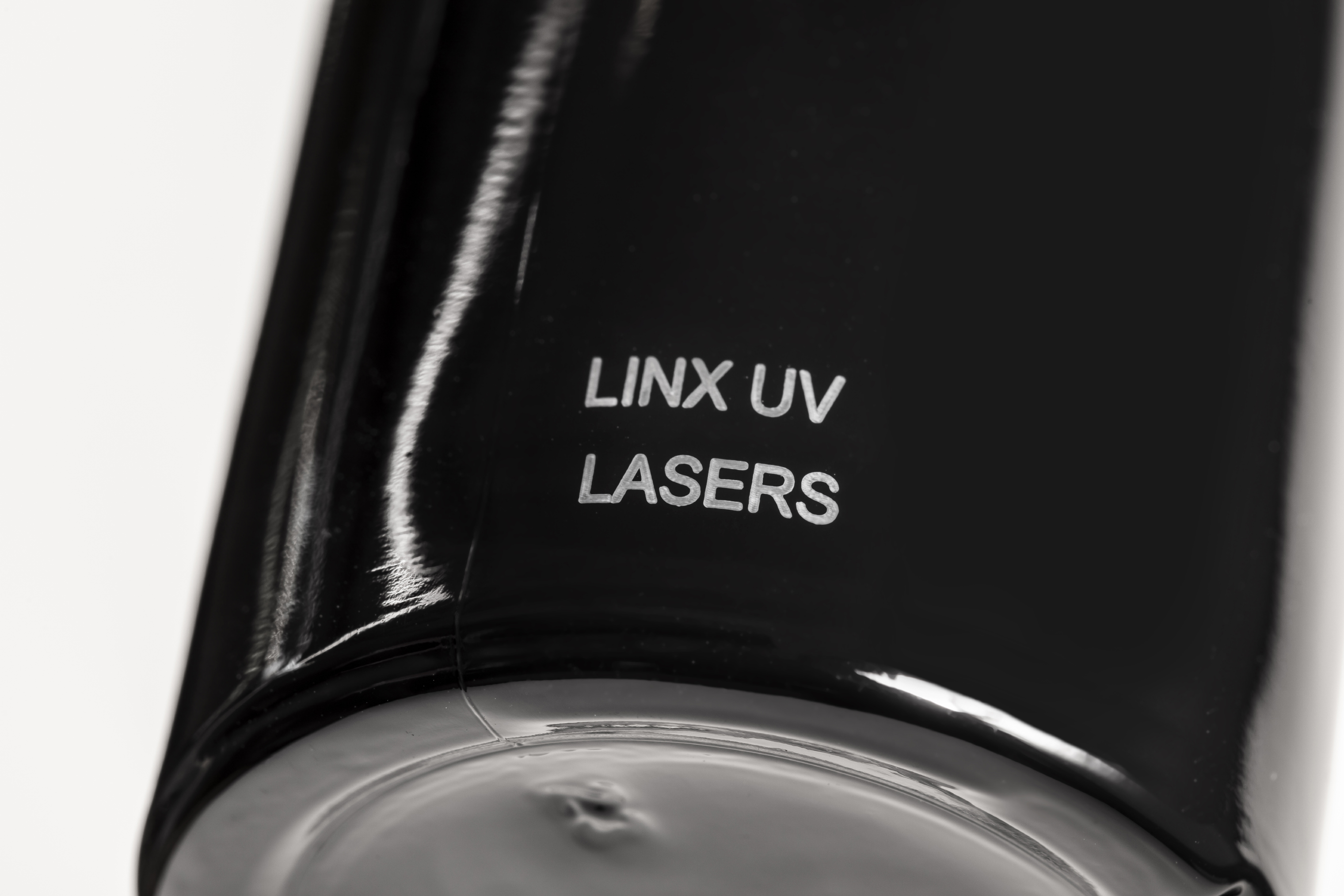
Print directly onto coated metal packaging even through oil or condensation
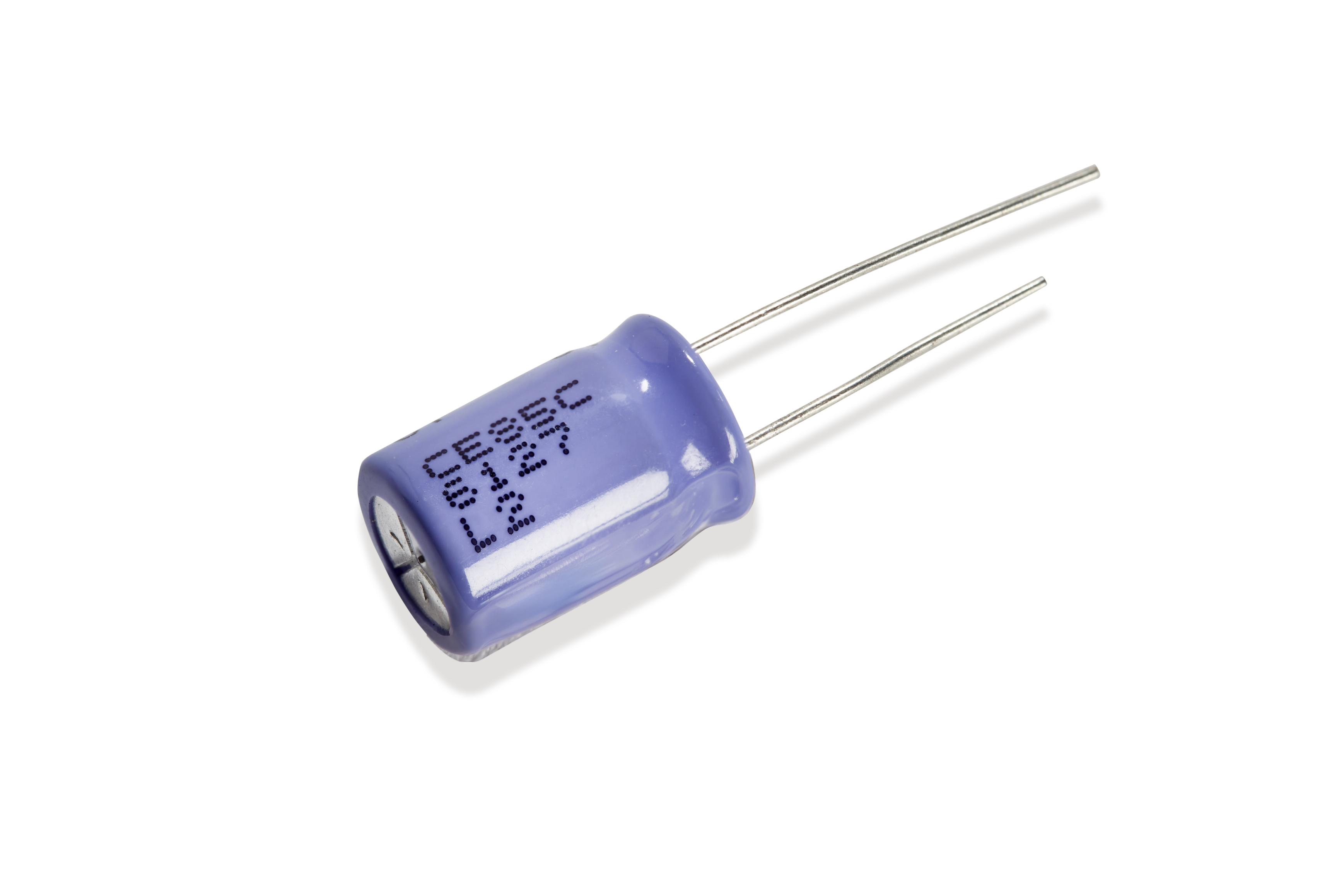
Coding onto small, curved surfaces on cosmetics products
FAQ
Coated metal surfaces, such as painted or lacquered finishes, can make it difficult for inks to adhere properly, leading to smudging, fading or poor durability. Achieving high contrast on dark or decorative coatings can also be challenging without the right coding solution.
The most common technologies are continuous inkjet (CIJ) and laser marking. Both are non-contact methods that can produce reliable codes on coated metal when correctly matched to the surface and application.
CIJ offers excellent flexibility for high-speed production lines and can print on curved or irregular surfaces. It also provides a wide choice of ink colours and properties, allowing you to achieve high contrast and meet different durability requirements.
Laser systems create marks by interacting with the coating, typically removing or altering it to reveal contrast underneath. This produces clear, permanent codes without the need for inks or consumables.
Achieving reliable results depends on selecting the right combination of technology, ink or laser settings, and ensuring compatibility with the specific coating type, production conditions and durability requirements.