Coated Metal Coding & Marking Solutions
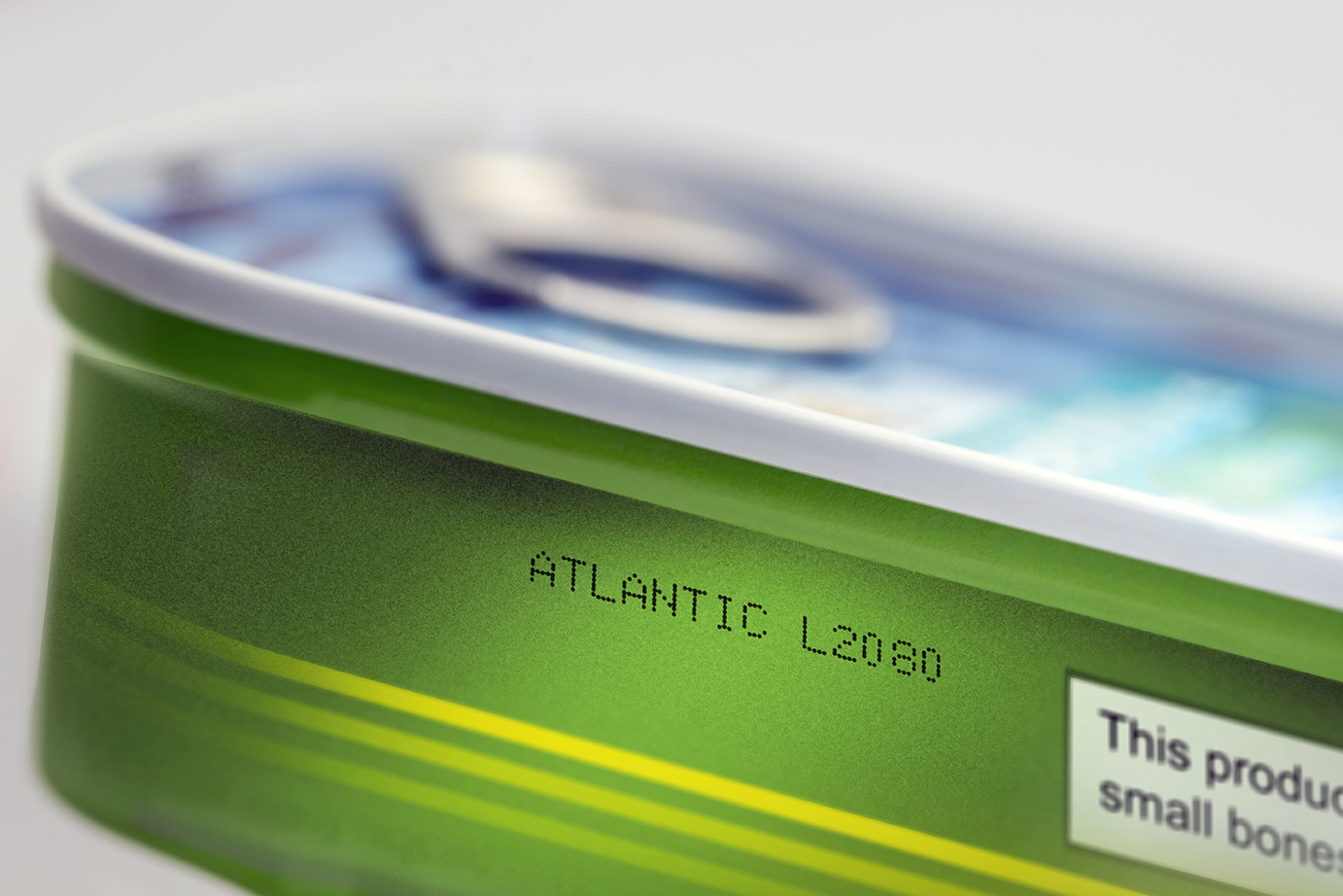
Print clear batch codes, dates, serial numbers and product identification on coated, painted, lacquered and varnished metal with Linx industrial coding and marking solutions.
Coated metal surfaces can be difficult to print on. Smooth finishes, protective coatings and curved products can affect ink adhesion, code contrast and readability. Linx offers continuous inkjet (CIJ) printers, laser marking machines and specialist inks to help manufacturers address these challenges.
Whether you’re coding lacquered food tins, printed metal lids or painted industrial components, Linx can help you choose a suitable marking method for your material and production environment.

To find out more information and to request your samples with no obligation, click the button below.
What is Coated Metal Coding?
Coated metal coding is the process of applying product identification information to metal surfaces that have been painted, lacquered, varnished or treated with another protective or decorative finish.
Typical codes include batch numbers, production dates, expiry dates, serial numbers, barcodes and selected 2D codes.
Unlike untreated metal, a coated surface has an additional layer that can affect the way ink bonds to it or how a laser creates a visible mark.
Industrial coated metal marking equipment must therefore be selected according to the coating, underlying metal, available marking area and production conditions.
Linx offers continuous inkjet and laser coding technologies for compatible coated-metal products and packaging.
Challenges of Printing on Coated Metal
1. Ink Adhesion on Painted and Lacquered Surfaces
Protective coatings and decorative finishes can make it difficult for standard inks to bond to a product.
Poor adhesion may cause smudging, transfer or loss of code clarity during handling.
Using a suitable specialist ink and testing it on the actual coating can help address these problems.
2. Code Contrast on Dark or Coloured Coatings
Dark paint, printed graphics and coloured varnishes can make ordinary black codes difficult to read.
High-opacity pigmented inks or suitable laser marking methods may provide better contrast, depending on the surface.
3. Curved and Irregular Metal Surfaces
Bottle caps, can walls, lids and shaped industrial components can present limited or uneven marking areas.
Printhead position, marking distance and code size must be matched to the product shape.
4. Moisture, Heat and Handling
Coated metal products may be exposed to condensation, cleaning, high temperatures, abrasion or chemical contact during manufacturing and distribution.
These conditions should be considered when choosing the printer, ink and location of the code.
Inkjet vs Laser Marking on Coated Metal
Both continuous inkjet and laser technologies can mark suitable coated-metal products. The best approach depends on the coating and the finished code requirements.
| Feature | Continuous Inkjet (CIJ) | Laser Marking |
|---|---|---|
| Marking process | Deposits ink onto the coated surface | Alters or removes a compatible coating |
| Typical information | Dates, batch numbers, text and variable identifiers | Dates, serial numbers, graphics and selected 2D codes |
| Contrast | Depends on ink colour and coating | Depends on coating response and underlying material |
| Curved surfaces | Non-contact coding with appropriate printhead positioning | Requires suitable focus and marking configuration |
| Durability | Depends on ink adhesion and production conditions | Can create permanent marks when the surface is suitable |
| Consumables | Requires ink and associated fluids | No printing inks or ribbons |
| Main consideration | Ink chemistry and drying | Coating compatibility, contrast and laser safety |
When Should You Choose Continuous Inkjet?
Continuous inkjet printing is a flexible option for applying variable information to compatible coated-metal surfaces.
It is particularly relevant to fast-moving production lines, curved packaging and products requiring frequent changes to dates or batch information.
Specialist inks can provide different adhesion, opacity and resistance properties.
When Should You Choose Laser Marking?
Laser coding is worth considering where a durable, high-contrast mark is required without using printing inks.
On suitable painted or coated metals, laser energy can remove or alter part of the coating to reveal a contrasting mark.
The result depends on the coating chemistry, thickness, underlying metal and laser configuration. Test the actual finished surface before selecting a system.
Why not speak to one of our coding experts about your particular needs?
Explore Linx Coated Metal Coding Machines
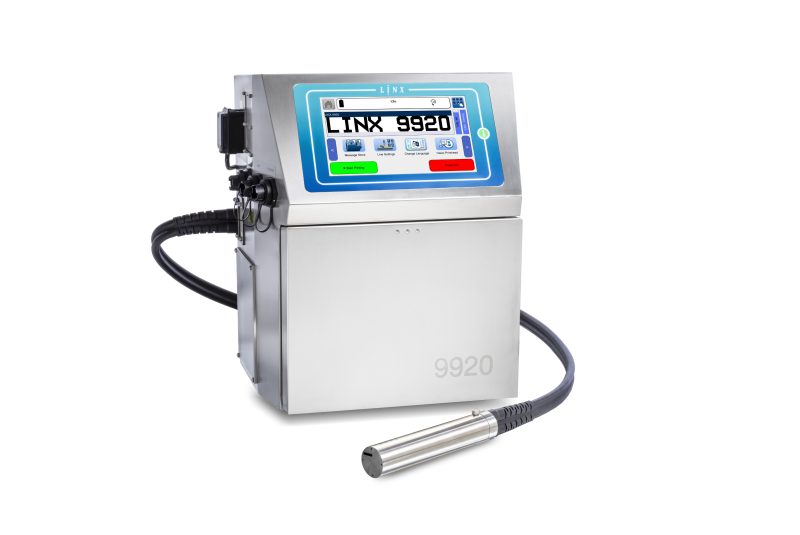
Linx 9920 Industrial Inkjet Printer
Apply date codes, batch numbers and variable product information onto compatible coated-metal surfaces. The Linx 9920 offers non-contact coding for fast-moving production lines, with flexible message settings and specialist ink options for different materials.
Explore Linx 9920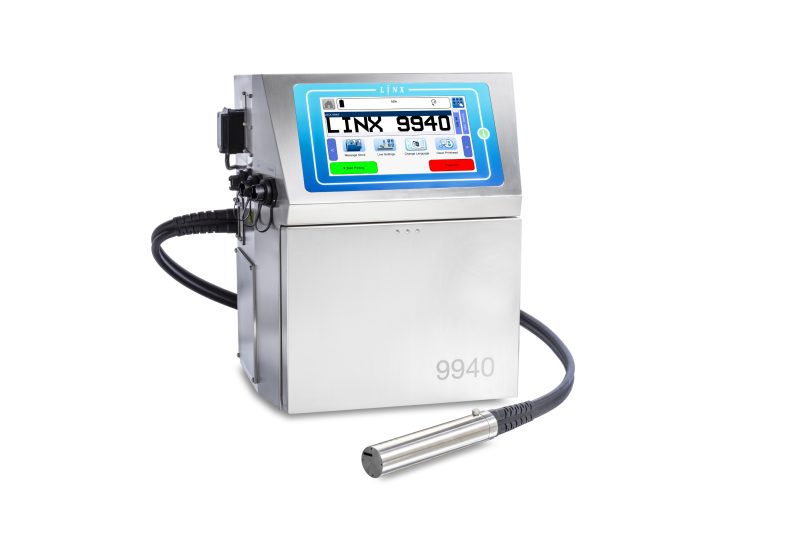
Linx 9940 Coated Metal Coder
Designed for demanding production environments, the Linx 9940 offers high-speed industrial coding with IP65 protection. Suitable ink formulations can support variable coding on compatible painted, lacquered and coated-metal surfaces, subject to adhesion testing.
Explore Linx 9940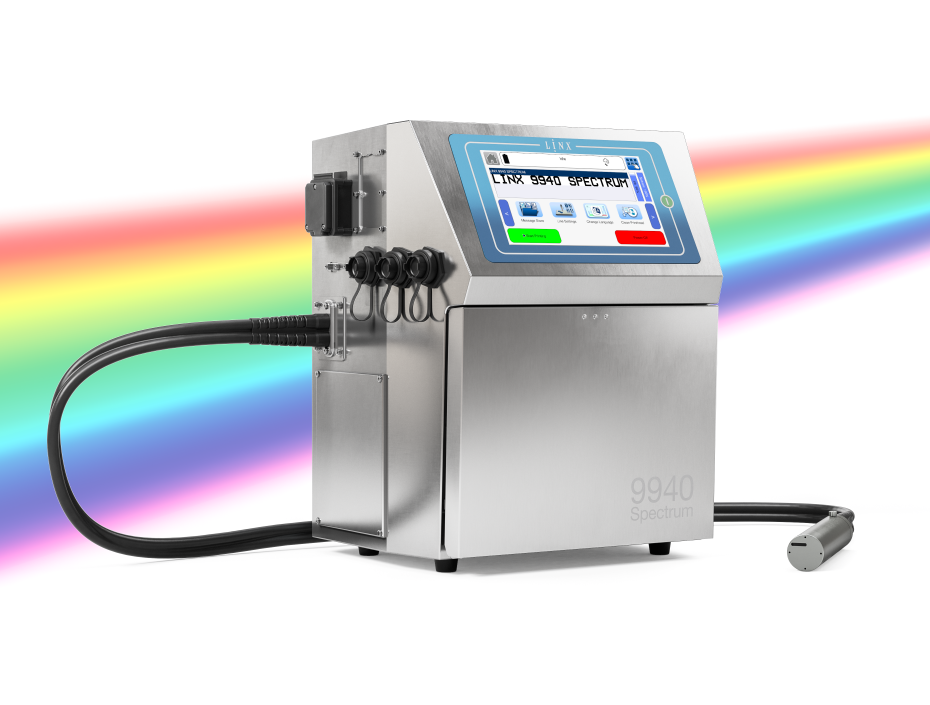
Linx 9940 Spectrum High-Contrast Printer
Produce high-contrast codes on compatible dark or coloured coated-metal surfaces. The Linx 9940 Spectrum uses pigmented ink technology for applications where code visibility and opacity are especially important.
Explore Linx 9940 Spectrum
Linx CSL30 Laser Coding Machine
Create ink-free identification marks on suitable coated-metal products and packaging. The Linx CSL30 CO2 laser provides precise coding options where the coating responds appropriately to laser marking or removal. Material testing is essential.
Explore Linx CSL30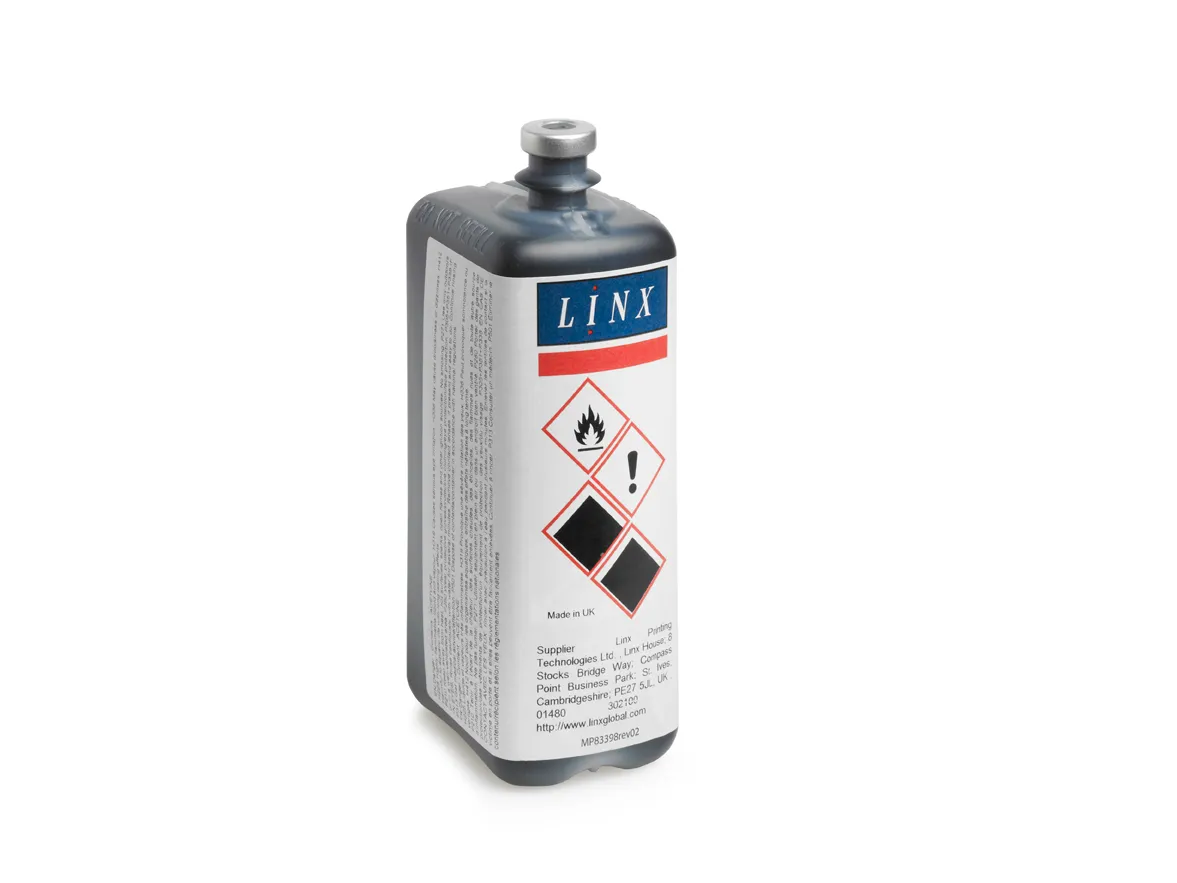
Industrial Inks & Fluids
Choose genuine Linx inks and fluids to support clear coding on compatible coated metal. Explore specialist formulations for appropriate adhesion, code contrast and durability on painted, varnished and lacquered surfaces.
Explore Inks & FluidsCoated Metal Coding Applications
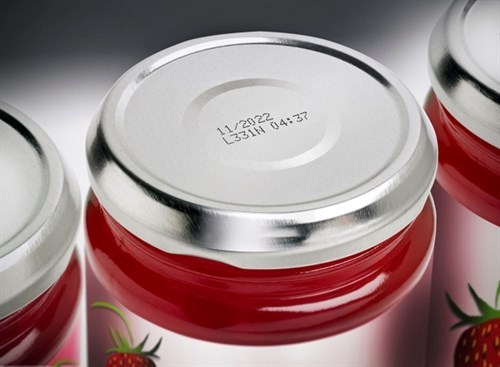
Coated Food Tins
Print dates, batch identifiers and other variable information onto suitable painted or lacquered food cans.
The correct ink should be assessed for adhesion, handling and any heat-treatment conditions the product will encounter.
Relevant technologies: CIJ and selected laser systems.
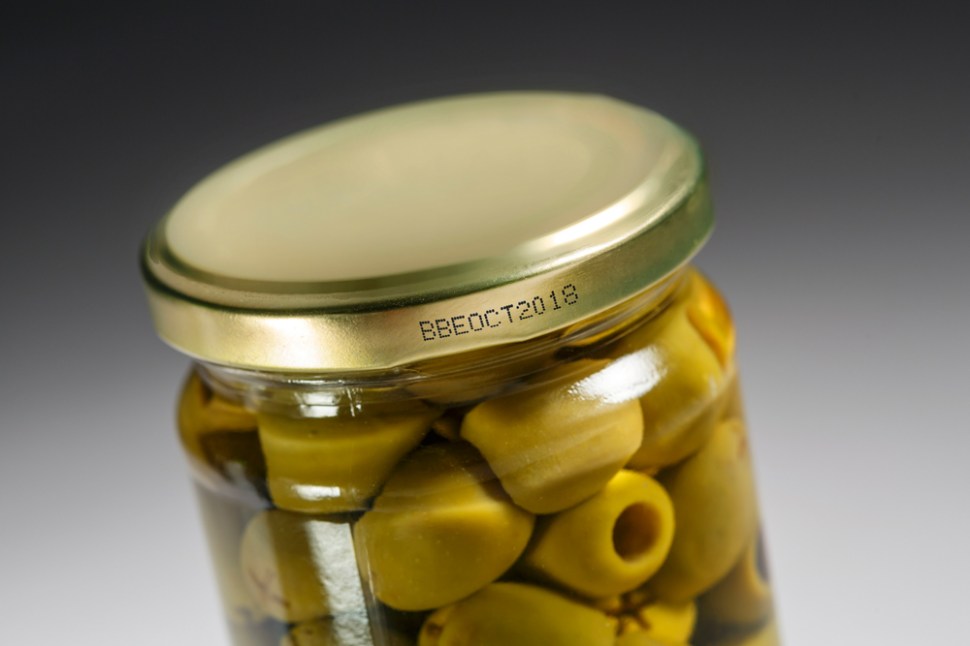
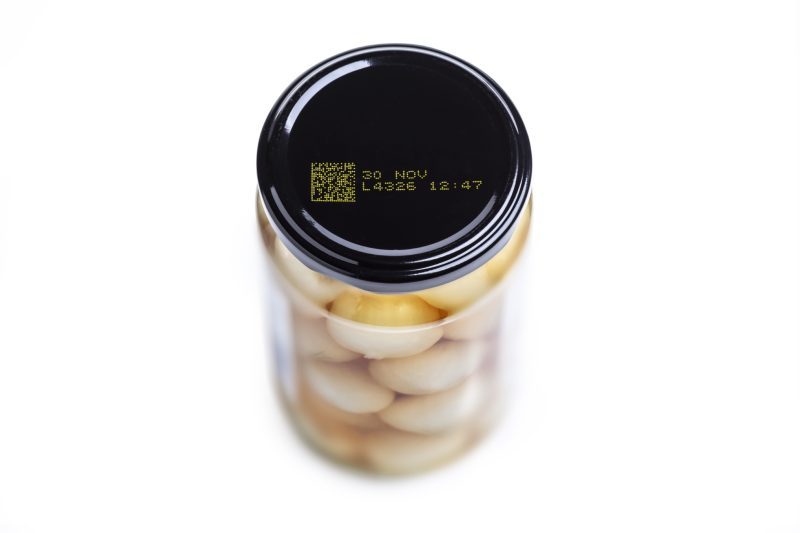
Printed Metal Lids and Bottle Caps
Apply compact codes to compatible metal lids, jar closures and bottle caps.
Curved surfaces, different coating colours and limited marking areas make print positioning and contrast particularly important.
Relevant technologies: CIJ and selected laser systems.
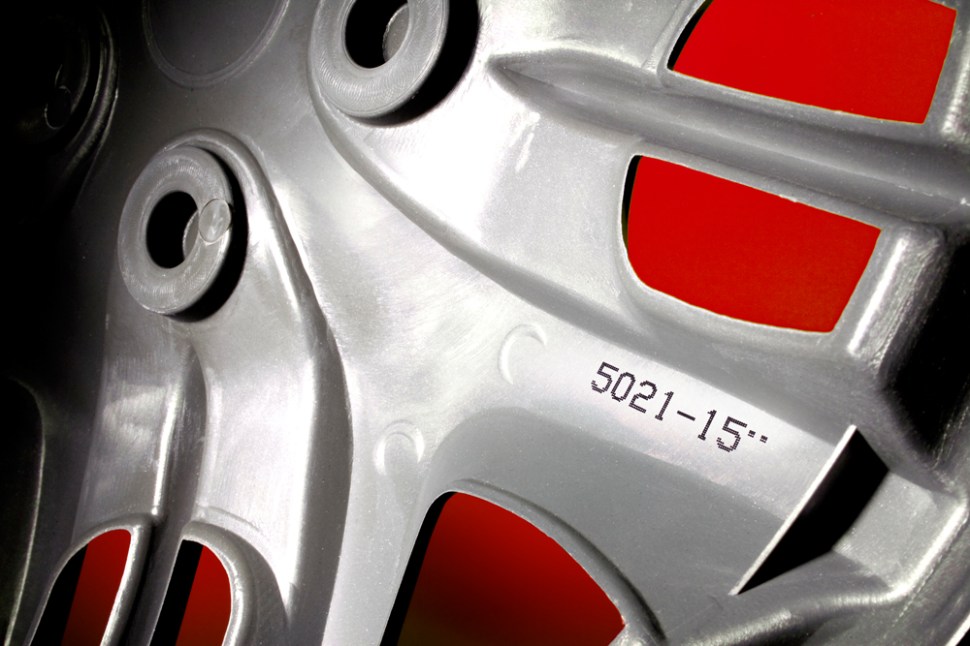
Painted Automotive Components
Mark batch codes, part numbers and serial identifiers on suitable painted or coated automotive components.
The marking method must meet the required durability and identification needs without compromising the component’s specified coating properties.
Relevant technologies:CIJ and selected laser systems.
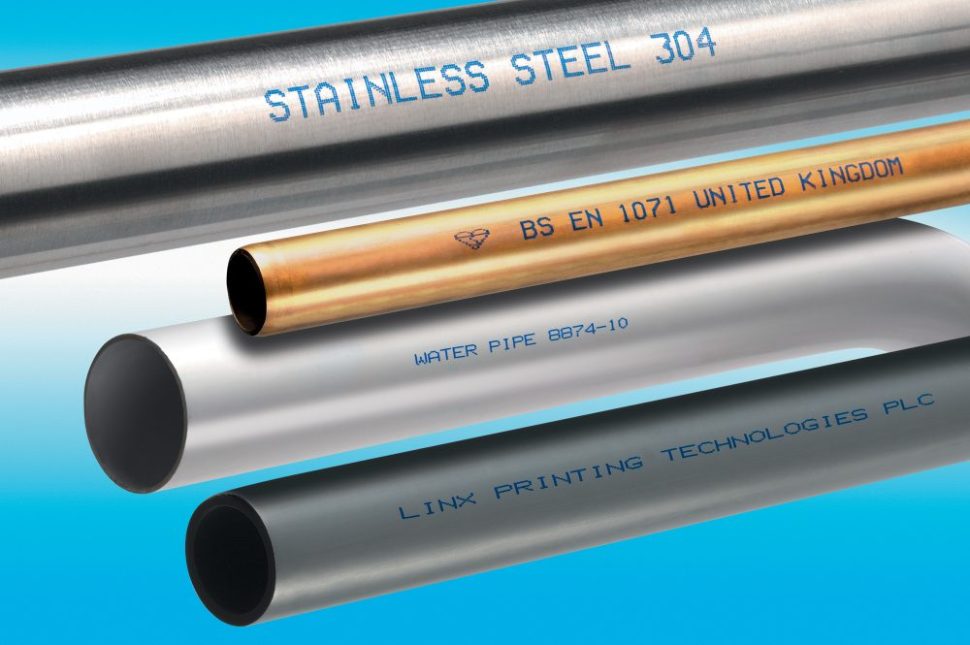
Coated Metal Extrusions
Print batch numbers, product identifiers and traceability codes on painted, powder-coated and lacquered metal profiles using suitable Linx inkjet or laser marking systems.
Relevant technologies: CIJ and selected laser systems.
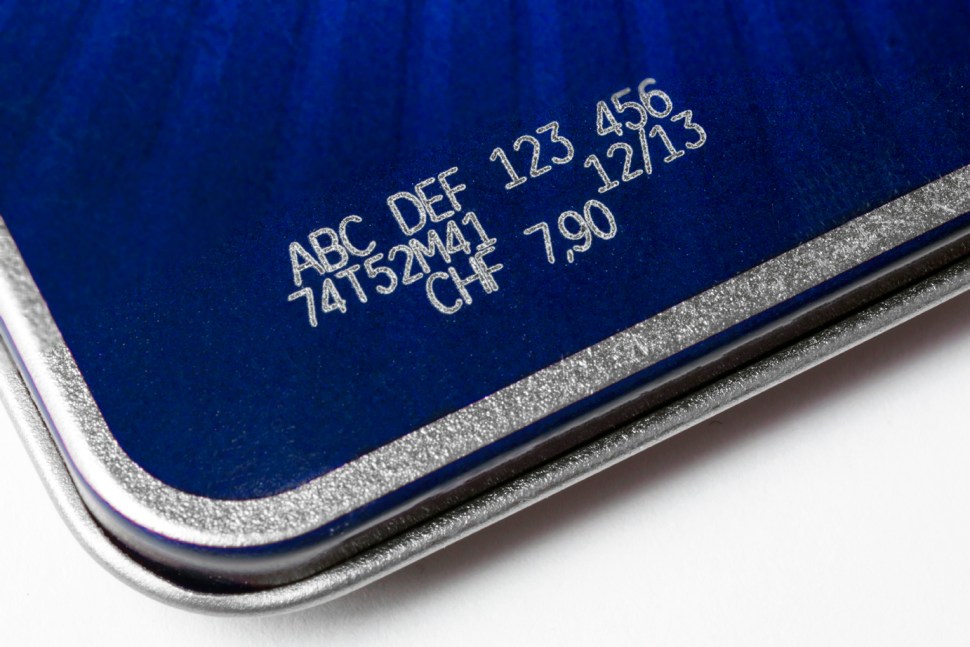
Painted Metal Sheets
Apply identification codes to suitable coated sheets, profiles and manufactured metal products.
Some applications require codes to withstand handling, storage or further processing.
Relevant technologies: CIJ and selected laser systems.
How to Improve Code Quality on Coated Metal
1. Identify the Coating
Confirm whether the surface is painted, lacquered, varnished, powder-coated or finished using another treatment.
Coatings that look similar can respond differently to ink and laser marking.
2. Test Ink Adhesion
Use print samples to evaluate how the selected ink behaves on the actual finished surface.
Where appropriate, test drying, rubbing, moisture exposure and handling resistance.
3. Check Code Contrast
Choose ink colours or marking methods that make the code sufficiently visible against the coating.
This is especially important on dark, glossy or highly decorative surfaces.
4. Match the Printer to the Product Shape
Review printhead access, code location, print distance and available marking area.
Curved products may require different mounting or laser focus arrangements.
5. Assess Environmental Conditions
Consider condensation, heat, cleaning procedures, chemicals and any post-coding processing.
Code performance should be confirmed under representative production conditions.
6. Confirm Scanning Requirements
Where barcodes, QR codes or Data Matrix codes are required, check the printed code using the intended scanning equipment.
Formal verification may also be necessary for applications governed by specific identification standards.
Frequently Asked Questions About Coated Metal Marking
Yes. Suitable industrial inkjet and laser marking systems can apply codes to compatible painted, lacquered, varnished and other coated-metal surfaces.
Continuous inkjet is often suitable for flexible, high-speed coding, while laser may suit applications requiring durable marks created by modifying the coating. The best choice depends on the surface and production requirements.
The ink must be matched to the paint or coating, required drying time and durability conditions. High-adhesion or pigmented formulations may be suitable for selected applications.
Yes. A suitable laser can remove or alter certain coatings to reveal a contrasting mark. Compatibility and the effect on the coating should be tested first.
Yes. Non-contact industrial printers and appropriately configured laser systems can mark selected curved products when print position and working distance are suitable.
High-opacity inks or laser marking that creates contrast with the underlying surface may help. The best approach depends on the specific finish.
Find the Right Coated Metal Coding Solution
Whether you’re marking painted components, lacquered cans or coated metal lids, Linx can help you assess suitable inkjet and laser coding technologies.
Share your coating type, required code, production speed and durability requirements. Our UK team can help you choose a suitable solution and arrange a print sample.