Can Coding Machines & Date Printers for Aluminium Cans
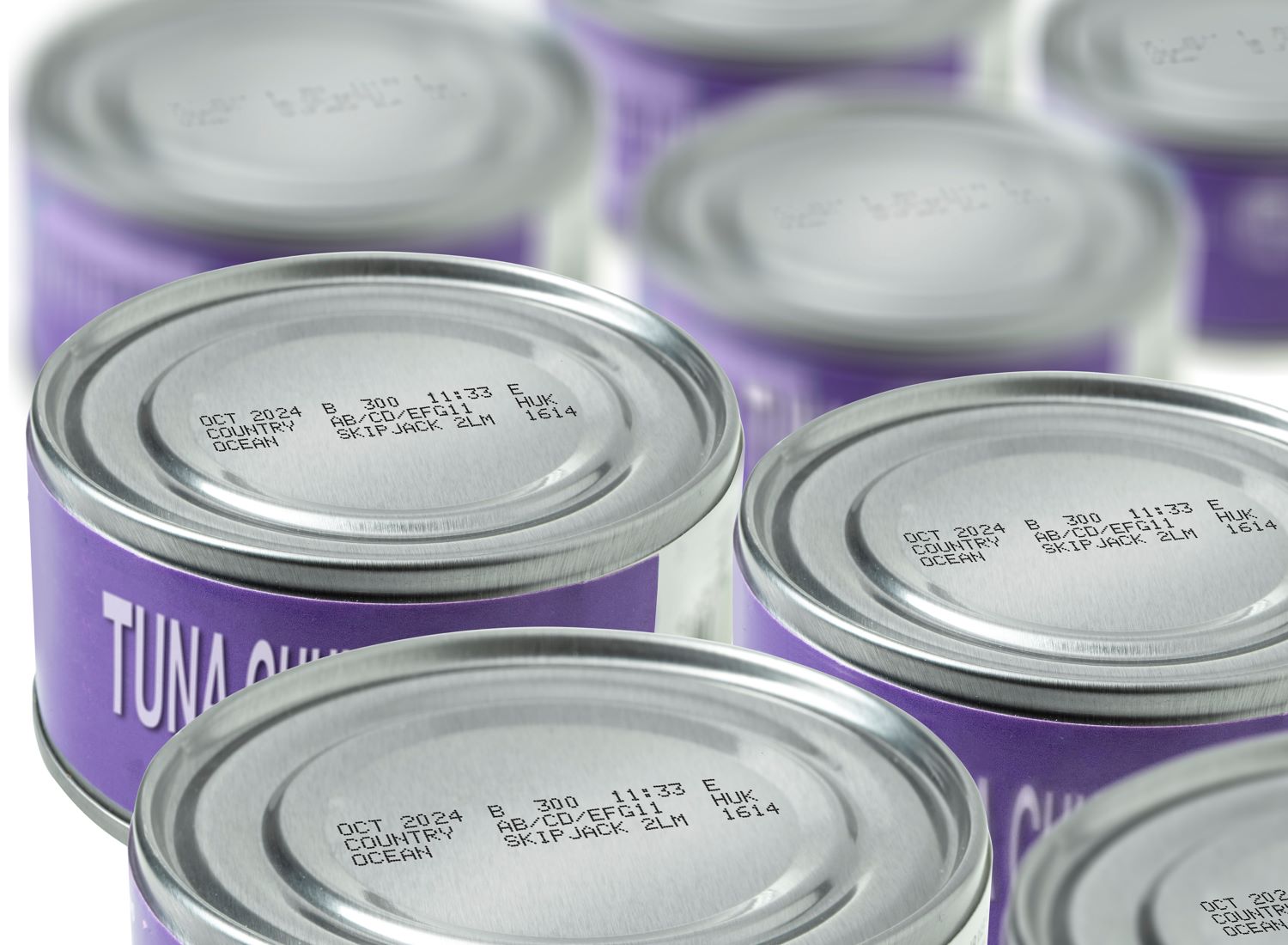
Print clear date codes, batch numbers and product identification directly onto aluminium and steel cans with Linx industrial can coding machines.
Our continuous inkjet (CIJ) printers and laser marking systems provide coding options for beverage cans, food tins and other compatible metal containers. Whether you’re printing best-before dates on fast-moving drinks cans or batch codes on metal packaging, Linx can help you find a solution suited to your production line.
Explore our can date coders, printing technologies and specialist inks for challenging canning environments.
To find out more information and to request your free samples with no obligation, click the button below.
What is Industrial Can Coding?
Industrial can coding is the process of printing or marking variable information directly onto aluminium or steel cans during production.
This can include best-before dates, expiry dates, batch numbers, lot codes, time stamps and product identifiers. Selected printing systems can also produce barcodes, Data Matrix and QR codes where the available marking area and scanning requirements permit.
Can coding machines are designed for integration into manufacturing and packaging lines, including applications where cans move at high speed or where surfaces may be curved, coated or exposed to moisture.
Linx offers continuous inkjet and laser coding technologies for different can materials, code requirements and production environments.
Challenges of Printing on Aluminium and Steel Cans
Printing on cans requires careful consideration of the material, production conditions and the durability of the finished code.
1. Ink Adhesion on Metal Surfaces
Aluminium and steel are non-porous materials. Surface coatings, oils and other residues can make ink adhesion more difficult.
2. Condensation and Wet Canning Lines
Beverage cans may develop condensation during filling, cooling and handling.
The correct ink, print position and production setup are important to help codes remain legible under wet or humid conditions.
3. Curved Surfaces and Limited Print Areas
Can bases, rims and curved sidewalls may provide limited space for printing.
The printing system must be matched to the available area, character size, print distance and required code format.
4. High-Speed Production
Industrial canning lines often operate at high throughput. Poor code placement, unexpected downtime or incorrect date information can create additional waste and rework.
A suitable can coding machine should keep pace with the required line speed while maintaining consistent code quality.
5. Heat, Retort and Sterilisation Processes
Some food cans undergo heat treatment after coding.
Where codes must withstand retort or other thermal processes, the ink or marking method should be tested under the actual production conditions.
6. Frequent Product Changeovers
Manufacturers may run multiple products, can sizes or customer-specific formats on the same line.
Stored messages, variable-data functions and simplified changeovers can help reduce manual code changes.
Choosing the Right Can Coding Machine: Inkjet vs Laser
The two main technologies used for industrial can coding are continuous inkjet printing and laser marking. Both can apply variable information directly onto compatible metal cans, but they differ in their operating requirements.
| Feature | Continuous Inkjet (CIJ) | Laser Coding |
|---|---|---|
| Printing method | Non-contact ink deposition | Laser marking of a suitable surface |
| Typical applications | Dates, batch numbers, lot codes and variable identification | Permanent dates, serial numbers and product marks |
| Suitable materials | Aluminium, steel and coated cans with appropriate inks | Compatible bare or coated metal surfaces |
| Consumables | Uses ink and related fluids | No printing inks or ribbons |
| Code durability | Depends on ink, material and processing conditions | Depends on the material and quality of the laser mark |
| High-speed production | Suitable for fast-moving canning lines | Suitable when the laser system and configuration meet the line requirements |
| Key considerations | Ink adhesion, drying, condensation and maintenance | Material compatibility, mark contrast, guarding and integration |
When Should You Choose Continuous Inkjet?
CIJ is a practical option for manufacturers needing non-contact date and batch coding on compatible aluminium and steel cans.
It is particularly relevant when production lines handle changing messages, multiple product variants or challenging metal surfaces requiring specialist inks.
When Should You Choose Laser Coding?
Laser coding is worth considering when a permanent mark is required on a suitable metal surface and the manufacturer wants to avoid ink and ribbon consumables.
The appropriate laser type, power, positioning and safety guarding must be assessed for the application.
Need help choosing? Speak to a Linx Coding Expert
Explore Linx Industrial Can Coding Machines
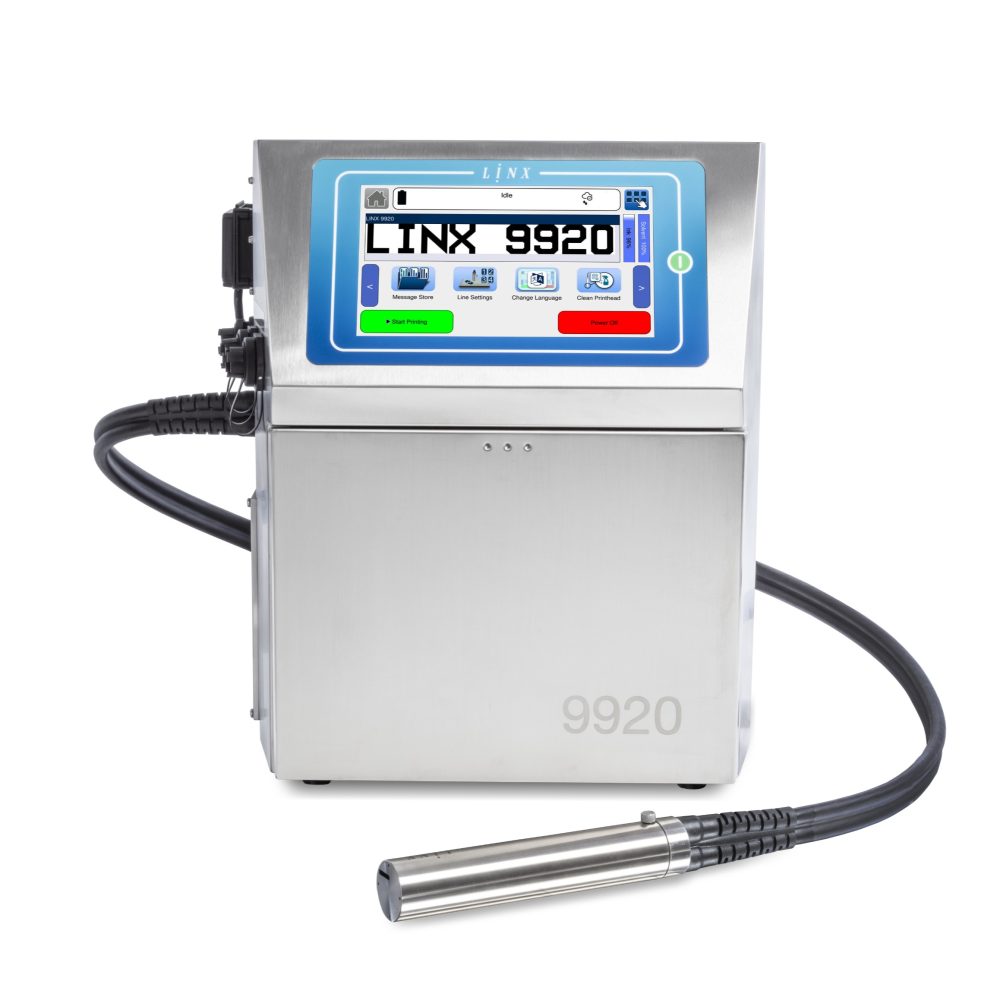
Linx 9920 High-Speed Can Coding Printer
Print best-before dates, batch numbers and variable product information onto compatible aluminium and steel cans. The Linx 9920 offers non-contact industrial inkjet coding for busy production lines, with flexible message settings and support for demanding coding requirements.
Explore Linx 9920
Linx 9940 & 9940 Spectrum Can Coders
Designed for demanding industrial production, the Linx 9940 offers IP65 protection for suitable wet and washdown environments. The 9940 Spectrum adds pigmented ink capability for applications requiring high-contrast codes on compatible darker surfaces.
Explore Linx 9940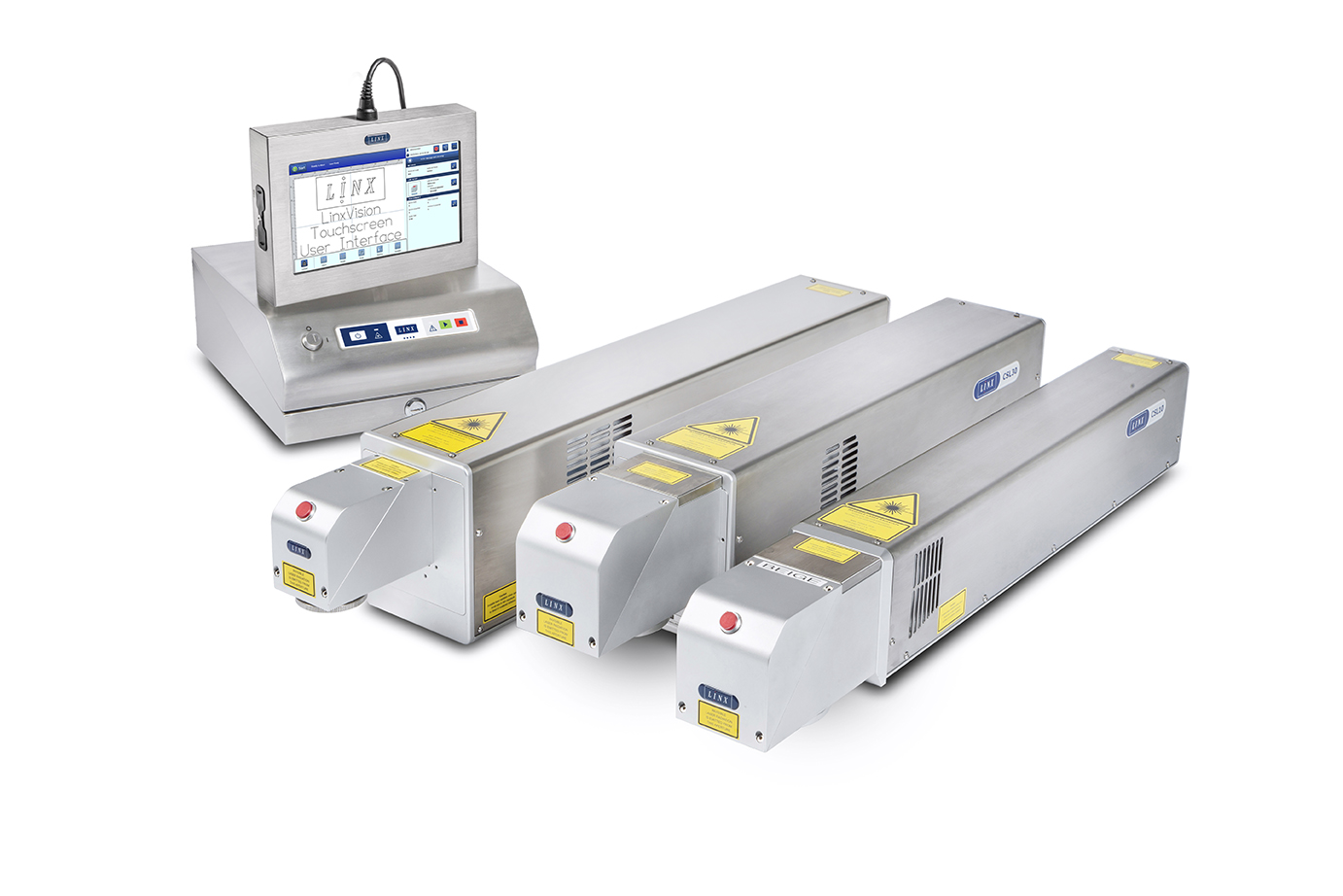
Linx FSL20 & FSL50 Fibre Laser Coders
Create permanent date, batch and identification marks on compatible metal cans and packaging. Linx FSL20 and FSL50 fibre laser systems offer ink-free marking options, with fine spot sizes for detailed codes on suitable metal surfaces.
Explore Fibre Laser Coders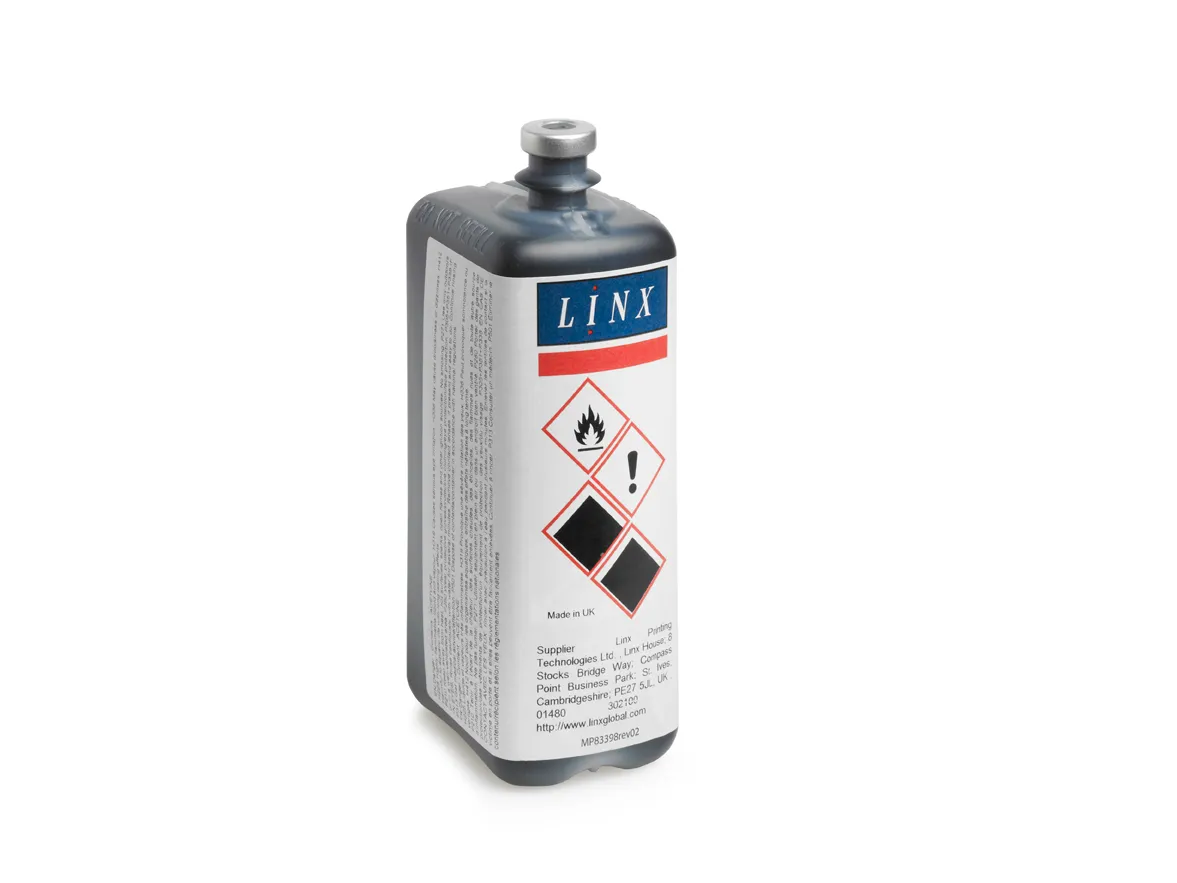
Industrial Inks & Fluids for Can Coding
Choose genuine Linx inks and fluids for printing on compatible aluminium, steel and coated metal cans. Explore specialist ink formulations for suitable adhesion, contrast and resistance to demanding production and handling conditions.
Explore Inks & FluidsIndustrial Can Coding Applications
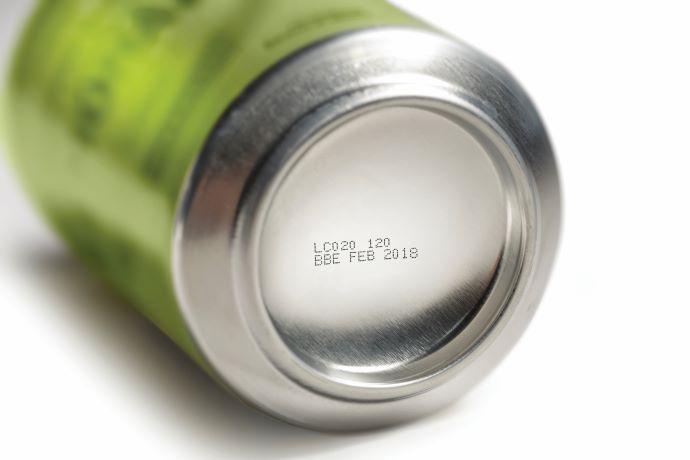
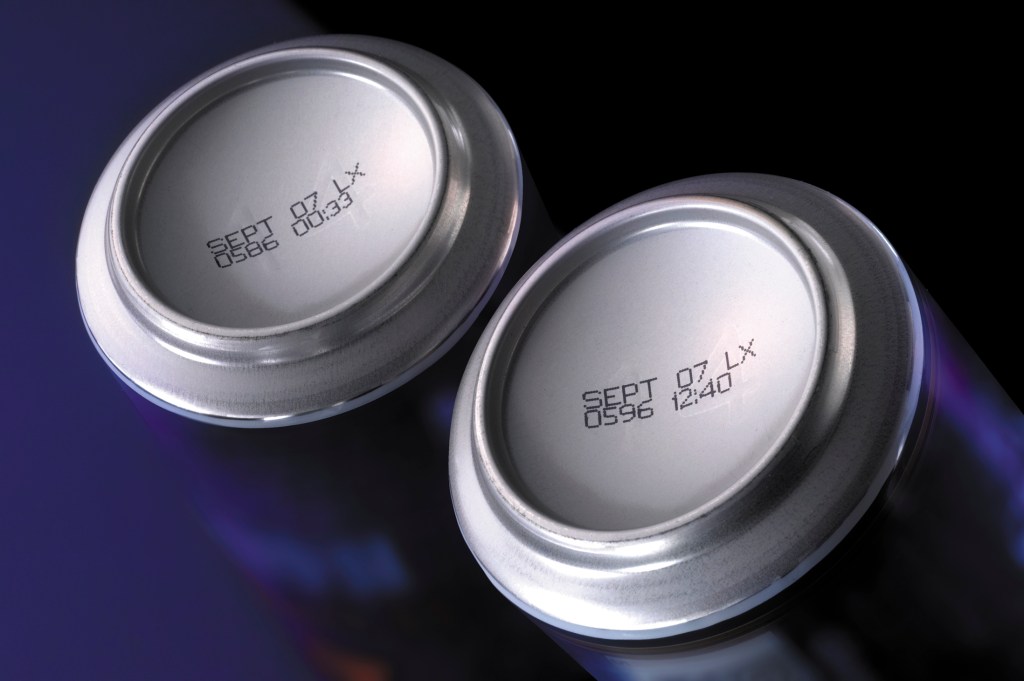
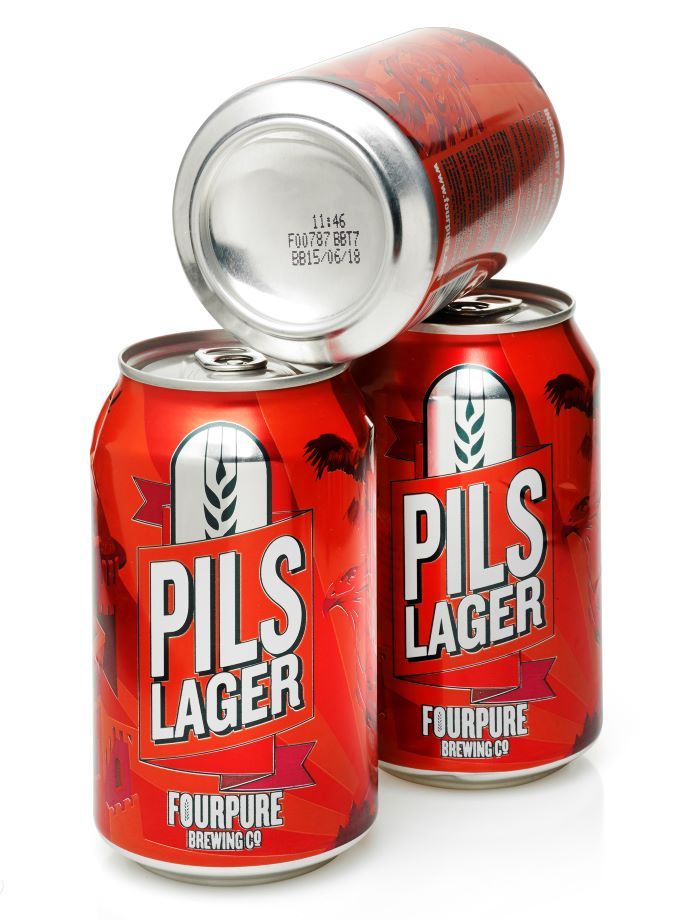
Beverage Can Date Coding
Print best-before dates, batch codes and product identifiers on suitable aluminium beverage cans, including applications exposed to condensation.
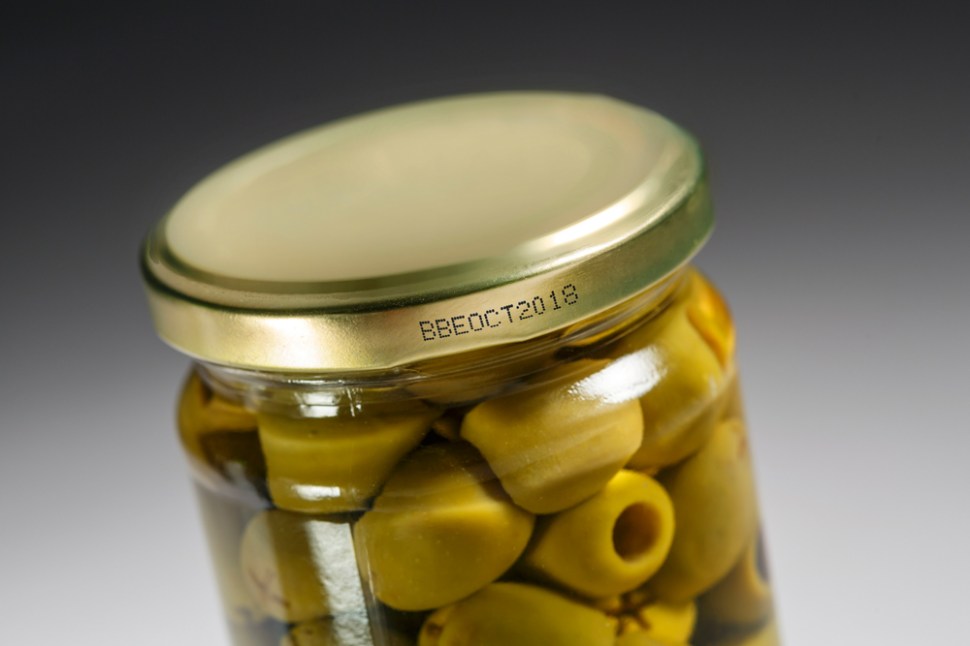
Food Tin Batch Coding
Apply date and batch codes to suitable steel and aluminium food tins, including products requiring heat-resistant coding solutions.
Coated Metal Can Coding
Print variable information onto compatible lacquered or coated cans using suitable inks or marking technologies.
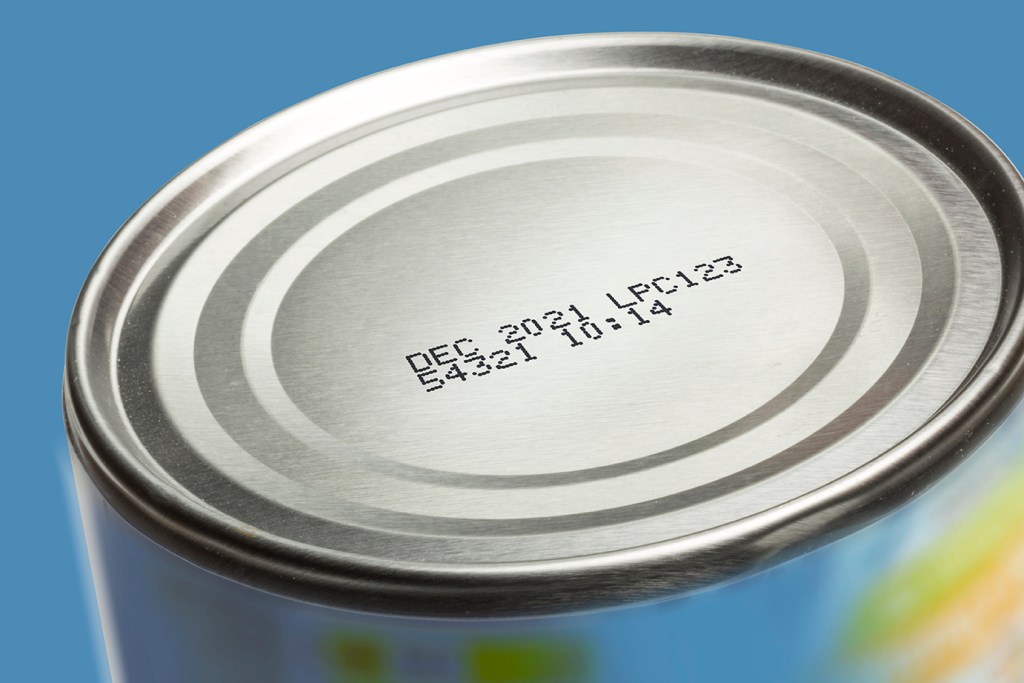
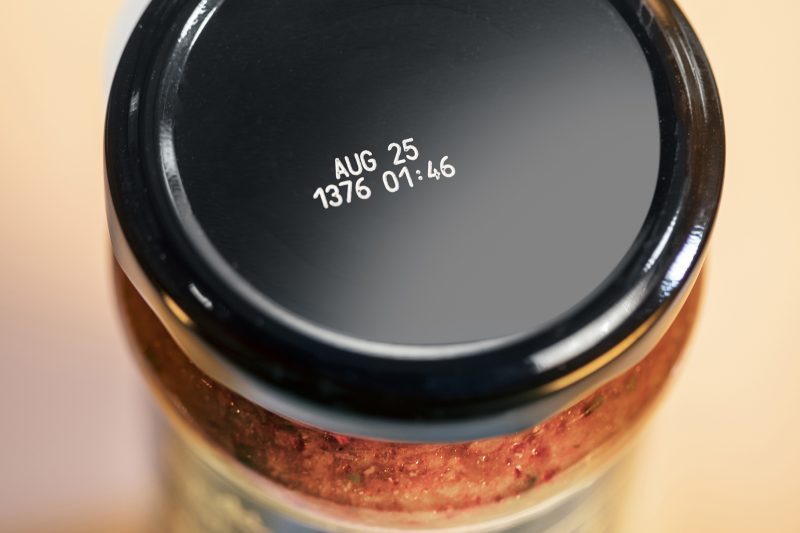
Can Bases & Lids
Print compact date and lot codes on compatible can bases, lids and ends where marking space is limited.
Why Choose Linx for Industrial Can Coding?
Continuous Inkjet and Laser Options
Compare industrial CIJ printing and laser marking technologies for aluminium, steel and compatible coated-metal cans.
Solutions for Demanding Production Lines
Explore equipment designed for manufacturing environments where speed, moisture, washdown and changing production requirements are important.
Specialist Inks for Metal Packaging
Choose from industrial ink formulations suitable for different can materials, coatings and processing conditions.
Flexible Date and Batch Coding
Print changing product information, including production dates, best-before dates and lot identifiers, with suitable variable-data equipment.
Free Can Coding Print Samples
Evaluate printed code appearance and clarity on your actual can or packaging material before selecting equipment.
UK Sales and Technical Support
Get advice on printer selection, ink compatibility, production-line requirements and ongoing technical support from Linx UK specialists.
Find the Right Can Coding Machine for Your Production Line
Whether you’re printing dates on aluminium beverage cans, marking food tins or choosing a laser solution for metal packaging, Linx can help you assess the right equipment.
Resources

Top Ten Tips for Choosing the Right Coder

Ringnes AS Case Study
Fourpure Brewing Case Study
Inks Brochure
Coding Solutions for Personal Care Packaging White Paper
Coding & Marking Solutions for the Chemical Manufacturing Industry White Paper
Frequently Asked Questions About Can Coding
A can coding machine prints or marks variable information such as dates, batch numbers and product identifiers directly onto compatible metal cans during production.
Continuous inkjet printers and suitable fibre laser systems are common options. The best choice depends on can material, surface finish, production speed, print position and code durability requirements.
Yes. Industrial can date coders can print best-before dates, expiry dates and lot numbers on suitable aluminium cans using appropriate inks or marking technologies.
Selected inkjet systems and inks can be suitable for wet or humid production environments. However, condensation, surface contamination and drying conditions should be tested to confirm code adhesion and readability.
Yes. Can bases are commonly used for date and batch coding. The printhead position, available area and code size must suit the production setup.
Inkjet applies ink to the can surface, while laser coding marks a compatible material without printing inks. The choice depends on production conditions, consumables, mark durability and the can surface.
Selected CIJ and laser systems support QR codes and Data Matrix. Printing suitability depends on the symbol size, substrate, marking resolution and scanning requirements.