Metal Part Marking Printers and Coders
Metal parts need codes that survive heat, oil, coolant, abrasion and handling for the life of the part. Whether you are marking brake components, extruded profiles, fasteners, tubes, electronic housings or coated sheet, the right method depends on the metal, the finish, the code you need and how the part moves on your line.
Linx supplies two proven approaches for marking metal:
- Laser marking for permanent marks directly in or on the metal surface, with no ink or solvent.
- Continuous inkjet (CIJ) coding for fast, non-contact coding on flat, curved or awkward surfaces, using inks formulated for metal.

To find out more information and to request your samples with no obligation, click the button below.
Metal Marking Technologies Compared
| Fibre laser | CO2 laser | Continuous inkjet (CIJ) | |
| Best for | Bare metals: steel, stainless steel, aluminium, copper, brass | Painted, coated, lacquered or varnished metal | Mixed metal parts, curved surfaces, lids and closures, tubes, fast lines |
| How the mark is made | Laser energy alters or removes the metal surface (for example annealing, etching or engraving, depending on settings) | Laser removes or changes the top coating layer to expose a contrasting mark | Non-contact ink drops applied to the surface |
| Permanence | Permanent; part of the surface | Permanent within the coating layer | Surface ink; durability depends on ink, surface cleanliness and downstream processing |
| Consumables | No ink or solvent; fume extraction and routine maintenance apply | No ink or solvent; fume extraction and routine maintenance apply | Ink and solvent |
| 2D codes (Data Matrix, QR) | Strong choice for compact, high-contrast 2D codes | Suitable on coated surfaces | Suitable; code size and print quality depend on model and substrate |
| Surface condition | Cleaner surfaces give the most consistent contrast | Depends on coating type and thickness | Oily or lubricated surfaces need the right ink and a sample test |
| Things to plan | Laser safety enclosure, fume extraction, part presentation and focus distance | Laser safety enclosure, fume extraction, part presentation and focus distance | Ink choice, drying and adhesion, printhead distance, ink and solvent supply |
| Linx range | Linx FSL20 and FSL50 | Linx CSL10, CSL30 and CSL60 | Linx 9000 series |
Note: Results depend on the alloy, finish, code size and line speed. A print sample on your own parts is the fastest way to confirm contrast, readability and durability. If another method, such as dot peen, suits a safety-critical or deep-mark requirement better, our specialists will tell you.
Linx Metal Part Marking Printers and Machines
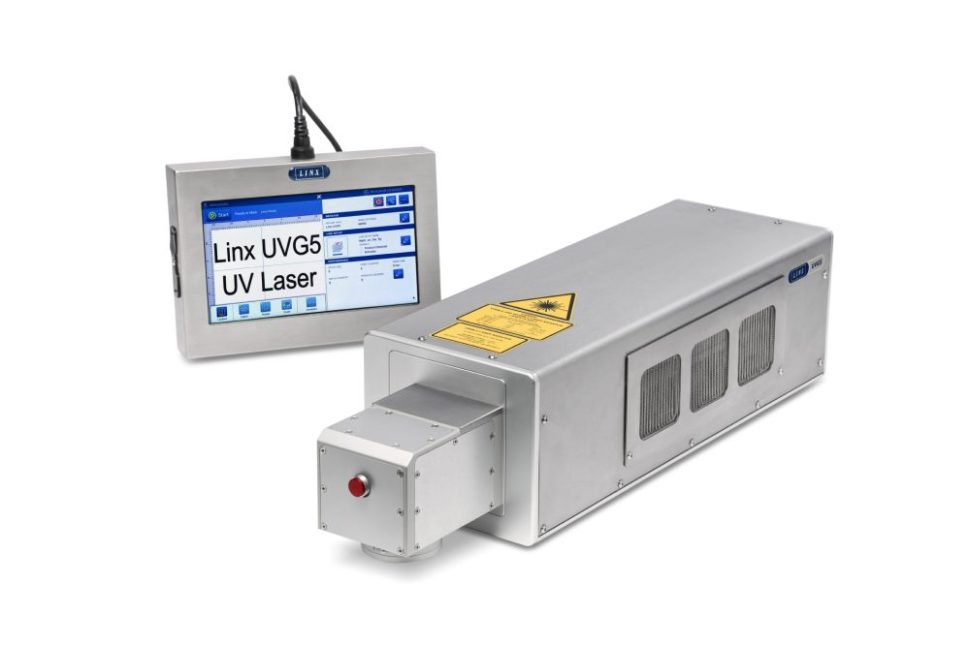
Fibre Laser Marking
Linx FSL20 and FSL50 Fibre Laser Marking Machines
Mark steel, stainless steel, aluminium, copper and brass with permanent, high-contrast codes. Fibre lasers are well absorbed by metal and suit small, detailed codes such as Data Matrix, serial numbers and part numbers. Best for bare metal components, tubes, plates and machined or formed parts.
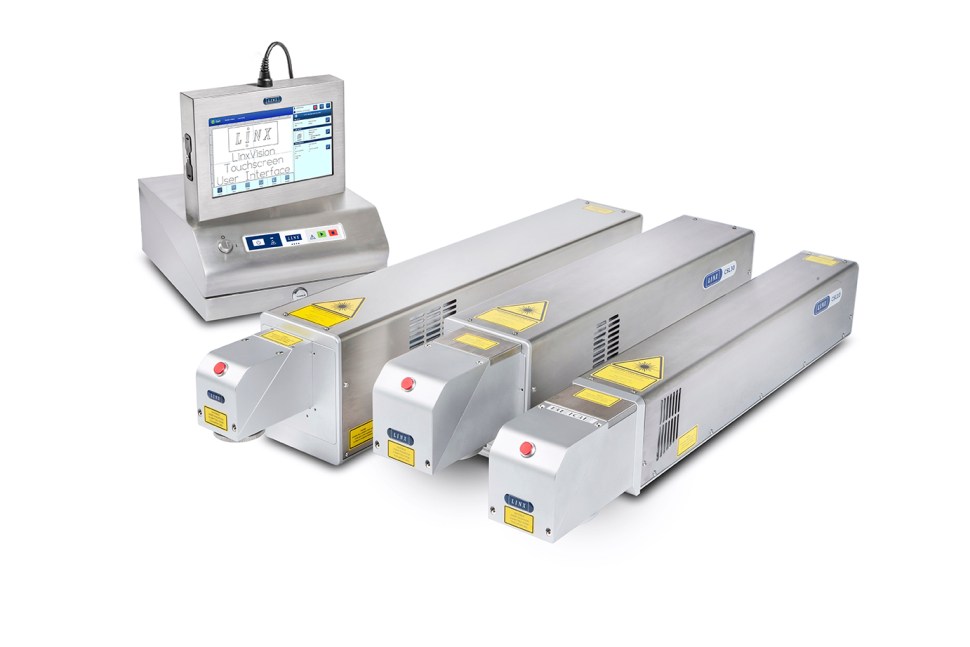
CO2 Laser Coding
Linx CSL10, CSL30 and CSL60 CO2 Laser Coders
Create clear, permanent marks on painted, lacquered or varnished metal. The laser removes the top layer of the coating to expose a contrasting code, which is why CO2 lasers are widely used on extruded and painted profiles, coated sheet and coated components.
Continuous Inkjet (CIJ)
Inkjet Part Marking: Linx 9000 Series CIJ Printers
A fast, non-contact inkjet part marking machine for metal lids, closures, tubes, pipes, wires, cables and coated metal. It copes with curved surfaces, moving parts and awkward positions, with right-angle printheads for tight spaces and IP65-rated casings for wet and dusty environments.
Resources
LMA Services Case Study
Inks Brochure
Working with Linx
Why not speak to one of our sales team about your particular needs in metal marking?
Contact us today, tell us about your product, manufacturing environment and your needs, and we will be able to provide you with the solution tailored to you. We will conduct a site survey and give you a no-obligation quote. Plus, you will get expert advice on installation requirements and help with managing your project.
Related Industries and Applications
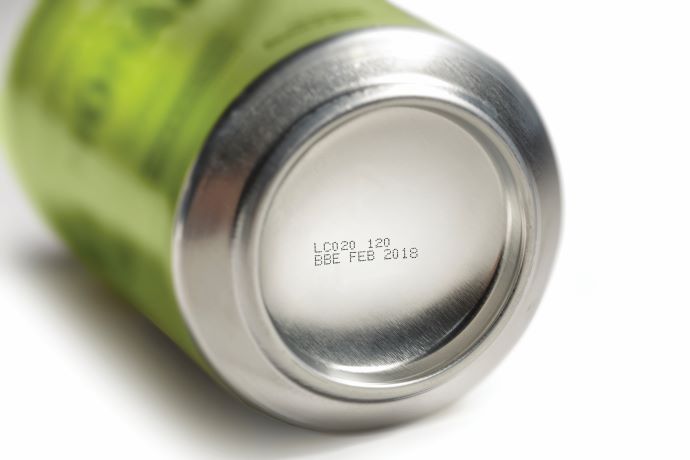
Can Coding
Solutions for coding on glass and plastic bottles, from household products to drinks and cosmetics.
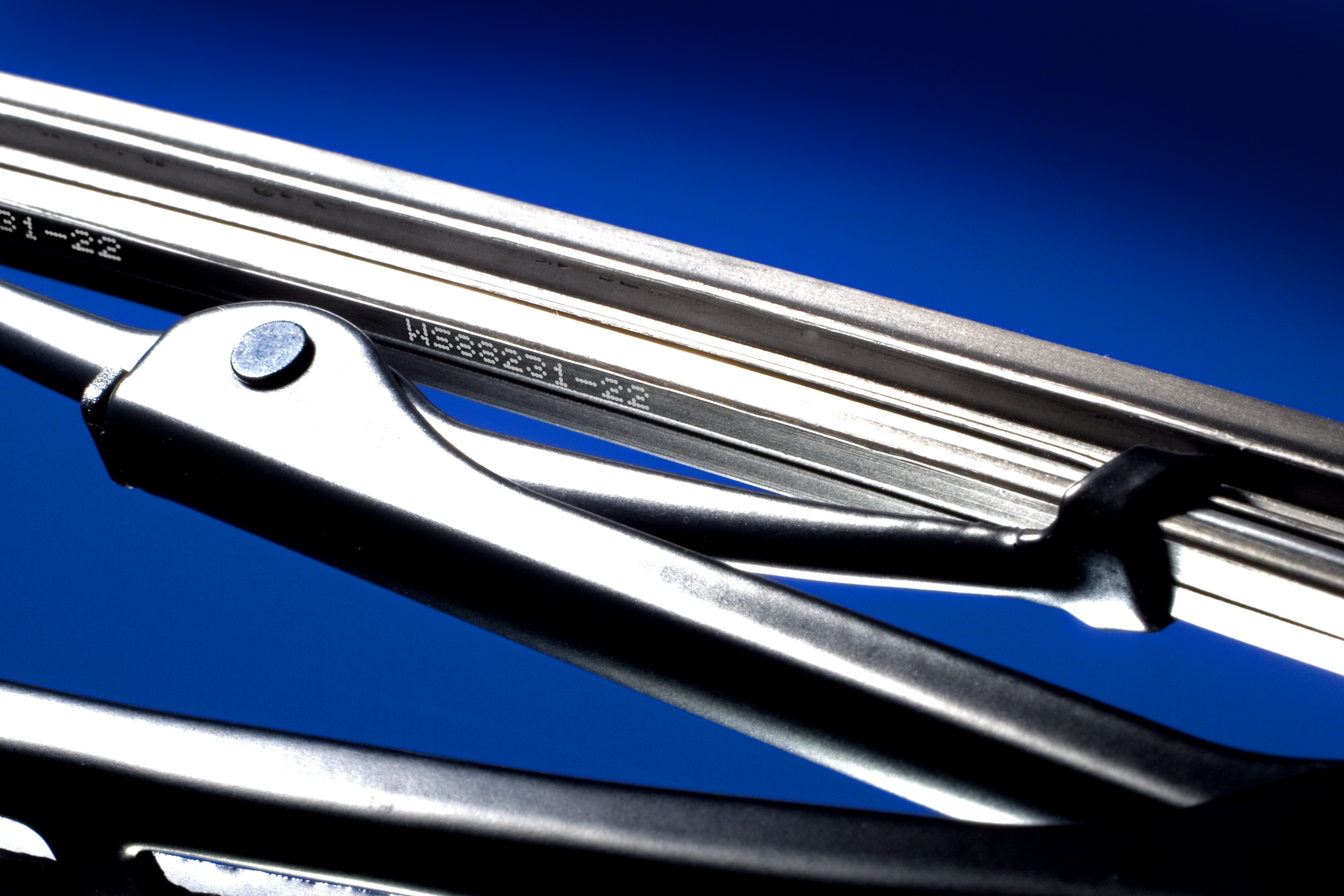
Automotive
A modern vehicle contains thousands of individual components, each of which may need a specific part number.
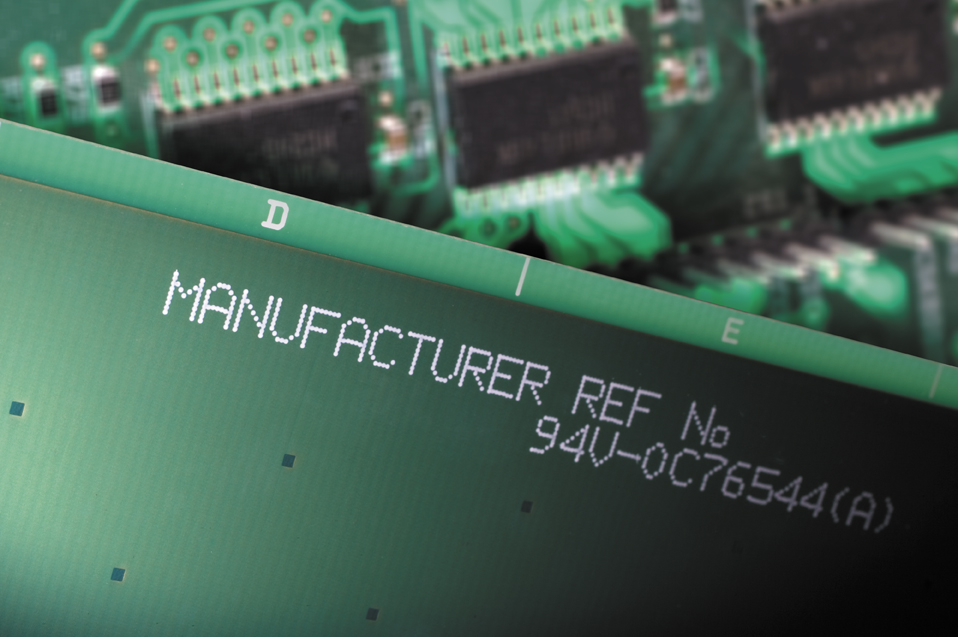
Electronics
Solutions suitable for the complex, and often delicate, manufacture of circuit boards, electronic components, and wires.