
Extrusion Printing and Coding Solutions
Keep extrusion lines moving with clear, durable codes on plastic pipes, tubes, cable, wire, rubber products and metal profiles. Linx continuous inkjet and laser marking systems apply product identification, batch data, metre marks and traceability codes directly to fast-moving extrusions, including curved and difficult surfaces.
Share your substrate, code and line requirements with our application team. We will help you select the right printer, ink and setup and produce a no-obligation print sample so you can assess the result on your own material.

To find out more information and to request your samples with no obligation, click the button below.
Reliable Coding on Plastic Pipes, Cables and Profiles
Extrusion manufacturers need a coding system that can match the line rather than become its bottleneck. Linx solutions are designed for continuous production and can print clear identification and traceability information onto:
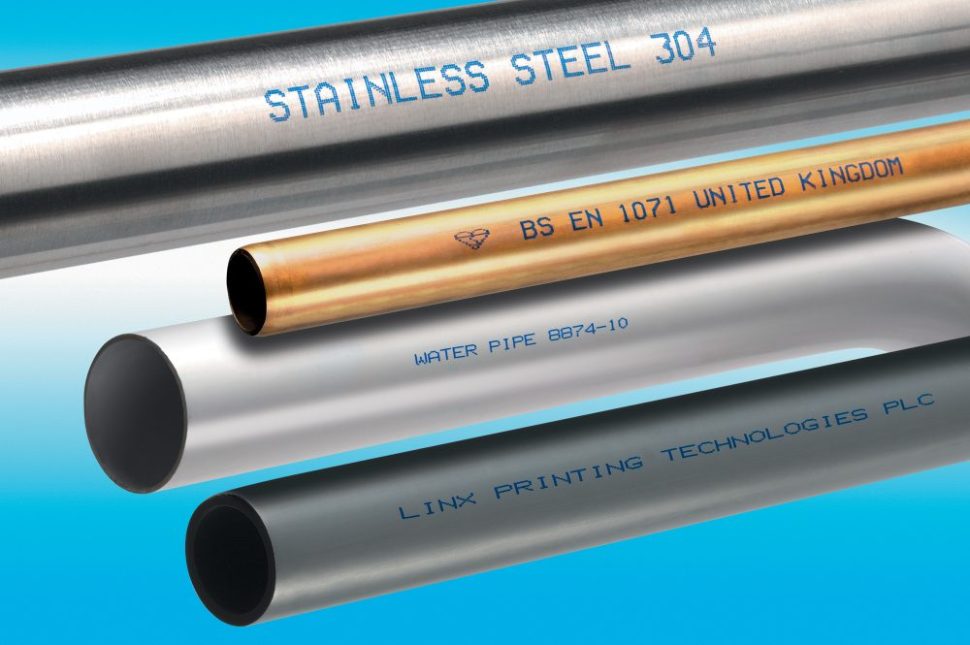
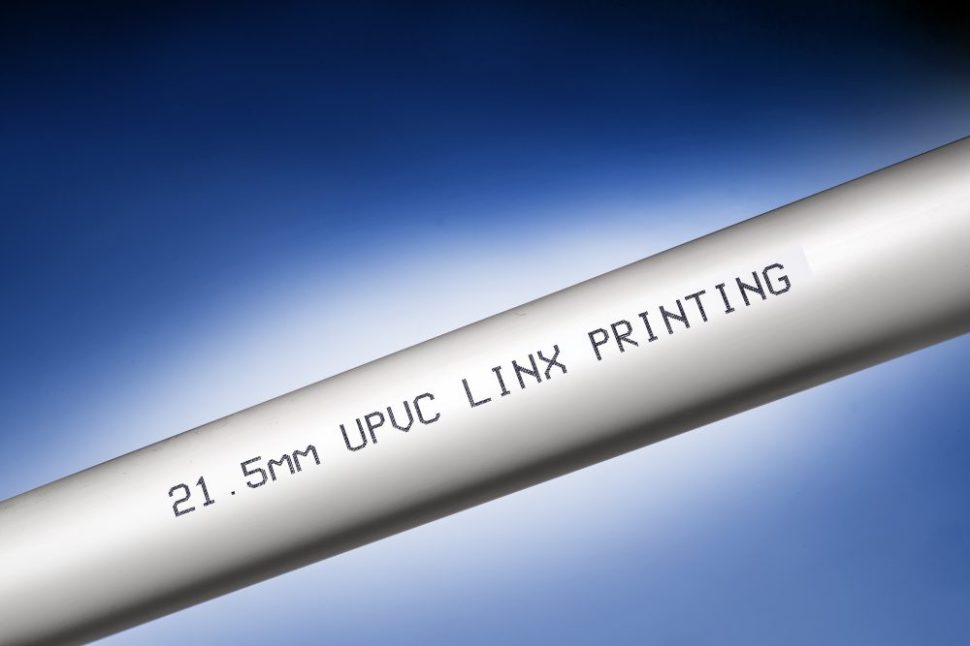
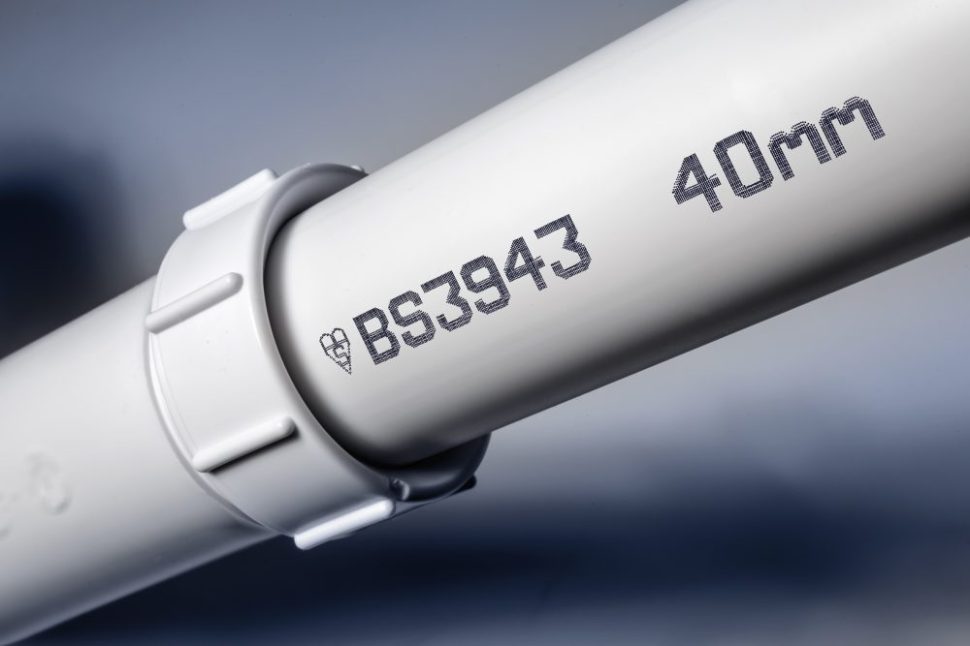
- Plastic pipes, conduit and tubing
- Cable, wire and fibre products
- Rubber and flexible extrusions
- Window, door and construction profiles
- Automotive and industrial components
- Metal extrusions and profiles
Typical codes include product names, material grades, technical specifications, batch or lot numbers, production dates, sequential numbers, metre or foot marks, logos, barcodes, QR codes and Data Matrix codes. Code capability depends on the selected printer, ink, substrate and line conditions.
Solve common extrusion coding challenges
Extrusion lines often run for long periods at high speed, so a short coding interruption can create scrap, rework and lost production. The printing system must also cope with changing surface temperatures, dust, vibration, lubricants and limited mounting space.
Keep pace with continuous production
Non-contact CIJ and laser systems can code moving products without slowing the extrusion line. A correctly specified encoder allows the print output to track line-speed changes and maintain consistent spacing.
Achieve adhesion on difficult materials
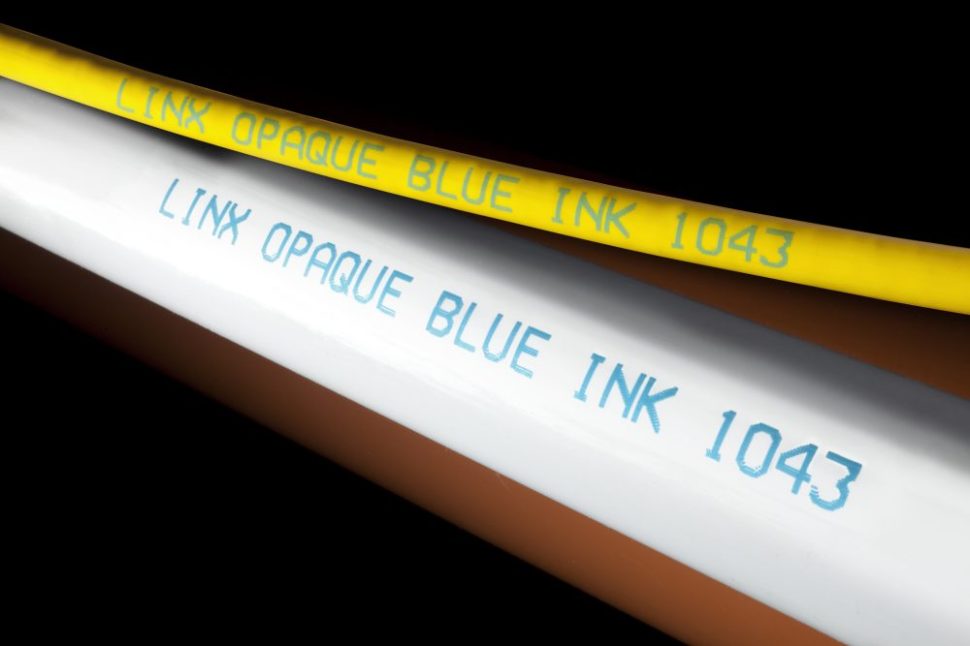
PVC, PE, rubber and other extrusion materials can have low-energy, hot, oily or contaminated surfaces. Ink and substrate compatibility should therefore be tested under real production conditions. Linx offers quick-drying and specialist ink options, including pigmented inks for high contrast and halogen-free or MEK-free options for suitable applications.
Produce legible codes on dark or narrow products
High-contrast pigmented coding helps codes stand out on dark surfaces. For small print areas, the printer, nozzle, message design and printhead position must be selected together to preserve character quality and readability.
Reduce smudging and code transfer
Fast-drying ink and correct printhead positioning help the code dry before cable, wire or tubing is wound, handled or cut. A print trial should include any post-production process that could affect the mark, such as cooling, coiling, abrasion or chemical exposure.
Simplify changeovers and reduce coding errors
Saved messages, controlled operator access and line integration can reduce manual entry and help apply the right code to the right product. Linx PrinterNet® can provide remote visibility of supported printers and production-line status.
Choose the right extrusion printing technology
| equirement | Continuous inkjet (CIJ) | Laser marking |
|---|---|---|
| Best suited to | Variable codes on fast, continuous lines | Permanent, high-precision marking |
| Product contact | Non-contact | Non-contact |
| Curved or uneven surfaces | Well suited | Application dependent |
| Dark substrates | Pigmented ink options provide contrast | Contrast depends on material response |
| Consumables | Uses ink and solvent | No ink or solvent |
| Code permanence | Depends on ink, substrate and exposure | Permanent change to the marked surface |
| Change between products | Flexible message changes | Flexible messages; setup depends on material and mark field |
| What to validate | Adhesion, drying, contrast and post-treatment resistance | Material compatibility, contrast, speed, guarding and fume extraction |
Best Technologies for Coding and Marking on Extrusions
Continuous inkjet printing for extrusions
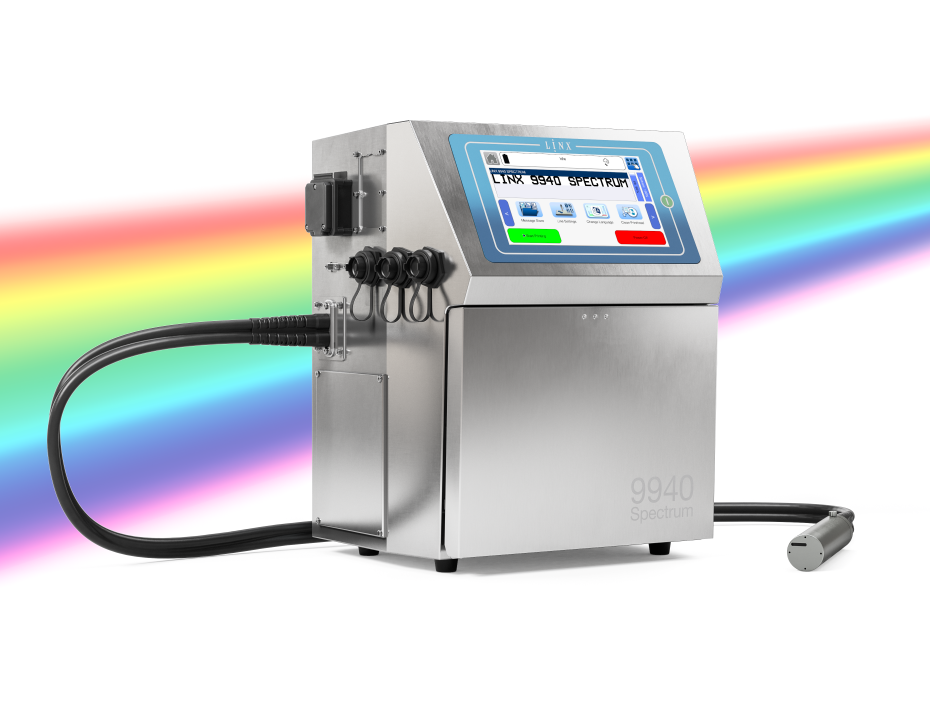
CIJ printers are ideal for high-speed extrusion lines, offering flexible, non-contact printing.
Key benefits:
- Reliable coding on plastic pipes and cables
- Excellent ink adhesion for long-lasting results
- Suitable for uneven or curved surfaces
Laser marking for extrusions
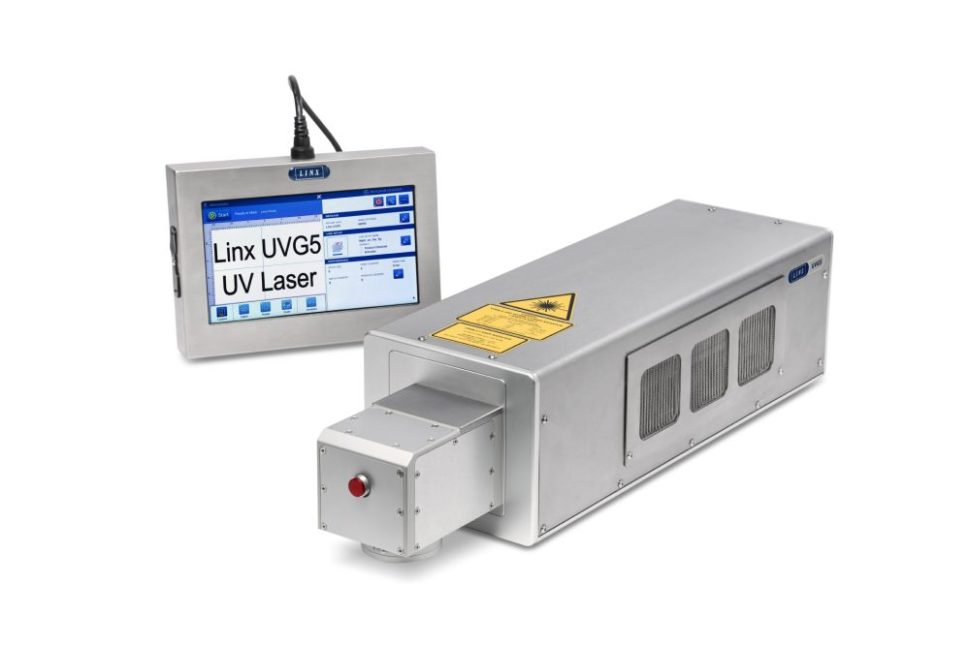
Laser systems provide permanent marking without inks or consumables.
Key benefits:
- Durable, tamper-proof codes on metal profiles
- High precision and consistency
- Low maintenance and operating costs
Why choose Linx for extrusion coding and marking?
- Application-led specification: Select the technology, ink and setup around the product and production conditions.
- Reliable continuous coding: Solutions designed for fast, demanding manufacturing lines.
- High-contrast options: Pigmented printing for dark or difficult-to-read surfaces.
- Flexible integration: Printhead, encoder and communications options for existing production lines.
- Simpler operation: Guided workflows and controlled message selection on supported Linx systems.
- Service and support: UK-based expertise, training, maintenance and consumables support.
See the result on your own extrusion material
Do not rely on a generic demonstration. Send Linx a sample of your pipe, tube, cable or profile together with your required code and line conditions. Our application team will assess the substrate and produce a no-obligation sample to help you compare code quality, contrast and adhesion.
Contact Us
Why not get in touch with one of our sales reps to talk about how Linx can support your coding and marking needs?
Resources – Case Study
Brucom Distribution
Brucom Distribution selected the Linx 8940 Spectrum with white pigmented ink to print clear job numbers on cables and wire assemblies. The system significantly reduced printhead cleaning, made code setup faster and delivered consistent, high-contrast results

Brucom Distribution
Resources – Whitepaper, Blogs and More

Choosing The Right Extrusions Coding- White Paper
Coding for High-Humidity & Washdown Production- Blog
Continuous Inkjet Printer Technology- Blog
Linx UK Extrusion Coding Inks Brochure
FAQs – Extrusion printing
Extrusion printing is the inline application of identification or traceability information to a continuously manufactured product such as pipe, tubing, cable, wire or a plastic or metal profile. The code can include product specifications, batch data, dates, sequential numbers, metre marks, logos and machine-readable codes.
CIJ is often the most flexible option for plastic pipe and tubing because it prints without contact on fast-moving, curved surfaces and supports variable messages. The final selection depends on the plastic grade, colour, line speed, required code and the conditions the mark must withstand. A print sample is the safest way to confirm ink adhesion and contrast.
A pigmented CIJ ink can create a high-contrast code on dark pipes, cables and profiles. The Linx 9940 Spectrum is designed for pigmented applications and high-contrast coding on dark substrates. Ink colour, nozzle, code size and surface compatibility should be confirmed with a sample test.
Selected Linx CIJ and laser systems can produce QR and Data Matrix codes. Successful scanning depends on code size, resolution, contrast, quiet zone, surface curvature, line speed and the scanner used. A production-speed test using the intended verification equipment is recommended.
A typical installation combines the printer or laser, a securely mounted printhead, product detection or an encoder, and suitable guarding or extraction where required. The available space, line speed, control signals, code position and operator workflow should be reviewed before the system is specified.
Find the Right Coding Solution for Your Extrusion Line
Share your substrate, line speed and coding requirements with our application specialists. We’ll recommend the most suitable printer and ink and produce a no-obligation sample so you can assess the code on your own material.