
Linx Inks
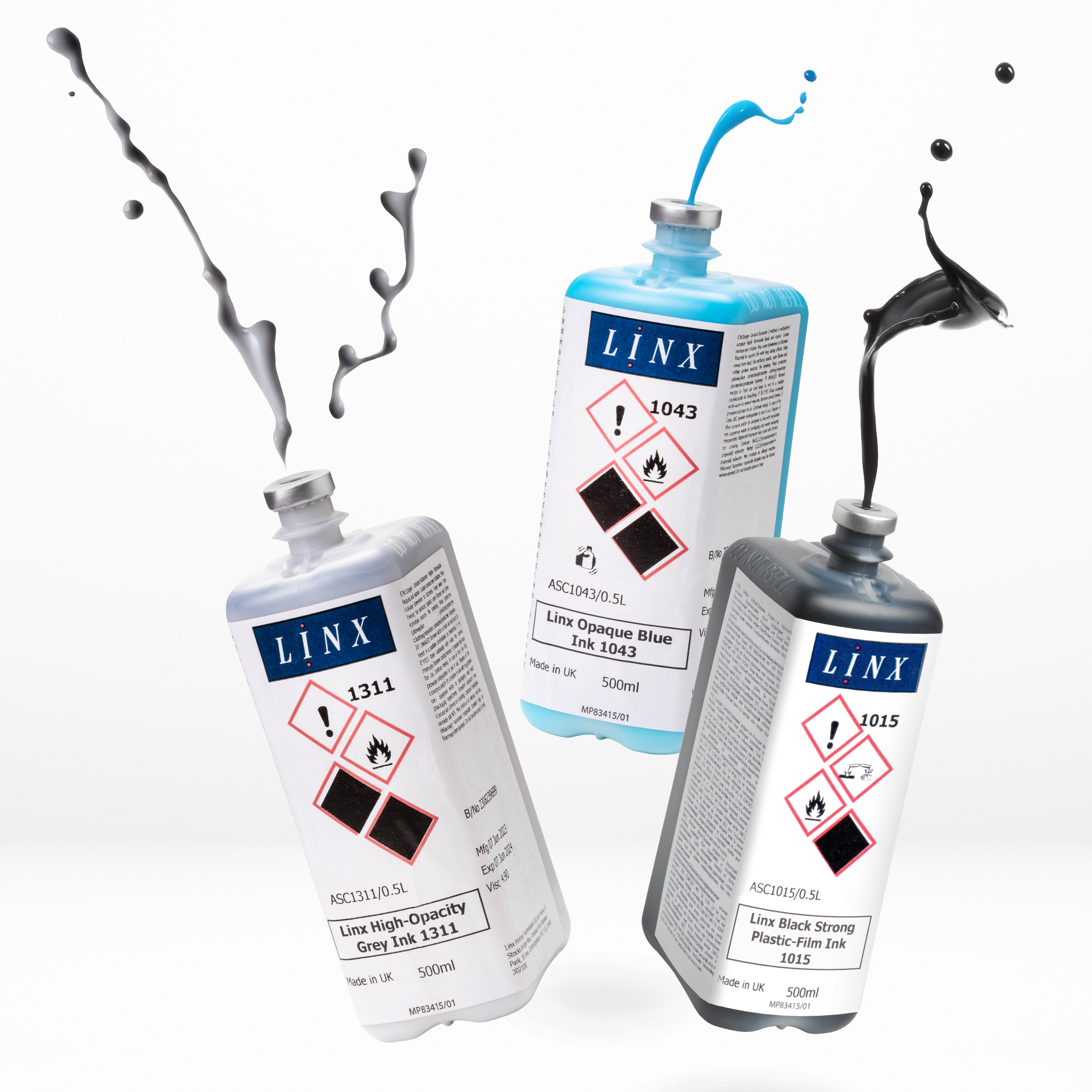
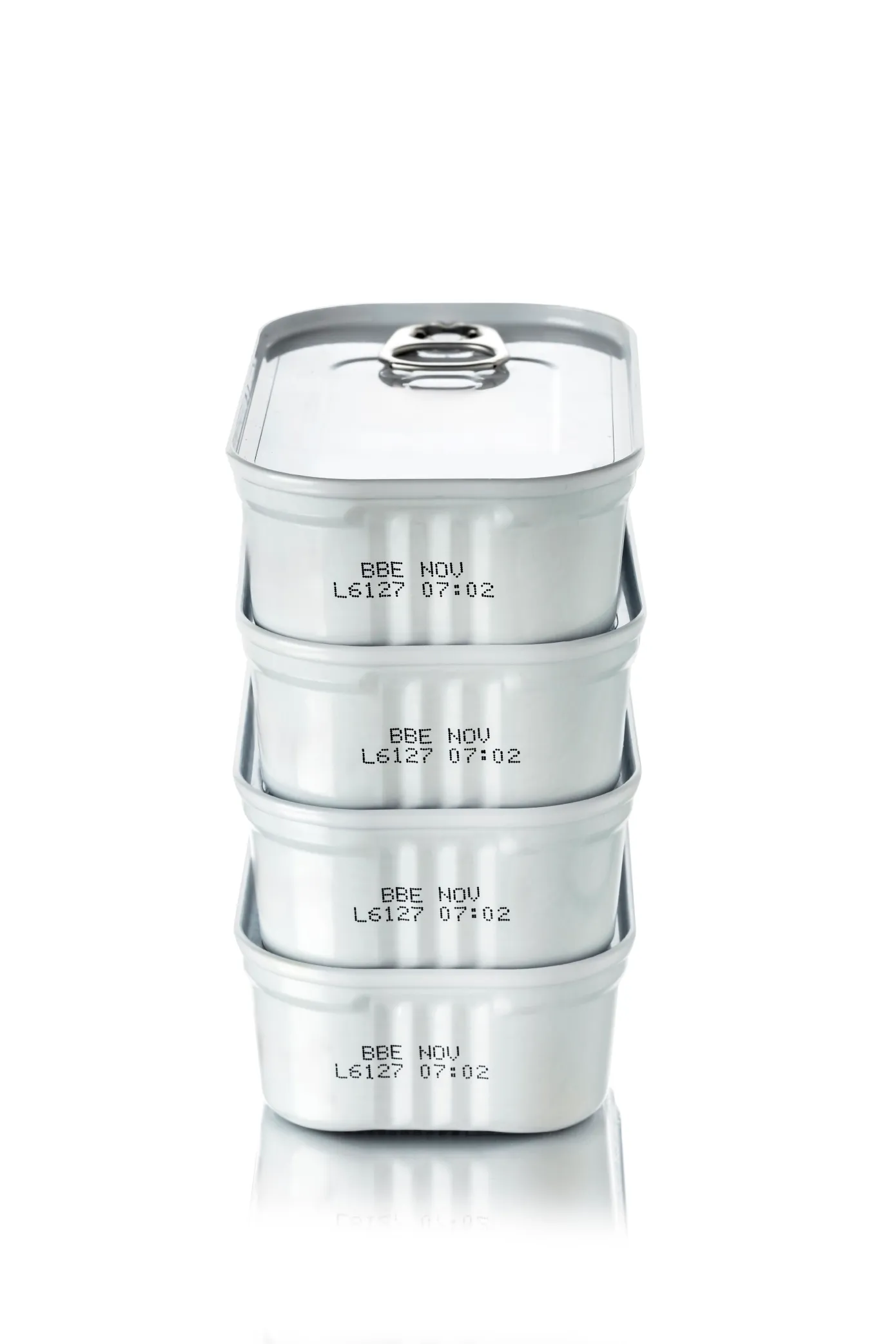
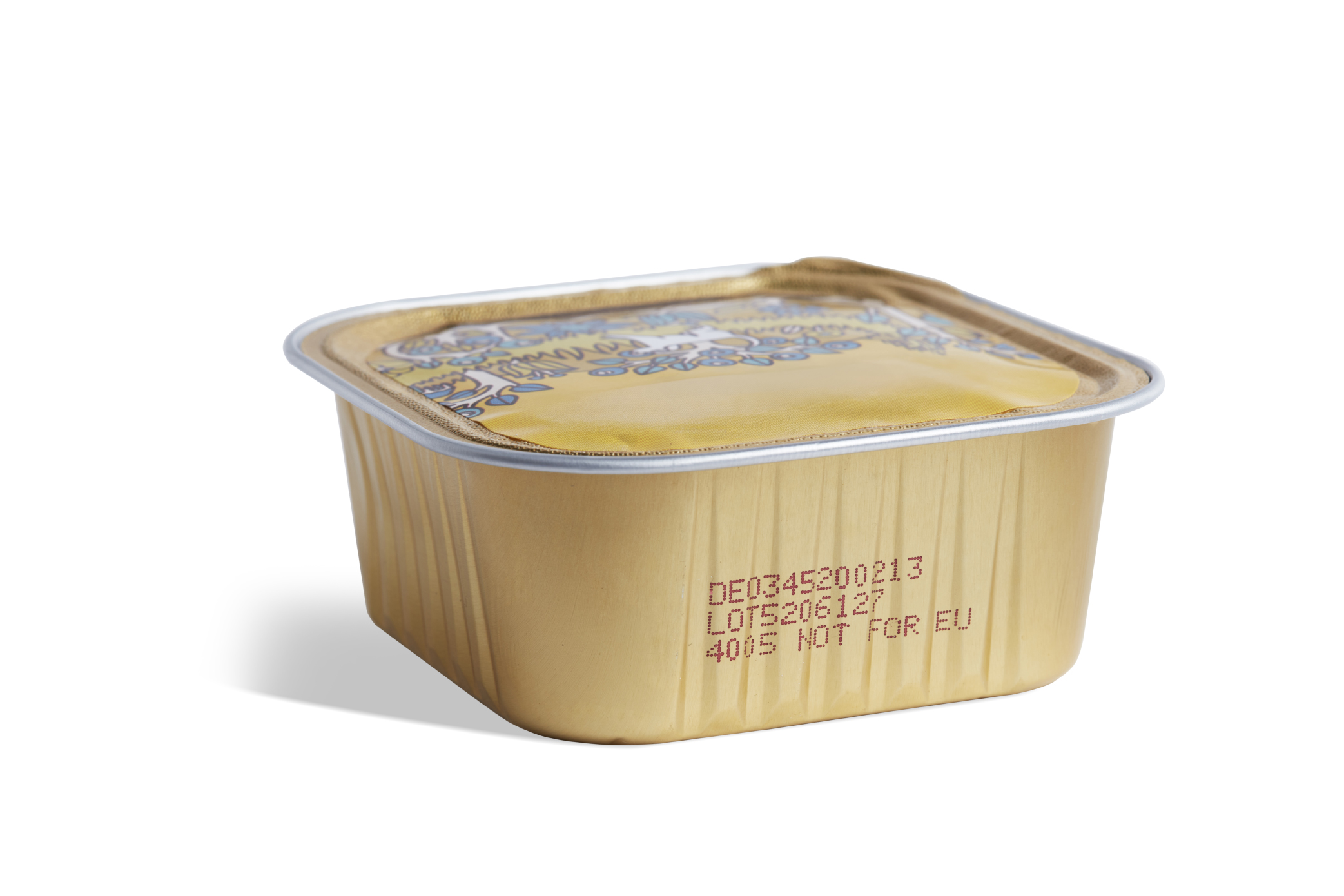
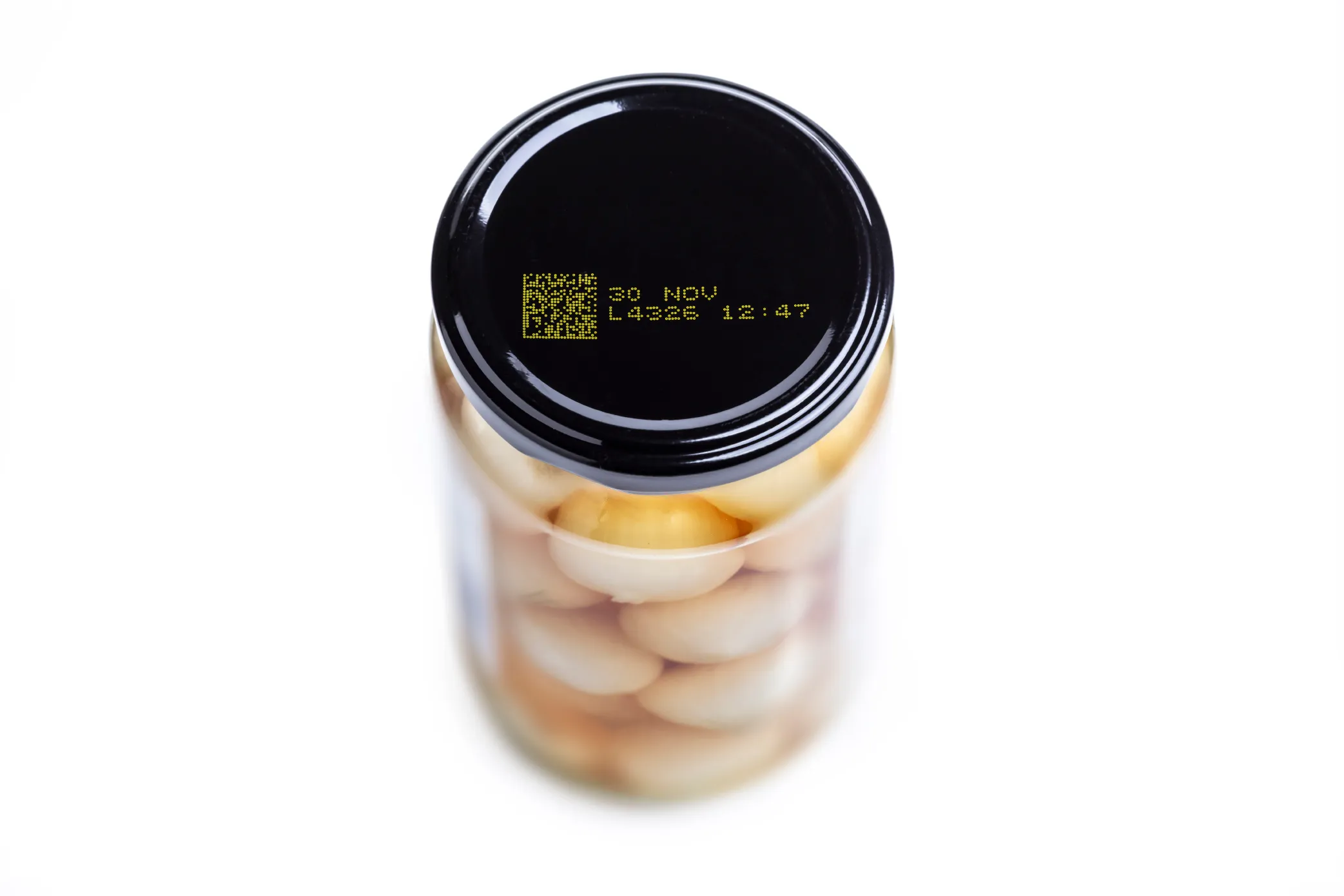
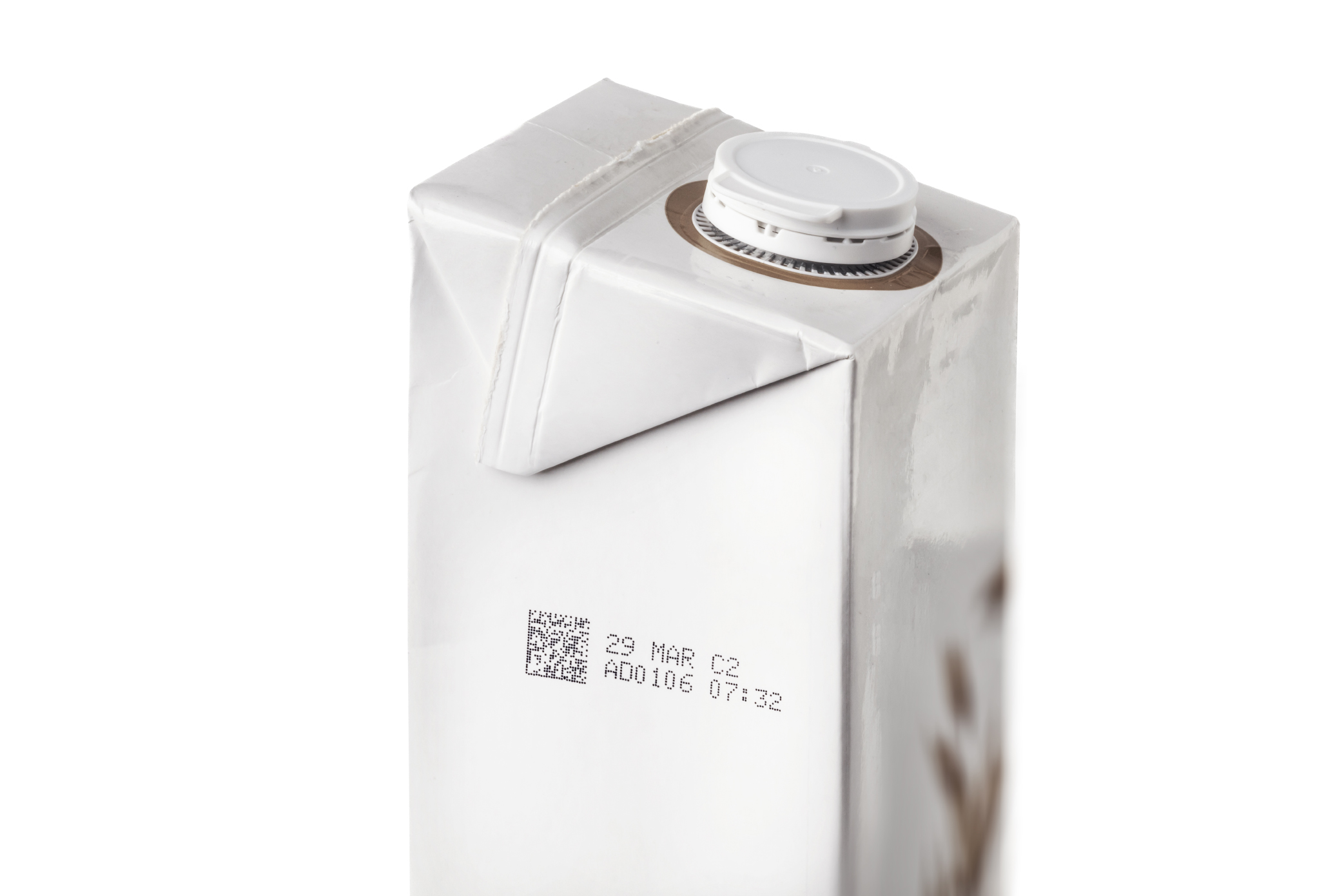
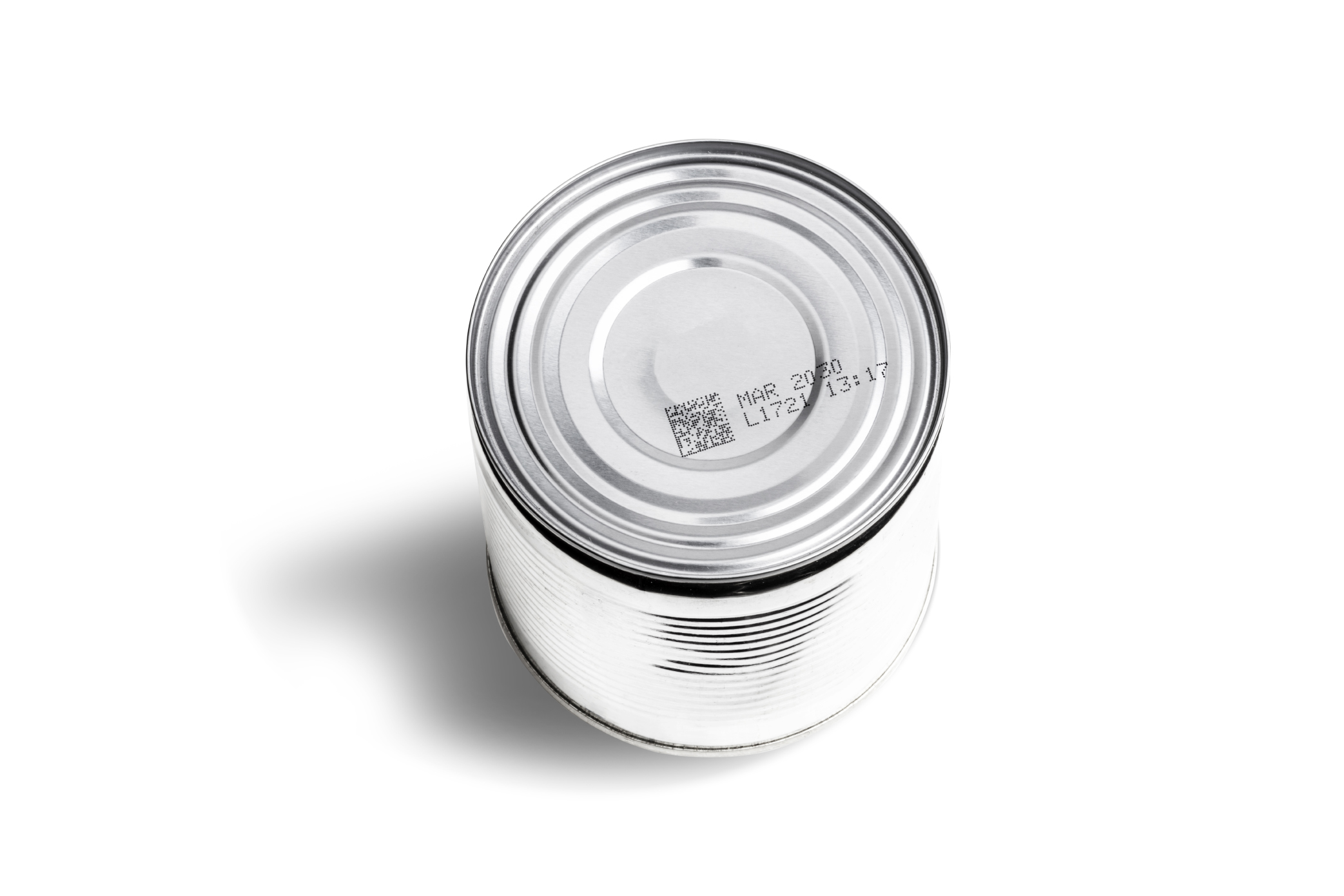
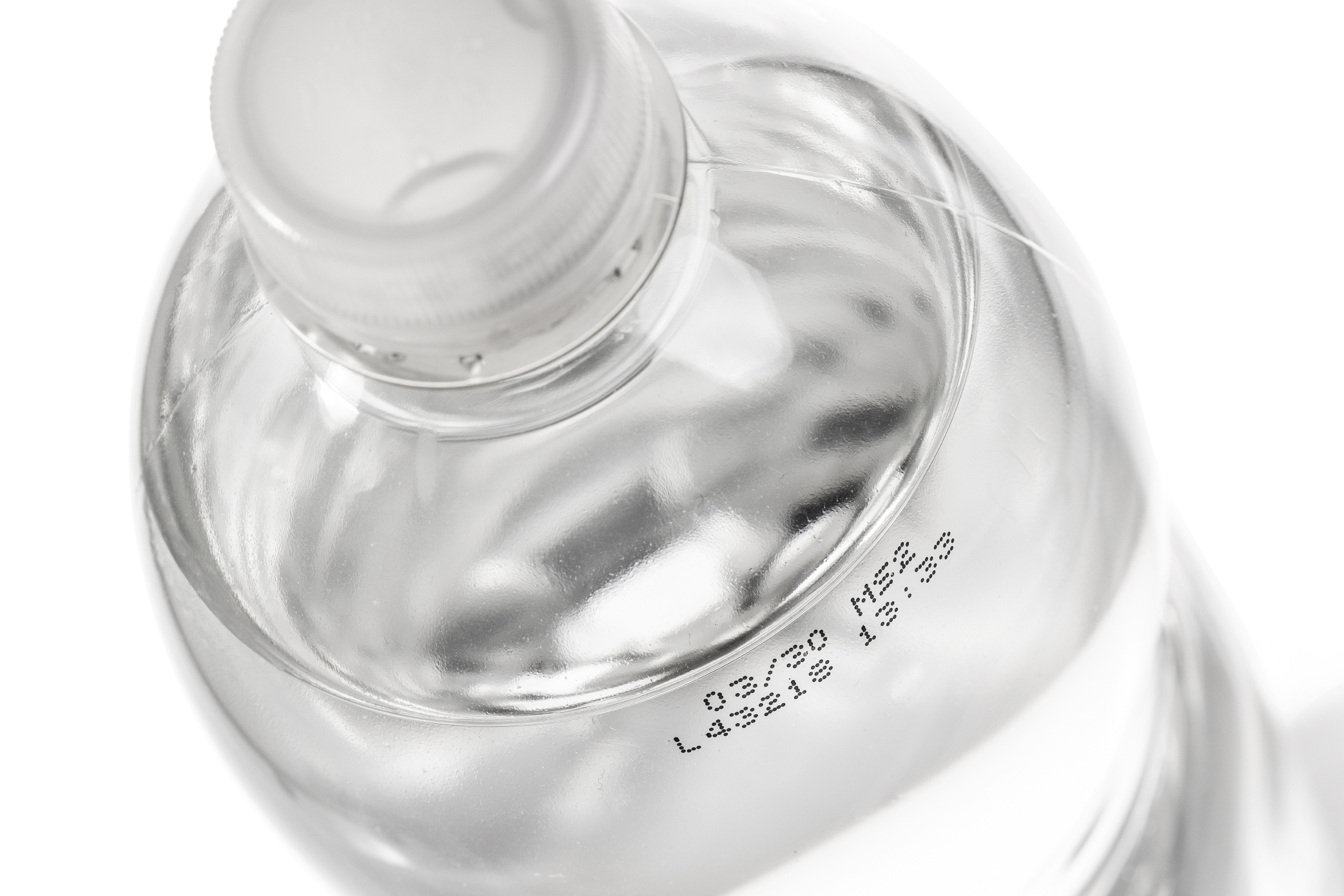
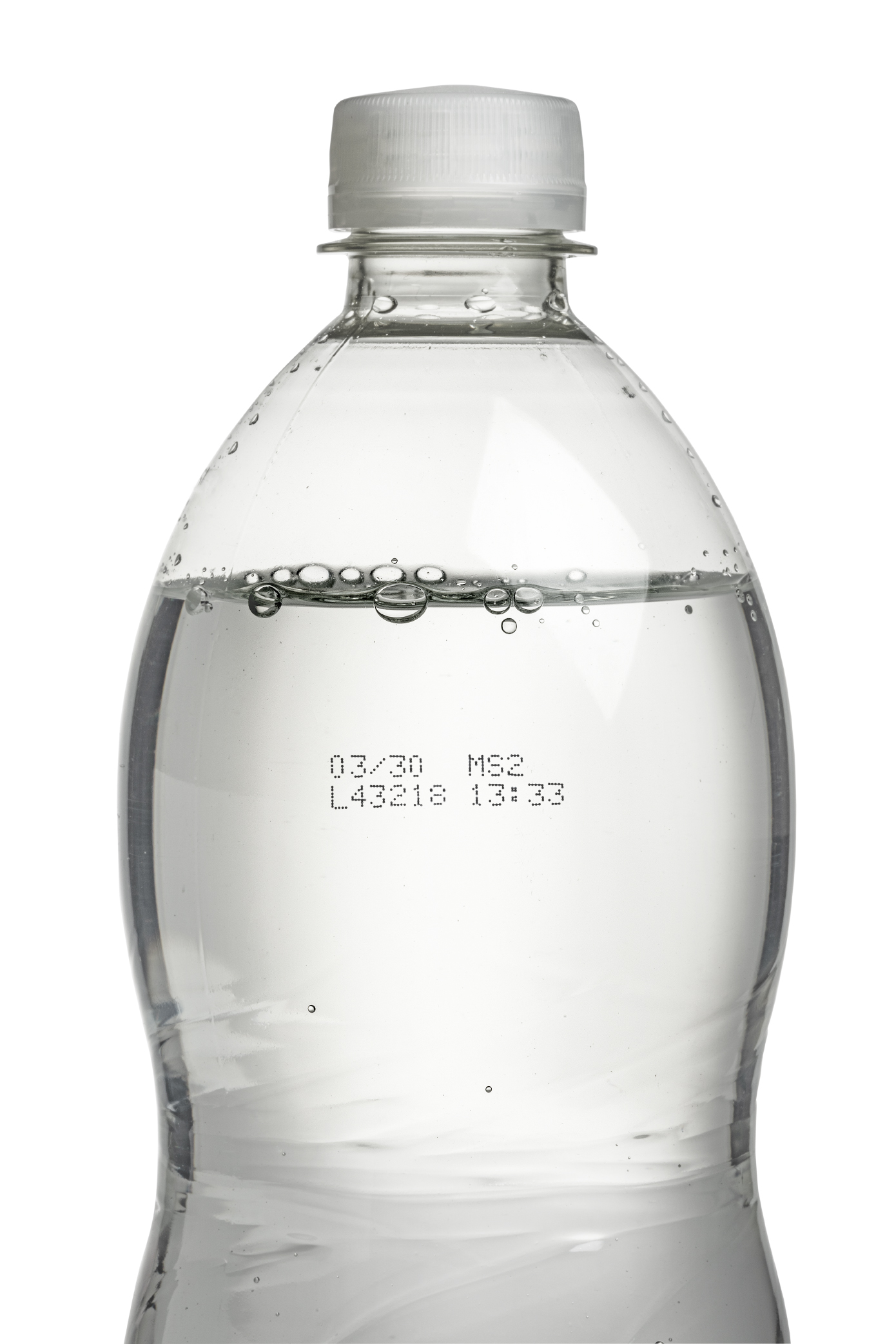
For Linx 9000 Industrial Inkjet Printers
Inks for any application and material
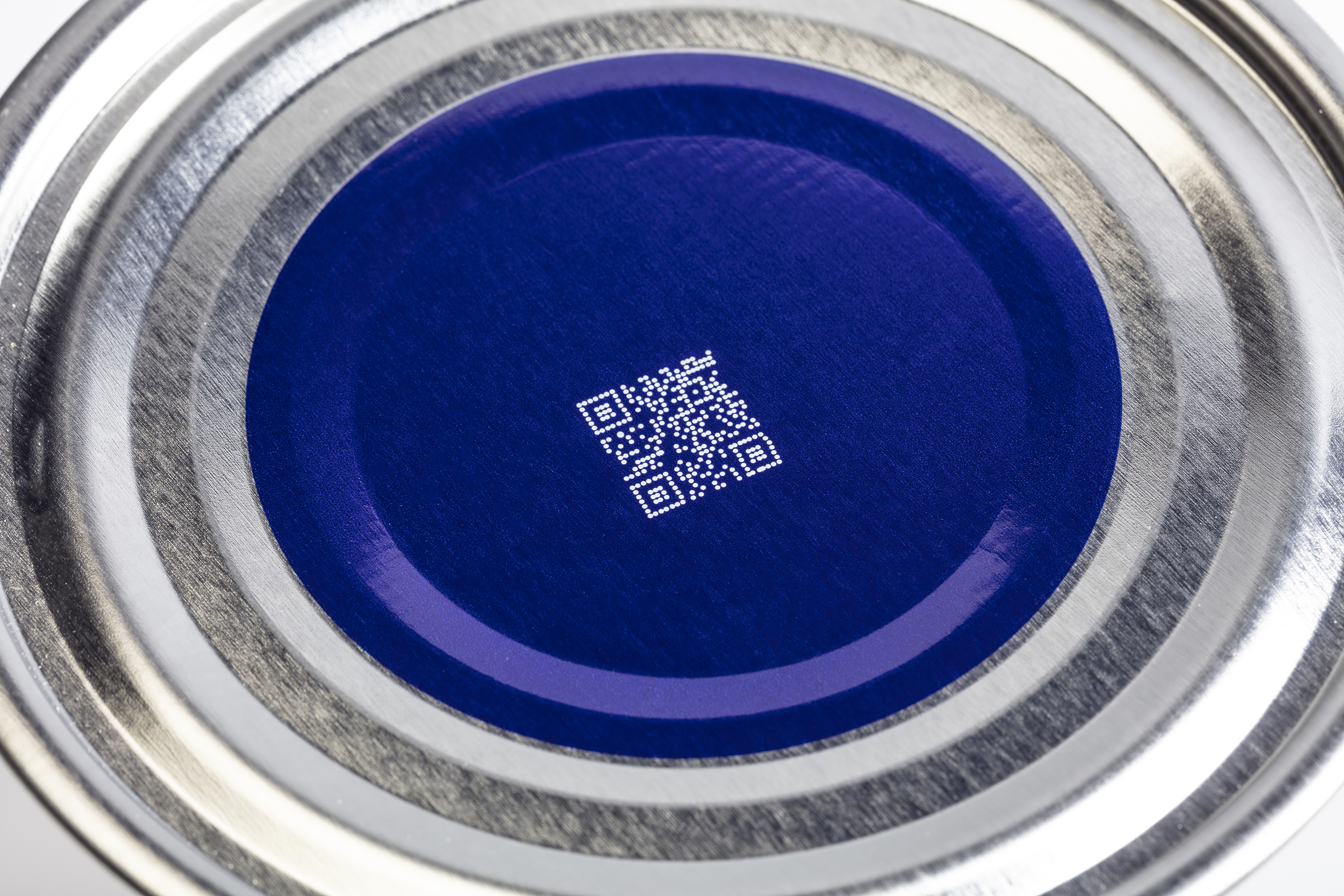
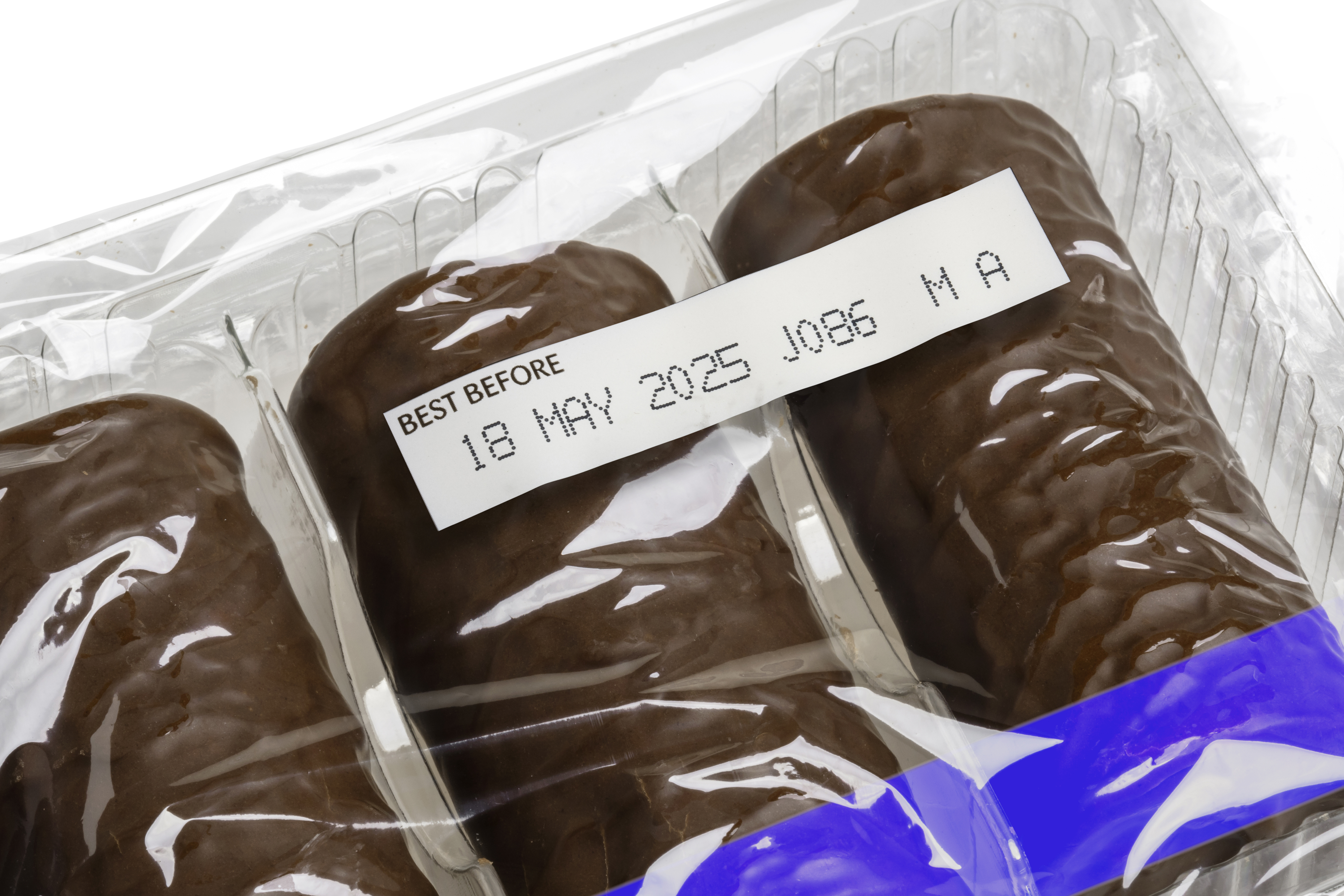
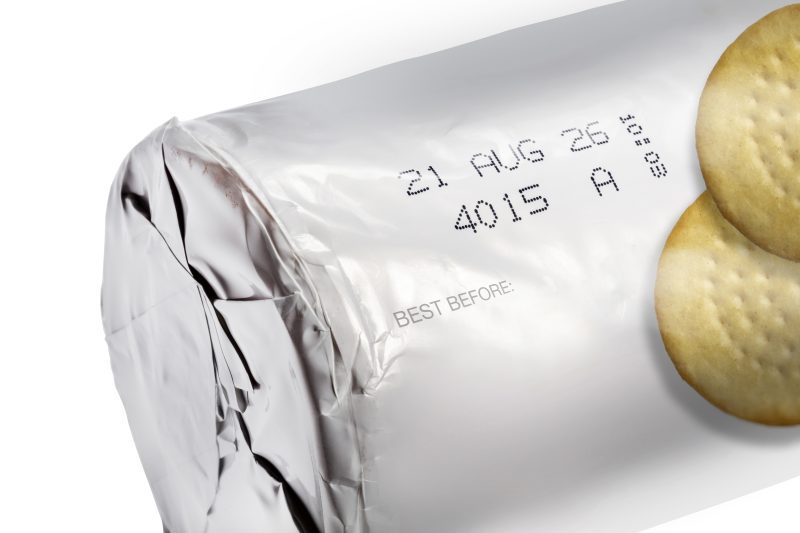
At Linx, we offer an extensive range of Continuous Ink Jet (CIJ) inks and solvents designed to meet the demands of virtually any coding and marking challenge. Whatever you’re printing on, from food packaging to electronics, our inks deliver exceptional performance, adhesion, and durability.
Linx ink and solvents are produced in our facility in Cambridgeshire, UK for optimum quality and safety.
Behind every drop is our UK-based ink development team—constantly innovating and refining formulations to stay ahead of evolving customer needs and industry standards.With Linx, you’re not just choosing ink—you’re choosing a solution tailored to your application. Linx ink cartridges for the 9000 Series are designed for fast, mess-free, mistake-proof refills: they prevent the use of incorrect fluids which could lead to costly printer repairs.
No more worries about everyday coding performance
General purpose black inks
- Outstanding performance: The Linx range of general-purpose black inks offers outstanding performance under most common application conditions.
- Suitable for a wide range of materials: These dye-based inks have excellent adhesion and contrast on a wide range of porous and non-porous materials such as paper, card, metal, glass and many plastics.
- Chemical resistant: Our black inks also offer resistance to many chemicals commonly encountered in production and user environments such as water, alkali, acid and detergent.
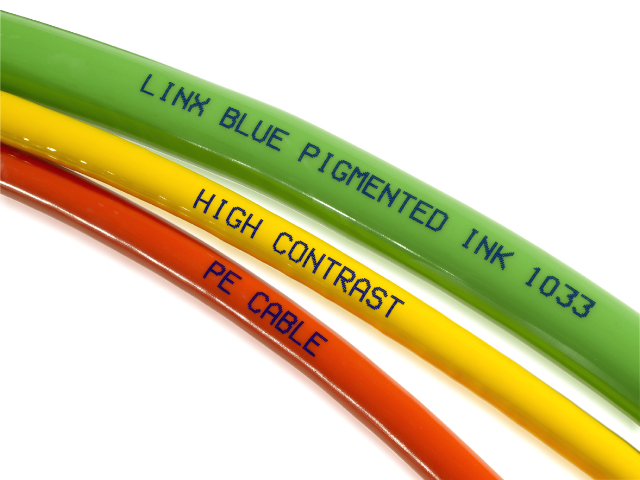
No more worries about code visibility
Coloured inks
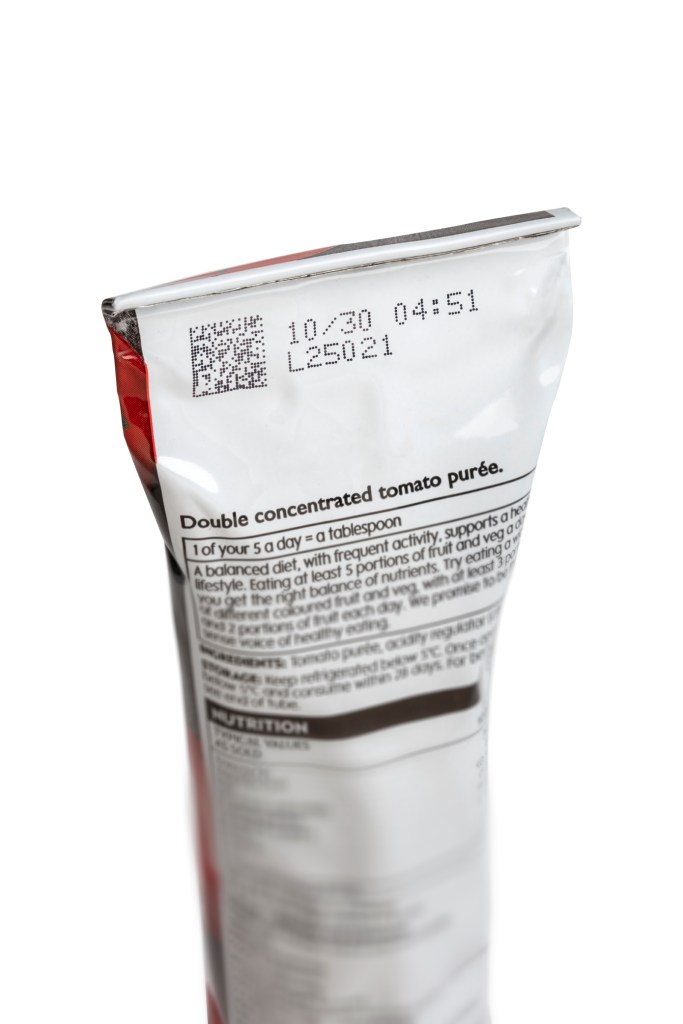
- Range of colours: A range of dye based and pigmented inks which provide a strong contrast with a range of coloured substrates for better code legibility or can be used to match packaging branding for discreet coding.
- Resistance: They also offer good heat tolerance, light-fastness and resistance to solvents.
- Suitable for a wide range of materials: They are suited to coding onto a range of materials, including metal and plastic as well as packaging materials, building materials and extrusions.
Need help to select the right Linx products for your coding requirements?
Contact our expert team for advice or to confirm which combination of ink and 9000 Series CIJ printer is best for your needs
No more worries about adherence to plastics
Inks for hard and flexible plastics
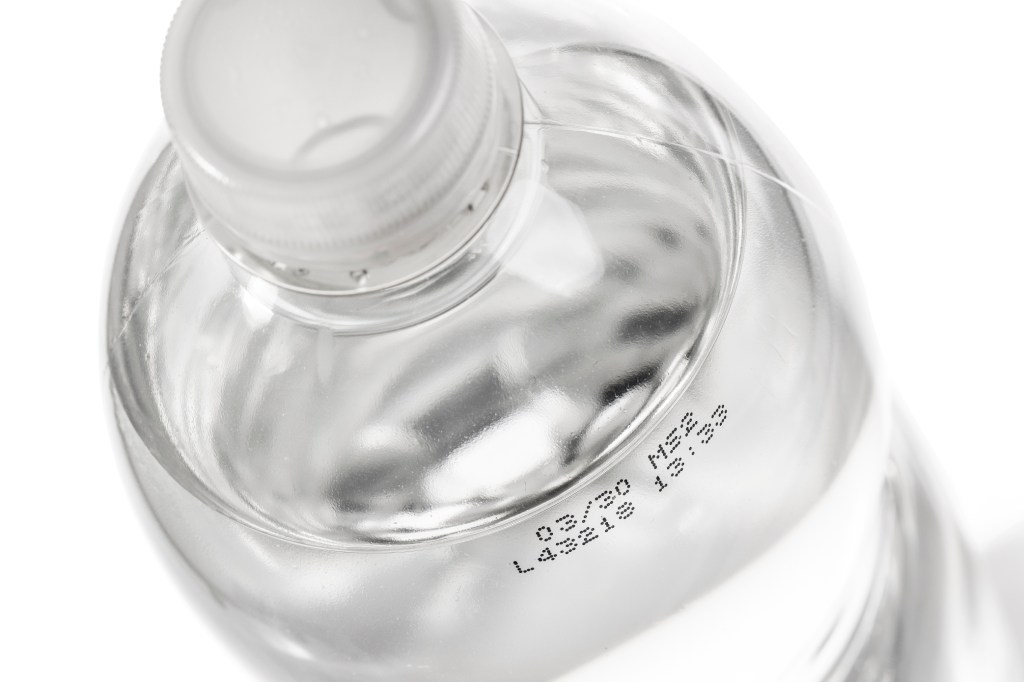
- Suitable for a range of common plastics: Inks for coding onto plastics and plastic films such as nylon, polyethylene, polypropylene (including untreated OPP and BOPP), and polyvinylchloride.
- Used in many applications: Engineered for optimal adhesion and durability on flexible or rigid plastic substrates. Reliable results across industries like packaging, food, and engineering.
No more worries about code adherence in specialist applications
Process specific inks
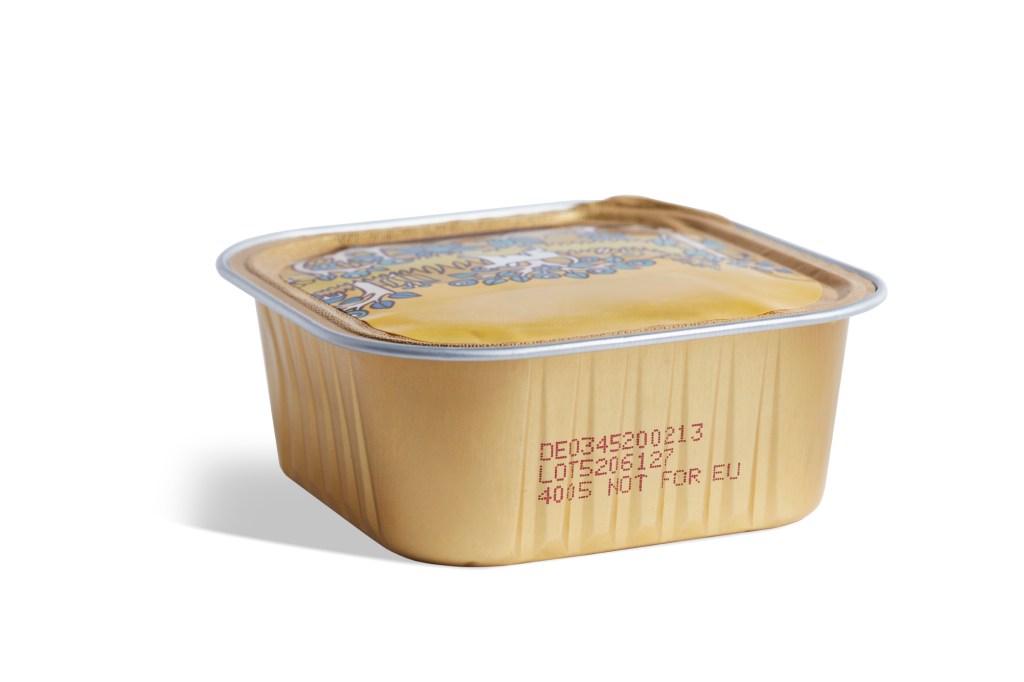
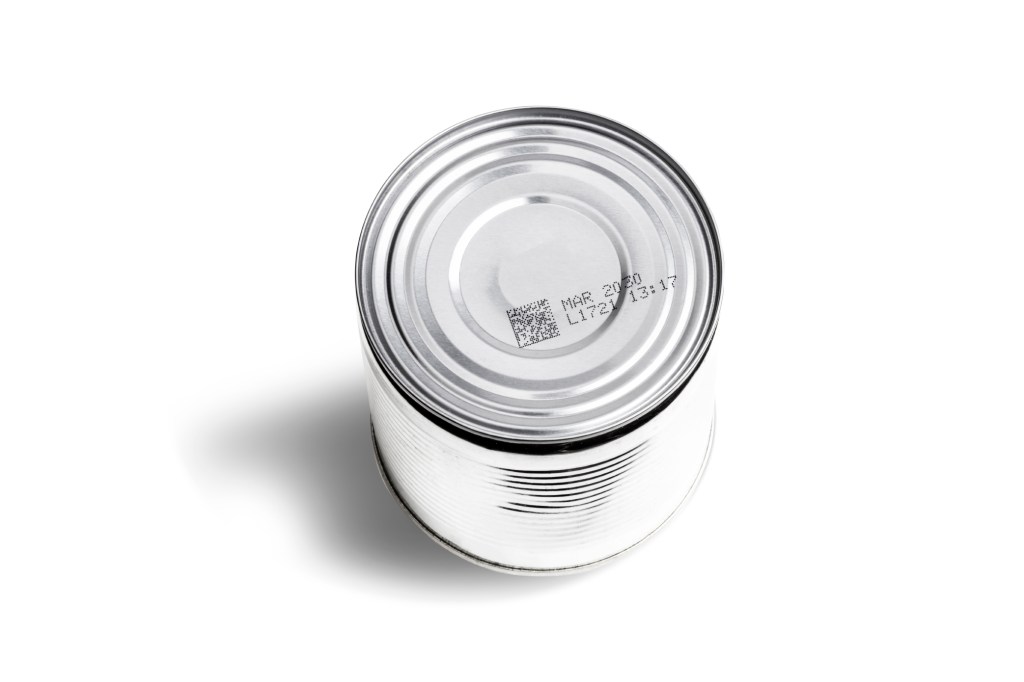
- Range of characteristics: Linx has an extensive range of inks designed for more challenging applications where products are subjected to additional processes after coding e.g.sterilisation, fluid washes, chemicals, or curing.
No more worries about EHS compliance
MEK-free, halogen-free, non-CMR and PFAS-free
- MEK-free: Linx MEK free inks have low odour and are suitable for ‘closed’ environments where fumes cannot vent freely and have an improved health and safety profile.
- Easy to use: They are quick drying, have excellent print quality and adhere to a range of common materials.
- Sustainability: At Linx, we share your vision to treat the planet with respect. Our MEK-free inks perform to our usual high standards, while still allowing you to balance your budget and protect your workforce.
| Black inks | MEK-free | Non CMR | Halogen free | PFAS-free | Mineral Oil-free |
| 1015 | ✔ | ✔ | ✔ | ||
| 1061 | ✔ | ✔ | ✔ | ||
| 1405 | ✔ | ✔ | ✔ | ✔ | |
| 2035 | ✔ | ✔ | ✔ | ✔ | |
| 3085 | ✔ | ✔ | ✔ | ||
| 3103 | ✔ | ✔ | ✔ | ✔ | |
| 3110 | ✔ | ✔ | ✔ | ✔ | ✔ |
| 3203 | ✔ | ✔ | ✔ | ||
| 3240 | ✔ | ✔ | ✔ | ✔ | ✔ |
| 3401 | ✔ | ✔ | ✔ | ✔ | ✔ |
| 3415 | ✔ | ✔ | ✔ | ✔ |
No more worries about discreet codes
UV readable inks
- Discreet security inks: Linx security inks have been developed to help manufacturers of high-value goods counter the threat of counterfeiting, and in addition provide an unobtrusive method of tracking products through the production and packing process.
- They fluoresce under UV light for discreet coding that is nearly invisible in normal light.
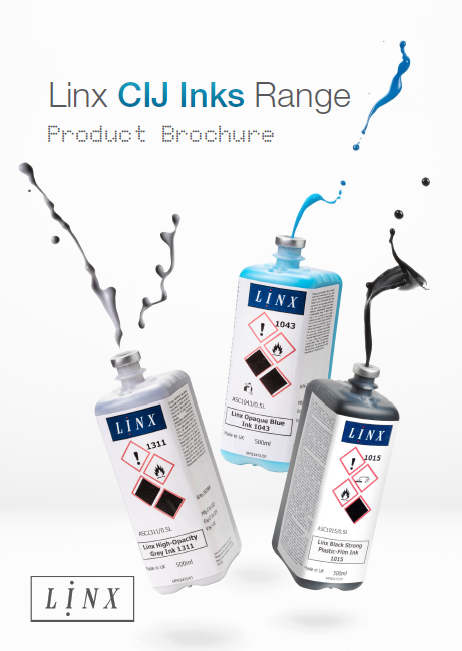
Download the brochure for more information about our range of inks
Quality Assurance
For best results always use original Linx inks and solvents in Linx printers, as substitutes can affect printer performance or cause printer failure.
All Linx inks are manufactured to certified and verifiable ISO 9001 quality procedures, raw materials are screened and audited to comply with legislation to ensure a continuously safe & legal supply
Ink Handling
Linx takes great care to ensure that none of their CIJ inks and solvents are classified as ‘Toxic to Health’ or ‘Environmentally Damaging’.
Details of safety precautions for handling these fluids can be found on the relevant Safety Data Sheet.
Learn more about Linx inks
Linx Inks brochure
FAQ
Linx CIJ (Continuous Inkjet) inks are designed for high-speed, non-contact printing of codes, dates, batch numbers, and other variable data onto a wide range of materials, including plastics, glass, metals, paper, and flexible films.
Linx inks are formulated to deliver strong adhesion across many substrates, including:
• Plastics (e.g. PET, HDPE, LDPE, BOPP, OPP, PP, PVC)
• Glass
• Metals and foils
• Cardboard, coated card and paper
• Flexible packaging films
• Wood
• Rubber
The right ink depends on several factors:
• Substrate material
• Production environment (e.g. temperature, humidity)
• Required durability (e.g. rub resistance, chemical resistance)
• Regulatory needs (e.g. food packaging)
Linx and Linx distributors can help recommend the most suitable ink for your specific application.
Yes. Linx inks are developed to meet relevant regulatory and industry requirements for coding on food packaging. Compliance depends on the application, so it’s important to confirm the correct ink specification for your needs.
Yes. Linx provide CIJ inks that are designed for rapid drying, even at high production speeds, helping ensure sharp, legible codes without smudging or transfer. Speak to Linx for advice on the best ink for your application.
Linx inks are optimised for use with Linx CIJ printers to ensure best performance, reliability, and code quality. Using non-approved inks may affect print quality and printer operation.
To maintain consistent results:
• Use the recommended Linx ink for your application
• Follow printer maintenance guidelines
• Store inks correctly
• Use genuine Linx consumables