What is Industrial Printing & Why Industrial Ink Choice Matters
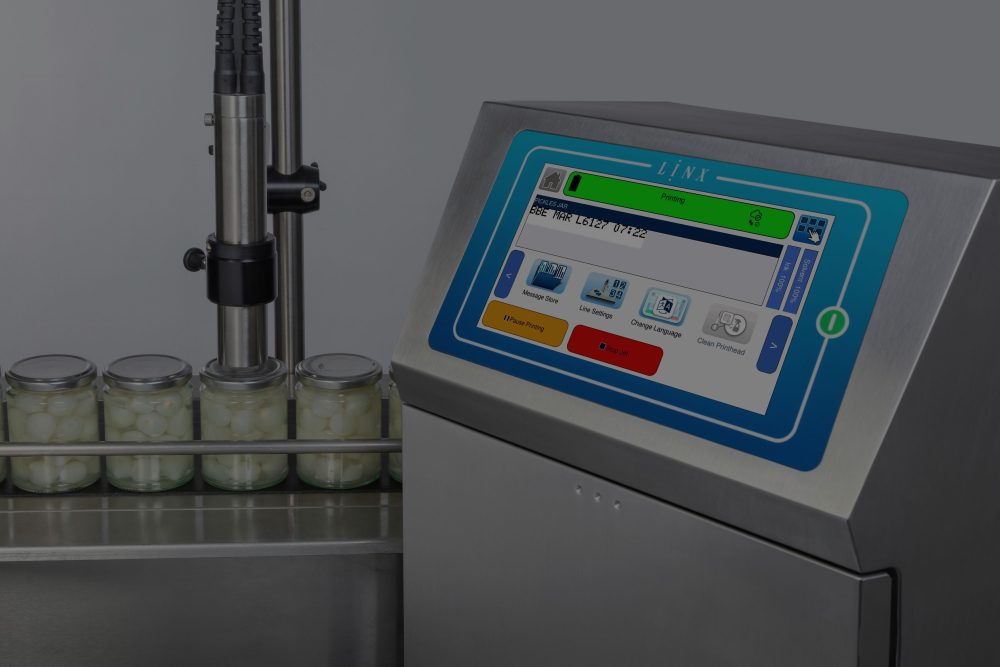
Industrial printing supports manufacturing across industries- from textiles to food packaging and custom labels. Industrial Ink selection is pivotal: it impacts substrate compatibility, adhesion strength, pigment load, viscosity, as well as speed, cost-efficiency, and print longevity. Mismatched ink can lead to poor adhesion, fading, or even production downtime.
1. Common Types of Industrial Inks
Water-Based (Aqueous) Inks
- Best for porous substrates like paper, cardboard, and textiles.
- Low VOC emissions, eco-friendly, easy to clean; dries by absorption.
- Limitations: poor adhesion to plastic/metal, slower drying.
Solvent-Based Inks
- Ideal for non-porous materials—plastic films (PE, PP, PET), metal, glass.
- Fast-drying, with strong adhesion and high durability (fading, abrasion, moisture).
- Trade-off: high VOC content, tighter handling requirements.
UV‑Cured Inks
- Instantly polymerise under UV/EB lamps.
- Offer sharp image quality, high opacity, and scratch resistance.
- Compatible with plastics, metals, glass, composites; suitable for harsh or high‑detail uses.
Solid Inks (Hot-Melt)
- Wax-based inks melted before print; low VOC, durable, vivid colours.
- Common in large-format or graphic-rich desktop/industrial environments.
- Not ideal for high-speed or delicate substrates.
Oil-Based (Vegetable or Mineral Oil) Inks
- Long-established; ideal for non-porous surfaces like glossy paper, metals, plastics.
- Provide robust, fade-resistant prints.
- However, oily formulations mean higher VOCs and slower drying.
Dye vs. Pigment Inks
- Dye-based inks dissolve into solvent or water for bright, vivid color, but fade faster.
- Pigment-based inks sit on the surface, offering superior light and moisture resistance—better for outdoor durability.
2. Matching Inks to Substrates & Applications
Substrate Considerations
- Print surface energy (dyne level): low‐energy plastics like PE/PP may need treatments or special inks for adhesion.
- Surface texture: rough surfaces may require higher-viscosity inks; smooth surfaces may need lower-viscosity inks for sharp prints.
Application & Usage Factors
- Outdoor durability: requires good resistance to UV light, moisture, abrasion—favor solvent, pigment-based, or UV inks.
- High-speed production: prioritize fast‑drying or UV cure inks.
- Regulatory/safety constraints: in food/pharma sectors, one may require FDA/low VOC compliance or plant‑based inks (e.g., certain soy‑based labels).
Print-specific uses (e.g., Packaging, Labels)
- Corrugated, cartons → water-based inks
- Flexible films or foils → solvent or UV-curable inks
- Metals, plastics, glass → solvent-based or UV inks
Specialty Functions
- Fluorescent/UV-readable inks for traceability or anti-counterfeit use.
- High adherence inks for challenging surfaces (e.g., oily plastics, untreated OPP/BOPP).
- Linx-specific inks offer such specialty functions.
3. Linx Inks & Fluid Types (CIJ / TIJ / LCM)
- General‑Purpose Black Inks: excellent for standard packaging materials.
- Special Adherence Inks: designed for hard‑to‑print plastics (PP, PE, untreated films), oil‑resistant surfaces.
- Contrasting/In‑color Pigmented Inks: for high visibility on dark substrates, rubber, metals; resistant to heat, light, solvents.
- Process‑Specific Inks: built to tolerate sterilisation, chemical wash, or extreme industrial treatments.
- Security/UV‑Readable Inks: invisible in daylight, fluorescent under UV for discreet coding or anti‑counterfeiting.
Linx TIJ series (thermal inkjet) supports both water‑based and solvent options, offering flexibility on substrates like cardboard, plastic, foil, and eggshells (e.g. TJ127/250). The TJ127T model uses fast‑drying MEK solvent ink for PET, PVC, and film.
4. Practical Selection: How to Choose the Right Industrial Ink
- Identify substrate type (porous vs non‑porous, surface energy).
- Define application requirements: speed, environment (indoor/outdoor), durability, regulatory concerns, color contrast.
- Match ink type:
- Paper/cardboard → water‑based or dye-based
- Film/plastic/foil → solvent or UV‑curable
- Rough or oily plastics → special adherence solvent inks
- High-detail/fast output → UV-cure inks
- Long-term outdoor use → pigment-based, solvent- or UV-cured ink
- Run compatibility tests: adhesion, drying, scratch resistance. Adjust if needed
- Choose OEM-approved or tested inks where possible to ensure printer reliability and maintain warranty.
5. Example Scenarios for Choosing the Right Industrial Ink
| Scenario | Recommended Ink Type |
| Bulk labels on corrugated cartons (indoor) | Water-based dye or pigment ink |
| Durable codes on plastic films (PE/PP) | Special adherence solvent-based ink |
| Aluminum foil or coated film packaging | Solvent or UV-curable pigment ink |
| Metal containers or glass surfaces | UV-curable or oil/solvent ink |
| Rapid line printing (e.g. egg coding, variable data) | TIJ water‑based or fast solvent (MEK) ink |
| Food/medical packaging needing UV traceability | Security/UV‑readable pigmented ink |
Final Recommendations by Linx
- Define material (substrate), application, environment, and regulatory constraints clearly.
- Choose ink based on substrate: water‑based for porous, solvent/UV for non‑porous, oil-based or specialty where adhesion is challenging.
- Prioritize low VOC or plant-based inks for eco-sensitive applications.
- Always do small-scale testing to validate adhesion, durability, color accuracy, and drying behaviour.
- For Linx printers, using OEM-approved inks such as their adherence lines, contrasting inks, or TIJ solvent/water options ensures reliability and performance.
Would you like help choosing a specific ink for a certain material or application? Let us know the substrate type, desired finish, and environment, and we can suggest a tailored solution.