
Coding & Batch Printing Solutions for Cosmetics Packaging
Print clear, reliable batch codes, date codes and traceability information across cosmetics and personal care packaging.
Linx provides coding and marking solutions for cosmetics and personal care products, helping UK manufacturers print on bottles, jars, tubes, cartons, labels, pouches and sachets.
From batch printing and inkjet coding to permanent laser marking, we can help you choose the right coding for cosmetics packaging for your production line.
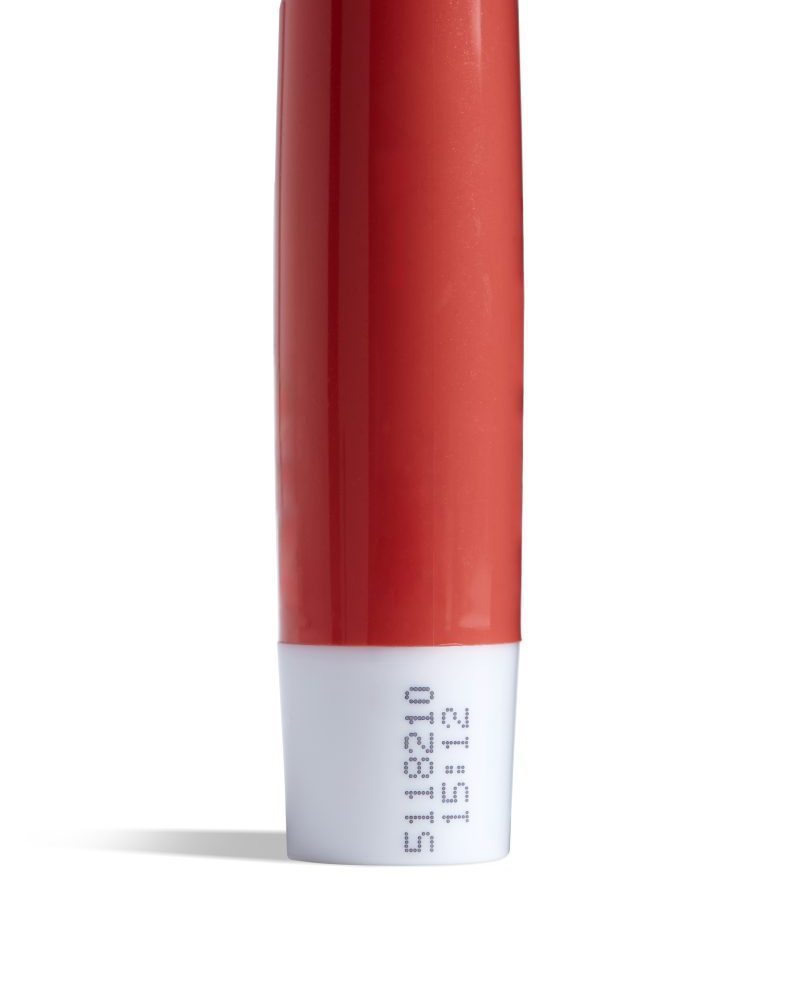
To find out more information and to request your samples with no obligation, click the button below.
Batch Printing Solutions for Cosmetics and Personal Care Products
Clear, consistent batch coding is essential for product identification and traceability. Linx batch printing solutions help cosmetics and personal care manufacturers apply reliable codes across a wide range of packaging formats.
Linx solutions help manufacturers achieve clear, consistent codes while protecting packaging quality and keeping production moving.
Bottles and Jars
Print batch and date codes on plastic and glass containers, including curved surfaces.
Tubes and Containers
Apply clear codes to plastic and metal tubes used for creams, gels, lotions and other personal care products.
Perfume and Premium Packaging
Create discreet, high-quality codes on premium bottles, cartons and packaging where appearance is as important as traceability.
Pouches, Sachets and Flexible Films
Print sharp batch codes, dates, barcodes and variable information onto flexible cosmetic and personal care packaging.
Cartons and Outer Cases
Code secondary packaging with product, batch, barcode and logistics information to support traceability through the supply chain.
Coding and Marking Solutions for Cosmetics Packaging
Different cosmetic packaging materials require different printing technologies. The right coding and marking system depends on the substrate, production speed, required code and desired print finish.
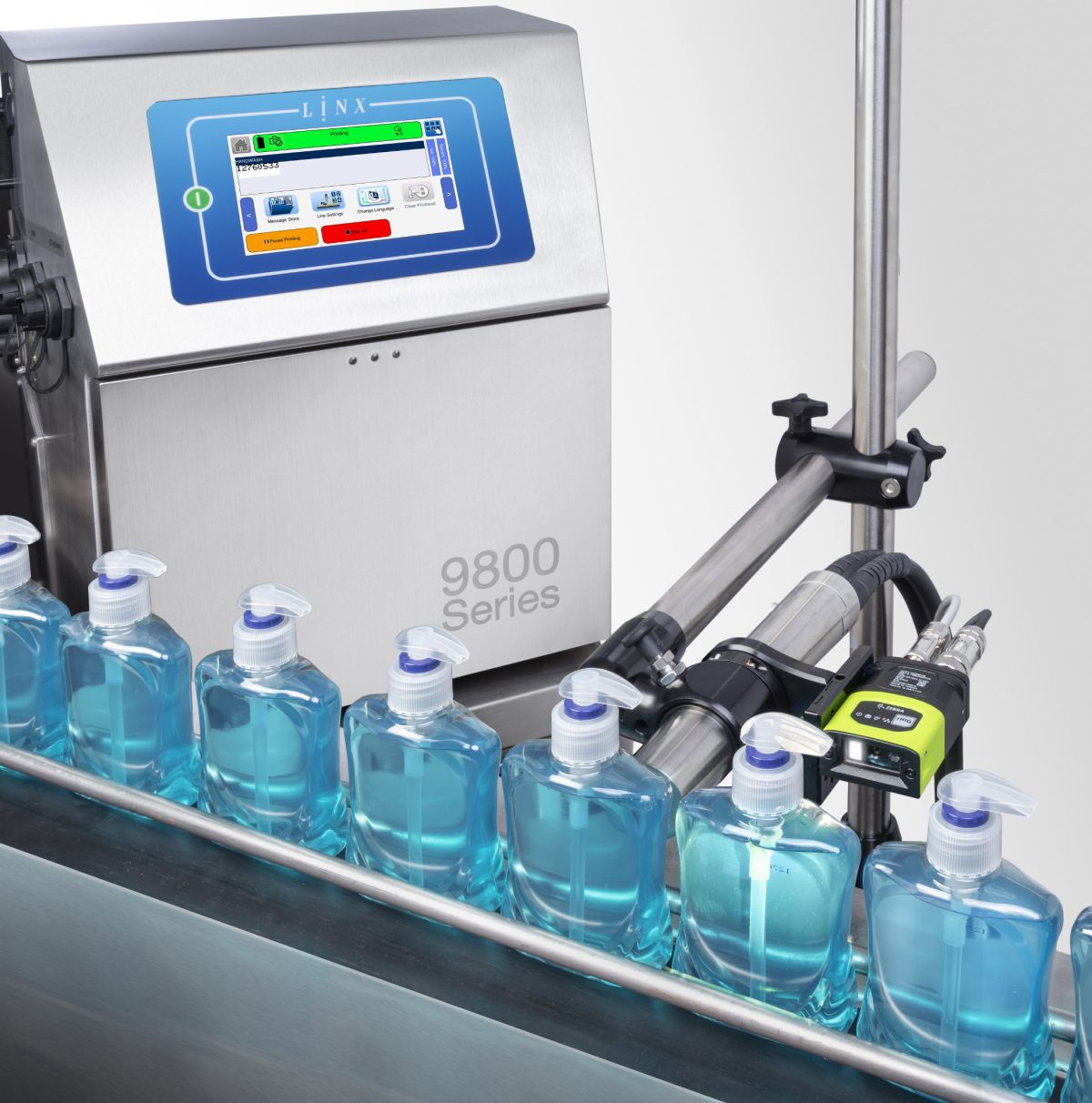
Continuous Inkjet Coding for Cosmetics
CIJ provides flexible, non-contact coding for bottles, jars, tubes and containers. It is suitable for batch codes, dates, barcodes and high-speed production.
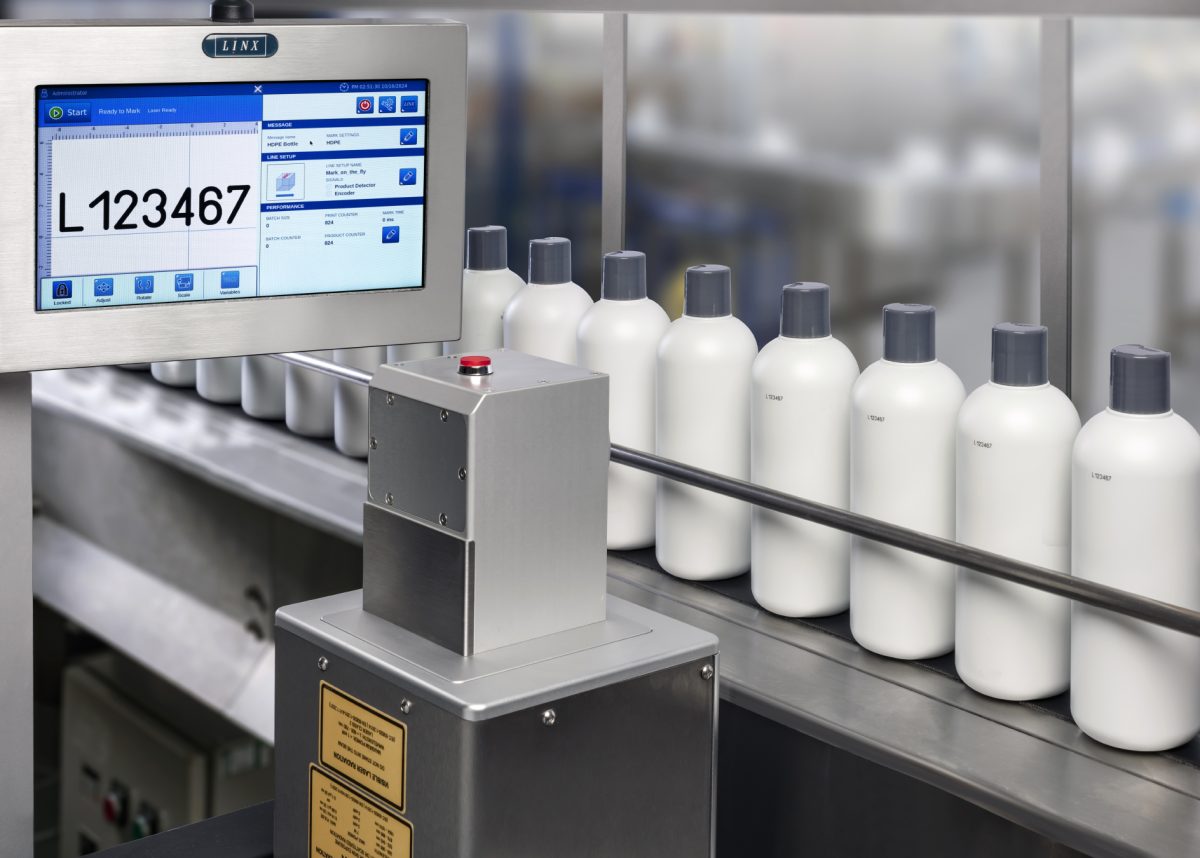
Laser Coding for Cosmetic Packaging
Laser coding creates permanent, high-quality marks without ink or solvent consumables. It is suitable for selected plastics, glass, cartons, labels and premium packaging.
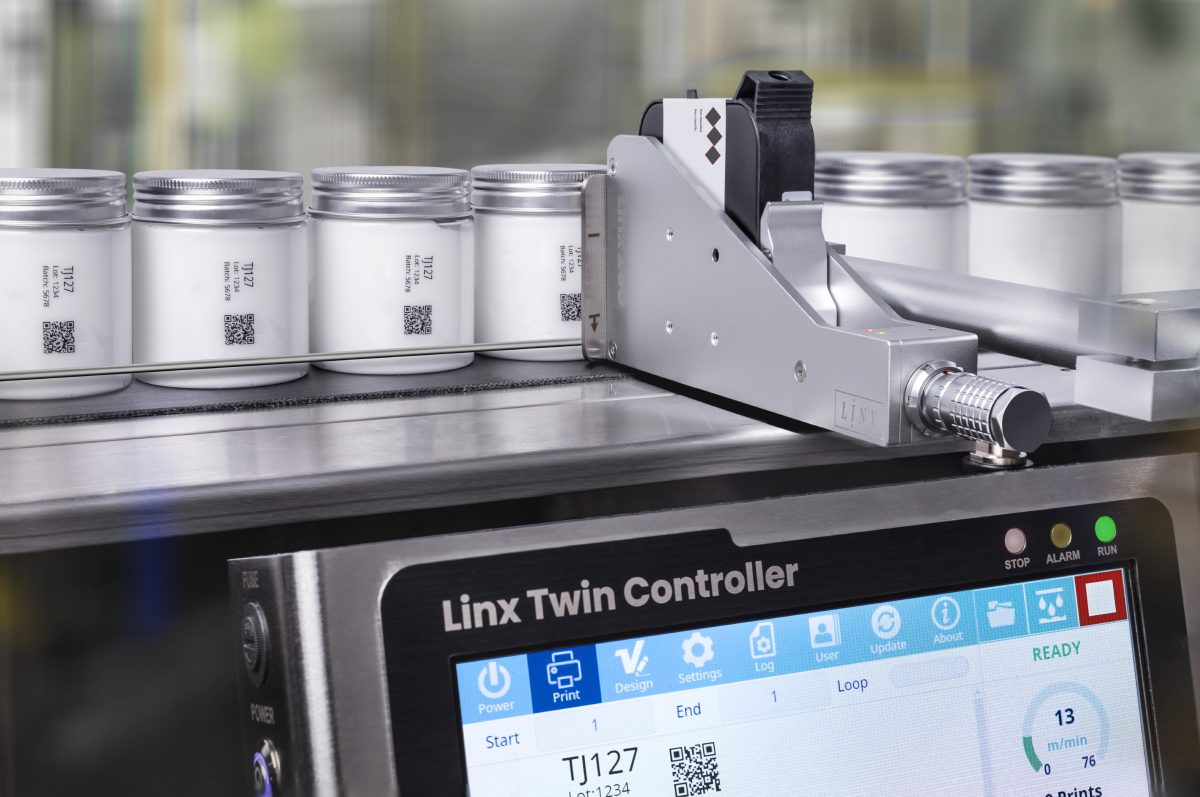
Thermal Inkjet Coding for Cosmetics Packaging
Thermal inkjet (TIJ) produces clean, high-resolution codes and can be suitable for applications requiring sharp text, barcodes, 2D codes and variable product information.
Batch Coding and Traceability for UK Cosmetics
Reliable batch identification is an important part of cosmetic product traceability.
Great Britain cosmetic labelling requirements include an identification number, such as a batch number, alongside other required product information. Depending on product durability, appropriate durability information may also be required.
Linx coding solutions help manufacturers apply clear, repeatable variable information to primary and secondary packaging without compromising production speed or packaging appearance.
Need help choosing a coding solution for your packaging?
Send us a sample or tell us your packaging material, code requirement and production speed. Our team can recommend a suitable coding technology.
Coding Dark, Coloured and Difficult Cosmetic Packaging
Black bottles, coloured plastics, glass, metal and premium finishes can make standard coding difficult to read.
Linx offers specialist inks and coding technologies for challenging substrates, including high-contrast and UV-readable options. The right solution depends on the packaging material, colour, required durability and production environment.
Anti-Counterfeit and Covert Coding
Premium cosmetics, fragrances and personal care products can benefit from discreet product identification and traceability.
UV-readable inks can create codes that remain unobtrusive under normal lighting but can be identified using appropriate UV inspection equipment. This can support internal traceability, product authentication and brand-protection processes without disrupting packaging design.
Why Choose Linx for Cosmetic Coding and Marking?
Code Across Multiple Packaging Materials
Solutions for plastic, glass, metal, card, labels and flexible packaging.
Protect Packaging Appearance
Achieve clear codes while maintaining the appearance of premium cosmetic and personal care packaging.
Keep Production Moving
Coding systems designed for reliable operation and straightforward product changeovers.
Find the Right Technology
Choose from CIJ, laser, TTO and outer-case coding solutions according to your application.
UK Sales and Support
Access Linx expertise to help specify, install and support your coding solution.
Find the Right Coding Solution for Your Packaging
Not sure whether CIJ, laser or TTO is right for your cosmetic packaging?
Tell us what you’re coding, your packaging material and your production requirements. Our team can help identify the most suitable solution.
Resources – Whitepaper, Blogs and More

Coding Solutions for Personal Care Packaging
Batch Coding and Printing Technologies- Blog
Overcoming Printing Challenges onto Sleeve Packaging- Blog

Linx Printing Technologies Inks Brochure
Tips for choosing the right coder

Linx CSL30 coding onto card boxes
Frequently Asked Questions
Clear batch codes depend on the correct combination of printer, ink, substrate and print settings. Packaging colour, surface characteristics, line speed and production conditions should also be considered. Testing the actual packaging can help identify the most reliable coding solution.
Variable batch, date and identification codes can be printed directly onto many cosmetic tubes without redesigning the packaging. CIJ is particularly useful for non-contact coding on small or curved surfaces, although the best technology depends on the tube material and production line.
The best printer depends on the packaging material and required code. CIJ is flexible for bottles, jars and tubes; TIJ can provide high-resolution variable coding for suitable applications; laser creates permanent marks; and TTO is designed for flexible packaging such as films, pouches and sachets.
Personal care products can be coded using CIJ, TIJ, laser or TTO depending on the packaging format. Bottles and tubes are commonly suited to CIJ, while TTO is typically used for flexible films, pouches and sachets.
Thermal inkjet uses cartridge-based inkjet technology to produce high-resolution text, batch codes, barcodes and other variable information. Its suitability for cosmetics packaging depends on the substrate, required durability, production environment and line configuration.
UV-readable inks can be used for discreet coding on suitable packaging. These codes can support internal traceability and product-authentication applications while remaining unobtrusive under normal lighting.