
Plastic Coding and Marking Machines for Packaging
High-performance plastic coding and marking machines for bottles, films, and industrial components. Print clear, durable batch codes, expiry dates, and traceability information on plastic packaging with reliable inkjet and laser solutions.
What is Plastic Coding and Marking?
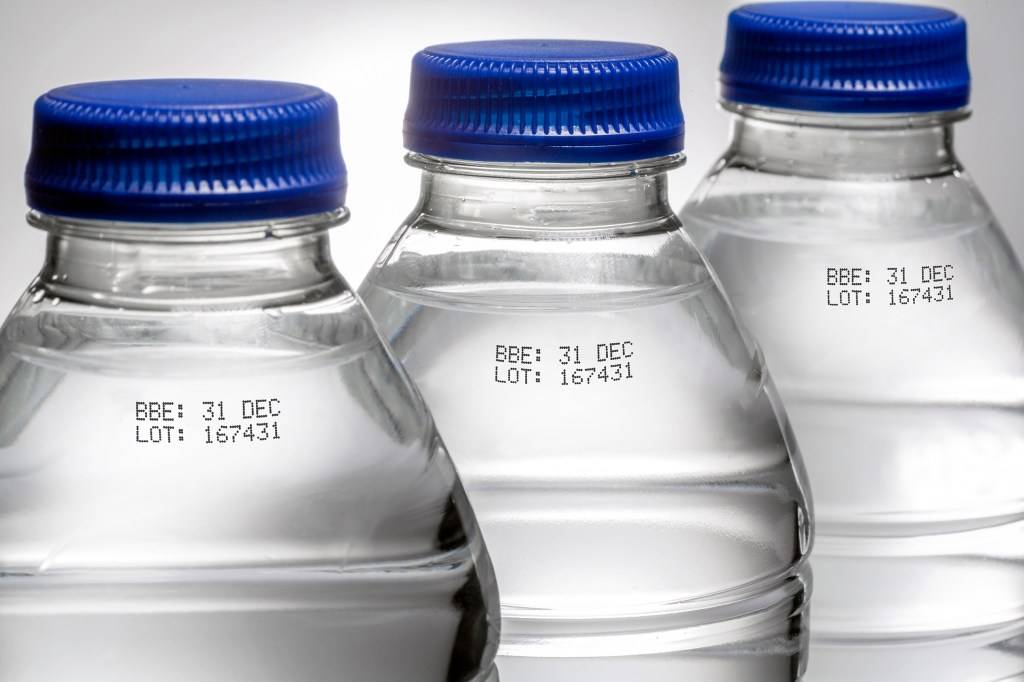
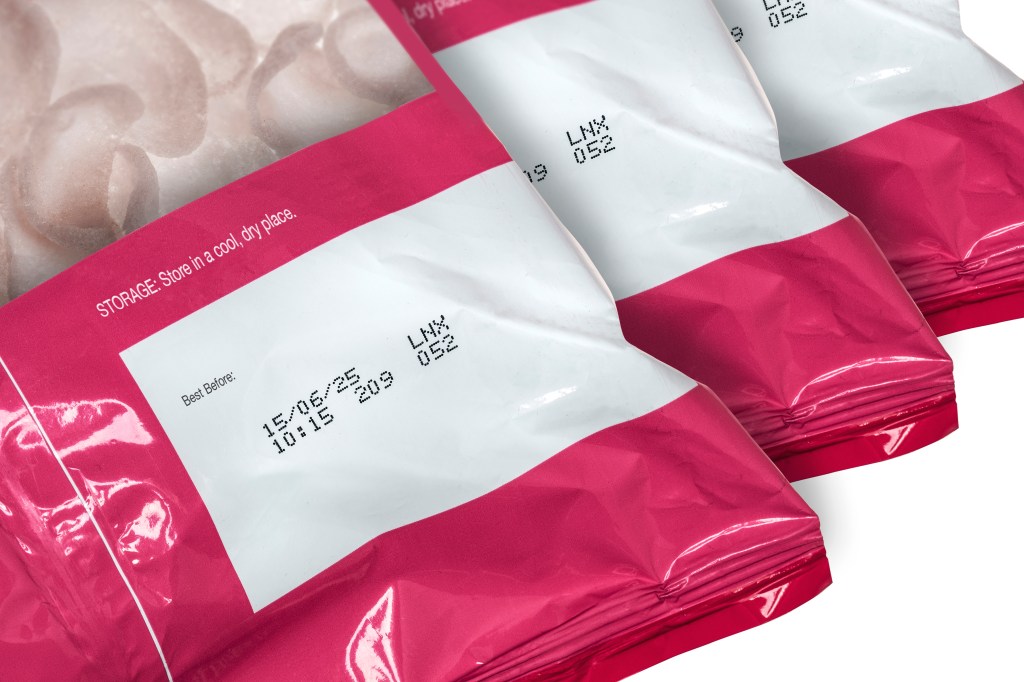
Plastic coding and marking machines are used to apply variable data such as batch codes, expiry dates, and barcodes onto plastic packaging. The most effective solution depends on the material (PET, HDPE, PP), production speed, and durability requirements. In the UK, continuous inkjet (CIJ) and laser marking are the most widely used technologies for coding on plastic.
To find out more information and to request your samples with no obligation, click the button below.
The Challenge of Coding on Plastic
Plastic is a non-porous, fast-moving substrate making reliable marking more complex than other materials.
Common challenges include:
- Poor ink adhesion on smooth surfaces
- Smudging at medium to high production speeds
- Exposure to moisture, and chemicals
- Need for permanent, compliant traceability
Choosing the right plastic coding machine ensures consistent print quality and reduced downtime.
Best Technologies for Plastic Coding and Marking
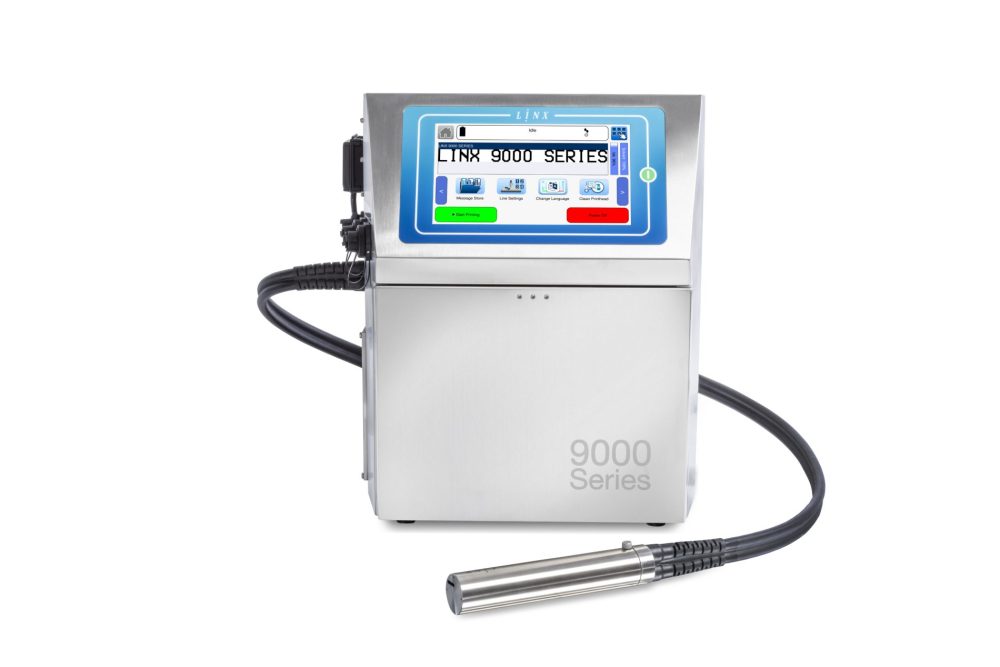
Continuous Inkjet (CIJ) – High-Speed Plastic Coding
Continuous inkjet is the most widely used solution for coding on plastic packaging.
Best for:
- Bottling and filling lines
- Flexible films and pouches
- High-speed FMCG production
Key benefits:
- Excellent adhesion on non-porous materials
- Fast-drying inks for PET, HDPE, and PP
- Reliable printing on curved or uneven surfaces
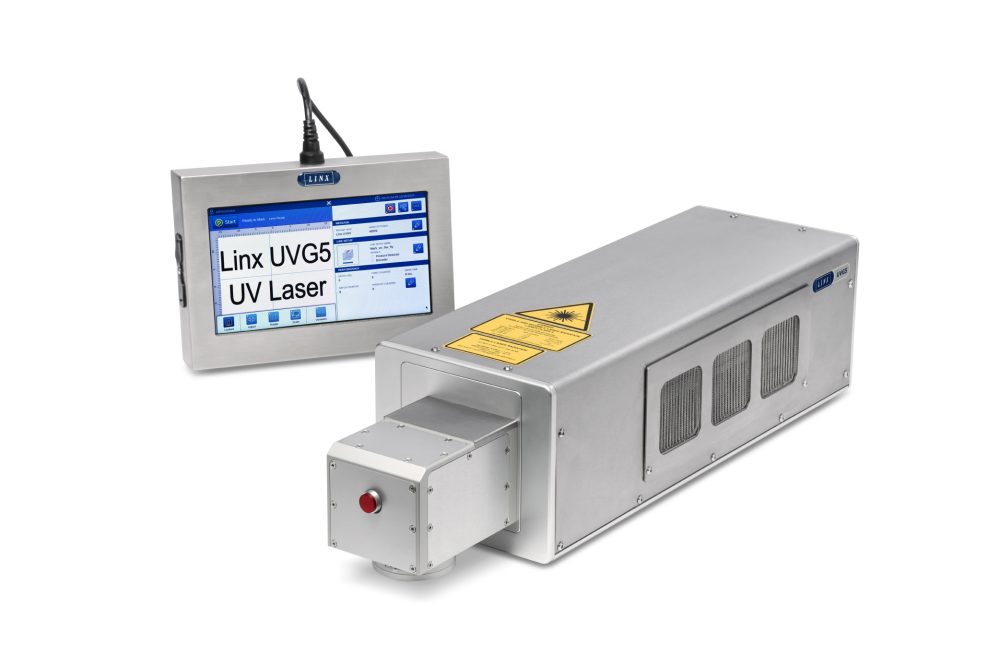
Laser Marking – Permanent Plastic Coding
Laser marking creates permanent, high-contrast marks without inks or consumables.
Best for:
- Long-term traceability
- Harsh environments
- Regulatory compliance
Key benefits:
- No consumables or ink costs
- Resistant to abrasion and chemicals
- Clean, maintenance-free operation
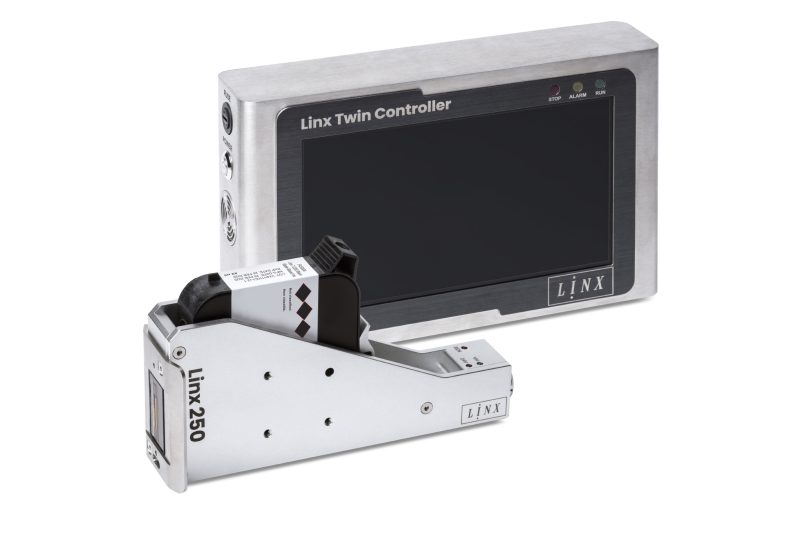
Thermal Inkjet (TIJ) – High-Resolution Codes
Thermal inkjet provides high-quality codes for specific plastic applications.
Best for:
- Controlled production environments
- Secondary packaging
- Barcodes and QR codes
Applications of Plastic Coding Machines
Linx plastic coding and marking machines are used across multiple industries:
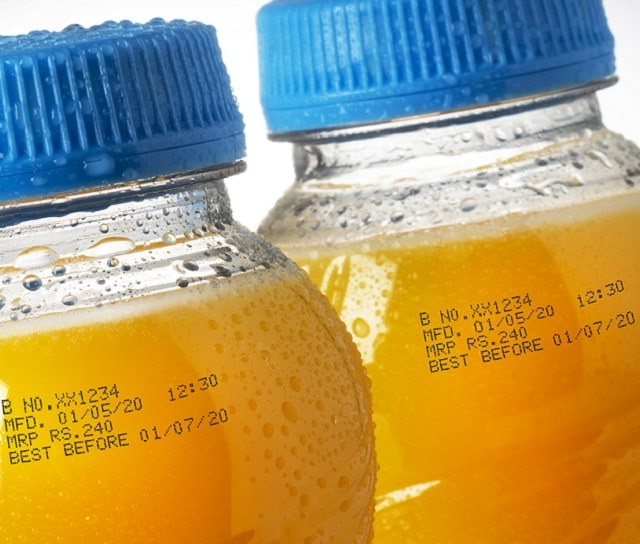
Plastic Bottles (PET & HDPE)
- Beverage bottles
- Cleaning products
- Personal care packaging
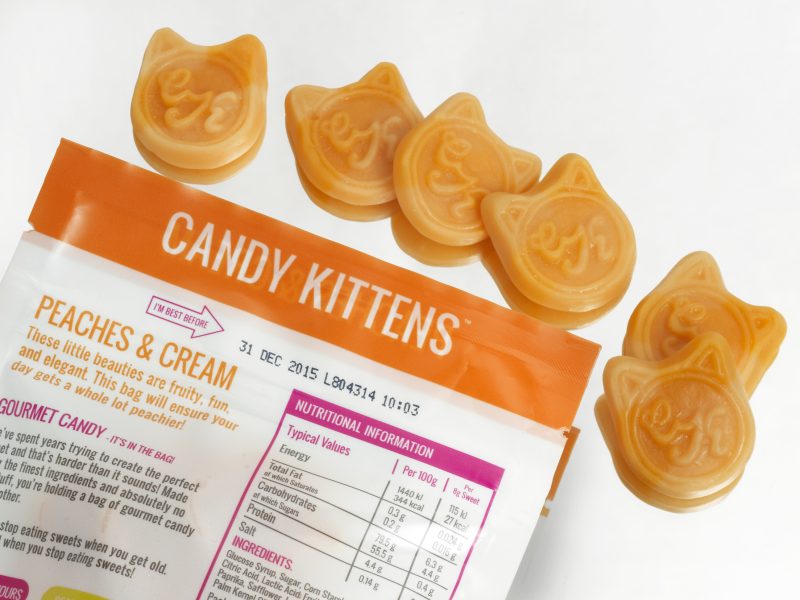
Flexible Plastic Packaging
- Food pouches
- Films and wraps
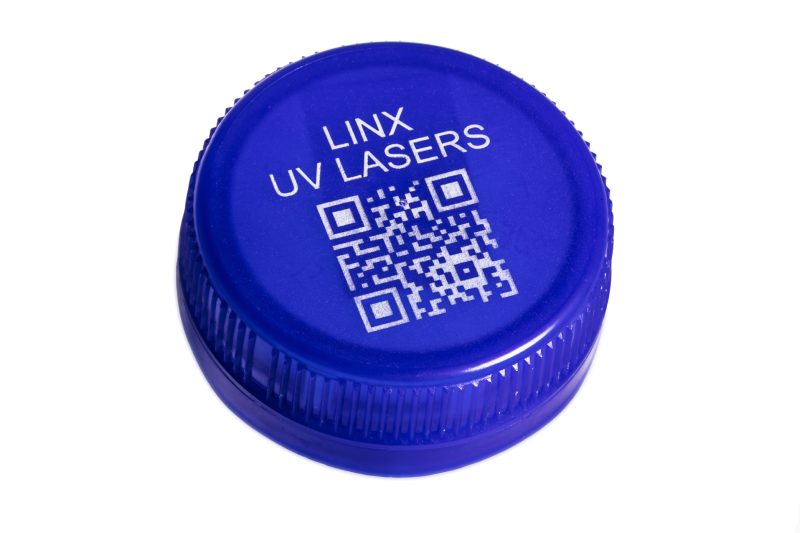
Caps, Closures & Containers
- High-speed inline coding
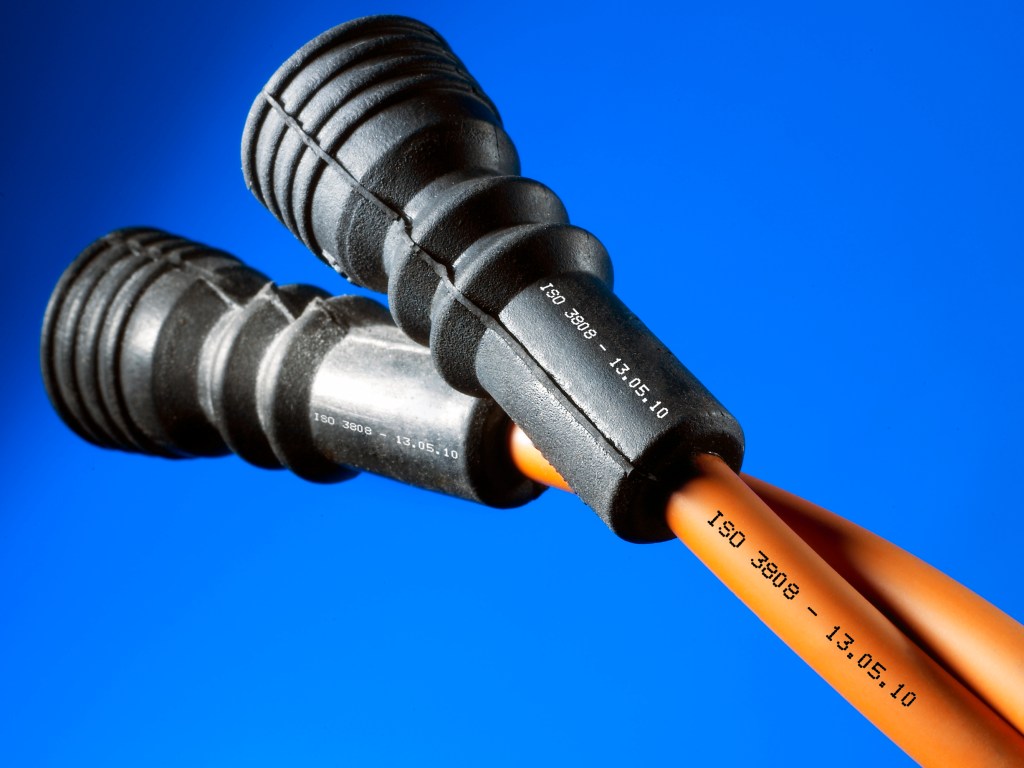
Industrial Plastic Components
- Automotive parts
- Electrical and electronic component
Coding on Different Plastic Materials
Different plastics require different coding approaches:
- PET (Polyethylene Terephthalate): Ideal for CIJ and laser marking
- HDPE (High-Density Polyethylene): Requires fast-drying, high-adhesion inks
- PP (Polypropylene): May require specialised inks or laser additives
- PVC: Suitable for both inkjet and laser depending on application
Choosing the right plastic coding machine can improve efficiency, reduce costs, and ensure compliance. We test and recommend the best solution for your specific material. Speak to an Expert!
Why UK Manufacturers Choose Linx
✔ Proven reliability in demanding production environments
✔ Solutions tailored for food, beverage, and industrial sectors
✔ Easy integration with existing packaging lines
✔ Dedicated UK support and expertise
Trusted by manufacturers who need consistent performance and minimal downtime.
Working with Linx
Get Expert Advice on Plastic Coding Solutions
Call us, chat with us or simply fill in the form with your details and we will get back to you. Tell us what substrate you are using or products you are coding onto and how does your process currently look like. We will help you choose the best solution tailored to your needs.
How to Replace Expensive Labels with Outer Packaging Printing Machines
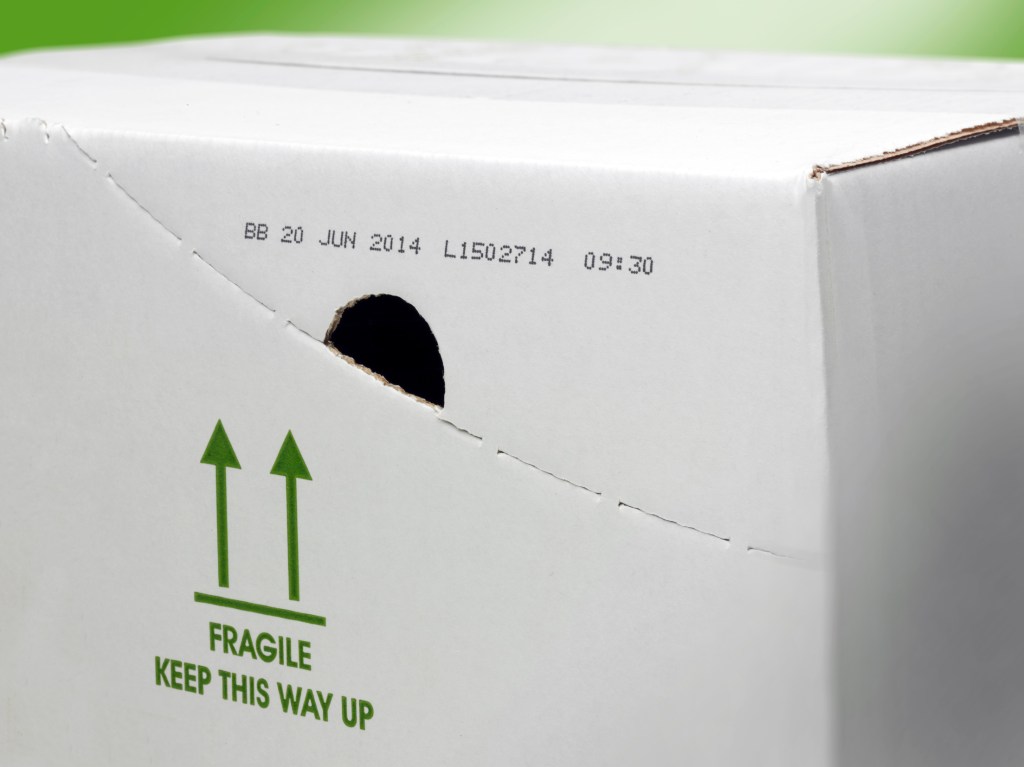
Watch this video to find out how Linx Printing IJ and LCM systems can help you reduce cost waste and storage of expensive labels used for coding on the outer packaging.
And if you contact us today, and tell us how many labels you are using, we can provide you with a quick comparison between the cost of labels and using a coder.
Related Industries
Crucial to the performance and operation of our technologies, we recommend you only use Linx-approved inks and fluids in your Linx Continuous Inkjet, thermal Inkjet or Large Character coding equipment for printing on glass
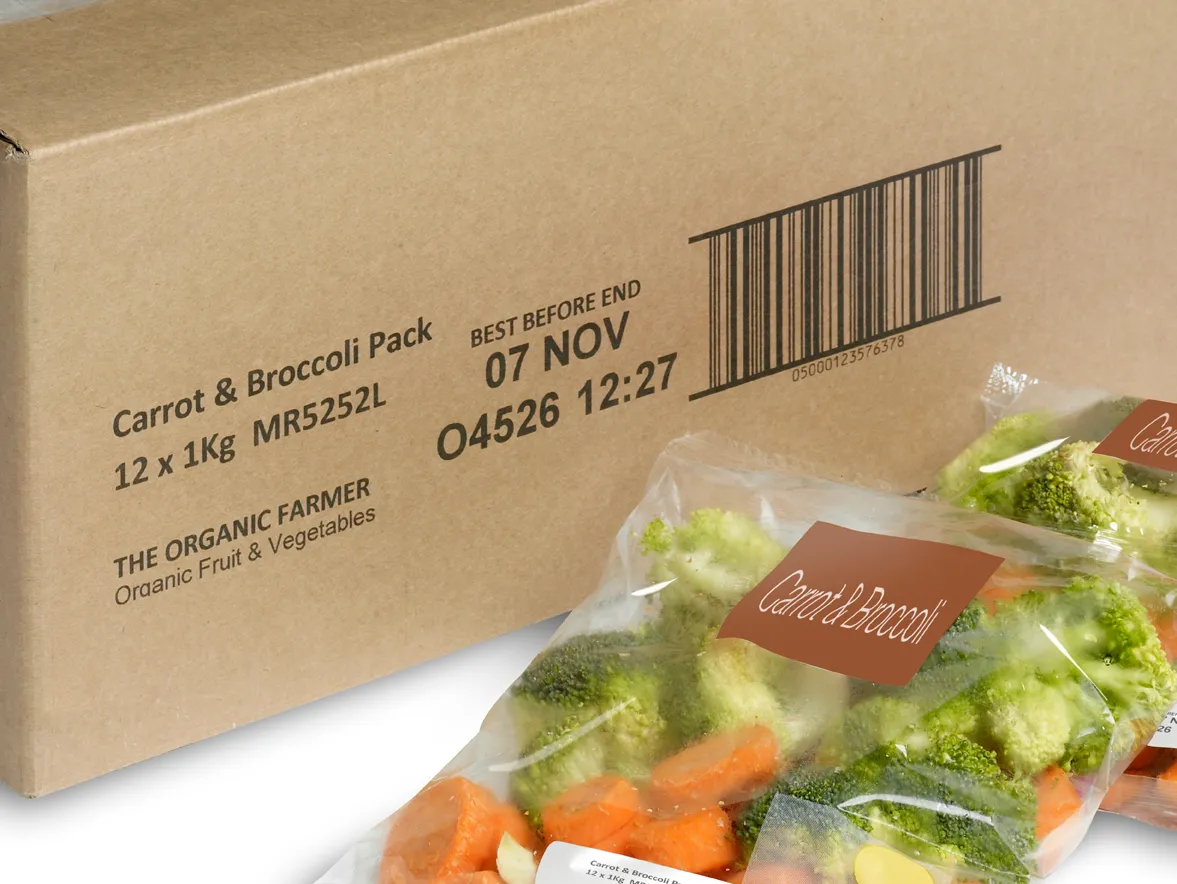
Food Industry
Printers for paper labels, cardboard and plastic food packaging, bottles, and even directly onto food products themselves such as eggs or cheese.
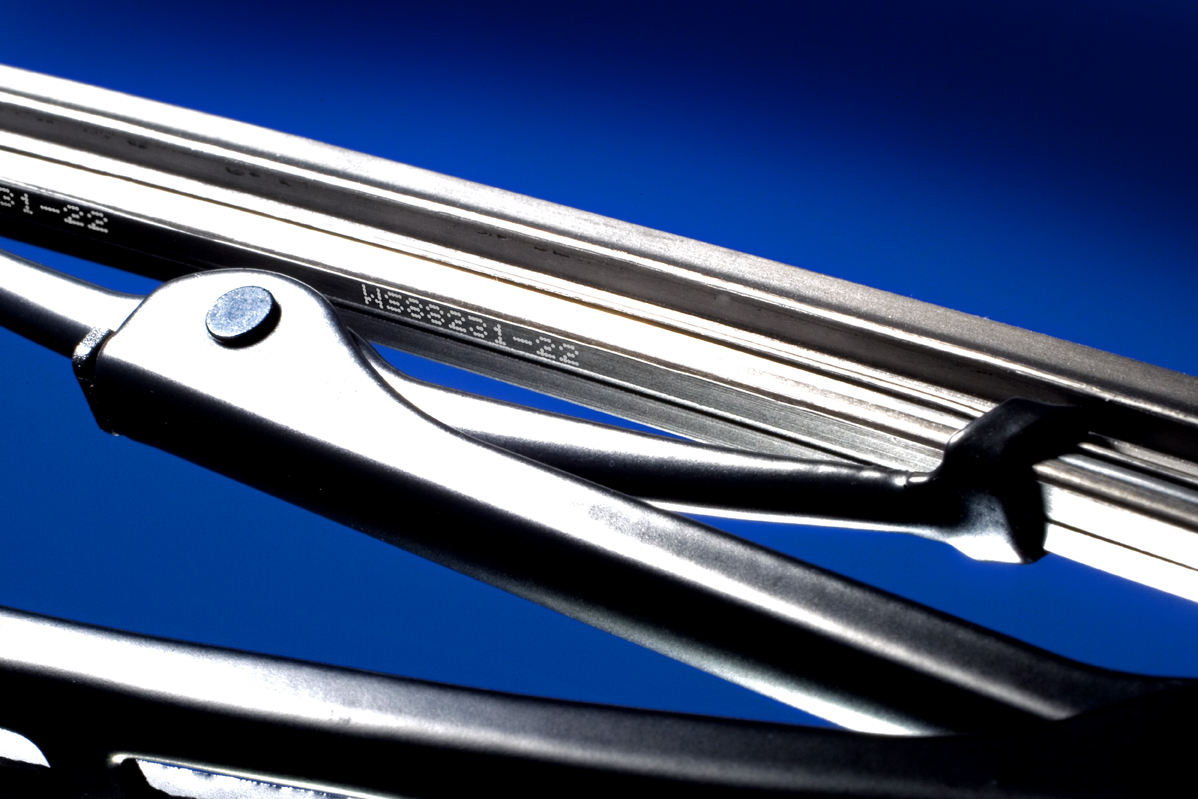
Automotive
A modern vehicle contains thousands of individual components, each of which may need a specific part number.
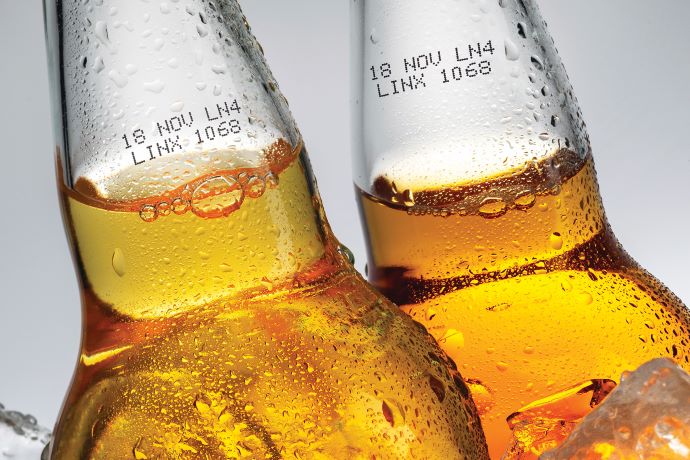
Beverage
Plastic marking enables print clear, durable expiry dates and batch codes on bottles, ensuring compliance, traceability, and high-speed production efficiency.
Resources

LMA Services Case Study
Linx Contrasting Inks Datasheet
FAQs – Plastic Coding and Marking
The best method depends on the material and production environment. Continuous inkjet is ideal for high-speed applications, while laser marking provides permanent, maintenance-free coding.
Not all plastics react to laser marking. Some materials require additives or specific wavelengths to achieve high-contrast marks.
We offer a range of service and maintenance contracts and we have a team of engineers available in the UK. Depending on your package, our engineers could attend your site the same day, and with our PrinterNet software, a lot of breakdowns can be prevented and/or fixed without having to attend on-site.
Inkjet coding is durable but can wear over time. Laser marking provides a permanent, tamper-resistant solution.
Plastic coding is widely used in food and beverage, pharmaceuticals, cosmetics, and industrial manufacturing.