
Bottle Coding
Bottle coders are used in a wide range of industries including food, beverage, cosmetics and FMCG household products, pharmaceutical & chemicals.
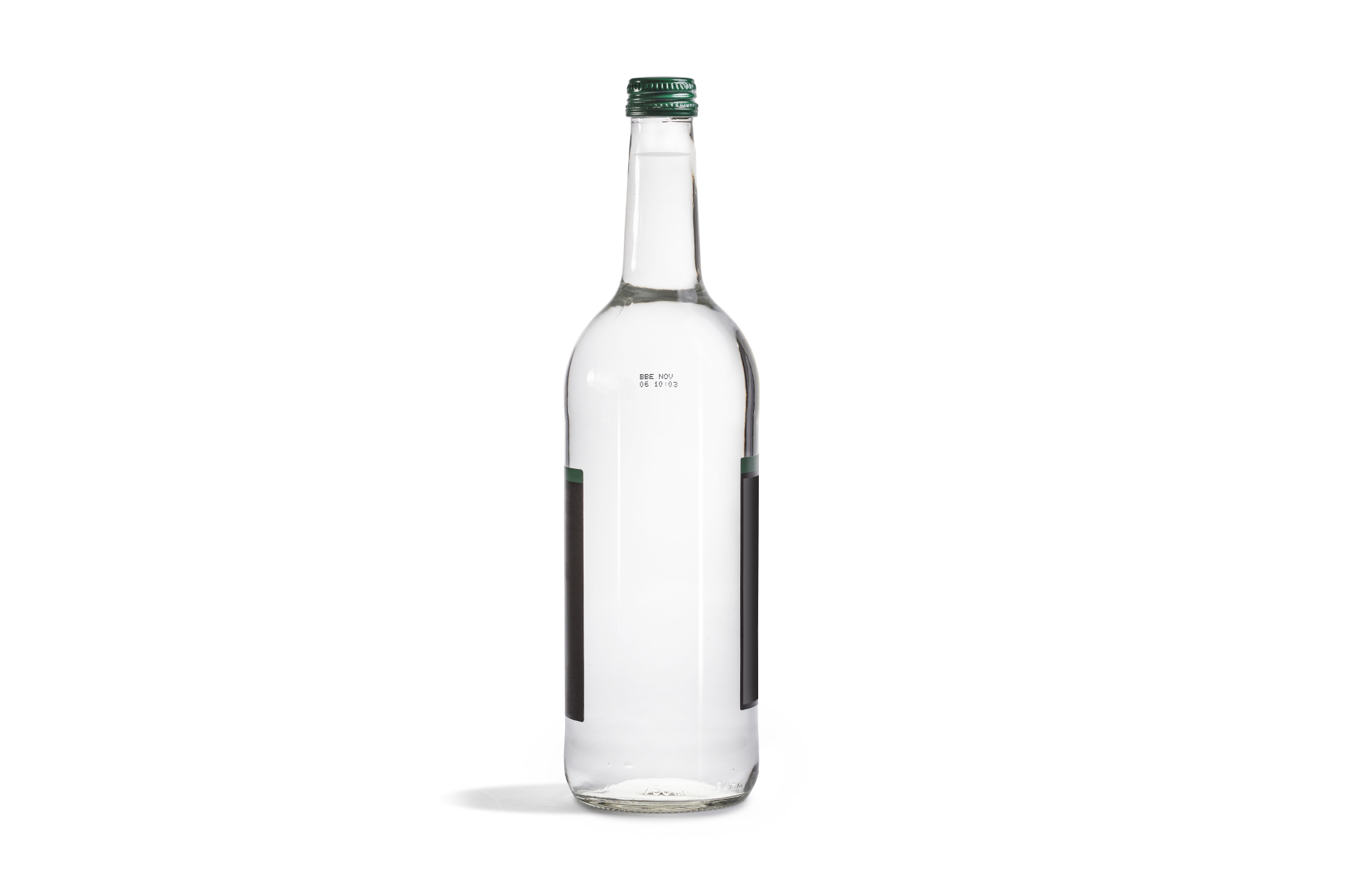
Printing on bottles presents challenges most general coding machines aren’t built for: curved surfaces, wet or dusty environments, small circumference print areas, post-marking sterilisation processes and strict labelling compliance requirements.
Linx solutions are engineered specifically for the challenges of bottle production, combining specialist inks, laser marking technologies and flexible installation options to deliver reliable coding on glass bottles, plastic containers, labels and caps. From returnable beverage bottles and high-speed filling lines to premium cosmetic packaging, Linx helps manufacturers maintain traceability, improve efficiency and meet regulatory requirements.
Challenges in Bottle Marking
Bottles are commonly made of glass or plastic and are non-porous and smooth, so inks do not absorb easily. This can lead to smudged codes, slow drying times and poor long term durability. Some plastics (e.g. PE, PP) can be waxy or chemically resistant, making adhesion even harder. Many glass bottles have protective anti-scuff coatings that reduce scratching, however these coatings can also reduce ink adhesion and affect code durability.
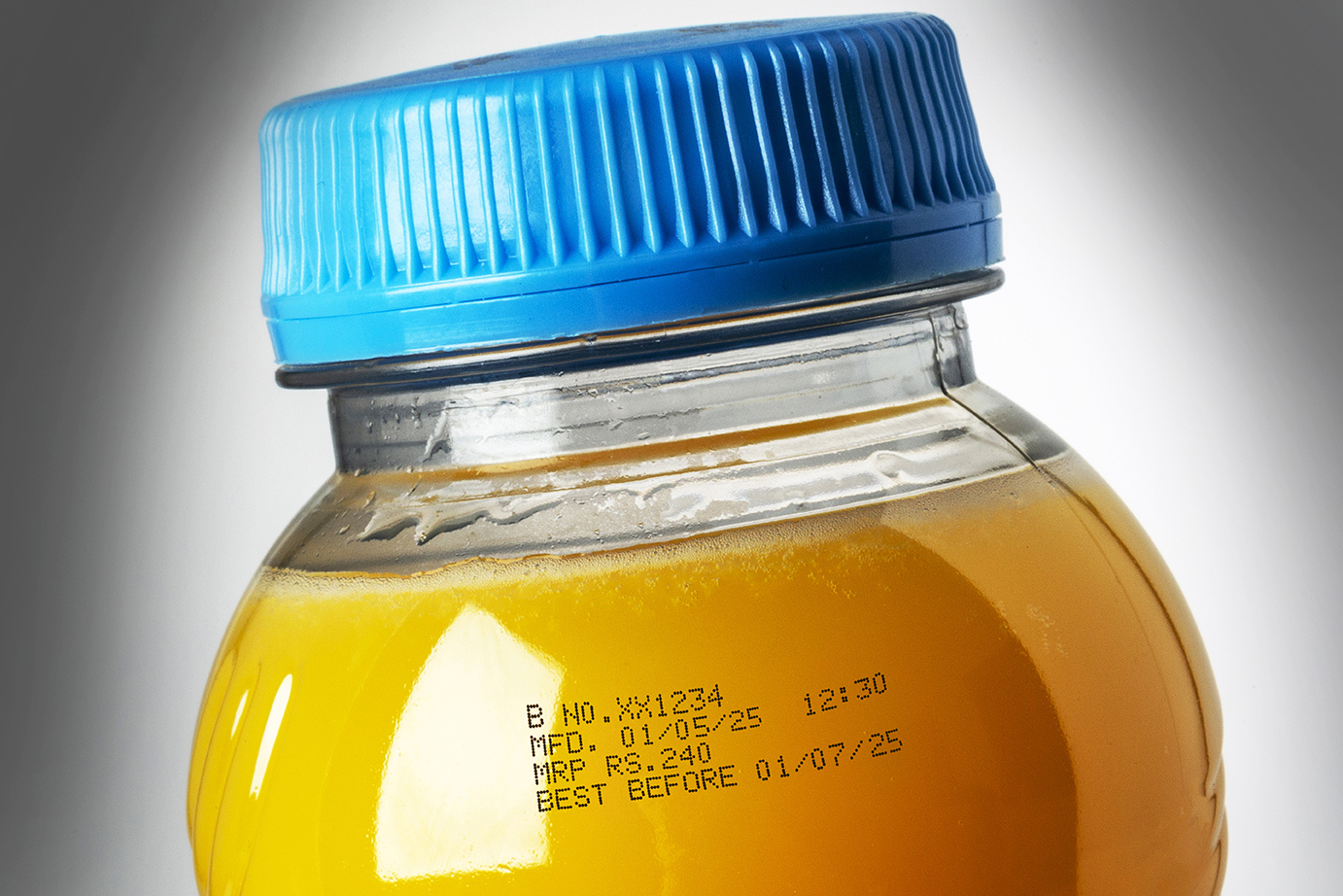
Bottles are typically cylindrical or irregularly shaped, not flat. Curved surfaces can: Distort text or barcodes, affect print placement accuracy and make maintaining consistent print quality harder. This is particularly difficult for printing 2D codes as the curved surface can cause geometirc distortion and prevent scanning reliably.
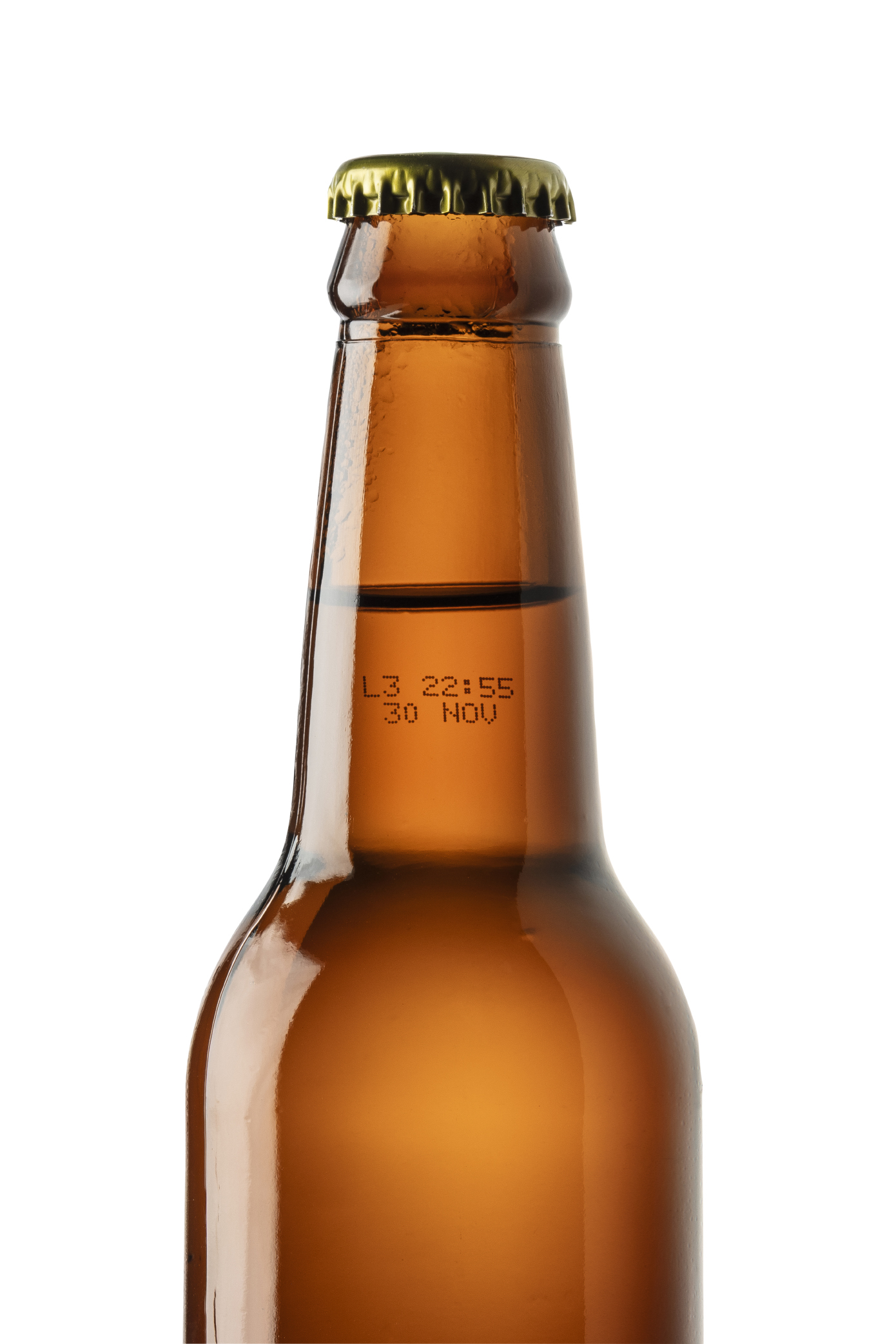
Bottles often have small circumference areas available for coding e.g the necks of glass beer bottles. This is especially challenging for: Multi-line data, 2D codes or barcodes and regulatory information.
Bottling environments are often wet and humid. Condensation can prevent ink adhesion, leading to blurry or incomplete codes. In beverage applications, bottles may emerge from filling or cooling processes covered in moisture. Air knife systems can temporarily blow away heavy condensation before coding, but the printing solution must still be capable of delivering reliable performance in demanding, moisture-prone environments.
Bottling lines can run at extremely high speeds (tens of thousands of bottles per hour). Printing systems must apply and dry codes instantly, maintain accuracy at speed, and avoid slowing the line
Bottles come in clear glass and plastic, coloured glass (amber, green) and opaque coloured plastics. This creates challenges in achieving sufficient contrast and ensuring codes are visible.
After printing, codes may need to withstand sterilisation or pasteurisation, refridgeration and friction during transport. Codes must be durable- but sometimes also removable (e.g. reusable bottles).
What is an Industrial Bottle Coding Machine?
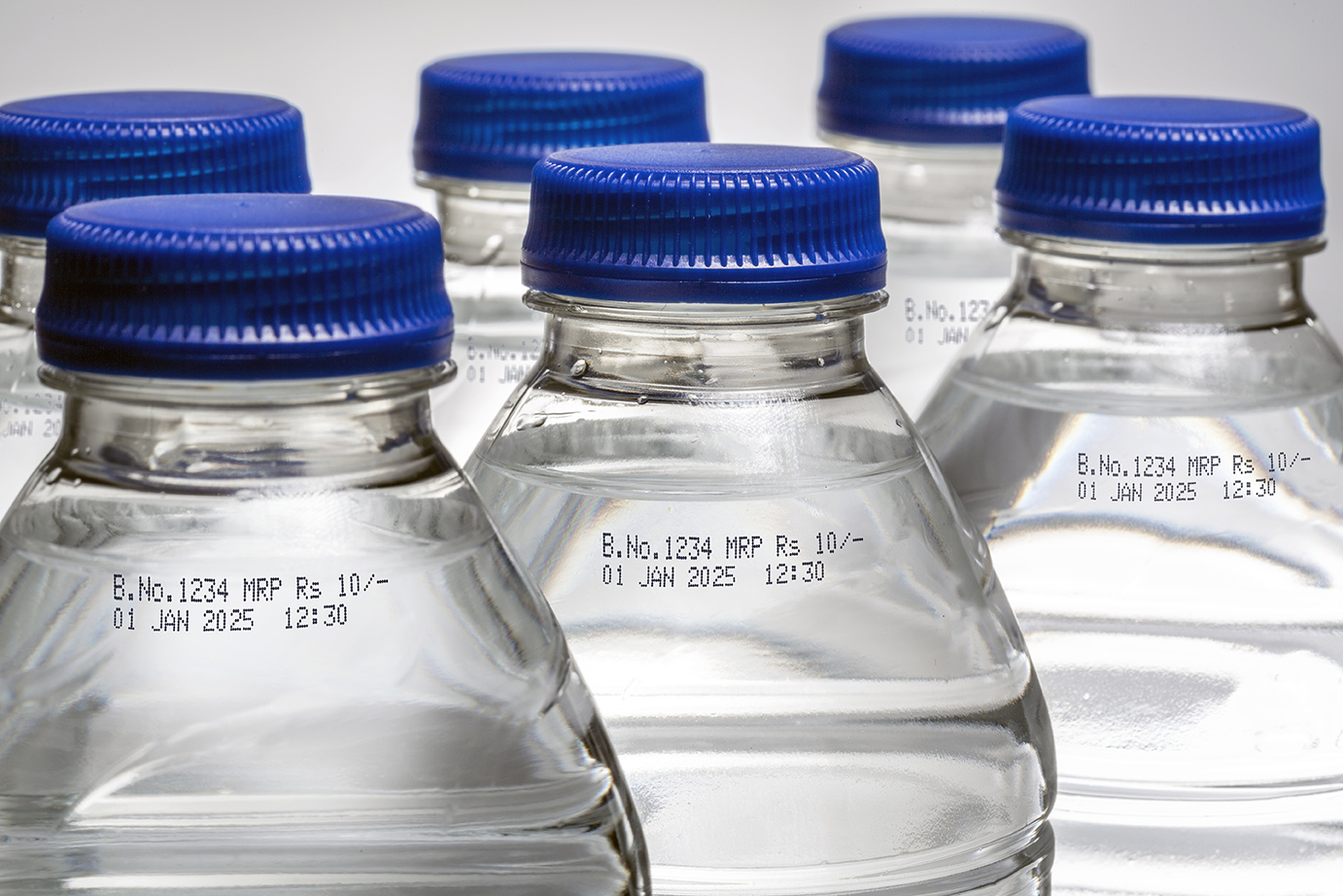
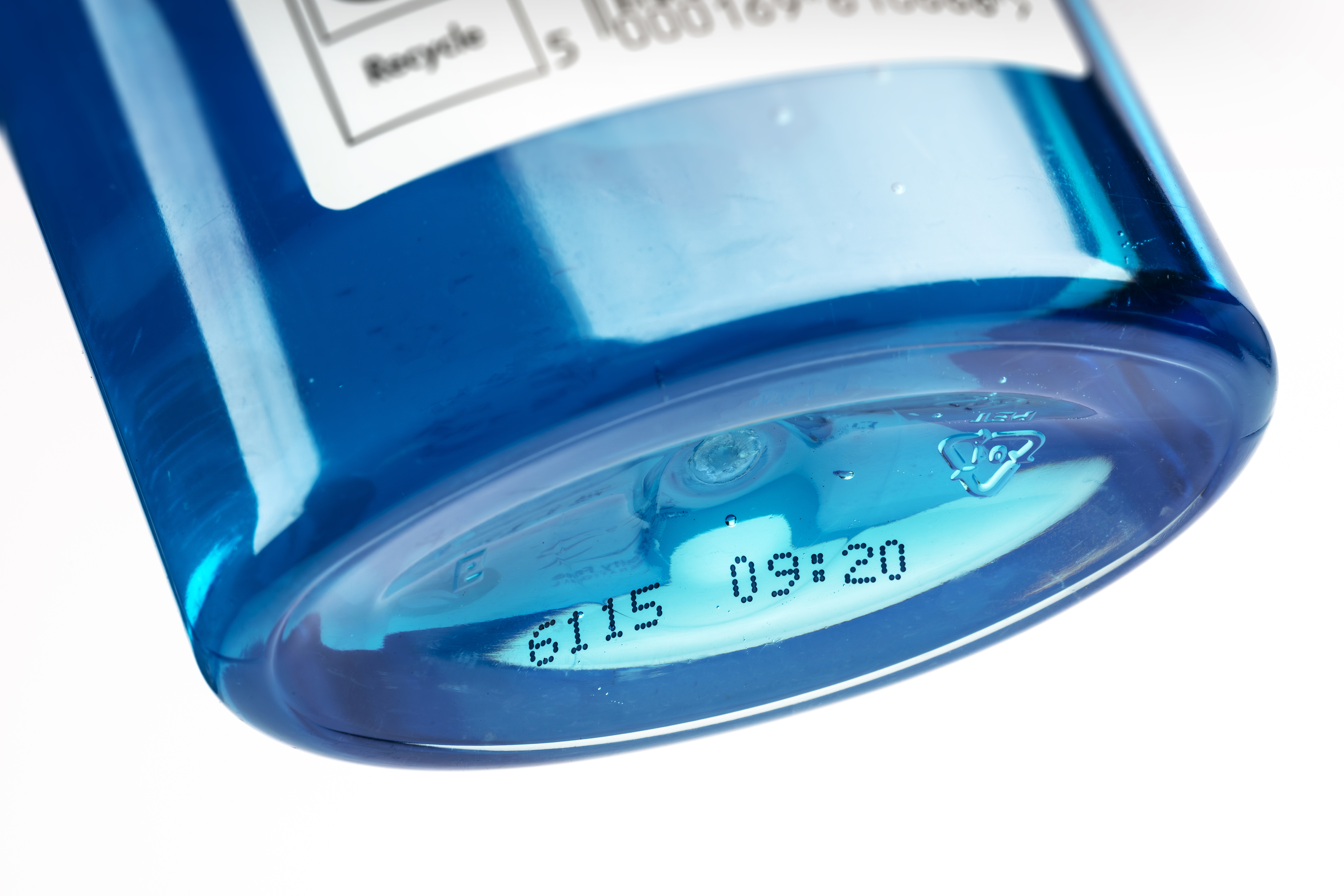
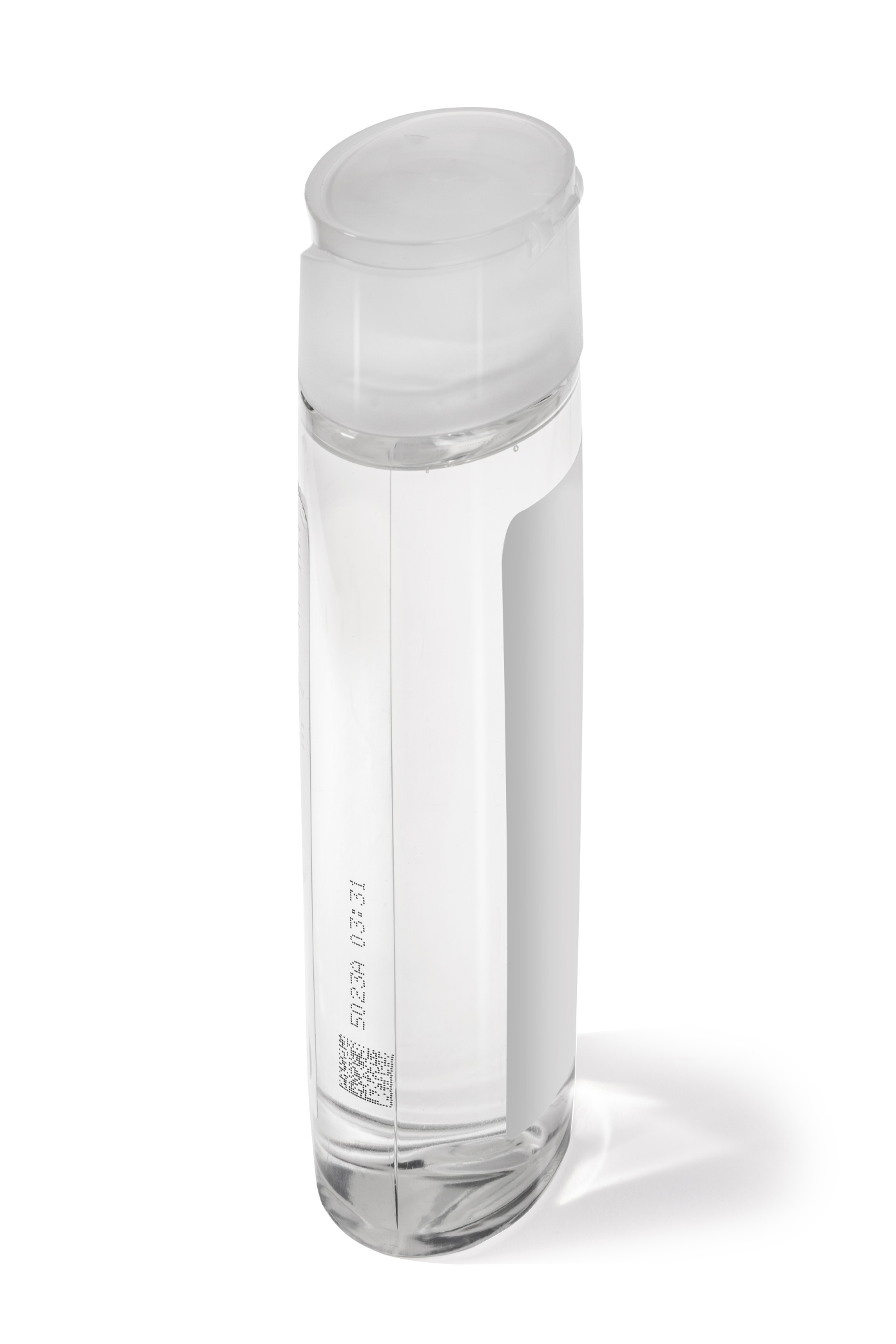
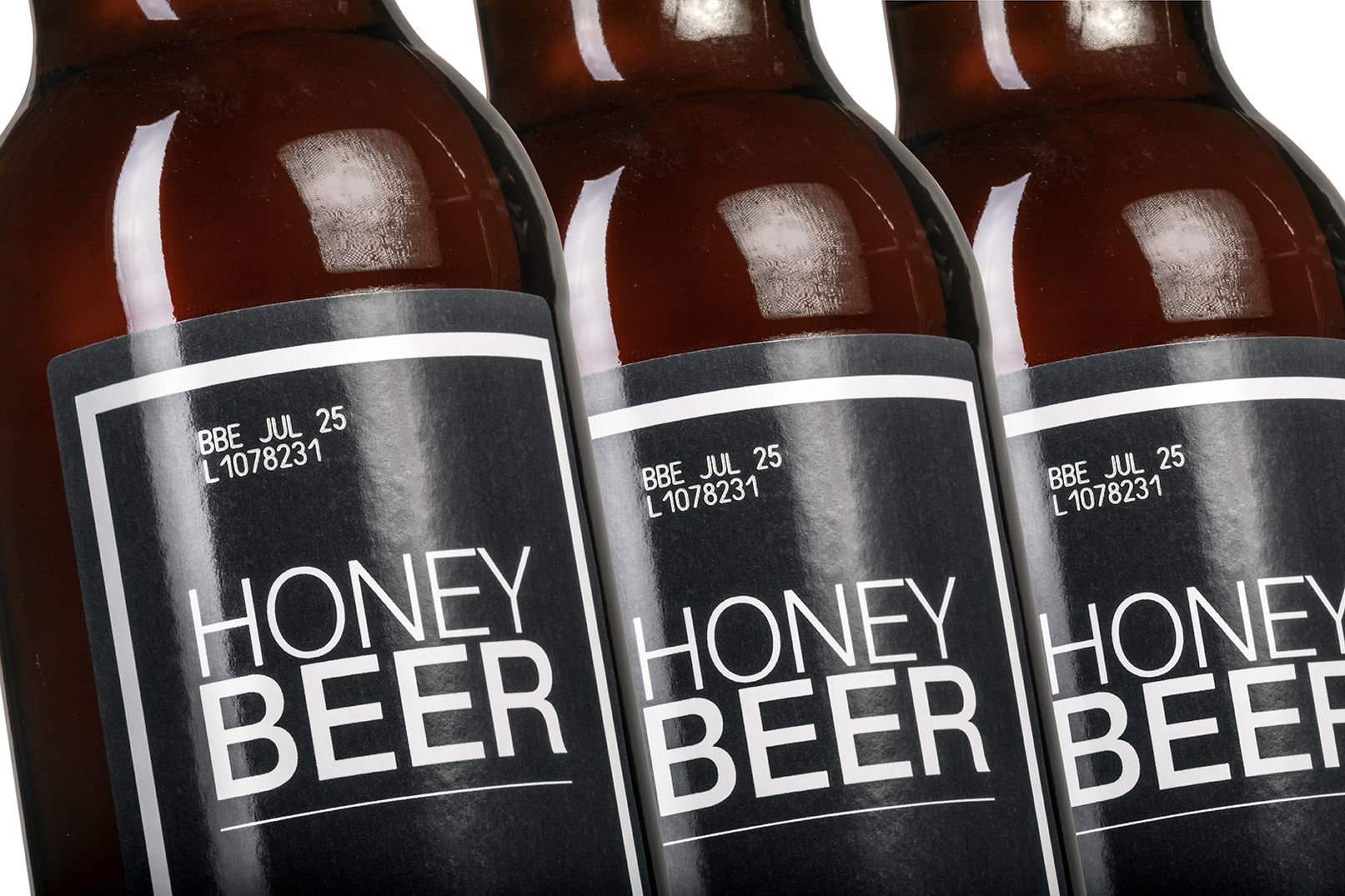
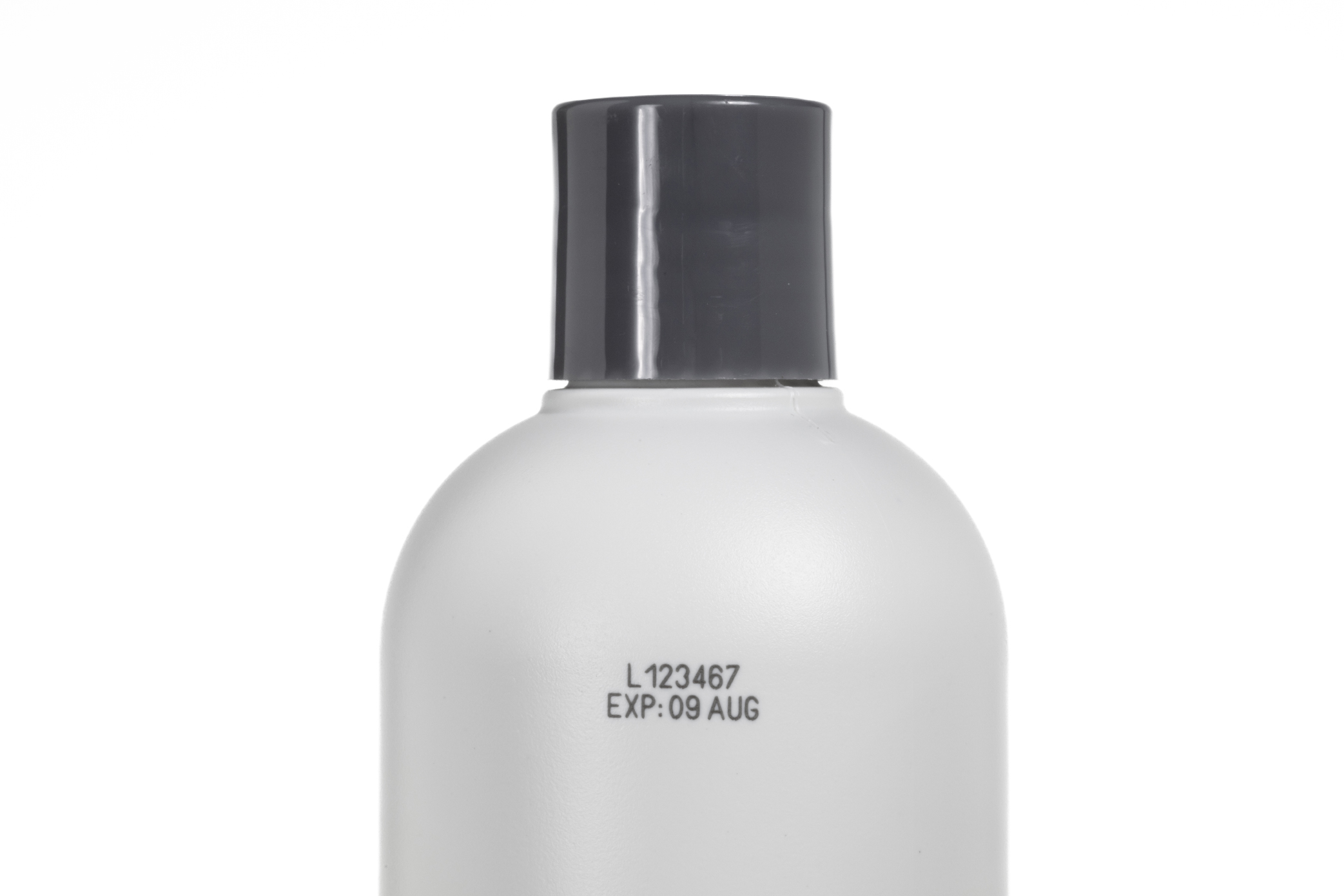
Linx bottle coding printers are ideal for high volume expiration date coding or batch identification, and are designed to print directly onto plastic or glass bottles in almost any orientation. With a range of pre-programmed codes, they can mark variable information as well as printing barcodes, Data Matrix and QR codes onto bottles avoiding unnecessary waste and environmental impact of pre-printed labels.
Our expertise in product and packaging marking & identification can help you to reduce costs and improve production rates.

Plastic Bottle Coding
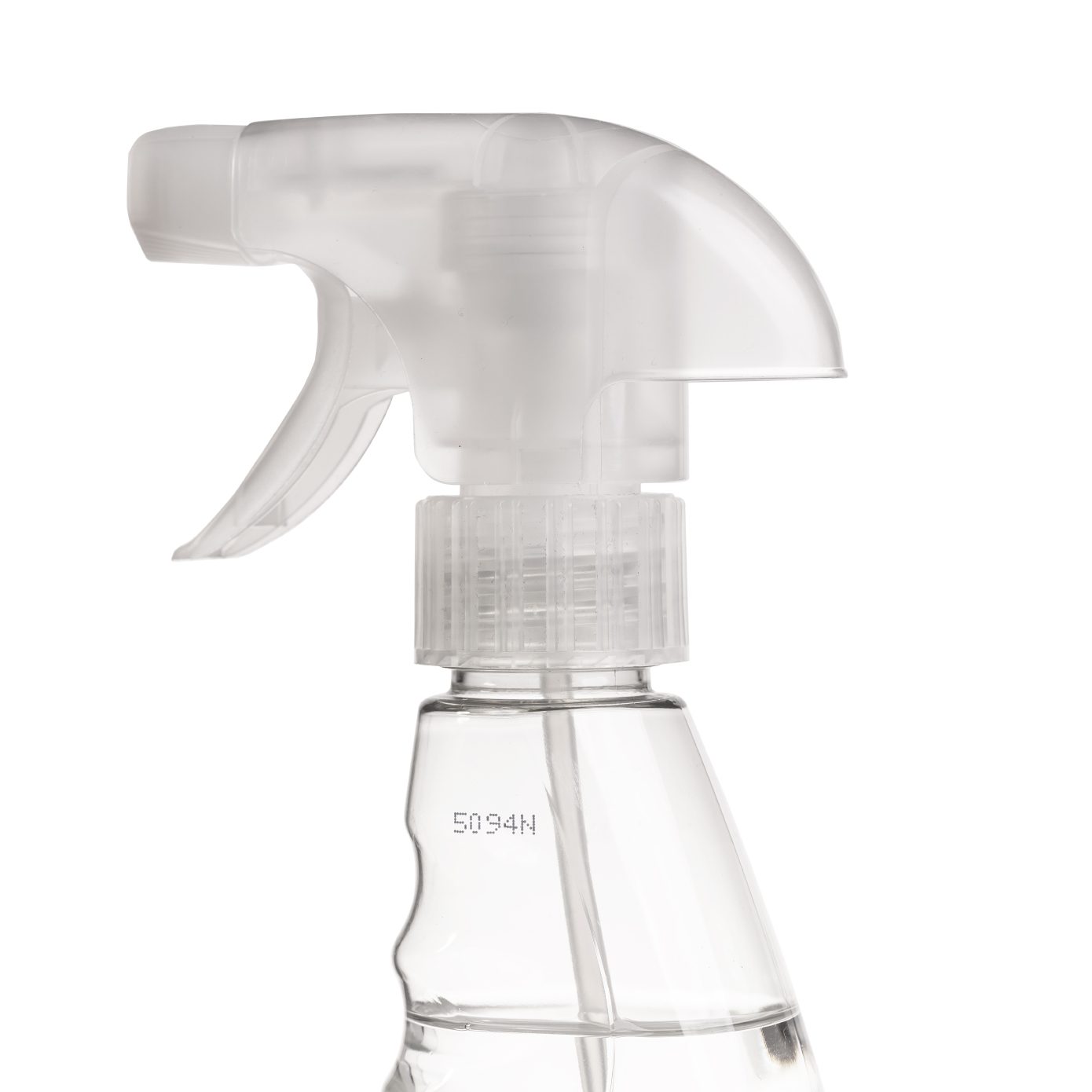
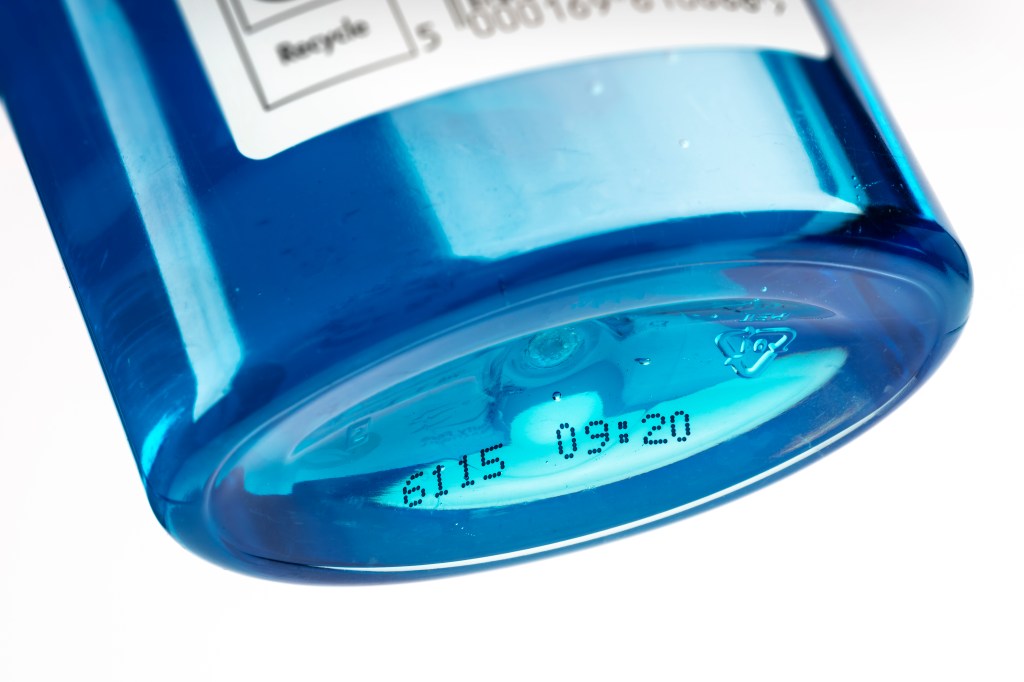
Linx pigmented inks enable long-lasting printing of expiry dates and batch numbers onto a range of colored plastics including polyethylene (PE or PET), polypropylene (PP or OPP), PVC & Nylon, retaining clarity for years even if stored in daylight.
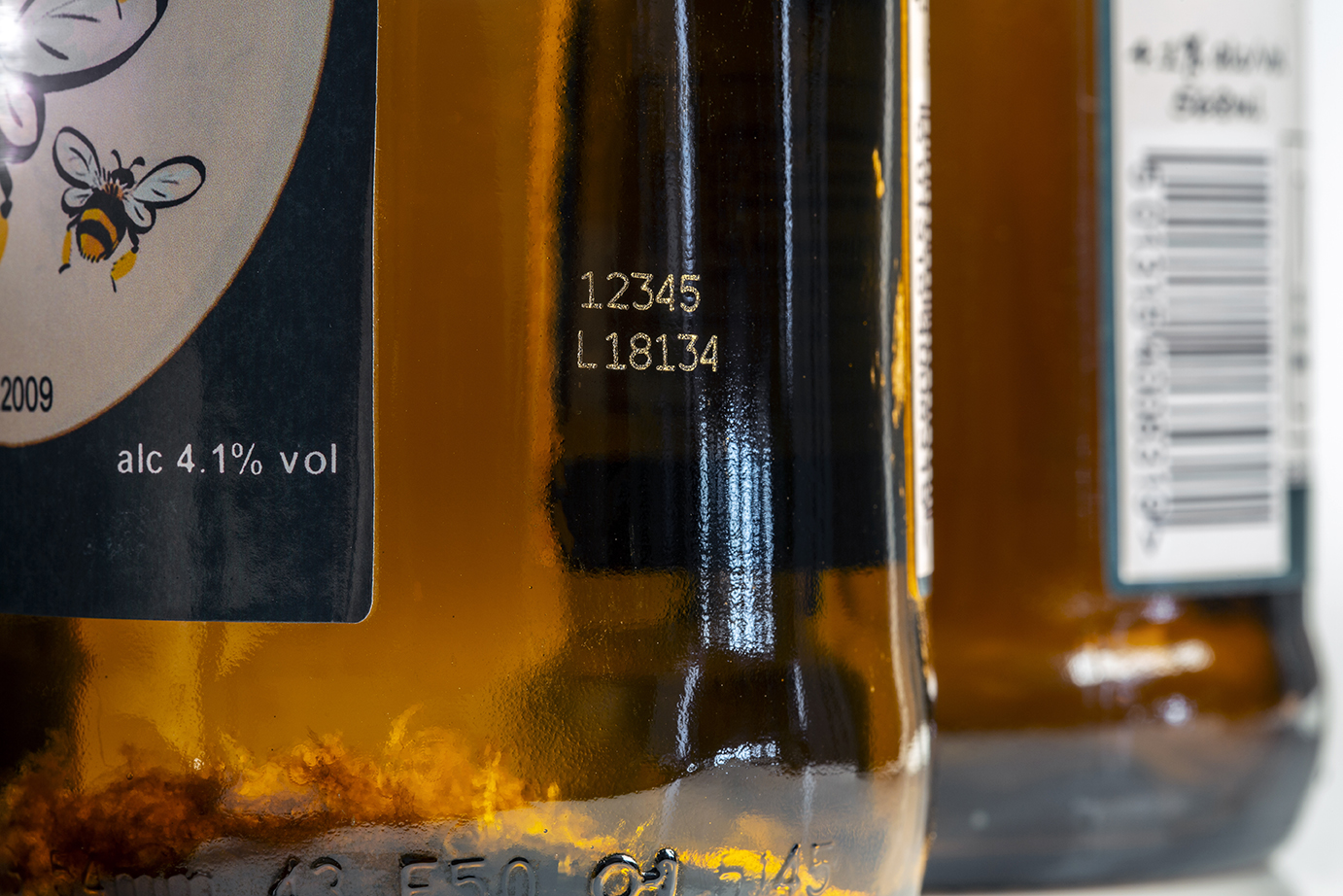
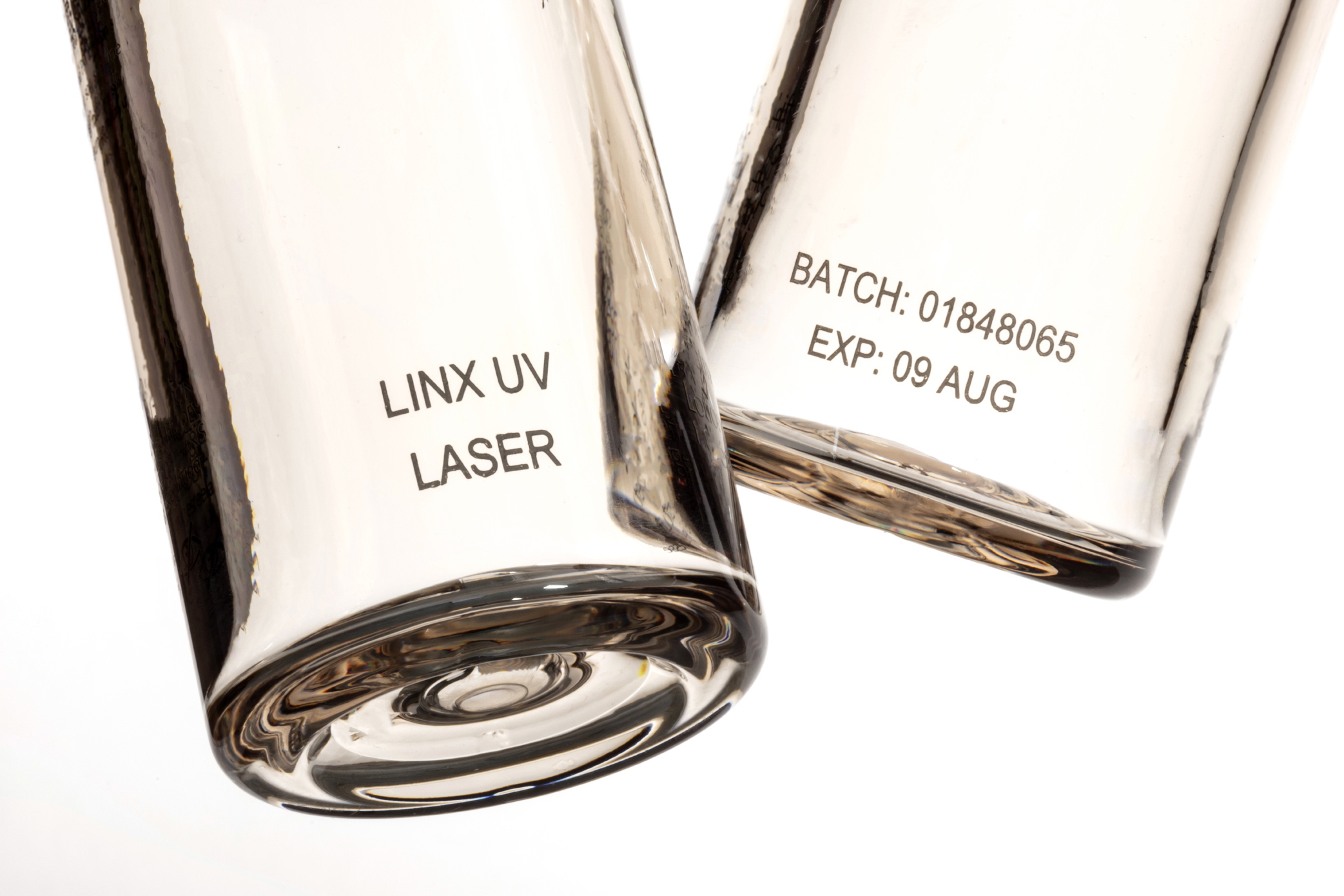
Our high-powered laser coder, the Linx CSL60, can even code onto hard to mark plastics, providing rapid, permanent marking with no need for consumables or ribbon/ink changeovers.
Glass Bottle Coding
Linx offers specialist inks designed for returnable glass bottle applications. Washable and alkali-removable inks withstand distribution and handling yet can be removed during bottle washing processes to support recycling and reuse schemes.
Our laser marking systems can also code directly onto hot or cold glass. Linx have a product marking solution for all types of glass coding requirement.
Bottle Cap Printing
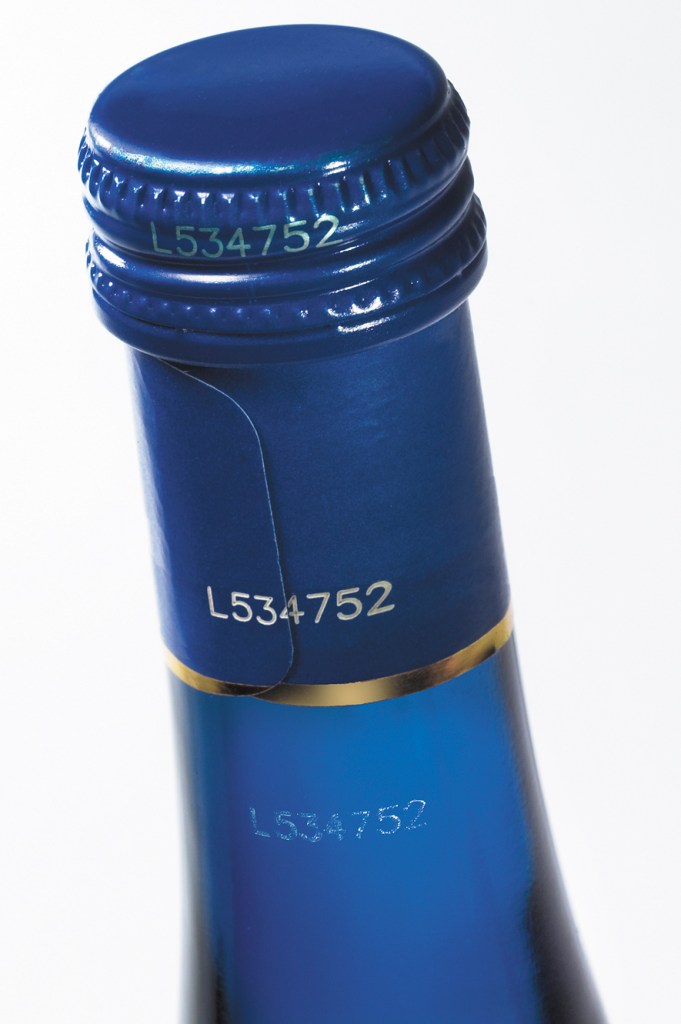
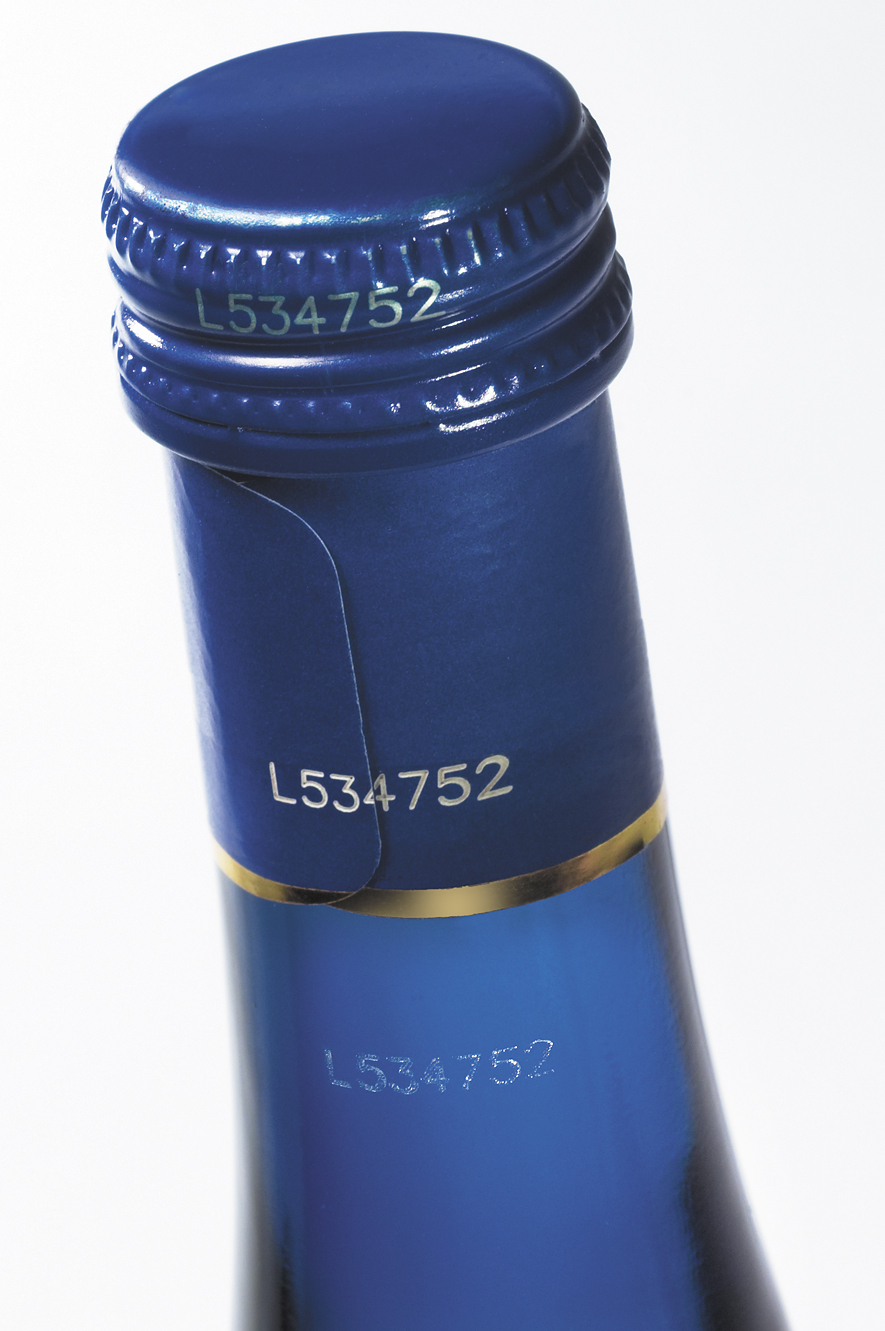
Many industries require date, time, batch or lot codes on bottle caps rather than the bottle body or label. Cap coding presents challenges including small print areas, curved surfaces and the need for precise code positioning on cap edges. Linx bottle coders deliver accurate, high-quality coding onto both plastic and metal caps, ensuring legible and consistent marks even in high-speed production environments.
Label printing
In addition to direct bottle coding, Linx can provide integrated coding and labelling solutions by integrating with labelling systems, such as Chronos, enabling manufacturers to combine high-quality coding with automatic label application where required. Flexible integration options, including compact and right-angle printheads, allow precise code placement even in restricted spaces and on high-speed bottling lines. This provides a complete identification solution for bottles, containers and secondary packaging.
What to look for in a Bottle Printing Machine
Code Content: The code requirements (batch numbers, dates, 2D codes etc.), the size, colour and the desired marking area will affect the coder most suited to your application. Consider a coder that can mark in any orientation for flexible marking on any part of your product e.g on the base. Also think about how the code requirements may change in the future or on other products you produce.
Substrate: Your product material is an important factor is choosing a printing system; is it rigid or flexible, what is it made of, is it flat or curved, dark or light, clear or opaque?
Speed and synchronisation: Bottling lines frequently operate at high, variable speeds. A coding solution should automatically adjust print performance as line speed changes and support shaft encoders and print synchronisation technology to maintain code quality and accurate placement throughout production. Drying time of ink based solutions can be an important consideration.
Production environment: Wet, hot, humid or non-temperature controlled production environments can affect the performance of your printing solution and the printed codes, the IP rating of your coder may be key.
Robustness: High-speed bottling environments demand equipment that can withstand accidental contact and vibration without compromising performance. Durable industrial designs help minimise downtime and maintain reliable operation.
Integration and flexibility: Bottle lines often include filling, capping and labelling equipment with limited installation space. Look for coding systems that offer compact printheads, right-angle printhead configurations and flexible mounting options to simplify integration into bottling and labelling machinery. Compatibility with print-and-apply labelling systems can also help standardise coding and labelling across the production line.
Available budget: It is vital to consider not only the initial purchase price but also the total cost of ownership, including consumables and cost and frequency of servicing. Can the product be user maintained and repaired?
Reliability: On a high- volume line, the reliability of your coder is crucial to avoid product rework, scrappage, line downtime and loss of efficiency. Frequent breakdowns can negate any benefits of a lower purchase price.
Linx Bottle Marking Technologies
Whatever your substrate, line speed and operating environment, Linx can provide you with a suitable batch & date coder for bottles. Browse our different technologies from the options below:
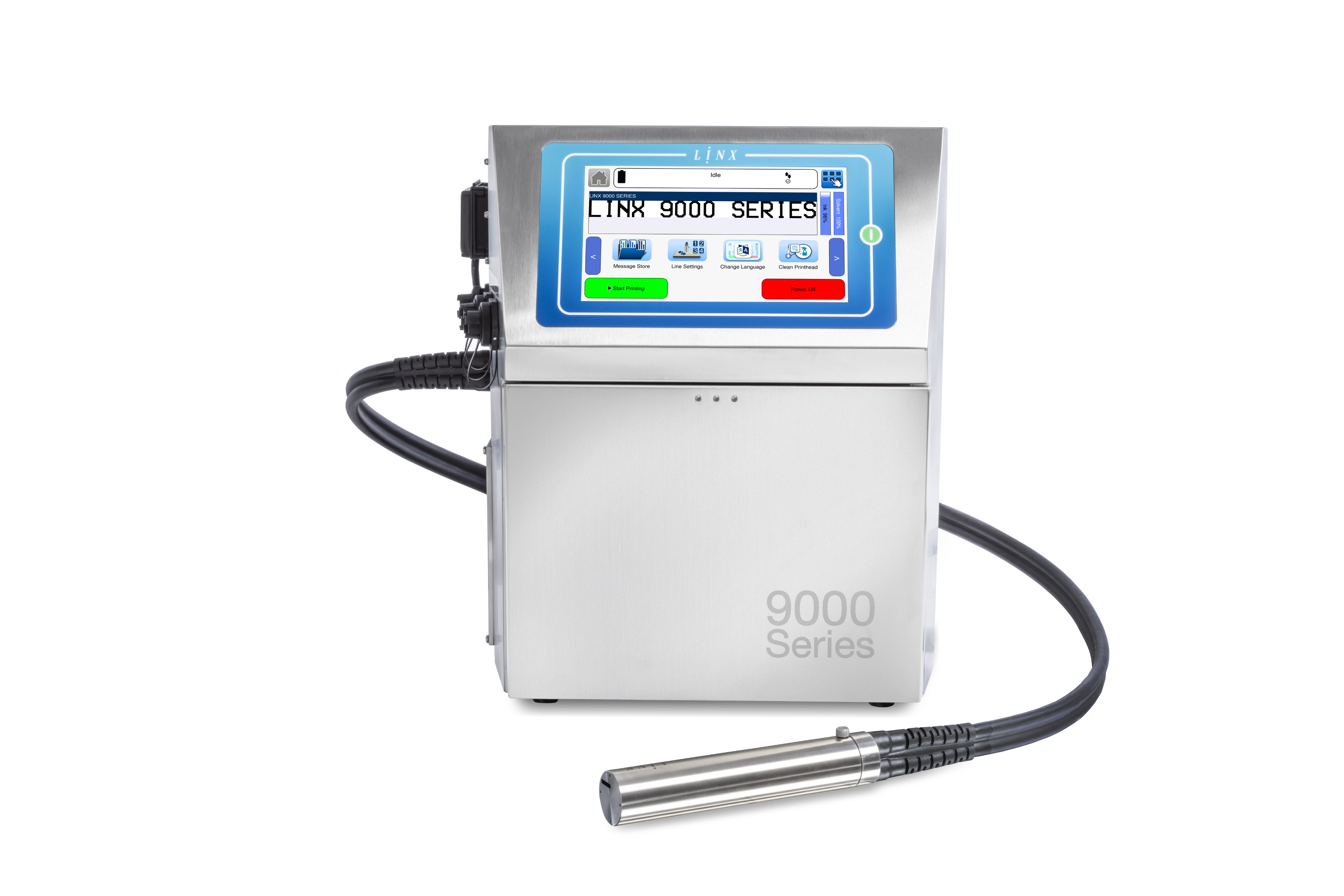
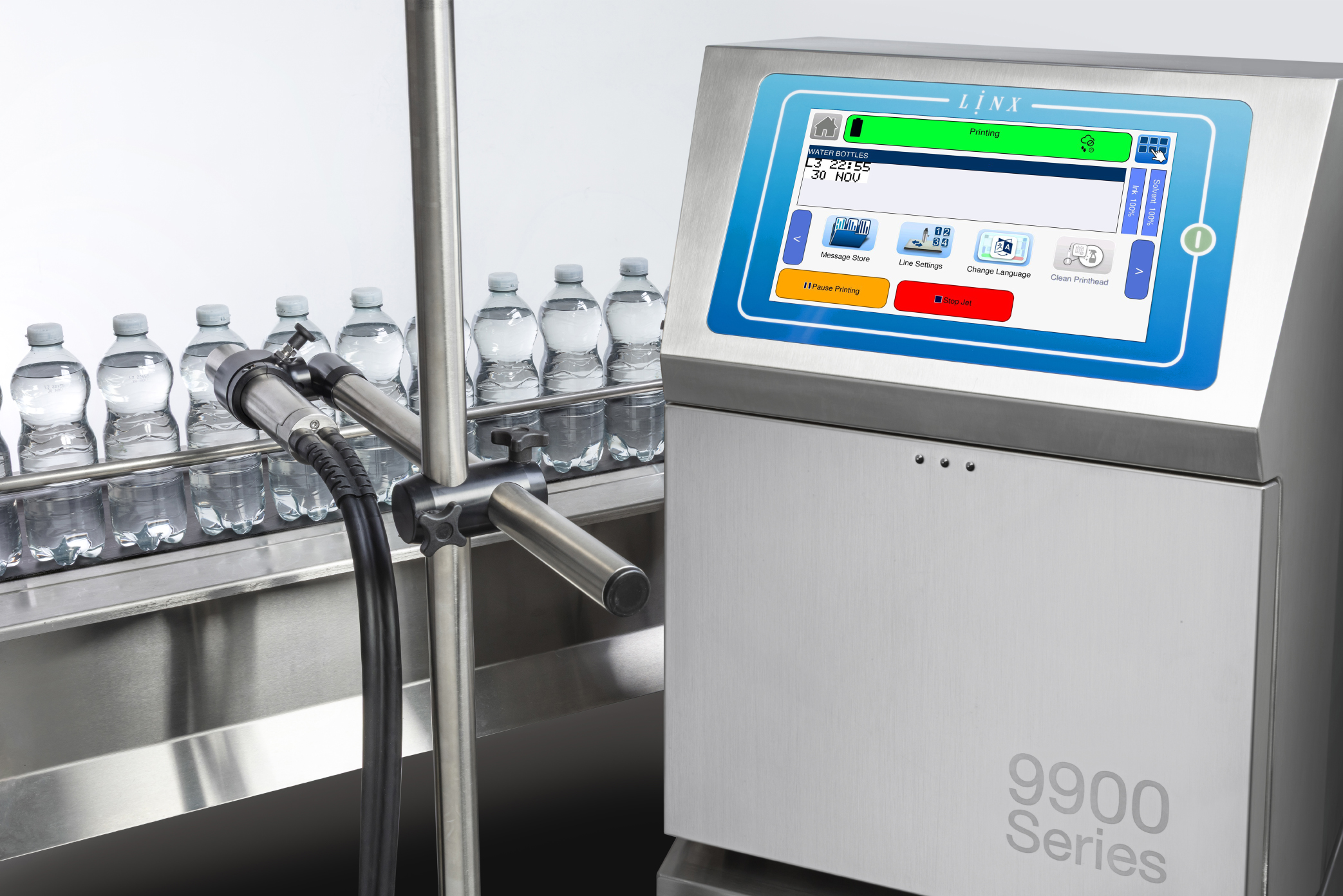
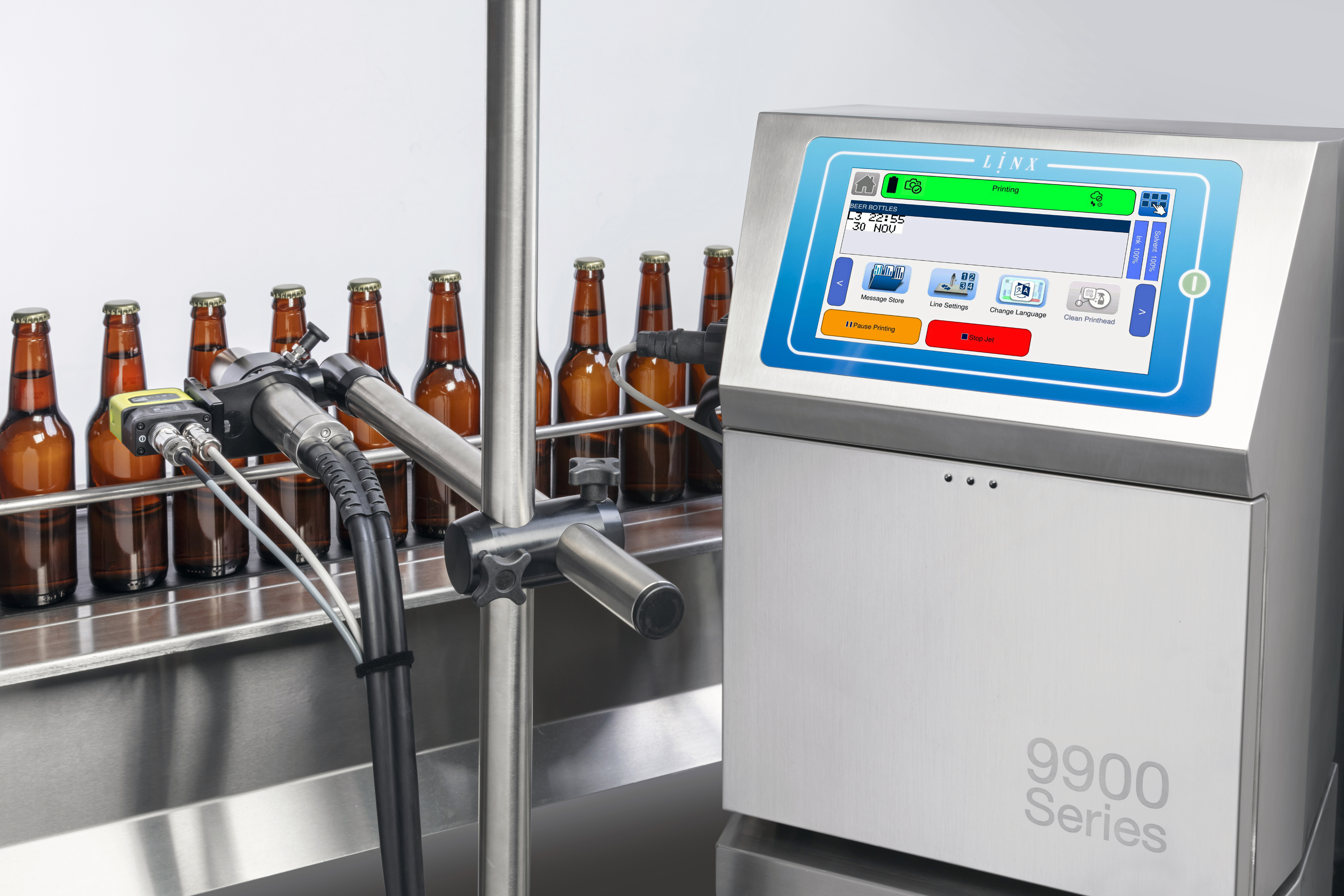
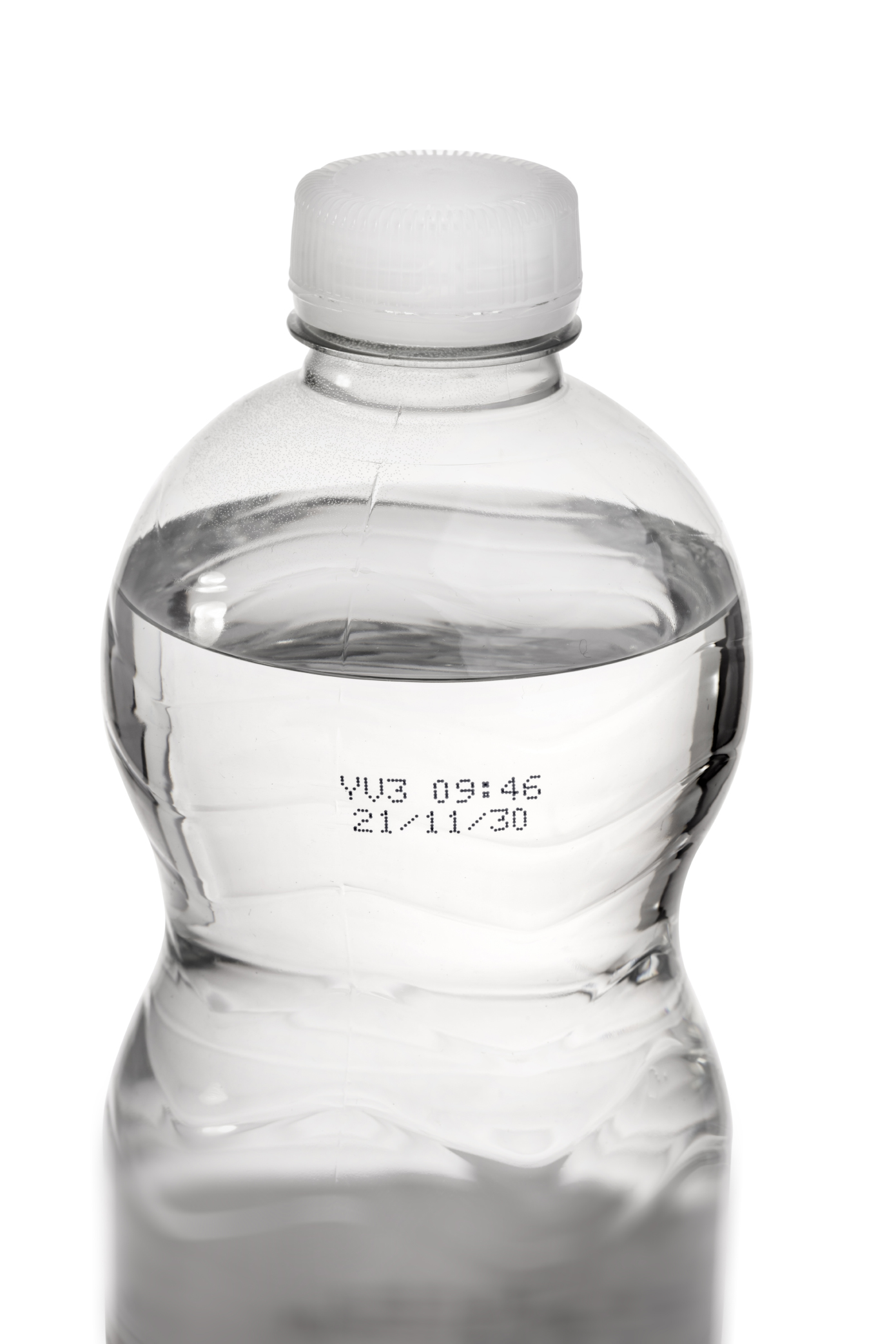
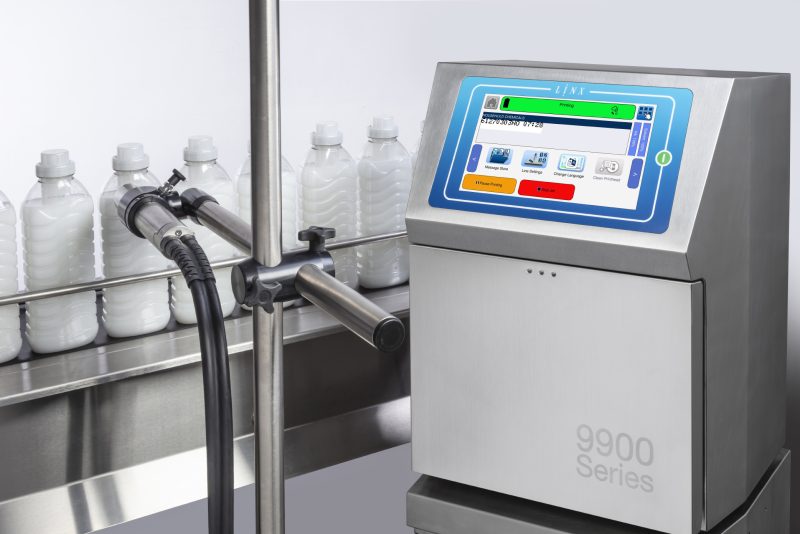
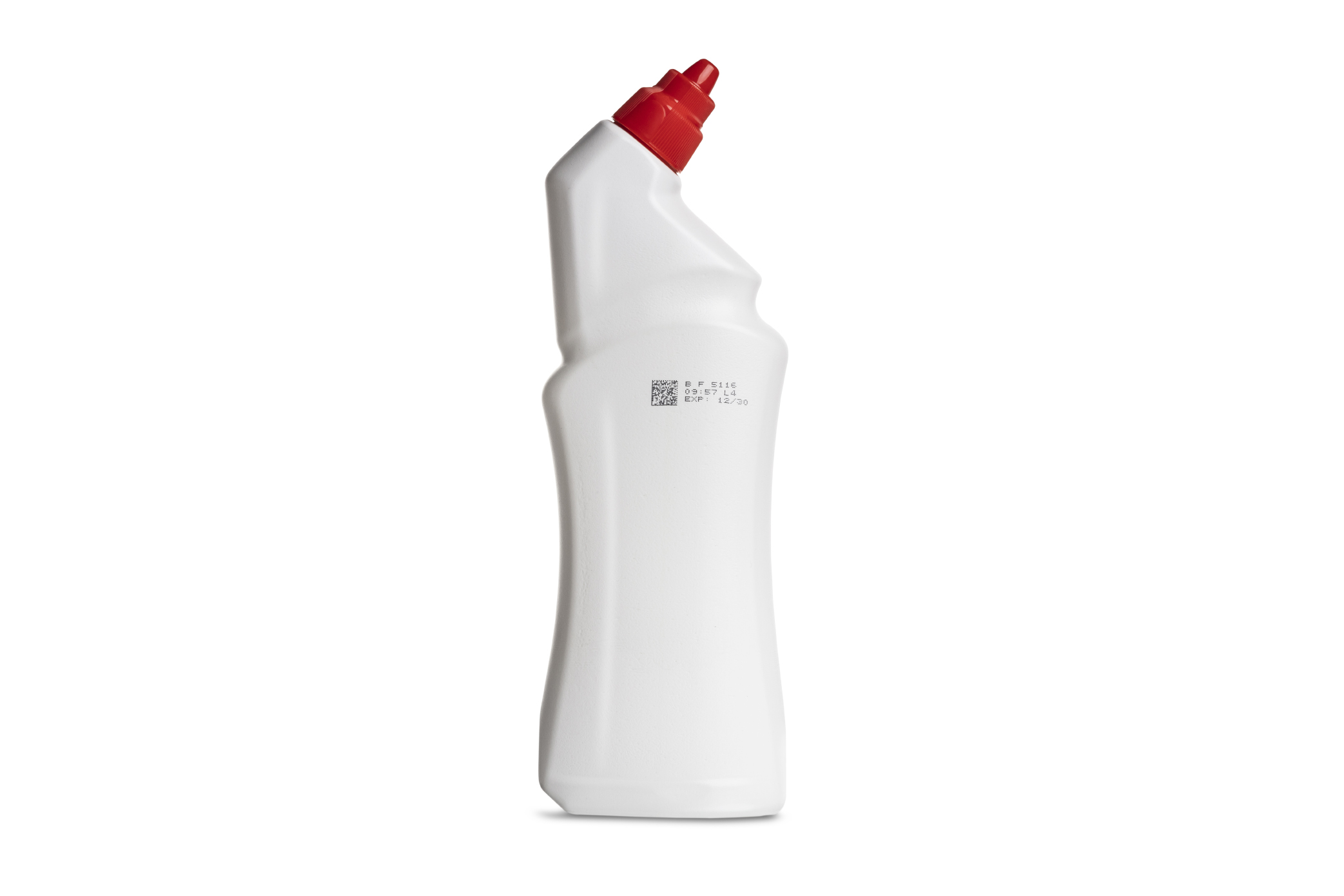
Linx 9000 Series
Flexible options for high-speed marking
Features
Suitable for 24/7 operations | Data Matrix and QR codes |GS1 compliant 2D codes | GS1 code builder | High-speed production | Print up to 6 lines | Black and coloured inks
Key Benefits:
- Excellent print on curved surfaces and any orientation
- Reliable operation in hot, dusty, wet, or non-temperature controlled environments
- Spectrum models deliver high-opacity codes on dark glass, while specialist beverage inks provide reliable coding on cold-fill glass and returnable bottles with water- or alkali-removable options.
- Compact and right-angle printhead options simplify integration into bottling and labelling equipment.
- Shaft encoder and print synchronisation capabilities maintain code quality across varying line speeds.
- 50 micron printhead option enables coding on bottle necks, caps and other restricted print areas.
- Hygienic IP65 design with no water traps supports washdown and beverage production environments.
- Robust industrial construction helps prevent unplanned downtime on high-speed bottling lines.
- Integrated performance monitoring, alarms and beacon options help operators identify issues quickly on high-volume lines.
- Remotely manage your bottle coding through Linx cloud-based PrinterNet

Linx CSL Series
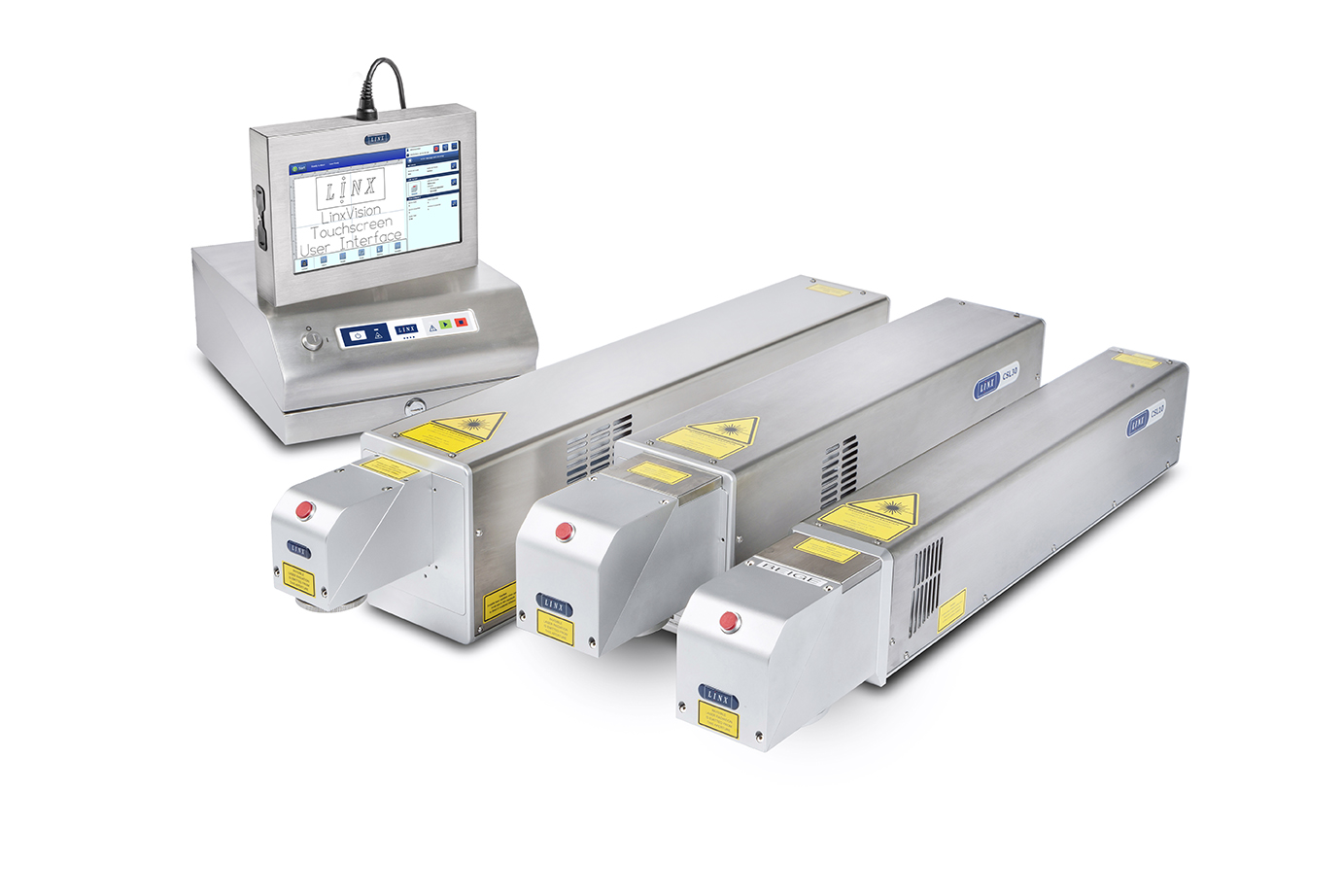
High speed and permanent marking for plastic and glass bottles plus minimal running costs
Features
Suitable for 24/7 operations | Data Matrix and QR codes | Batch and date coding | Print unlimited lines of text | Ideal for glass, and plastics
Key Benefits:
- High-speed coding up to 900m/min
- Over 20,000 configurations to meet complex code requirements
- Zero consumables
- Quick to deploy and transfer to new lines
- Multiple beams allow for coding at any orientation
Bruichladdich Distillery Co. Ltd
Two Linx CSL30 laser coders are delivering high quality codes and significantly reduced downtime for a premium Scottish whisky and gin producer.
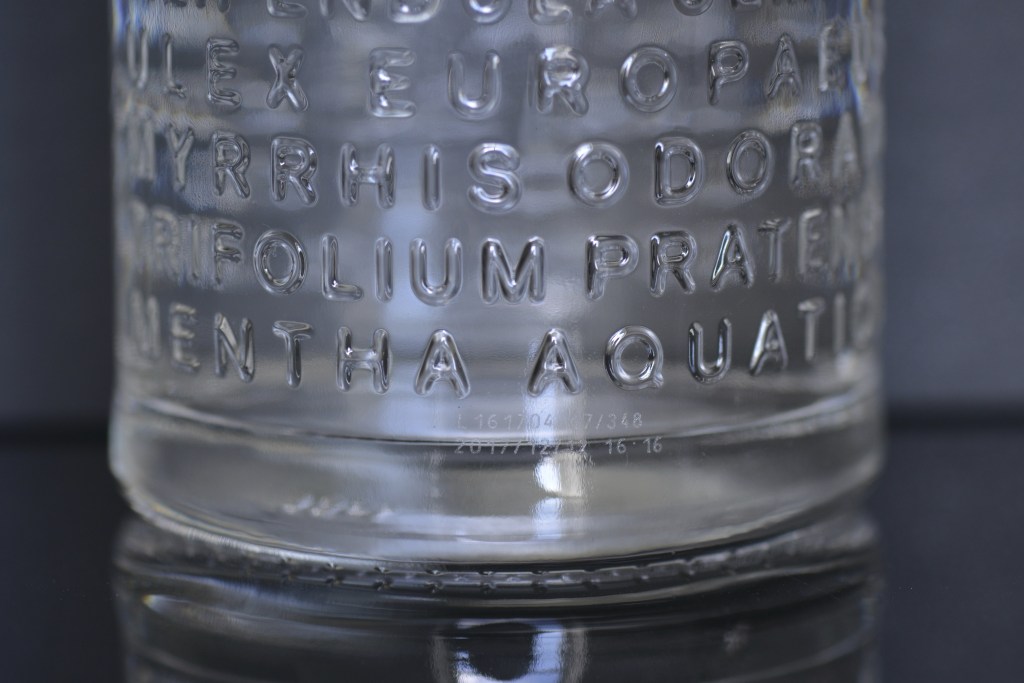
The laser coders are used to apply a unique bottle number, and production date and time onto glass bottles at Bruichladdich Distillery Co. Ltd, based on the Isle of Islay in the Inner Hebrides.
The quality and permanent codes produced by the Linx CSL30 are enabling the company’s Botanist Islay Dry Gin bottles to meet the demands of their export markets for high-quality codes.
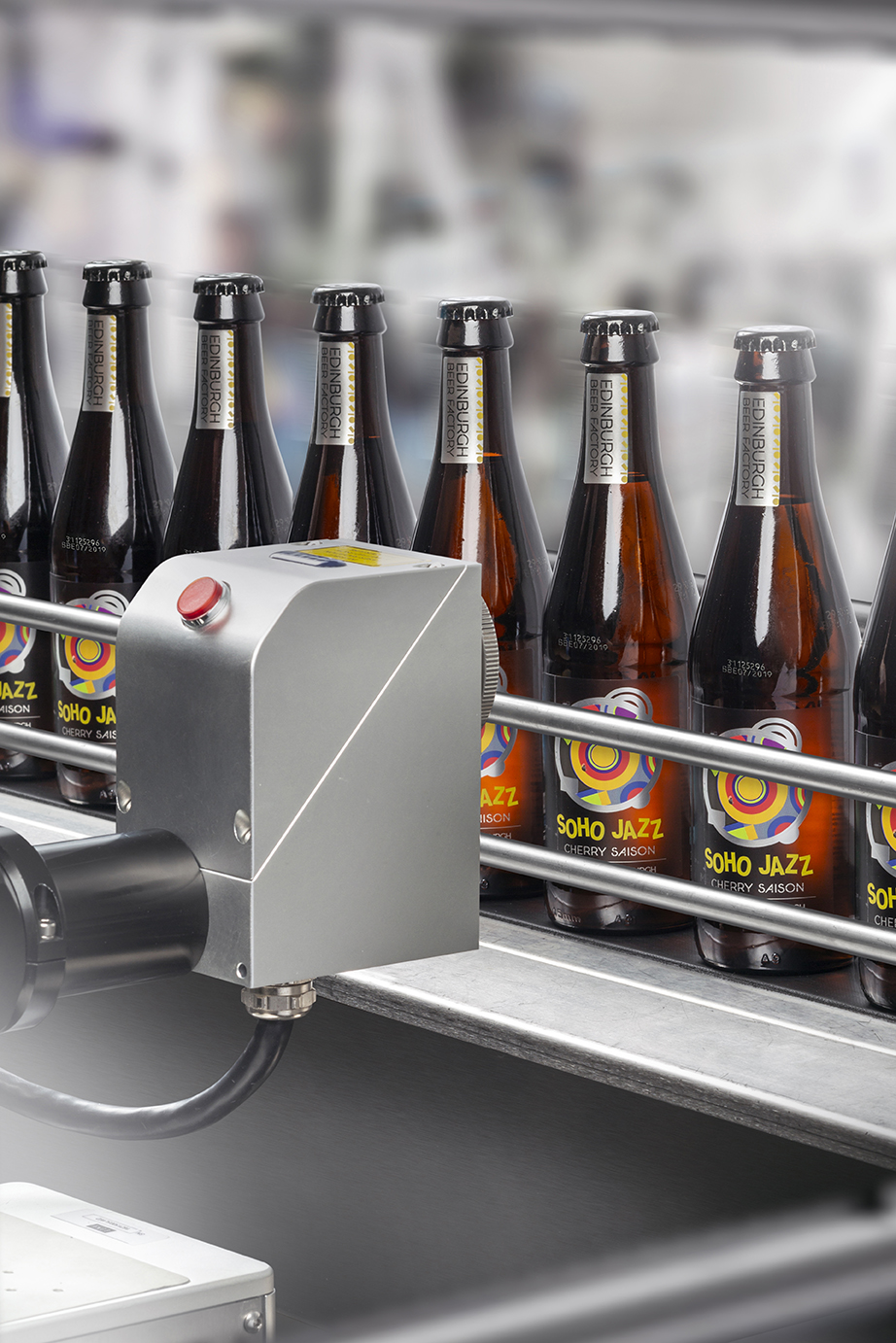
Installed in the bottle labeller, the Linx CSL30 laser coder can apply codes from a wide range of distances, ensuring easy integration into production lines. In Bruichladdich’s case, the laser is installed in the bottle labeller, which means the laser head has to sit further away, yet the quality of code remains high.
The company was so impressed with the quality of the code that they purchased a second Linx CSL30 laser coder for their malt whisky line.
“As a producer of premium spirits, it’s vitally important that the codes on our bottles are clear and sharp and in keeping with the brand’s expectations,” explains Jonathan Carmichael, Bottling Hall Manager at Bruichladdich. “Another key factor in the decision to install a laser coder was the low maintenance required, meaning less downtime in production”.

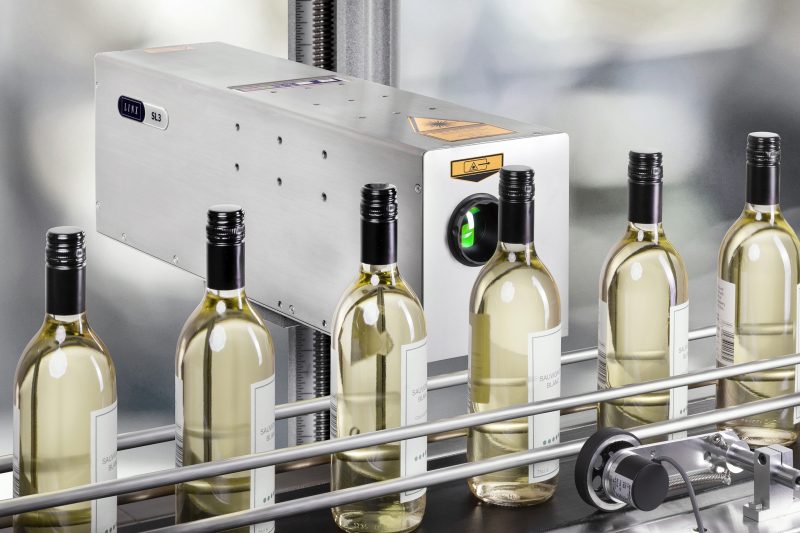
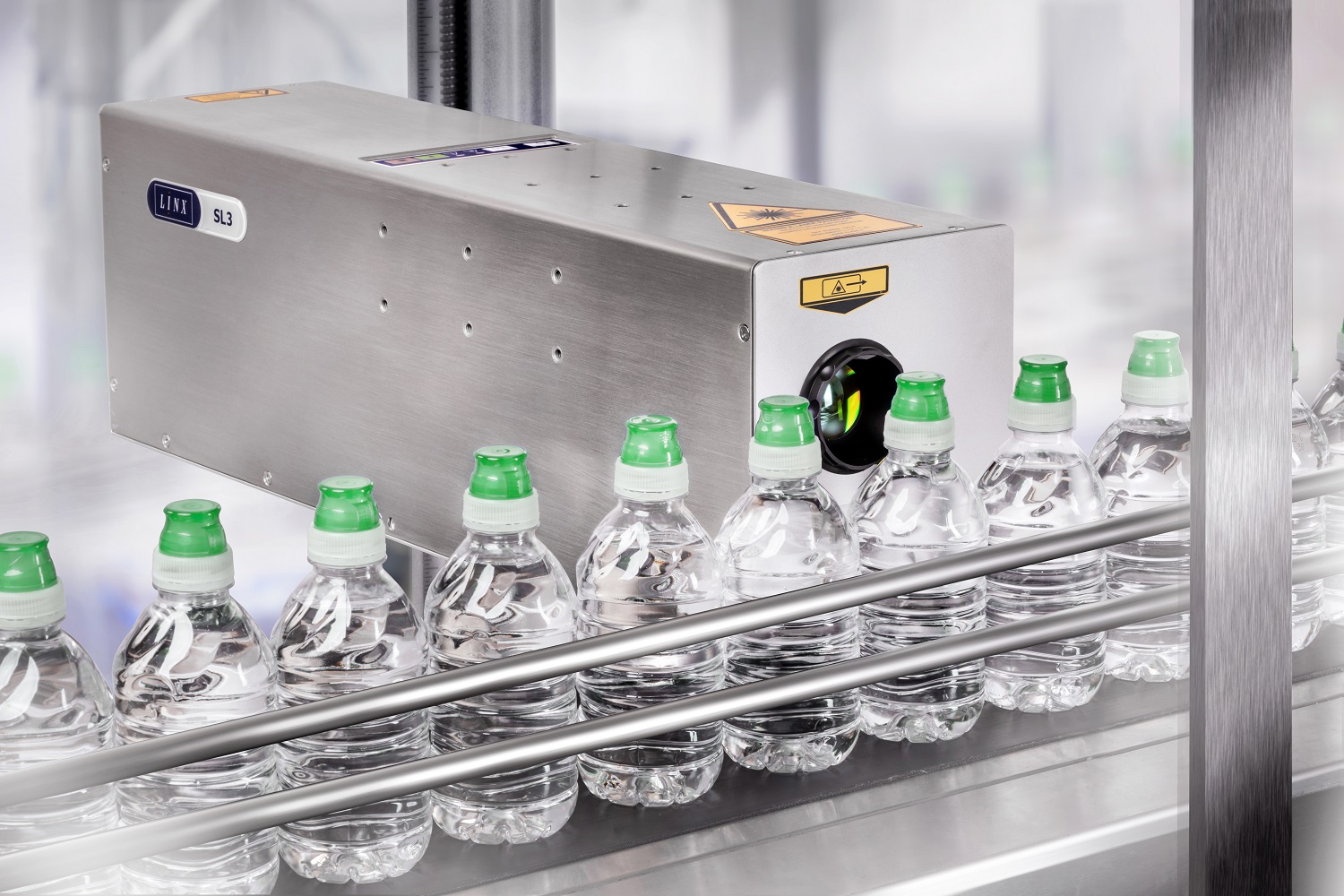

Linx SL3
30W compact and robust laser coder
Features
Suitable for 24/7 operations | Data Matrix and QR codes | Print unlimited lines of text | Batch and date coding | IP54 stainless steel enclosure | Ideal for glass, metal, plastic and card.
Key Benefits:
- Single unit installation with multiple mounting positions
- 2 year laser tube warranty
- Code up to 360m/min
Not sure which solution is right for your bottle coding?
Contact us to find the best solution for your marking and coding needs
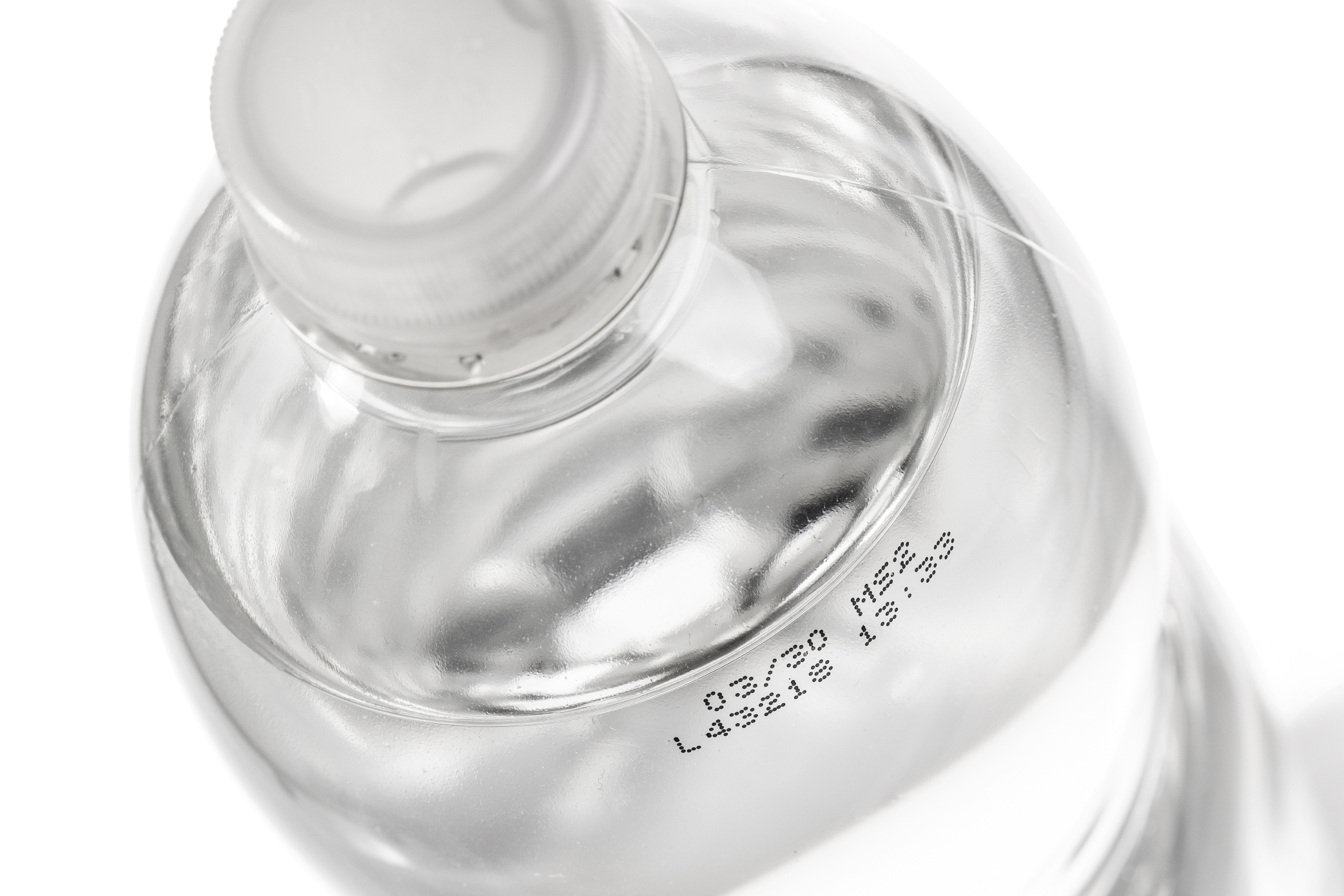
Solutions for plastic marking including inks for enhanced adhesion
Removable and permanent solutions for coding and marking glass
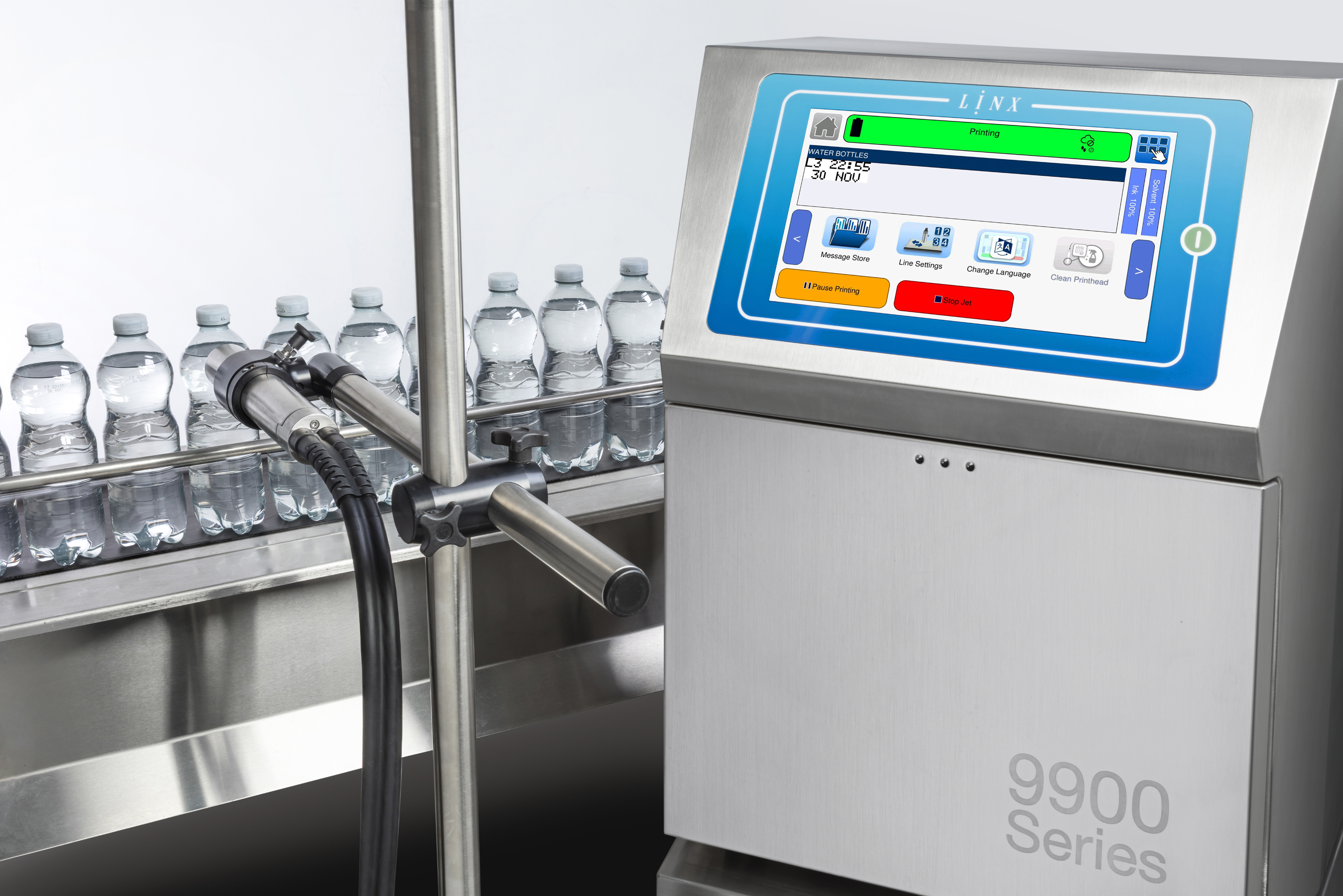
High-speed printing directly on bottles, cans and packaging for the beverage industry
FAQ
Bottle coding is the process of printing variable information directly onto bottles during production, such as dates, batch numbers, barcodes or 2D codes, to support identification and traceability.
A wide range of bottles can be coded, including glass, plastic (e.g. PET, HDPE) and metal containers. The best coding solution will depend on the material, shape and production environment.
Common bottle codes include expiry or best‑before dates, batch or lot numbers, manufacturing dates, barcodes, 2D codes and sometimes logos or promotional information.
The most common technologies are continuous inkjet (CIJ), laser coding and thermal inkjet (TIJ). Each offers different benefits depending on the required code durability, speed and substrate.
The best solution depends on factors such as bottle material, required code type, production speed, environment and whether you need a permanent or removable mark.
Yes, industrial bottle coding systems are designed to operate at high speeds while maintaining consistent code quality, making them suitable for large-scale manufacturing environments.
Yes, most modern coding technologies are non-contact, allowing them to apply clear, accurate codes on curved or uneven bottle surfaces without compromising quality.
Yes, many coding solutions are designed to perform reliably in environments with moisture, temperature variation or washdowns, with suitable inks or robust equipment options available.