
Printing on Rigid Plastics
The use of plastics in packaging has grown significantly in recent years, driven by the need for lightweight, durable, and cost-effective solutions across a wide range of industries. Today, plastics are one of the most common packaging materials, used in both rigid formats such as bottles, containers, and caps, and flexible formats such as films, flow wraps, and pouches. This versatility has made plastic packaging a preferred choice for food, beverage, personal care, and industrial products, supporting efficient production, transportation, and product protection.
Printing onto rigid plastics, including polyethylene (PE or PET), polypropylene (PP or OPP), HDPE, PVC and Nylon, presents a number of unique challenges: non-porous surfaces, low surface energy, huge variety of plastics including coatings and laminates, and surface contaminants.

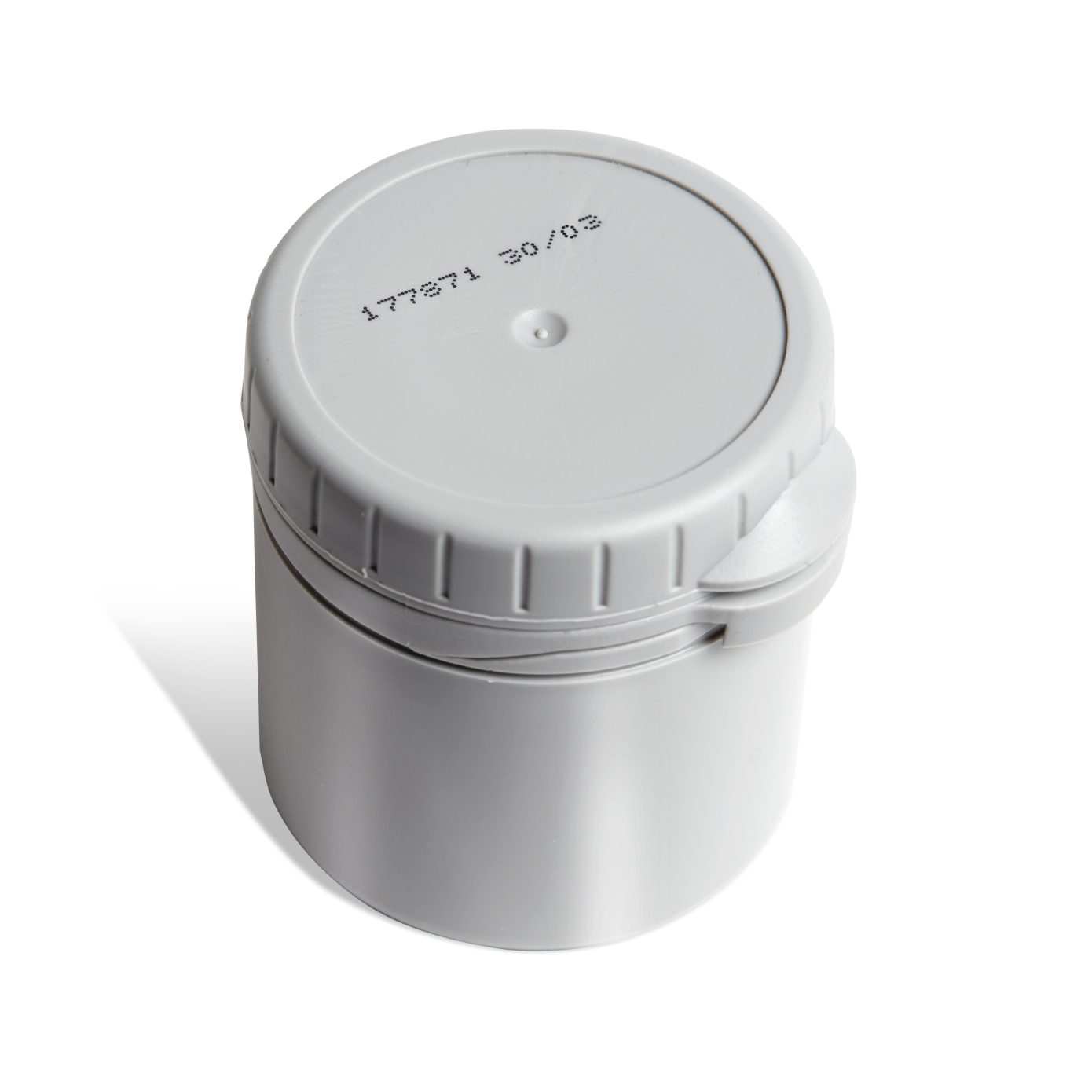

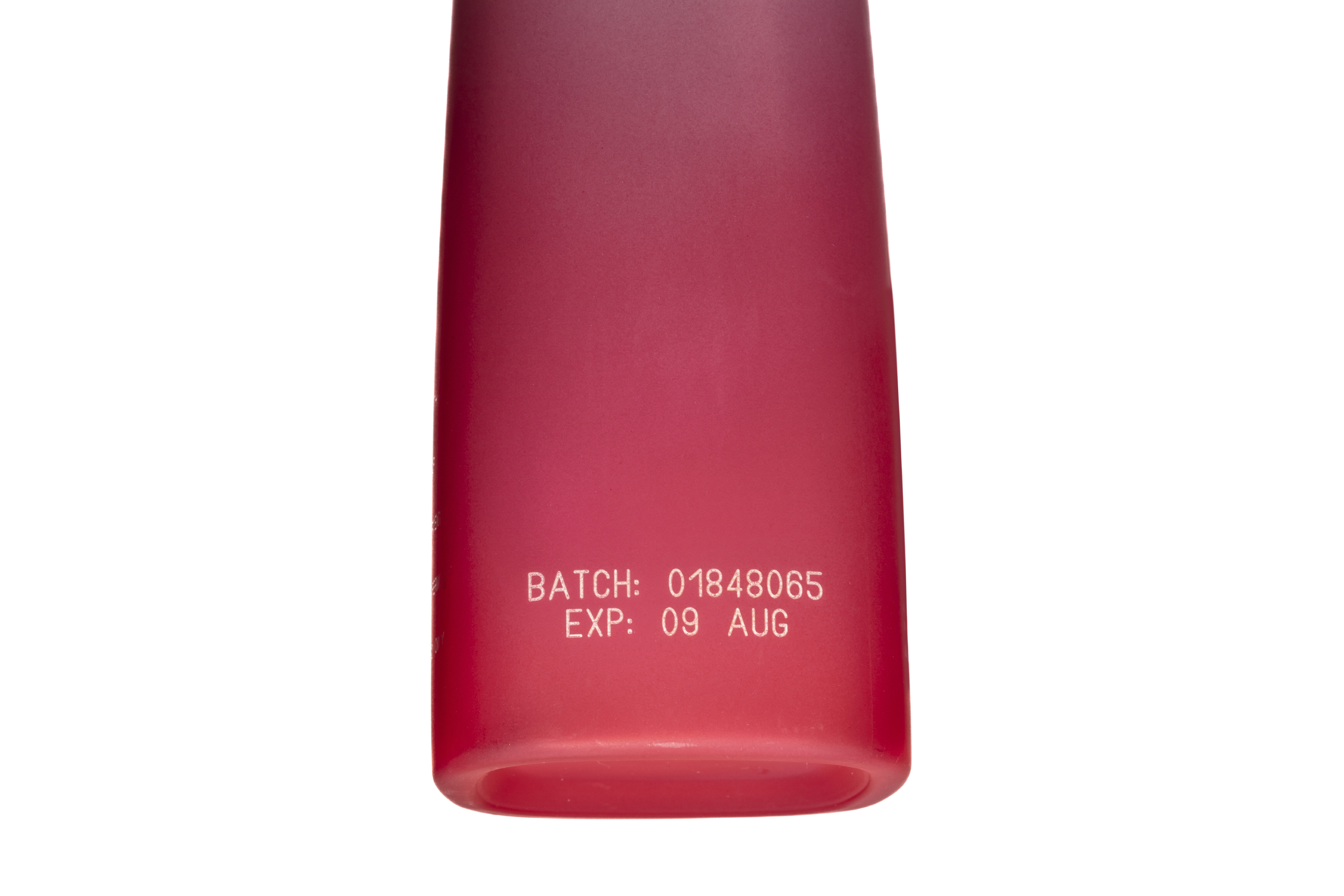
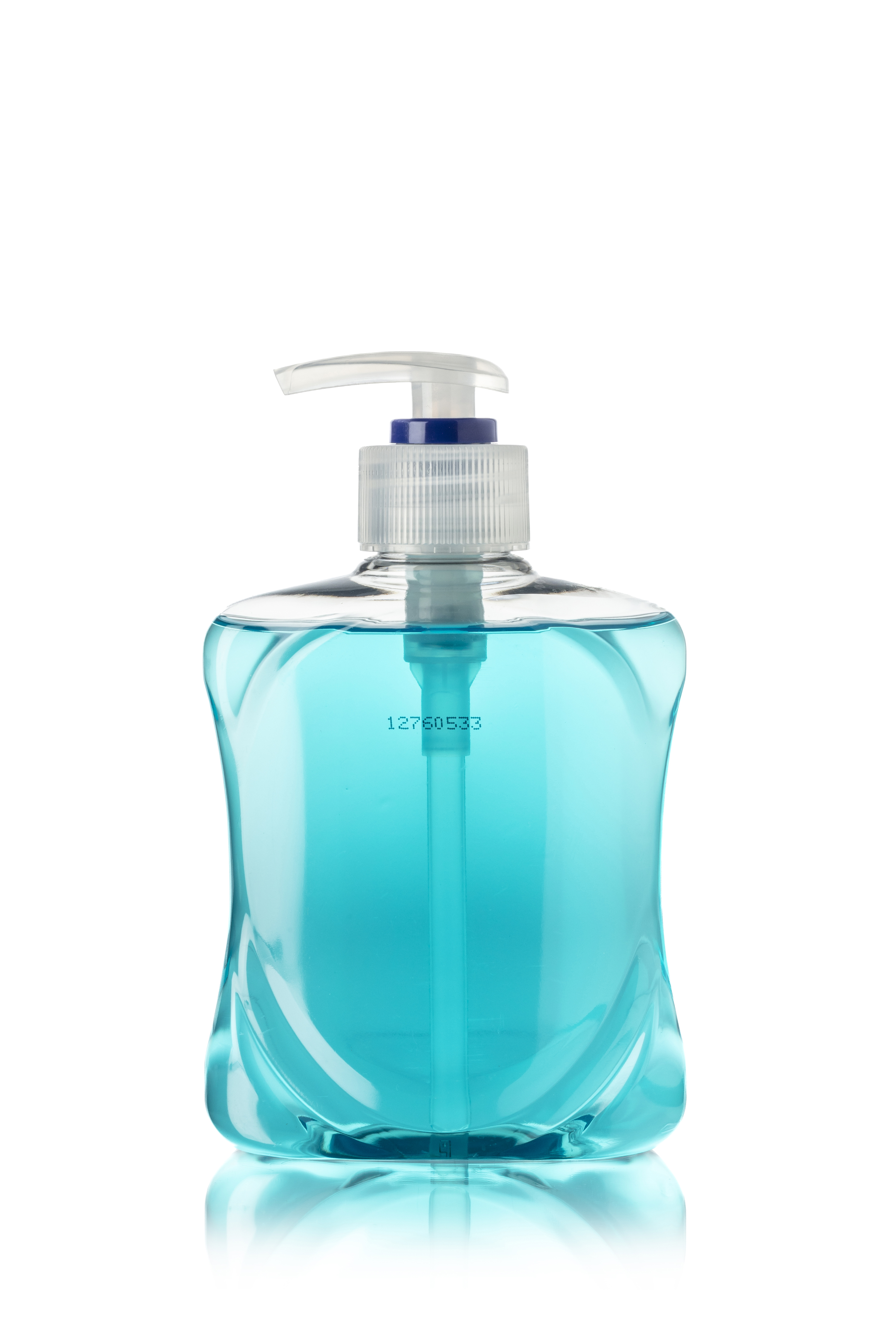
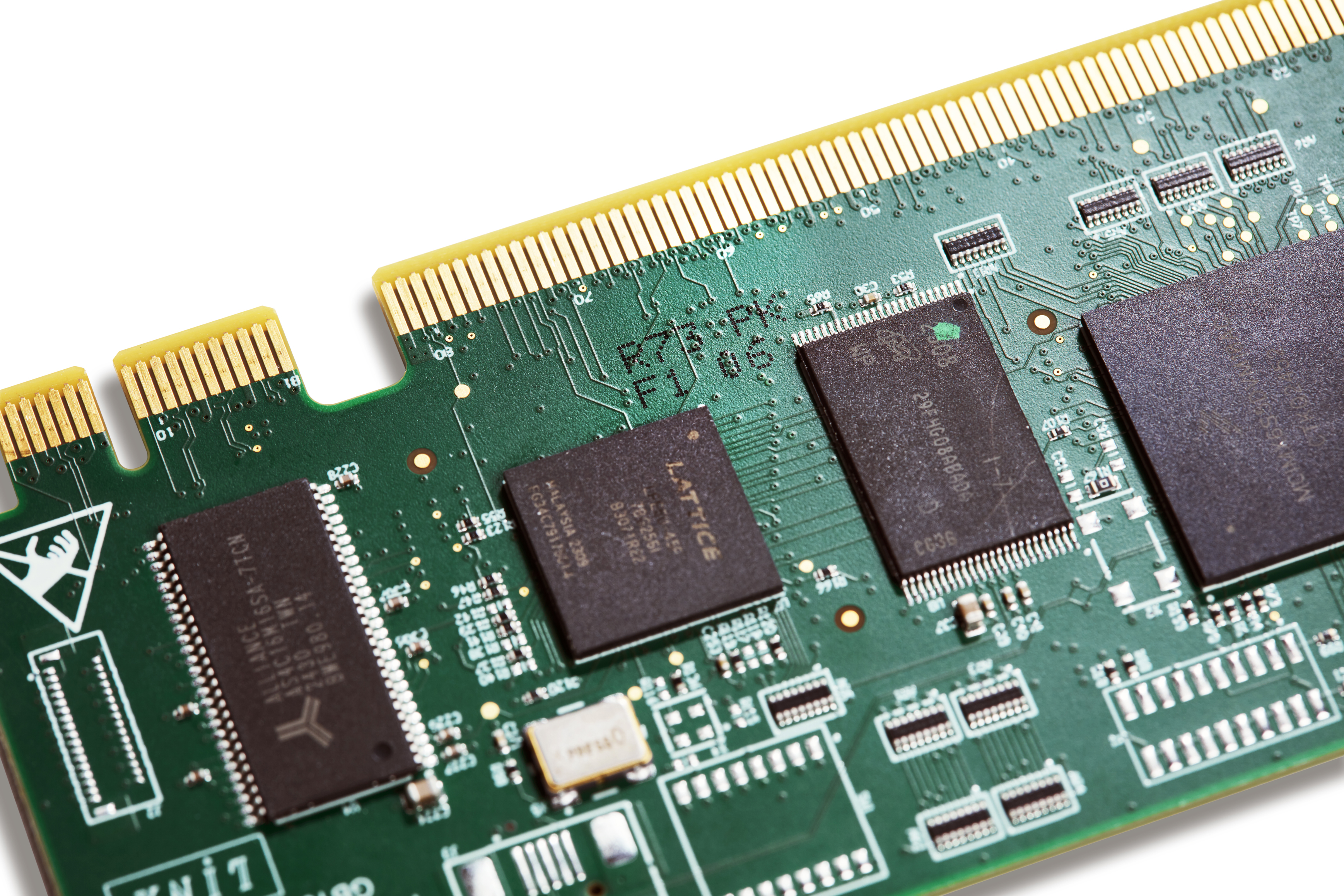
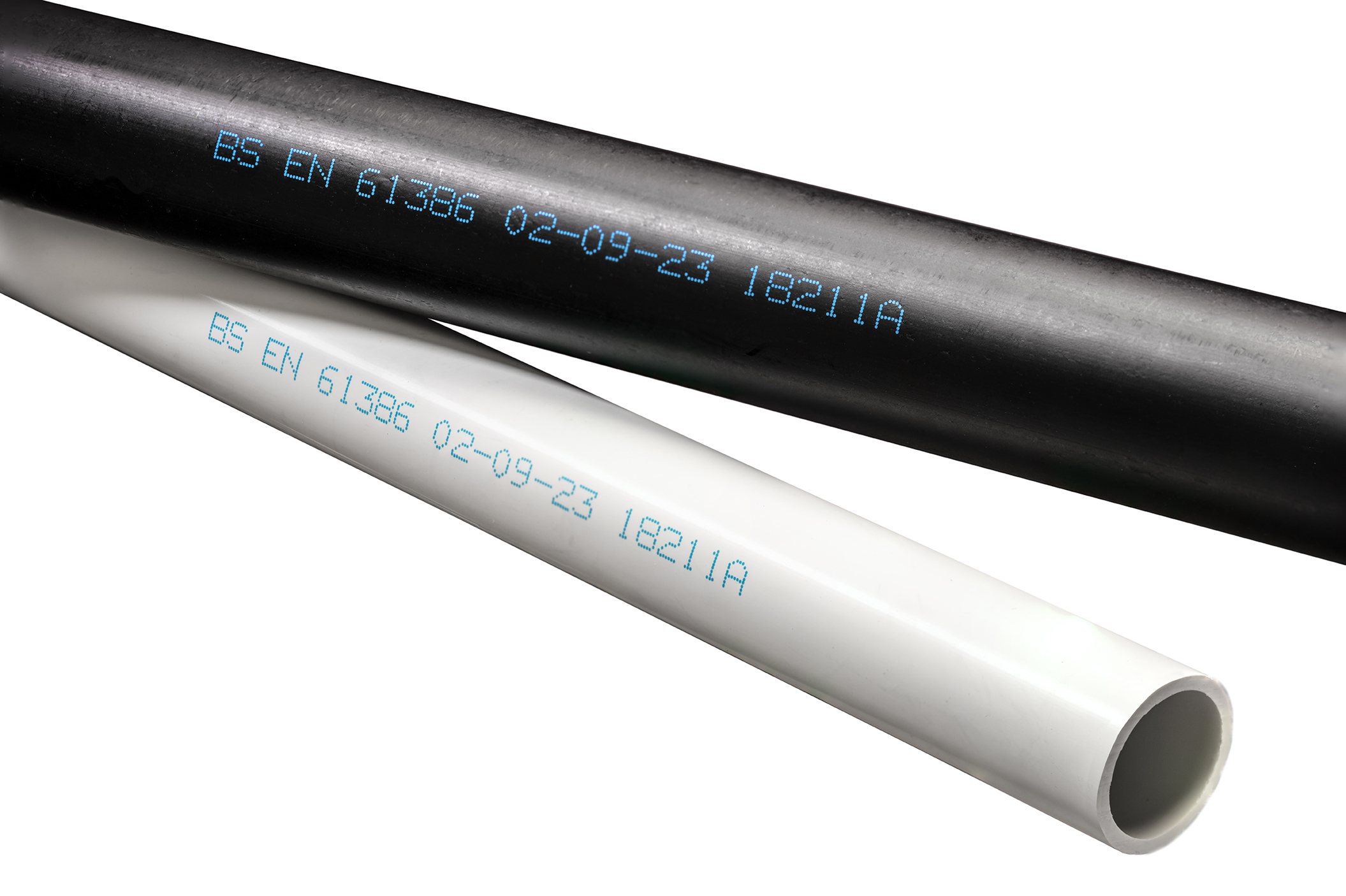
Challenges in Marking Rigid Plastics
Many common rigid plastics, including HDPE and PP, have low surface energy, making it difficult for inks to wet and bond effectively. This often results in poor adhesion, with codes that can flake, rub off, or fail durability tests.
Rigid plastics are typically smooth and non-absorbent, so inks remain on the surface rather than being absorbed. This increases the risk of smudging or marking damage before the code has fully dried or bonded.
Additives such as mould release agents, oils, or dust from the moulding process can remain on the surface and further reduce adhesion, leading to inconsistent or unreliable codes.
Rigid plastics vary widely in composition (e.g. PET, HDPE, PVC, nylon), colour, and additives. These differences affect how inks or lasers interact with the surface, making it difficult to achieve consistent results across multiple products or production lines.
Rigid containers are exposed to significant abrasion during filling, capping, packing, and transport. Codes must withstand rubbing, stacking, and contact with other products without degrading or becoming unreadable.
Many rigid plastics are coloured or opaque, which can make it difficult to achieve clear, high-contrast codes without specialised inks or marking methods.
Rigid packaging lines often run at high speeds, meaning marking solutions must deliver fast drying or instant marking without compromising code quality or accuracy.
What is an Industrial Plastic Coding Machine?
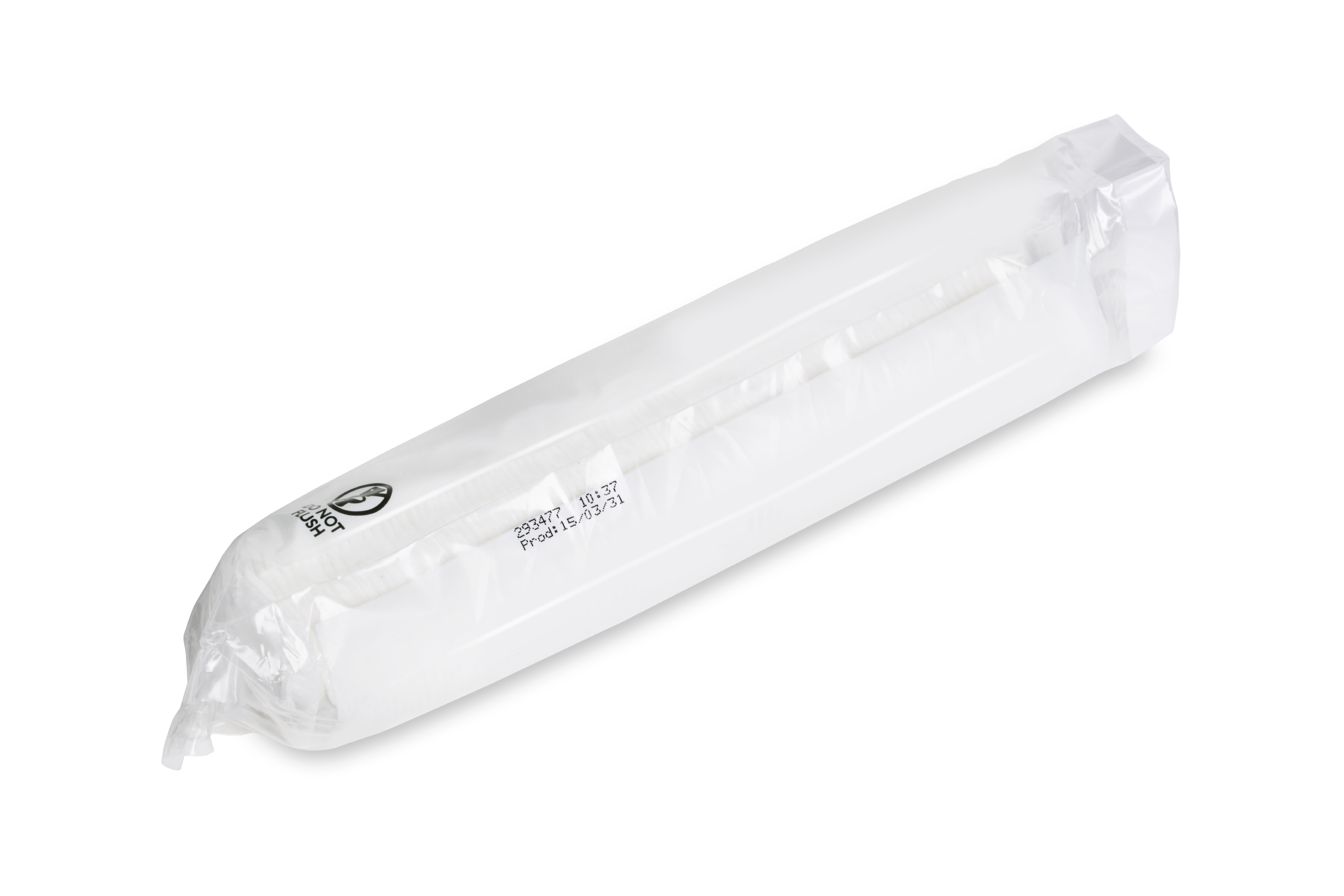
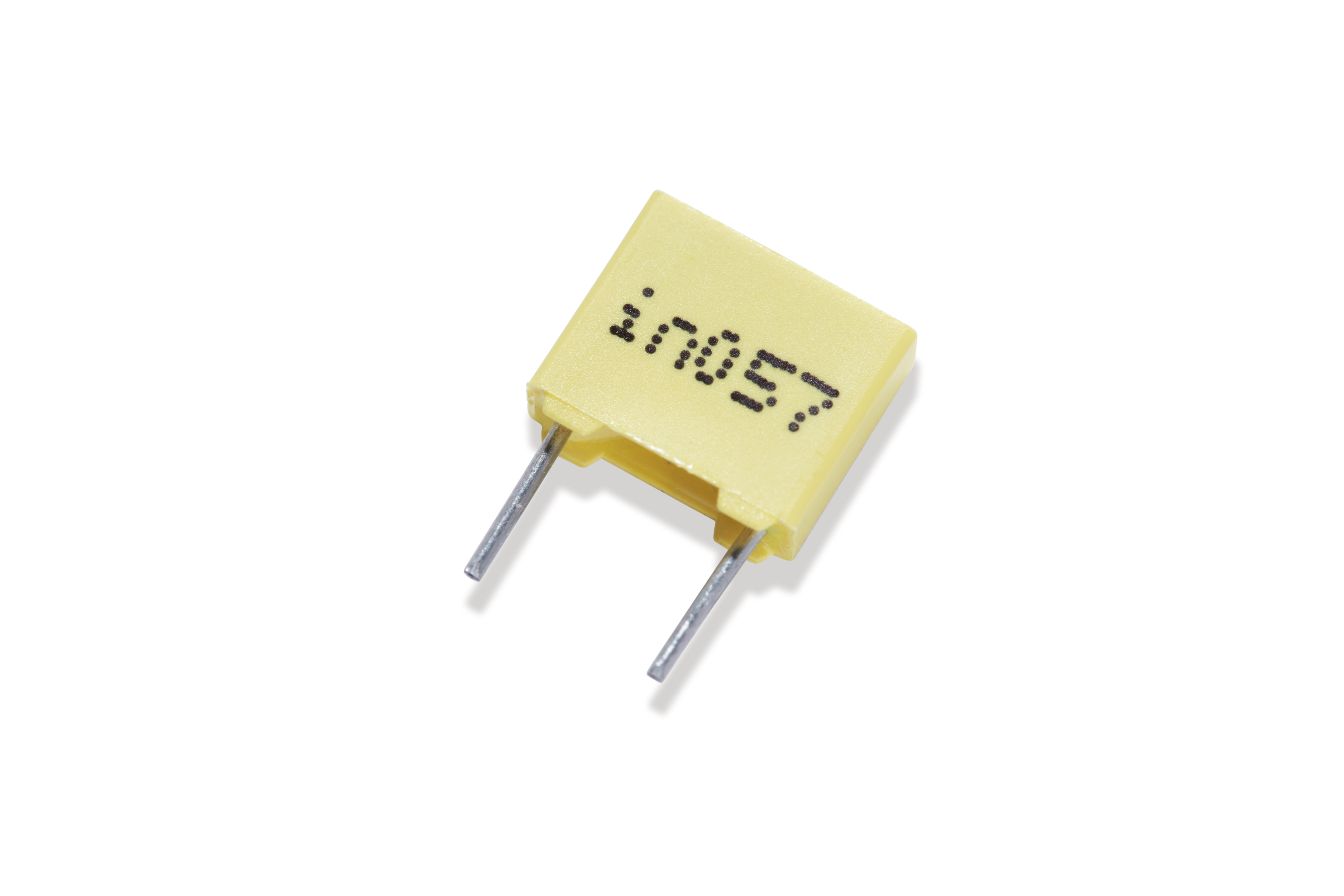
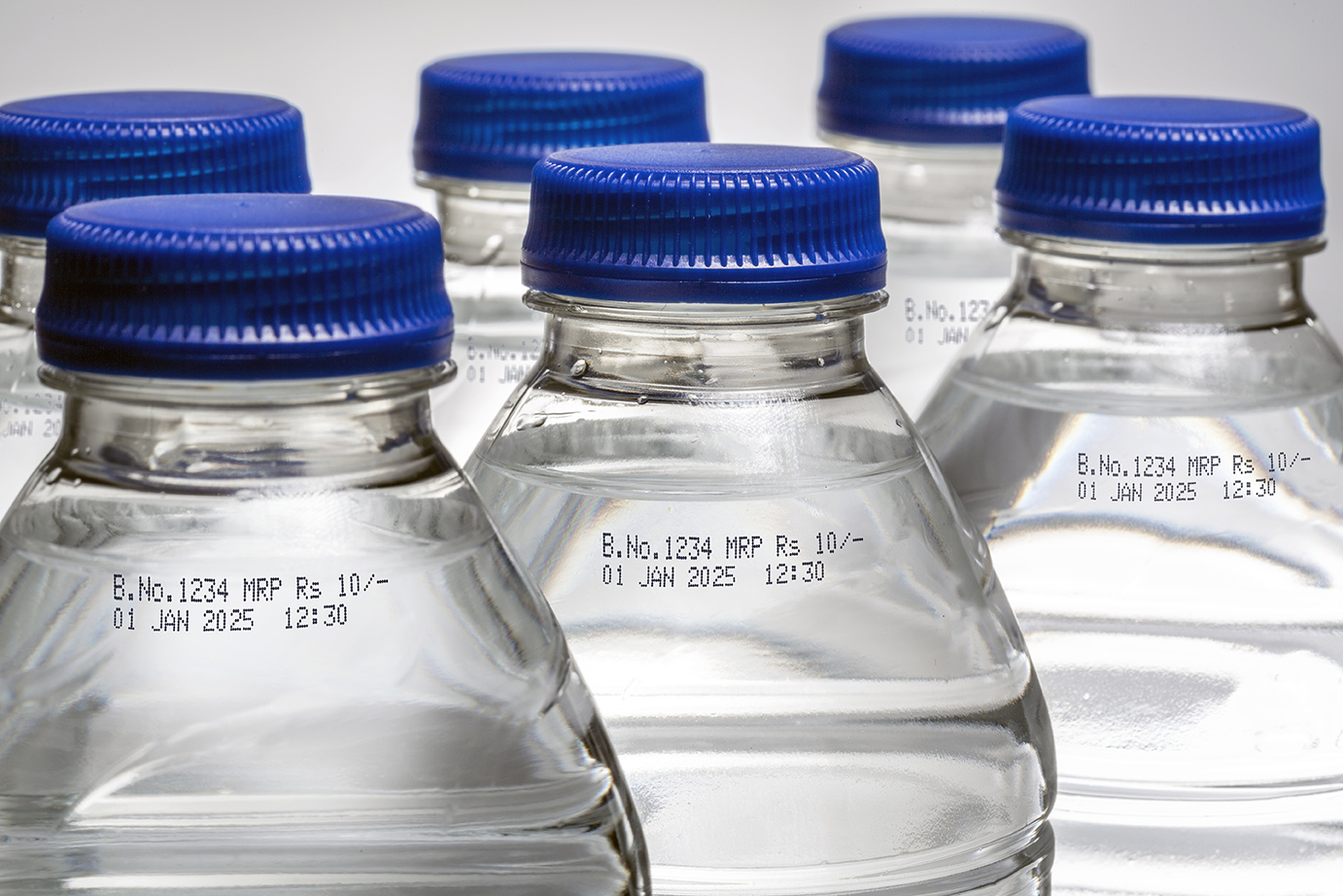
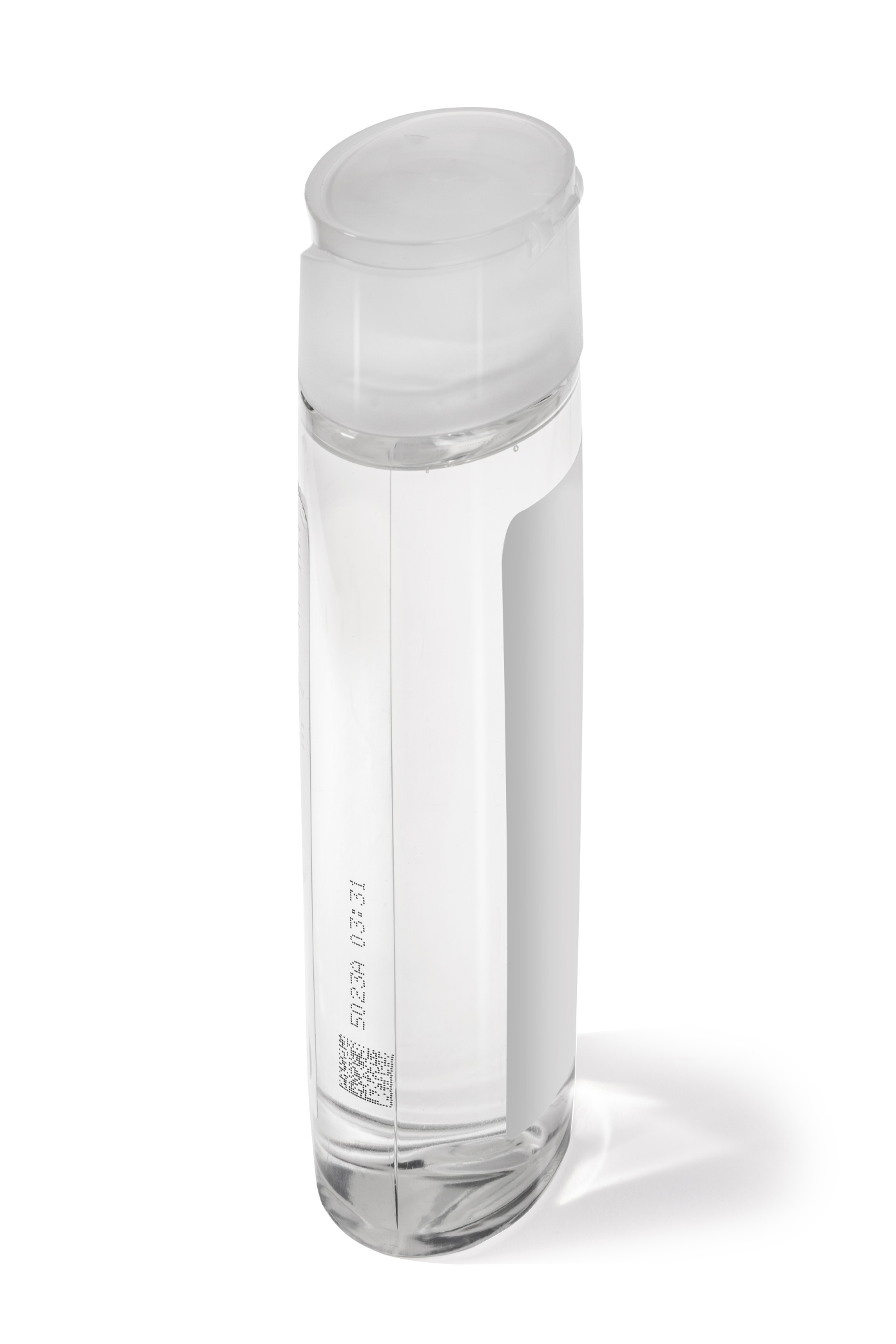
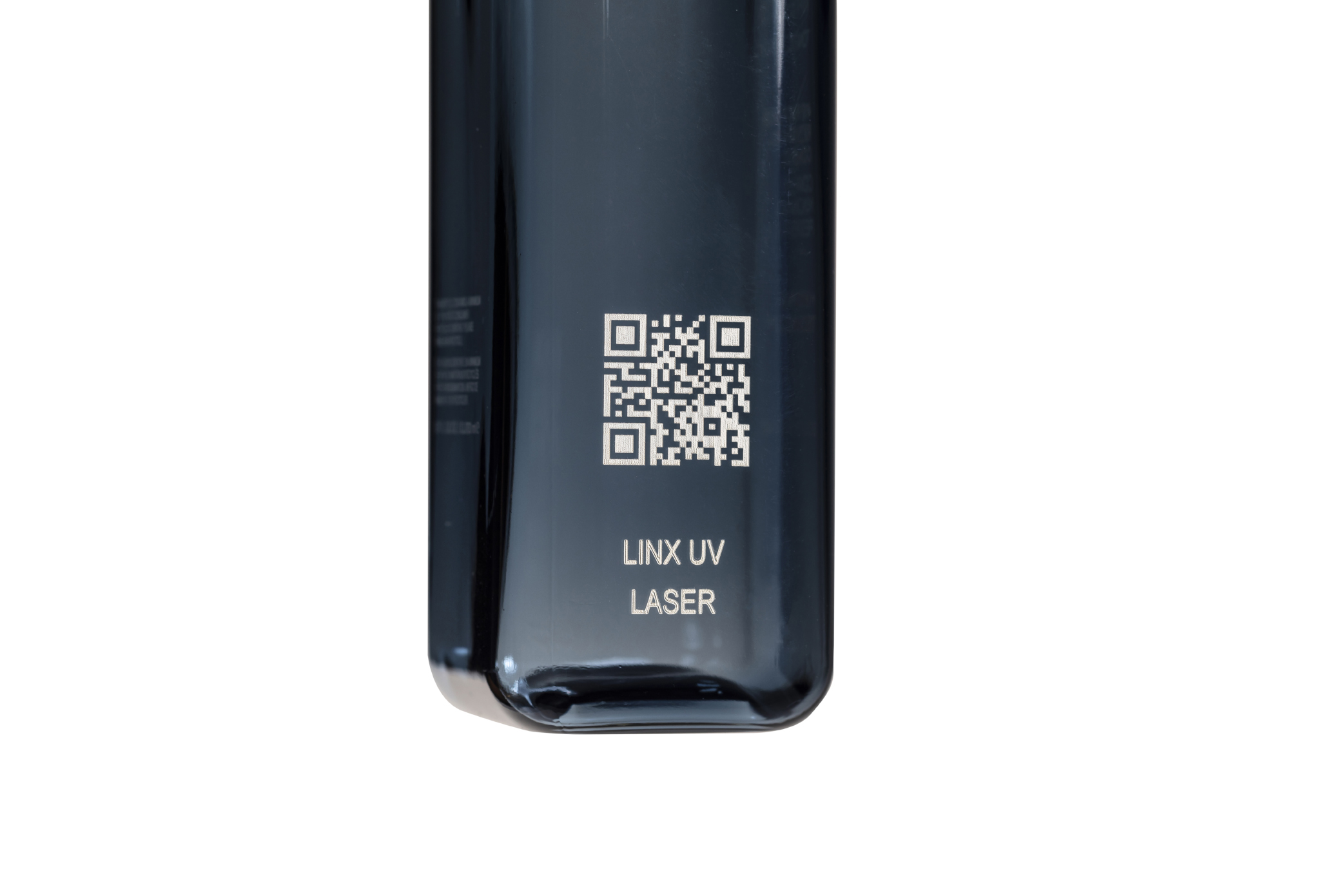
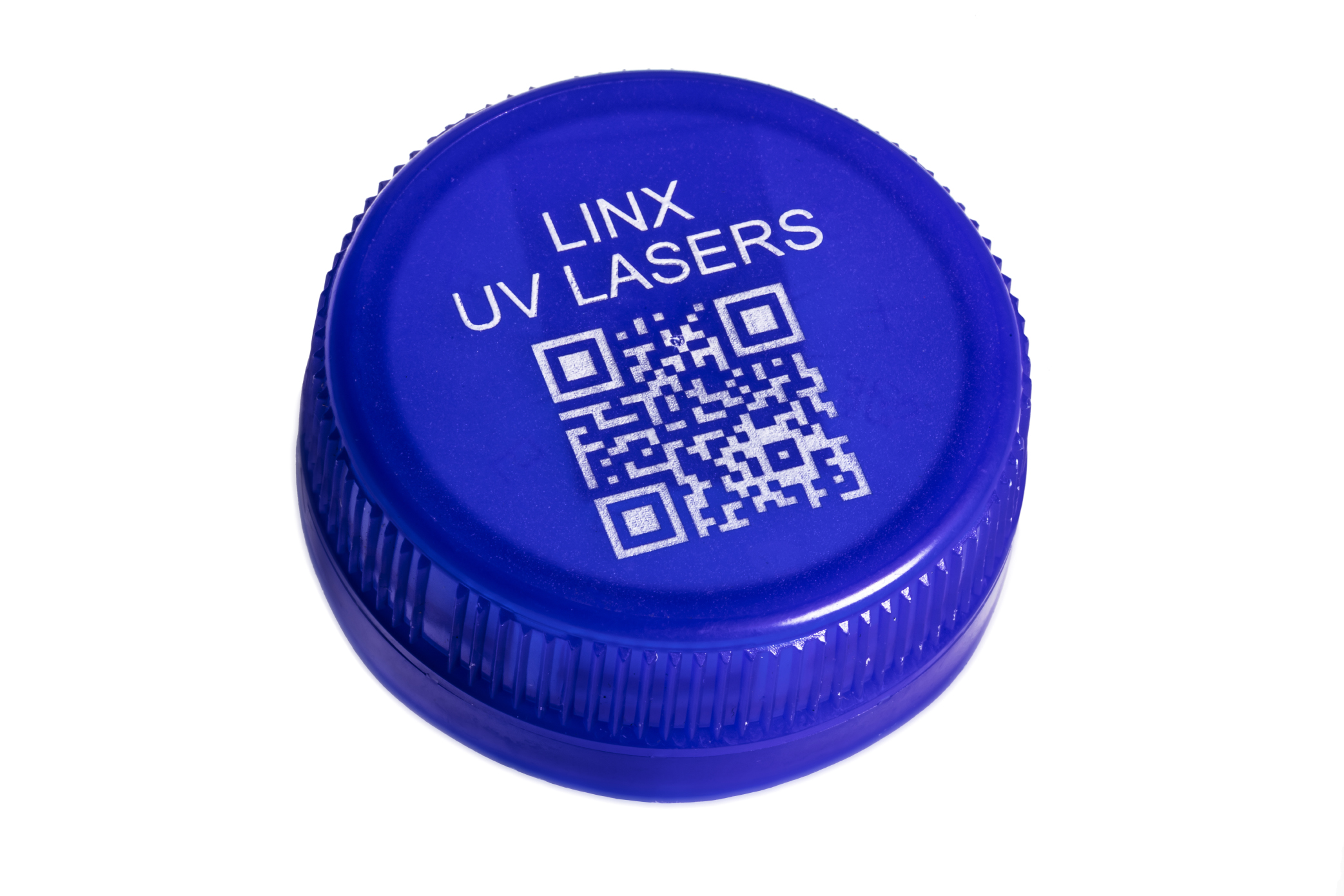
Plastic printers can code expiration dates or batch identification at high-speed directly onto plastic products in almost any orientation. They can mark variable information as well as printing barcodes, Data Matrix and QR codes onto plastic to enable traceability, and convey quality and safety information to the consumer.
The most commonly used technologies for coding onto rigid plastics are continuous ink jet (CIJ) and laser coders. Each has unique benefits and the one that is right for you application will depend on your product material, environment and code requirements.
Our expertise in product and packaging marking & identification can help you to reduce costs and improve production rates.
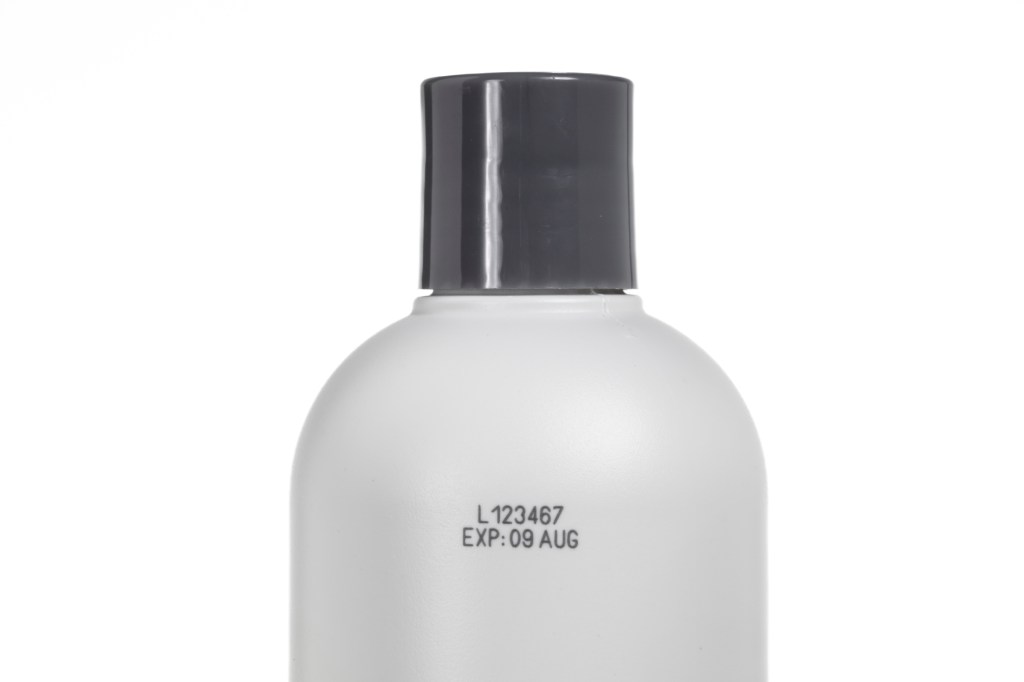
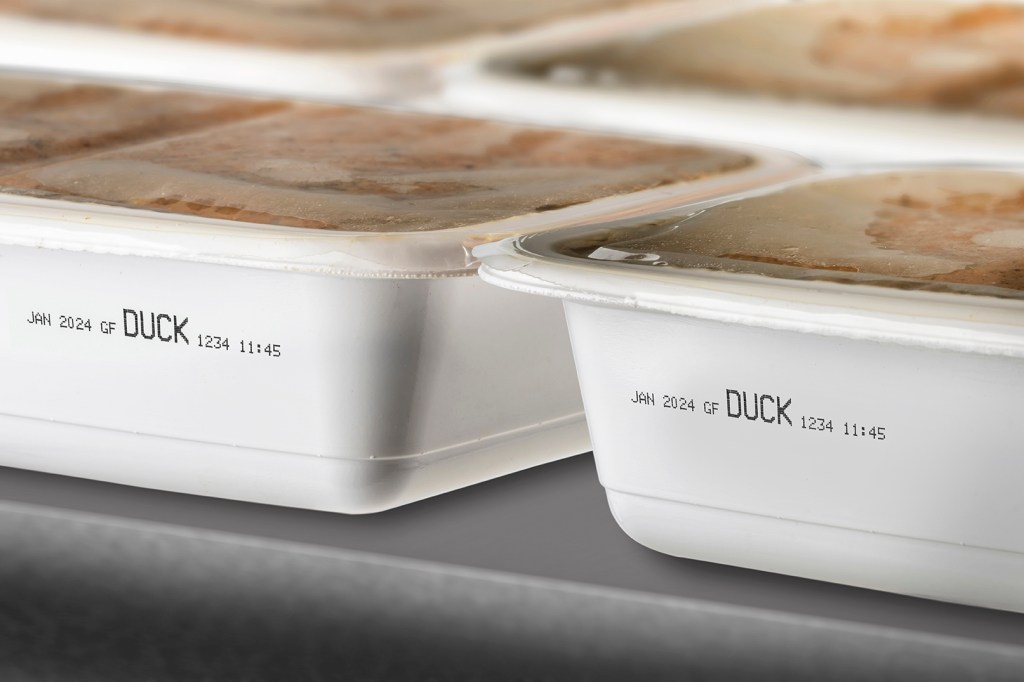
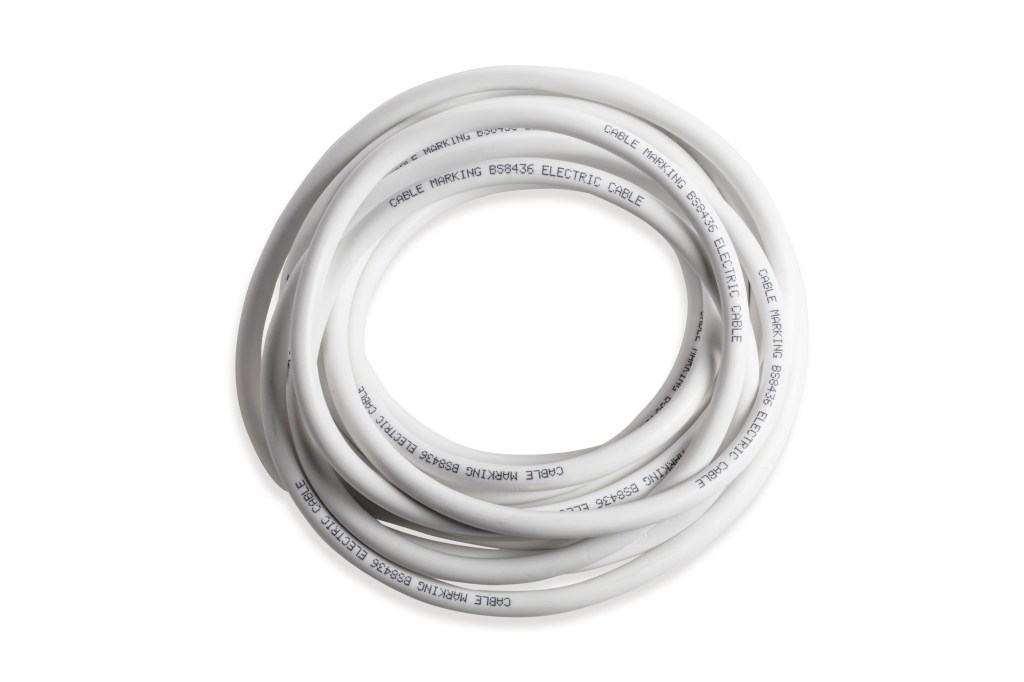
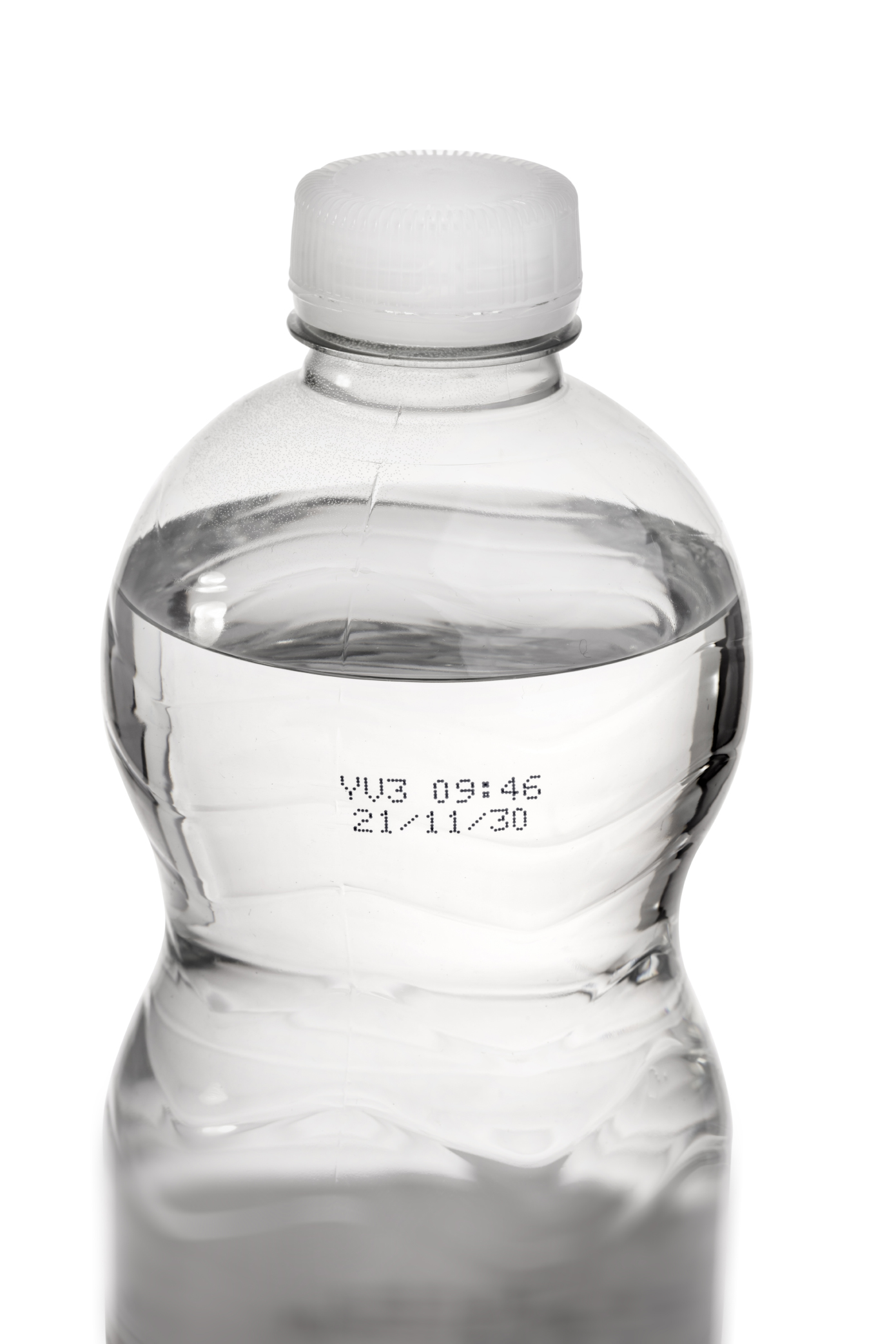
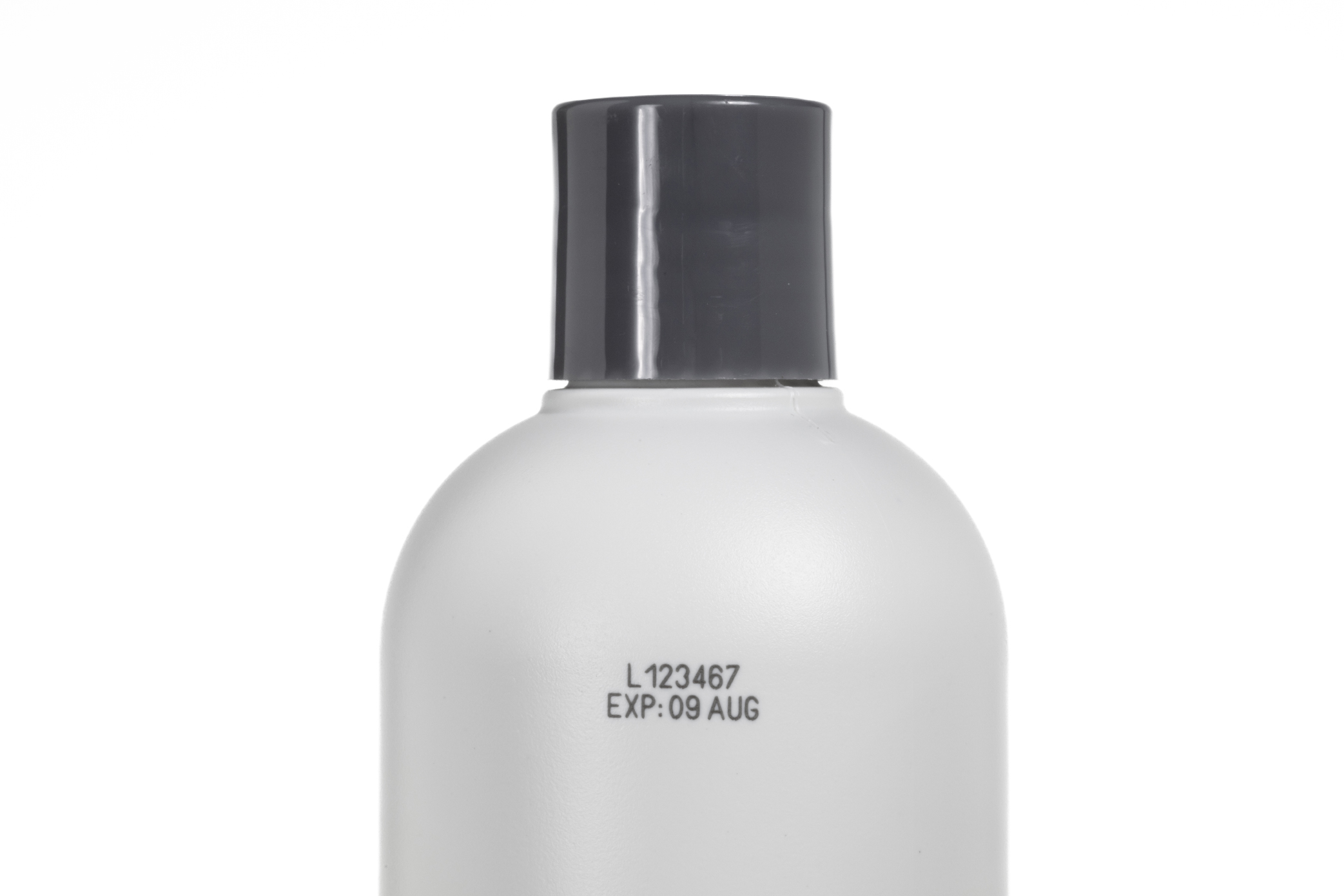
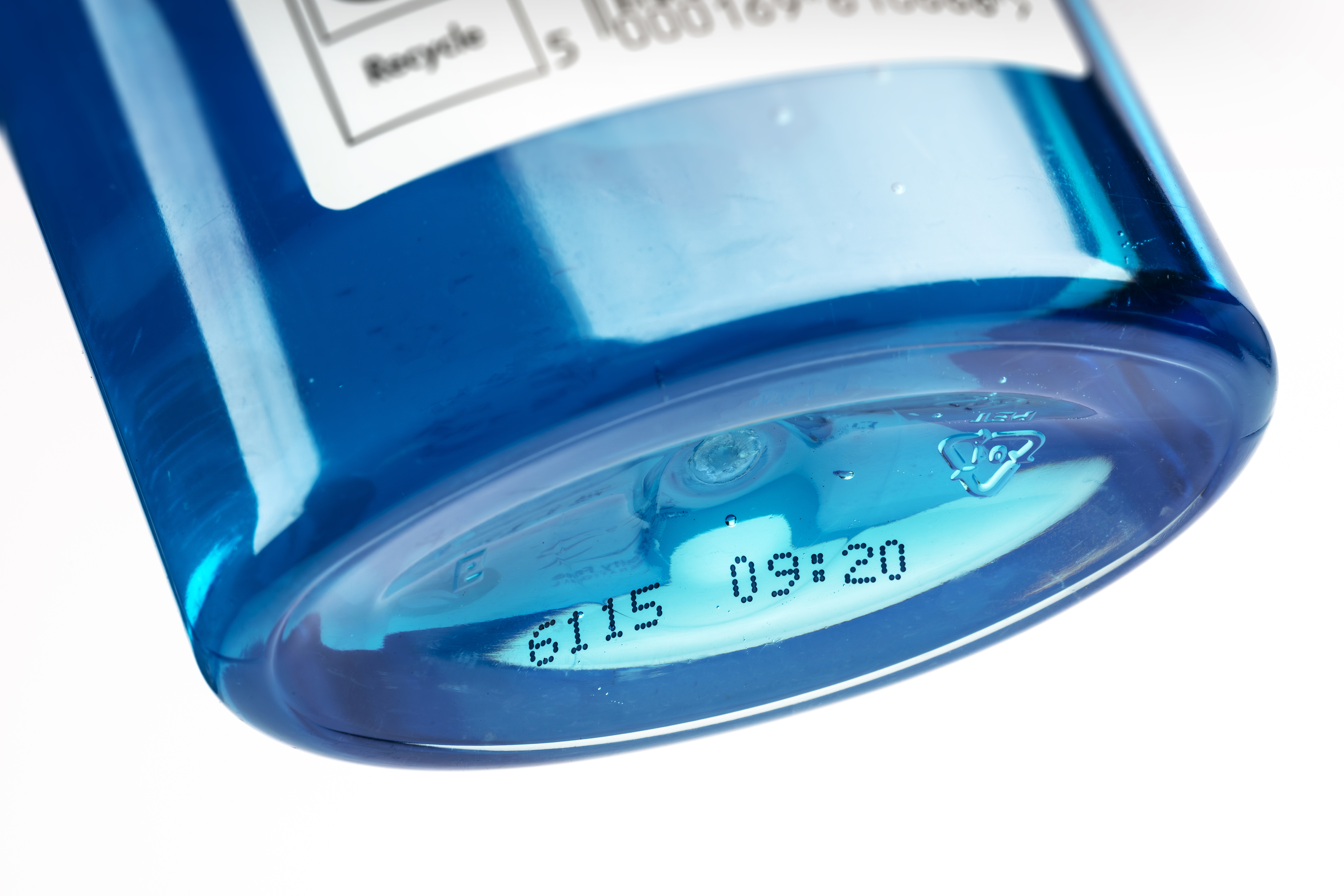
Plastic Bottles for Beverages and Toiletries
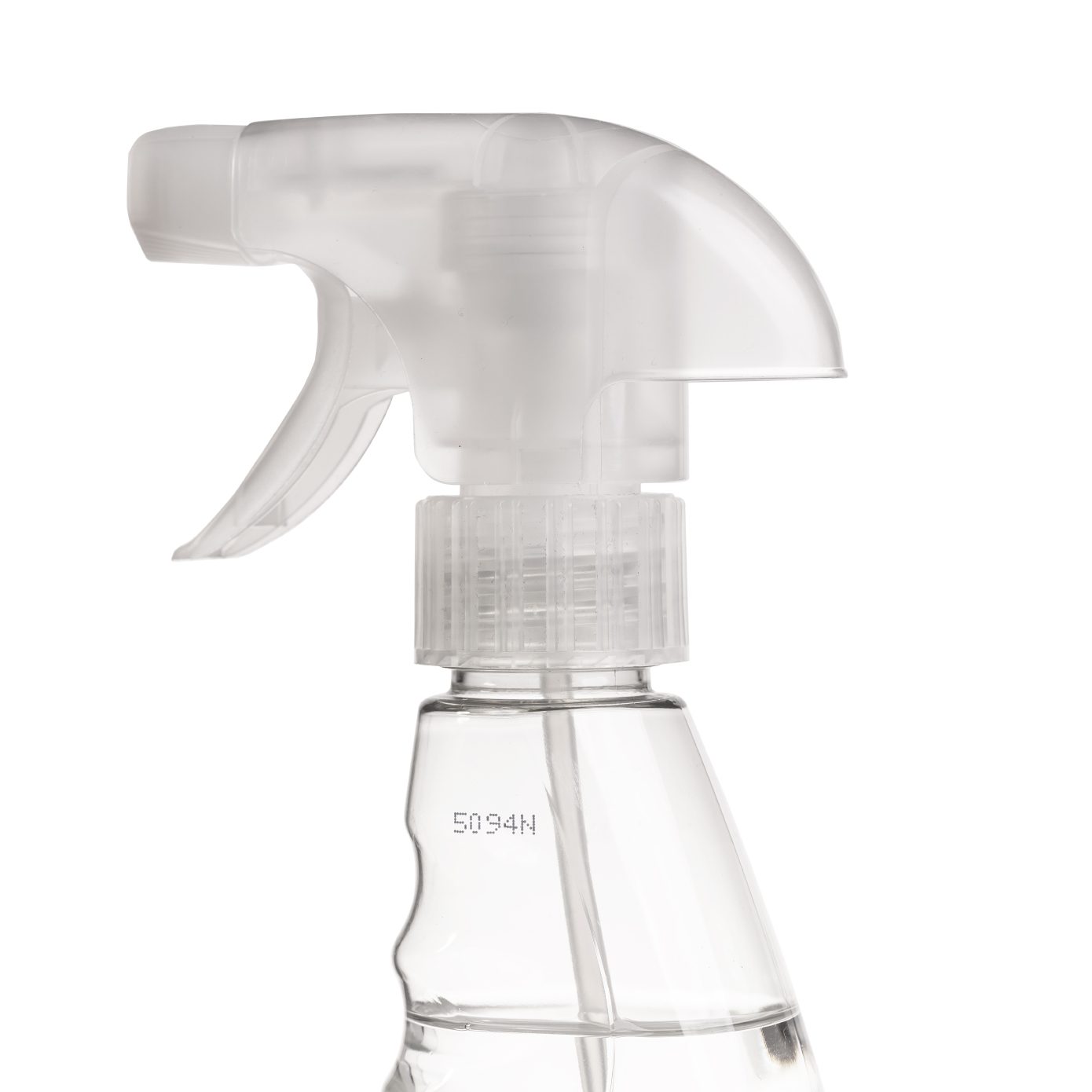
High-speed CIJ printers can be a great solution for plastic bottles, using specially designed ink for adhesion and contrast, even though condensation. Monitor your throughput easily on the printer screensaver or Linx PrinterNet.
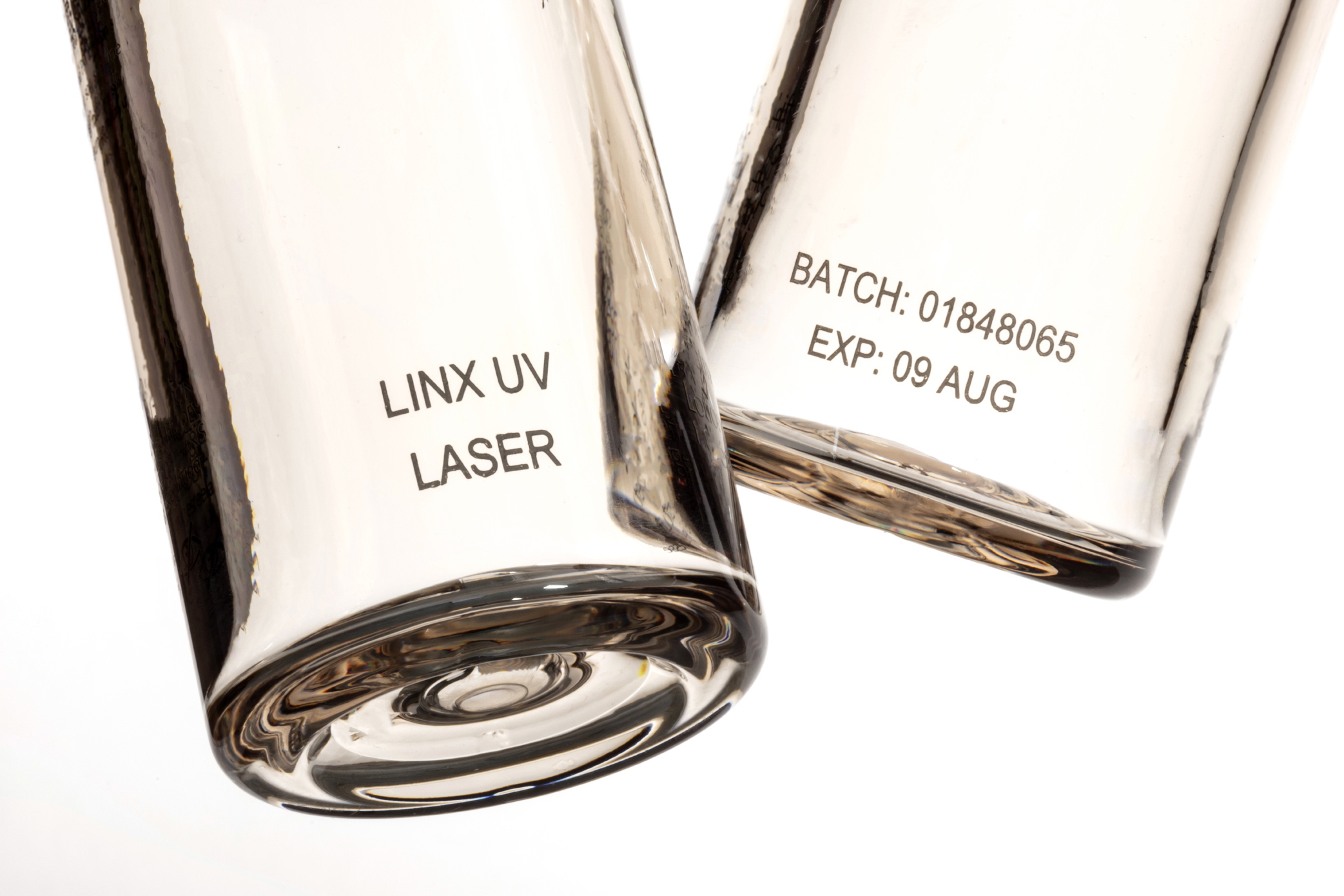
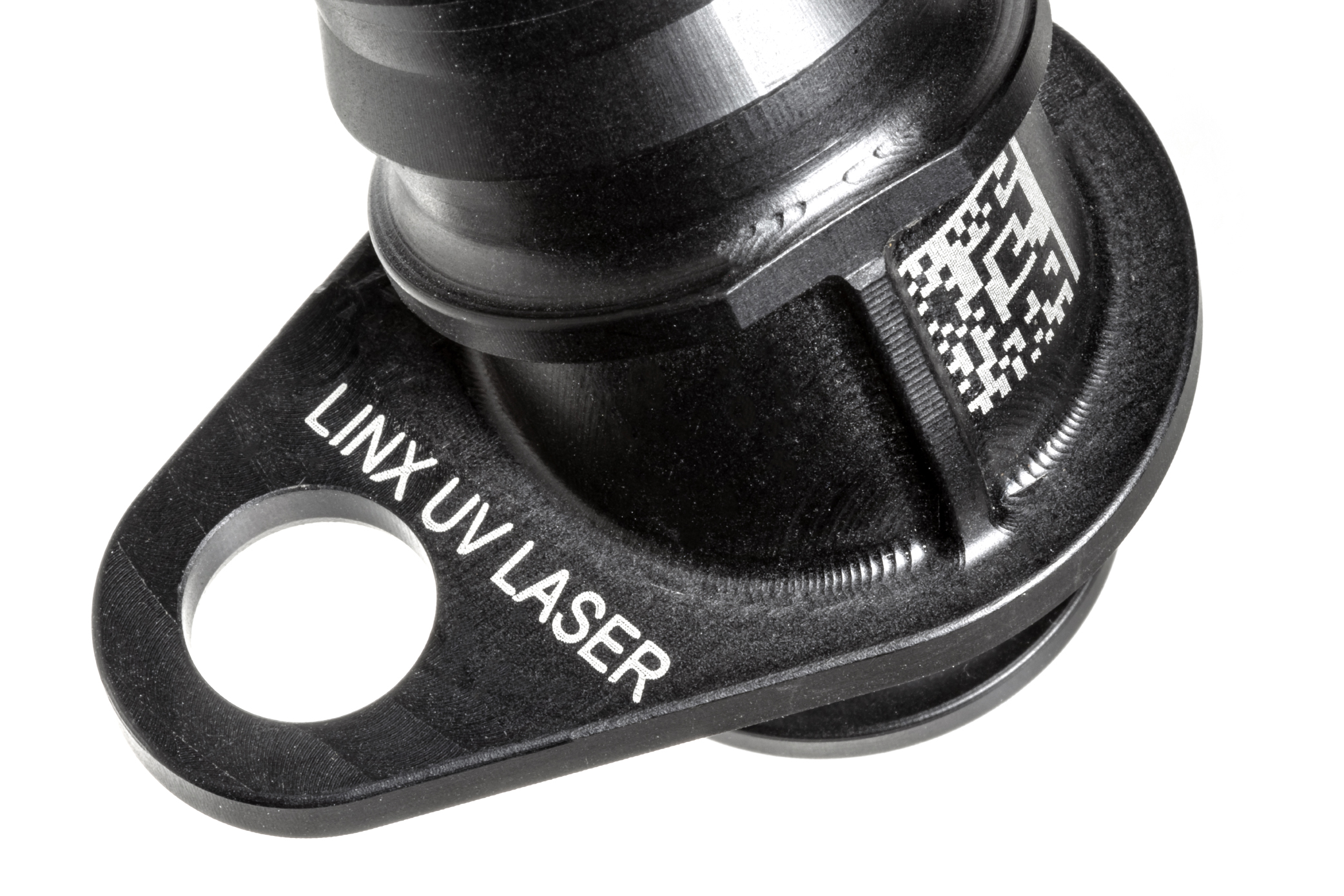
UV lasers can permanently mark rigid plastics even at high-speeds without the need for consumables or cleaning interventions and will not melt or distort the product.
Plastic Trays for Food Packaging
High adhesion CIJ codes can be used reliably on food trays for batch, date and product infomation. Specialist inks are available for food items that undergo sterilisation or retort once coded.
CIJ coders can print through condensation or light layers or oil at any orientation, allowing you to code on any area of your product, such as the base.
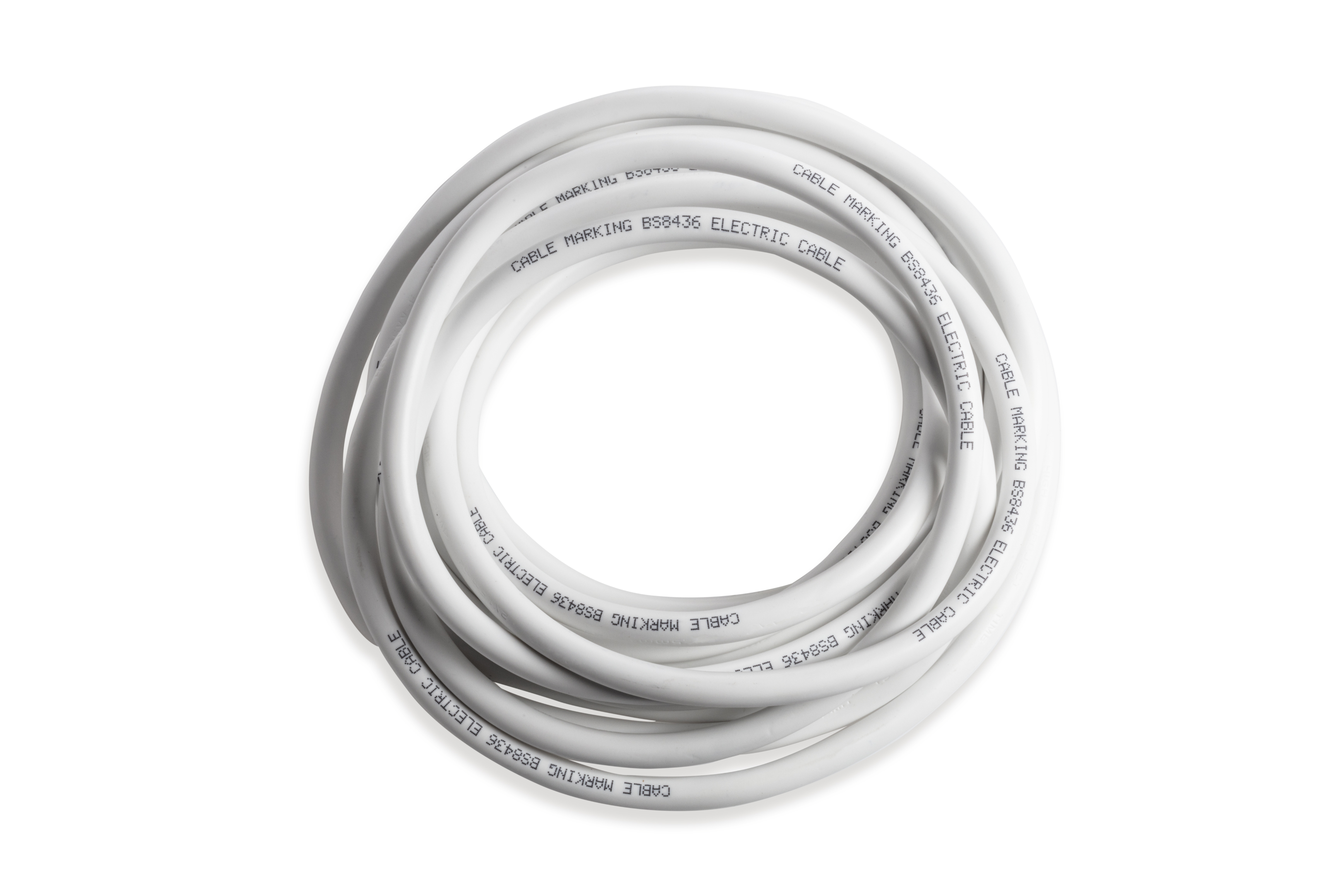
Plastic Extrusions and Cables
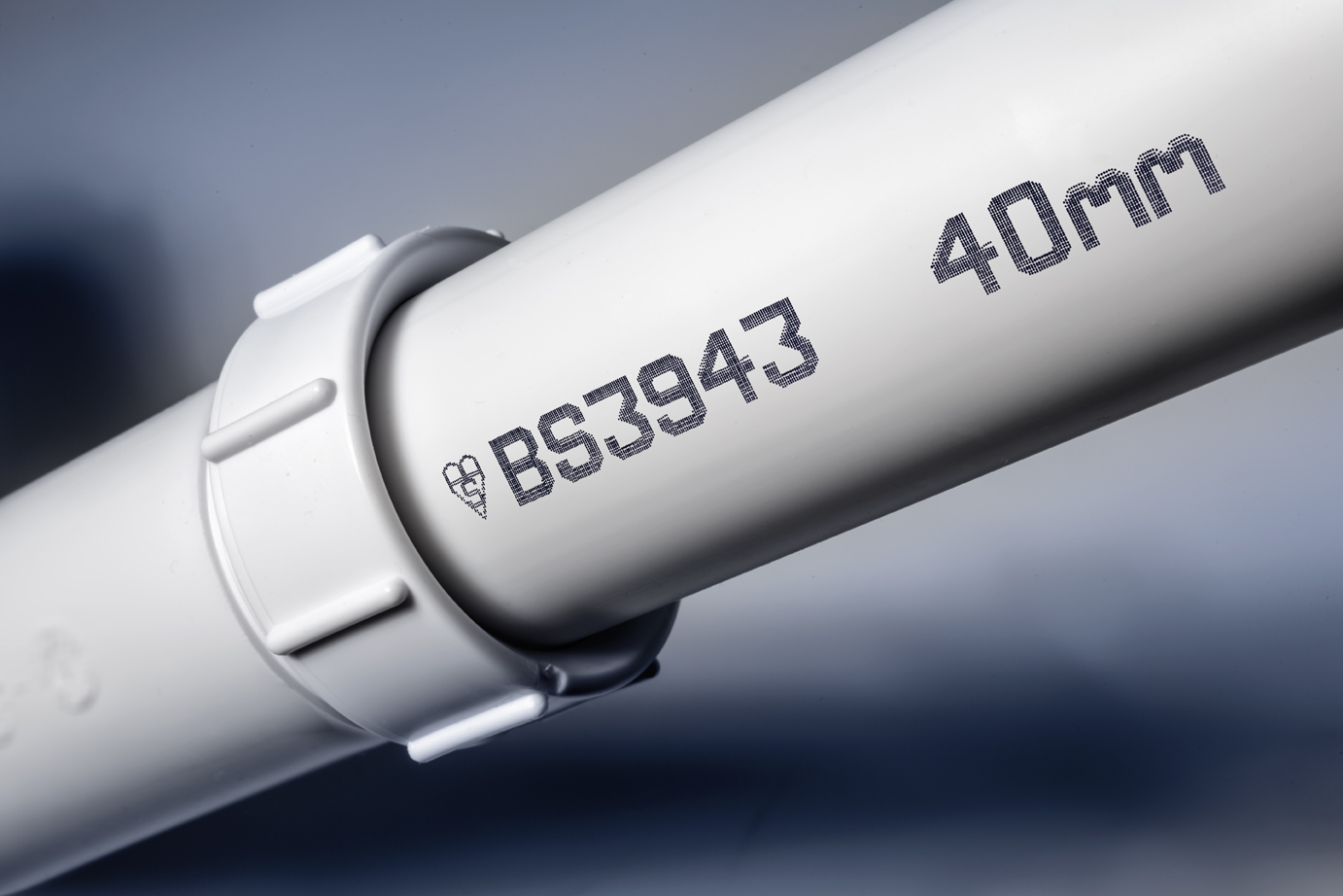
For plastic cables and extrusions a reliable coder is essential. Both Linx CIJ and laser coders are suitable for long production runs without downtime.
Precise code placement on your product can be setup and repeated using stored line settings and a range of message styles including rasters specifically designed for cable. Choose from CIJ (for flexible, or coloured codes) and laser (for permanent codes).
What to look for in an Industrial Plastic Printer Machine
Code Content: The code requirements (batch numbers, dates, 2D codes etc.), the size, colour and the desired marking area will affect the coder most suited to your application. Consider a coder that can mark in any orientation for flexible marking on any part of your product e.g on the base. Also think about how the code requirements may change in the future or on other products you produce.
Substrate: What type of plastic is your product made from? Does it have any surface finishes, coating or contaminants (such as oil or dust) on the surface? Is it virgin plastic or does it have any recycled content? It it smooth, have an irregular shape?
Durability: For durable codes the printing solution you choose must be able to print reliably and still be legible through your production and supply chain. Laser codes are permanent while for ink based printers you may need to consider chemical exposure or light-fastness
Speed: Ensure the coder you choose can keep up with your production line speed without compromising on code quality. Drying time of ink based solutions can be an important consideration.
Production environment: Wet, hot, humid or non-temperature controlled production environments can affect the performance of your printing solution and the printed codes. In demanding conditions or washdown environments the IP rating of your coder may be key. If the production space is limited, investigate coders that are compact or can be mounted in different ways to fit the available space.
Available budget: It is vital to consider not only the initial purchase price but also the total cost of ownership, including consumables and cost and frequency of servicing. Can the product be user maintained and repaired?
Reliability: On a high-volume line, the reliability of your coder is crucial to avoid product rework, scrappage, line downtime and loss of efficiency. Frequent breakdowns can negate any benefits of a lower purchase price coder; look for automatic cleaning or self-service features.
Linx Technologies for Coding on Plastics
Whatever your substrate, line speed and operating environment, Linx can provide you with a suitable coding solution for rigid plastic products. Browse our different technologies from the options below:
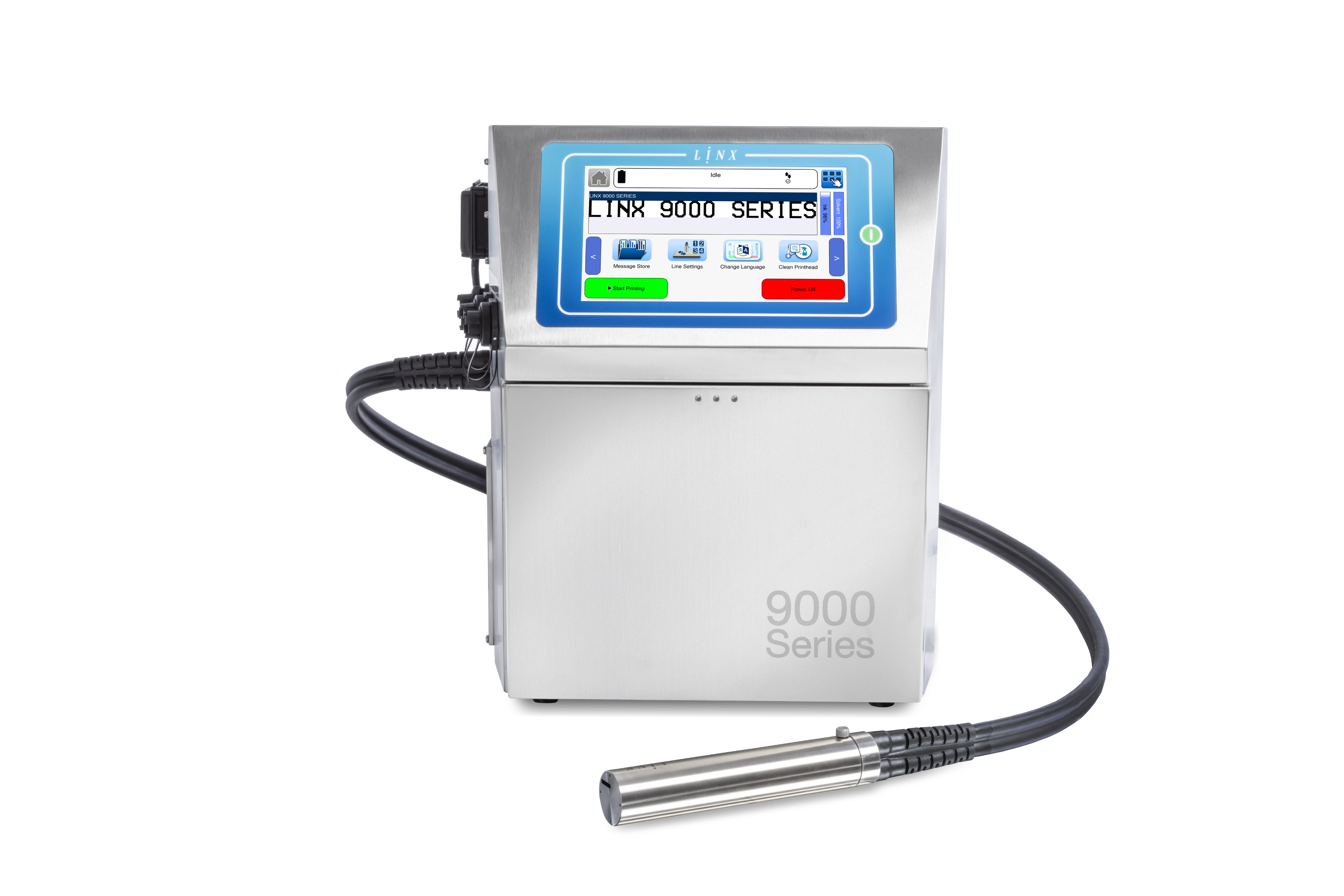
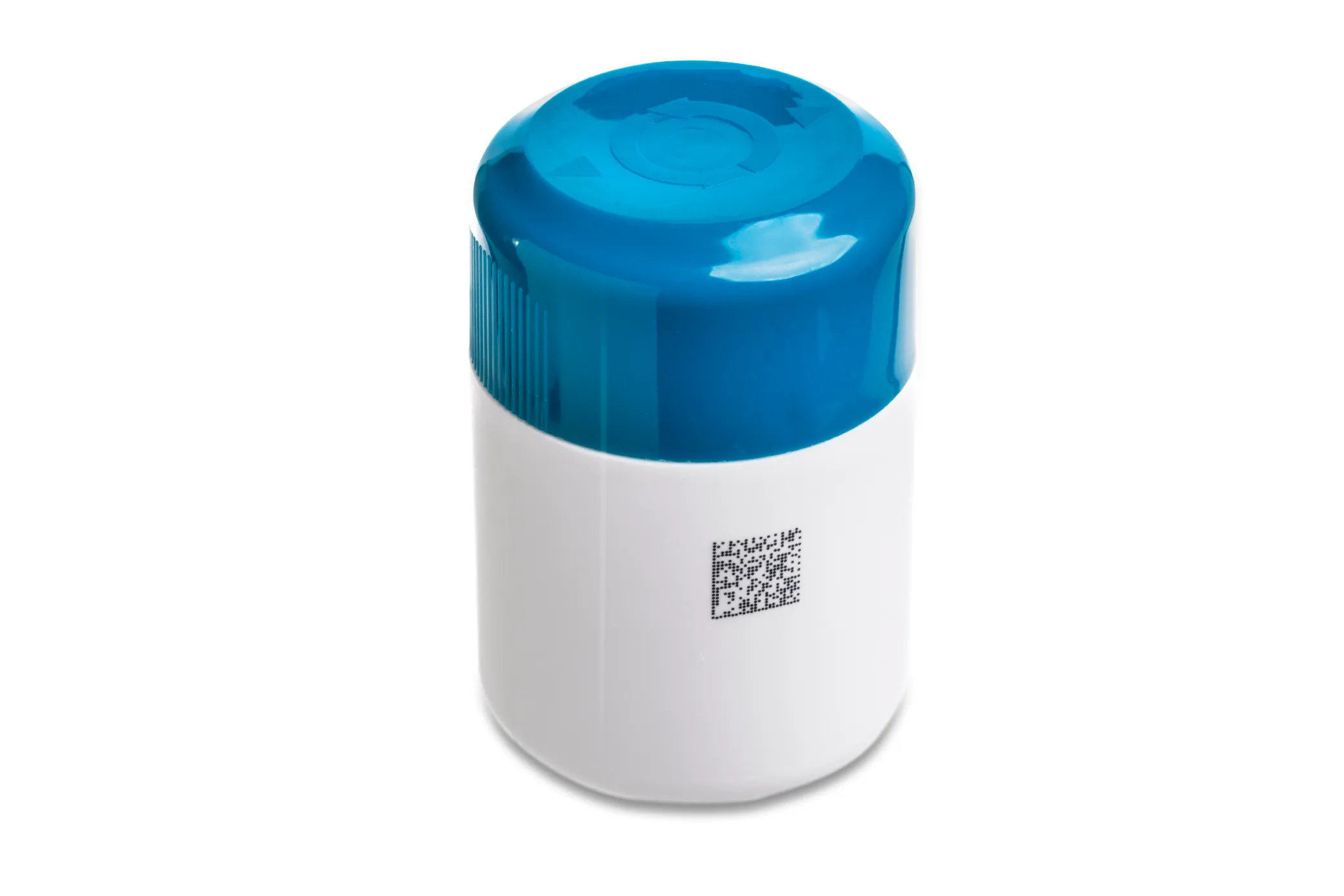
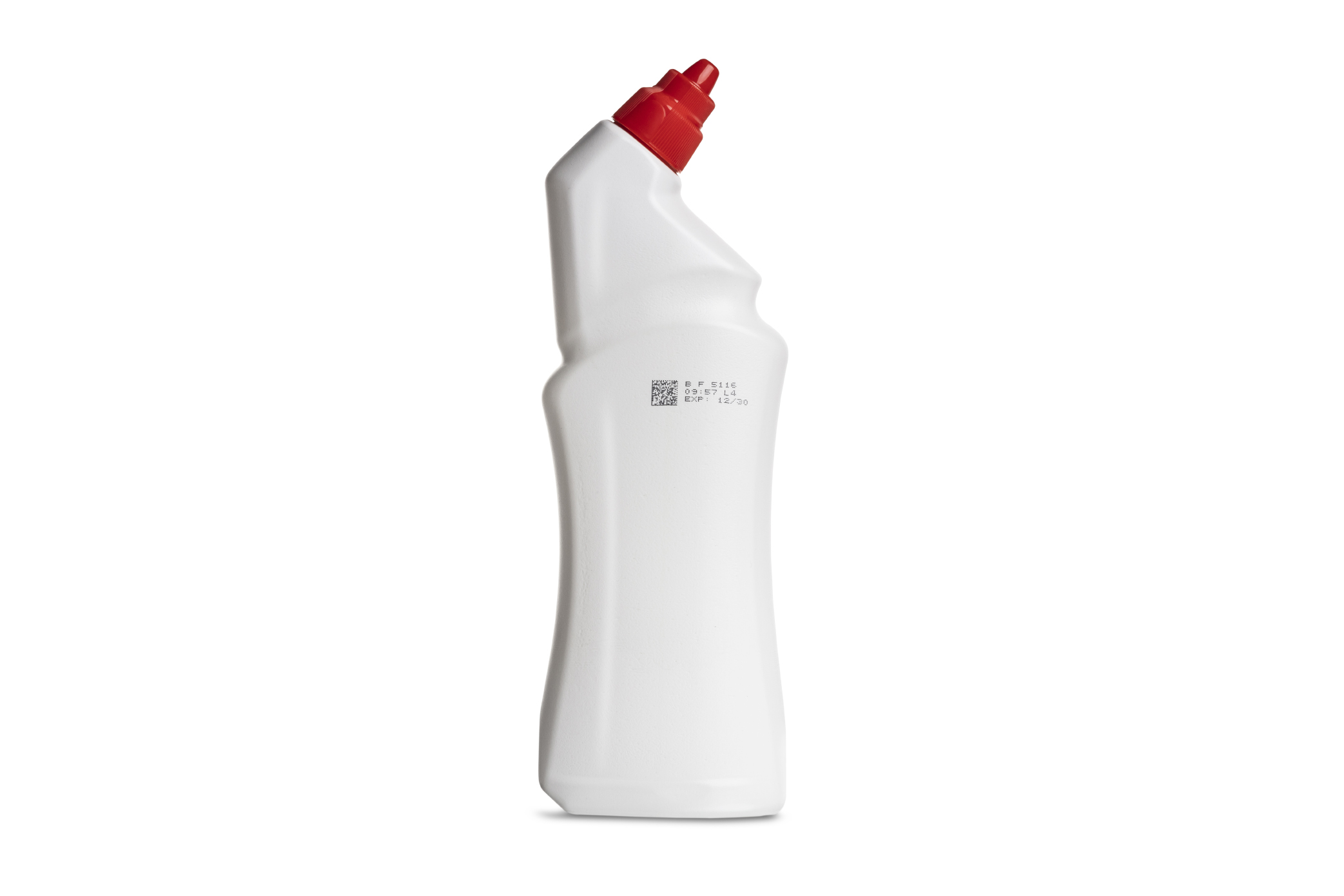
Linx 9000 Series
Specialist inks for plastic adhesion
Features
Suitable for 24/7 operations | Data Matrix and QR codes |GS1 compliant 2D codes | GS1 code builder | High-speed production | Print up to 6 lines | Black and coloured inks
Key Benefits:
- Excellent print on curved surfaces and any orientation
- Reliable operation in hot, dusty, wet, or non-temperature controlled environments
- High-contrast inks, ideal for marking of light or dark materials
- IP65 (option) for ingress protection and washdown environments
- Remotely monitor coding through Linx PrinterNet

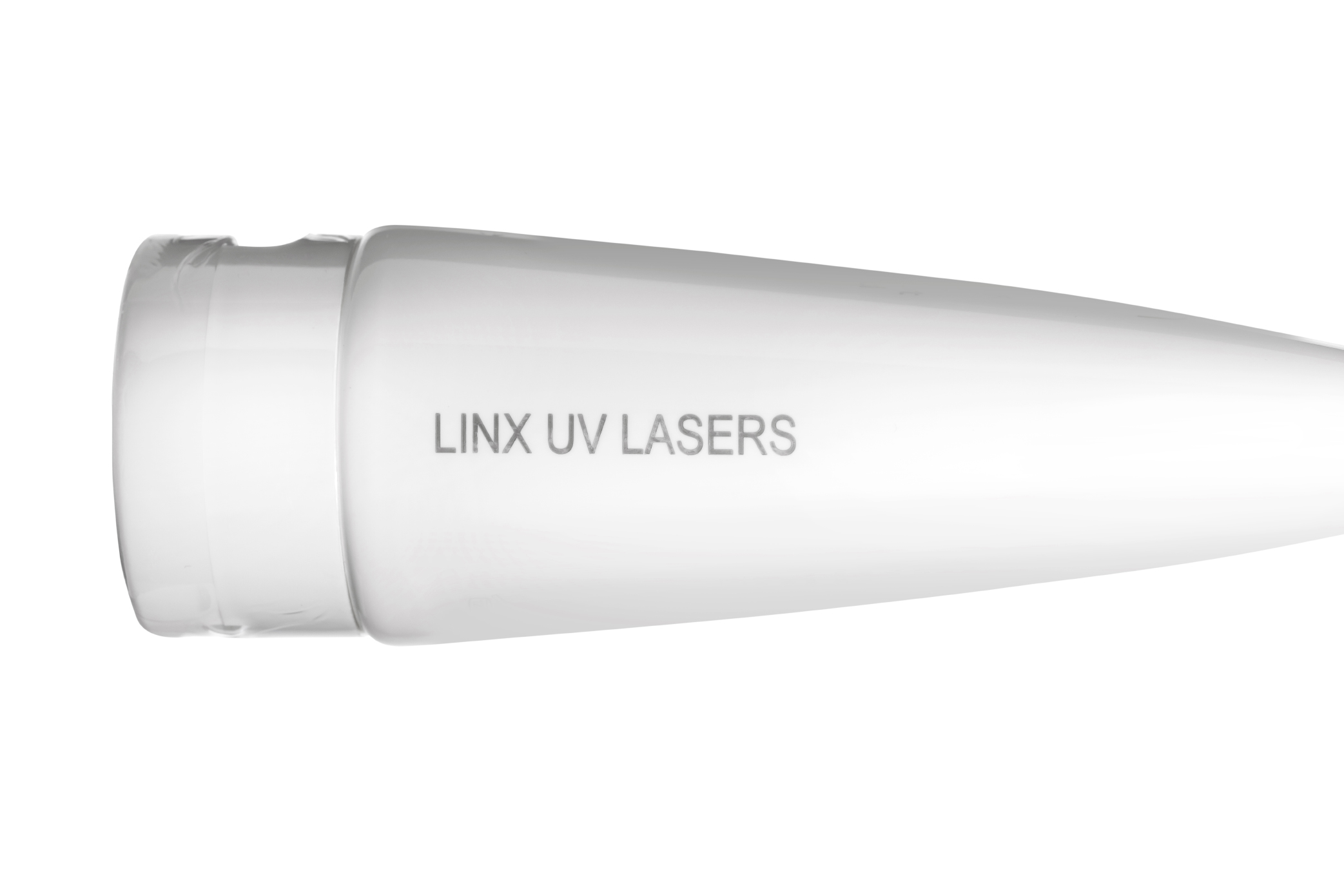
Linx UVG5
UV laser for speed and permanence
Features
Suitable for 24/7 operations | Data Matrix and QR codes |GS1 compliant 2D codes | High-speed production | Batch and date coding | Easy to integrate
Key Benefits:
- Code up to 2000 characters/second, up to 600m/min
- Permanent coding that cannot be removed or smudged
- Ideal solution for plastics due to reduced thermal stress applied to the packaging.
- High-contrast codes
- Zero consumables
- IP65 option for washdown or humid environments
Minimising Thermal Stress
UV lasers operate at a much shorter wavelength than other laser technologies, which is highly absorbed at the surface of plastics. Instead of relying on heat to melt or burn the material, the laser energy is absorbed at a molecular level and breaks chemical bonds directly in a photochemical process.
This is often called “cold marking”, because very little heat is generated. As a result, there is minimal heat-affected zone, significantly reducing the risk of melting, warping, or deforming thin or flexible substrates. Because UV lasers transfer far less heat to the material, they deliver clean, high-contrast marks without burning or deforming the plastic, maintain product integrity without damaging surface layers and prevent warping or weakening of thin substrates.
Not sure which solution is right for marking your plastic products?
Contact us to find the best solution for your marking and coding needs
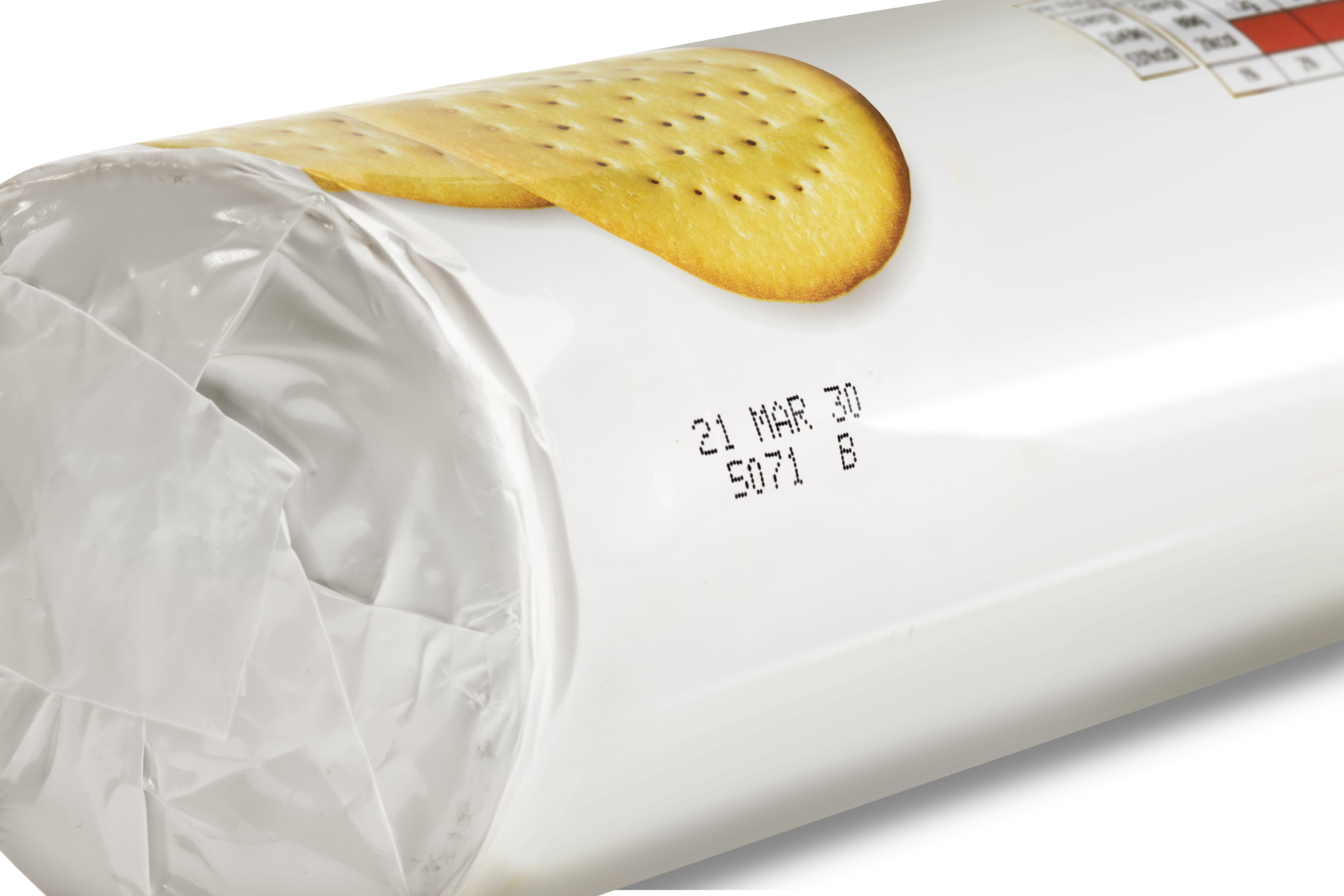
High-speed marking for flexible plastics and flow wrap

Flexible solutions for contract packing sites
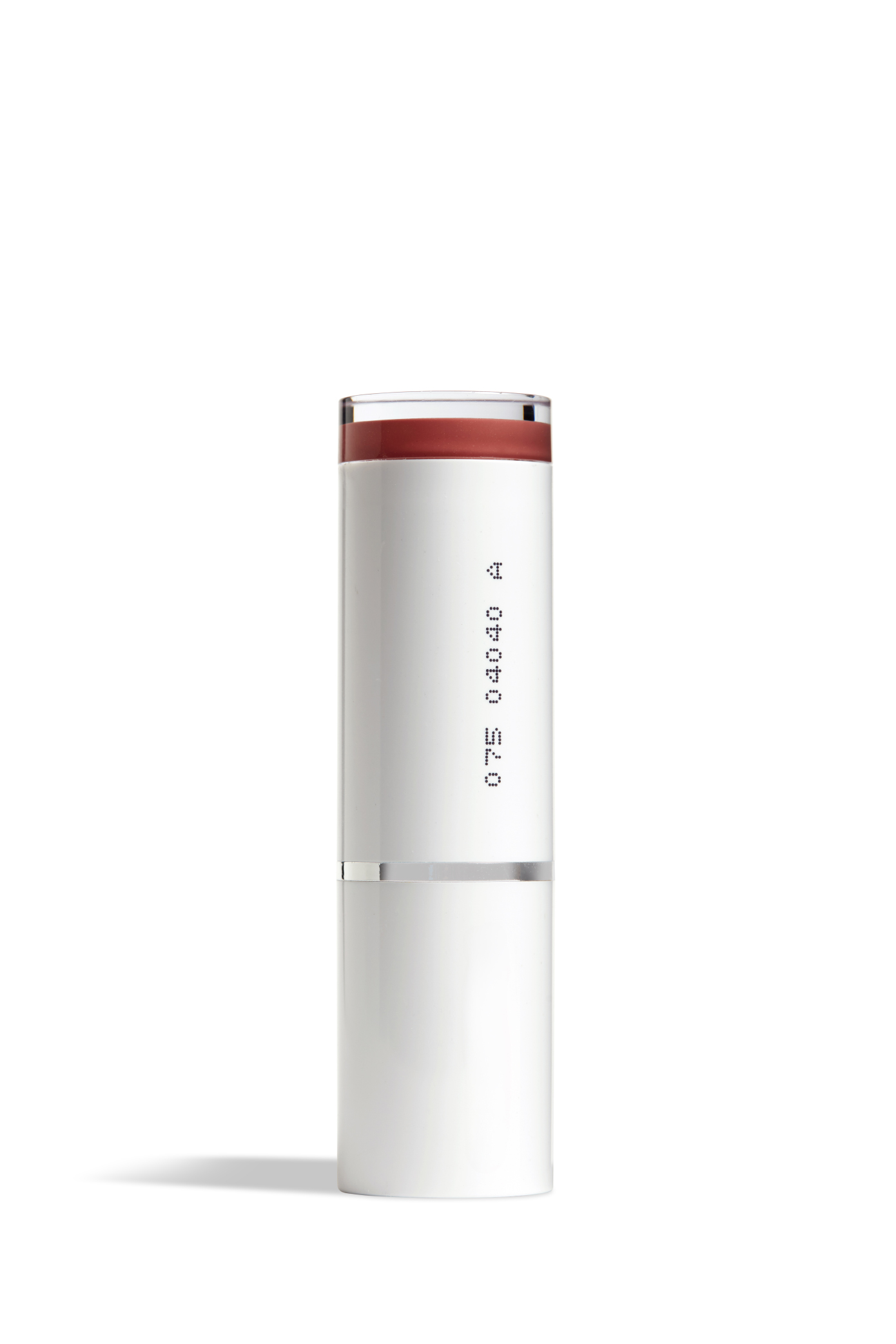
Marking cosmetics and personal care products
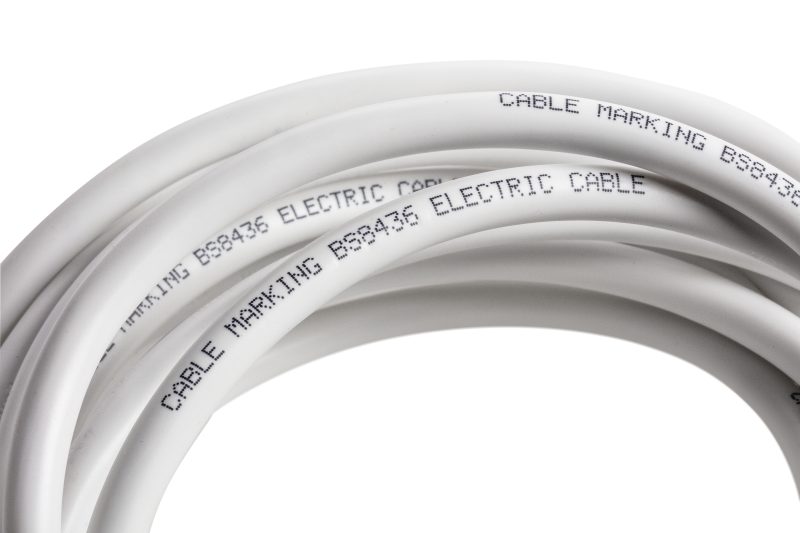
Precise placement and speed for wire and cable manufacturers
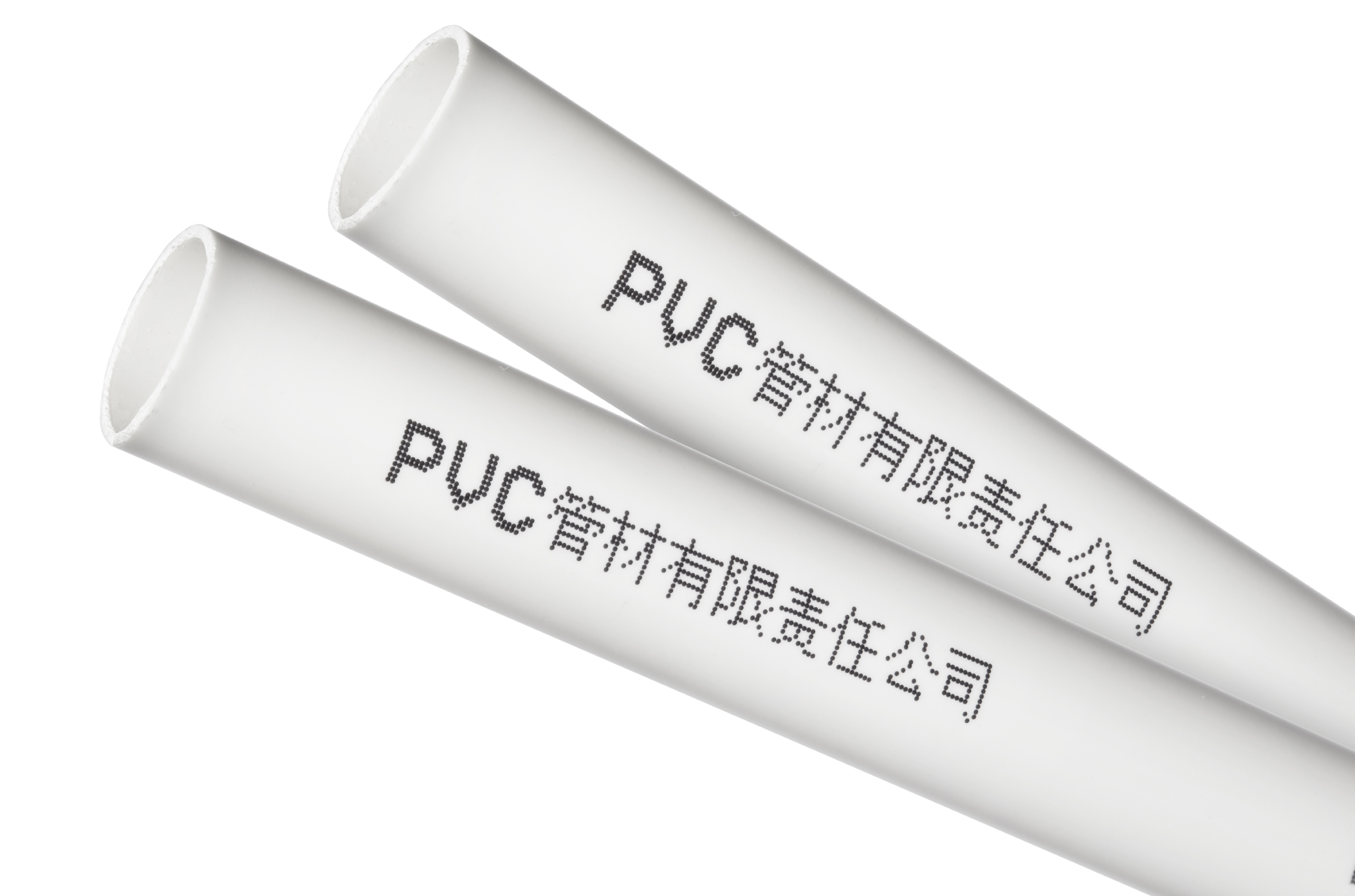
Reliable coding solutions for extrusion
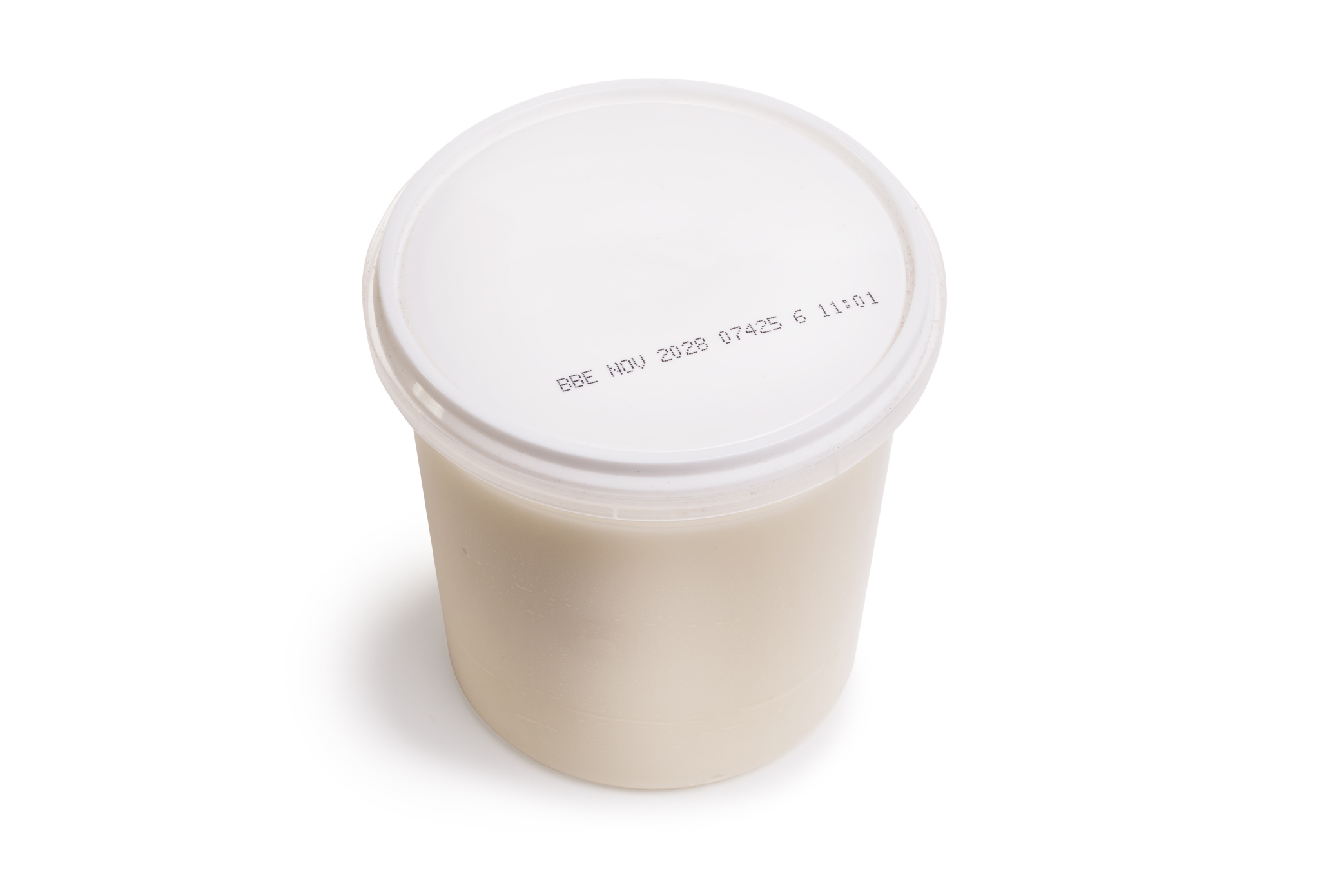
Durable codes to ensure quality and safety in the dairy industry
FAQ
Rigid plastics such as HDPE, PP and PET can be difficult to mark due to low surface energy, smooth or curved surfaces, and variations in colour or additives that affect ink adhesion or laser contrast.
A wide range of variable and static data can be applied, including batch and lot numbers, date codes, serial numbers, barcodes, 2D codes, logos and traceability information.
Several technologies can be used, including continuous inkjet (CIJ), and laser coders. The most suitable choice depends on the material, production speed and required code permanence.
Yes. Laser coders create permanent marks by altering the surface of the plastic, removing the need for inks or consumables while maintaining high code durability.
Yes. Both CIJ and laser technologies are designed for high-speed environments, delivering consistent, readable codes without slowing production.
Modern coding technologies are designed to minimise impact on the substrate. For example, UV laser marking uses ‘cold processing’ to reduce thermal stress on sensitive plastics.
Yes, but they may require specific inks or laser wavelengths to achieve sufficient contrast and readability.
It can be, as material composition may vary and affect adhesion or contrast. Testing is typically recommended to ensure consistent and readable results.