
Plastic Coding and Marking Machines for Industrial Applications
Linx provides industrial plastic coding and marking machines designed to apply clear, consistent product identification and traceability information directly onto compatible plastic materials.
From PET bottles and HDPE containers to polypropylene films, shrink wrap and plastic components, manufacturers need reliable coding solutions that perform across different surfaces and production conditions.
As a UK supplier of industrial coding and marking equipment, Linx offers a range of Continuous Inkjet (CIJ) printers, UV laser coders and Thermal Transfer Overprinters (TTO) to meet different plastic packaging and manufacturing requirements.
Whether you need to print batch numbers and expiry dates, apply high-contrast identification codes or create permanent marks on plastic components, choosing the right technology depends on your material, production speed and coding requirements.

Looking for the right plastic coding machine? Send us your packaging or component sample and let our specialists recommend a suitable Linx solution.
Industrial Plastic Marking Equipment for Different Materials
Different plastic materials have different surface properties, which can affect ink adhesion, marking contrast and code durability. The correct printing technology and consumables are essential for achieving readable codes throughout production, handling and distribution.
Linx plastic coding and marking solutions can be assessed for a range of materials, including:
- Polyethylene (PE), including HDPE and LDPE.
- Polypropylene (PP).
- Polyethylene terephthalate (PET).
- Polyvinyl chloride (PVC).
- Nylon.
- OPP and BOPP plastic films.
- Other compatible rigid plastics and flexible packaging materials.
From rigid plastic containers to flexible packaging films, Linx provides different coding technologies and specialist ink options to address material-specific printing challenges.
Common Challenges When Coding and Marking Plastic
Ink Adhesion on Plastic Surfaces
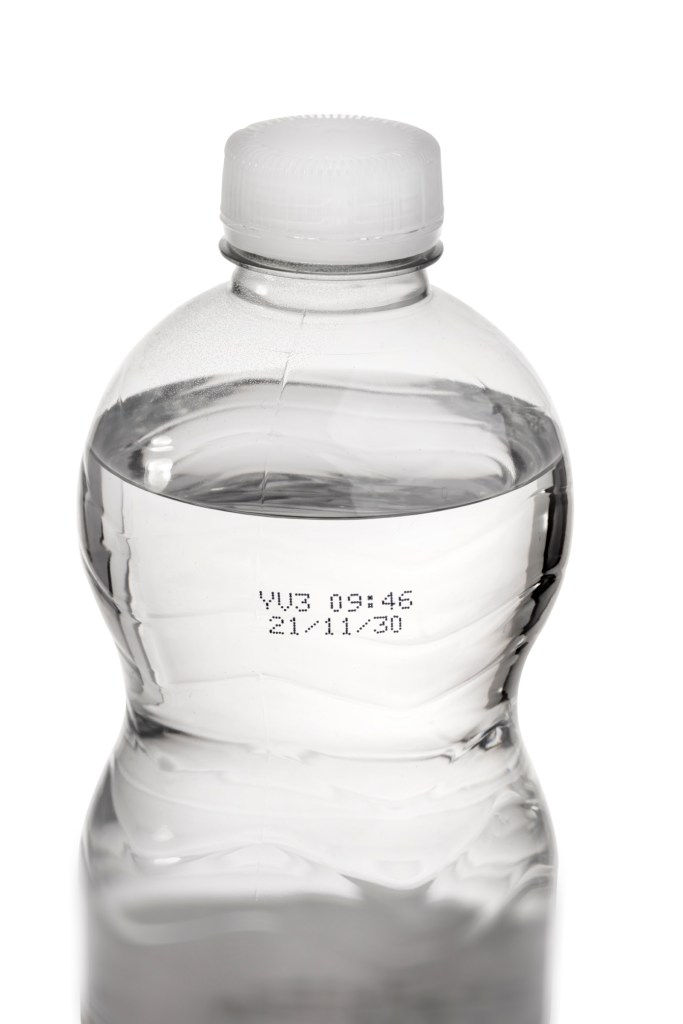
Many plastic surfaces are smooth, non-porous and have low surface energy, making ink adhesion more challenging. Materials such as polyethylene (PE) and polypropylene (PP) may require specialist plastic-adherent ink formulations to achieve the required adhesion and durability.
Linx offers special adherence inks designed for compatible plastic substrates, including PE, PP, untreated OPP and BOPP, PVC and nylon.
Achieving Readable and High-Contrast Plastic Marking
Clear, readable codes are essential for product identification, traceability and supply chain management.
Dark, coloured or transparent plastics can present additional challenges when printing batch numbers, barcodes and other machine-readable information.
The selected solution should provide suitable contrast and code quality for the intended material. Depending on the application, pigmented CIJ inks or UV laser marking may offer suitable options.
Coding on High-Speed Production Lines
Plastic bottles, containers and flexible films often move through automated packaging lines at high speeds.
Coding equipment must apply information consistently without disrupting production. Print position, product movement, line speed and available installation space all need to be considered when selecting an industrial plastic marking machine.
Durability and Resistance
Some plastic products are exposed to moisture, oils, chemicals, heat or repeated handling during manufacturing and distribution.
The required resistance depends on the end application. Choosing a suitable ink formulation or permanent laser marking technology can help achieve the necessary code durability.
Linx Plastic Coding Machines and Marking Equipment
Continuous Inkjet (CIJ)
Continuous Inkjet (CIJ) Printing on Plastic
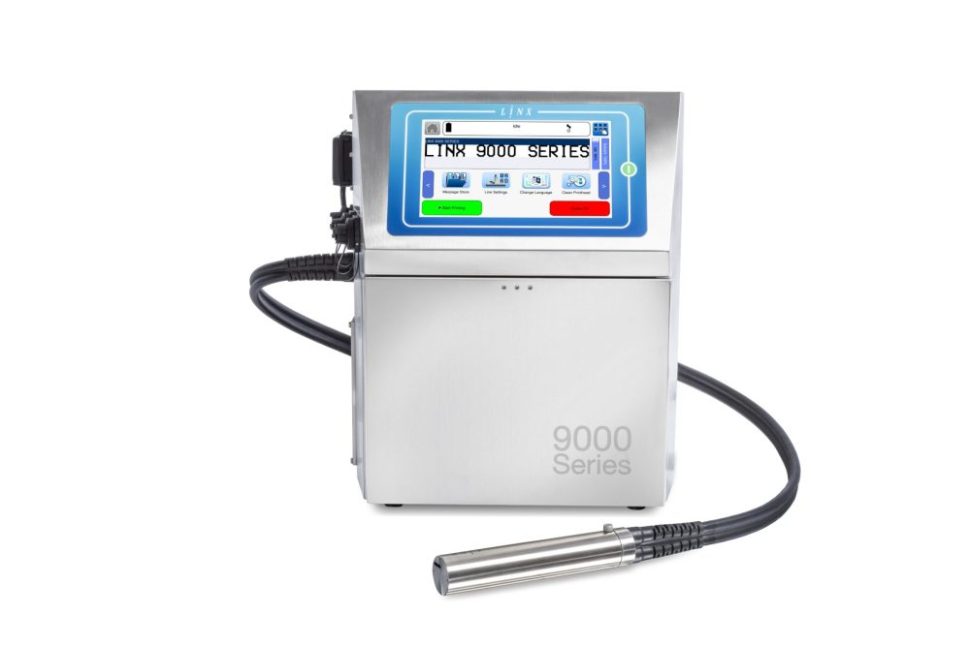
The Linx CIJ range includes the Linx 9810, 9920, 9940 and 9940 Spectrum, offering options for different production speeds, environments and coding requirements.
The Linx 9920 is designed for busy production lines and frequent product changes. The Linx 9940 is suited to tougher production environments, while the Linx 9940 Spectrum provides pigmented, high-contrast coding for selected challenging substrates.
Best for: Variable batch and date coding on compatible plastic products and packaging.
Continuous Inkjet printer range→
Laser Coder
UV Laser Coding and Marking on Plastic
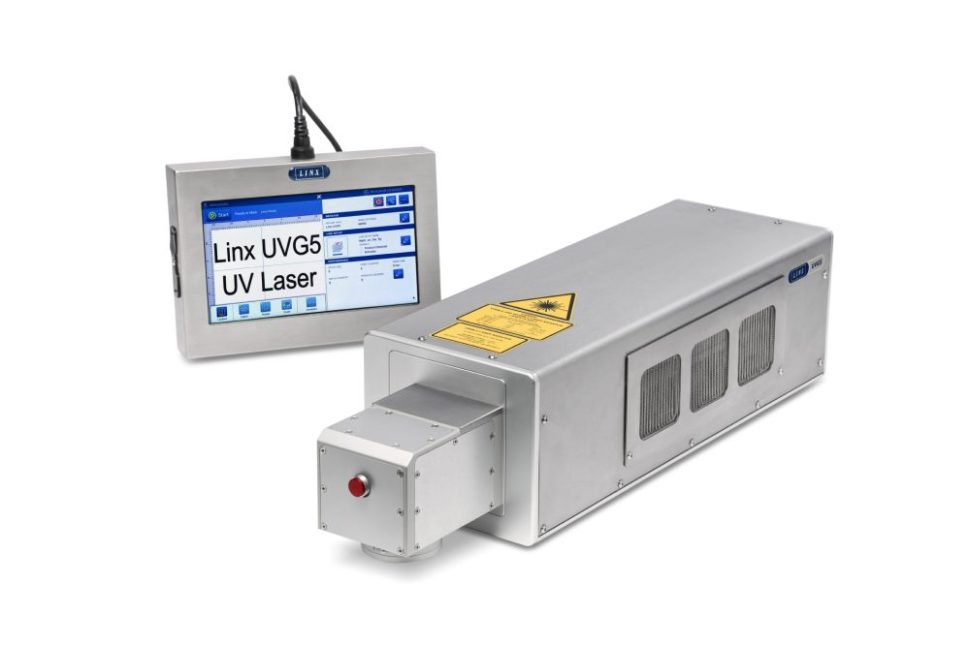
The Linx UVG5 provides permanent marking on suitable rigid plastics and flexible films.
It is particularly relevant for applications involving difficult-to-mark plastic materials where code quality and reduced thermal stress are important considerations.
Best for: Permanent product identification, traceability codes and high-contrast marking on compatible plastic materials.
TTO Printers
Thermal Transfer Overprinting (TTO) on Plastic Films
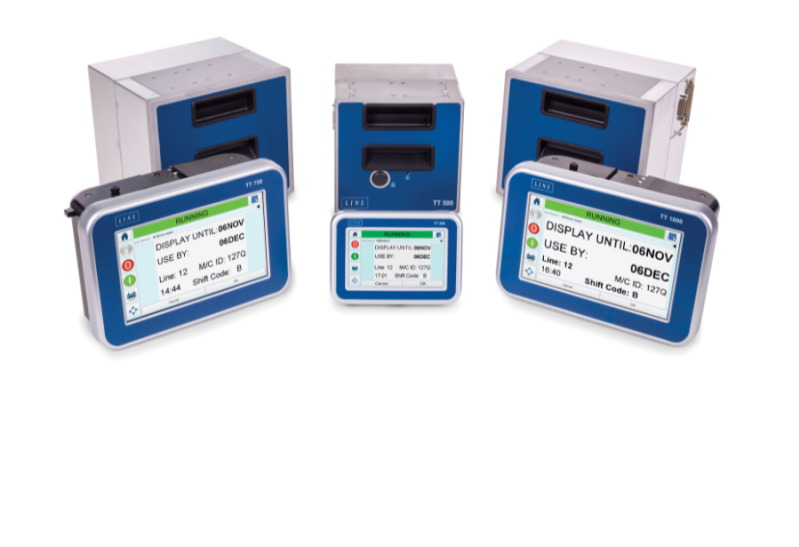
The Linx TTO range includes the TT500, TT750 and TT1000, providing different print-area and packaging-line options.
These printers produce high-resolution variable information directly onto compatible flexible packaging films and foils.
Best for: Flow wrap, pouches and flexible plastic packaging.
Thermal Transfer Overprinter range→
Which Plastic Coding Technology Is Right for Your Application?
| Printing requirement | Continuous Inkjet (CIJ) | UV Laser | Thermal Transfer Overprinting (TTO) |
|---|---|---|---|
| PET and HDPE bottles | Suitable with compatible ink | Application dependent | Not the primary application |
| Rigid plastic containers | Suitable | Suitable for compatible materials | Not the primary application |
| Flexible plastic films | Suitable with suitable ink | Suitable for compatible films | Strong application fit |
| Flow wrap | Suitable | Material dependent | Strong application fit |
| Variable date and batch coding | Yes | Yes, configured message | Yes |
| Barcode and 2D codes | Model dependent | Model dependent | Supported |
| Permanent marking | Ink dependent | Permanent marking | Ribbon-based print |
| Ink or ribbon required | Ink and fluids | No marking ink or ribbon | Ribbon |
| Best suited for | Variable coding on moving plastic products | Permanent marking on suitable plastics | High-resolution coding on flexible packaging |
This comparison is deliberately application-led, not a claim that every configuration can code every material.
Applications of Plastic Coding and Marking Machines
Plastic Bottles and Containers
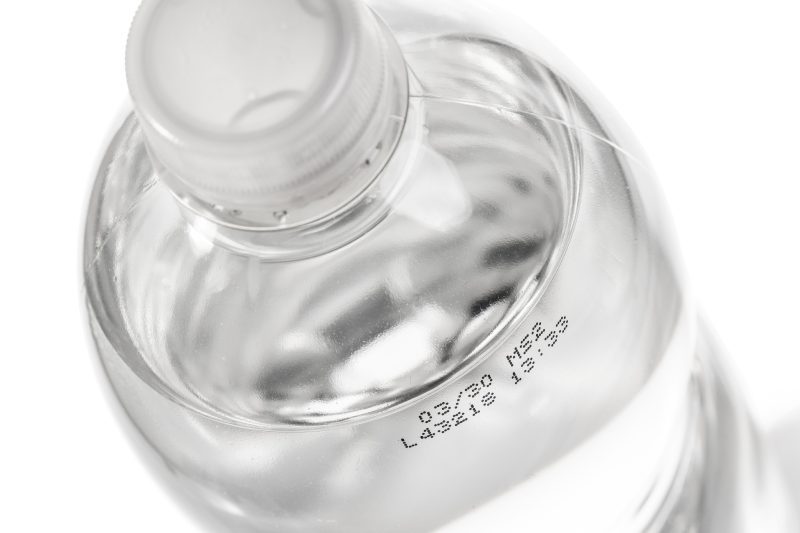
Plastic bottles and containers are widely used in beverage, personal care, pharmaceutical, household and chemical industries.
Manufacturers need to apply clear, consistent information such as expiry dates, batch numbers, lot codes and product identification directly onto packaging.
The curved surface of bottles, moisture exposure and handling conditions can make coding more challenging.
Linx CIJ printers with suitable specialist inks and UV laser coders provide options for compatible plastic bottle and container applications.
Shrink Wrap and Flexible Plastic Films
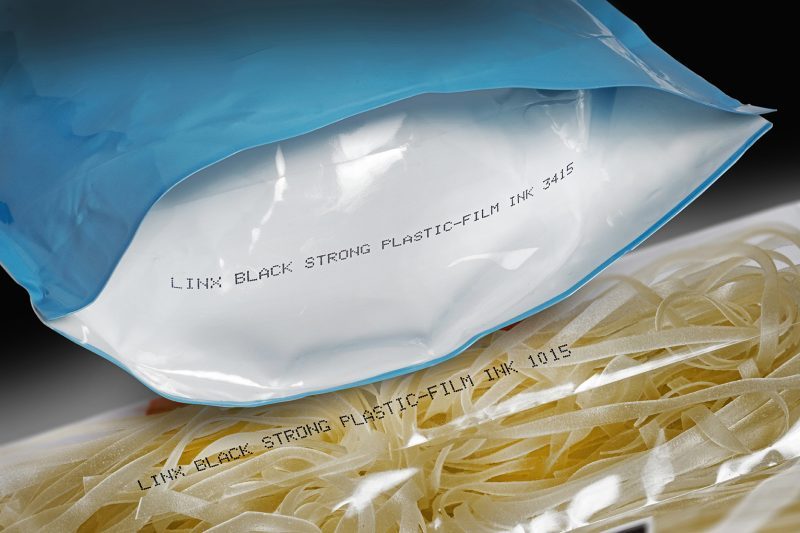
Shrink wrap and flexible films are widely used to protect products and maintain packaging integrity across food, beverage and consumer goods manufacturing.
Materials such as polypropylene (PP), polyethylene (PE), OPP and BOPP can present challenges because of their smooth, non-absorbent surfaces.
Linx CIJ printers with suitable inks, UV laser coders and TTO printers provide different options for coding compatible flexible packaging materials.
The right technology depends on the film structure, print area, production speed and required code quality.
Flow Wrap and Food Packaging
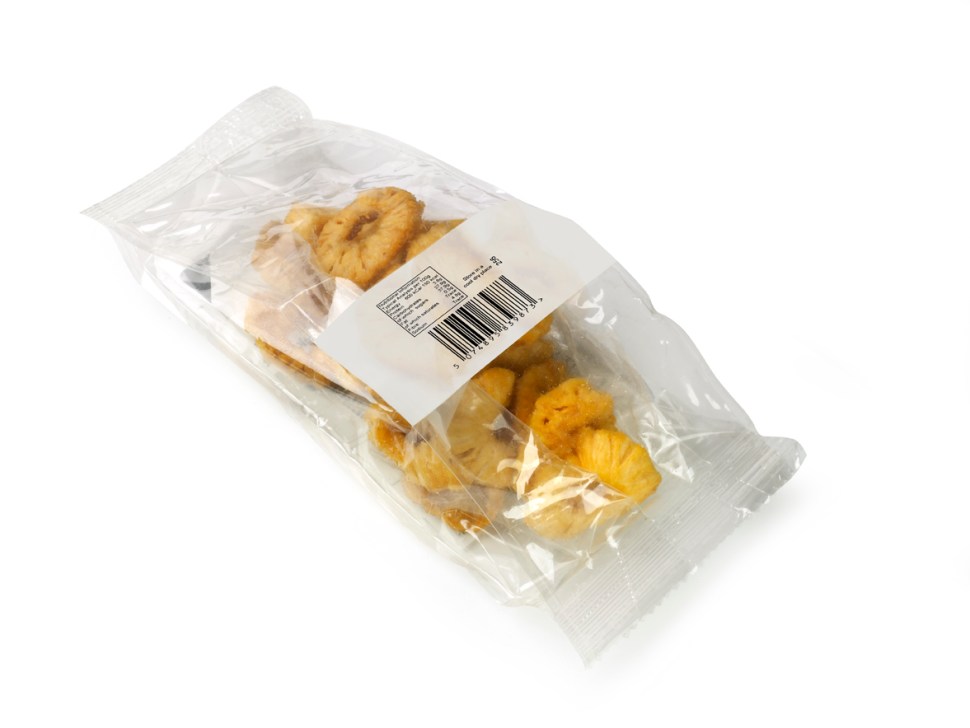
Flow wrap is widely used for packaging confectionery, snacks, bakery products and other food items.
Manufacturers need to print variable information directly onto moving packaging films without affecting the packaging process.
Linx TTO printers are particularly suited to high-resolution coding on compatible flexible films, including dates, batch numbers, barcodes, QR codes and product information.
CIJ and UV laser technologies can also be assessed for suitable materials and packaging configurations.
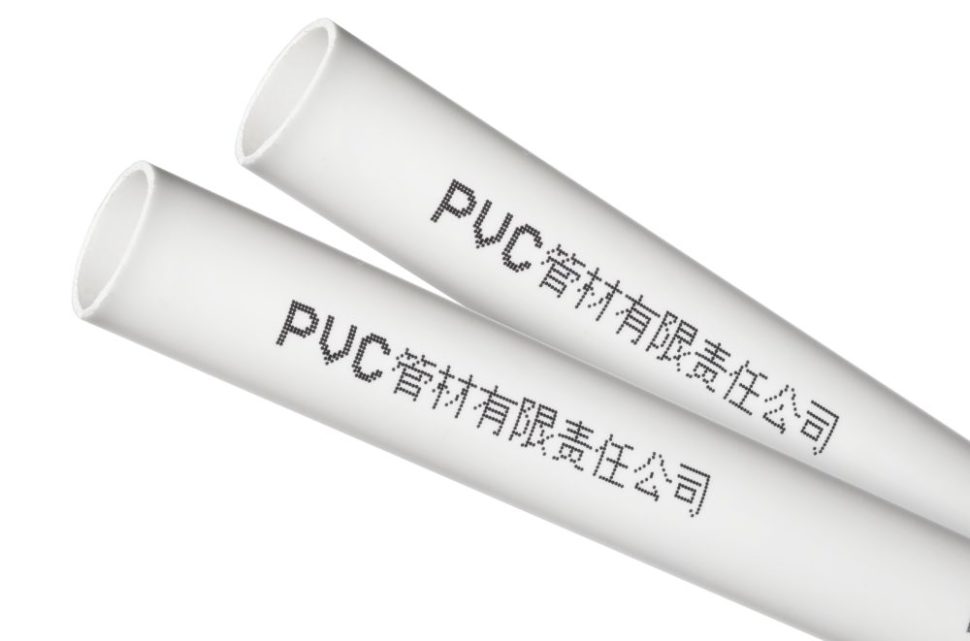
Plastic Tubes, Pipes and Extrusions
Plastic tubes, pipes and extruded products are used in construction, agriculture, electrical and industrial manufacturing.
These applications often require continuous identification, product specifications, batch information and traceability details along the length of the material.
Linx CIJ printers can provide non-contact coding on compatible moving product surfaces. Pigmented ink options can also be considered where improved contrast is required on selected dark or coloured products.
The choice of printer and ink depends on the extrusion material, product speed, print position and required code durability.
Resources – Case Studies and Blogs

Micromix Plant Health – Uses Linx CIJ printers to code HDPE and PET bottles as well as cardboard boxes.
Nordic Plastics Group – Linx CIJ printers are used to print quality codes on processed plastic components.
Decantae Mineral Water– Two Linx CIJ printers code batch and best-before information onto PET and glass bottles.

Ensuring Reliable Traceability Coding in a Changing World of Plastic Packaging – Blog
Frequently Asked Questions About Plastic Coding and Marking Machines
The best plastic coding machine depends on the material, production speed and coding requirements. CIJ printers are suitable for variable product coding on compatible plastic surfaces, UV laser coders provide permanent marking on suitable plastics, and TTO printers are designed for high-resolution coding on flexible packaging films.
Readable plastic marking depends on the material, surface finish, code contrast and marking technology. Selecting a suitable ink formulation or laser configuration is important. Linx offers specialist adherence inks, pigmented CIJ options and UV laser marking solutions for compatible plastic materials.
Yes. Linx CIJ printers can be configured for compatible PET and HDPE bottle applications using appropriate ink formulations. The choice of ink depends on the bottle material, surface condition and production environment.
CIJ printers apply ink droplets without contacting the product surface, making them suitable for variable information on moving production lines. UV laser coders create permanent marks without ink or ribbon consumables and are suitable for selected rigid plastics and flexible films.
Yes. Linx TTO printers are designed to apply high-resolution variable codes directly onto compatible flexible films, foils and plastics. They can be integrated with VFFS, HFFS and flow-wrap packaging machinery.
Polypropylene and polyethylene can require specialist ink formulations because of their low surface energy. Linx offers special adherence inks designed for compatible PE and PP surfaces, including untreated OPP and BOPP films. Testing is recommended to confirm the required adhesion and durability.
Find the Right Plastic Coding and Marking Solution with Linx
Send Linx your plastic packaging or component sample and tell us what you need to print. Our team can assess your application, recommend a suitable coding technology and arrange a free, no-obligation print sample.