
Overcoming the Daily Challenges of Pigmented Ink Printing
Pigmented inks often used for white or light-colored codes on dark substrates offer durability and visibility. But they come with daily operational challenges: increased downtime, more frequent cleaning, and possible reduced print quality. Understanding and choosing the right printer design helps you get the benefits without the headaches.
Why Pigmented Ink Is Difficult in Everyday Use?
Pigments are not inherently soluble in solvents, which leads to several technical issues:
- Reduced contrast over time as pigments settle
- Blocked filters, nozzles, and pipes due to clumping or pigment buildup
- Damage to pumps and valves from thicker, sediment-laden ink
- Poor print quality and inconsistent results, especially after downtime
These problems are especially noticeable in harsh environments or when the printer is used intermittently.
The Benefits of Pigmented Ink Printing That Make It Worthwhile
Despite the challenges, pigmented inks offer compelling advantages:
- Colour fastness — print remains clear and legible over time and under tough conditions.
- High visibility on dark or coloured substrates — ideal for cables, pipes, automotive components, bottles or bottles with dark surfaces.
- Superior adhesion and durability — resistant to abrasion, moisture, fading.
One of the key areas to consider in printer design is limited pigment settling to ensure high print quality.
What to Look for in a Good Pigmented Ink Printer
| Feature | Why It Helps |
|---|---|
| Automatic flush and pipe emptying at shutdown/startup | Prevents pigment settling and blockages when not in use. |
| Adaptive solvent control | Maintains optimal ink viscosity; prevents clogs without diluting opacity. |
| High-quality filtration | Captures particles before they reach the printhead, reducing maintenance. |
| Sediment mixing or agitation | Keeps pigment uniformly distributed, especially during long idle periods. |
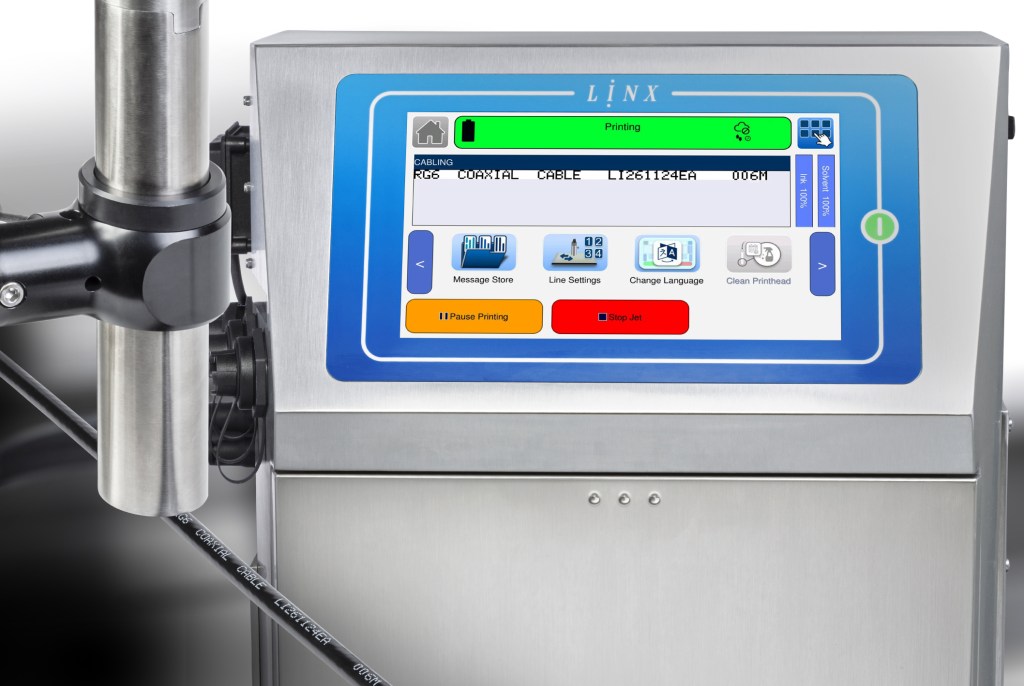
| User-friendly interface and easy message setup | Saves operator time and reduces error when switching jobs or using dark substrates. |
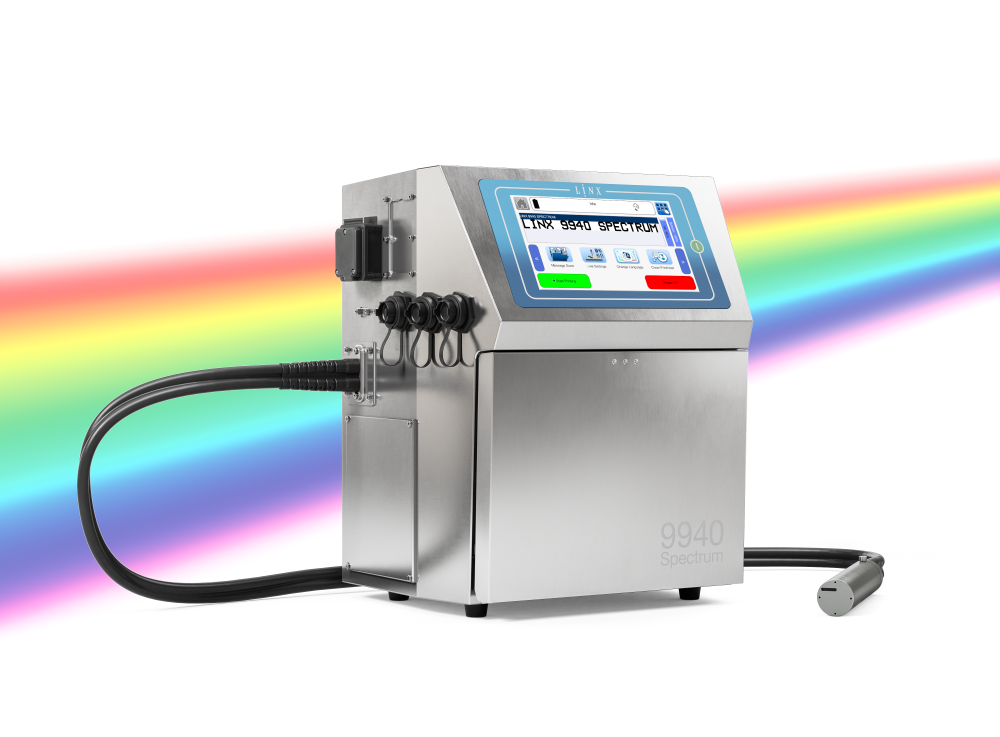
Real-World Example: Linx 9940 Spectrum in Action
One electronics manufacturer switched to the Linx 9940 Spectrum to mark dark casings. Before, they faced frequent line stoppages—filters clogged daily, print contrast dropped over time, operators spent up to 30 minutes a day cleaning. After switching:
- Downtime reduced by ~40%
- Maintenance tasks dropped to a few minutes per week
- Consistent, bright white marking even after holiday shutdowns
Contact our experts to advise on your substrate, environment, or inks.
FAQ- Pigmented Ink Printing
Not necessarily—if the printer has an automatic flushing system and pipe emptying on shutdown, daily flushing may be reduced.
If the printer is well-designed (robust pumps, valves tolerant to pigment, good filtration), no. Choosing good cartridge and fluid management systems helps protect components.
Yes — but ensure the ink is formulated for adhesion on that substrate, and that curing/drying suits your production speed.