
Thermal Inkjet Printers (TIJ)
High-resolution coding. Minimal maintenance. Easy integration.
Linx TJ Series thermal inkjet printers deliver sharp, reliable codes on porous and non-porous packaging. Print dates, batch codes, barcodes, QR codes and variable data at production-line speeds using compact, easy-to-integrate TIJ technology.
Get in touch today to find the right TIJ printer for your production line.
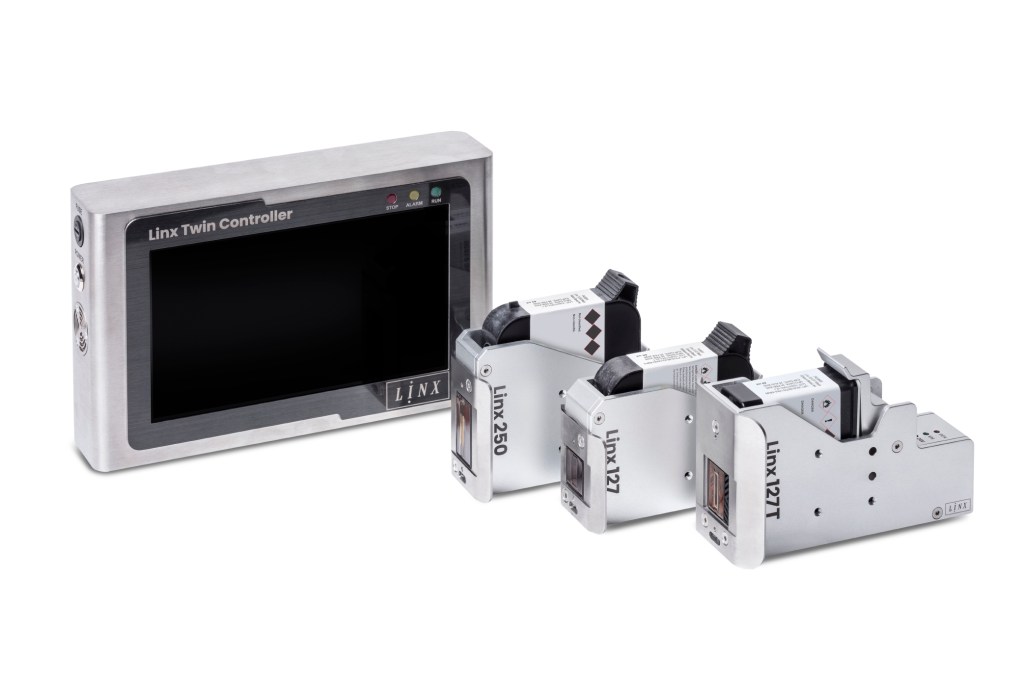
Which Linx TIJ Printer is Right for Your Production Line?
| Model | Best suited for | Print height | Key advantage |
|---|---|---|---|
| Linx TJ127 | General-purpose high-resolution coding | Up to 12.7 mm | High-speed, versatile coding |
| Linx TJ127T | Non-porous industrial substrates | Up to 12.7 mm | Fast-drying solvent/MEK inks |
| Linx TJ250 | Cartons and larger print areas | Up to 25.4 mm | Larger-format high-resolution printing |
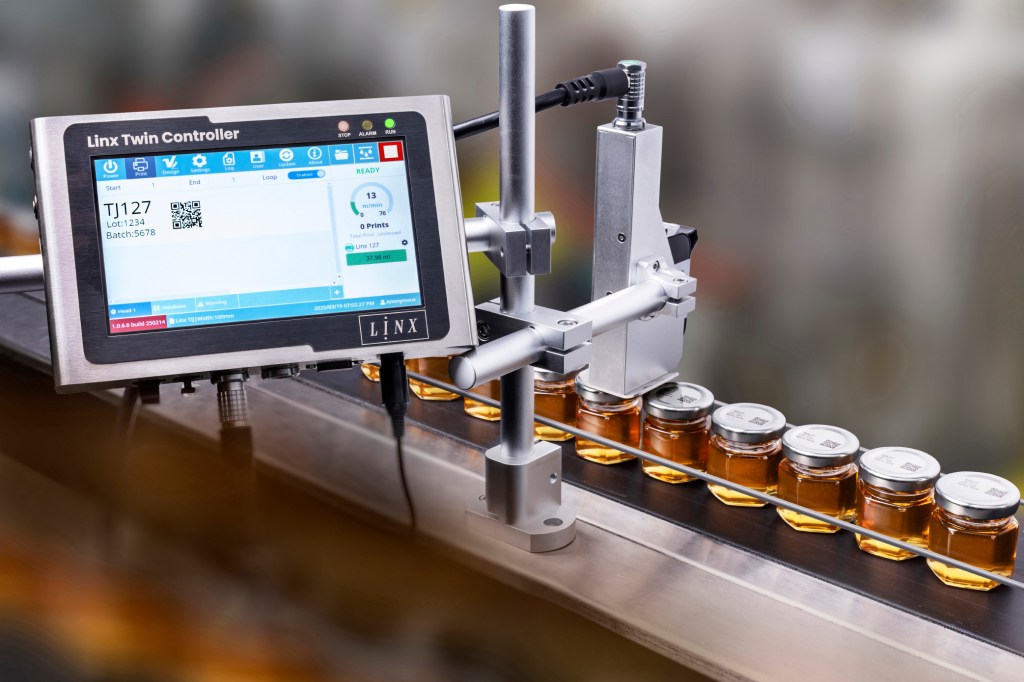
Explore the Linx Thermal Inkjet Printer Range
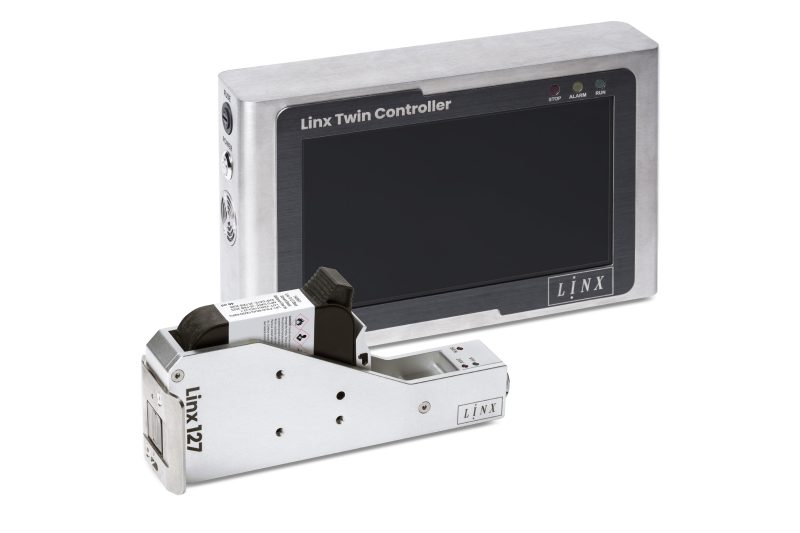
LINX TJ127
High-resolution, high-speed printer ideal for detailed coding and flexible applications across multiple substrates.
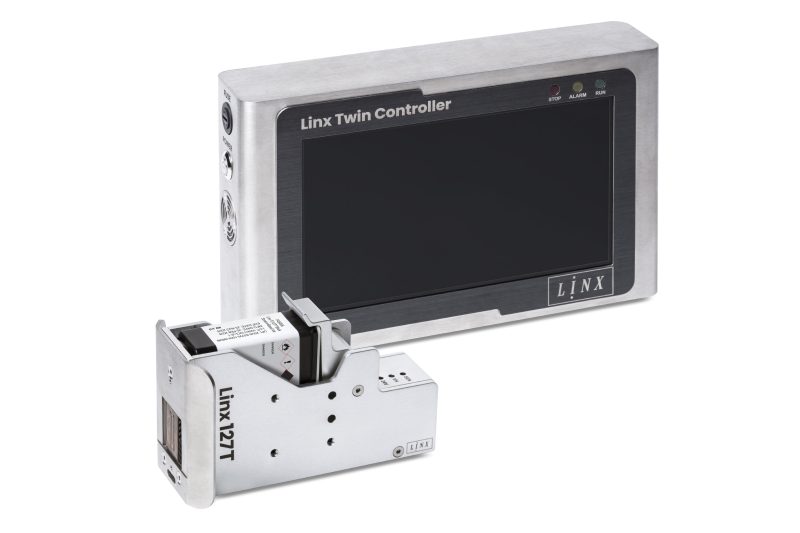
LINX TJ127T
Built for tough environments, using fast-drying solvent inks for strong adhesion on non-porous surfaces.
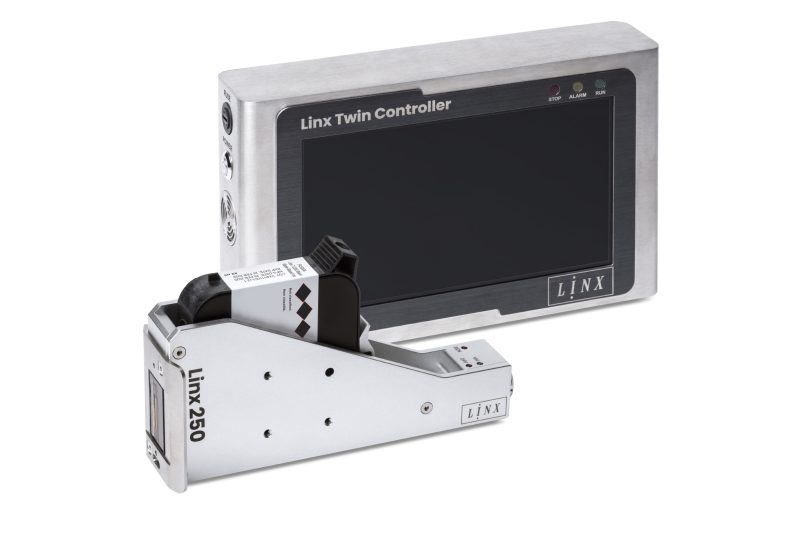
LINX TJ250
Designed for larger print areas, perfect for cartons and outer packaging with bold, clear codes.
Industrial Thermal Inkjet Printer Applications
Linx thermal inkjet printers provide high-resolution coding across primary and secondary packaging. From cartons and labels to plastics and specialist substrates, the TJ Series can be configured around your packaging material, production speed and code requirements.
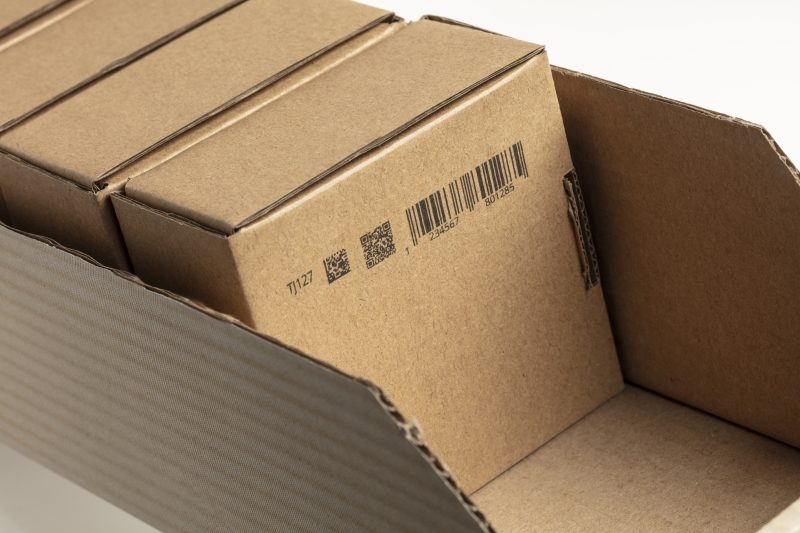
Packaging
Print text, graphics, barcodes and variable information directly onto cartons and other secondary packaging.
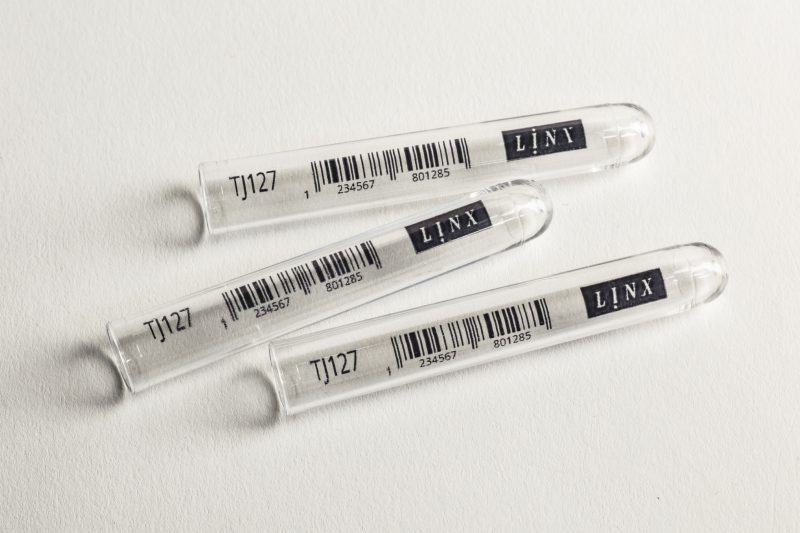
Pharma
Produce precise, machine-readable codes for product identification and traceability, including barcodes, Data Matrix codes and variable data.
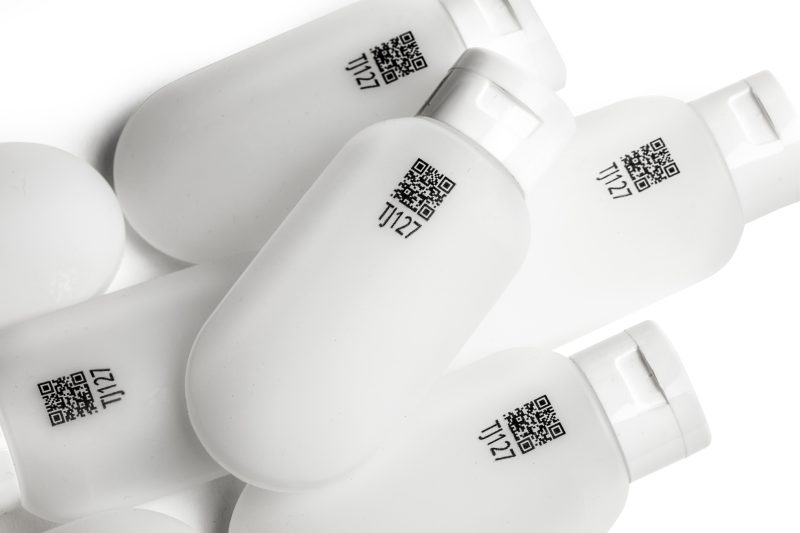
Cosmetics
Apply sharp text, batch information and machine-readable codes across a range of cosmetic and personal care packaging.
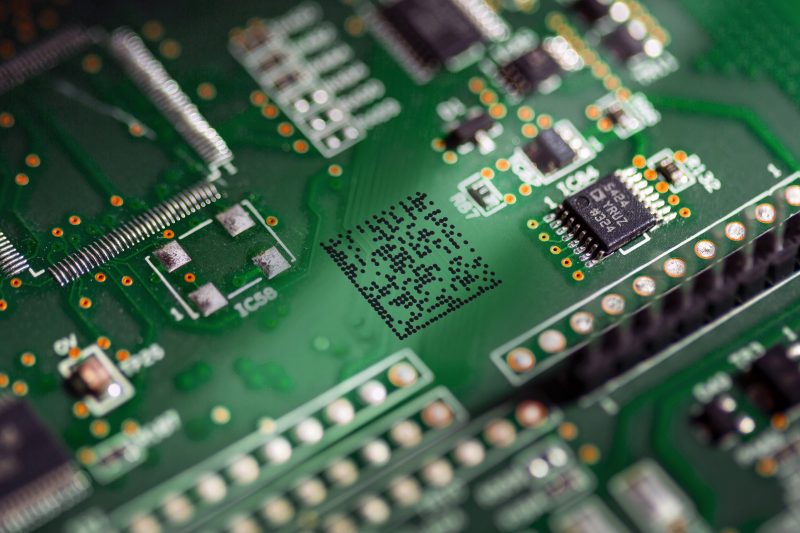
Electronics
Print high-resolution identification, serialisation and traceability information where compact, precise coding is required.
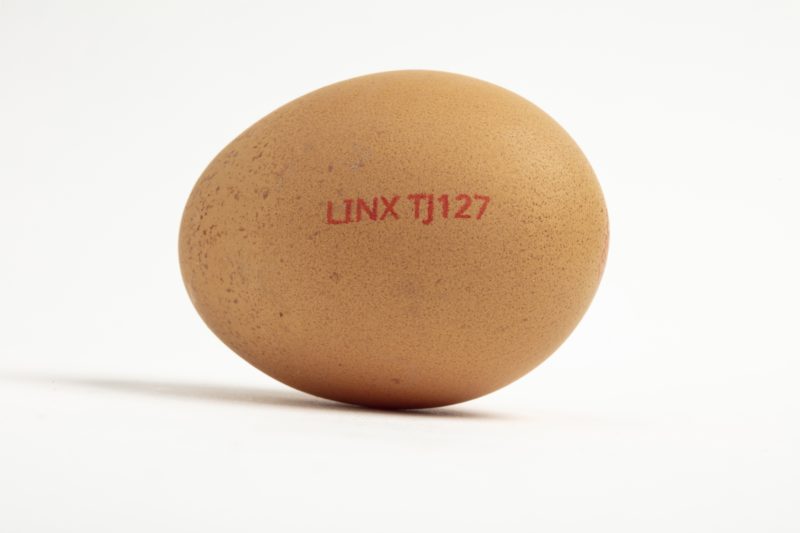
Food
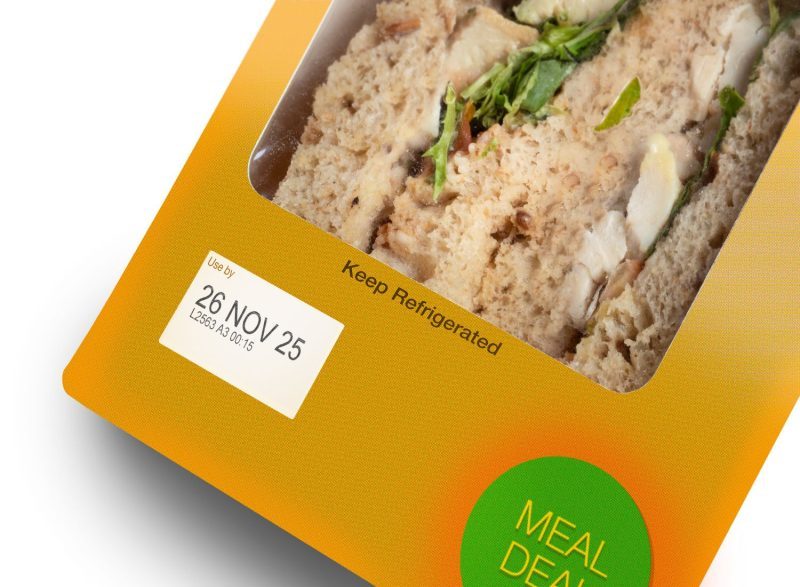
Print clear date codes, batch numbers, barcodes and variable information on cartons, labels and selected food and beverage packaging.
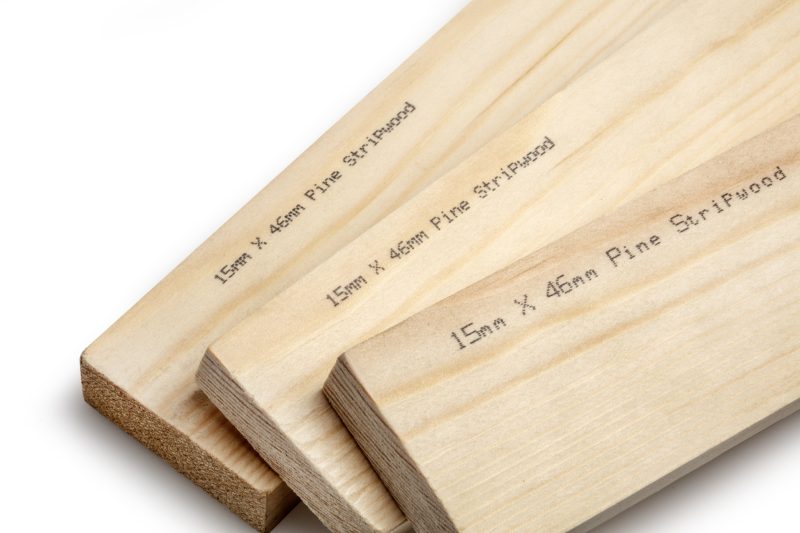
Building Materials & Construction
Print clear batch information, product identification, barcodes and traceability codes on suitable construction product packaging and materials.
Contact Us
Why not get in touch with one of our sales reps to talk about how Linx can support your coding and marking needs?
Why Choose Linx Thermal Inkjet Printers?
Get high-resolution industrial coding with simple operation, minimal maintenance and flexible integration into your production line.
- High-Resolution Printing
Produce sharp text, graphics, barcodes, QR codes and Data Matrix codes for reliable product identification and traceability.
- Minimal Maintenance
Cartridge-based TIJ technology helps simplify operation and reduce routine printer maintenance.
- Porous and Non-Porous Materials
Choose from water- and solvent-based inks for coding cartons, paper, plastics, films, metals and other packaging substrates.
- Easy Production-Line Integration
Compact printheads make the TJ Series easy to integrate into existing packaging and manufacturing lines.
- Flexible Industrial Coding
Print date codes, batch numbers, variable data and machine-readable codes from one versatile printing platform.
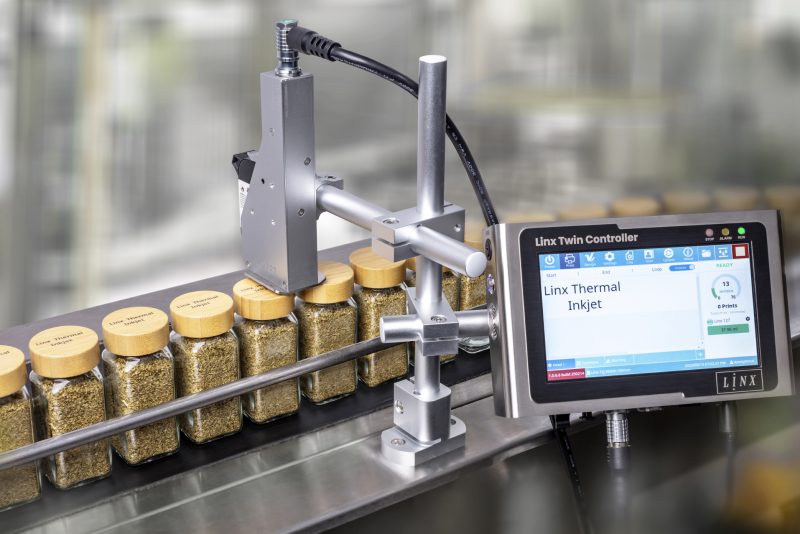
Let’s Find Your Perfect Marking Solution
Not sure which thermal inkjet printer fits your production best?
Reach out — whether you call, chat, or fill in the form, our team will guide you toward the ideal setup for your line. Tell us your goals, and we’ll find a solution that saves you time, effort, and cost.
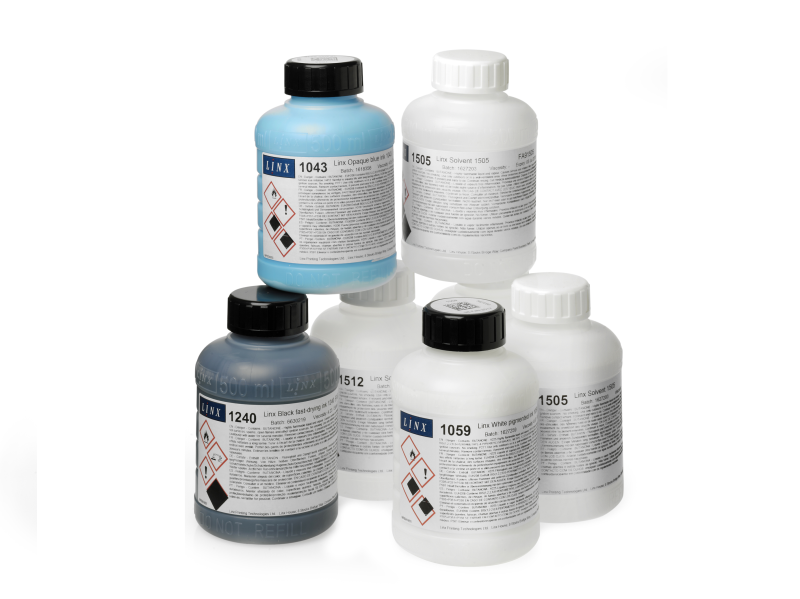
Thermal Inkjet Printer Inks for Every Application
- Black Water-Based (TJ127 & TJ250): High darkness, fade resistance, ideal for paper & cardboard
- Black Solvent-Based (TJ127 & TJ127T): Excellent adhesion and rub resistance on PET, PVC, foil
- Blue & Red Water-Based (TJ127): Eye-catching coding for specialist applications like egg coding
- Black MEK Solvent-Based (TJ127T): Fast drying with extended throw distance for industrial substrates
GS1 2D Barcode Printing with TIJ
Prepare your production line for increasingly data-rich product identification with high-resolution TIJ coding.
Linx thermal inkjet printers can produce sharp, machine-readable 1D and 2D codes, including QR codes and Data Matrix codes, alongside dates, batch information and other variable data.
High-resolution printing makes TIJ particularly suitable for applications where code clarity and readability are essential for traceability and supply-chain requirements.
Key Benefits:
- Compact design for easy integration into existing production lines
- High‑resolution 2D code printing for GS1 compliance
- Wide ink range for coding on porous and non‑porous materials
Technical Specifications
TJ127 & TJ250
- Resolution: Up to 600 x 600 dpi
- Print Speed: Up to 228m/min (TJ127); Up to 120m/min (TJ250)
- Print Height: Up to 12.7 mm (TJ127); Up to 25.4 mm (TJ250)
- Throw Distance: Up to 4 mm (TJ250); Up to 5 mm (TJ127)
- Lines of Print: Up to 12 (TJ127); Up to 6 (TJ250)
- Density: Up to 3 levels of optical density
- Inks: Water-based and solvent-based (black); blue and red water-based for TJ127
- Operating Temperature Range: 10°C – 40°C
- Humidity: 40% – 80%, non-condensing
- Weight: Controller: 888g; Printhead: up to 412.5g
- Dimensions: Controller: 193 x 130.3 x 34.5 mm; Printhead: 216.4 x 64 x 49.1 mm
TJ127T
- Resolution: Up to 300 x 600 dpi
- Print Speed: Up to 40m/min
- Print Height: Up to 12.7 mm
- Throw Distance: Up to 10 mm
- Lines of Print: Up to 6
- Density: Up to 3 levels of optical density
- Inks: Solvent-based (black), including MEK for high-speed industrial use
- Operating Temperature Range: 10°C – 40°C
- Humidity: 40% – 80%, non-condensing
- Weight & Dimensions: Same as TJ127/TJ250
Resources – Datasheet, Blogs and More

Thermal Inkjet Printer Datasheet
Thermal Inkjet Printer Ink Datasheet
Thermal Inkjets vs Continuous Inkjet- Blog
UK Food Date Coding Guide- Blog
Frequently Asked Questions About Thermal Inkjet Printers
A thermal inkjet (TIJ) printer is a non-contact printing system that uses heat to eject small droplets of ink from a cartridge onto a substrate. Industrial TIJ printers are commonly used for printing dates, batch numbers, text, barcodes, QR codes and other variable information onto packaging and products.
TIJ is typically suited to high-resolution coding on relatively controlled surfaces and packaging lines, while continuous inkjet (CIJ) is highly versatile for fast-moving products, irregular shapes and demanding production environments. The best technology depends on the substrate, line speed, code requirements and production environment.
Yes. With the appropriate solvent-based ink, Linx TIJ printers can code non-porous materials including selected plastics and films. Ink selection should be matched to the specific substrate and production requirements.
Yes. Industrial thermal inkjet printers can produce high-resolution machine-readable codes including barcodes, QR codes and Data Matrix codes, making TIJ suitable for product identification and traceability applications.
Yes. TIJ printers are compact and can be integrated into packaging and manufacturing lines for high-resolution variable-data coding. The appropriate model depends on line speed, substrate, required print height and ink.