
Linx UVG5




UV Laser Coder
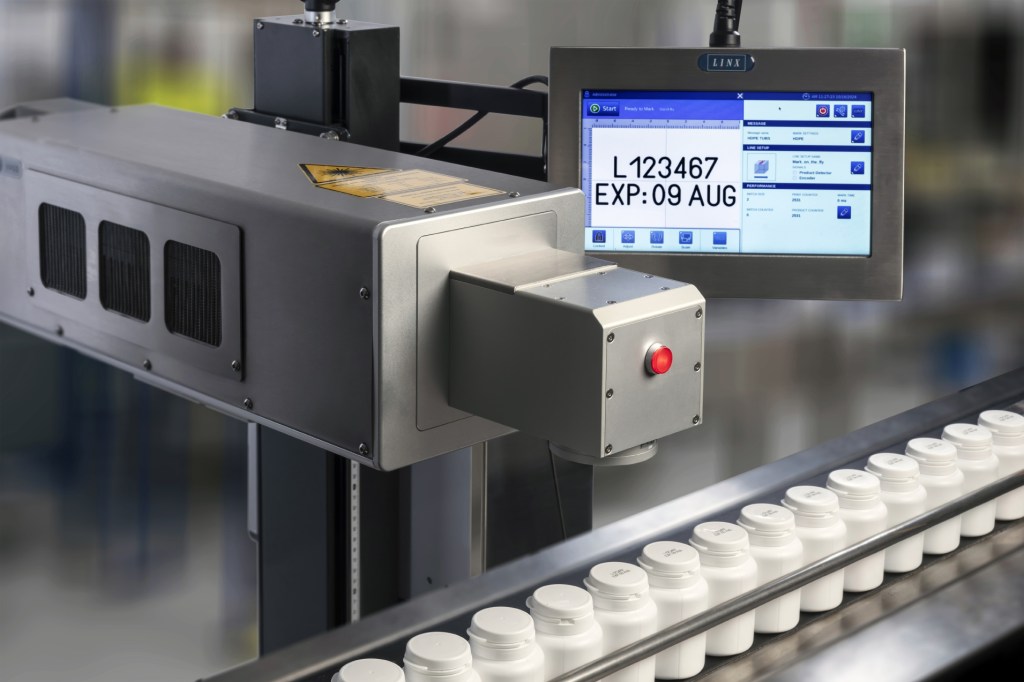
The Linx UVG5 UV laser coder is the ideal solution for permanent marking on flexible films and rigid plastics, without the need for consumables and whilst maintaining the integrity of the substrate. Providing higher production throughput through fast product marking, and with simple integration into existing lines, the easy-to-use Linx UVG5 laser redefines efficiency.
About UV Laser Marking
UV lasers are different to other marking lasers such as CO2 and fibre. UV uses high-energy photons to break chemical bonds in materials, a process known as ‘cold processing’, which minimises thermal damage to surrounding areas.
By minimising thermal stress, UV laser marking ensures substrate integrity and reduces the risk of damage, making it an ideal choice for marking sensitive materials where traditional CO2 and fibre lasers may cause undesirable effects.
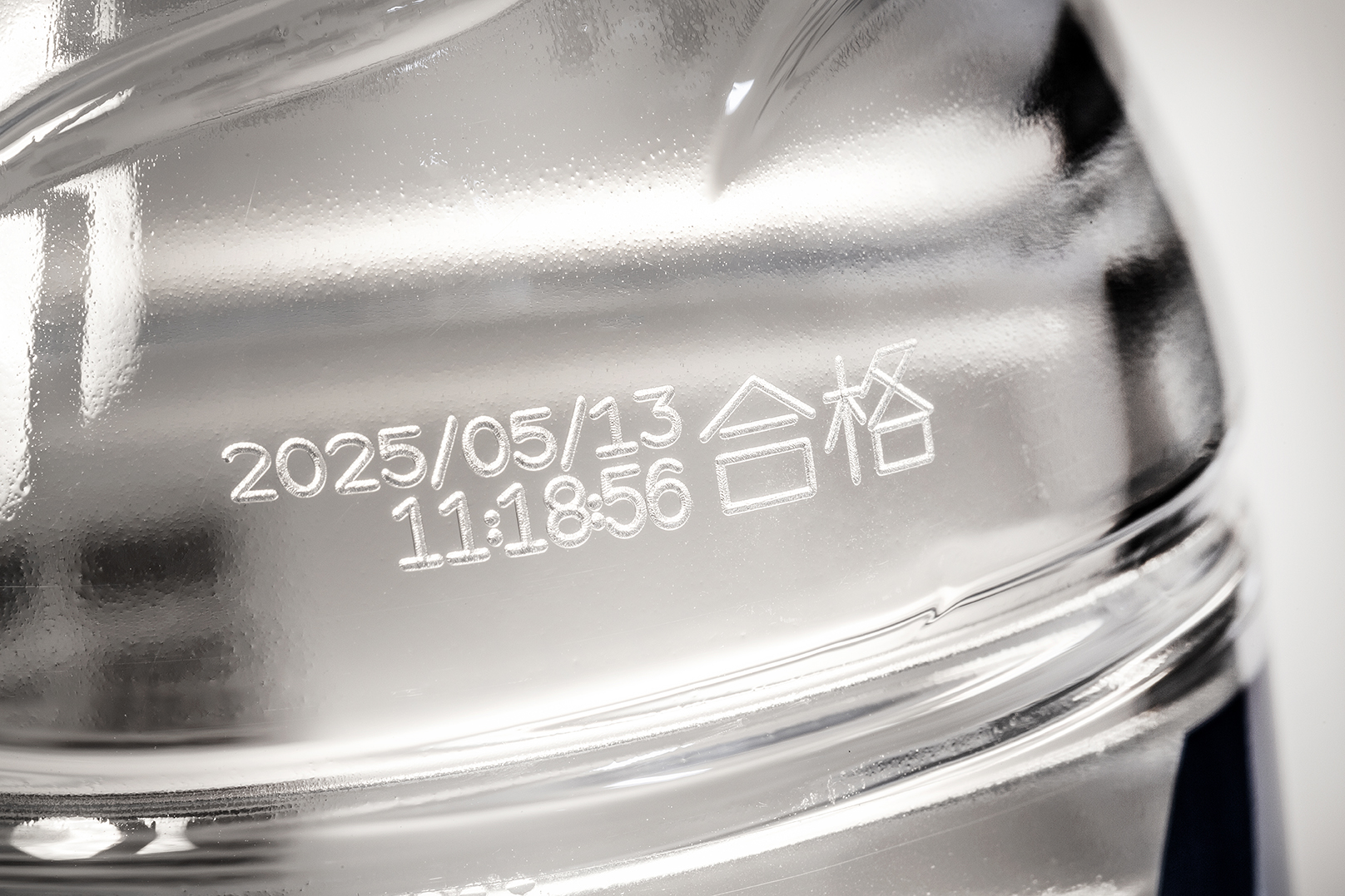
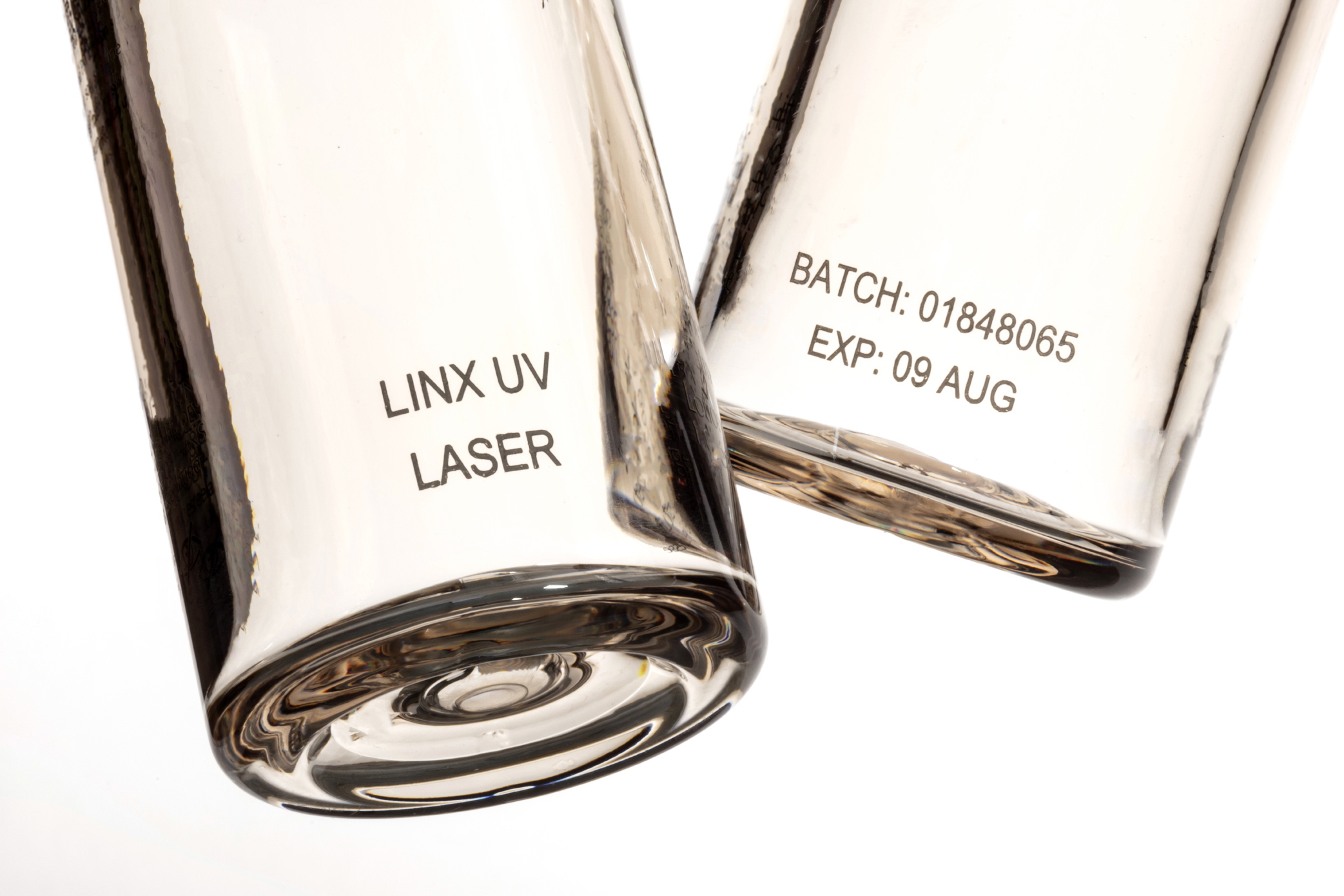
UV lasers are an ideal coding solution for a diverse range of materials including delicate mono-recyclable films, glass and difficult to mark rigid plastics such as HDPE, LDPE and PP, whilst maintaining the integrity of the product.
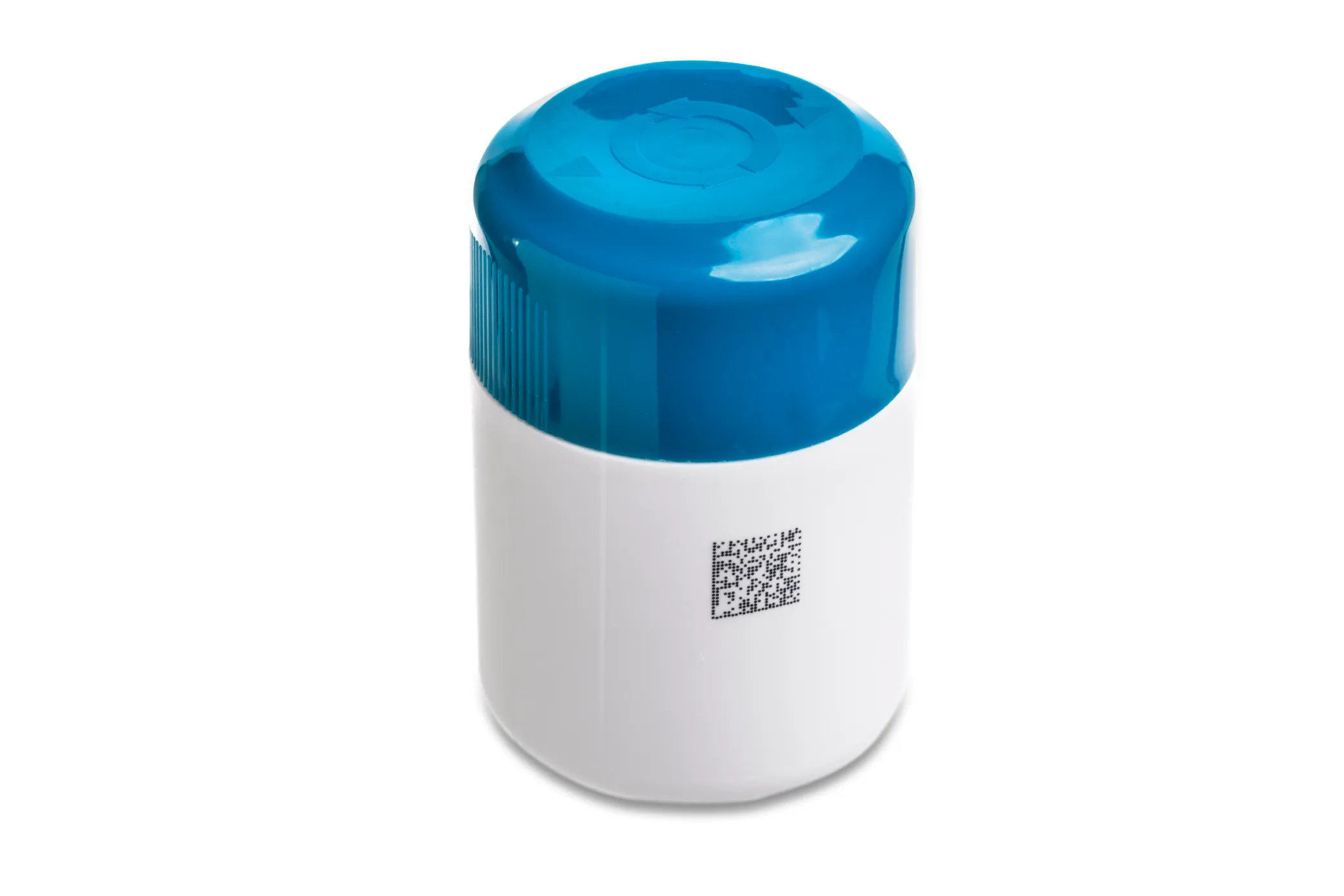
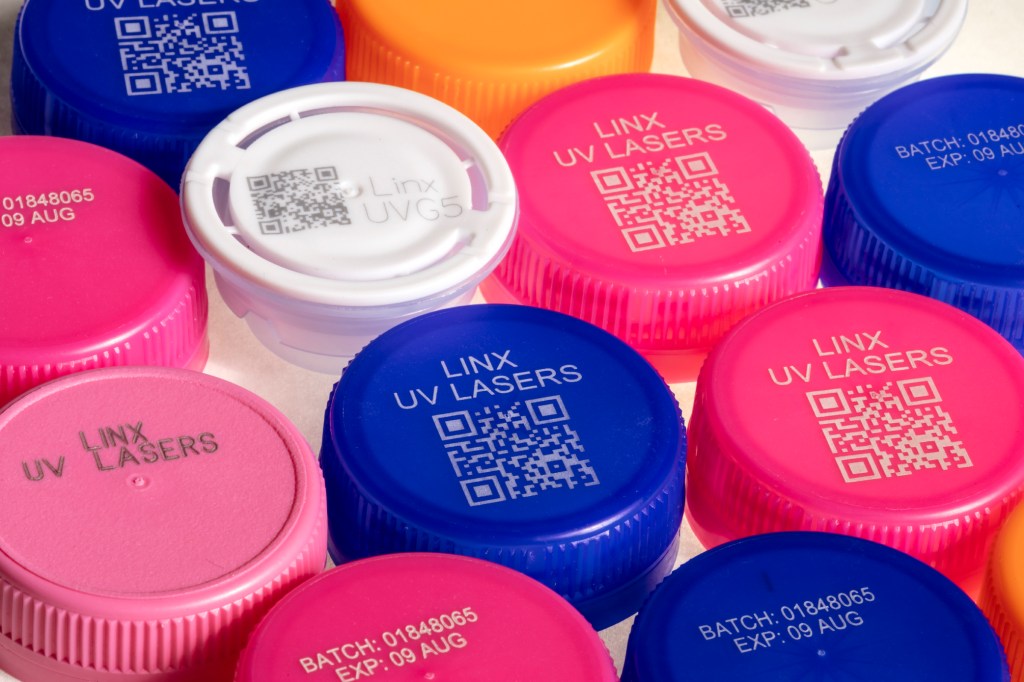
Capable of marking human-readable text and logos as well as machine-readable codes such as 2D Data Matrix, QR including GS1, the UVG5 delivers consistent code quality to support traceability requirements.
“The Linx UVG5 UV coder is another example of Linx innovation, providing an adaptable and user-friendly solution for challenging substrates that meets a variety of coding requirements, including effective traceability. Companies can be assured of the consistent, sustainable operation of their production lines with fewer product recalls.”
Mariusz Dabrowski, Business Unit Manager – Ink & Non-CIJ Technologies, Linx Printing Technologies
Application
Flexible coding capabilities
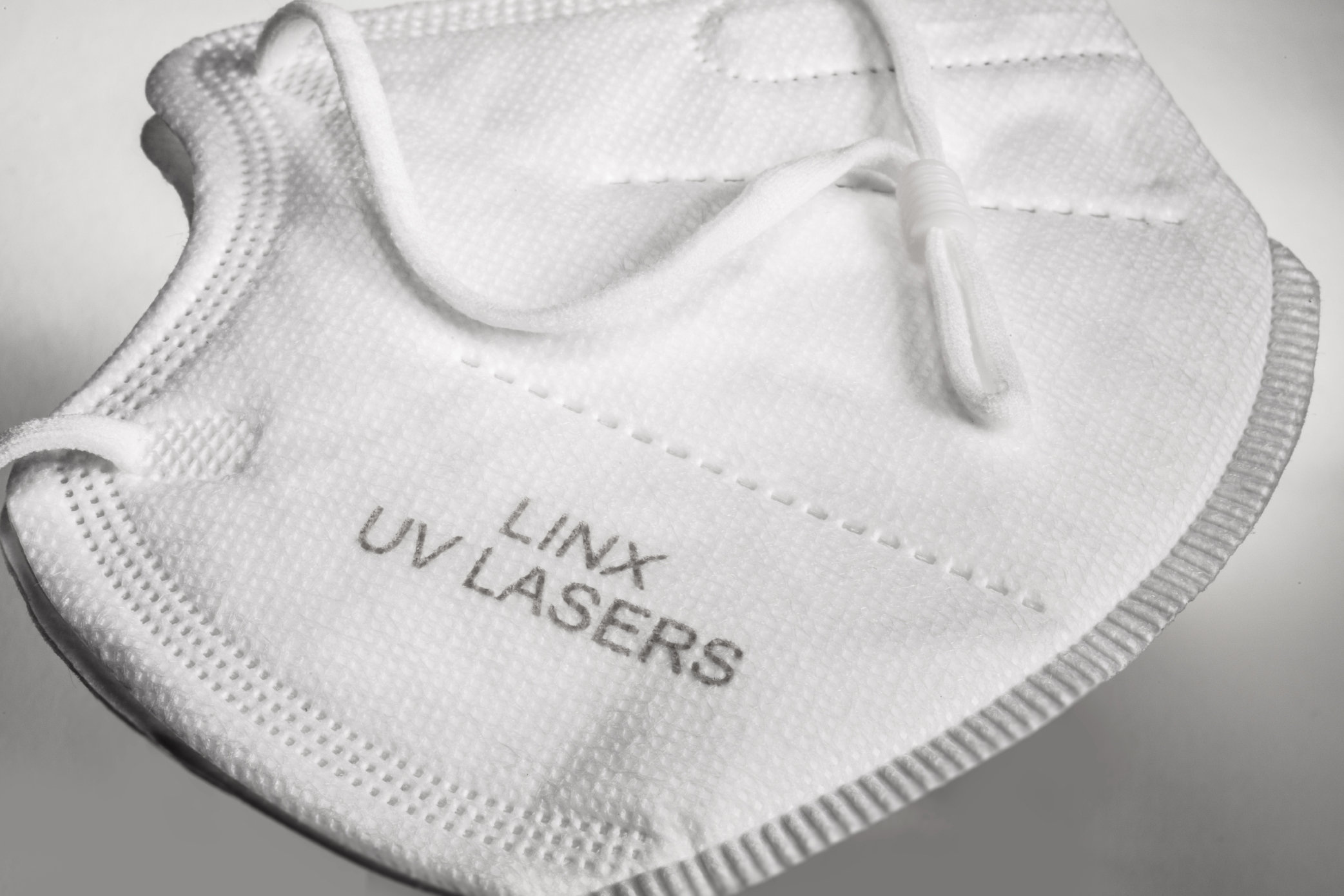
- Mark on a range of materials: The Linx UVG5 is an ideal solution for permanently coding a range of materials, including delicate mono-recyclable films and difficult to mark rigid plastics.
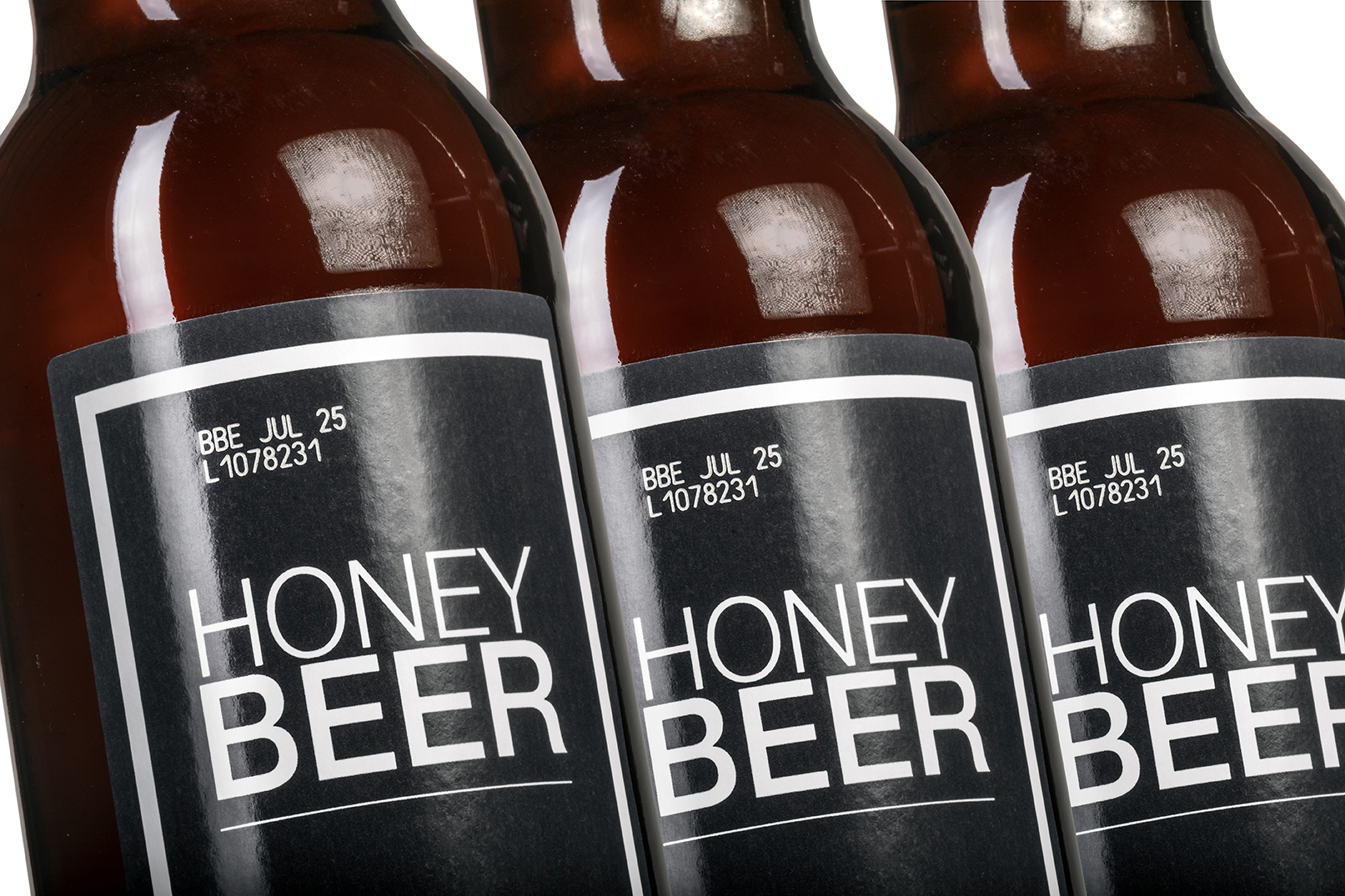
- Coding capabilities: UVG5 can clearly mark text, numbers, dates, times, barcodes, 2D codes including GS1, graphics and logos
Peformance
Fast. Gentle. Crystal clear.
- High marking speed: Keep up with the speed of your production by coding up to 2000 characters/second; 600m/min.
- Material integrity: Reduce risk of damage to packaging as the UVG5 laser creates minimal thermal stress on substrates compared to CO2 and Fibre marking.
- High contrast: Create highly visible and highly readable traceability codes with smoother-edges and higher contrast.

Easy integration
Stress-free setup and changeovers
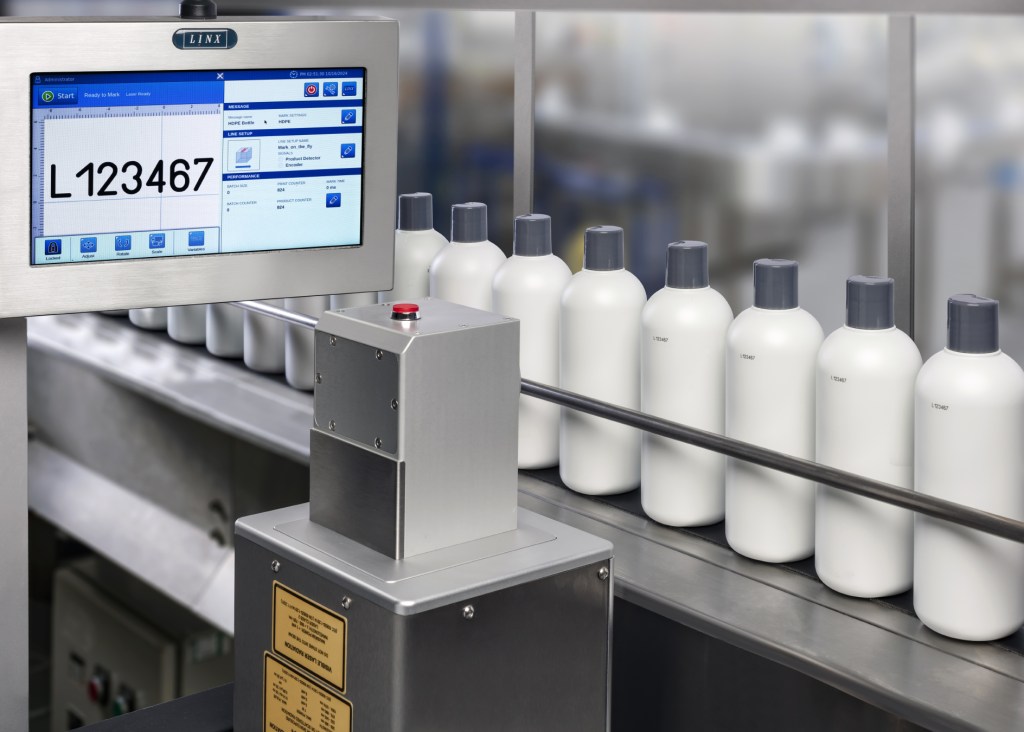
- Integrated Focus Shift: Complete product changeovers quickly with no mechanical adjustments to the production line for different size products
- Multiple configurations: Different lens options, laser extension and turning units allow for easy integration into existing lines, even in space restricted areas.
Simple operation
Easy to use for any operator
- Clear interface: Easy to create, update and revise codes, manage of printing parameters and view job status with the large colour LinxVision® touch screen, and LinxVision software.
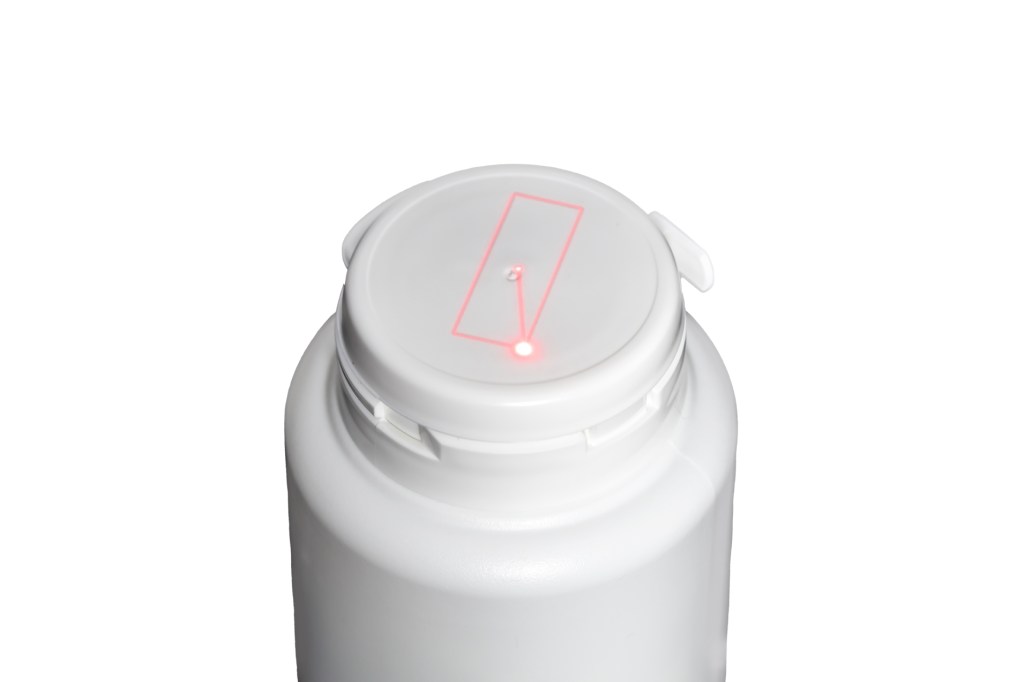
- Built-in Pilot Laser: Built-in Pilot Laser eliminates costly product waste by ensuring products are marked in the right place.
- Reduce errors: Simplify marking distance setup an doperator accuracy with the built-in focus finder.
Could the Linx UVG5 be the right fit for you? – Book a demo
Applications for Linx UVG5 Laser


Personal Care
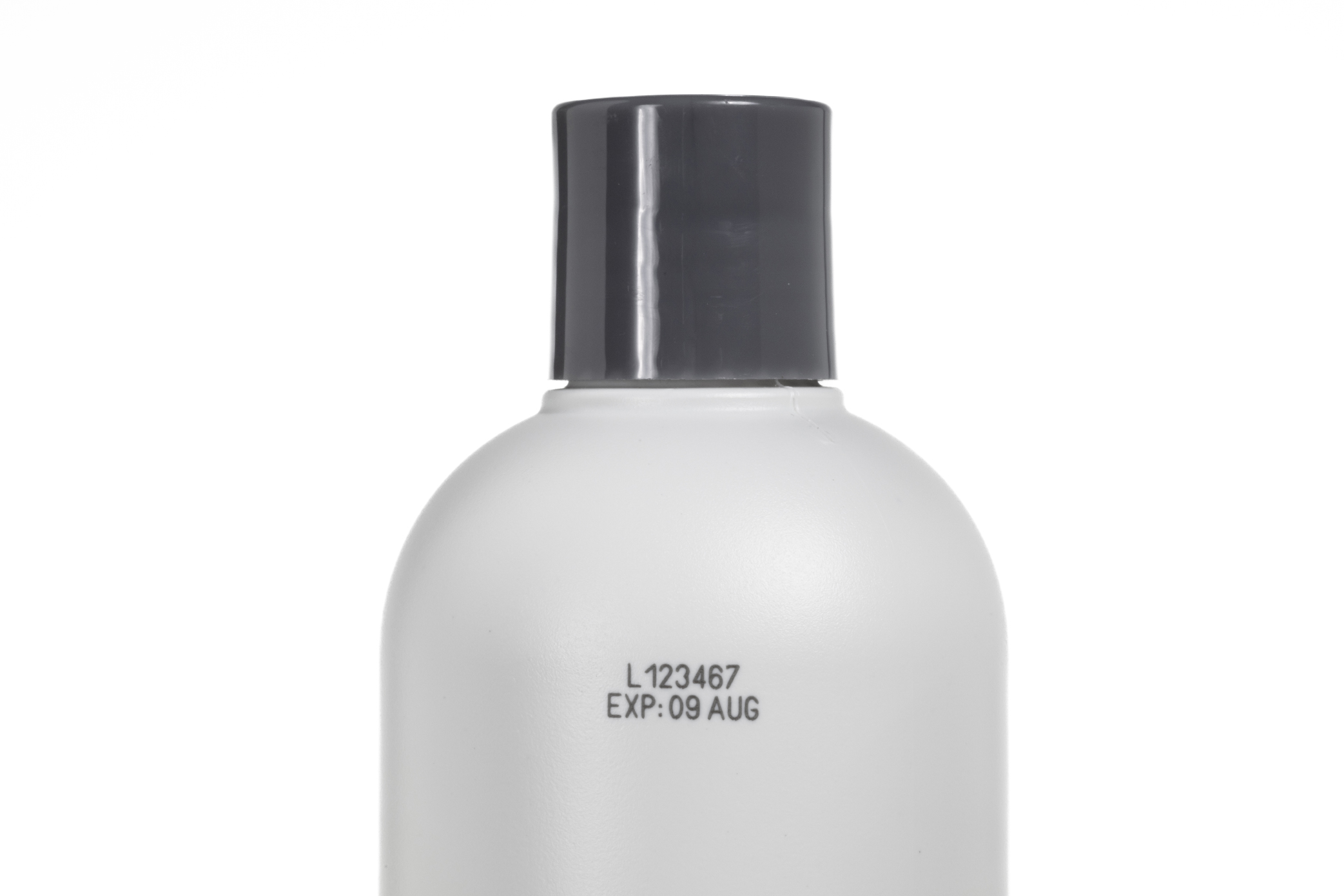
Deliver precise, high-contrast codes on delicate packaging without compromising appearance or material quality.
Nutraceuticals
Ensure clear, compliant traceability codes at high speeds, with gentle marking on plastic substrates.

Pet Food
Keep production moving with fast, reliable coding that protects packaging and ensures clear traceability.

Construction
Mark durable, readable codes at speed on a wide range of materials without affecting product performance.

Cable and Wire
Achieve high-speed, precise coding with excellent legibility while maintaining cable integrity.

The Linx UVG5
Performance | Easy Integration | Ease of Use
Check if the Linx UVG5 is available in your region by contacting your local distributor.
Coding GS1 with Linx UVG5
The Linx UVG5 UV laser coder is well suited to printing GS1 2D codes, delivering high‑precision, permanent marking of Data Matrix and QR formats with excellent readability and contrast to support reliable scanning and traceability.
Its UV “cold processing” technology minimises thermal stress on sensitive materials such as plastics and films, ensuring code quality is maintained even on challenging substrates, while high‑speed performance and consistent marking make it ideal for demanding production environments where GS1 compliance and accuracy are critical.
Linx’s official partnership with GS1 UK reinforces our commitment to delivering trusted, standards-compliant coding solutions. As a GS1 UK-approved provider, our products, including the UVG5 laser, are validated to print GS1-compliant 2D codes with precision and reliability.

Cleaner Coding Backed By Industry Insight
Independent testing by fume extraction experts Donaldson BOFA has shown that UV laser marking generates fewer and smaller particles than some traditional laser technologies. These findings highlight the importance of using a suitable extraction system to help maintain a clean, controlled production environment.
These insights reinforce what Linx customers already experience with the Linx UVG5 — precise, low-impact coding that delivers high-quality results on delicate materials. The UVG5 is fully compatible with a range of industrial extraction systems designed for laser processes.
Learn more about the Donaldson BOFA report on UV laser emissions and extraction best practices
Linx UVG5 Technical Specifications
| Maximum laser output: | 4W |
| Laser tube wavelengths: | 355mm |
| Line speed: | up to 600 m/min |
| Maximum marking speed: | up to 1200 m/min |
| Marking area: | up to 259 mm x 393 mm |
| Number of lines of text: | only limited by character size and marking field size |
| Character height: | up to marking field size |
| Print rotation: | 0-360° |
| Head mounting options: | down (90°), or straight shooter (0°), variable length Beam Extension Units (BEU), 90° Beam Turning Unit (BTU) |
| Other features: | Pilot Laser, focus finder and focus shift, available as standard |
| Code options: | Date, time, static text, variable text, serial numbers, shift codes, increment/decrement (batch count), 1D/2D barcodes, graphics and logos, Julian date, Custom date and time formats, 2D Data Matrix, QR including GS1. |
| IP rating protection class: | IP54 or IP65 (optional) |
For full technical specifications, please download the product brochure
Download the UVG5 brochure for full specification
Explore Linx UVG5 Laser
UVG5 datasheet
Linx UVG5 FAQ
UV laser coding uses a short wavelength beam to create marks through a photochemical process rather than heat, allowing precise coding with minimal impact on the material.
UV lasers create clear, high-contrast codes while applying less thermal stress, making them ideal for delicate or heat-sensitive materials where product quality must be preserved.
Yes, the UVG5 is designed for high-speed environments, delivering clear, consistent codes even on fast-moving production lines.
The UVG5 can code a wide range of materials, including plastics, films, labels, glass, and flexible packaging—especially those that are difficult to mark with other laser types.
No, UV laser technology minimises heat transfer, helping reduce the risk of warping, melting or discolouration, making it ideal for sensitive substrates.
The UVG5 produces high-contrast, smooth-edged marks that are easy to read, supporting reliable traceability and compliance.
The UVG5 is designed for dependable performance, helping maintain uptime and consistent coding quality with minimal intervention.
Yes, it can mark variable information such as batch codes, dates, serial numbers and barcodes accurately and at speed.
Its precise marking process creates clean, high-quality codes without damaging or affecting the look of the packaging, making it ideal for premium products.
Related Products
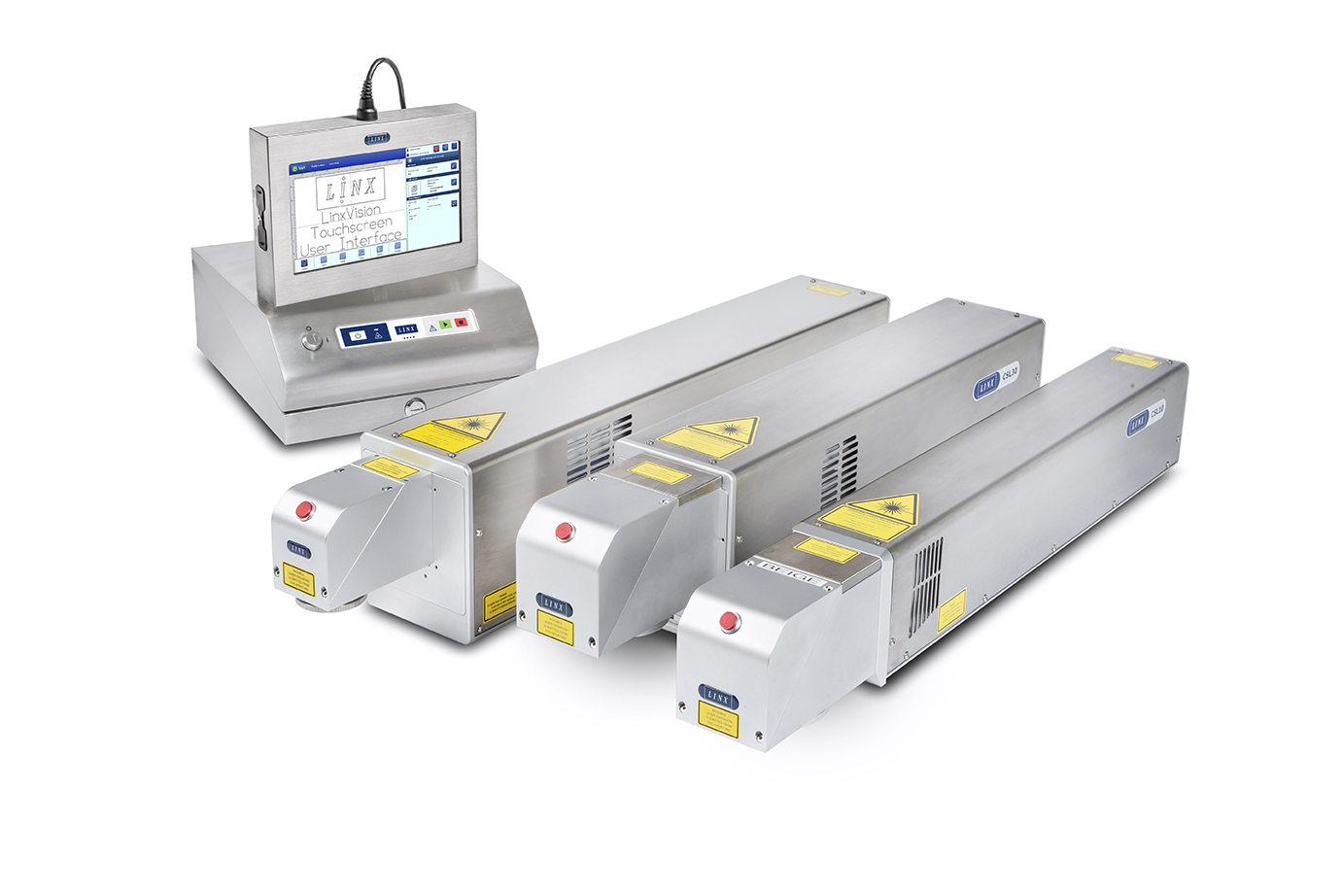
Linx CSL Series
Versatile solution for permanent marking

Linx SL3 Laser
30W compact and robust laser coder
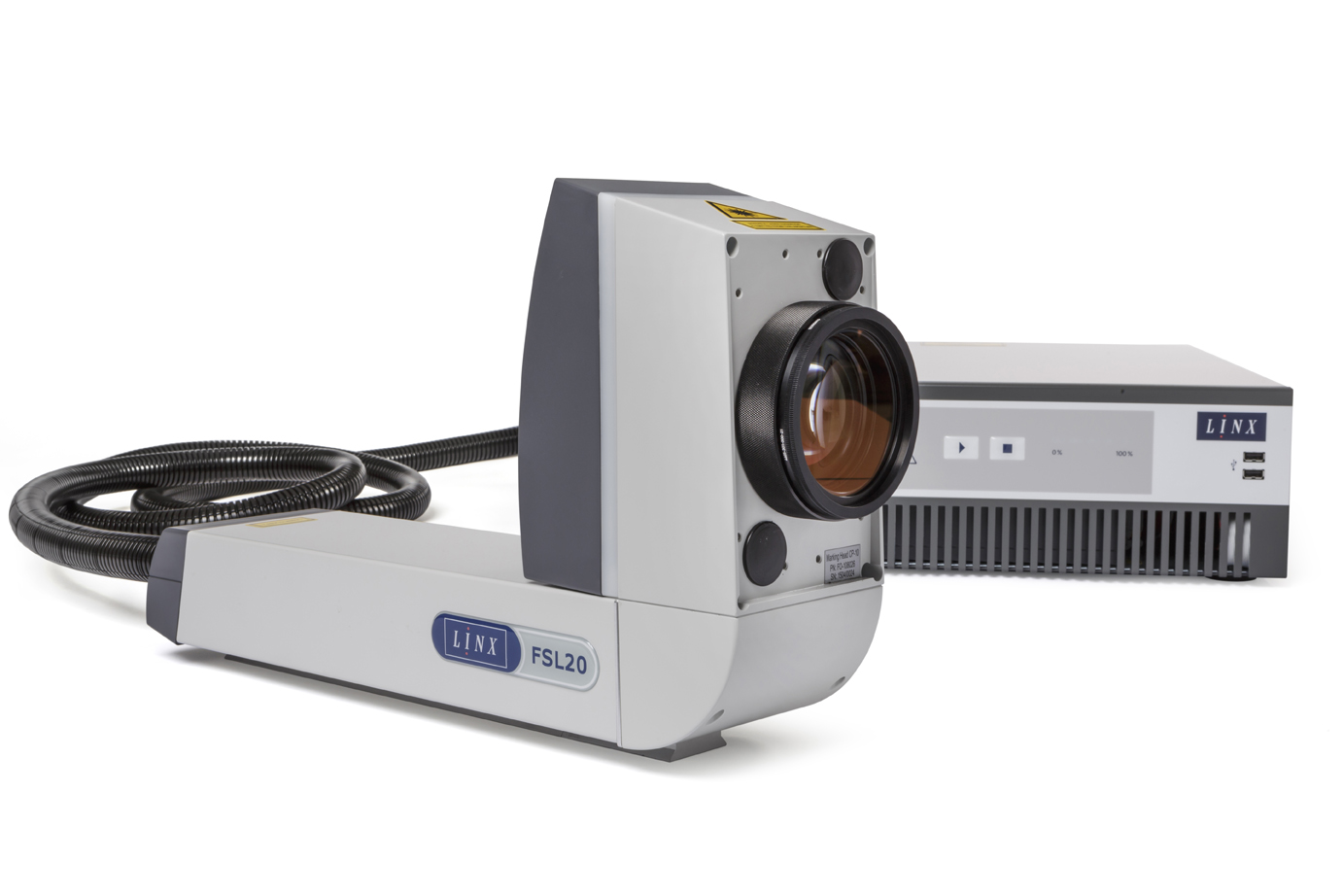
Linx FSL Series
Precision marking on many materials