

Plant Passport
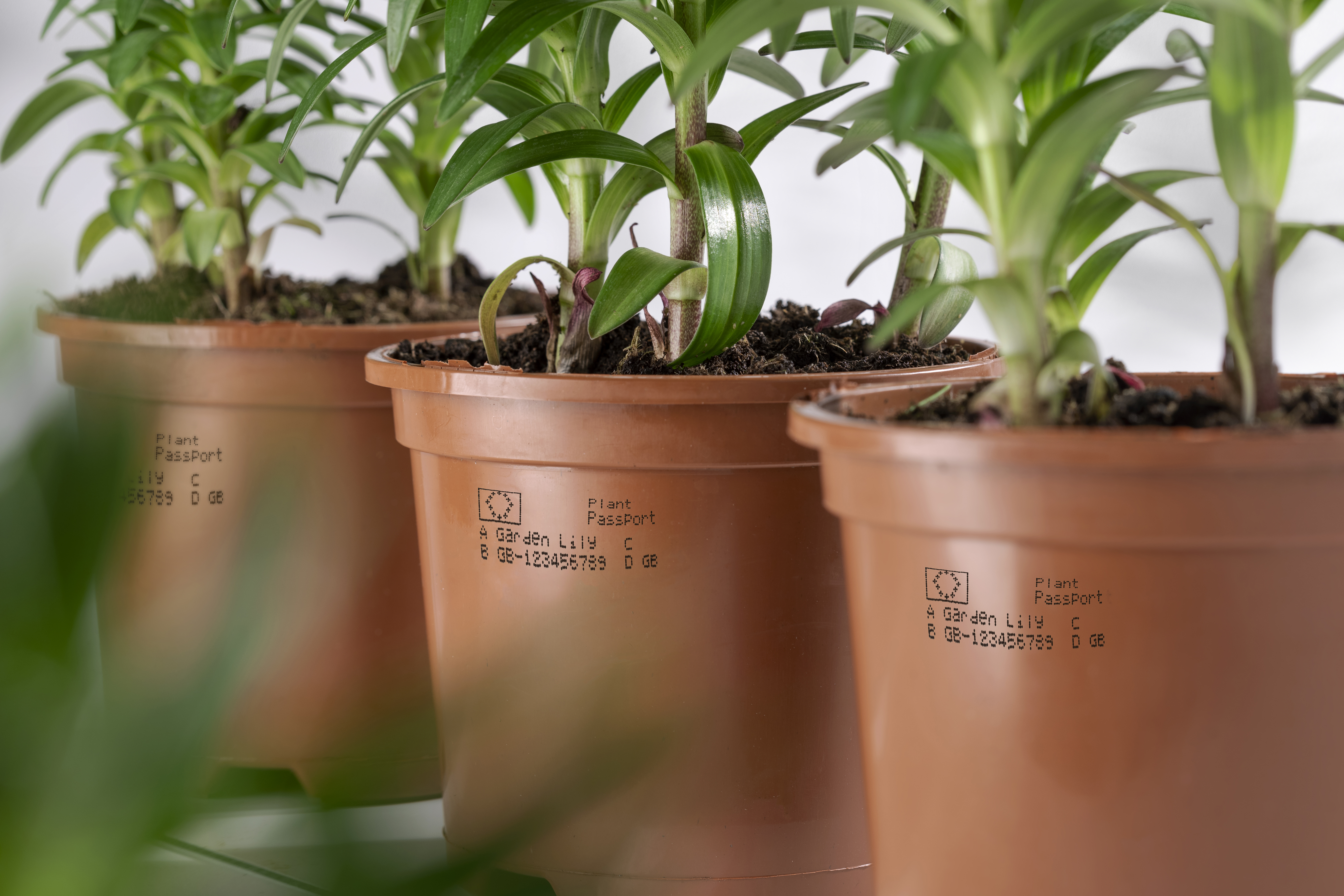

Plant passport marking is essential for ensuring plant traceability and compliance with plant health regulations. In practice, businesses must print clear, accurate passport information on each plant or unit. As a result, effective marking supports biosecurity, enables supply chain tracking, and helps meet legal requirements for the movement of plants.
What is EU Plant Passport?
As of 14th December, 2019, legislation and regulations concerning the EU Plant Passport obligation came into force. If you are based in the United States and moving plants or plants products to businesses in the EU (including within the UK) that can host quarantine pests and diseases, you may be required to have a add plant traceability codes to your products.
The plant passport obligation extends to all “plants intended for planting”. According to the EU definition, these are plants that can produce whole plants and are intended for that purpose. These plants must be planted out, replanted or remain planted. Everything that we now refer to as propagating material is included (including seeds), but also all “consumer” room, bedding and tub plants. There will be exceptions; for certain seeds and for sale directly to the non-commercial end user.
Why print a plant passport?
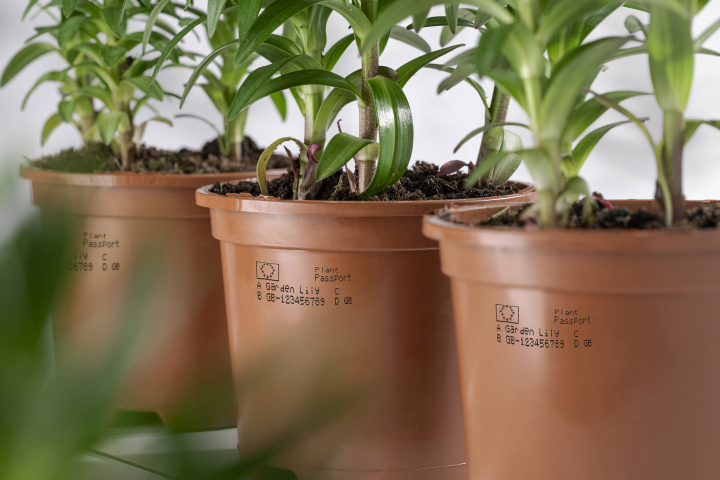
The printed passport proves that your plants meet the phytosanitary requirements that apply within the EU. The passport can be square or rectangular and the layout consists of mandatory elements.
What should the printed plant passport look like?
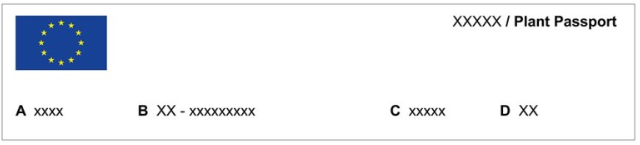
A fixed layout is used and must be applied to the smallest trading unit, such as: pot, tray, or box. The information on the passport must be legible. You can issue plant passports yourself, but you must be authorized by the relevant Government body.
A plant passport format has been established with the following required elements:
In the top left corner: the EU flag (in color, or black and white)
In the top right corner: the word “Plant Passport (in other official language if relevant)”
- A – Botanical name
- B – Registration number
- C – Traceability code
- D – Country code of origin
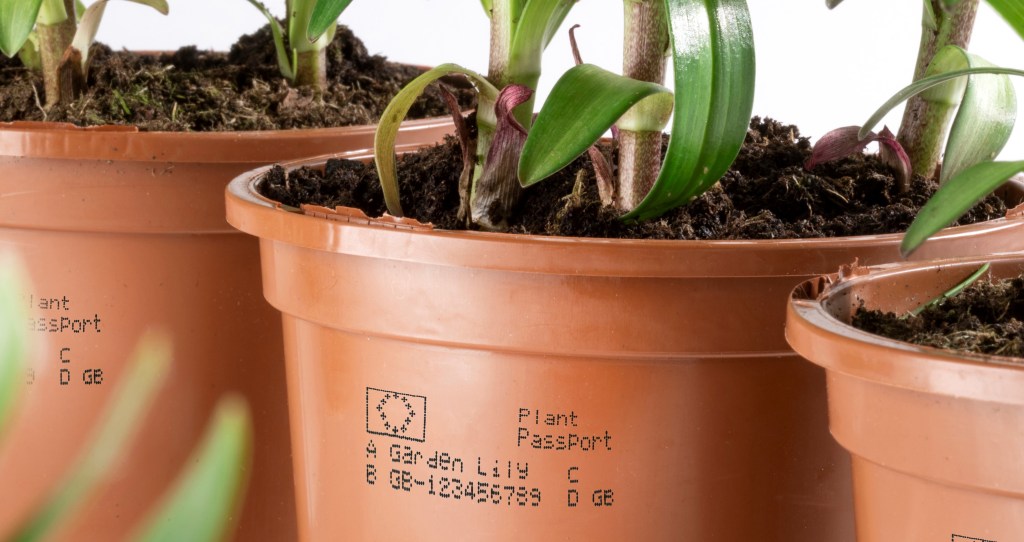
Linx solutions for Plant Passport printing
Linx 9000 Series
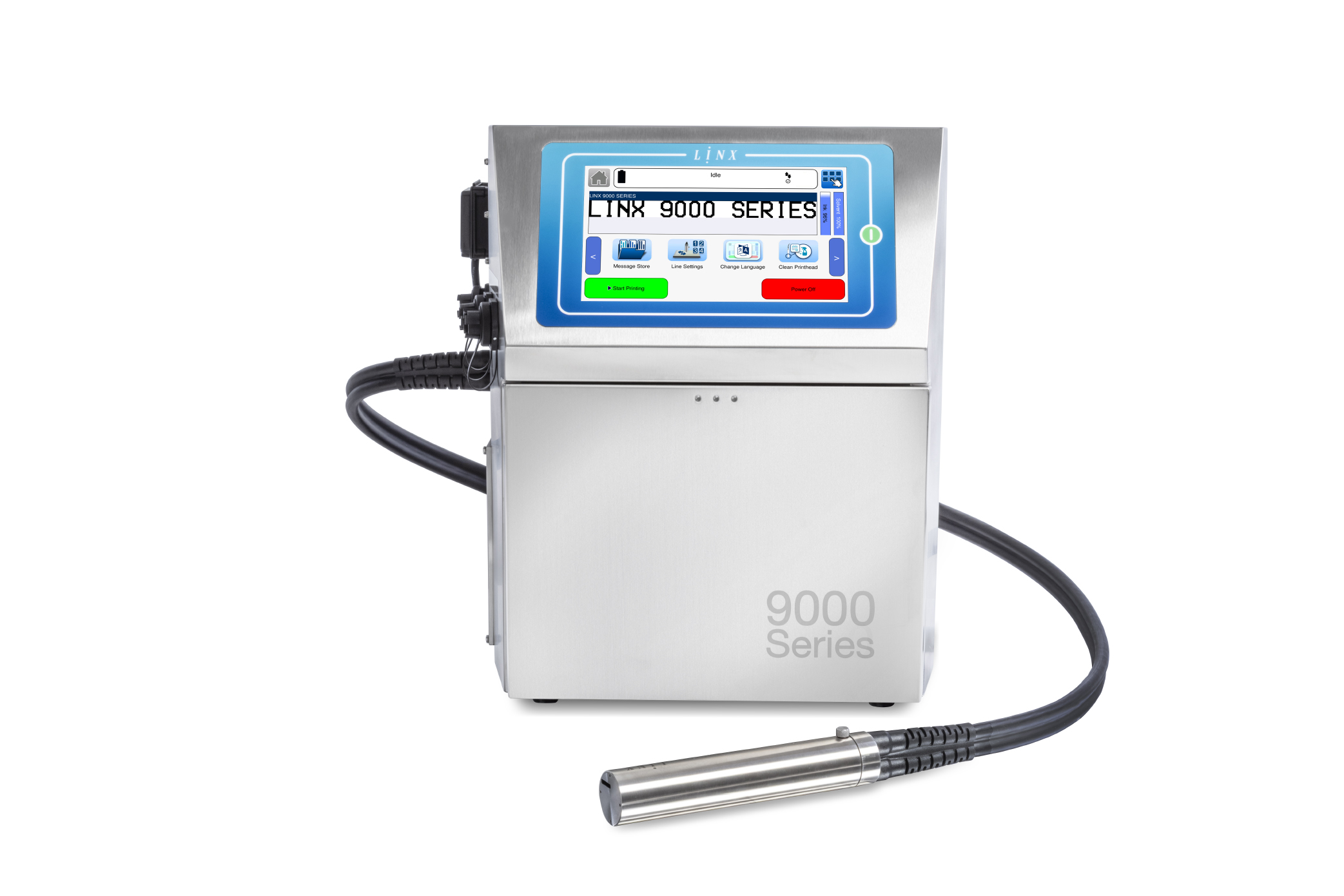
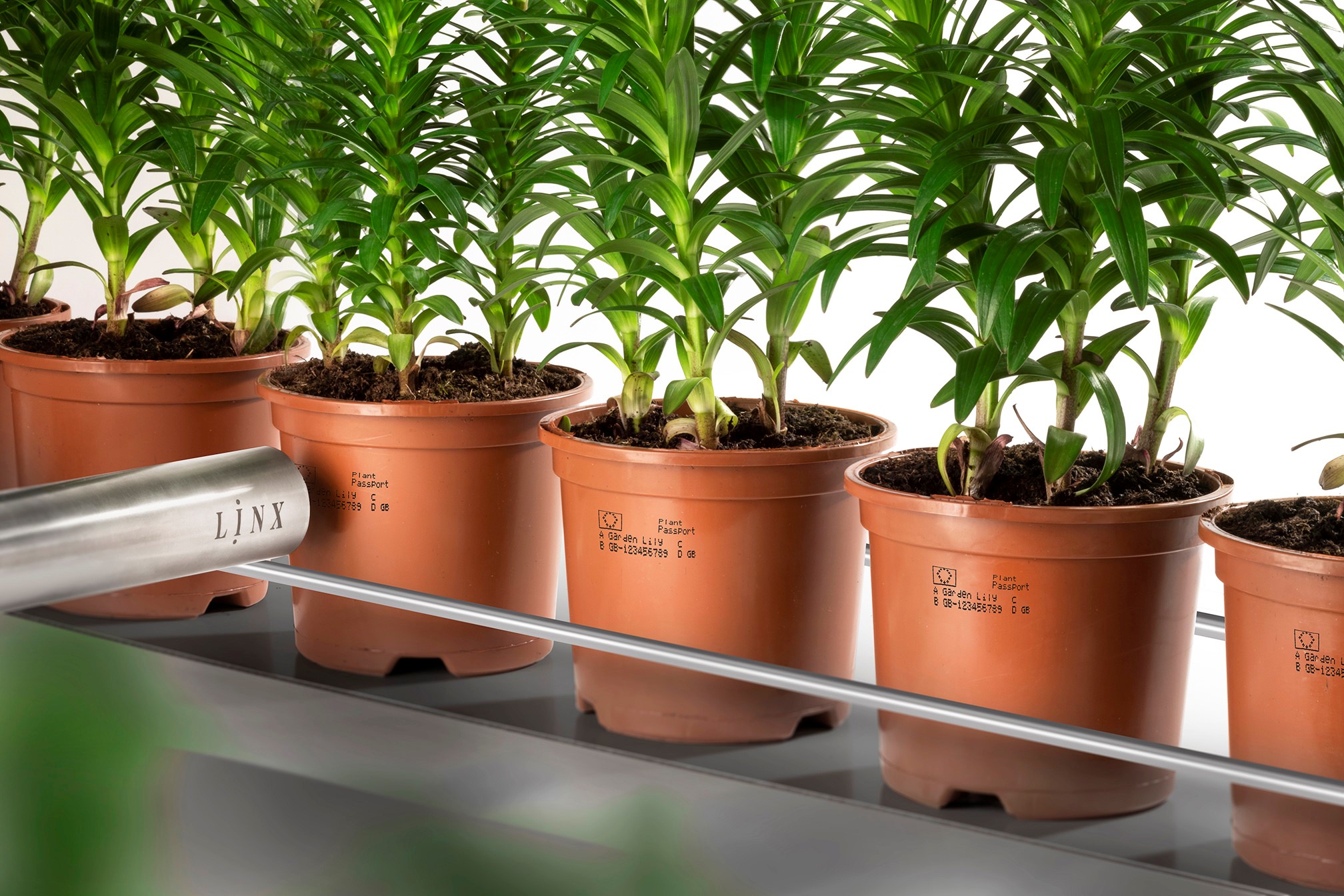
Industrial Inkjet Printers
Making printing one less thing to worry about
The Linx 9000 Series ink jet can easily and quickly print a full traceability passport on any plant pot.
Data Matrix and QR codes |GS1 compliant 2D codes | GS1 code builder | High-speed production | Print up to 6 lines | Primary and secondary coding | Black and coloured inks
Linx CSL Series
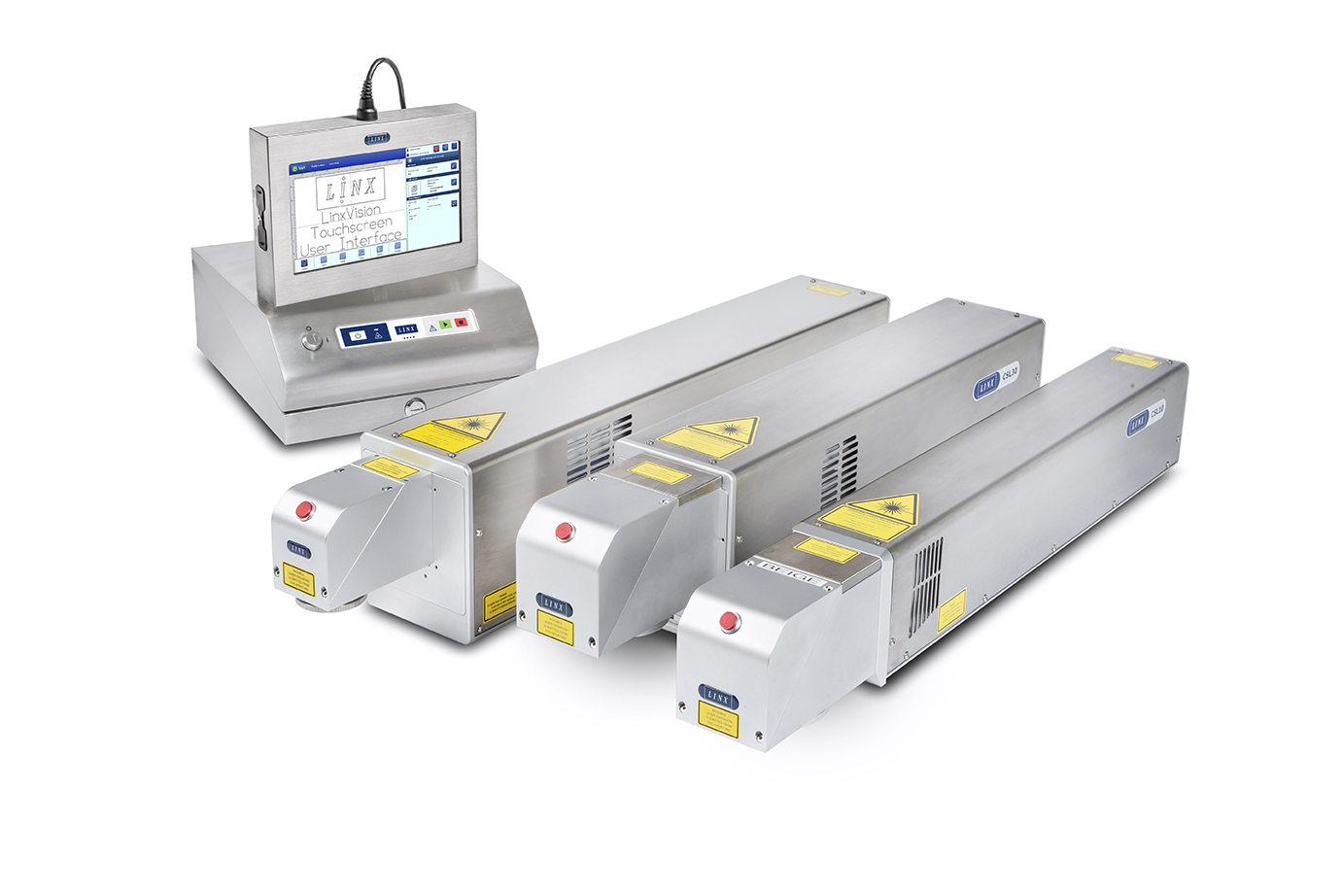
CO2 lasers for coding and marking
Linx CO2 lasers can permanently code plant packaging with a plant passport code
Data Matrix and QR codes |GS1 compliant 2D codes | Permanent codes | High-speed production | Low maintenance | Zero consumables | Large marking field
FAQ
An EU Plant Passport is an official label required for moving plants and plant products within the EU. It confirms that the plants meet plant health regulations and are free from pests and diseases.
Plant Passports are required to: Ensure traceability throughout the supply chain, Prevent the spread of pests and diseases, Support safe trade of plants across EU countries
A Plant Passport is required for many “plants for planting”, including: Seeds, cuttings, bulbs, and rootstocks, Potted plants and bedding plants, Ornamental and some food plants, These must be accompanied by a passport when traded between businesses.
EU Plant traceability codes follow a standard format and must include:
EU flag
The words “Plant Passport”
A: Botanical name of the plant
B: Operator registration number (with country code)
C: Traceability code
D: Country of origin
Additional elements like barcodes or QR codes may be used to support traceability.
The passport must: Be in a square or rectangular layout, be clearly visible and legible, be separate from other label information, contain fixed elements in a standardised structure
The Plant Passport must be applied to the smallest trade unit, such as: Plant pots, Trays, Bundles or packaging. It can be printed directly onto the product or applied as a label.
Plant Passports can be applied using different coding methods, including: Direct inkjet coding onto pots or packaging, Print-and-apply labelling systems, Thermal or high-resolution inkjet printing, Laser coding. The choice depends on production speed, material, and required durability.
Only businesses that are registered and authorised by a national plant protection authority can issue Plant Passports. They must meet plant health and traceability requirements.
If a Plant Passport is not present or does not meet requirements: Products may be non-compliant and cannot be traded, Businesses may face penalties or restrictions, Traceability and plant health assurance are compromised