Laser Marking Machines That Never Run Out of Ink
Permanent, high-speed marks on any production line — no ink, no solvents, no downtime waiting on consumables. Linx laser marking machines are built for the demands of modern manufacturing.
Choosing the right laser marking machine starts with your material, your production speed and the type of code you need to apply.
Use this guide to compare CO₂, fibre and UV laser marking machines, understand which technology suits your substrate, and find the best Linx laser marking solution for your production line.
What is a Laser Marking Machine?
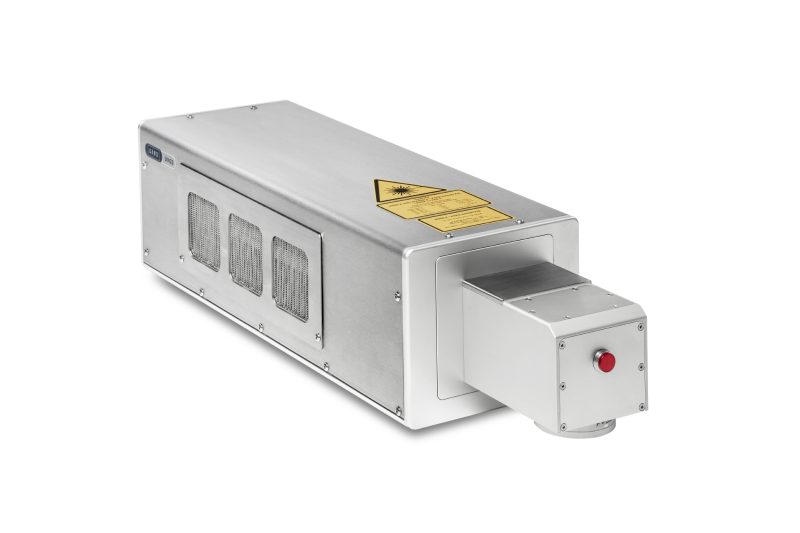
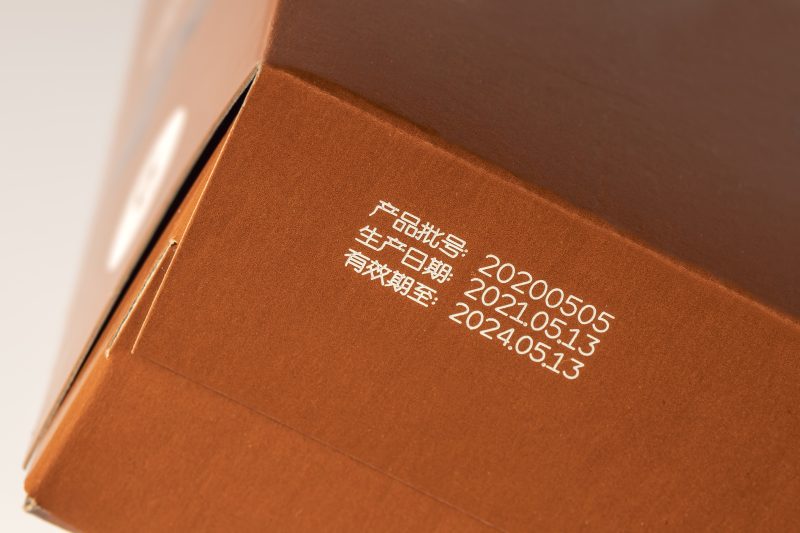
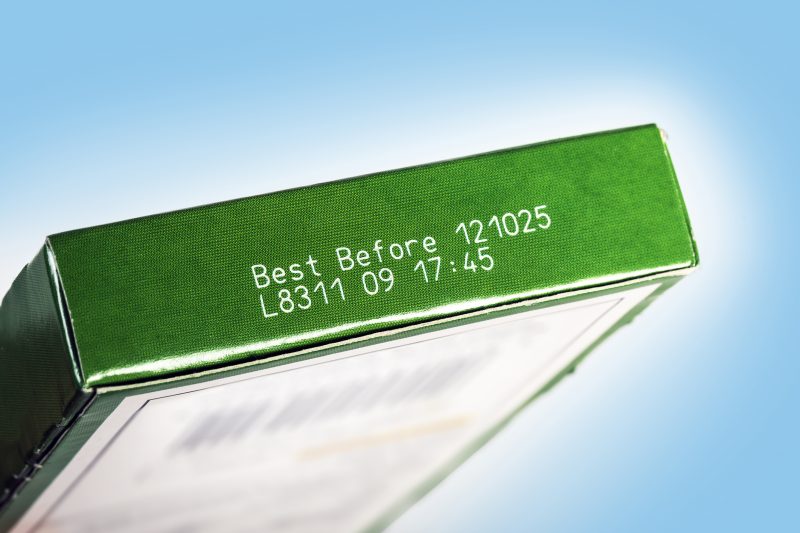
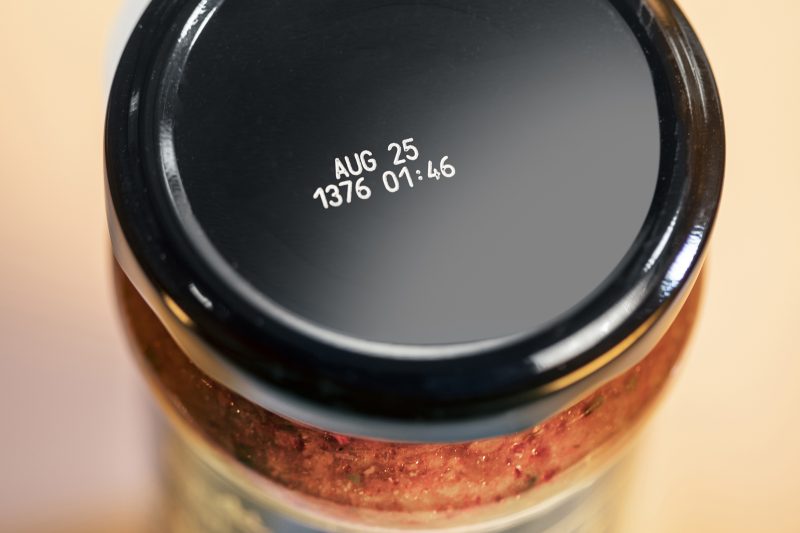
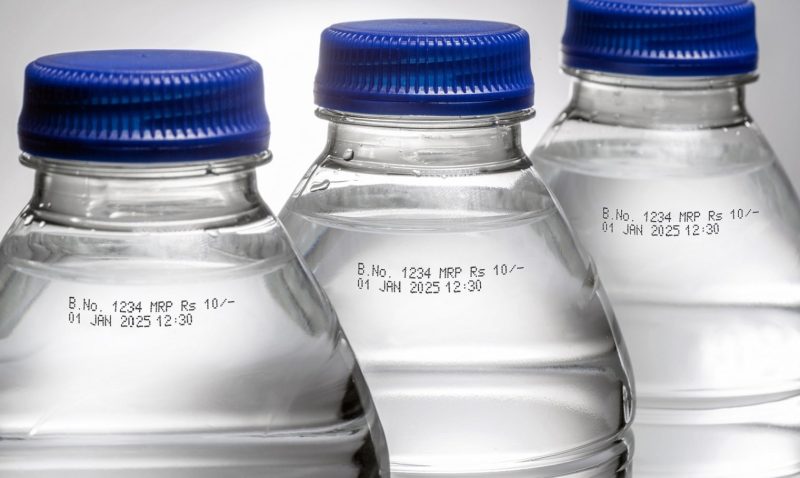
A laser marking machine is an industrial coding system that uses a focused laser beam to create a permanent mark on a product, package or component. Instead of using ink, the laser changes the surface of the material to produce a readable code, such as a date code, batch number, serial number, barcode, QR code, DataMatrix code or logo.
Laser marking machines are commonly used in food, beverage, pharmaceutical, electronics, automotive, aerospace and industrial manufacturing environments where code quality, traceability and long-term durability are important.
- Permanent marks— resistant to heat, chemicals, abrasion, and tampering
- No ink or solvents— zero consumable costs after installation
- Non-contact process— no mechanical wear, no product contamination
- GS1-compliant 2D barcodes— scannable, traceable, regulation-ready
- Works on plastics, metals, glass, ceramics
Three Types of Laser Marking Technology
Not all lasers are the same. The right type depends on your material and marking requirement. Here’s how to think about it.
Fiber Laser
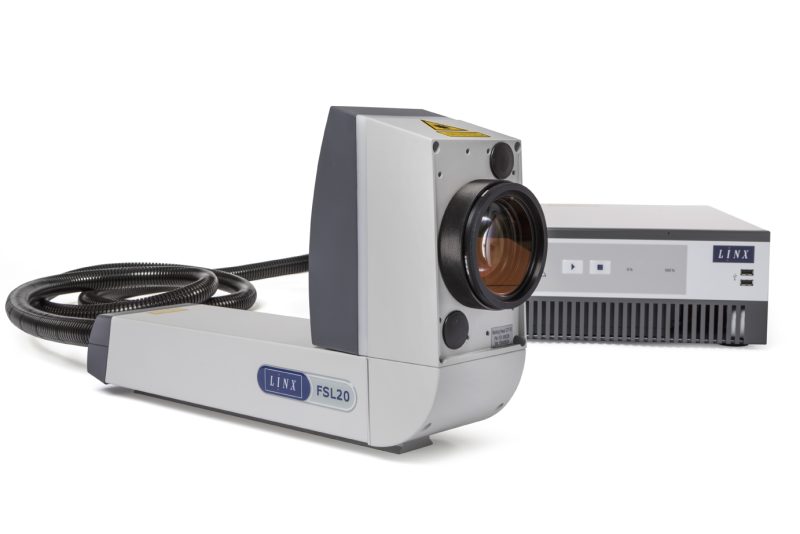
Fiber lasers use a doped optical fiber as the gain medium, making them ideal for metals and hard materials. They produce exceptionally fine detail at very high speeds — ideal for automotive and electronics.
Which Laser Marking Machine is Right for Your Material?
| Material or substrate | Recommended laser type | Recommended Linx option | Buyer guidance |
|---|---|---|---|
| Paperboard and cartons | CO₂ | CSL10 or CSL30 | Good for date codes, batch numbers, barcodes and packaging identification. |
| Paper labels | CO₂ | CSL10 or CSL30 | Suitable where a clean, permanent code is needed without ink or label overprinting. |
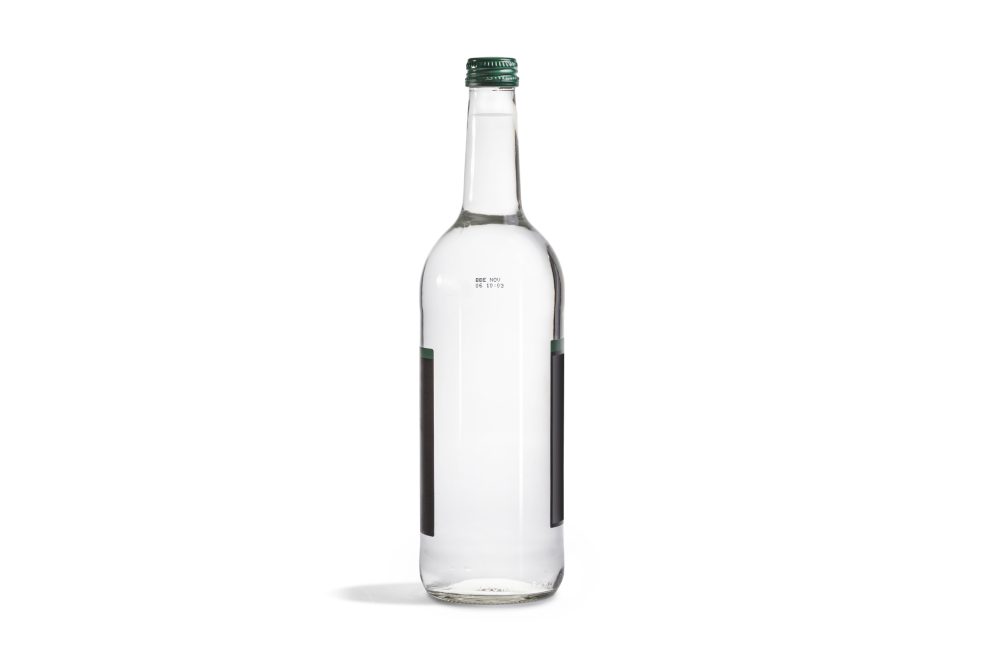
| Glass bottles and containers | CO₂ | CSL10, CSL30 or CSL60 | Choose based on speed, mark quality and line environment. Sample testing is recommended. |
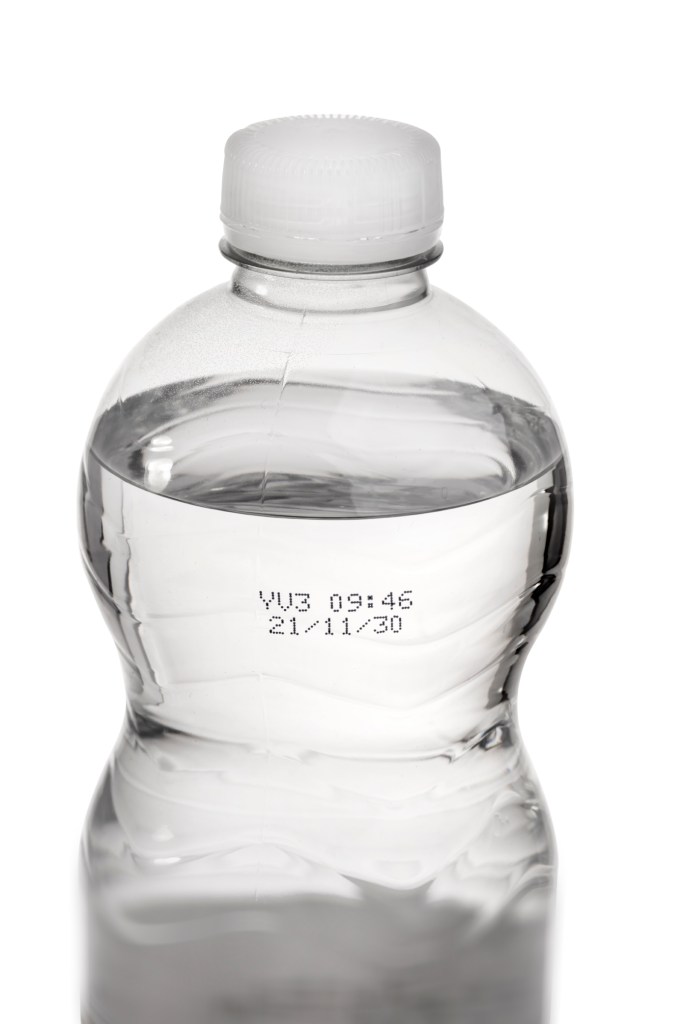
| PET bottles and plastic packaging | CO₂ or UV | CSL10, CSL30 or UVG5 | CO₂ may suit many PET applications; UV may be better where heat impact or substrate sensitivity is a concern. |
| HDPE, LDPE and PP | UV or CO₂ depending on application | UVG5 or CSL60 | UV is often preferred for difficult or sensitive plastics; high-power CO₂ may suit specific high-speed applications. |
| Flexible films and mono-recyclable films | UV | UVG5 | Useful where mark quality is needed with minimal thermal stress on the substrate. |
| Metal components | Fibre | FSL20 or FSL50 | Best for permanent, high-contrast traceability codes, serial numbers and DataMatrix codes. |
| Packaging foils | Fibre | FSL20 or FSL50 | Suitable for permanent coding where ink adhesion or durability may be an issue. |
| Rubber | CO₂ or fibre depending on mark requirement | CSL30, CSL60, FSL20 or FSL50 | Test the substrate to confirm contrast, permanence and speed. |
| Small industrial parts | Fibre | FSL20 or FSL50 | Good for compact codes, part identification, logos and traceability. |
| Pharmaceutical cartons and labels | CO₂ or UV | CSL10, CSL30 or UVG5 | Choose based on packaging material, code size, readability and serialisation needs. |
| Delicate plastics | UV | UVG5 | Best when maintaining substrate integrity and code clarity is important. |
Laser Marking Machines — Full Range
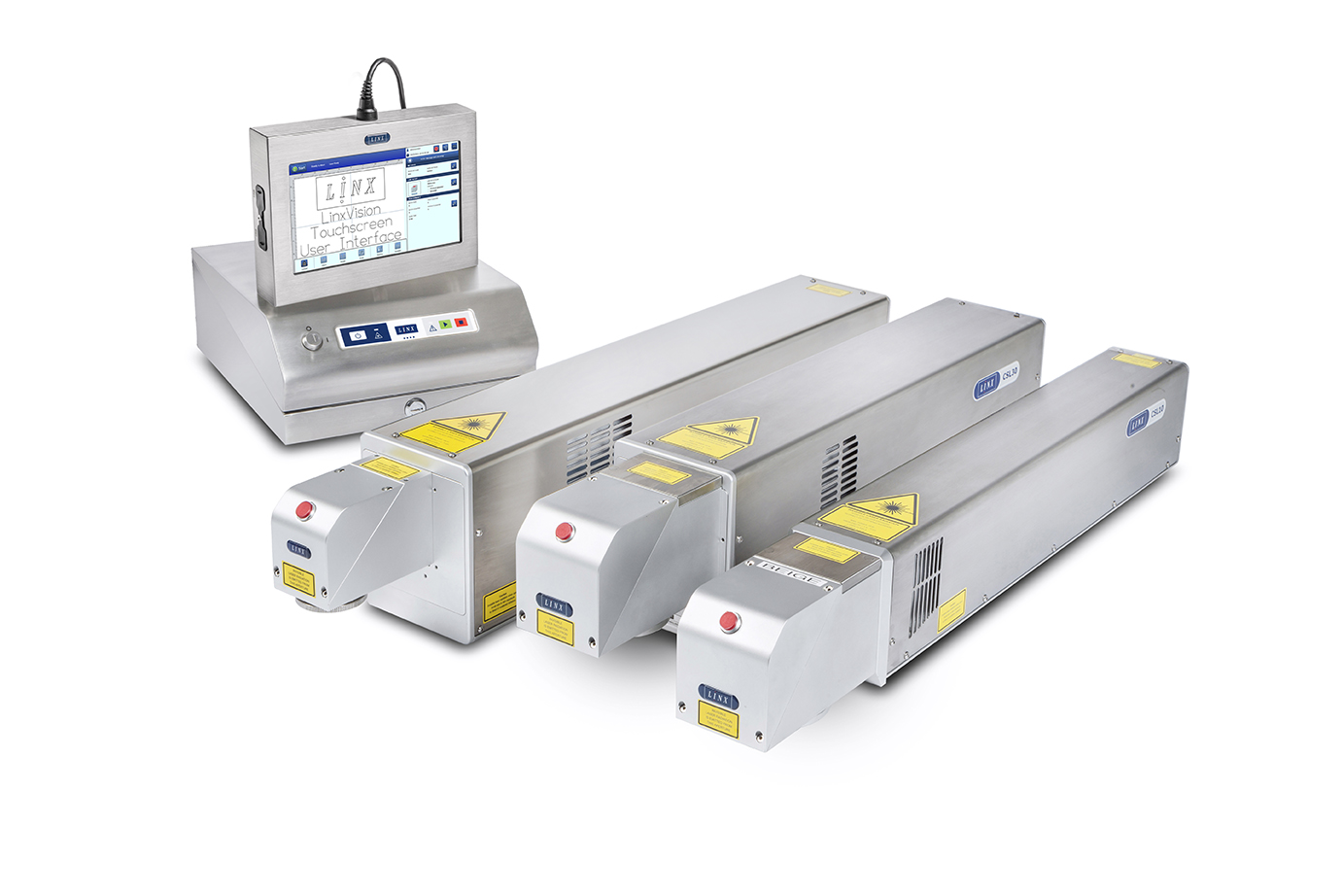
Linx CSL10
Handles variety of simple to complex code types. Easy setup, with touchscreen message management.
Linx CSL30
Flexible solution, configurable to coding requirements. Quick to deploy and transfer to
new lines.
Linx CSL60
Ideal for beverage, automotive industries & more. Over 20,000 configurations to meet code requirements.
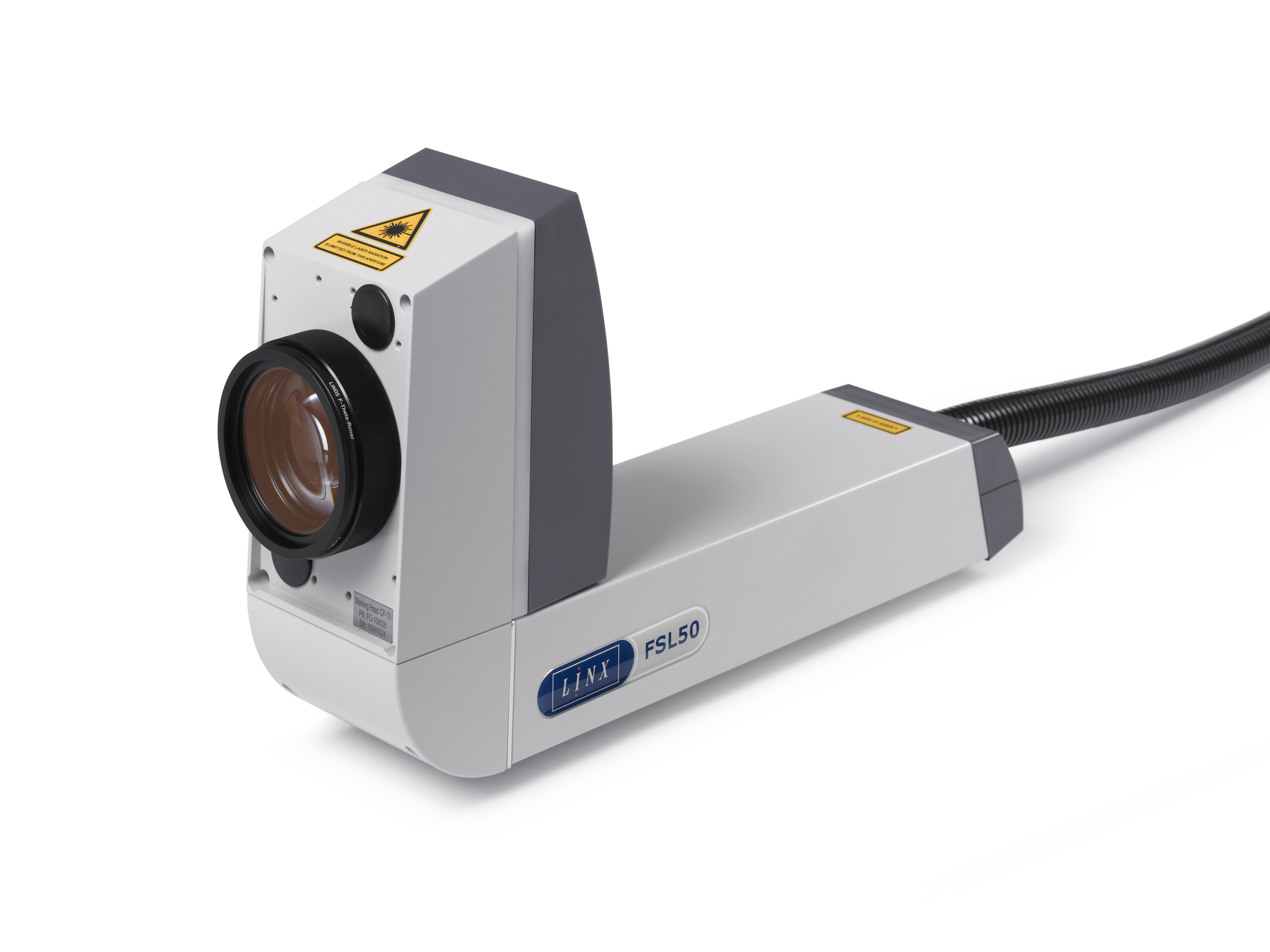
Linx FSL20 and FSL50
Ideal for large volume and small area coding. Well-suited to medical, automotive and electronics sectors.
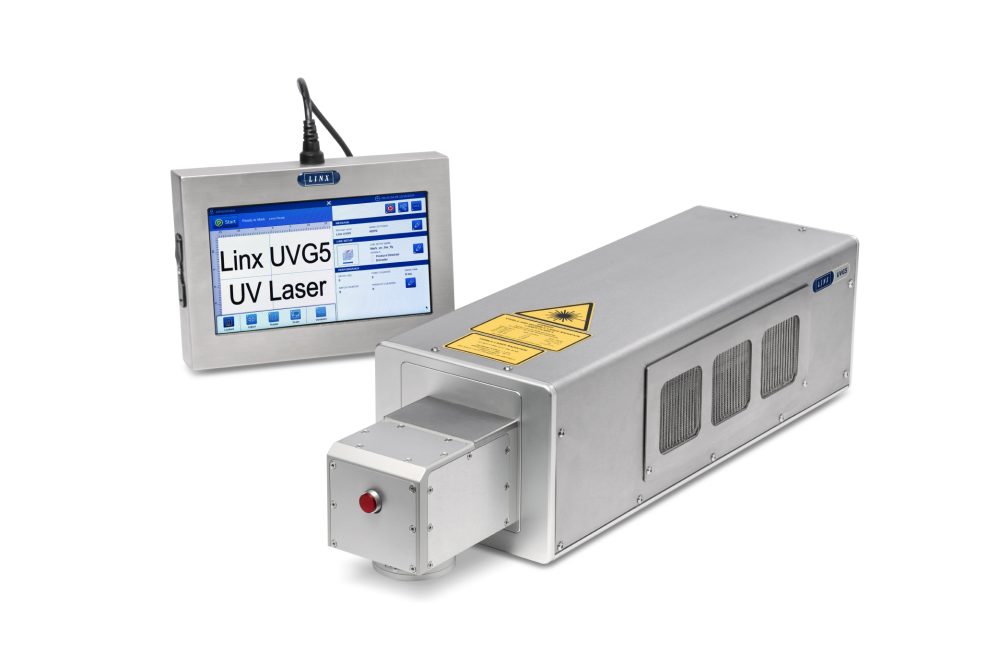
Linx UVG5
High performance, easy integration and user-friendly innovation for fast, consistent product marking in demanding applications.
Quick Laser Marking Product Selector
| Your requirement | Recommended Linx laser marking machine | Why |
|---|---|---|
| Compact CO₂ laser for everyday packaging codes | CSL10 | Good starting point for date codes, batch codes, barcodes, QR codes and logos on common packaging substrates. |
| Flexible CO₂ laser for mixed packaging formats | CSL30 | More configurable option for manufacturers with different packaging materials, line speeds and code requirements. |
| High-speed CO₂ laser for demanding lines | CSL60 | Higher-power option for complex codes, hard-to-mark materials and demanding production environments. |
| Permanent marking on metal or foils | FSL20 or FSL50 | Fibre laser technology is better suited to metal, harder plastics, foils and industrial traceability applications. |
| Higher contrast on delicate plastics or flexible films | UVG5 | UV laser marking helps reduce thermal stress and protect sensitive substrates. |
| GS1, QR or DataMatrix coding | CSL10, CSL30, CSL60, FSL20/FSL50 or UVG5 depending on material | The code type matters, but the substrate should drive the laser choice first. |
| Unsure which machine fits | Sample testing recommended | Testing confirms mark quality, contrast, readability and substrate compatibility before purchase. |
How to Choose your Laser Marking Machine in 4 Steps
1. Identify your substrate
2. Define your code
3. Confirm production speed
4. Test the mark
| Step 1: Identify your substrate | Start with the exact material, coating and colour. A white carton, clear glass bottle, metallised foil and black plastic component will all react differently. |
| Step 2: Define your code | A simple date code has different requirements from a small DataMatrix code, a GS1-compliant 2D code or a logo. |
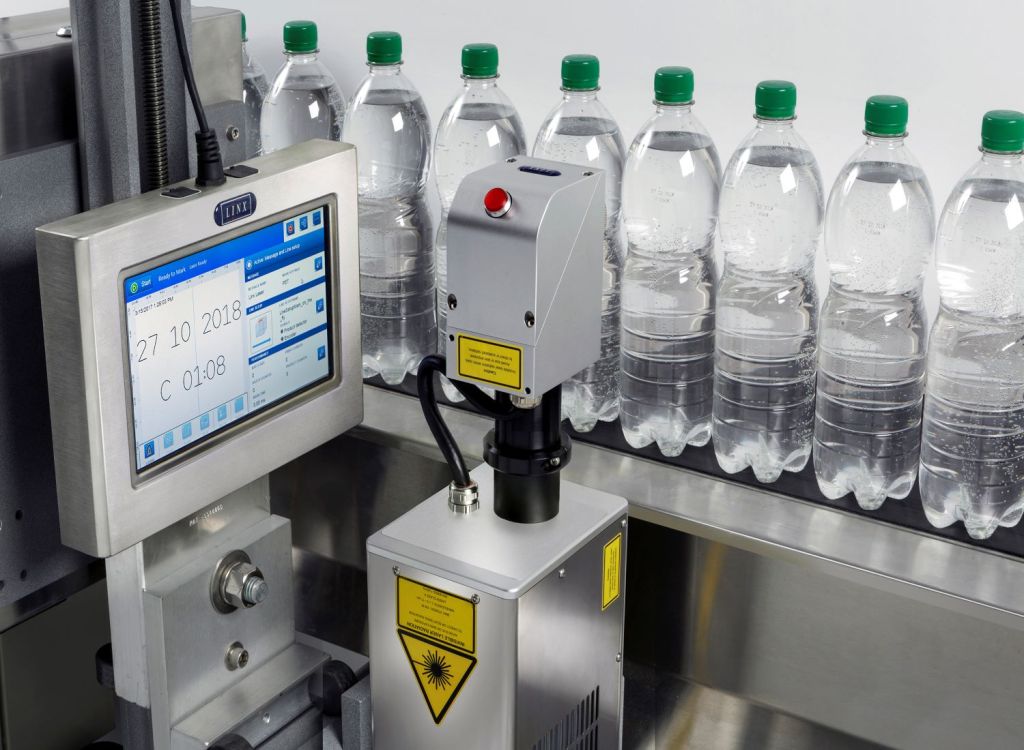
| Step 3: Confirm production speed | Line speed affects laser power, lens choice, marking time and code complexity. High-speed beverage or extrusion lines may need a different setup from slower batch production. |
| Step 4: Test the mark | The safest way to choose a laser marking machine is to test your real product or packaging material before you buy. |
Not sure whether you need a CO₂, fibre or UV laser marking machine?
Tell us your material, code type, production speed and application. Linx can help you compare suitable laser marking machines and arrange sample testing so you can see the mark quality before making a decision.