Choosing the Right Laser Marking Technology for Your Production Line
In today’s manufacturing landscape, laser marking has become one of the most reliable and efficient ways to permanently code and mark products and packaging. With the ability to deliver high-contrast marks that withstand handling, environmental exposure, and regulatory scrutiny, laser marking technology stands apart from traditional ink-based systems. At Linx Printing Technologies, we help manufacturers select the best solution for their specific materials, throughput requirements, and compliance needs.
In this article, we’ll break down the strengths and ideal applications of three major laser marking technologies: CO₂, fiber, and UV lasers enabling you to make a well-informed choice for your operation.
What Makes Laser Marking Different?
Laser marking uses a precisely controlled beam of light to create permanent marks on the surface of a material. Unlike conventional inkjet or ribbon-based systems, lasers require no consumables like inks or solvents, significantly reducing waste and ongoing costs. The non-contact nature of laser marking also eliminates wear on print heads and minimizes maintenance downtime key factors in high-volume manufacturing environments.

CO₂ Laser Marking: Versatile for Non-Metallic Materials
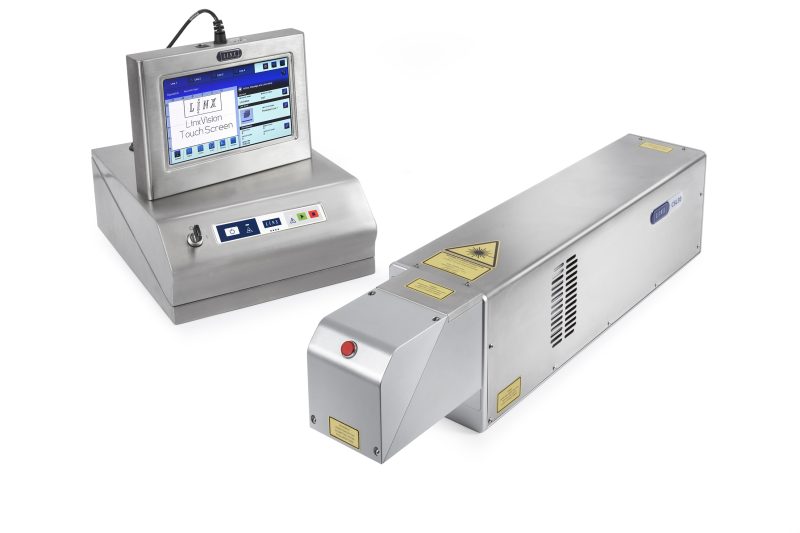
CO₂ lasers are among the most widely used in industrial marking due to their versatility. They emit long-wavelength infrared light, making them particularly effective for organic and non-metallic substrates. Typical use CO₂ Laser Marking cases include:
- Cardboard, paperboard, and packaging materials
- Glass and decorative applications
- Wood and certain plastics
CO₂ lasers are ideal for high-speed production lines in industries like food & beverage, consumer goods, and packaging. Because they work through material ablation, they can reveal high-contrast marks on many surfaces although they are not suited for direct marking on most metals without pre-treatment.
Fiber Laser Marking: Precision on Metals and Rigid Plastics
Fiber lasers have become a go-to option for manufacturers who need durable, high-precision marks on tough materials. They are particularly strong in:
- Engraving serial numbers and traceability codes on metals (e.g., stainless steel, aluminum)
- High-contrast marking on various engineered plastics
- Washdown environments with ruggedized laser heads
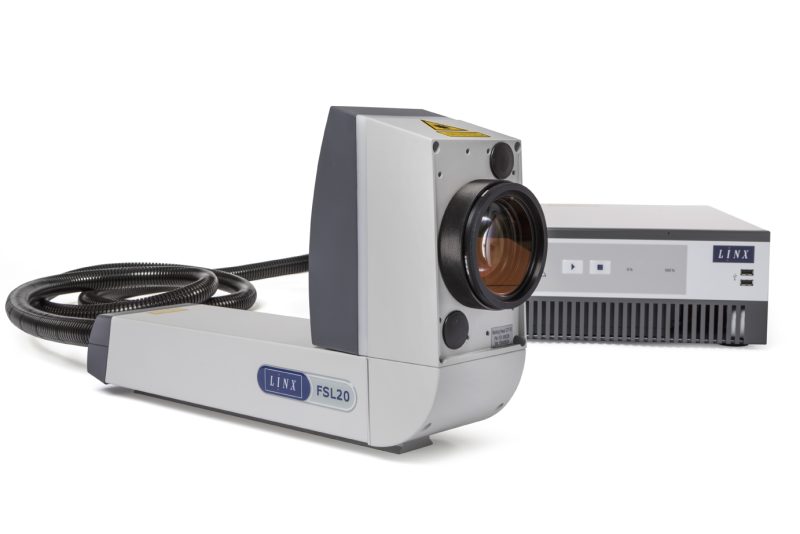
Because fiber laser marking system operate with a high-energy infrared beam and have long service lifetimes with minimal maintenance, they’re widely used in automotive, aerospace, electronics, and industrial components marking.
UV Laser Marking: Cold Marking for Heat-Sensitive Materials
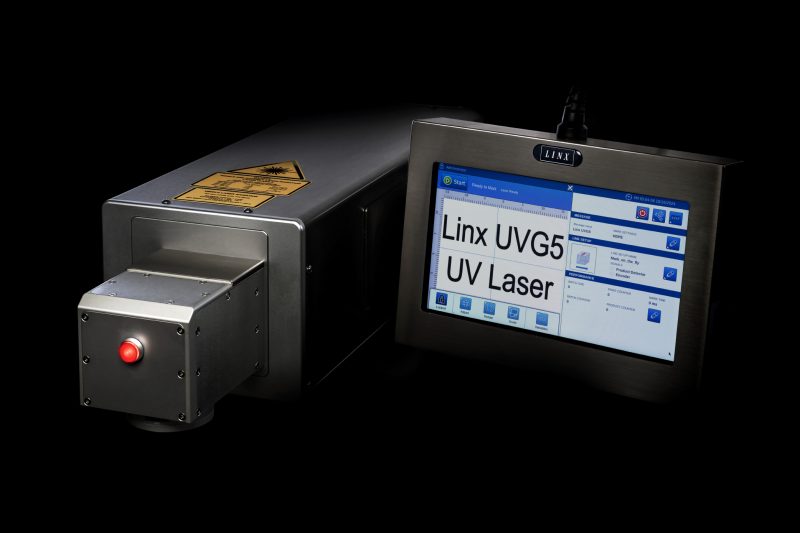
In applications where heat damage could compromise product quality or performance, UV laser marking offer a “cold marking” solution. Using short-wavelength light, UV lasers minimize thermal impact — ideal for:
- Medical and pharmaceutical devices
- Flexible films and foils
- Plastics and coated substrates
- Glass and delicate materials
Because UV lasers can produce crisp, permanent marks without affecting substrate integrity, they’re especially valuable in regulated industries where precision and quality are paramount.
Which Laser Marking Technology Should You Choose?
| Laser Marking Machines | Best For | Key Strengths |
| CO₂ Laser (CSL 10, 30, 60) | Organic/non-metal materials (cardboard, glass, wood) | Great for high-speed packaging lines |
| Fiber Laser (FSL 20, 50) | Metals and high-density plastics | Excellent durability, low maintenance |
| UV Laser (UVG5) | Heat-sensitive materials (films, medical parts) | Minimal heat impact, high-quality detailed marks |
Laser Marking for Compliance and Traceability
Across industries, regulatory and traceability requirements are becoming more demanding. Laser marking delivers permanent, tamper-resistant codes such as serial numbers, batch codes, and 2D DataMatrix identifiers that support quality control, traceability, and anti-counterfeiting measures whether on metal parts, medical devices, or consumer packaging
At Linx Printing Technologies, we specialize in helping businesses match the right laser marking solution to their unique needs. Contact us to learn how we can support your next project with expert guidance and tailored system recommendations.
Take actions now:
- Request a Print Sample to see the solution in action
- Download Product Brochure for detailed specifications
- Talk to an Expert to find the right coding solution for your retail operations