Coding Solutions for Recycled & Sustainable Packaging Materials
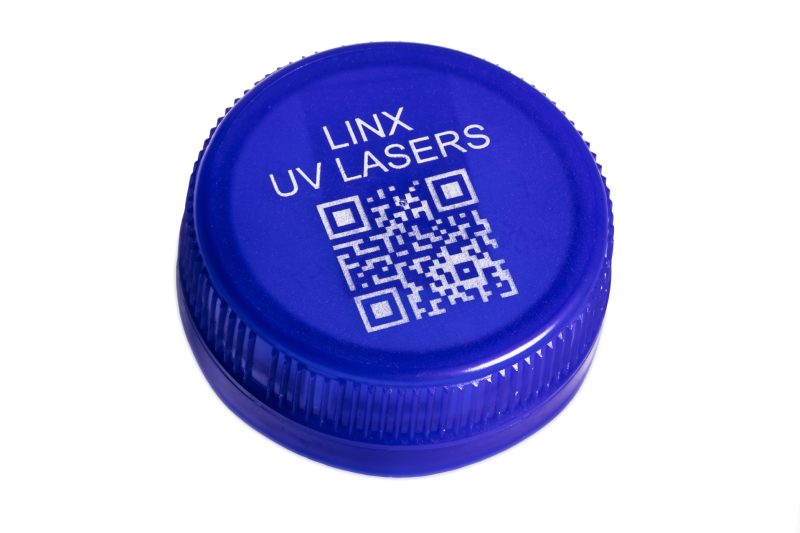
Choosing coding solution for sustainable packaging requires eco-friendly technologies, water-based inks, or QR codes that minimise VOCs and waste, while remaining compatible with PE, PP, and PET and supporting recyclability, traceability, and compliance.
The Rise of Sustainable Packaging Material
As sustainability becomes a global priority, companies are facing the challenge of adhering to environmental laws and practices. This includes moving towards more sustainable packaging as customer demand rises for eco-friendly products and packaging that can contribute to a reduction in waste and an improved carbon footprint. Alongside this there are also regulatory pressures reducing the need for single use plastics and waste. This is impacting the coding and marking industry as companies need to accommodate for a variety of materials, porosity and colours.
Challenges of Coding on Recycled Substrates
Some common issues that affect the quality and adhesion of printing include the porosity and surface texture of the materials used. Porous surfaces (cardboard, paper) absorb ink quickly, meaning a code can appear blurry or faded as the ink sinks into the pores instead of lying flat against the surface. These materials often have a rough texture making it difficult for the printhead to maintain consistent contact, which could result in the printing appearing incomplete. There are also colour inconsistencies with recycled substrates, meaning it is important to use a suitable colour ink, that will adhere well and have high visibility against the product.
At Linx, our UK-based production team has extensive expertise in overcoming the challenges of coding on recycled substrates. Please get in touch if you are looking for a reliable solution for coding on recycled materials.
Key Considerations when Selecting a Coding Solution
- Substrate Compatibility
Recycled paper and cardboard are more porous substrates meaning ink absorbs quickly and can lead to blurry codes as the materials absorbs the ink quickly. Plastics have a smooth semi-porous surface which need an ink with strong adhesion and fast drying times to reduce smudging. Compostable films are often sensitive to heat and certain chemicals meaning the coding technology needs to avoid damages to the material.
- Ink Performance
Drying time is important for ensuring a high-quality code with no smudging particularly on a high-speed production line. The ink must be adhesive to the material, so it remains clear and durable. It must always withstand the conditions on the product/manufacturing environment such as temperature, humidity and environment.
- Environmental Compliance
Energy efficient printers can minimise energy consumption while still meeting the fast-paced production lines of many companies. Some technology such as CIJ and TIJ can meet these requirements. Looking for solutions that optimise the ink usage and reduce consumable waste is vital to consider. Technologies like the CIJ that has a reusable ink system can minimise consumable cost and waste.
Compliance and Traceability Requirement
Meeting compliance standards is a vital consideration when selecting coding solutions for recycled and sustainable packaging. Using reliable coding and marking solutions can help your business to meet regulatory standards for recycled packaging and ensuring product traceability. Ensuring that codes are not only readable when first produced, but that they remain durable throughout the supply and can withstand handling, transportation and environmental conditions. With variations in texture and porosity, this can be a challenge for recycled materials. Having codes that remain durable and clear are essential for maintain traceability, meaning easy identification in case of recalls or issues that may occur. Investing in high-quality coding solutions not only meets regulatory standards but also builds trust with your consumers and partners.
How Linx Supports Your Sustainability Journey
At Linx, we offer a variety of products suitable for a diverse range of substrates, ensuring we have a solution to suit your industry, products and materials. We use a wide range of inks suitable for recycled and sustainable materials so there is no need to compromise quality or compliance.
Key Coding Technologies:
- Continuous Ink Jet – The CIJ is versatile for uneven surfaces, meaning it can provide, clear, durable codes on recycled packaging. This is ideal for high-speed production lines.
- Thermal Ink Jet – TIJ printers offer a high-resolution code which is great for porous substrates, ensuring the code remains clear, high-quality and durable.
- Laser Coding – Lasers offers a permanent, chemical-free coding solution, a brilliant resolution for materials that are sensitive to chemicals or solvents.
- Ink range – Linx offer a range of inks that are fast-drying, solvent based or pigmented, meaning there is a solution for a diverse range of materials and recycled packaging.
Take Actions Now:
- Request a Print Sample to see the solution in action
- Download Product Brochure for detailed specifications
- Talk to an Expert to find the right coding solution for your retail operations