
Industrial 2D Code Printing & Data Matrix Marking
Print clear, machine-readable Data Matrix codes, QR codes and other supported 2D barcodes directly onto products and packaging with Linx industrial coding and marking solutions.
Our range of continuous inkjet, thermal inkjet, laser, thermal transfer and large-character printing technologies helps UK manufacturers apply product identification, batch information and traceability codes across production lines.
Whether you need compact Data Matrix codes on industrial components, 2D codes on pharmaceutical cartons or high-resolution coding on packaging, Linx can help you select equipment suited to your material, code requirements and production speed.

To find out more information and to request your samples with no obligation, click the button below.
What are 2D Codes?
Unlike traditional linear barcodes, 2D codes encode information in both horizontal and vertical directions, allowing product identifiers, serial numbers and other data to fit within a compact marking area.
Two commonly used formats are Data Matrix and QR codes. Data Matrix is widely used for industrial component identification and traceability, while QR codes are commonly used for digital product information and consumer access.
Linx industrial 2D code printers and marking machines can apply compatible Data Matrix and QR codes directly onto products, packaging and labels, depending on the material, code size, production speed and scanning requirements.
Product Identification
Encode product numbers, batch details and serial identifiers.
Traceability
Connect codes to manufacturing and supply chain records.
Variable Data Coding
Print changing data across batches and production runs.
Compact Marking
Apply machine-readable information within limited print areas.
Common Industrial 2D Code Formats
Data Matrix
Compact product identification and industrial traceability.
QR Code
Digital product information and consumer-facing links.
Illustrative code patterns. Not intended for scanning.
A compatible scanner reads the pattern of modules to retrieve encoded information. The code can identify a product, contain variable data or link to a digital record, depending on its format and contents.
Data Matrix vs QR Codes: Which is Right for Your Application?
Although Data Matrix and QR codes are both 2D barcodes, they have different characteristics and common applications.
| Feature | Data Matrix | QR Code |
|---|---|---|
| Typical industrial use | Component identification, serialisation and small-area marking | Product information, digital links and identification |
| Shape | Square or rectangular | Generally square |
| Small print areas | Often suitable for compact marks | Depends on data content and module size |
| Smartphone scanning | May require a compatible app | Widely supported by smartphone cameras |
| GS1 applications | GS1 DataMatrix | QR codes powered by GS1 Digital Link |
| Industrial printer compatibility | Supported by selected Linx systems | Supported by selected Linx systems |
| Production-line traceability | Yes, with appropriate data and scanning systems | Yes, with appropriate data and scanning systems |
Choose Data Matrix when your application requires compact product identification, industrial component marking or a particular standard specifying that format.
Choose QR code when users need to access digital content through a smartphone or when the application requires a QR format.
Both codes should be assessed against the available print area, data content, substrate and scanning requirements.
How to Choose the Right 2D Code Marking Machine
The most suitable 2D code printer depends on the type of code you need to produce, the material being marked and the conditions of your production line.
A Data Matrix code marking machine used on metal components may require different equipment from a 2D barcode printer used on flexible packaging or cardboard outer cases.
Compare Industrial 2D Code Printing Technologies
| Technology | Suitable applications | Key considerations |
|---|---|---|
| Continuous Inkjet (CIJ) | Non-contact 2D coding on compatible moving products and packaging | Code size, ink contrast, print resolution and production speed |
| Thermal Inkjet (TIJ) | High-resolution Data Matrix and QR printing on suitable cartons, labels and rigid packaging | Fine module definition, ink selection and print distance |
| Laser Coding | Durable 2D marking on compatible plastics, glass, coated packaging and metal | Laser type, material response, marking contrast and safety |
| Thermal Transfer Overprinting (TTO) | High-resolution 2D codes on suitable flexible films, pouches and labels | Ribbon and film compatibility, code dimensions and integration |
| Large Character Inkjet | Data Matrix and QR printing on suitable corrugated boxes and outer cases | Print area, absorbency, resolution and scanning requirements |
Explore Linx Industrial 2D Code Printing Machines
Linx offers several coding technologies for printing Data Matrix codes, QR codes and other supported 2D formats.

Continuous Inkjet (CIJ)
Continuous Inkjet Printers
Continuous inkjet (CIJ) is a versatile, non-contact technology for coding fast-moving products and packaging.
CIJ is particularly useful where packaging varies in shape or where the print surface cannot remain in direct contact with the printer.
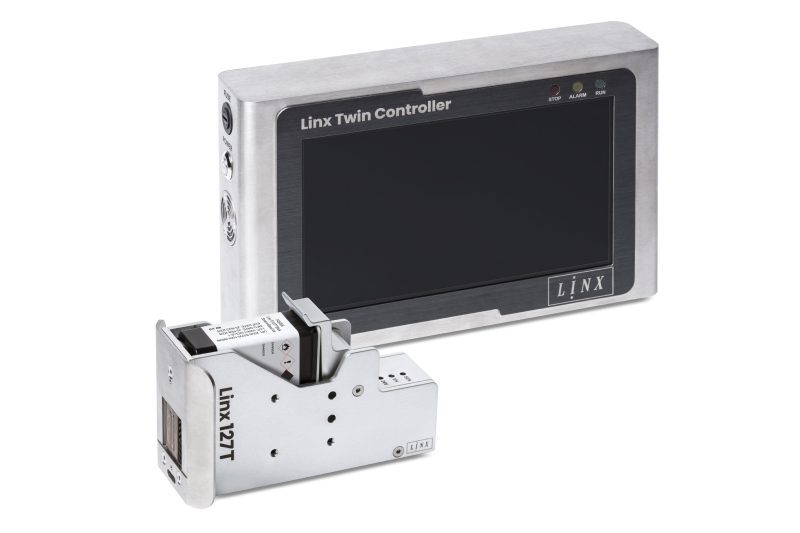
TIJ Printers
Thermal Inkjet Printers
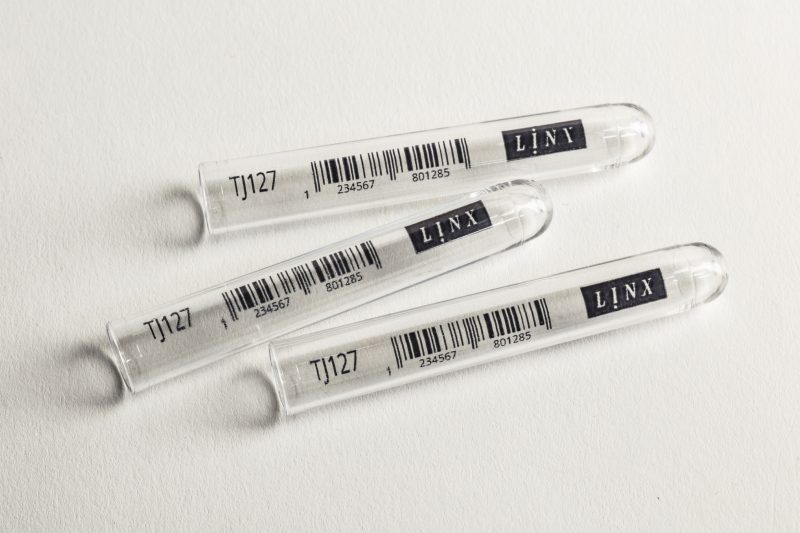
Thermal inkjet (TIJ) provides high-resolution coding from a compact, cartridge-based system. The Linx TJ Series can print text, graphics, barcodes, QR codes, Data Matrix codes and other variable information.
Choose between the TJ127, TJ127T and TJ250 depending on the substrate, required print height, ink and production-line requirements.
Explore Linx Thermal Inkjet Printers→
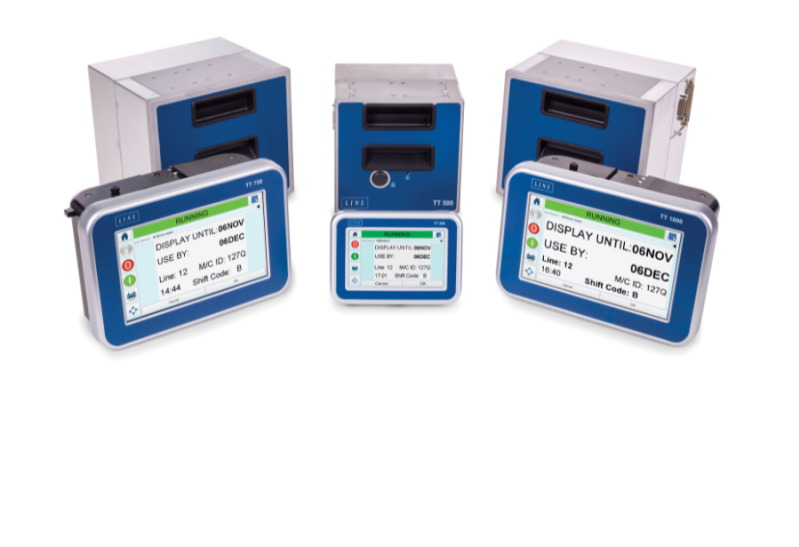
TTO Printers
Thermal Transfer Overprinters for Flexible Packaging
Thermal transfer overprinting (TTO) is designed for high-resolution variable-data printing on flexible packaging. Linx TT Series printers produce clear text, dates, batch codes, graphics and machine-readable information while integrating with intermittent and continuous packaging equipment.
Models include the Linx TT500, TT750 and TT1000 for different print areas and production requirements.
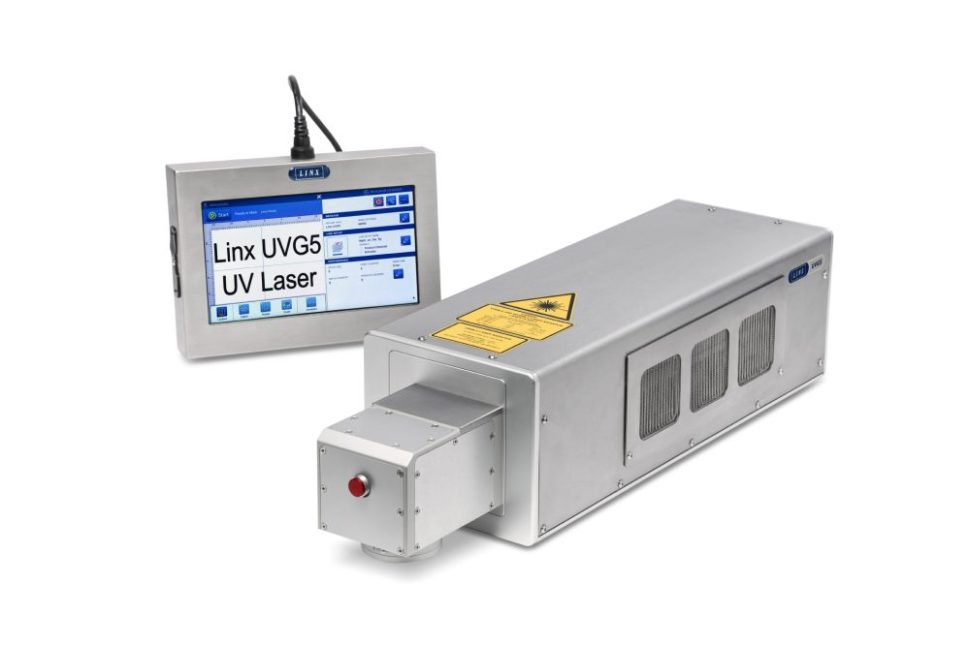
Laser Coders
Laser Coding Systems
Laser coding creates a permanent mark on compatible packaging without ink or ribbon consumables.
Different laser technologies suit different substrates, so the packaging material should be assessed before choosing a system. The Linx range includes CO₂, fibre and UV laser technologies for different packaging and industrial applications.
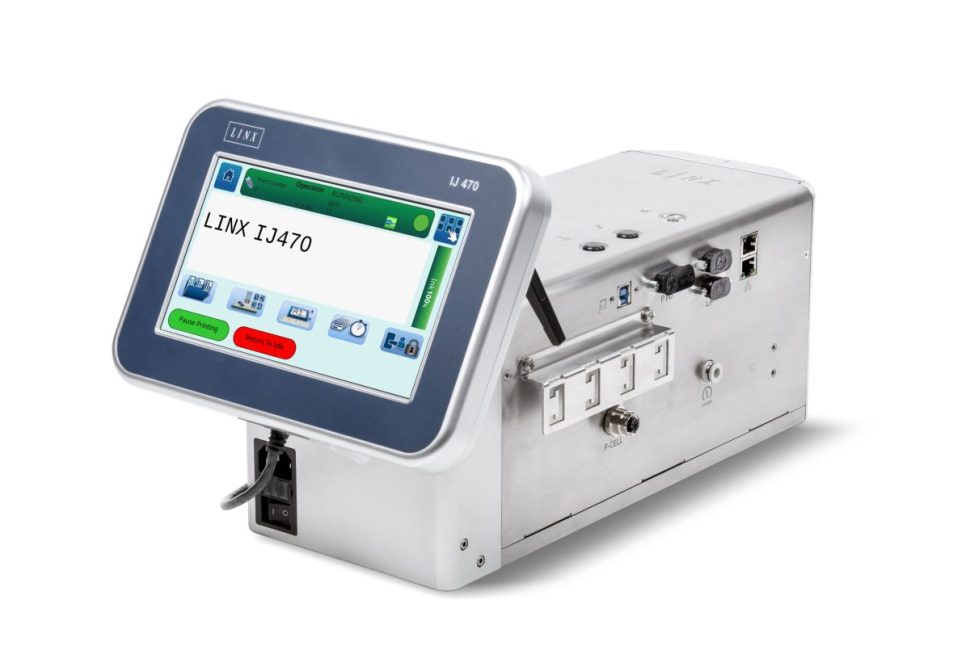
Case Coders
Large Character Printers for Outer Case Coding
For corrugated boxes and outer cases, direct printing can reduce reliance on labels and pre-printed cartons.
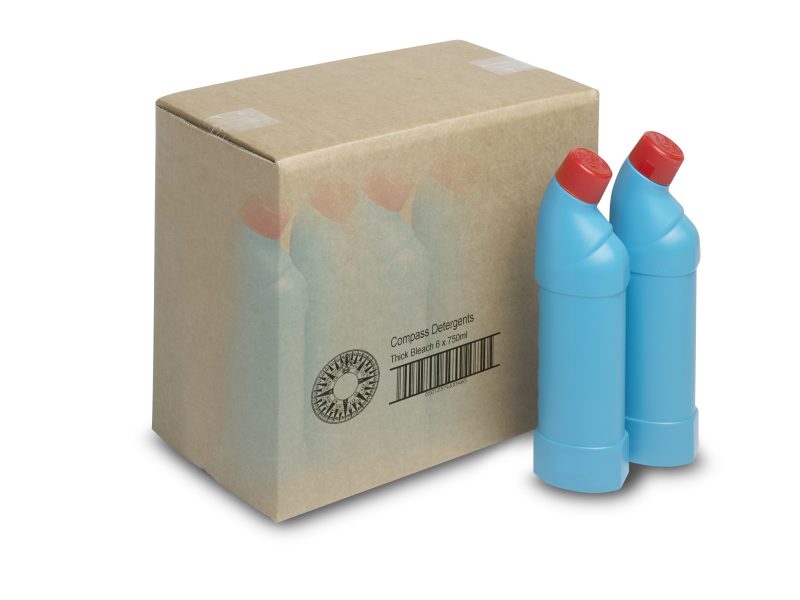
The Linx IJ470 large character inkjet printer prints high-resolution information directly onto porous and semi-porous outer packaging. The IJ470 provides a print height of up to 70 mm per printhead and can control multiple printers from one interface where a larger print area or coding on more than one side is required.
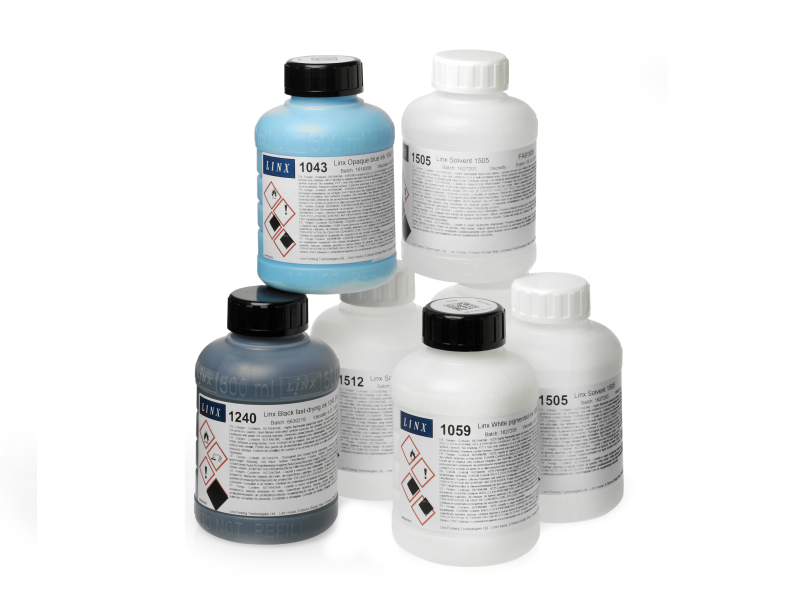
Inks and Fluids
Linx Inks & Fluids
We recommend that you only use Linx-approved industrial inks and fluids in your Linx CIJ, TIJ or Large Character coding equipment. Our range includes specialist inks for a wide array of industrial coding applications, including for traceability, security, edible goods, harsh production environments and more.
Industrial 2D Code Printing Applications
2D code printing is used across manufacturing industries where product identification, traceability or access to digital information is important.
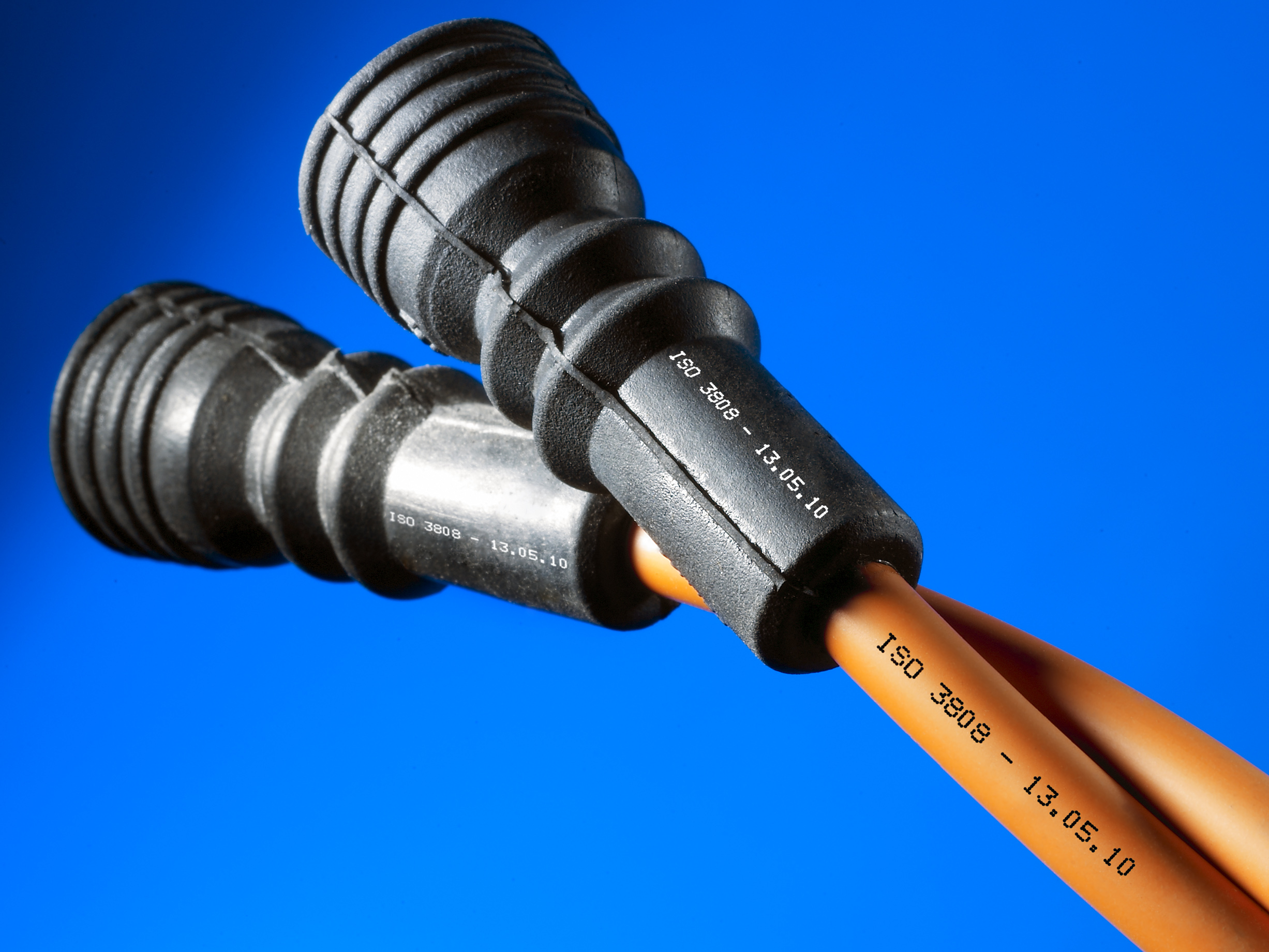 Automotive Components
Data Matrix Marking for Automotive Parts
Apply Data Matrix codes to compatible automotive components to support part identification, serialisation and production traceability. Direct-part marking helps manufacturers link individual components to manufacturing and quality records.
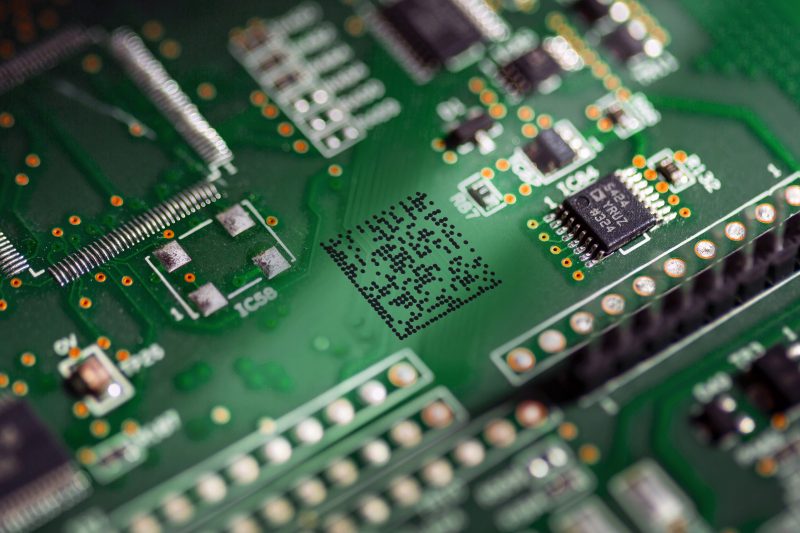 Electronics
2D Code Marking for Electronic Components
Print or mark compact Data Matrix codes on suitable electronic components, circuit boards, housings and battery parts. High-precision 2D marking supports identification where limited space and material sensitivity are important.
 Pharmaceuticals
GS1 DataMatrix Printing on Pharmaceutical Packs
Print Data Matrix codes on compatible pharmaceutical cartons and labels for product identification and serialisation. High-resolution coding can support required batch, expiry and serial number information where applicable regulations and standards are followed.
 Metal & Industrial Parts
Data Matrix Marking on Metal Components
Create durable Data Matrix codes on compatible steel, aluminium and other metal components for direct-part identification and traceability. Fibre laser marking is particularly relevant where small, readable 2D codes and long-lasting identification are required.
 Food Packaging
2D Barcode Printing on Food Packaging
Print Data Matrix, QR and suitable GS1 2D codes onto food packaging for product identification, batch information and traceability. Choose the printing method according to packaging material, variable data requirements and line speed.
 Cardboard & Cartons
Data Matrix Printing on Cardboard Boxes
Print Data Matrix, GS1 DataMatrix and QR codes directly onto compatible corrugated boxes, cartons and outer cases. High-resolution inkjet printing, including the Linx IJ470, can support secondary packaging identification and reduce reliance on separate labels.
Find the Right 2D Code Printing Machine for Your Production Line
Whether you are introducing industrial Data Matrix marking, upgrading your coding system or preparing for GS1 2D barcodes, Linx can help you assess suitable equipment. Tell us what code you need to print, the material you are marking and your production speed. Our UK specialists can help you compare printing technologies and arrange a print sample.
How to Improve 2D Code Readability and Print Quality
A printed Data Matrix or QR code must remain readable by the intended scanning equipment.
The quality of the mark can affect product identification, traceability and production-line efficiency.
1. Use the Correct Code Format
Confirm whether the application requires Data Matrix, GS1 DataMatrix, QR or another format.
A standard Data Matrix code is not necessarily equivalent to GS1 DataMatrix, which uses GS1-specific data conventions.
2. Choose an Appropriate Module Size
The individual squares that form a 2D code are called modules.
Their size must suit the printer or marking system, the quantity of encoded information and the intended scanning conditions.
A code that can be physically printed may still be too small to scan reliably.
3. Maintain Contrast and Clear Module Edges
Ink colour, laser marking results, substrate texture and surface reflections can influence code readability.
Test the printed symbol on the actual material rather than relying only on theoretical resolution.
4. Protect the Quiet Zone
Data Matrix and QR formats require suitable clear areas around the code.
Nearby text, graphics, seams or other markings can interfere with scanning.
5. Consider Handling and Environmental Conditions
Printed codes may be affected by moisture, abrasion, temperature, chemicals or repeated handling.
The printing technology and consumables should be chosen according to the required code lifetime.
6. Verify the Finished Code
A successful scan does not necessarily establish that a symbol meets the required print-quality grade.
For printed 2D codes, ISO/IEC 15415 is commonly used for quality assessment. ISO/IEC 29158 is relevant to direct-part marking applications.
Use the appropriate verification method, scanner and application standard.
Direct 2D Code Printing vs Printed Labels
Manufacturers can print 2D codes directly onto suitable products and packaging or apply separately printed labels.
Direct printing can be relevant when variable codes change between products, production batches or packaging runs.
| Direct 2D code printing | Printed labels |
|---|---|
| Applies codes to the product or packaging surface | Applies codes to a separate label |
| May reduce label stock and label application steps | Provides a defined printable label surface |
| Requires substrate-compatible printing or marking | Requires suitable adhesive and label application |
| Can be integrated into manufacturing processes | May suit surfaces that are difficult to mark directly |
| Can support variable identification on demand | Can support variable data through print-and-apply systems |
The right approach depends on code readability, production conditions, material compatibility and overall operating requirements.
FAQs- Industrial 2D Code Printing
A 2D code printer is equipment capable of applying two-dimensional barcodes, such as Data Matrix or QR codes, to compatible products, packaging or labels. Industrial models can be integrated into manufacturing and packaging lines.
A Data Matrix marking machine produces Data Matrix symbols on suitable surfaces using technologies such as laser marking or industrial inkjet printing.
DMC is commonly used as an abbreviation for Data Matrix Code. DMC printing applies these compact machine-readable codes to products, packaging or components.
Yes. Selected Linx continuous inkjet, thermal inkjet, laser, thermal transfer and large-character systems support Data Matrix printing.
Confirm the code format and specifications for the chosen model.
Yes. Suitable fibre laser systems can mark Data Matrix codes on compatible metal components.
The material, surface finish and marking settings must be assessed to obtain readable results.
Thermal inkjet, laser and other high-resolution technologies may suit compatible cartons. The best option depends on the substrate, code dimensions and production process.
Yes. Depending on the format and data requirements, 2D codes can encode serial numbers, lot or batch identifiers, product numbers and additional attributes.