
Preparing for the 2D Code Sunrise with Digital QR Code Printing

The global shift towards 2D barcodes marks one of the biggest changes in packaging and product identification in decades. With the 2D Code Sunrise initiative led by GS1, converters sit at the centre of this transition—bridging brand expectations, regulatory requirements, and the technical realities of printing and coding.
For converters, this isn’t just about replacing a linear barcode with a QR code. It’s about digital print readiness, variable data control, and production-line integration.
What is the 2D vs Code Sunrise – and Why Converters Matter
The 2D Code Sunrise refers to the global move from traditional 1D barcodes (like EAN/UPC) to 2D codes, such as QR codes powered by GS1 standards. These codes can carry far more data, including:
- Batch and lot numbers
- Expiry dates
- Product serialisation
- Web links for consumer engagement
Converters play a critical role because print quality, placement accuracy, and data integrity all directly affect scan performance at retail and throughout the supply chain.
From Static Barcodes to Dynamic Data: A Printing Technology Shift
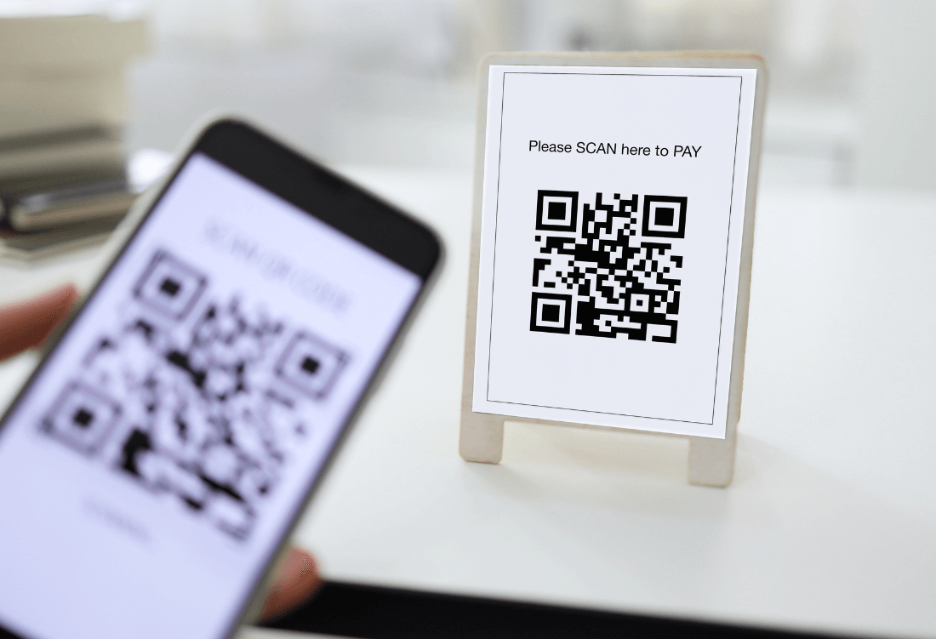
Traditional flexo or offset workflows were designed for static graphics. The 2D Code Sunrise introduces dynamic, data-driven printing, which changes how converters approach production.
Key Printing Challenges for Converters
- Variable data printing (VDP) at high speeds
- Maintaining consistent contrast and quiet zones
- Managing frequent data changes without downtime
- Ensuring scannability across substrates
This is where digital and hybrid printing technologies step in.
Digital QR Code Printing: The Enabler for 2D Codes
Digital printing is becoming the preferred route for 2D codes due to its flexibility and precision.
Why Digital Printing Works for 2D Codes
- Native support for variable data (each code can be unique)
- High-resolution output for small-format QR codes
- Faster job changeovers for multi-SKU runs
- Reduced reliance on plates or manual artwork changes
For converters running mixed production environments, hybrid workflows—combining flexo for static elements and digital for QR codes—offer a scalable transition path.
Coding & Marking: Where Converters and Manufacturers Align
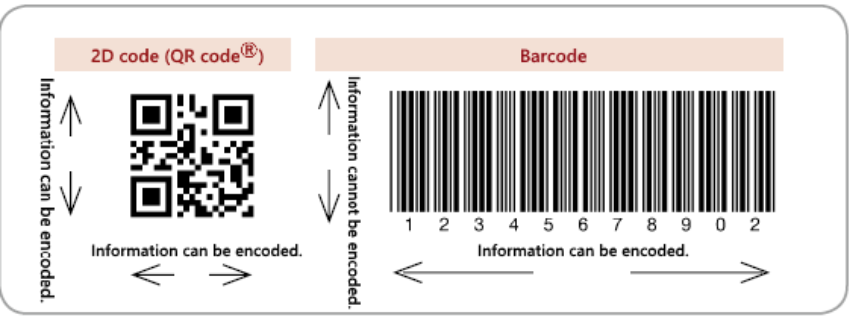
Not all 2D codes will be pre-printed. Many brands will rely on inline coding and marking systems to add:
- Date codes
- Batch numbers
- Serialised QR codes
For converters, this means packaging designs must:
- Allocate dedicated print areas for late-stage coding
- Ensure surfaces are compatible with inkjet or laser marking
- Support scan reliability even after secondary operations like lamination or varnishing
Close collaboration between converters, coding specialists, and brand owners becomes essential.
Quality Control: Scan Performance is the New Print Standard
With 2D codes, visual appearance alone is no longer enough.
Converters must think in terms of:
- ISO/GS1 print quality grades
- Inline vision inspection systems
- Verification of data accuracy, not just print clarity
Poor-quality QR codes can result in:
- Retail scanning failures
- Traceability gaps
- Product rejections or recalls
Investing in print verification and inspection is fast becoming a competitive advantage.
Data Management: A New Responsibility for Converters
As QR codes carry more information, converters increasingly handle data files, not just artwork.
This introduces new requirements:
- Secure handling of variable data
- Version control across print runs
- Integration with brand or ERP systems
- Error-proof workflows to prevent code duplication
Converters that build robust data-handling processes will be better positioned as strategic partners—not just print suppliers.
Preparing Your Converting Operation for the 2D Future
To stay ahead of the 2D Code Sunrise, converters should focus on:
- Auditing current print resolution and registration capabilities
- Assessing readiness for variable data printing
- Aligning substrates and finishes with coding and marking compatibility
- Implementing scan verification as a standard QA step
- Training teams on 2D code standards and best practices
Take Actions Now:
- Request a Print Sample to see the solution in action
- Download Product Brochure for detailed specifications
- Talk to an Expert to find the right coding solution for your retail operations