
2D Barcodes Are Coming — Is Your UK Business Ready?
What are GS1 2D Barcodes?
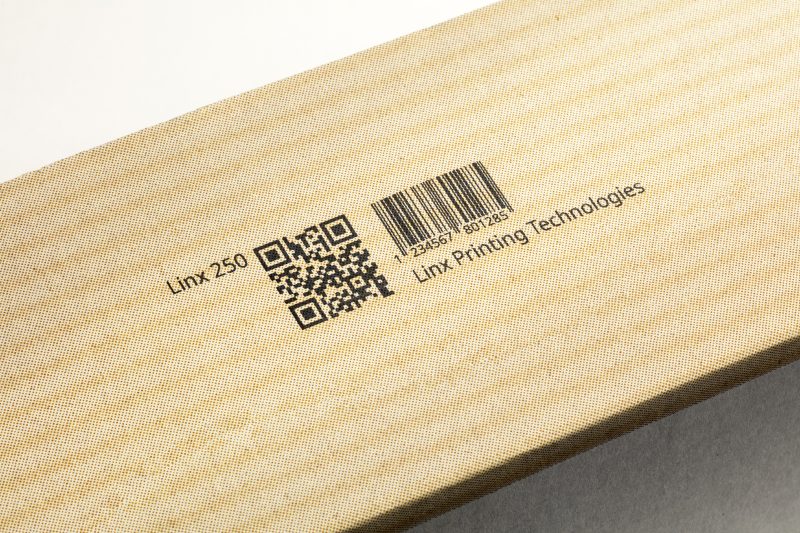
GS1 2D barcodes are set to change the coding landscape for UK brands. Evolving from the traditional 1D barcodes, a GS1 2D barcode is a symbol that contains more information surrounding allergens, sustainability messages and traceability data. Throughout the supply chain, this allows for efficient scanning and retrieval of data from products. Enhanced data storage allows inclusion of batch/lot numbers, expiration dates, serial numbers, and URLs in a single code.
GS1 2D barcodes can add a significant amount of data to the code which can improve customer engagement. These codes will aid the traceability of products as well as remaining compliant with regulations. The companies have flexibility with 2D barcodes, as brands can tailor the codes and data to their specific needs. The use of 2D barcodes will lead to smarter, more efficient product recalls as information and data is easily accessible and traceable. The adoption of these barcodes will contribute to ongoing customer engagement as brands are able to update content anytime without reprinting codes as it will be in a digital form. GS1’s global initiative calls for retailers and manufacturers to update their coding to 2D codes by the end of 2027.
Key Characteristics & Types
- GS1 DataMatrix: A square/rectangular grid of dark and light cells, ideal for small items in healthcare, electronics, and automotive due to high data density.
- QR Code (GS1 Digital Link): A more sophisticated code that acts as a web link (URI), connecting to brand-controlled online information like ingredients, promotions, or recycling instructions.
Why is this GS1 2D Barcode Shift Happening?
The adoption to 2D barcodes is due to a growing demand for product transparency and traceability from customers. There are regulatory pressures and evolving consumer expectations for sustainability. These barcodes give brands the ability to easily showcase to customers their sustainability, allergen and traceability information, giving them a strong brand reputation and enhancing credibility.
What Manufacturers Need to do Before 2027?
Upgrade Printing Systems
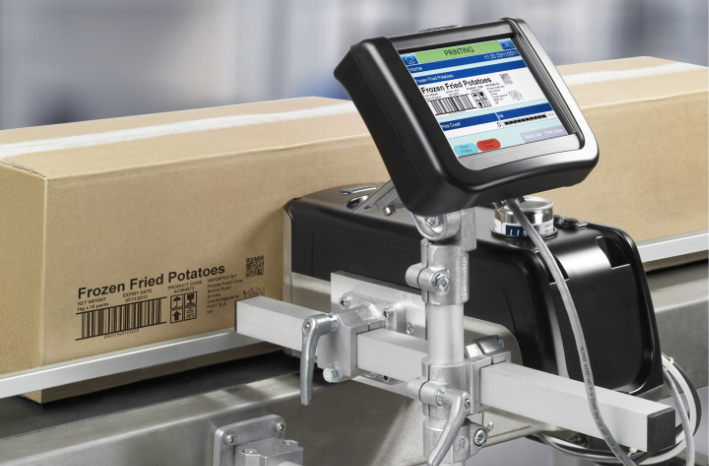
UK Manufacturers will need to ensure that their coding and marking technology is compatible with printing 2D barcodes while maintain high quality codes, durability through the product lifecycle. Linx Printing Technologies offer coding and marking solutions that are compatible with 2D barcodes for both primary and secondary packaging while ensuring data accuracy and compliance with GS1 standards.
Adjusting Print Area
Brands may need to adjust their packaging design for 2D code placement. Scanning the code needs to be fast, easy and consistent for the customer and to meet their demands in a busy supermarket environment. The size of the code must be small enough to meet the packaging aesthetic but large enough that it is visible, quick and easy to scan.
Data Systems up to Date
Data systems should enable dynamic, real-time communication to enhance the benefits of using 2D codes. The ability to update data on products in real-time gives consumers the reassurance all information they scan is up-to-date and relevant. It also allows the brand reputation to remain high, making it easier to resolve product recalls, reducing the possibility of damaging brand reputation.
Compliance and Traceability
Technology systems should be able to handle 2D barcode formats and comply with GS1 standards. The data systems should be able to hold all data to make products traceable. This increases the importance of reliable coding solutions that support accurate product identification and regulatory compliance.
2D Barcode Challenges and How to Overcome Them
Substrate Compatibility
Different materials can require specific coding methods. When adapting to 2D barcodes it’s vital to ensure your technology is compatible with the material you are printing on to, to guarantee the code will be high quality, legible and durable.
Line Speed
When coding more complex barcodes, manufacturers need to ensure that the barcode remains readable while maintaining high throughput. At Linx we have a variety of technologies with variable speed compatibility to suit your business needs.
Environmental Factors
Dust, humidity and temperature can affect print quality and cause downtime. Our Linx printers are made from robust materials and are designed to withstand harsh conditions. The right equipment will ensure uptime, durability and high-quality codes even when working in harsh environments.
At Linx Printing Technologies, our UK-based production team brings extensive expertise in overcoming the challenges of coding 2D barcodes. If you’re looking for a reliable, future-ready solution to get ready for GS1 2D barcodes, get in touch with our team to explore the right approach for your production environment.
Take Actions Now:
- Request a Print Sample to see the solution in action
- Download Product Brochure for detailed specifications
- Talk to an Expert to find the right coding solution for your retail operations