
The Evolving Industry of Packaging Materials
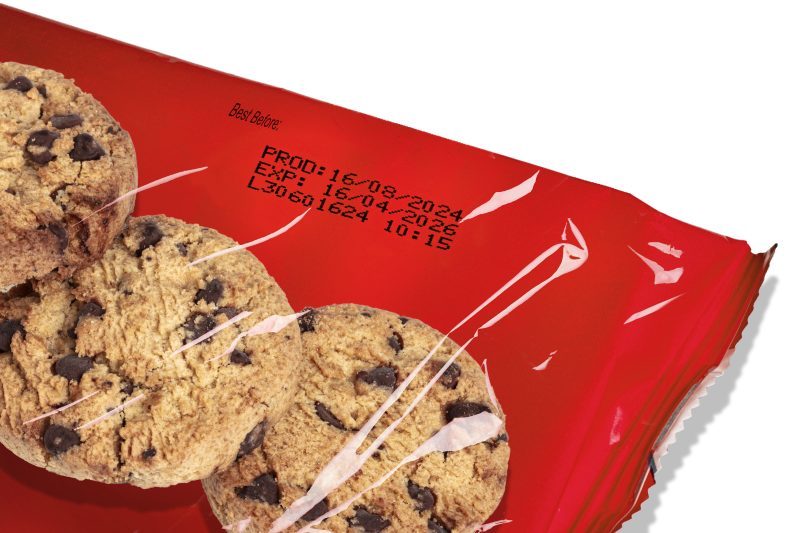
The consumer-packaged goods (CPG) industry is undergoing rapid transformation as brands respond to shifting consumer expectations, stricter environmental regulations, and global sustainability targets. Packaging materials are no longer chosen solely for cost and protection they must now balance recyclability, material reduction, traceability, and compliance.
A significant trend shaping this evolution is the increasing use of recycled and recyclable substrates across primary and secondary packaging. While these materials support environmental goals, they also introduce new technical challenges for manufacturers particularly when it comes to applying batch codes, date codes, and traceability information.
As substrate composition becomes more variable, ensuring reliable adhesion, contrast, and long-term code durability has become a priority. In 2026 and beyond, selecting coding and marking technologies that can perform consistently across recycled materials is no longer optional it’s a competitive necessity.
Shift to Lightweight Packaging
One of the most notable changes in packaging is the shift from rigid formats to lightweight and flexible packaging. Flexible films, pouches, and wraps typically use less material, reduce transportation emissions, and improve storage efficiency making them a key enabler of sustainability strategies.
Beyond environmental benefits, lightweight packaging supports the principles of the circular economy by encouraging material reuse and efficient recycling. However, these substrates often present challenges such as thinner surfaces, increased movement on production lines, and sensitivity to heat or solvents.
As a result, manufacturers must ensure their coding and marking solutions are compatible with flexible packaging while still delivering:
- High-quality, legible codes
- Resistance to abrasion and handling
- Durability throughout the product lifecycle
In fast-moving production environments, print reliability on lightweight materials directly impacts productivity, compliance, and brand trust.
Advancements in Recycled Materials
Driven by global sustainability initiatives, manufacturers are increasingly adopting recycled and recyclable polymers such as PE, PP, PET, BOPP, MOPE, and BOPE. Recycled content is also becoming more common in bottles, cartons, and plastic packaging components across food, beverage, pharmaceutical, and personal care sectors.
These advanced materials help brands meet environmental commitments while offering consumers packaging that is easier to recycle and less likely to end up in landfill. However, recycled substrates often vary in surface energy, colour consistency, and finish particularly when post-consumer recycled (PCR) content is used.
For coding and marking, this variability means manufacturers must rethink traditional approaches. Technologies and consumables need to adapt to ensure codes remain readable, scannable, and compliant, regardless of substrate inconsistencies.
Challenges and Opportunities
Material Compatibility
Recycled materials can differ significantly in porosity, texture, and pigmentation, which may affect ink adhesion and print clarity. Without the right formulation or technology, codes can fade, smudge, or become unreadable—putting traceability and compliance at risk.
Regulatory Requirements
As sustainability regulations continue to evolve, manufacturers must comply with packaging, recycling, and labelling standards across multiple markets. This increases the importance of reliable coding solutions that support accurate product identification and regulatory compliance.
Reduced Material Consumption
Circular economy models encourage reduced material use and smarter packaging design. While this creates challenges, it also opens the door to innovation—driving demand for more efficient, adaptable, and low-waste coding and marking systems.
Investment in Suitable Equipment
Transitioning to sustainable packaging often requires investment in modern coding and marking technology. The right equipment helps ensure that quality, uptime, and code durability are maintained—even when working with recycled or lightweight substrates.
Preparing for the Future of Packaging
The consumer packaging industry will continue to evolve rapidly, with sustainability, compliance, and traceability at the core of future packaging strategies. As brands work towards ambitious environmental targets, maintaining high-quality, durable coding across recyclable materials remains essential.
At Linx Printing Technologies, our UK-based production team brings extensive expertise in overcoming the challenges of coding on recycled and sustainable substrates. If you’re looking for a reliable, future-ready solution for coding on recycled materials, get in touch with our team to explore the right approach for your production environment.
Take Actions Now:
- Request a Print Sample to see the solution in action
- Download Product Brochure for detailed specifications
- Talk to an Expert to find the right coding solution for your retail operations