
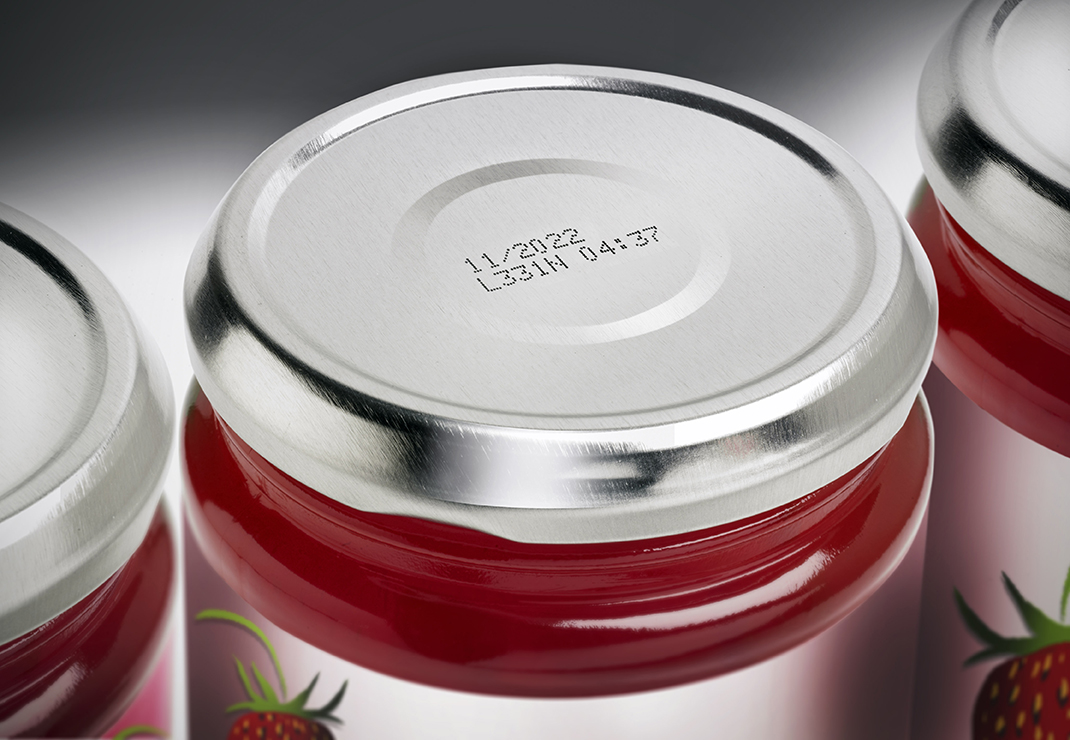
Batch Coding Machines
Batch Coding Machines
Reliable batch code printers for industrial production lines
Print clear, consistent batch numbers and lot codes directly onto products and packaging with Linx industrial batch coding machines.
Whether you need an inkjet batch coding machine for fast-moving bottles and cans, a laser batch coding machine for durable product identification, or high-resolution batch printing on flexible packaging and cartons, Linx can help you find a suitable solution.
Our UK range includes continuous inkjet (CIJ), laser, thermal inkjet (TIJ), thermal transfer (TTO) and large-character printing technologies for a wide variety of manufacturing applications.

To find out more information and to request your samples with no obligation, click the button below.
What is Batch Coding?
Product Identification & Traceability
Clear Batch Codes. Better Traceability.
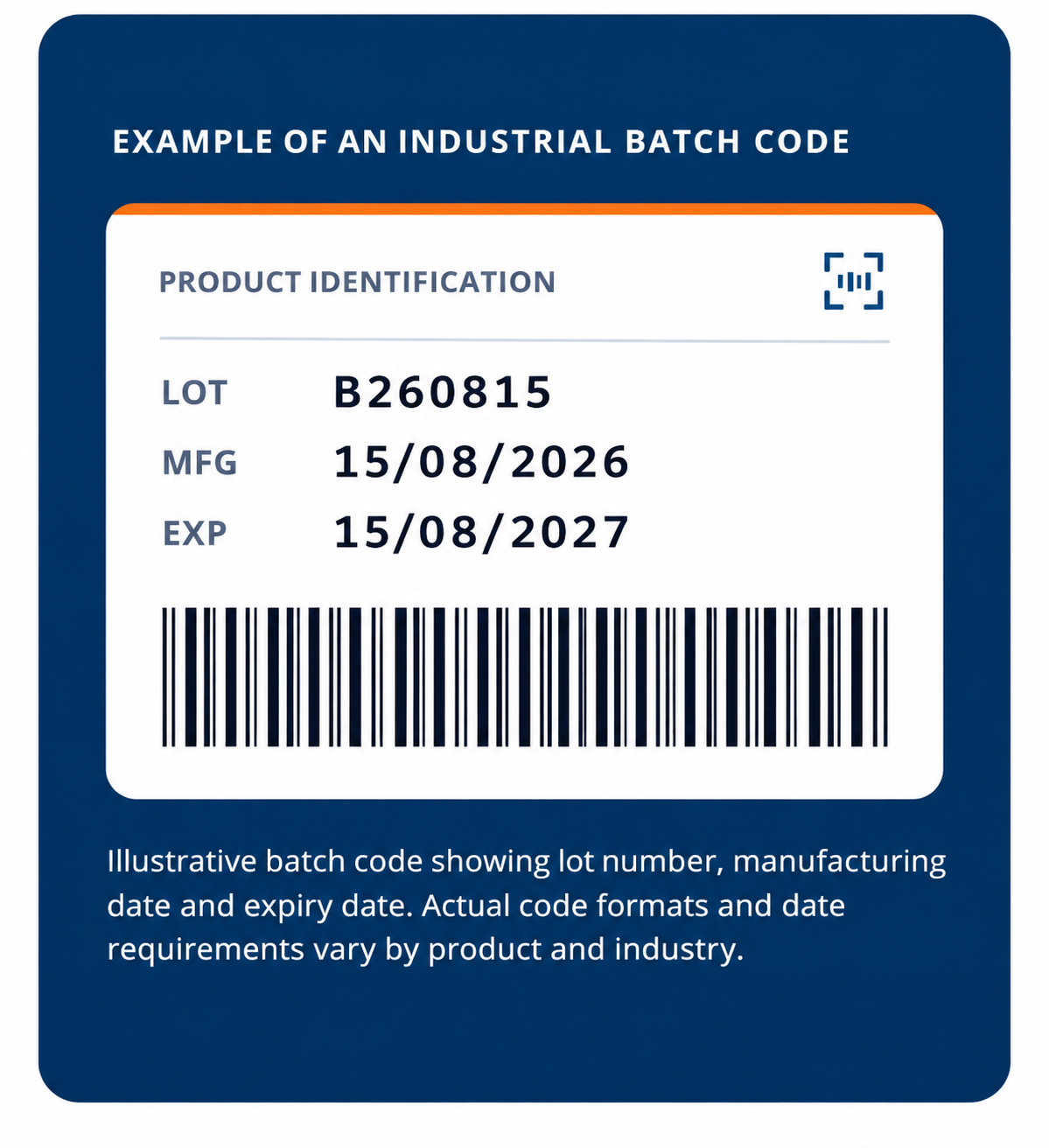
Batch coding is the process of printing or marking a batch number, lot code or production identifier directly onto products and packaging.
Industrial batch coding machines help manufacturers identify production runs, manage variable information and support traceability across the supply chain.
✓Identify products from specific production batches
✓Support product traceability and stock management
✓Simplify quality investigations and product recalls
Which Batch Coding Machine is Right for Your Production Line?
Choosing a batch code printer depends on the product material, coding requirements, production speed, available print area and the conditions the code must withstand.
Linx offers five industrial coding technologies for different batch printing applications.
Compare Batch Coding Technologies
| Technology | Best suited for | Main benefit |
|---|---|---|
| Continuous Inkjet (CIJ) | Bottles, cans, plastics and fast-moving products | Flexible, high-speed, non-contact coding |
| Laser Coding | Compatible packaging and industrial components | Durable marking without ink or ribbon consumables |
| Thermal Inkjet (TIJ) | Cartons, sleeves and selected packaging | High-resolution batch printing |
| Thermal Transfer (TTO) | Flexible films, pouches and flow wraps | Detailed codes printed onto packaging films |
| Large Character Marking | Cardboard boxes and outer cases | Direct-to-case batch printi |
Explore Linx Industrial Batch Coding Machines
Every Linx batch coding machine is designed with you in mind, you can print batch codes clearly and consistently using coding templates. Each batch coder provides a user-friendly interface, with most models providing touchscreen operation.
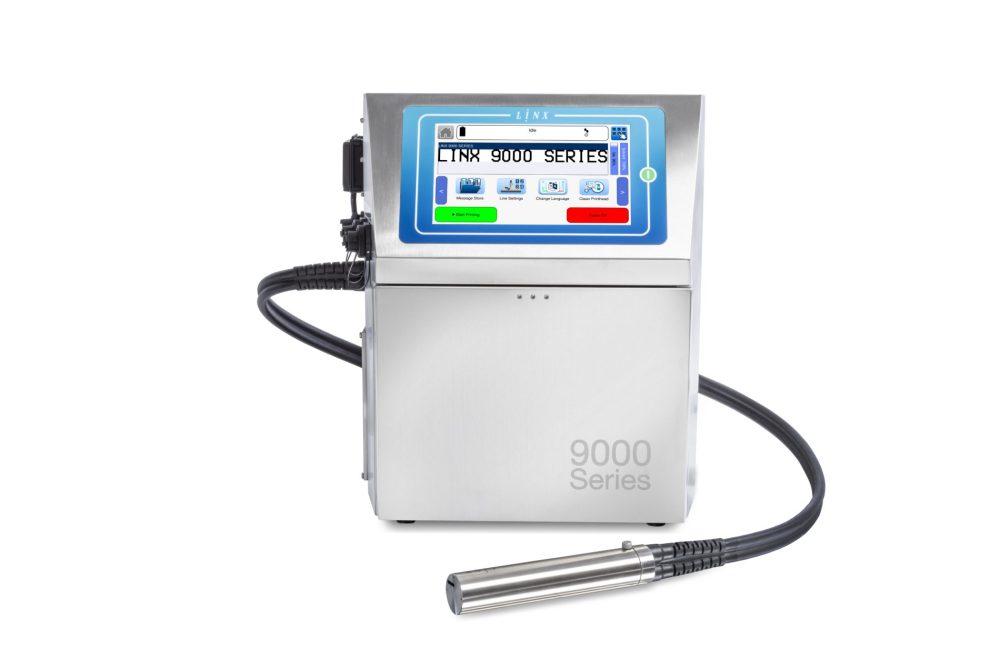
Continuous Inkjet Batch Coding Machines
Print batch numbers, lot codes and expiry dates on fast-moving bottles, cans, plastics and other products with flexible non-contact inkjet technology.
Explore CIJ Printers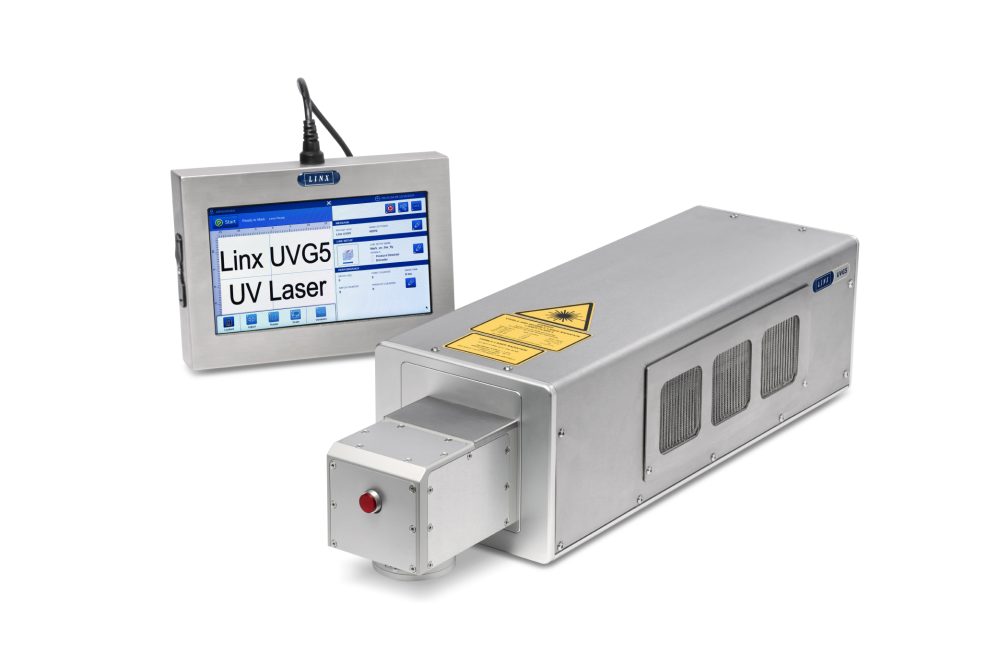
Laser Batch Coding Machines
Create durable batch numbers and identification codes on compatible products, packaging and components without ink or ribbon consumables.
Explore Laser Coders
Thermal Inkjet Batch Code Printers
Produce high-resolution batch numbers, lot codes and variable information on cartons, sleeves and suitable porous or non-porous packaging materials.
Explore TIJ Printers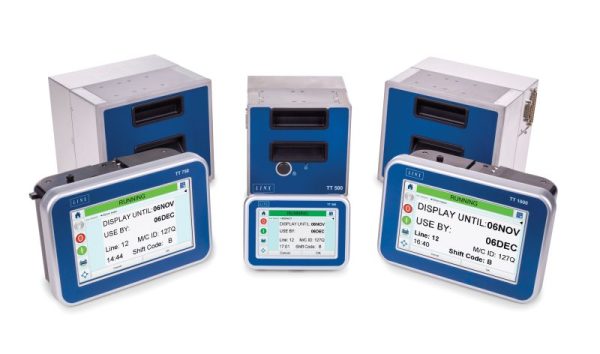
Thermal Transfer Batch Coding Machines
Apply clear batch codes, production dates and variable information to flexible films, pouches and flow wraps using thermal transfer overprinting.
Explore TTO Printers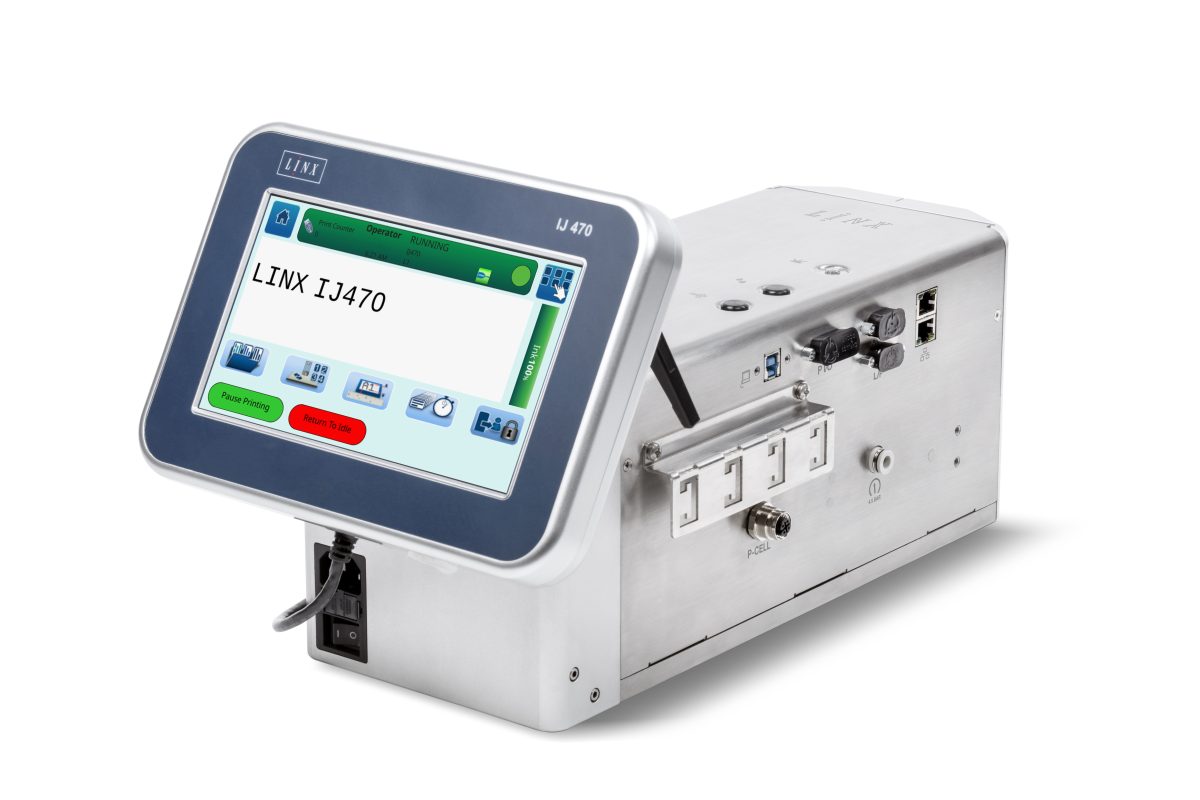
Large Character Batch Code Printers
Print batch numbers, lot identifiers and product information directly onto cardboard boxes and outer cases with the Linx IJ470.
Explore Case Coding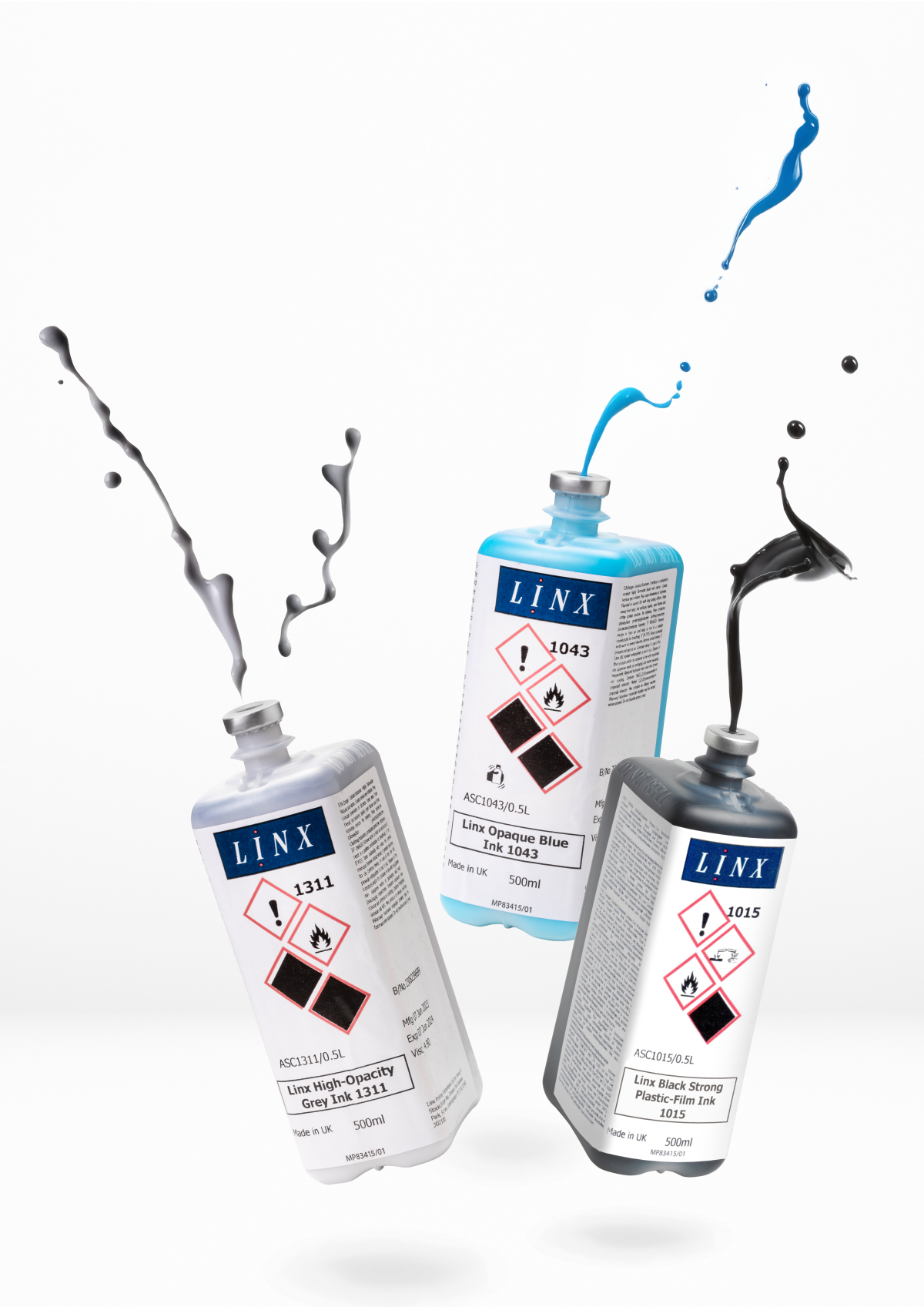
Industrial Inks & Solvents
Explore genuine Linx coding inks and fluids developed for reliable batch printing, suitable adhesion and code contrast across different materials.
Explore Inks & FluidsBatch Coding Applications Across Manufacturing
 Food & Beverage Cans
Batch Coding on Cans
Print batch numbers, lot codes and production identifiers onto suitable aluminium and steel cans. Industrial batch coders support product identification on fast-moving canning lines.
 Food Packaging
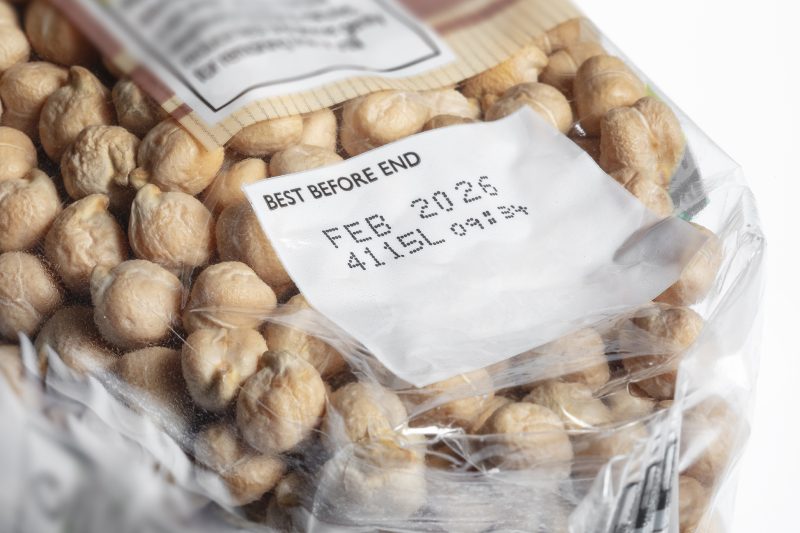
Batch Coding on Food Packaging
Print batch numbers and lot identifiers on compatible food packaging to help track production runs, manage product identification and support quality investigations.
 Flexible Packaging
Batch Coding on Flexible Films & Pouches
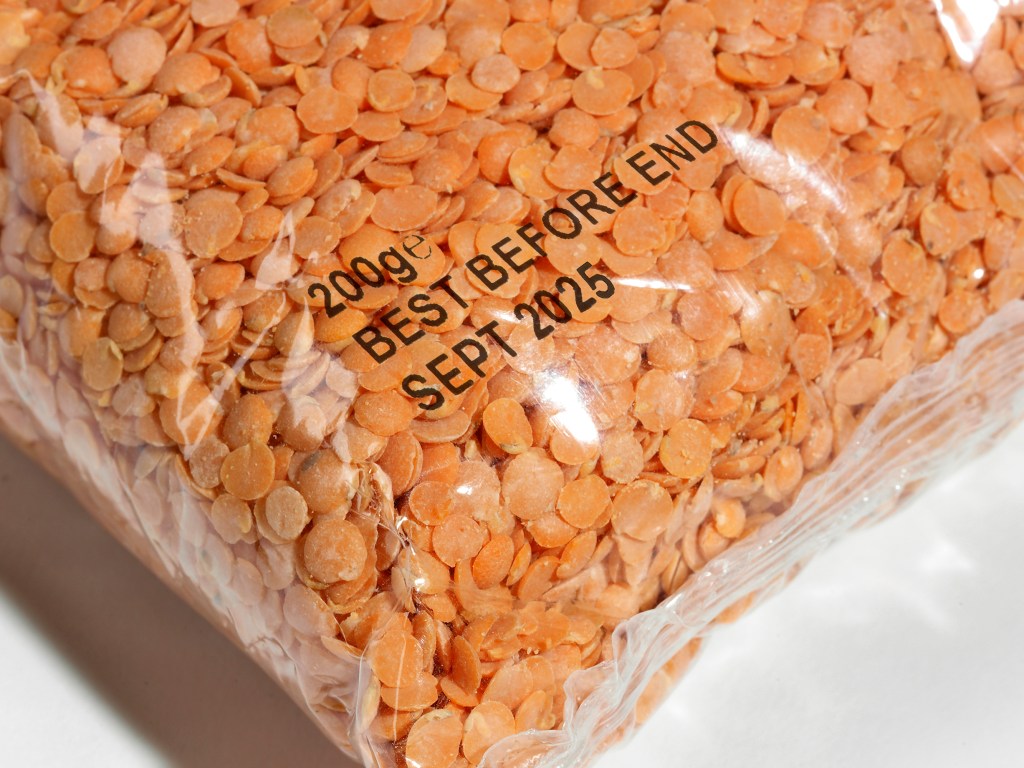
Apply batch numbers and variable production information to compatible films, pouches, sachets and flow wraps. Thermal transfer overprinting delivers detailed codes on suitable packaging films.
 Cardboard & Cartons
Batch Coding on Cardboard Boxes
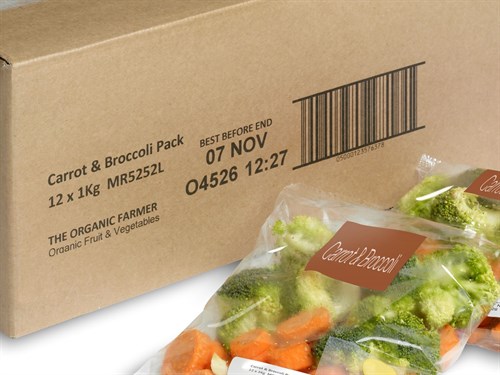
Print batch identification, lot numbers and variable product information directly onto corrugated cartons and outer cases. Direct case coding can reduce reliance on labels and pre-printed boxes.
 Cosmetics & Personal Care
Batch Coding on Cosmetics Packaging
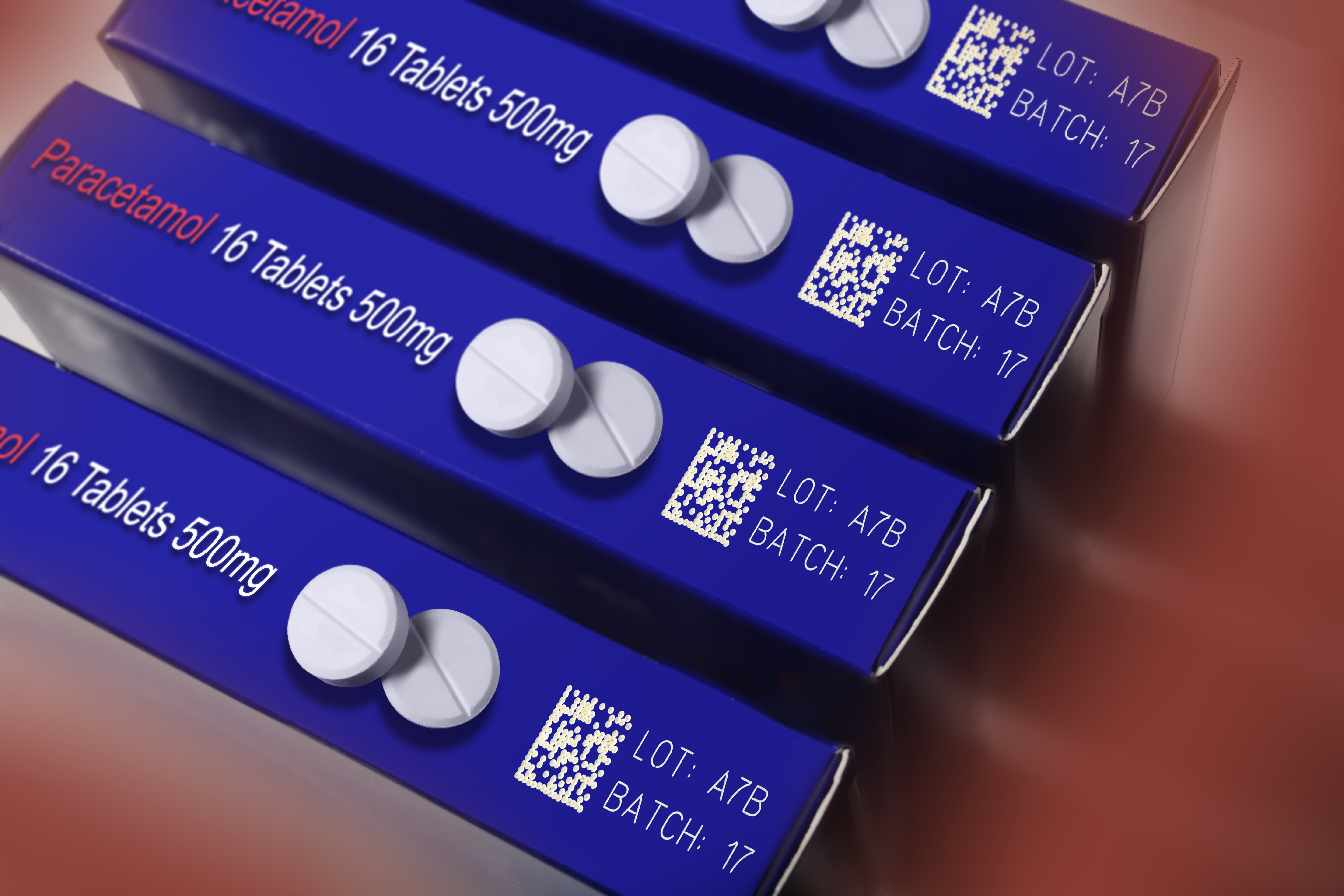
Print lot numbers and batch identifiers onto compatible cosmetics bottles, jars, tubes and cartons. Select printing technology suited to premium packaging, code contrast and traceability.
 Industrial Components
Batch Coding on Industrial Components
Mark suitable metal and plastic components with batch identifiers, lot codes and production information. Laser and selected inkjet technologies support traceability through manufacturing.
Inkjet vs Laser Batch Coding Machines: Which is Better?
Both inkjet and laser technologies can be used for automatic batch coding, but each offers different advantages.
Inkjet batch coding machines are generally suitable for manufacturers needing flexible, non-contact printing across various products and packaging materials.
Continuous inkjet is particularly useful for fast-moving production lines and changing packaging formats.
Laser batch coding machines offer durable marking without liquid ink consumables. They may be preferable where the material supports laser marking and permanent identification is required.
When comparing technologies, consider:
- Packaging material and surface finish
- Batch code size and number of characters
- Production line speed
- Required code resistance to handling or cleaning
- Consumable and maintenance costs
- Production-line integration
- Laser safety and extraction requirements where applicable
The lowest purchase price does not necessarily mean the lowest lifetime operating cost.
Testing the proposed solution on your actual material can help determine the most suitable batch coding method.
How to Improve Batch Code Accuracy and Traceability
Standardise Batch Code Formats
Use consistent message templates for batch numbers, lot identifiers and variable production information to reduce coding inconsistencies.
Reduce Manual Entry Errors
Where supported, use controlled message selection, prompted fields or automated data transfer to minimise operator input mistakes.
Choose the Right Coding Technology
Match the ink or marking method to your packaging material, required contrast, handling conditions and code durability needs.
Integrate with Production Lines
Coordinate batch code printing with line speed, product positioning and changeover procedures for consistent code placement.
Inspect and Verify Batch Codes
Check code presence, accuracy and readability using suitable inspection methods. Link printed batch identifiers to production records.
Need Reliable Batch Codes on Your Products?
From inkjet batch coding to laser marking, Linx can help you identify a suitable machine for your products, packaging and production line.
FAQs- Batch Coding Machine
A batch coding machine prints or marks batch numbers, lot codes and other identification information onto products or packaging.
Industrial batch coders can be integrated into manufacturing lines to apply variable information during production.
Batch codes and lot numbers are often used interchangeably.
Both identify a defined group of products or materials, although the exact terminology and identification structure depend on the manufacturer and industry requirements.
Continuous inkjet is commonly used for batch coding onto plastic bottles because it can apply non-contact codes to fast-moving products. The best solution depends on the bottle material, printing position, line speed, ink compatibility and durability requirements.
An inkjet batch coder uses ink to print information onto a product or packaging surface.
A laser coder changes the surface of a compatible material to produce a mark without ink or ribbon consumables.
The appropriate technology depends on the product material and application requirements.
Yes. Many industrial batch coding machines can print batch numbers, manufacturing dates, expiry dates and other variable information.
The available date functions depend on the selected model and software configuration.
Yes. Linx offers coding technologies designed for integration with manufacturing and packaging equipment.
Integration requirements depend on the printer, line controls, operating conditions and any data systems involved.