
Date Coding Machines
Industrial Date Coders for Best-Before, Use-By and Expiry Date Printing
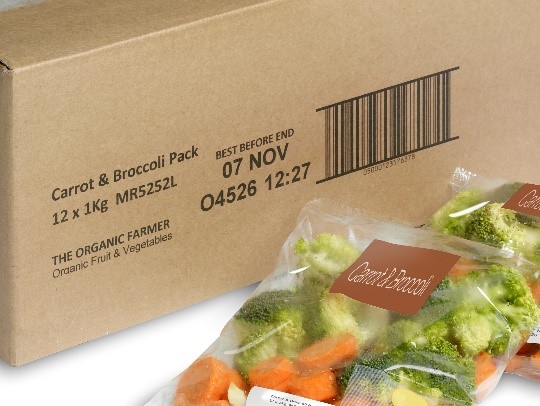
Looking for a reliable date coding machine for your production line? Linx industrial date coders print best-before dates, use-by dates, expiry dates, manufacturing dates and other variable information directly onto products and packaging.
Whether you need an inkjet date coder for fast-moving bottles and cans, a laser date coding machine for durable marking, or a thermal transfer printer for flexible packaging, Linx can help you find a suitable solution.
Our UK range includes continuous inkjet (CIJ), thermal inkjet (TIJ), laser, thermal transfer overprinting (TTO) and large-character printing technologies.
From food and beverage production to pharmaceutical cartons, cosmetics and industrial packaging, we help manufacturers choose date code printers suited to their materials, production speeds and coding requirements.
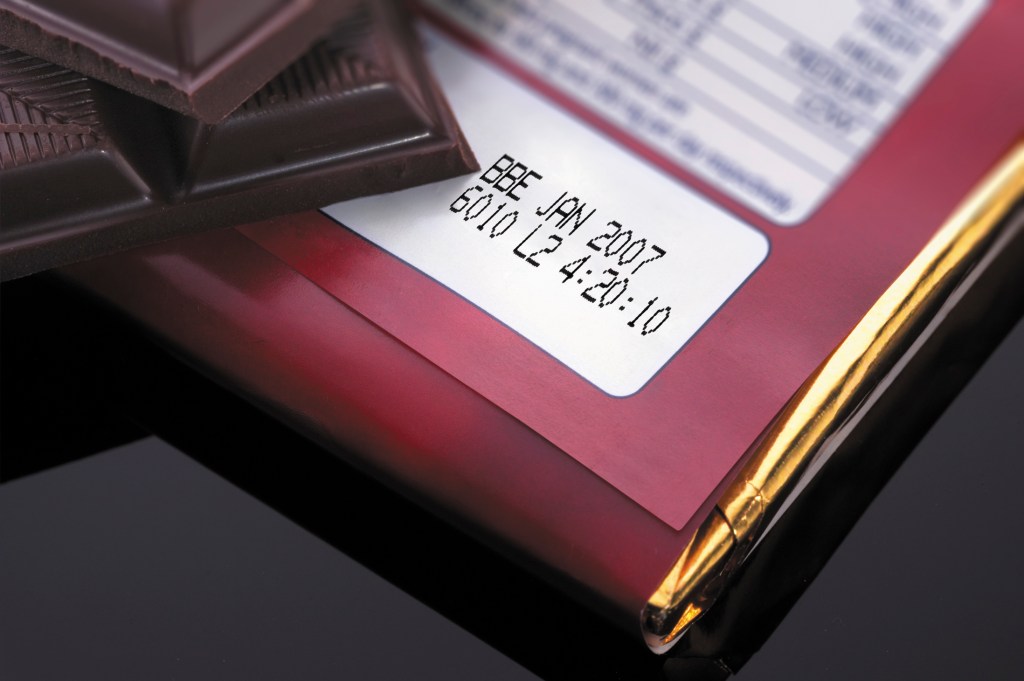
To find out more information and to request your samples with no obligation, click the button below.
What is Date Coding?
Product Date Identification
Clear Dates. Confident Production.
Date coding is the process of printing or marking best-before dates, use-by dates, expiry dates, manufacturing dates and other variable information directly onto products or packaging.
Industrial date coding machines and date code printers help manufacturers apply product information during production, supporting identification, stock management and traceability.
Depending on the application, date coders can use continuous inkjet, thermal inkjet, laser or thermal transfer technology to print on bottles, cartons, films and other suitable materials.
✓ Communicate important product dates clearly
✓ Support stock management and product traceability
✓ Reduce manual date-entry errors with supported automatic functions
What Types of Date Codes Can Linx Printers Produce?
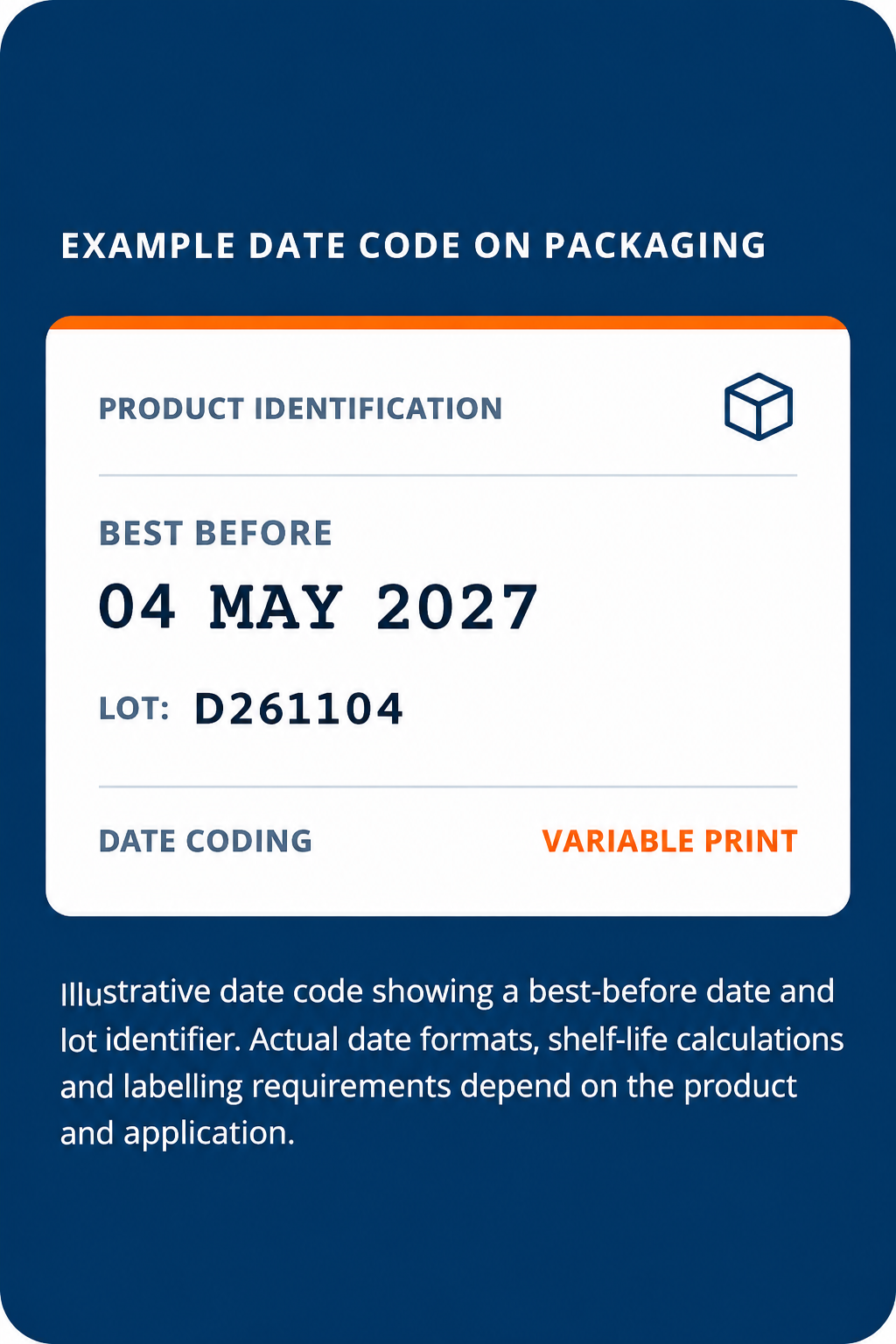
Linx industrial date coding machines can print different types of product dates, depending on the printer model and configuration. Understanding the purpose of each date helps manufacturers select suitable coding equipment and manage product information accurately.
Best-Before Dates
A best-before date indicates when a food product is expected to retain its quality if stored correctly. These dates are commonly printed on suitable packaged foods such as snacks, confectionery and dry goods.
Use-By Dates
A use-by date relates to food safety and is used on products where deterioration can create a safety risk. Accurate printing and suitable verification help manufacturers communicate important date information.
Expiry Dates
Expiry dates identify the end of a specified product validity or usable period, where applicable. They may be printed on products such as pharmaceutical packaging and other items with defined expiry requirements.
Manufacturing Dates
Manufacturing dates identify when a product was produced. They can support production records, quality management and product identification across the supply chain.
Packaging Dates
Packaging dates identify when a product was packed. These codes can support manufacturing records, stock management and product tracking.
Batch & Lot Numbers
Although they are not date codes themselves, batch and lot numbers are often printed alongside production or expiry dates. They help manufacturers identify specific production runs and link products to manufacturing records for traceability.
All examples are illustrative and do not represent one product. Actual date formats, shelf-life calculations and labelling requirements vary by product, market and applicable regulations. Available printing functions depend on the selected Linx machine.
Which Date Coding Machine is Right for Your Production Line?
Industrial date printing machines use different technologies to apply variable information to products and packaging.
Choosing the correct printer involves considering substrate compatibility, printing speed, code size, durability, maintenance and integration requirements.
Compare Industrial Date Coding Technologies
| Technology | Best suited for | Main advantage |
|---|---|---|
| Continuous Inkjet (CIJ) | Bottles, cans, plastics and fast-moving products | Flexible non-contact date printing |
| Laser Coding | Compatible packaging and industrial components | Durable, ink-free marking |
| Thermal Inkjet (TIJ) | Cartons, sleeves and suitable packaging | High-resolution date printing |
| Thermal Transfer (TTO) | Flexible films, pouches and flow wraps | Clear date codes on packaging film |
| Large Character Marking | Cardboard cases and outer packaging | Direct date and product information printing |
The best solution will depend on the specific application. Print sampling can help confirm the appropriate technology, ink and coding position.
Explore Linx Industrial Date Coding Machines
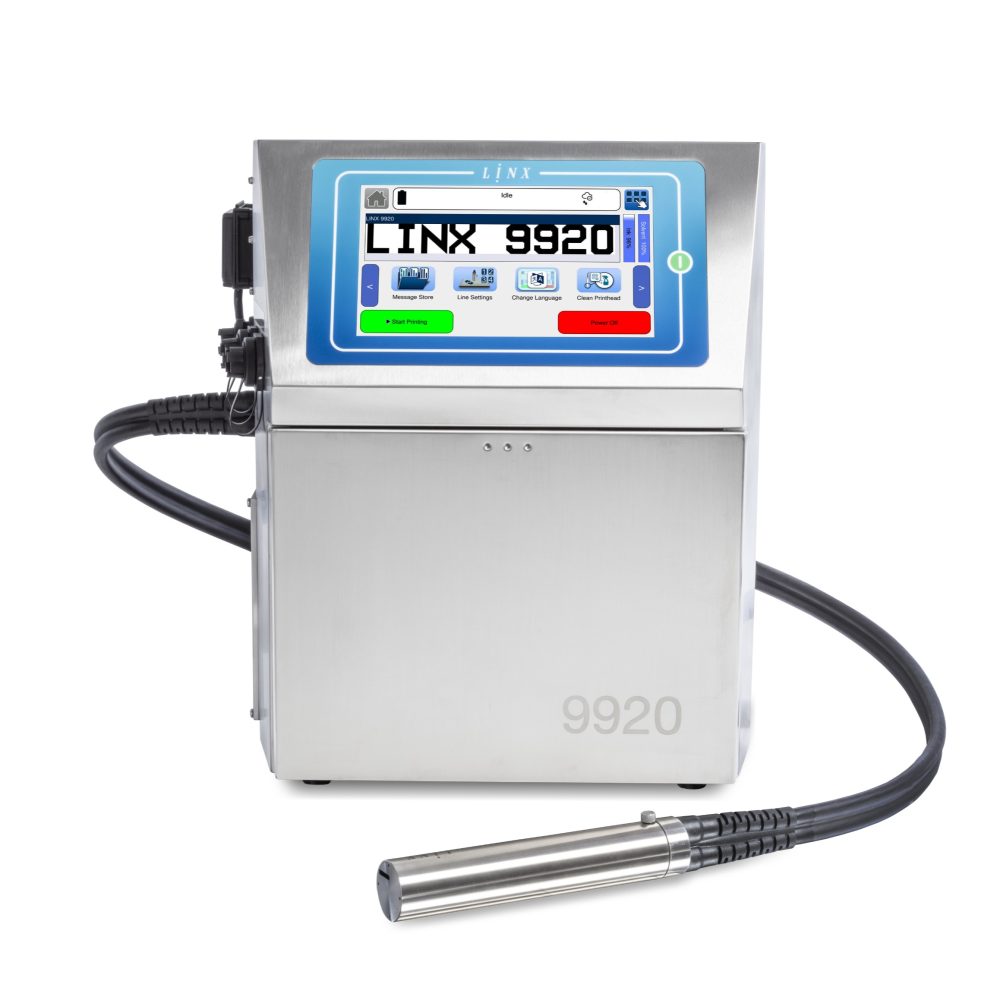
Continuous Inkjet Date Coders
Print best-before dates, expiry dates and batch information on fast-moving bottles, cans, plastic containers and packaging with flexible, non-contact inkjet technology.
Explore CIJ Printers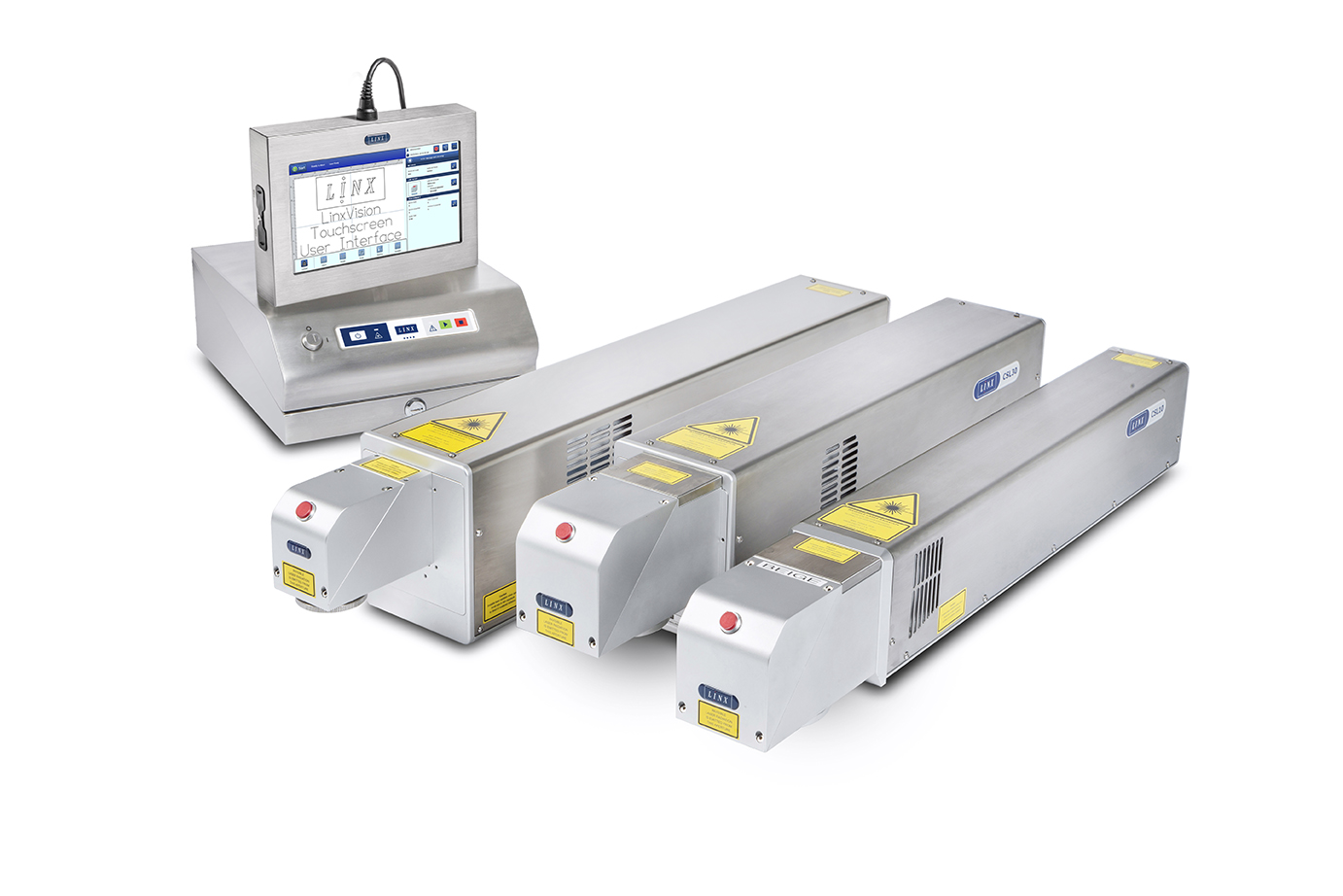
Laser Date Coding Machines
Create durable manufacturing dates, expiry dates and product codes on compatible packaging and materials without ink or ribbon consumables.
Explore Laser Coders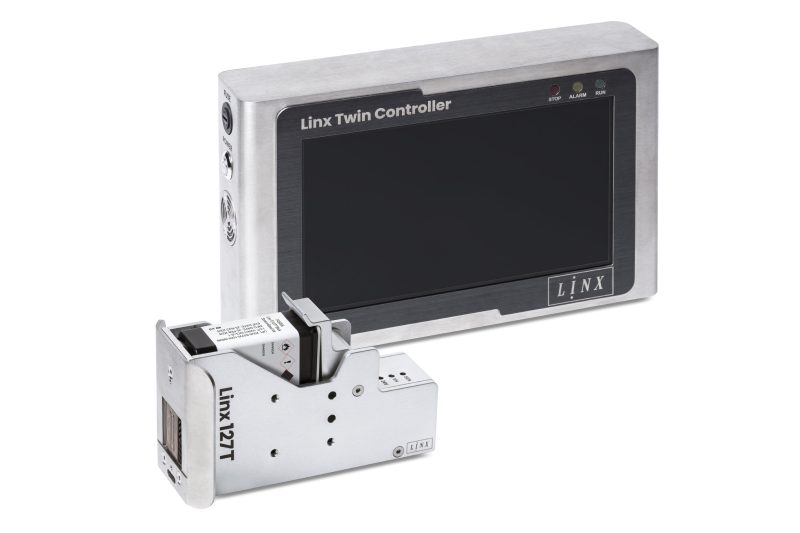
Thermal Inkjet Date Code Printers
Produce high-resolution best-before dates, manufacturing dates and variable information on cartons, sleeves and suitable porous or non-porous packaging materials.
Explore TIJ Printers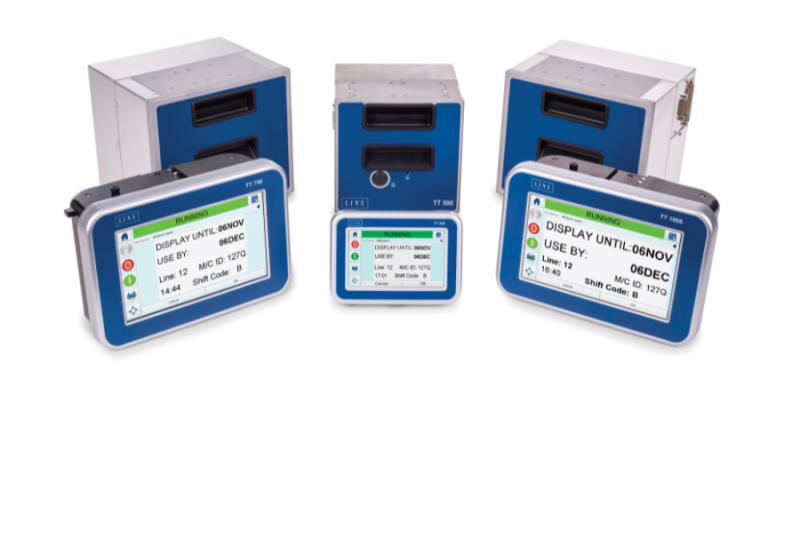
Thermal Transfer Date Printers
Apply clear best-before dates, use-by dates and batch information to flexible films, pouches and flow wraps with high-resolution thermal transfer printing.
Explore TTO Printers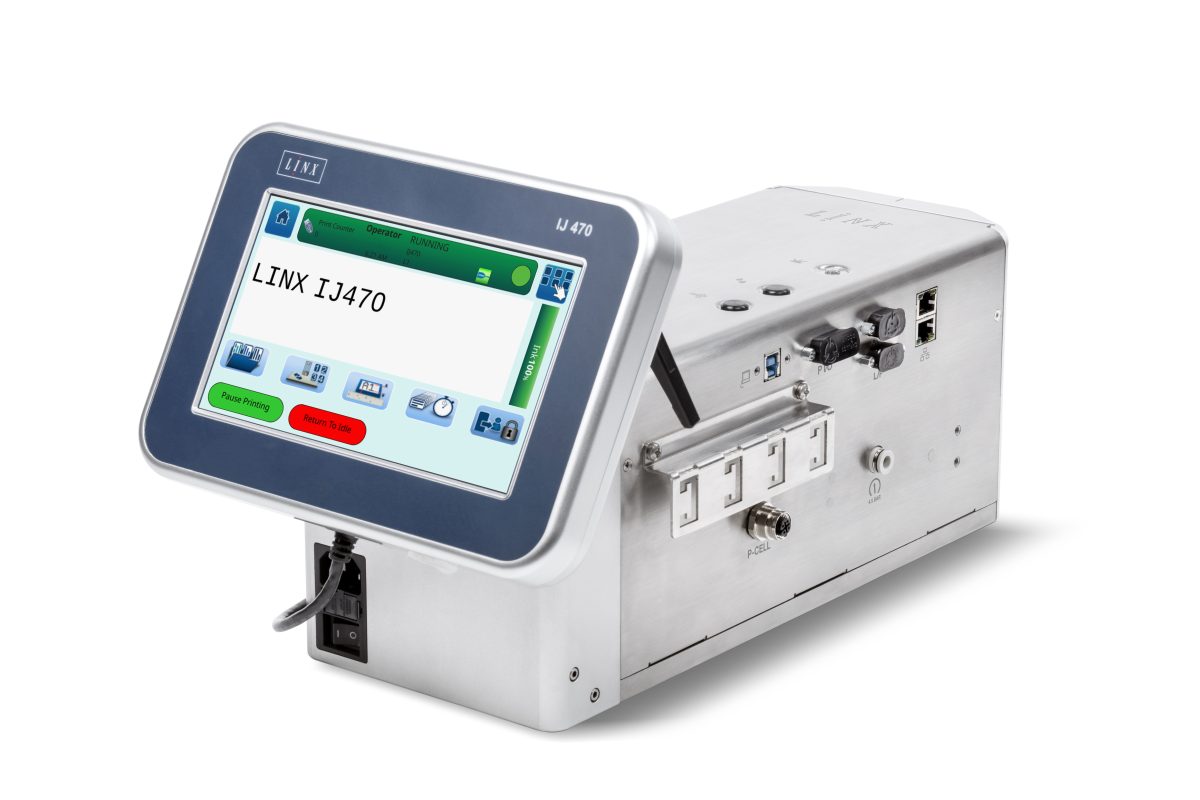
Large Character Date Code Printers
Print variable date information, lot numbers and product identifiers directly onto cardboard boxes and outer cases. Explore the Linx IJ470 for secondary packaging applications.
Explore Linx IJ470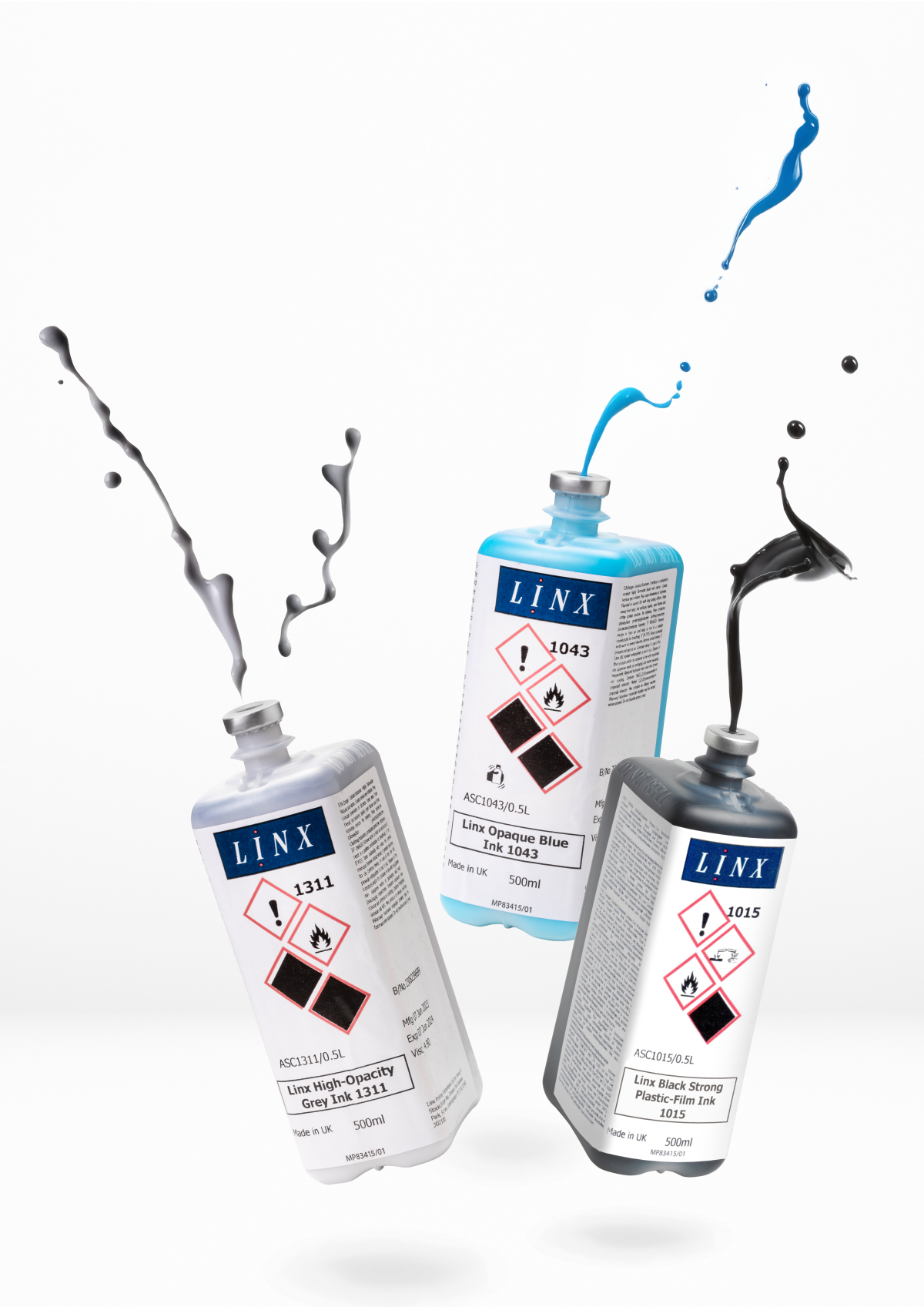
Industrial Inks & Solvents
Choose genuine Linx inks and fluids for suitable code contrast, adhesion and durability across different date coding applications and packaging materials.
Explore Inks & FluidsDate Coding Applications Across Manufacturing
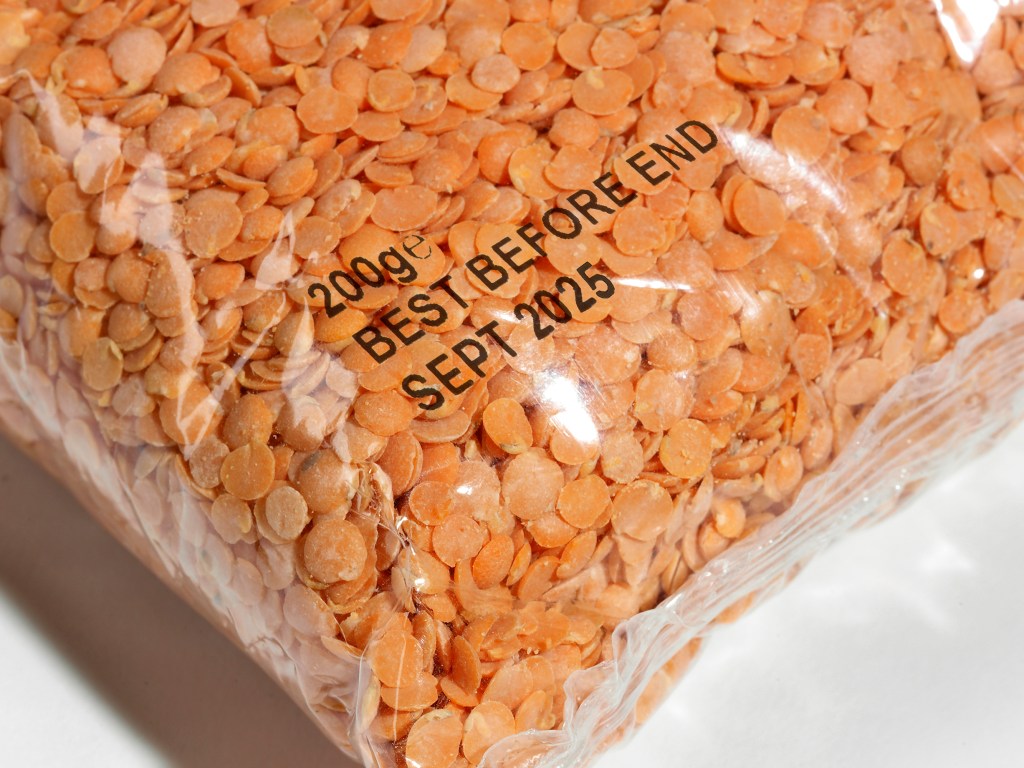 Flexible Packaging
Date Coding on Flexible Films & Pouches
Print clear best-before and use-by dates on compatible plastic films, food pouches, sachets and flow wraps. Select a suitable printing method for your packaging material and production speed.
 Bottle Date Printing
Date Printing on Beverage Bottles
Apply best-before dates and production information to suitable PET and glass bottles. Non-contact coding options support high-speed filling lines and curved packaging surfaces.
 Food & Beverage Cans
Date Coding on Food & Beverage Cans
Print best-before dates, expiry information where applicable, and production codes onto aluminium and steel cans. Select inks or marking methods suited to condensation and handling conditions.
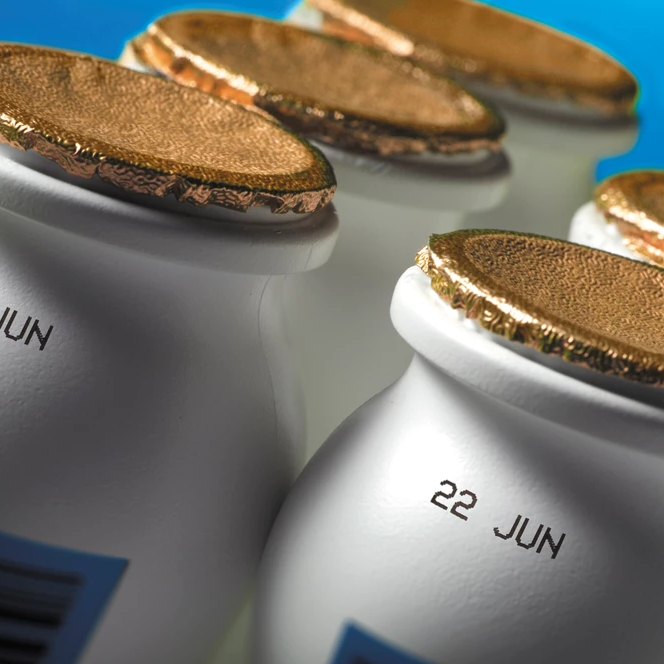 Dairy Date Coding
Use-By Date Coding for Dairy Products
Print approved use-by or best-before dates on milk bottles, yoghurt pots, cheese packaging and foil lids. Choose equipment suited to chilled production, condensation and frequent product changeovers.
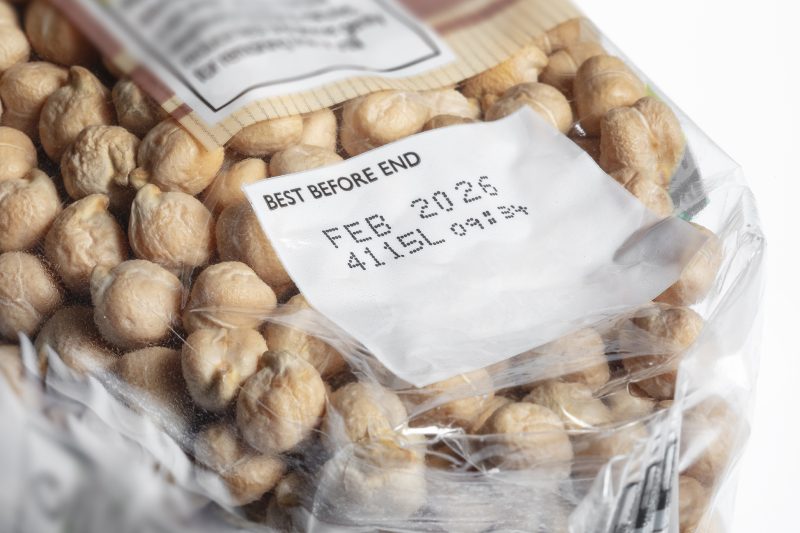 Best-Before Printing
 on Food Packaging
Print best-before dates on suitable packaging for snacks, confectionery, bakery products and dry foods. Match the coding method to cartons, wrappers or bags and the required date format.
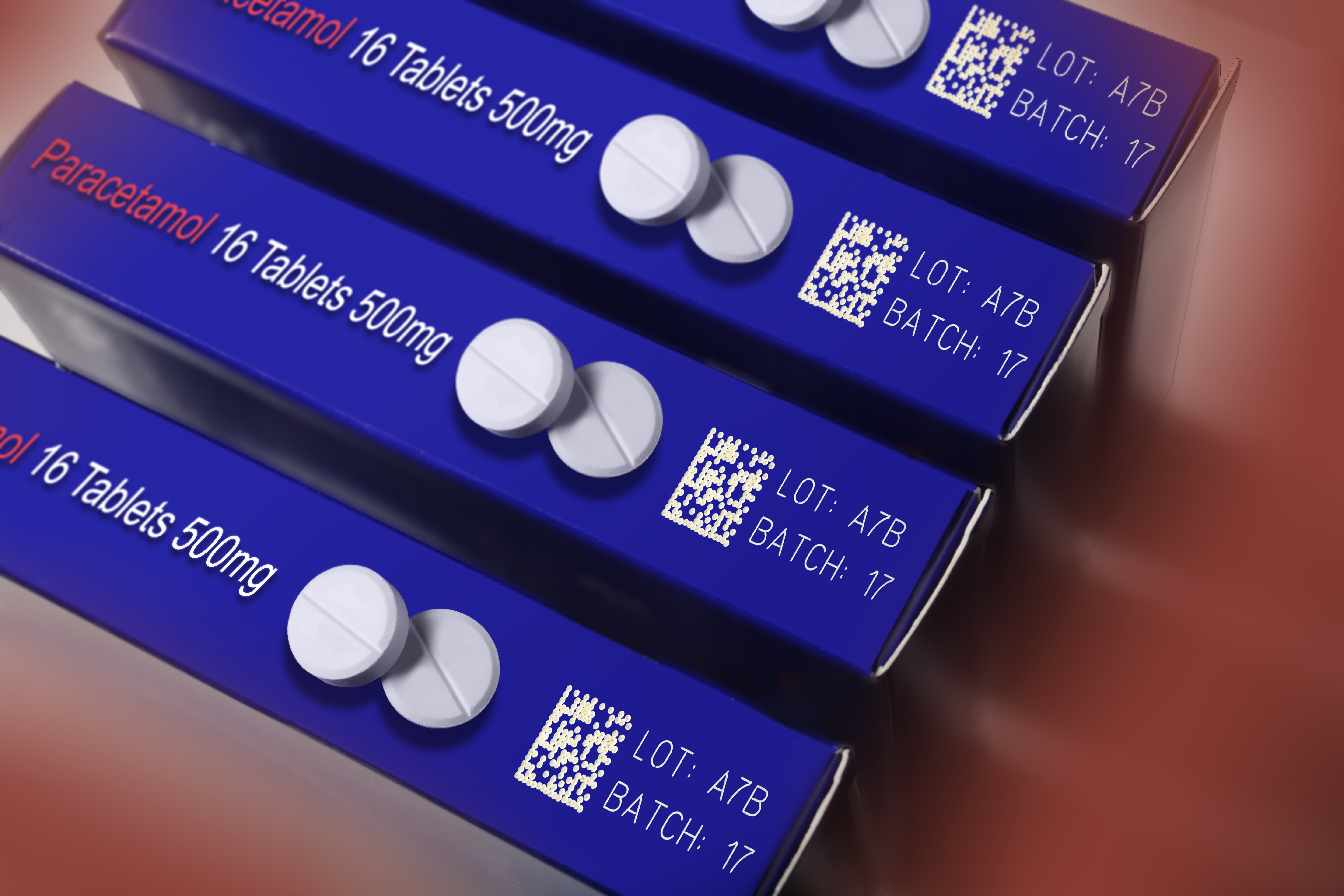 Pharmaceutical Coding
Expiry Date Printing on Pharmaceutical Packs
Apply expiry dates and batch identification to suitable pharmaceutical cartons, labels and packaging. Select coding technology according to required print quality, integration and validated production processes.
Find the Right Date Coding Machine
Whether you need an industrial inkjet printer, a laser marking machine or a high-resolution solution for your cartons and packaging, Linx can help you choose the right date coding technology. Tell us about your materials, production speeds and industrial date coding requirements.
Our UK team can help you identify a suitable printing solution and arrange a free print sample.
Inkjet vs Laser Date Coding Machines: Which Should You Choose?
Both inkjet and laser date coding machines can apply variable information during industrial production, but their operating principles are different.
Inkjet date coders use ink to print onto products and packaging. Continuous inkjet is particularly suitable for high-speed, non-contact coding on different product shapes and materials.
Laser date coding machines change the surface of compatible materials to create a durable mark without liquid ink consumables.
When comparing the two technologies, consider:
- Material compatibility and surface finish
- Production speed and product movement
- Date code size and available print area
- Required print contrast and durability
- Consumable and maintenance requirements
- Integration with existing packaging equipment
- Installation, extraction and laser safety requirements where applicable
There is no single technology that is best for every date coding application.
Testing the proposed code on your actual product or packaging can help identify the most suitable solution.
Resources


FAQs- Date Coding Machine
A date coding machine prints or marks date-related information onto products and packaging.
Industrial date coders can apply best-before dates, use-by dates, expiry dates, manufacturing dates and other variable information during production.
The appropriate machine depends on the packaging material, production speed, required date format and operating conditions.
Continuous inkjet is commonly used for fast-moving bottles and containers, while thermal transfer overprinting is frequently used for flexible packaging films.
Yes. Selected Linx coding machines support automatic date functions and variable information.
The approved shelf-life calculation, date format and printer settings must be correctly configured and verified.
For UK food products, a best-before date primarily concerns quality, while a use-by date concerns food safety.
The correct date type must be selected according to the product and applicable food labelling requirements.
Yes. Many industrial date coders can print batch numbers, lot identifiers and other production information alongside date codes.
The available functions depend on the printer model and configuration.
Inkjet printers apply ink to a product or packaging surface.
Laser coding systems alter the surface of a compatible material to create a mark without liquid ink or ribbon consumables.
The appropriate solution depends on the material, code requirements and production conditions.