
Industrial QR Code Printers for Products & Packaging
Industrial QR Code Printers for Products & Packaging
Print clear, scannable QR codes directly onto products, packaging and outer cases with Linx industrial QR code printers. Our range of inkjet, laser marking and thermal transfer printing solutions helps UK manufacturers apply product identification, traceability information and 2D codes on automated production lines.
Whether you need QR codes on food packaging, high-resolution codes on cartons or durable markings on industrial components, Linx can help you choose a suitable printing technology for your material, code requirements and production speed.

To find out more information and to request your samples with no obligation, click the button below.
What is Industrial QR Code Printing?
Industrial QR code printing is the process of applying machine-readable Quick Response (QR) codes directly onto products, packaging or labels using equipment designed for manufacturing and production environments.
Unlike standard office or desktop label printers, an industrial QR code printing machine can be integrated into a production line to apply fixed or variable information at the required production speed.
QR codes are two-dimensional barcodes that can encode product identifiers, website addresses and other data. When scanned using a compatible device, they can provide access to product information or support identification and traceability processes.
Linx industrial QR code printers offer different printing technologies for compatible cardboard, plastics, flexible films and manufactured components, depending on the required code size, material and print quality.
Product Traceability
Connect product identifiers to manufacturing records and tracking systems.
Variable Data Printing
Print fixed or changing code information between production runs.
Digital Product Information
Link scanners and customers to relevant online product information.
Production-Line Coding
Apply codes directly onto suitable products and packaging during production.
QR Code Printing on Product Packaging
Illustrative packaging and QR code design. Not a scannable print sample.
How to Choose the Right QR Code Printing Machine
There is no single industrial QR code printer suitable for every production environment.
The right solution depends on the packaging material, available print area, QR code data, required resolution, line speed and scanning conditions.
Industrial QR Code Printing Technologies Compared
| Technology | Suitable QR code applications | Key considerations |
|---|---|---|
| Continuous Inkjet (CIJ) | QR code printing on compatible moving products, containers and packaging | Non-contact printing, code size, ink adhesion, resolution and production speed |
| Thermal Inkjet (TIJ) | High-resolution QR codes on cartons, sleeves, labels and suitable rigid packaging | Sharp code definition, print distance, substrate and ink compatibility |
| Laser Marking | Durable QR marking on compatible plastics, coated packaging, glass and metal | Laser wavelength, material response, contrast and required permanence |
| Thermal Transfer Overprinting (TTO) | QR codes on flexible films, pouches, flow wraps and labels | High-resolution printing, ribbon selection, packaging-machine integration |
| Large Character Inkjet | Larger QR codes on cardboard boxes and outer cases | Direct-to-box coding, print area, code size and scanning distance |
Explore Linx Industrial QR Code Printing Machines
Linx offers several industrial printing technologies capable of producing QR codes. The most suitable model depends on your required code format, substrate and production process.
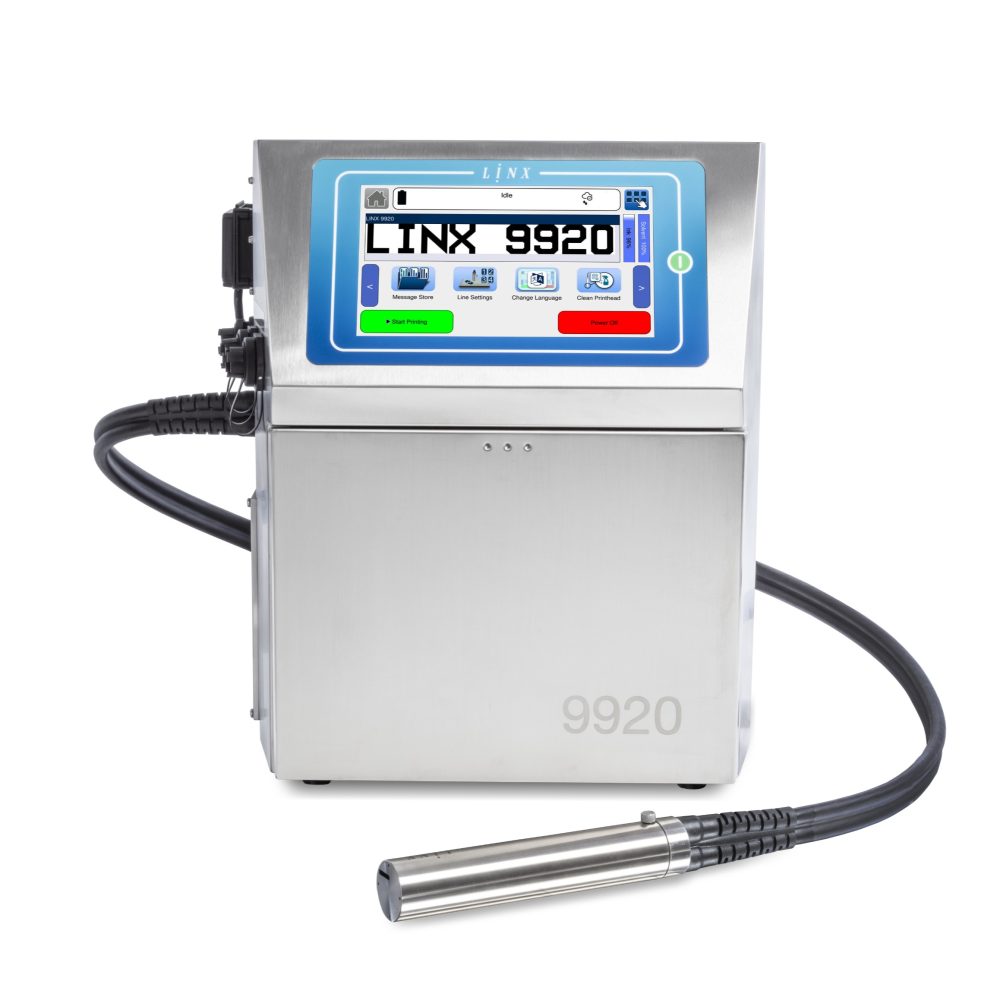
Continuous Inkjet QR Code Printers
Print QR codes, Data Matrix codes and variable product information on fast-moving production lines. The Linx 9920 offers non-contact industrial coding for suitable products and packaging, including high-speed applications.
Explore Linx 9920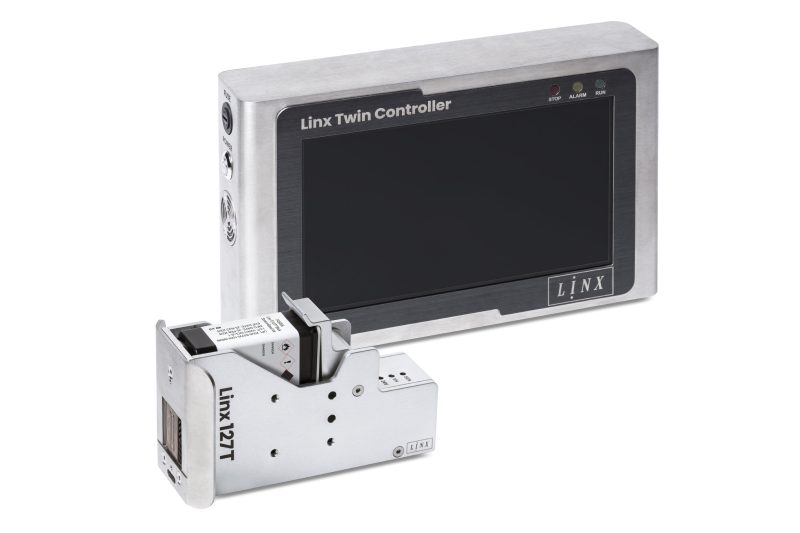
Thermal Inkjet QR Code Printers
Produce sharp, high-resolution QR codes and variable information on cartons, sleeves and compatible packaging. Linx TJ Series thermal inkjet printers support detailed 2D coding where code definition and readability matter.
Explore TIJ Printers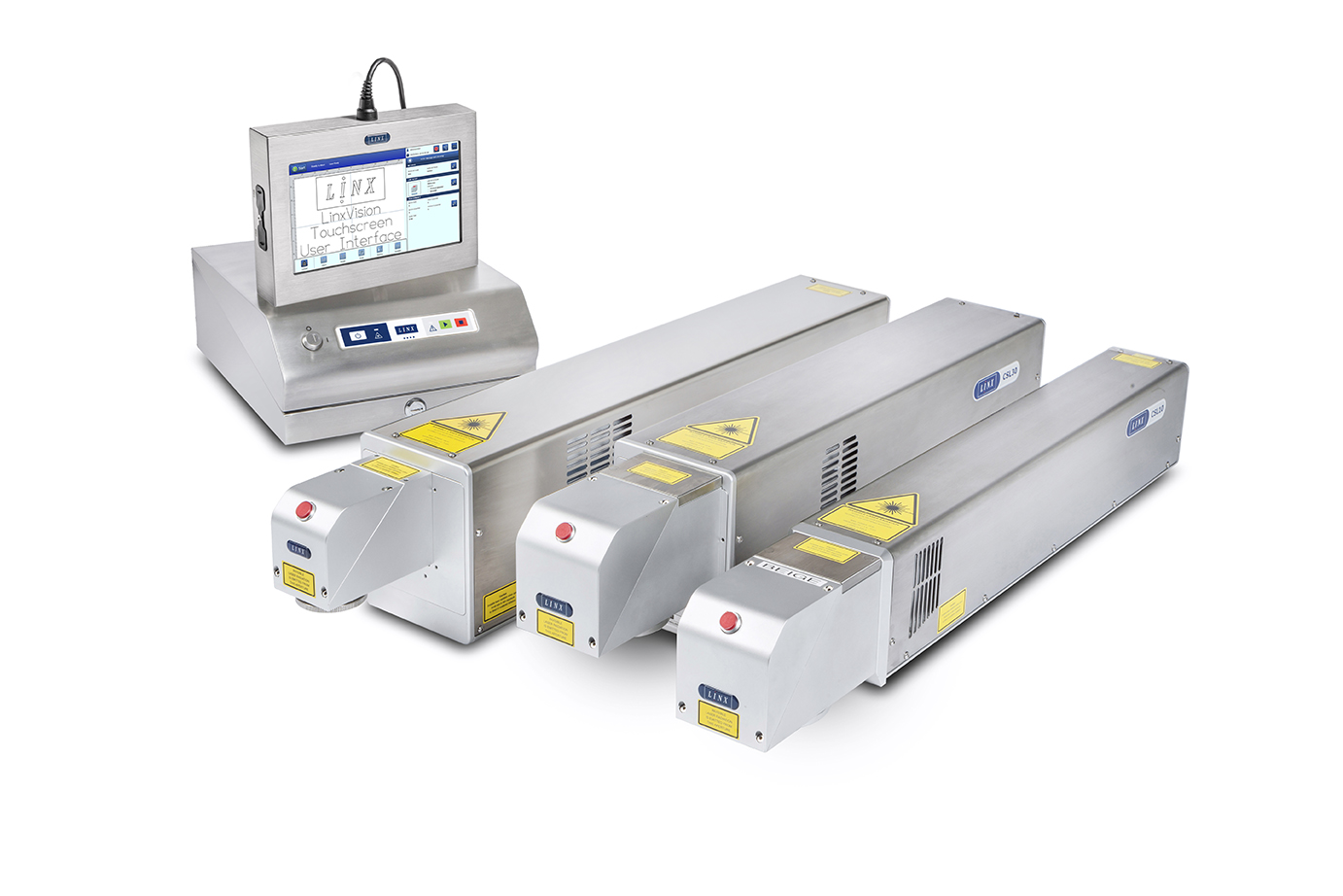
Laser QR Code Marking Machines
Create durable QR codes and product identification marks on compatible plastics, glass, coated packaging and metals. Linx laser coding machines offer ink-free marking options, including UV technology for selected sensitive materials.
Explore Laser Coders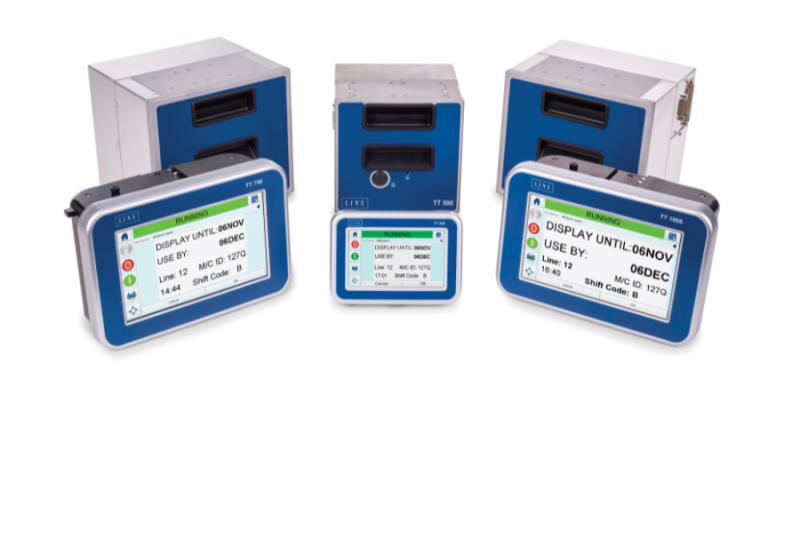
Thermal Transfer QR Code Printers
Print high-resolution QR codes, batch information and variable data onto compatible flexible films, pouches and flow wraps. Linx TT750 and TT1000 overprinters support detailed 2D coding on packaging lines.
Explore TTO Printers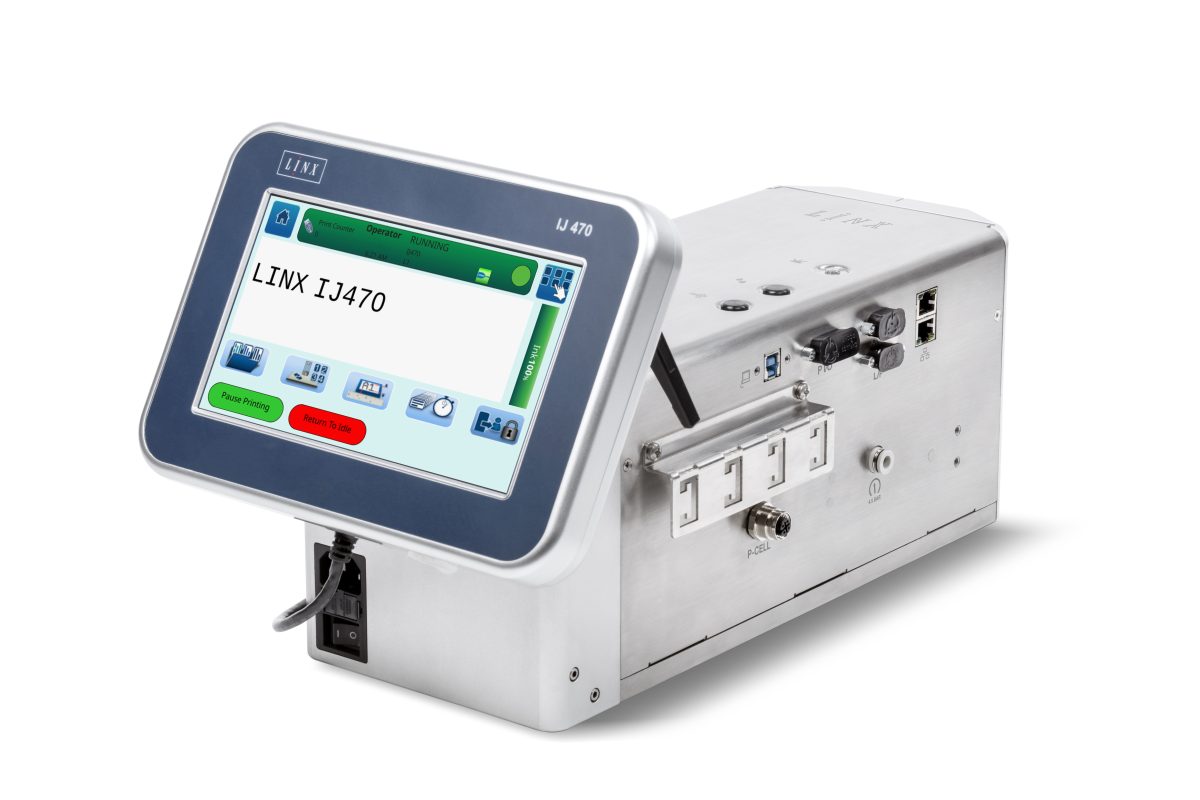
Large Character QR Code Printers
Print QR codes, GS1 QR codes and variable product identifiers directly onto suitable corrugated cardboard boxes and outer cases. The Linx IJ470 offers high-resolution case coding as an alternative to separate labels.
Explore Linx IJ470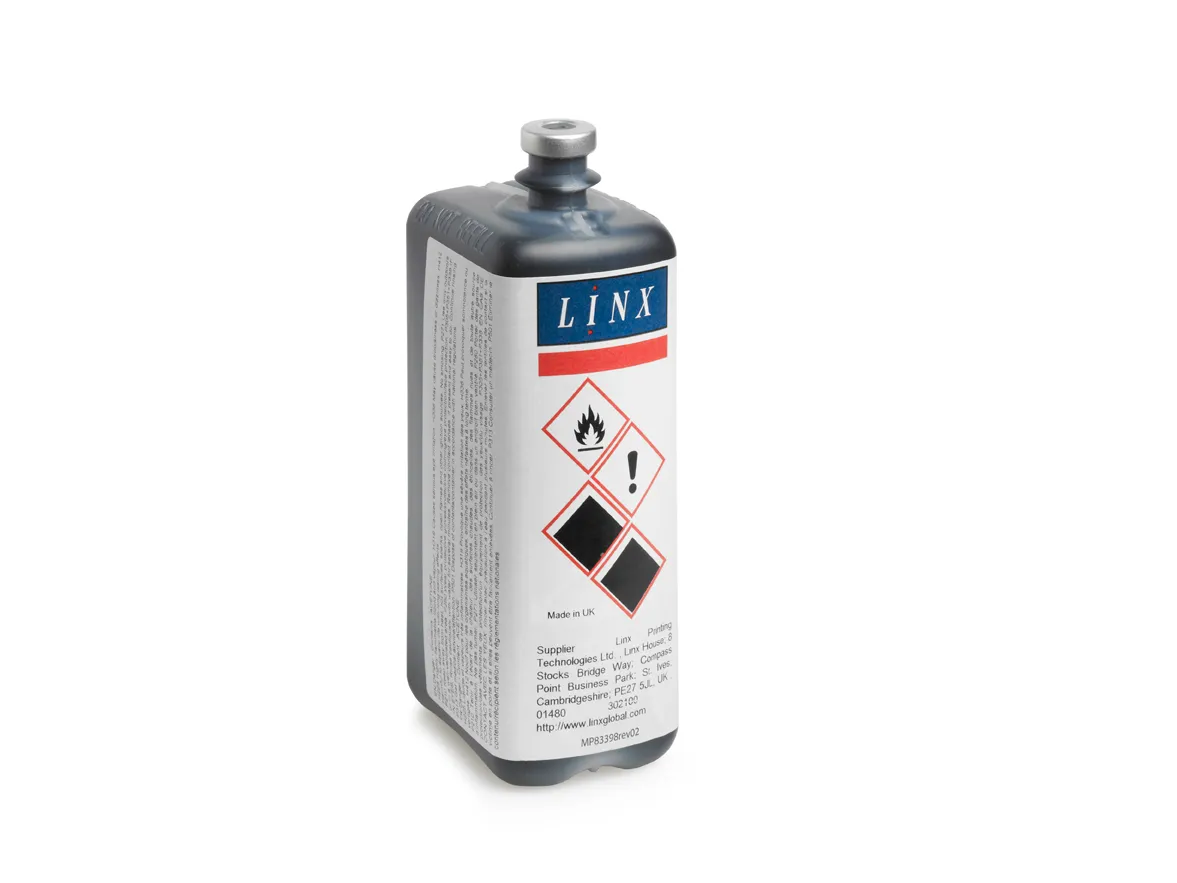
Industrial Inks & Solvents
Choose genuine Linx inks and fluids to support clear, readable QR codes on compatible products and packaging. Explore specialist ink formulations for suitable contrast, adhesion and durability across different materials and production environments.
Explore Inks & FluidsIndustrial QR Code Printing Applications
 Food Packaging
QR Code Printing on Food Packaging
Print QR codes on suitable food packaging to connect customers with ingredient details, recycling guidance and digital product information. GS1-powered QR codes can also support structured product identification and traceability applications.
 Cardboard & Cartons
QR Code Printing on Cardboard Boxes
Apply QR codes and variable identification data directly onto compatible cardboard boxes, cartons and outer cases. High-resolution inkjet printing can help manufacturers reduce reliance on separately printed labels while supporting product and case identification.
 Flexible Films & Pouches
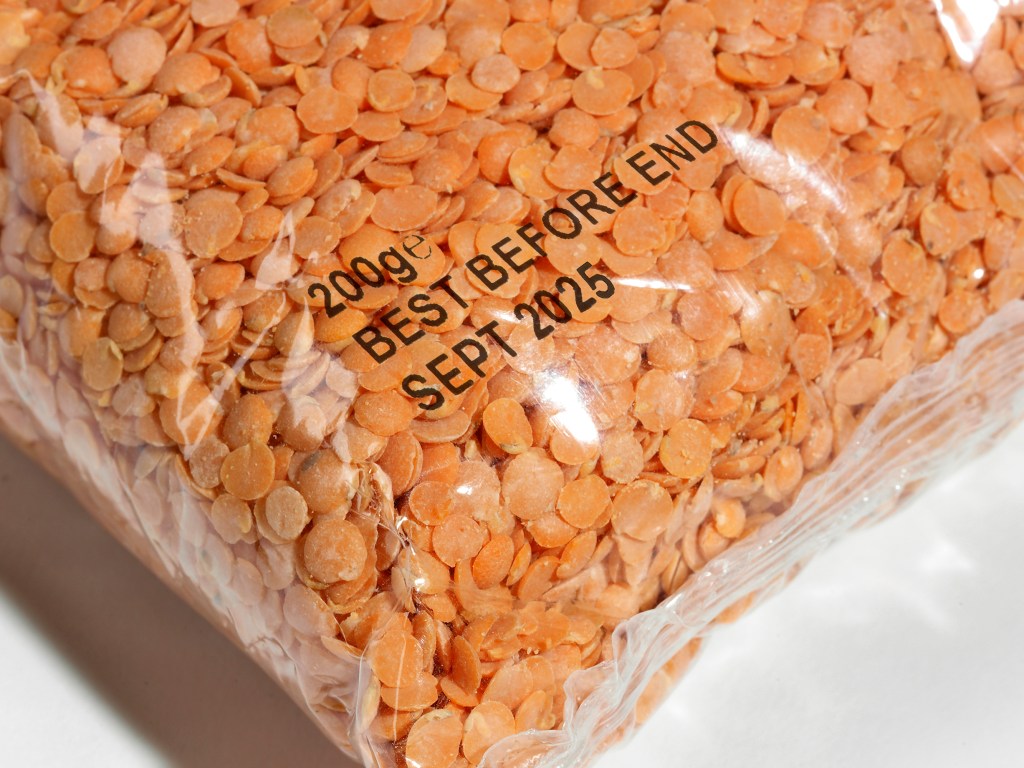
QR Code Printing on Flexible Packaging
Print high-resolution QR codes on compatible packaging films, wrappers and pouches. Thermal transfer overprinting supports detailed variable codes on suitable flexible materials, while selected laser systems offer an alternative where material testing confirms compatibility.
 Beverage Packaging
Industrial QR Code Printing for Beverages
Apply QR codes to suitable beverage bottles, cartons and packaging to support digital product information and identification. Select the printing method according to packaging material, code dimensions, production speed and scan requirements.
 Plastic Products
QR Code Printing on Plastic Products
Print QR codes on compatible rigid plastic containers, packaging and manufactured products. Material type, surface finish and code contrast are important when choosing between industrial inkjet printing and laser marking.
 Automotive Components
QR Code Marking for Automotive Parts
Mark compatible automotive components with QR codes for part identification and access to digital product records. Fibre laser systems can provide durable direct-part marking on suitable metals, while Data Matrix may be preferable where marking space is limited.
Direct QR Code Printing vs QR Code Labels
Manufacturers can apply QR codes directly onto suitable products and packaging or use separately printed labels.
The best method depends on the packaging material, variable-data requirements, production environment and total operating cost.
| Direct industrial QR code printing | QR code labels |
|---|---|
| Prints onto a compatible product or packaging surface | Prints onto a separate label before application |
| Can reduce the need for label stock and application equipment | May be suitable for difficult or irregular surfaces |
| Can support variable data directly on the production line | Can provide a consistent printable background |
| Requires suitable material, contrast and print position | Requires label adhesion and application control |
| Can reduce packaging complexity in suitable applications | May be necessary where direct marking is unsuitable |
For cardboard outer cases, direct printing with equipment such as the Linx IJ470 may offer an alternative to labels. For smaller products or unsuitable substrates, a label-based approach may still be preferable.
Linx can help assess whether direct QR code printing is appropriate for your packaging and production process.
Why Choose Linx for Industrial QR Code Printing?
Choosing an industrial QR code printing machine involves more than producing a QR code on a screen. The final printed symbol must be suitable for your product, line speed and scanning requirements.
Linx offers multiple industrial coding technologies and UK application support to help manufacturers make an informed choice.
Multiple Printing Technologies
Compare continuous inkjet (CIJ), thermal inkjet (TIJ), laser coding, thermal transfer (TTO) and large-character inkjet solutions. Choose equipment according to your QR code requirements rather than relying on a single printing technology.
Industrial QR & 2D Code Capability
Suitable Linx printing systems support QR codes, Data Matrix codes and variable product information. Selected models also support GS1 2D coding applications, helping manufacturers assess current and future identification requirements.
Solutions for Different Materials
Explore QR code printing options for compatible cardboard, plastics, flexible films, glass and industrial components. The printing method can be selected according to material properties, available print area and required code contrast.
Production-Line Integration
Assess printing equipment for automated manufacturing and packaging lines. Linx can help review production speed, print position, code dimensions and variable-data requirements to identify a suitable coding solution.
Free QR Code Print Samples
Evaluate QR code appearance on your packaging material before selecting a printer. Linx offers free print samples to help you assess code definition, contrast and suitability for your application. Verify scan performance against your own requirements.
UK Sales & Technical Support
Discuss your QR code printing requirements with the Linx UK team. Get guidance on suitable equipment, material compatibility, production-line needs and ongoing technical support for your coding application.
Resources

Powerhaul International Case Study

2D Code Sunrise Blog

Digital QR Code Printing Blog

QR Revolution Sunrise 2027 Blog
FAQs- Industrial QR Code Printing
An industrial QR code printer is a production-line coding machine capable of applying QR codes onto suitable products, packaging or labels. Technologies include continuous inkjet, thermal inkjet, laser, thermal transfer and large-character printing.
The best printer depends on the packaging material, QR code size, data requirements and production speed. TIJ and TTO are relevant for detailed codes on suitable cartons and films, while CIJ, laser and large-character systems support other applications.
Yes. Selected Linx CIJ printers, including the Linx 9920, can print QR codes. Code dimensions, complexity and readability should be assessed for the specific configuration.
Yes. Linx TJ Series thermal inkjet printers can produce high-resolution QR codes on compatible materials. TIJ is particularly relevant where clear module definition is required.
Yes. Suitable laser systems can mark QR codes onto compatible materials. Linx offers CO₂, fibre and UV laser technologies for different applications, including durable marking and selected sensitive packaging substrates.
Yes. Suitable industrial case coders can print QR codes directly onto corrugated cardboard. The Linx IJ470 supports QR and GS1 QR printing on compatible porous and semi-porous secondary packaging.
The minimum practical size depends on the amount of encoded data, printer resolution, module dimensions and intended scanning conditions. A code must be tested for readability rather than judged by size alone.
Common causes include insufficient contrast, poor module definition, incorrect quiet zones, unsuitable print size, distorted packaging and scanning conditions that do not match the code design.