Industrial Barcode Printers
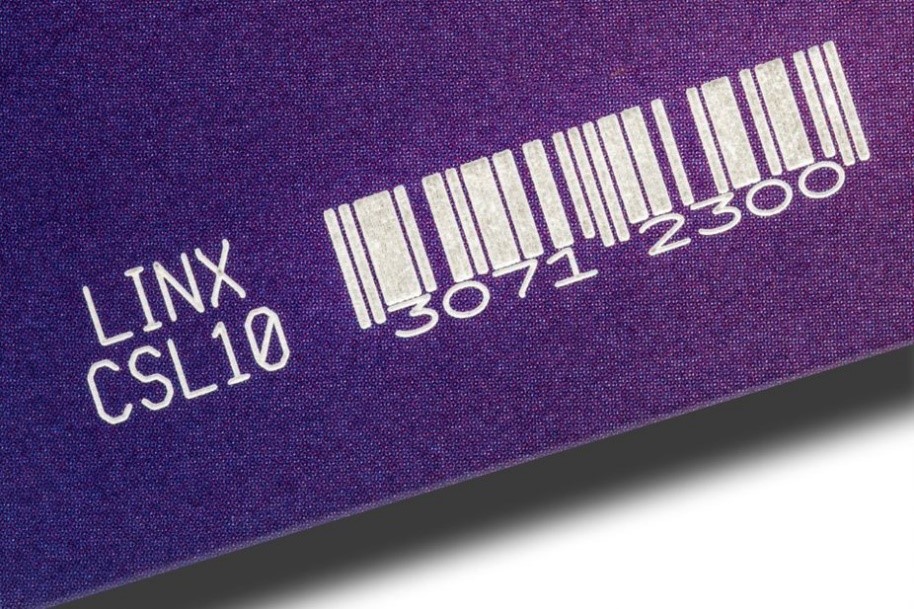
Print clear, scannable barcodes, QR codes and Data Matrix codes directly onto products and packaging.
Looking for an industrial barcode printer for your production line? Linx offers industrial barcode printing machines designed to mark products, cartons, flexible films and other packaging materials with reliable identification and traceability codes.
From high-speed inkjet barcode printing to permanent laser marking and large-character case coding, we can help you select the right machine for your material, barcode format and production requirements.
Whether you need to print Code 128 barcodes, Data Matrix codes, GS1 barcodes or variable product information, our UK team can help you identify a suitable solution.
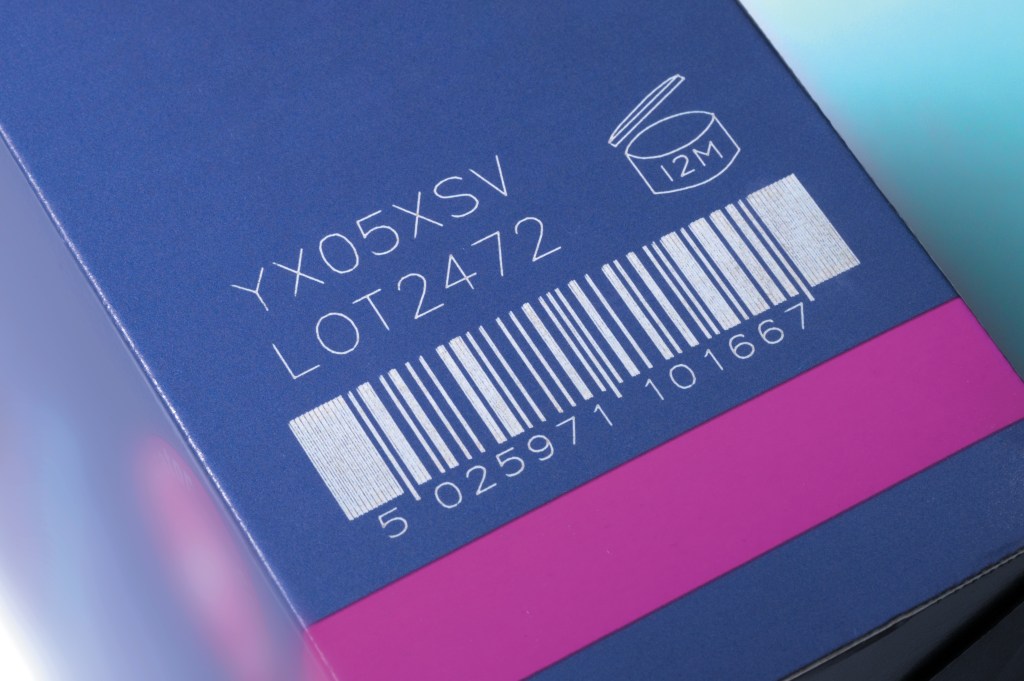
To find out more information and to request your samples with no obligation, click the button below.
What is an Industrial Barcode Printer?
An industrial barcode printer is a machine used to print barcodes and other machine-readable codes onto products, components, packaging or labels during manufacturing and packaging operations.
Unlike desktop barcode label printers, industrial coding and marking machines are designed to work with production equipment, printing information onto moving products or packaging materials.
Industrial barcode printing can support:
- Product identification and batch traceability
- Warehouse and distribution processes
- Product serialisation and variable data
- Inventory and supply chain management
- Barcode and 2D code requirements
- Customer and industry identification standards
The right barcode printing machine depends on the code format, material, print area, production speed and required code durability.
Which Industrial Barcode Printing Machine is Right for Your Production Line?
Different materials and manufacturing environments require different industrial barcode printing technologies.
Linx offers continuous inkjet (CIJ), thermal inkjet (TIJ), large-character marking, thermal transfer overprinting (TTO) and laser coding solutions.
Compare Industrial Barcode Printing Technologies
| Technology | Best suited for | Main advantage |
|---|---|---|
| Continuous Inkjet (CIJ) | Fast-moving bottles, cans, plastics and other products | Flexible non-contact coding |
| Thermal Inkjet (TIJ) | Cartons, sleeves and high-resolution packaging codes | Sharp, detailed printing |
| Large Character Marking | Cardboard boxes, cases and outer packaging | Direct case coding instead of labels |
| Thermal Transfer Overprinting (TTO) | Flexible films, pouches and flow wraps | High-resolution printing onto packaging film |
| Laser Coding | Compatible plastics, metals, glass and packaging | Durable marking without ink consumables |
Not sure which barcode printing technology is suitable?
Tell us about your material, barcode type and line speed. A Linx specialist can help you compare suitable options.
Explore Linx Industrial Barcode Printers
Linx’s range of industrial barcode printing machines are designed to meet your primary and secondary packaging needs. We ensure that our barcode printing machine will work for your production space and free sampling is available upon request. Increase your productivity and minimise waste today.
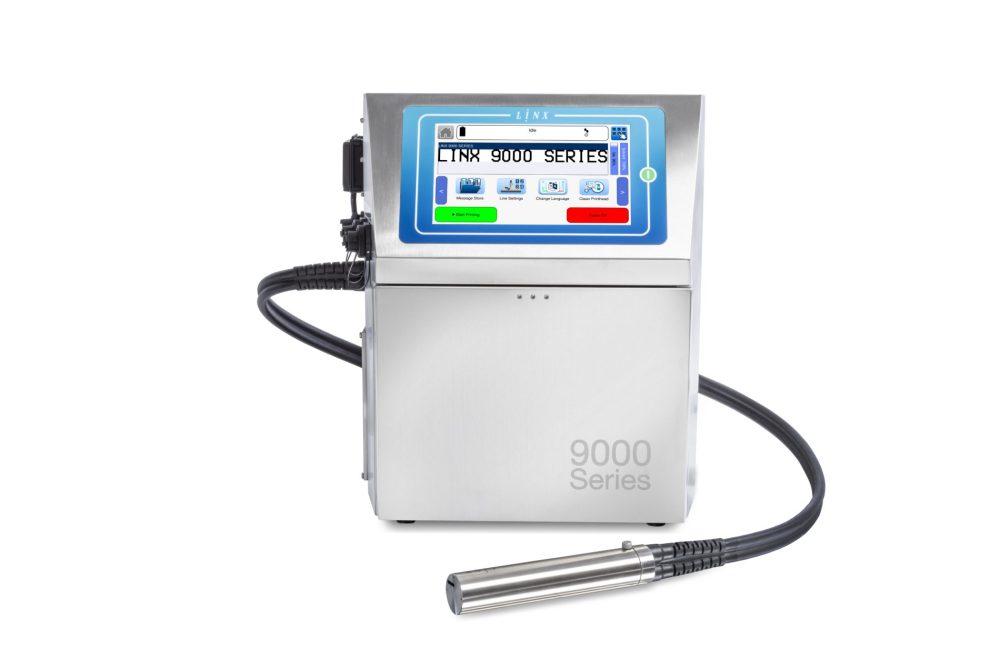
Continuous Inkjet (CIJ) Printers
Print barcodes, QR codes and variable information on fast-moving products. Ideal for bottles, plastics and demanding production lines.
Explore CIJ Printers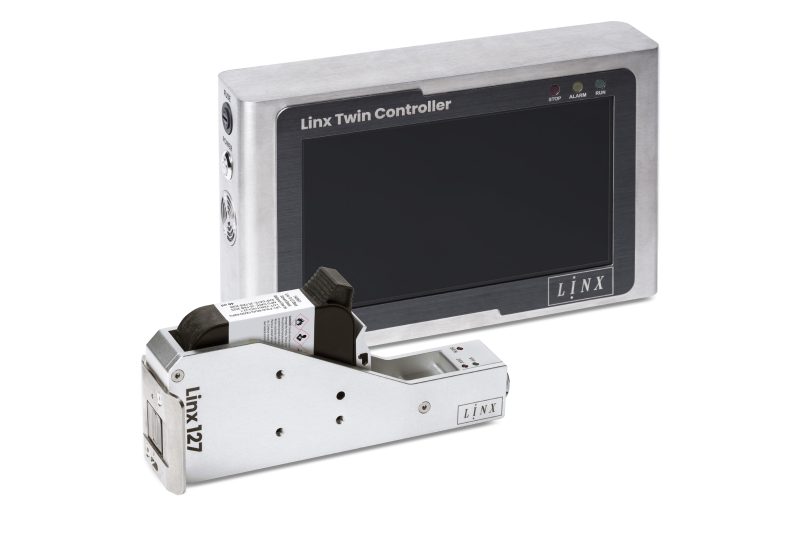
Thermal Inkjet (TIJ) Printers
Produce high-resolution barcodes, QR codes and Data Matrix codes on cartons, packaging and suitable industrial substrates.
Explore TIJ Printers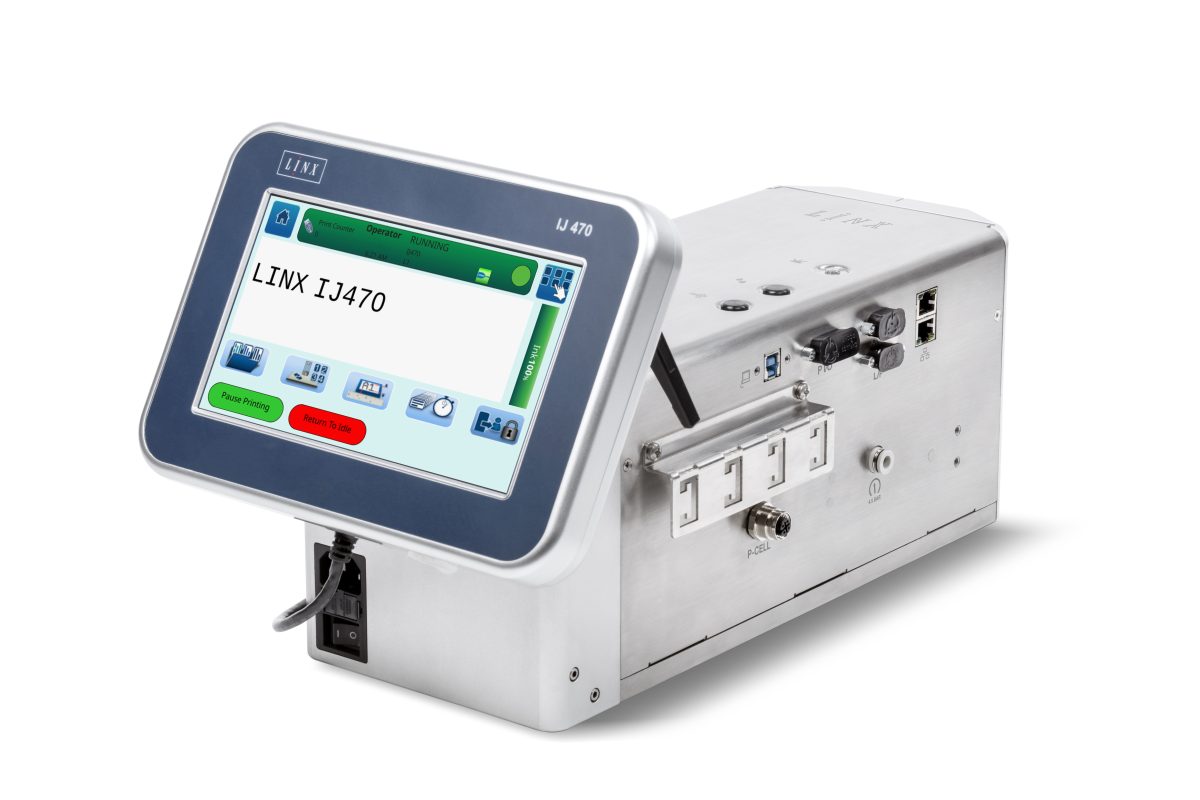
Large Character Barcode Printers
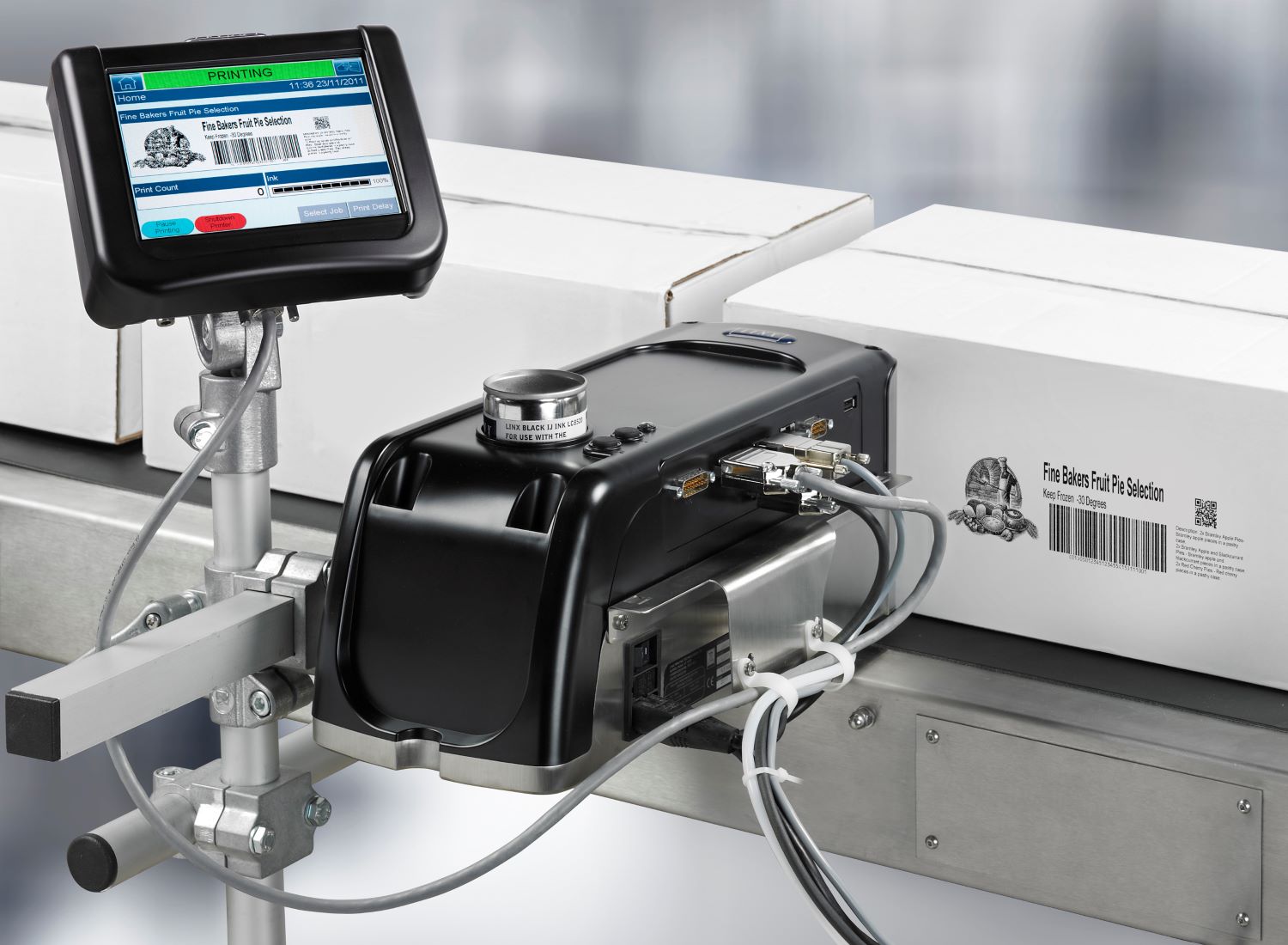
Print barcodes directly onto cardboard cases and outer packaging with the Linx IJ470. Reduce reliance on labels and pre-printed boxes.
Explore Case Coding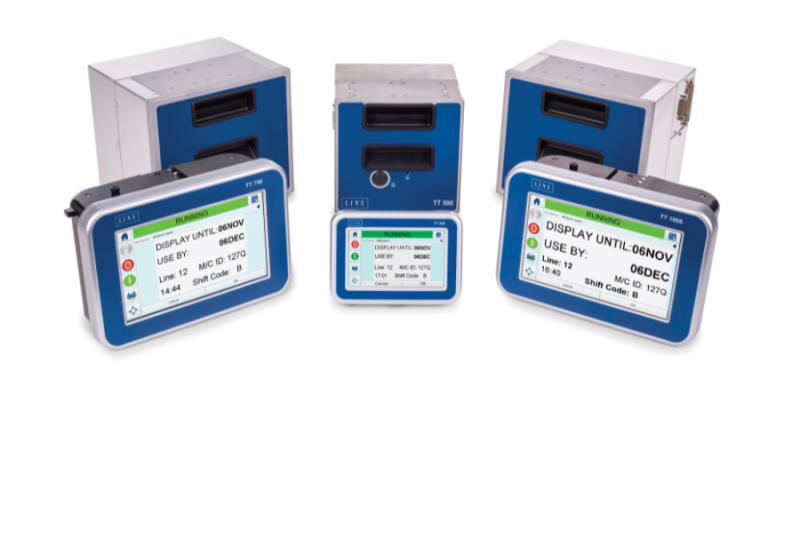
Thermal Transfer Printers (TTO)
Apply clear, high-resolution barcodes and variable data onto flexible films, pouches and flow wraps on packaging lines.
Explore TTO Printers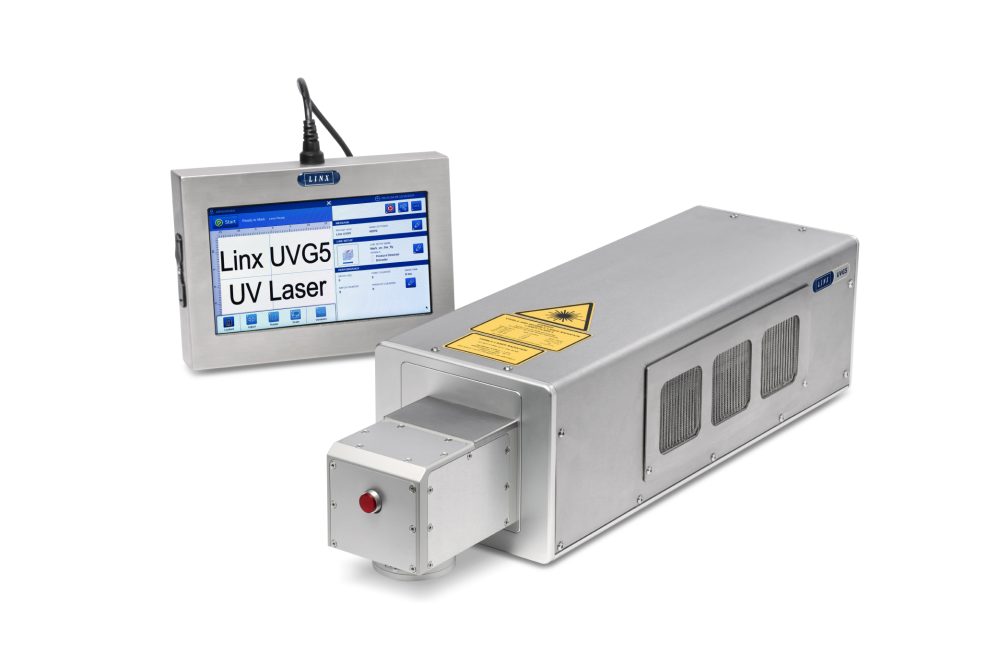
Laser Barcode Marking Machines
Create durable, machine-readable barcodes and 2D codes on compatible products and components without ink consumables.
Explore Laser Coders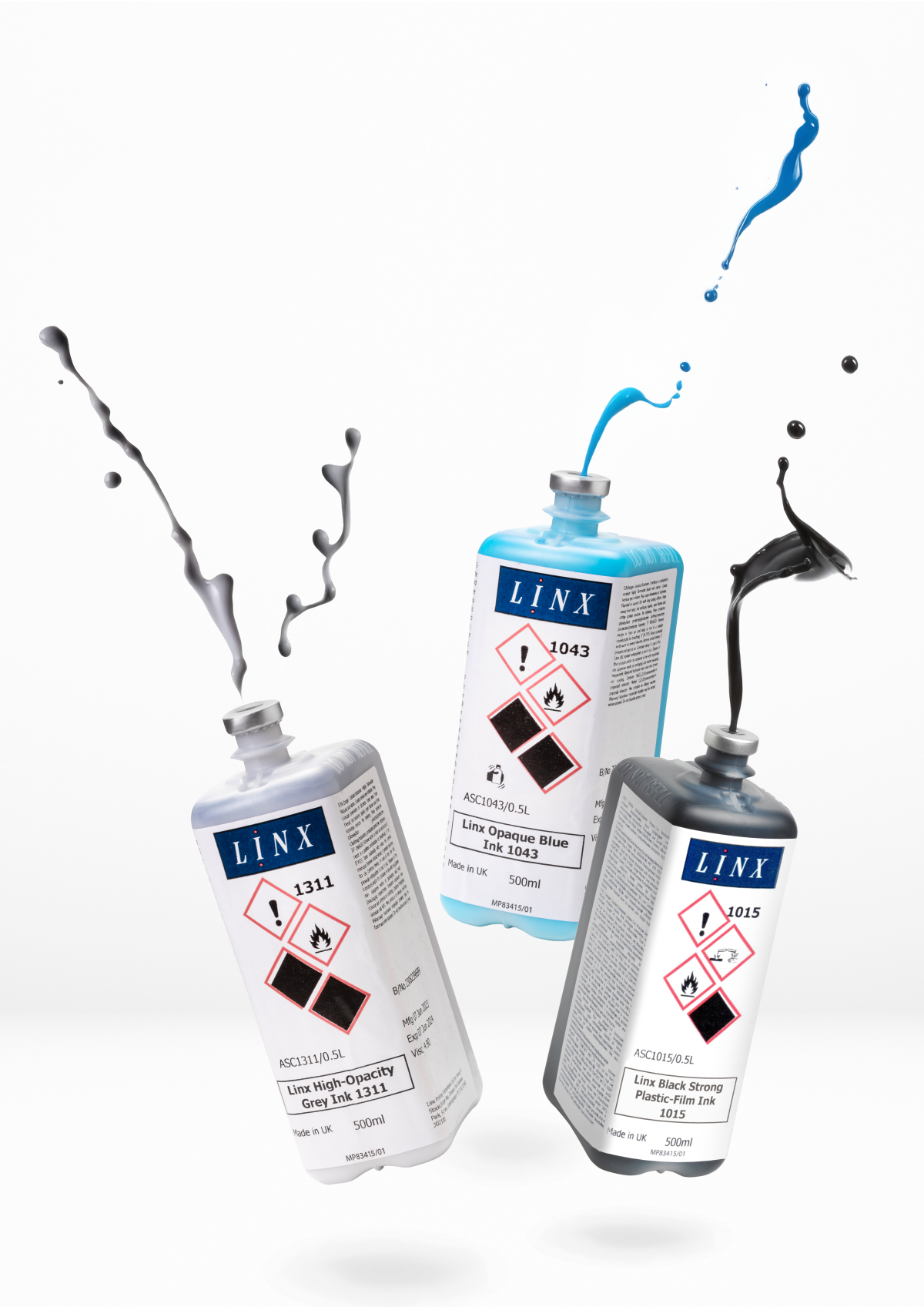
Industrial Inks & Solvents
Explore genuine Linx inks and fluids designed for reliable barcode printing, code contrast and adhesion on suitable materials.
Explore Inks & FluidsWhat Barcode Formats Can Linx Printers Produce?
From traditional linear barcodes to advanced 2D codes, Linx industrial barcode printers support product identification, traceability and supply chain applications.
Industrial Barcode Printing Applications
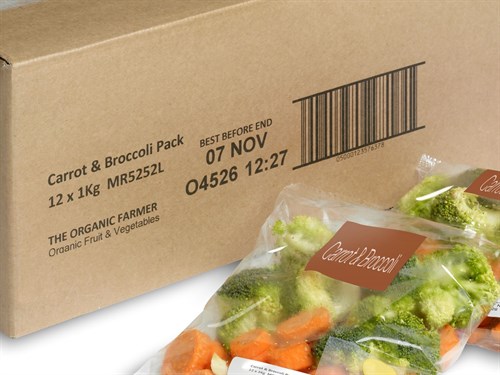 Cardboard & Cartons
Barcode Printing on Cardboard Boxes
Print barcodes, Data Matrix codes and variable product information directly onto corrugated cardboard, cartons and outer cases. Direct case coding can reduce reliance on labels and pre-printed packaging.
 Plastic Packaging
Barcode Printing on Plastic Packaging
Apply product identifiers, QR codes and Data Matrix codes to suitable plastic bottles, containers and trays. Choose printing technology based on material compatibility, contrast and code durability.
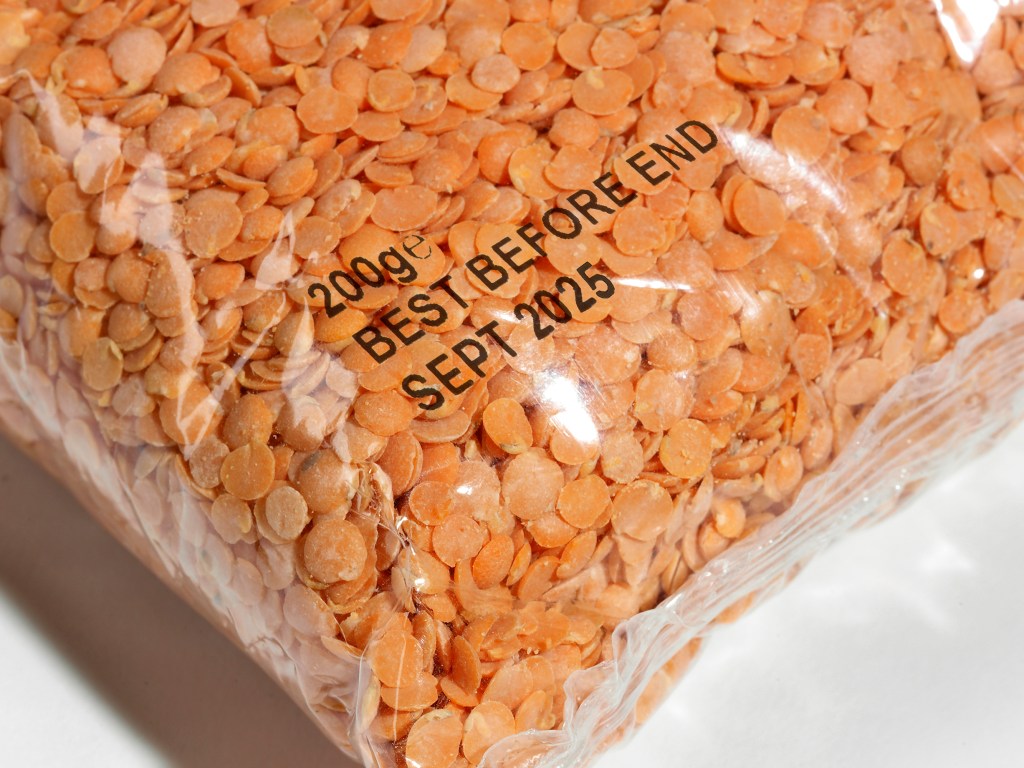 Flexible Packaging
Barcode Printing on Flexible Films & Pouches
Print barcodes and variable identification information onto compatible flexible films, pouches and flow wraps. Thermal transfer overprinting supports detailed, high-resolution codes on packaging film.
 Industrial Components
Barcode Marking on Industrial Components
Mark suitable metal and plastic components with Data Matrix codes, serial numbers and product identifiers for manufacturing traceability. Laser marking provides durable identification on compatible materials.
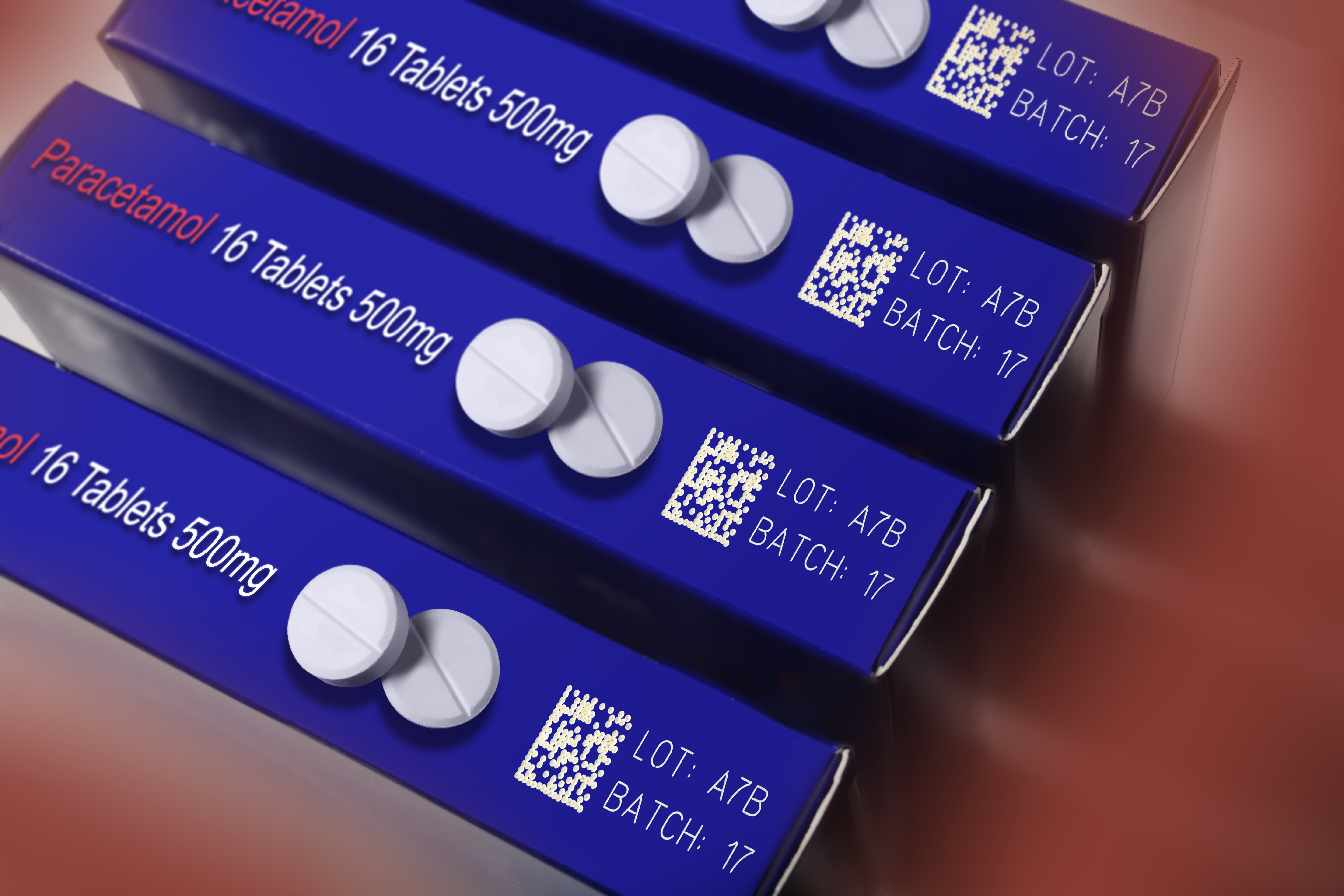 Pharmaceutical Coding
Barcode Printing on Pharmaceutical Packaging
Print machine-readable product identification and traceability information, including suitable Data Matrix codes, onto pharmaceutical cartons and packs. Code quality and verification are important considerations.
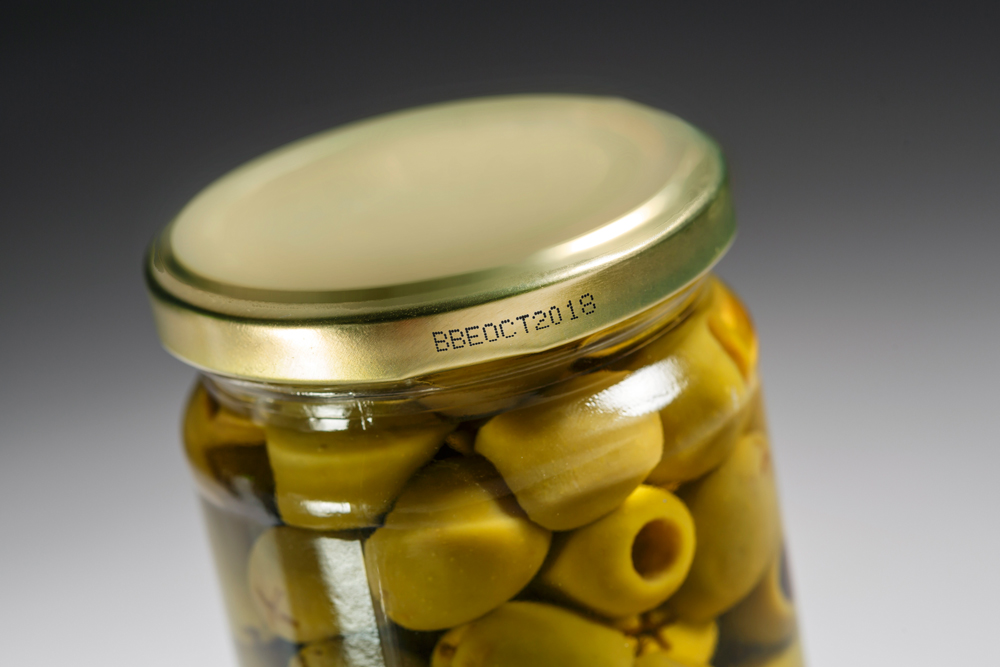
 Glass Bottles & Jars
Barcode Marking on Glass Bottles & Jars
Apply product identification and traceability codes to compatible glass containers. Select inkjet or laser solutions based on the glass surface, code contrast, scanning needs and production conditions.
How to Ensure Barcode Readability and Print Quality
A barcode must be readable throughout the relevant production, storage and distribution processes. Poor contrast, unsuitable ink, incorrect code dimensions or inappropriate placement can affect scanning performance.
When selecting an industrial barcode printing machine, consider the following factors.
1. Barcode format and dimensions
Select the barcode type and symbol size required by your application. Different scanners and coding standards may have different requirements.
2. Material and surface characteristics
Cardboard, plastic, metal, glass and flexible films behave differently during printing. The substrate can affect ink adhesion, contrast and code definition.
3. Barcode contrast
Adequate contrast between the code and its background is essential. Ink colour, substrate colour and surface finish should be considered together.
4. Production speed and positioning
The printer must apply the code accurately at the required line speed. Product movement, printhead distance and integration can affect print quality.
5. Code durability and verification
Consider moisture, abrasion, handling, temperature and other conditions the code may encounter.
Where GS1 or other barcode quality requirements apply, confirm symbol dimensions, quiet zones, data structure and print quality using an appropriate verification process.
Why Choose Linx for Industrial Barcode Printing?
Linx Printing Technologies has supported industrial coding and marking applications since 1987.
We help manufacturers select coding solutions based on their products, production requirements and day-to-day operating challenges.
1. A range of industrial printing technologies
Compare inkjet, large-character, thermal transfer and laser marking solutions for different applications.
2. UK application advice and support
Discuss your printing requirements with a UK coding specialist to help identify suitable technologies and equipment.
3. Print sampling
Test a proposed barcode on your packaging material to assess print appearance and suitability before making a decision.
4. Support for modern traceability requirements
Selected Linx technologies support QR codes, Data Matrix codes and GS1 code formats. Linx is also listed as a GS1 UK Approved partner.
5. Solutions designed for production lines
From high-speed product coding to secondary packaging and flexible films, Linx offers machines for different industrial coding requirements.
Find the Right Industrial Barcode Printer
Tell us what you need to print, the material you are using and your production requirements. Our UK team can help you compare suitable barcode printing technologies and arrange a print sample.
Resources

Mar Ne Vall Case Study
Glowcroft Case Study

Salcombe Brewery Case Study
Coding Systems for Lean Production- Whitepaper
FAQ- Industrial Barcode Printers
An industrial barcode printer is designed for use in manufacturing and production environments. Depending on the technology, it can print codes directly onto products, packaging or labels.
A barcode label printer primarily prints codes onto a label substrate that is subsequently applied to a product or package.
Large-character inkjet printers are commonly used for direct barcode printing onto cardboard cases and outer packaging.
The Linx IJ470 is designed for this application. The appropriate solution depends on the carton surface, barcode type, print size and production speed.
Yes. Selected Linx continuous inkjet and thermal inkjet printers support QR codes and Data Matrix codes.
The exact code formats and printing capabilities depend on the model and configuration.
Selected Linx printers support GS1 barcode formats, including GS1 Data Matrix.
The correct printer configuration, code data, printing conditions and verification process must be used to meet the requirements of the specific application.
Start by identifying the material to be printed, barcode format, required print size, line speed, production environment and code durability.
A sample print and application assessment can help establish which technology is suitable for your production line.