
How Laser Coding can be Beneficial for the Food and Beverage Industry?
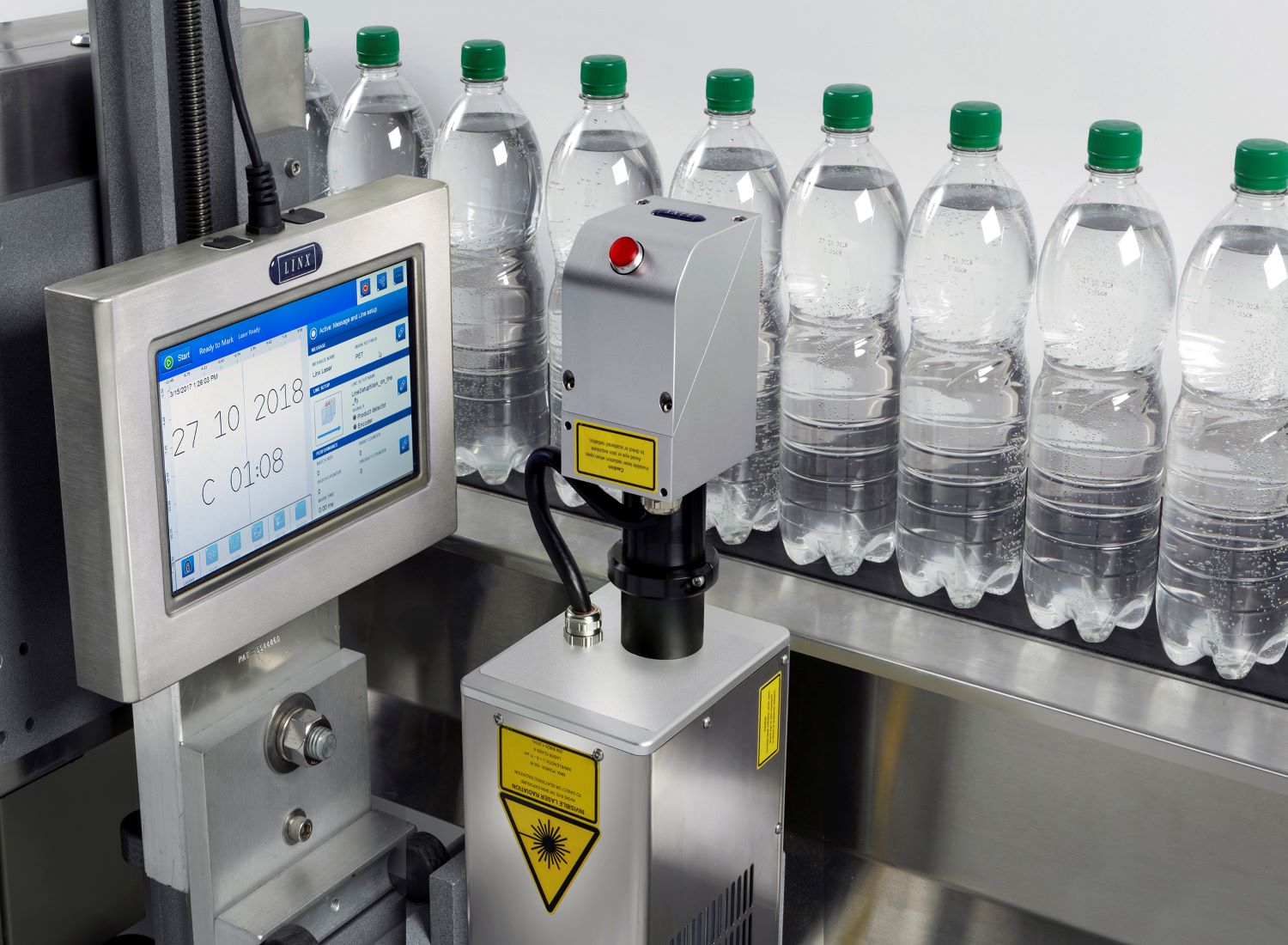
Laser coding provides clear, permanent product identification on food and beverage packaging. From crisp, legible codes to reduced production costs and zero consumables, laser coding technology is fast becoming the go-to solution in this industry. In this post, we’ll explore some key benefits of using laser coding machines when working with food or beverages, looking into how implementations of such systems can reduce production costs and labour, while also providing high-quality results.
What is Laser Coding and How It Works?
Laser coding is a straightforward process that uses laser technology to create permanent, high-precision markings on products. It delivers clear, accurate results, capable of etching text, logos, numbers, and shapes with ease. Particularly suited for lightweight and delicate materials like metal and plastic, laser coding does not affect the taste or smell of products, making it an excellent solution for food and beverage items that are sensitive to temperature changes.
Key Benefits of Laser Coding in Food and Beverage Production
- High Precision and Legibility: Laser coding delivers exceptionally crisp, clear marks, even on small or curved surfaces. This is especially valuable for food packaging, where space is limited and legibility is critical for consumer safety and regulatory compliance.
- Permanent and Durable Marks: Unlike inkjet or thermal transfer methods, laser marks are resistant to moisture, heat, and abrasion, making them ideal for packaging exposed to refrigeration, cooking, or transportation.
- No Impact on Taste or Smell: Laser coding is a non-invasive process that doesn’t involve chemicals or inks, which means there is no risk of contamination or alteration to the product’s taste or aroma. This is particularly important for sensitive food and beverage items.
- Compatible with a Range of Materials: Whether marking on metal cans, plastic bottles, glass jars, or flexible packaging, laser technology offers outstanding versatility. It’s well-suited to both rigid and delicate packaging materials without causing damage.
- Eco-Friendly and Cost-Efficient: Linx Laser coders eliminate the need for consumables such as ink, solvents, or labels, reducing ongoing costs and minimizing environmental impact. Less maintenance and fewer parts also mean lower downtime and improved production efficiency.
- Enhanced Traceability and Compliance: Laser coding enables easy application of serialized codes, QR codes, or data matrix codes, supporting full product traceability from production to point of sale. It also ensures compliance with food safety standards such as FDA, EU, or GS1 regulations.
Applications in the Food and Beverage Industry
Laser coding is used across a wide range of food and beverage applications, including:
- Date coding and lot marking
- Nutritional and allergen labeling
- Tamper-evident sealing
- Branding and decorative elements
In conclusion, laser coding is the perfect solution for food and beverage production businesses seeking a cost-effective, reliable marking process. It delivers quick and accurate product identification, providing promise of reduced time, labour costs, and making product traceability easier and more efficient. Additionally, the permanent markings have proven to be resistant to corrosion or wear as well as durable in highly demanding environments.
Want to see the difference for yourself? Request a print sample from our Linx laser coding experts today.