
Standardise Date Codes & Batch Codes Across Multiple Manufacturing Sites

Operating multiple manufacturing sites across the UK brings scale and flexibility, but it also introduces one common headache: inconsistent date and batch codes.
Different formats, fonts, locations, or even terminology across sites can lead to compliance risks, traceability gaps, and avoidable recalls.
Standardising your date and batch coding strategy isn’t just about neat packaging; it’s about regulatory confidence, operational efficiency, and brand trust.
Why Standardisation Matters in the UK Manufacturing Landscape
In the UK, manufacturers must meet strict traceability and labelling expectations, especially in food, beverage, pharmaceutical, and FMCG sectors.
Without a standard approach:
- One site prints DD/MM/YYYY, another uses MM/YYYY
- Batch codes differ in length or structure
- Retailers flag non-compliant labels
- Investigations and recalls take longer than necessary
A unified coding strategy helps you:
- Meet UK & EU traceability requirements
- Respond faster to quality issues
- Simplify audits and retailer checks
- Maintain a consistent brand appearance
Step 1: Define a Single Coding Standard
Start by agreeing on one master format across all UK sites.
Date Code Best Practices (UK)
- Use DD/MM/YYYY or DD/MM/YY (UK-preferred format)
- Avoid ambiguous formats (e.g. 03/04/25)
- Clearly label “Use By” or “Best Before”
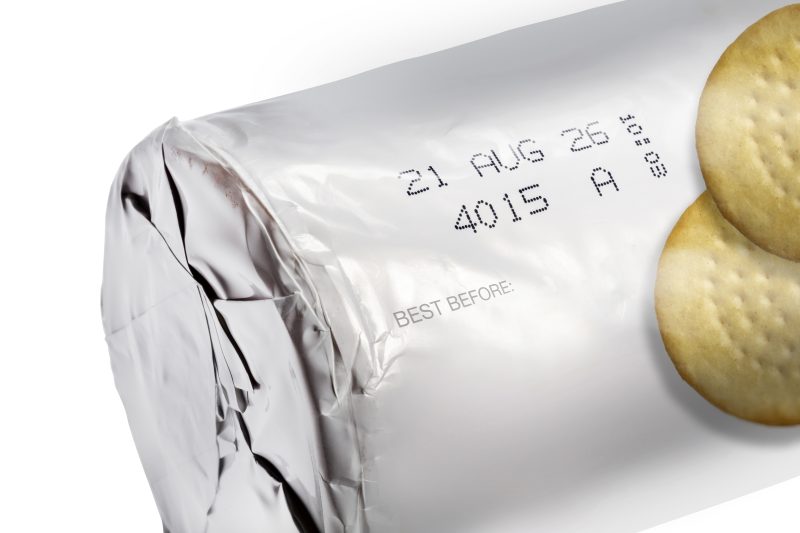

Batch / Lot Code Structure
A good batch code typically includes:
- Site identifier (e.g. MCR, BHM, LDN)
- Production line or shift
- Julian date or timestamp
Step 2: Standardise Coding Technology Across Sites
Using different coding technologies at each site often causes variation in:
- Print quality
- Font size
- Code placement
- Durability on packaging
Where possible, align on:
- CIJ printers for high-speed flexible packaging
- Laser coders for permanent, high-contrast marks
- Thermal inkjet (TIJ) for cartons and secondary packaging
Consistency doesn’t always mean identical machines, but they should be capable of producing the same code format and quality.
Step 3: Centralise Message Control & Templates
One of the most effective ways to standardise coding across UK sites is central message management.
This allows:
- Pre-approved date & batch templates
- Locked formats (operators can’t edit structure)
- Automatic date rollovers
- Remote updates across multiple locations
Benefits:
- Fewer operator errors
- Faster changeovers
- Consistent compliance during audits
This approach also aligns well with GS1 traceability principles, increasingly adopted across UK supply chains through organizations like GS1 UK.
Step 4: Align Coding with UK Compliance & Retail Requirements
UK retailers and regulators expect:
- Legible, durable codes
- Correct placement (not over seams or folds)
- Alignment with Food Information Regulations
- Readability throughout product shelf life
Make sure every site follows:
- The same print location rules
- Minimum font size standards
- Contrast requirements for recycled or dark packaging
This is especially critical as recycled and sustainable materials become more common and harder to mark consistently.
Step 5: Train Teams the Same Way—Everywhere
Even the best system fails without trained operators.
Best practice:
- One UK-wide SOP for coding
- Standard onboarding training
- Refresher training during audits or upgrades
- Clear escalation process for code errors
When teams speak the same “coding language”, consistency becomes much easier to maintain.
Step 6: Audit, Monitor, Improve
Standardisation isn’t a one-time task.
Schedule:
- Regular internal audits across sites
- Sample checks during production
- Feedback loops between QA and operations
Digital reporting tools can highlight:
- Coding errors by site
- Downtime linked to changeovers
- Opportunities to further automate
Key Takeaway
For UK manufacturers, standardising date and batch codes across multiple sites is no longer optional, it’s a strategic necessity.
By combining:
- A single coding standard
- Aligned technologies
- Centralised control
- UK-specific compliance awareness
You create a system that is audit-ready, scalable, and future-proof—even as regulations and packaging materials continue to evolve.
Take Actions Now:
- Request a Print Sample to see the solution in action
- Download Product Brochure for detailed specifications
- Talk to an Expert to find the right coding solution for your retail operations