
Overcoming Printing Challenges when Coding onto Sleeve Packaging
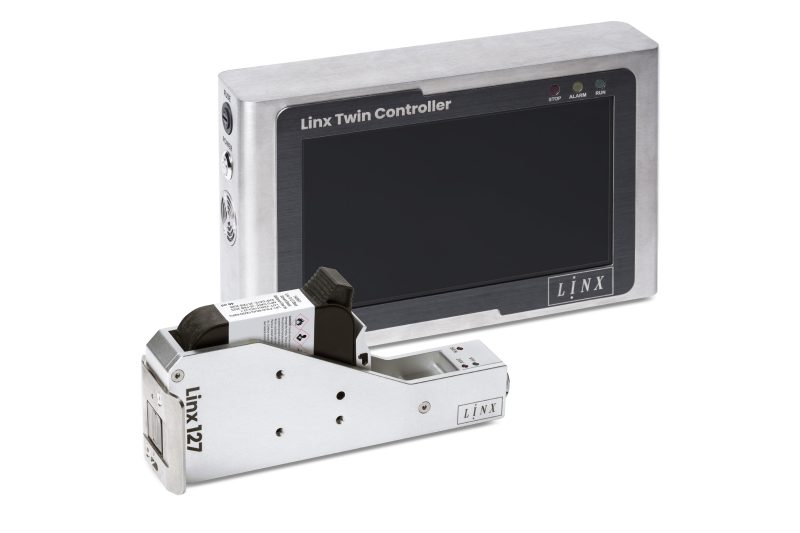
Printing Challenges When Coding onto Sleeve Packaging
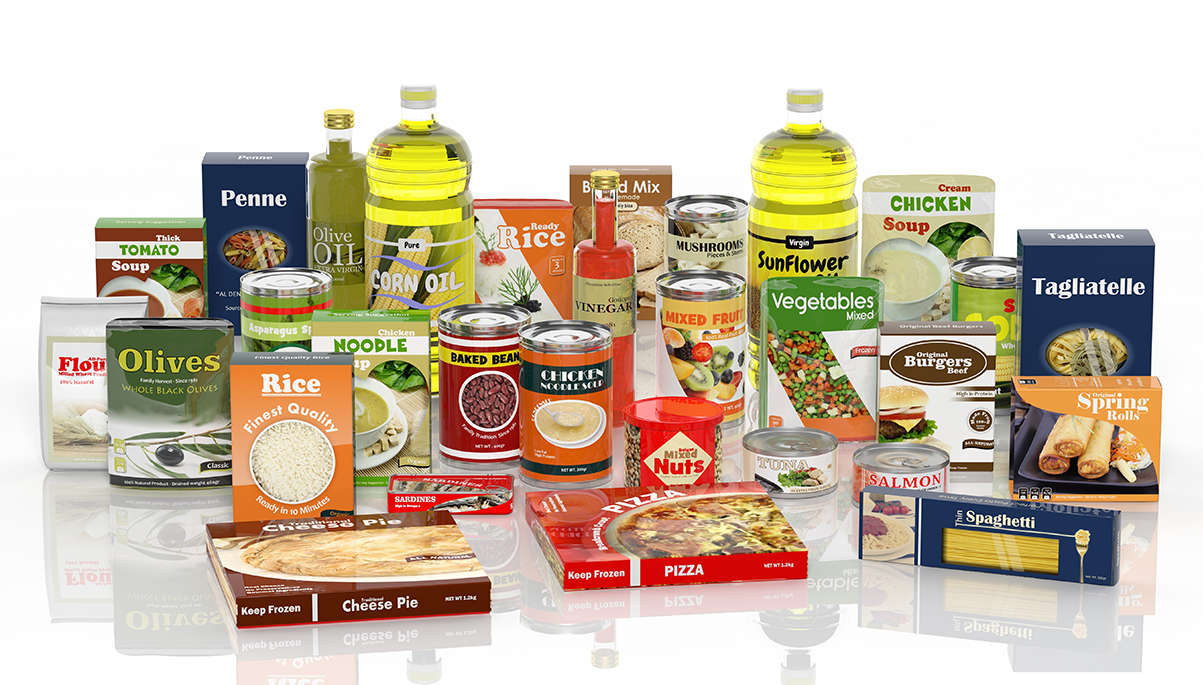
Sleeve packaging is a popular choice across many consumer goods sectors, particularly in food, beverage, personal care and household products. It offers strong shelf appeal, 360-degree branding opportunities and the flexibility to package products of different shapes and sizes.
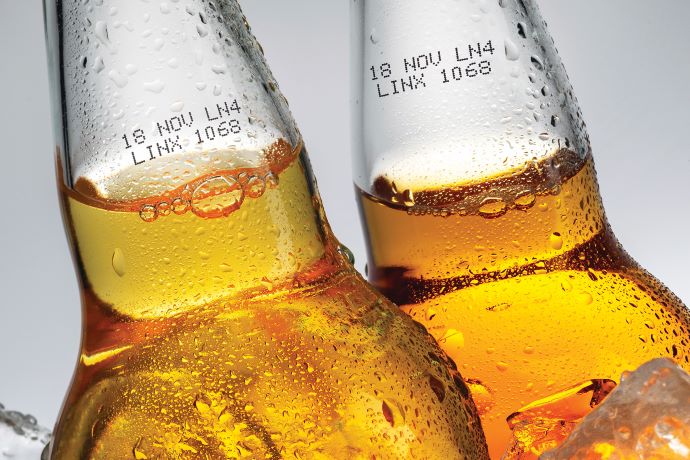
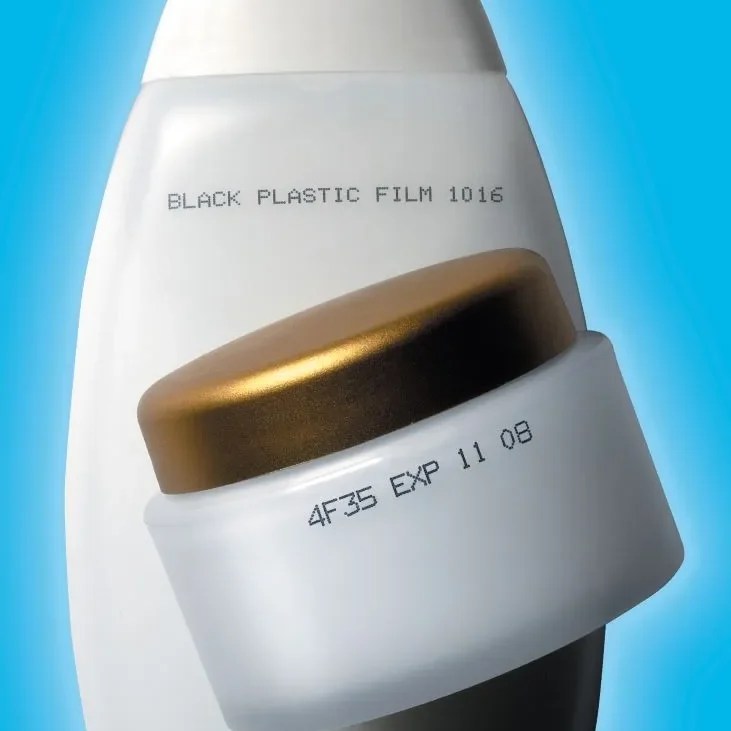
However, when it comes to applying batch codes, best-before dates, lot numbers and other traceability information, sleeve packaging can create some specific challenges. Curved, flexible, glossy or shrinkable materials can make it difficult to achieve a consistently clear, accurate and durable code. For manufacturers, getting this right is essential. A poor-quality code can affect product traceability, create compliance risks and lead to costly rework or waste.
Choosing the right coding and marking solution, combined with the correct setup, ink and line integration, can help manufacturers overcome these issues and maintain reliable print quality at production speeds.
Why sleeve packaging can be difficult to code
Unlike flat cartons or labels, sleeve packaging often involves materials that are curved, flexible, stretchable or shrinkable. This can make the surface particularly difficult to code onto. Even small variations in product position, sleeve tension or printhead alignment can affect the final code result.
The main challenges in coding include:


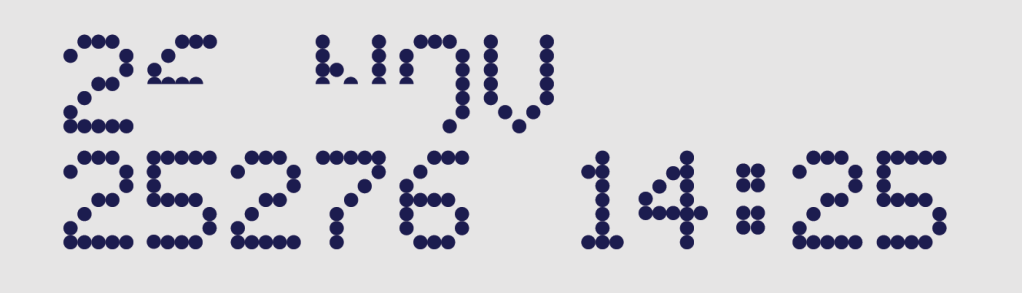
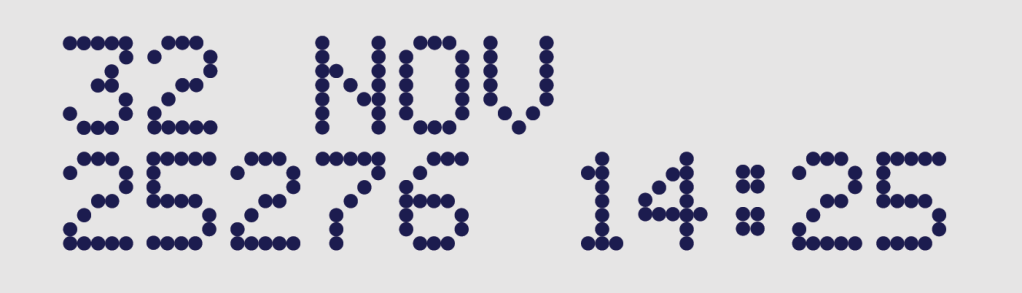
Code distortion – Sleeves may move, stretch or shrink after the code has been applied. If the print area is not carefully selected, the code can become distorted, warped or compressed, making it difficult to read.
Print drift and misalignment – High-speed packaging lines leave little room for error. If the product position varies on the conveyor, or if the sleeve is not presented consistently to the printer, the code may drift from its intended location. For packs with limited clear coding space, accurate placement is particularly important.
Ink adhesion – Sleeve materials can include glossy card, films, coated surfaces and other difficult substrates. These surfaces may be less absorbent than standard porous packaging, making ink adhesion more challenging. If the wrong ink is used, codes can smudge, fade or rub away during handling, packing, transport or storage. For food packaging in particular, specialist inks may be required to adhere to challenging substrates, including surfaces affected by grease, moisture or coatings.
Production speed – Modern packaging lines are designed for efficiency, but faster line speeds can make consistent coding more difficult. The printer must be able to keep pace without compromising print quality, especially where products are closely spaced or moving on curved or uneven surfaces.
The consequences of coding errors
Coding and marking may only be one part of the packaging process, but errors can have a significant impact.
Product recalls
If a batch code, date code or traceability mark is unreadable or missing, affected products may be difficult to identify in the supply chain. In regulated sectors such as food and beverage, this can increase the risk of recalls or compliance issues.
Production downtime
When coding errors are discovered, production may need to stop while the issue is investigated and corrected. This can affect throughput, create delays and add pressure to operators and maintenance teams.
Increased waste
Incorrectly coded products may need to be rejected, reworked or repackaged. This creates unnecessary material waste, increases costs and can reduce overall line efficiency.
Choosing the correct ink and technology
The right coding technology will depend on the sleeve material, production speed, code requirements and operating environment.
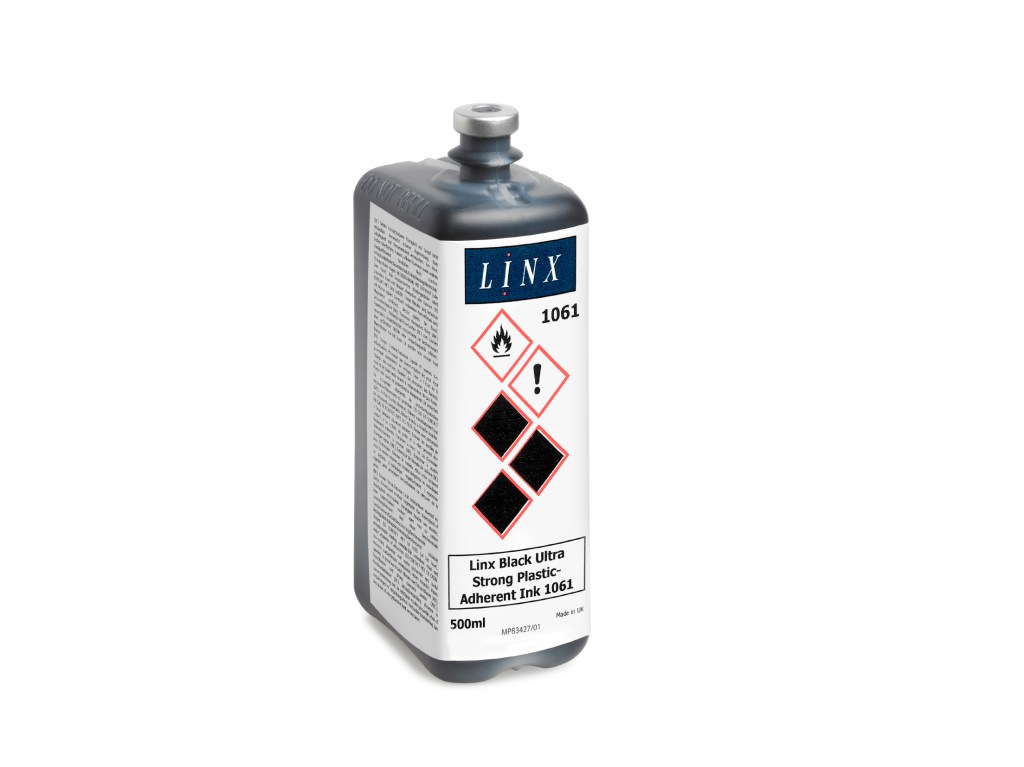
Linx 1061 Ultra-Strong Ink
Specialist inks can help improve adhesion on difficult food packaging substrates, including glossy or grease-affected materials. Linx 1061ultra-strong ink is designed to withstand harsh conditions and remain durable and clear on challenging substrates.
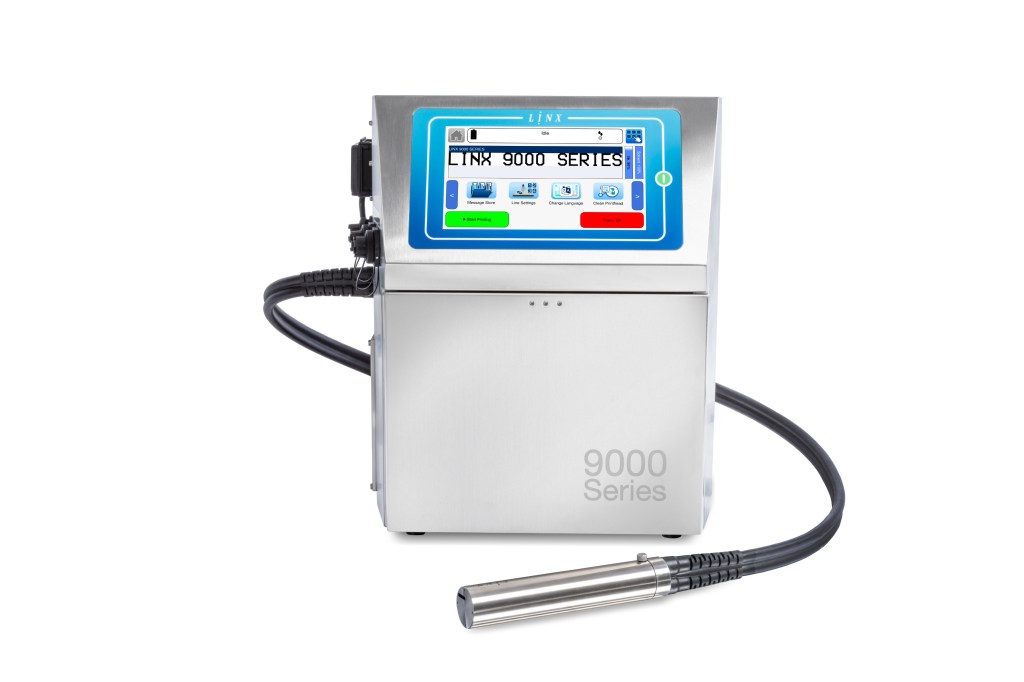
Linx Continuous inkjet printers
Suitable for high-speed production lines and can print onto a wide range of substrates, including curved and irregular surfaces. It is a flexible option for applying date codes, batch numbers and traceability information where speed and versatility are important.
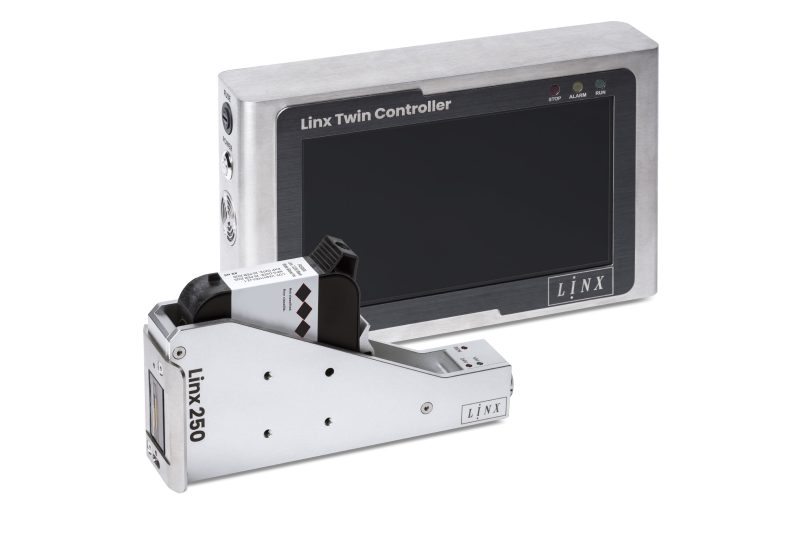
Linx Thermal inkjet printers
Suitable where high-resolution codes are required on more controlled packaging surfaces, particularly porous or semi-porous materials. It can provide crisp, clean text and barcodes when matched with the correct substrate and ink.

Linx Laser Coding
Suitable for some compatible materials. If the material is laser markable and the application needs a permanent ink-free code.
Best practice for coding onto sleeve packaging
To reduce the risk of errors, manufacturers should build coding considerations into the packaging process as early as possible.
Best practice includes:
- Request a Print Sample to see the solution in action
- Download Product Brochure for detailed specifications
- Talk to an Expert to find the right coding solution for your retail operations
Sleeve packaging offers strong branding and practical benefits, but it can create challenges for coding and marking. Curved, flexible, glossy and shrinkable materials all increase the risk of distortion, misalignment, poor adhesion and inconsistent print quality.
Linx can help manufacturers find the most suitable coding solution for their sleeve packaging line, from CIJ and TIJ printers to laser coders and specialist inks such as Linx 1061 Ultra-Strong Ink. With expert advice, print samples and demonstrations, Linx supports consistent, high-quality coding even on demanding, fast-moving production lines.